

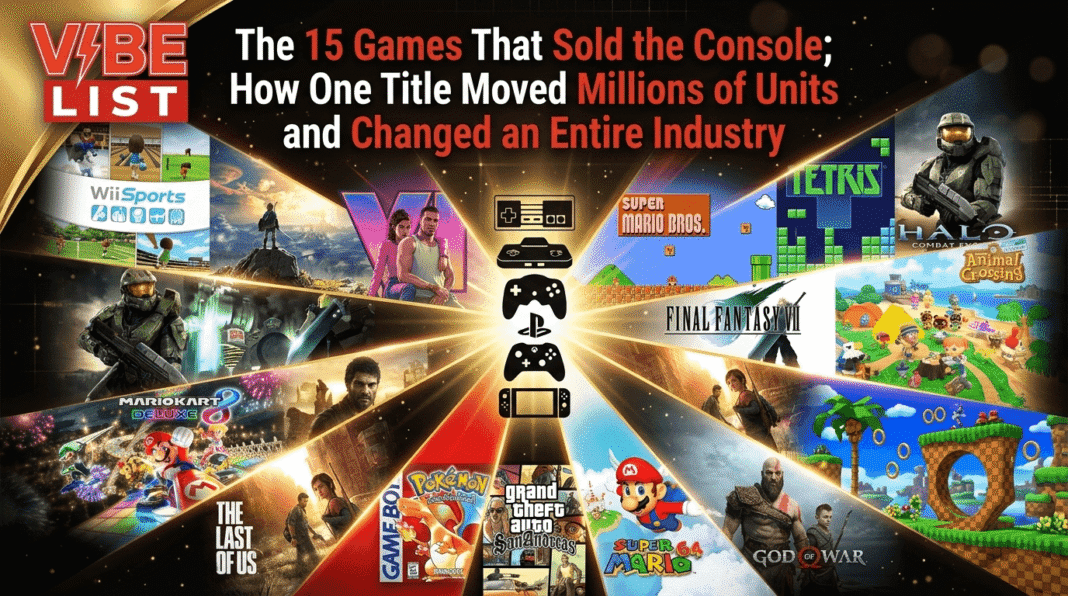
Forty million copies of one game pulling an entire industry out of a New Mexico landfill. A 102 percent attach rate for a Zelda title that outsold the console it ran on. Eighty-two million units of Wii Sports shipped alongside a remote that turned retirement homes into bowling alleys. A seven-year-old Game Boy revived by two cartridges that spawned a $100 billion empire. A single Halo disc justifying Microsoft’s multi-billion-dollar bet on a market it had never entered. None of them just topped a sales chart. Each one was the reason the console existed in the customer’s hands at all.
A true system seller is much more than a great game. Many great games launch on consoles that already sit in millions of homes and simply contribute to the overall library. A true system seller is the game that made someone buy a console they didn’t already own. It is the single title that turns “I’ll wait” into “I’m buying this today.” The attach rate tells the story — the percentage of console owners who also own that game — and when that figure approaches or surpasses 100 percent, we know the hardware rode the popularity of the game, not the other way around.
What follows is a ranked list of the 15 greatest system-seller games in the history of gaming consoles, based on verified sales data, cultural significance, and overall effect on the gaming industry. Whether you call them system sellers, killer app games, or console exclusives that moved hardware, these are the titles that changed everything.
How We Ranked This List
Each title is evaluated on hardware-sales correlation, attach rate, market-share impact, cultural influence, and enduring relevance — weighted by editorial judgment. Ultimately, the final rankings are determined by the Vibe List editors’ perspective. This is our list, supported by evidence, influenced by our point of view.
15. Sonic the Hedgehog; Sega Genesis
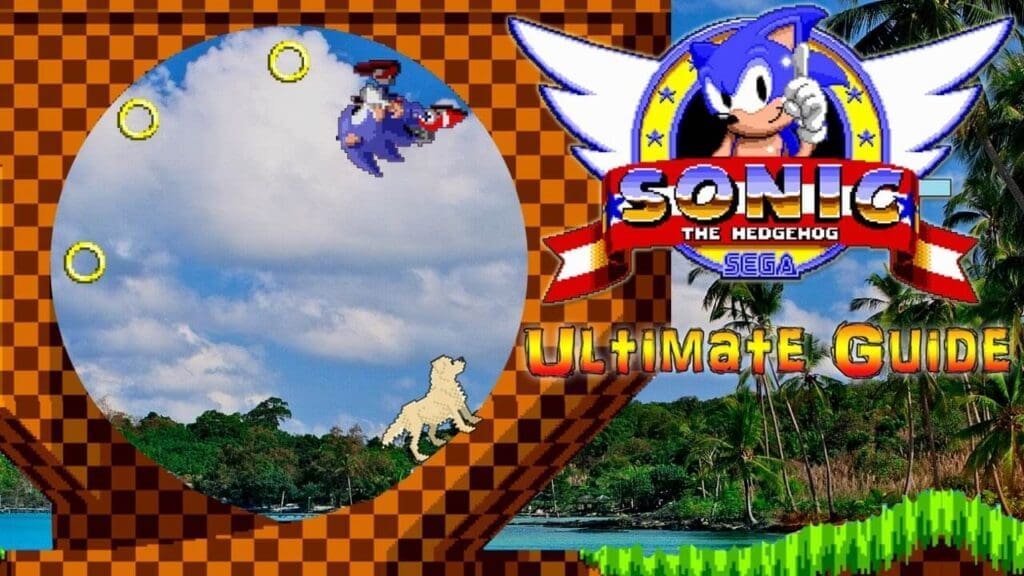
Platform: Sega Genesis / Mega Drive Released: June 23, 1991 Copies Sold: Over 15 million (Genesis and Mega Drive combined) Console Lifetime Sales: 30.75 million
In 1991, Nintendo dominated approximately 90 percent of the North American console market with its NES. Sega had a problem. Sega needed a mascot — not just any mascot, but a reason for consumers to consider purchasing a Genesis instead of waiting for the Super Nintendo, which was arriving in North America within months.
Sonic the Hedgehog was that reason. Yuji Naka and Naoto Ohshima at Sega’s internal development studio designed Sonic as a marketing vehicle — specifically, a character built to demonstrate what the Genesis hardware could do technically: scroll at speeds the NES could not replicate. Starting in mid-1991, Sega began packaging Sonic with every Genesis bundle as part of its Genesis Does What Nintendon’t campaign. Sonic replaced Altered Beast as the pack-in title and instantly shifted the brand identity of the console.
As a result, by January 1992, Sega controlled 65 percent of the North American 16-bit console market. For the first time since 1985, Nintendo was not the leading manufacturer of home consoles in North America. While Sonic sold over 15 million copies combined across all versions of the Genesis, he provided the impetus for millions of families to purchase a Sega console. Sonic defined what console marketing could look like. The Genesis Does What Nintendon’t campaign was already underway, but Sonic gave it substance. The Hedgehog became the difference between a slogan and a demonstrated truth.
The Vibe List’s Take: Sonic ranks at #15 because while his system-selling impact was significant for Sega — and ultimately reversed when the SNES gained traction — he still proved that an incumbent can be challenged. He simply could not maintain his leadership position. That differentiation matters.
14. God of War (2018); PlayStation 4
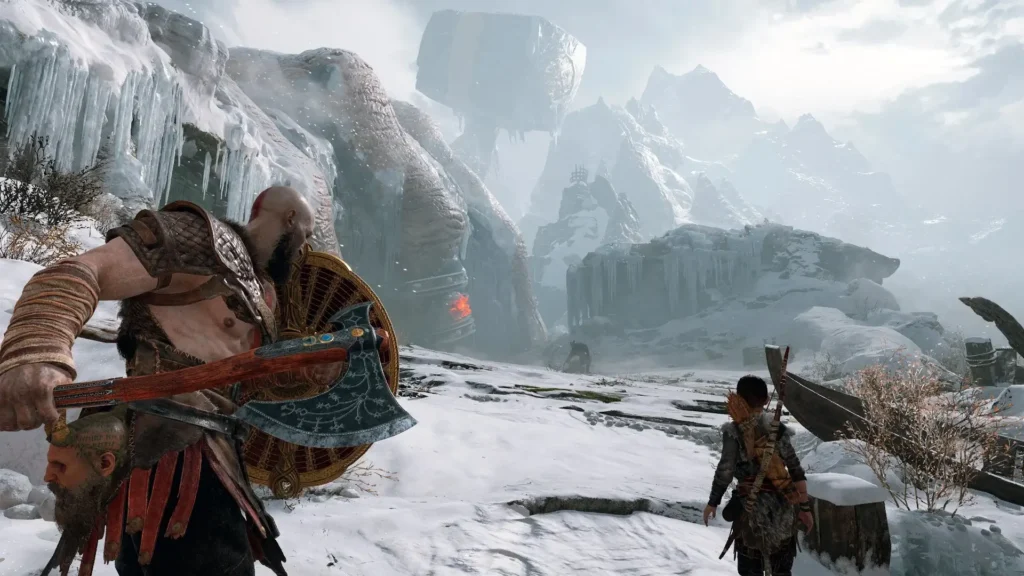
Platform: PlayStation 4 Released: April 20, 2018 Copies Sold: Over 23 million Console Lifetime Sales: 117.2 million
By 2018, the PlayStation 4 had become the leading console in hardware sales for its generation. Sony did not require a system seller in the classical sense; the PS4 was already installed in over 75 million homes worldwide. What Sony required was a title that justified its claim as the preeminent platform for narrative-driven single-player gaming. God of War met that challenge head-on.
Director Cory Barlog and his team at Santa Monica Studio reimagined the God of War franchise, achieving sales of 3.1 million copies in its first three days — breaking records as the fastest-selling PS4 exclusive at the time. As of 2024, God of War has sold over 23 million units. The game won Game of the Year at The Game Awards 2018 and holds a Metacritic score of 94.
Why does God of War appear on this list when the PS4 was already significantly ahead of Microsoft’s Xbox One and Nintendo’s Switch? Because God of War was the title that motivated holdouts. It convinced former Xbox 360 owners who had delayed upgrading to finally transition to a PS4. It drew PC gamers into Sony’s ecosystem. And it gave every existing PS4 owner a compelling reason to validate their purchase.
According to Sony’s earnings calls, God of War drove a measurable PS4 hardware sales increase in Q2 2018. God of War became Sony’s blueprint: a first-party exclusive that earns critical praise, sells tens of millions, and defines what players expect from the hardware. Every major PlayStation showcase since 2018 traces its roots back to what Cory Barlog achieved.
The Vibe List’s Take: God of War ranks at #14 because its system-selling power was less about creating demand for new hardware and more about validating an entire platform philosophy. That philosophy — first-party narrative excellence — continues to define PlayStation in 2026.
13. Super Mario 64; Nintendo 64
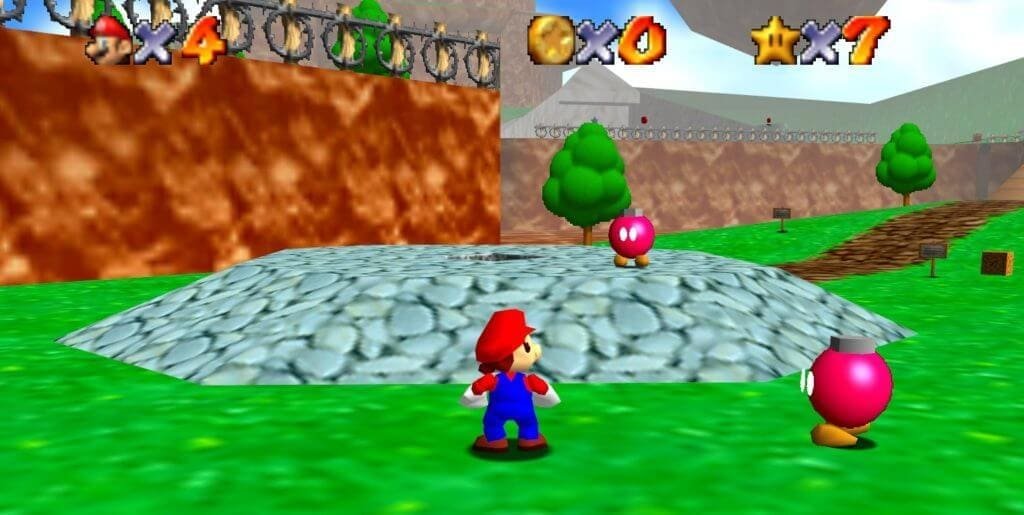
Platform: Nintendo 64 Released: Japan — June 23, 1996 / North America — September 29, 1996 Copies Sold: 11.91 million Console Lifetime Sales: 32.93 million
There were only two titles available when the Nintendo 64 launched in North America on September 29, 1996: Pilotwings 64 and Super Mario 64. Essentially, there was only one. Super Mario 64 was not only what convinced people to buy an N64 on launch day; it was what convinced millions of families to choose Nintendo over Sega entirely. During the N64’s launch period, Super Mario 64 had an attach rate nearing 100 percent. Fewer than half a dozen titles in gaming history have reached such levels.
Creator Shigeru Miyamoto revolutionized three-dimensional gaming. Although it may seem obvious today, Miyamoto introduced analog-stick control to a generation raised on D-pads. Camera control, open-world exploration, and physics-driven movement suddenly made sense. These mechanics became foundational elements of 3D game design for generations.
Super Mario 64 sold fewer than 12 million units on a platform that moved fewer than 33 million units in its entire lifetime. The attach rate — roughly 36 percent — is remarkable for a single title across an eight-year hardware cycle.
The system-selling case for Super Mario 64 is straightforward. The N64 launched at $199 with virtually no games available except Mario and Pilotwings. People bought consoles to play Mario. Critical acclaim followed — Super Mario 64 earned perfect scores from virtually every major outlet — but the purchase decision had already been made. The real system-selling moment came during the first holiday season, when millions spent $199 on an N64 and $60 on Mario with little else available.
The Vibe List’s Take: Super Mario 64 is the purest launch-window system seller on this list. One game. One console. One decision. Everything that followed — Ocarina of Time, GoldenEye, Mario Kart 64 — built on the foundation Mario laid in September 1996.
12. Grand Theft Auto: San Andreas; PlayStation 2
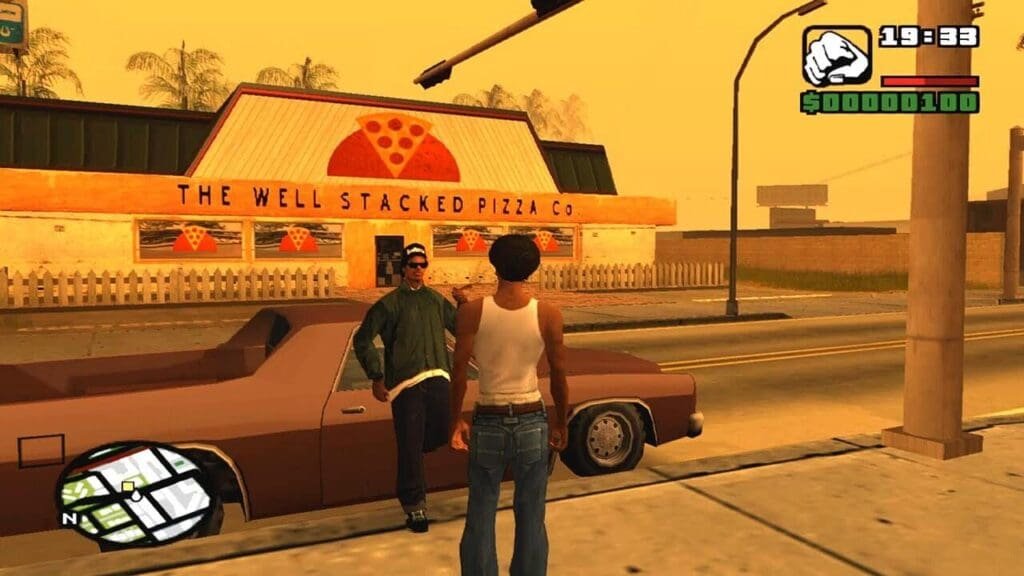
Platform: PlayStation 2 Released: October 26, 2004 Copies Sold: Over 27.5 million (all platforms); approximately 17.33 million (PlayStation 2) Console Lifetime Sales: Over 160 million
By October 2004, the PlayStation 2 had not only become the best-selling console in history but had held that title for years. Grand Theft Auto: San Andreas served a different kind of system-selling role.
San Andreas acted as a system seller by drawing in consumers who had never purchased a previous Grand Theft Auto installment, by giving households a reason to replace aging or broken PS2 units, and by keeping both the PS2 and competing platforms relevant during an intensely competitive period. San Andreas sold over 17 million copies on the PS2 alone — the best-selling title on the best-selling console in gaming history — and has exceeded 27 million copies across all platforms.
The game’s cultural impact extended far beyond gaming audiences. Its open-world depiction of early-1990s California, its hip-hop-influenced soundtrack, and its ambitious narrative structure attracted large segments of consumers who had never previously considered purchasing a PlayStation.
Beyond traditional system-selling, Grand Theft Auto: San Andreas extended PS2 hardware sales by at least two years. Sony continued manufacturing PS2 hardware until January 2013 — nearly thirteen years post-launch — largely because titles like San Andreas kept demand alive far longer than expected.
Arguably no publisher-platform partnership has impacted gaming as profoundly as Rockstar Games and Sony PlayStation through Grand Theft Auto. San Andreas solidified that partnership. And with GTA VI scheduled for release on November 19, 2026 on PlayStation 5 and Xbox Series X|S, the tradition continues.
The Vibe List’s Take: San Andreas ranks at #12 because its system-selling role was more sustainer than launcher. It did not create demand for the PS2 — that demand was already enormous — but it extended the console’s commercial life far beyond what anyone anticipated. That longevity matters.
11. Pokémon Red and Blue; Game Boy
Platform: Game Boy Released: Japan — February 27, 1996 / North America — September 28, 1998 Copies Sold: Approximately 31.38 million (combined Red, Blue, and Green editions) Console Lifetime Sales: Approximately 118.69 million (Game Boy / Game Boy Color)
By the mid-1990s — roughly seven years after its 1989 launch — the Game Boy appeared to be a dying platform. Its monochrome screen looked antiquated next to color competitors. Then Pokémon arrived.
Pokémon Red and Blue collectively sold approximately 31.38 million units throughout their original runs on Game Boy platforms. But that figure underestimates the system-selling impact. Pokémon did not merely sell games to existing Game Boy owners; it created a wave of new hardware purchases on a platform that gamers had abandoned. Following Pokémon’s Western launch in September 1998, Game Boy sales reversed years of decline. The franchise is credited with boosting Game Boy Color sales — new hardware that launched in October 1998, just weeks after Pokémon’s North American arrival.
The link-cable trading mechanic was a stroke of genius. To complete the Pokédex, players needed to trade between separate Game Boy units running different versions — effectively doubling hardware purchases per household. No title before Pokémon had achieved anything comparable.
Since its inception, the Pokémon franchise has generated over $100 billion in cumulative worldwide revenue, making it the highest-grossing media franchise of all time. Every dollar traces back to a pair of Game Boy cartridges that turned a dying handheld into a global phenomenon. Those cartridges also launched characters who became bigger than gaming itself.
The Vibe List’s Take: Pokémon Red and Blue are the greatest second-act system sellers in gaming history. They did not launch alongside a new console. Instead, they saved a console that was already fading — and transformed it into a multi-million-unit success story. That is far harder than launching alongside fresh hardware, and it spawned the most successful media franchise in history. Both titles rank among the most influential games ever released.
10. The Last of Us; PlayStation 3

Platform: PlayStation 3 Released: June 14, 2013 Copies Sold: Over 17 million (all PlayStation platforms); 37 million+ (including remasters) Console Lifetime Sales: 87.4 million
A system seller can operate on two levels: directly, by convincing a consumer to buy the console it runs on, and indirectly, by building so much brand equity that consumers invest in the platform’s entire future. The Last of Us is one of the rare titles that accomplished both.
By 2013, Naughty Dog’s post-apocalyptic epic had sold over 17 million copies across all PlayStation platforms. That number has since passed 37 million, spanning the PS3, PS4, and PS5. The game holds a Metacritic score of 95, and the critical consensus was virtually universal in calling it one of the greatest narrative experiences ever produced on a gaming console.
The Last of Us launched in June 2013, only months before Sony officially revealed the PS4. It convinced wavering customers to buy a PS3 at the end of its life cycle — a feat only the rarest late-generation titles accomplish. More importantly, The Last of Us convinced these customers that Sony’s internal studios were producing entertainment on par with prestige television. When Sony announced the PS4, the implied promise was clear: the team that made The Last of Us will develop games for this new console. That promise alone helped generate millions of PS4 pre-orders.
The Last of Us was subsequently adapted into an HBO series that earned multiple Emmy Awards and brought the franchise to tens of millions of non-gamers. Remastered versions on PS4 and PS5 extended the game’s system-selling power across three generations of PlayStation hardware. No other title on this list has generated system sales across three different console generations.
The Vibe List’s Take: The Last of Us is the only title in gaming history that served as a system seller for three consecutive PlayStation generations. The franchise’s crossover into prestige television amplified its hardware-moving power in ways no advertising campaign could match.
9. Mario Kart 8 Deluxe; Nintendo Switch
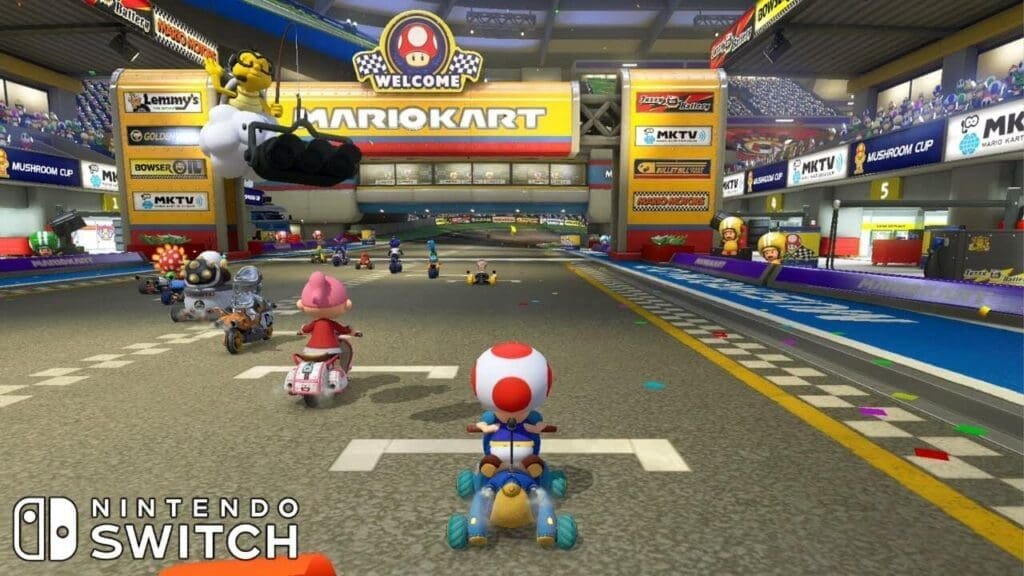
Platform: Nintendo Switch Released: April 28, 2017 Copies Sold: Over 70.59 million (as of December 2025) Console Lifetime Sales: 155.37 million
Mario Kart 8 Deluxe has sold consoles for nine straight years. The raw numbers are staggering: over 70.59 million copies as of December 2025, making it the best-selling Nintendo Switch title ever and Nintendo’s overall best-seller on a single platform. Its attach rate to the Switch is roughly 45 percent, meaning nearly half of all Switch owners purchased Mario Kart 8 Deluxe. During a nine-year stretch on a console boasting a library of thousands of titles, a 45 percent attach rate is extraordinary.
Mario Kart 8 Deluxe’s long-term durability as a perennial best-seller provides the strongest evidence of its system-selling power. Year after year, it appears in the top ten best-selling software charts — not because of nostalgia, but because every new Switch buyer treats Mario Kart as an essential purchase. The Booster Course Pass, which added 48 additional tracks between 2022 and 2023, extended the title’s relevance even further.
Mario Kart 8 Deluxe is not merely a game that consumers pick up once they already own a Switch. It is the game that parents buy when deciding which console to purchase for a family. It is the game that friends buy to justify a console for couch multiplayer. It is the game that turns a single-player handheld into a party device. Its system-selling power is quiet, steady, and cumulative — but the numbers speak clearly enough.
The Vibe List’s Take: Mario Kart 8 Deluxe ranks at #9 because its system-selling power is the most sustained on this entire list. No other title has sold consoles as consistently, for as long, to as broad an audience. It is the evergreen system seller — and its 45 percent attach rate across 155 million consoles may never be matched.
8. Animal Crossing: New Horizons; Nintendo Switch
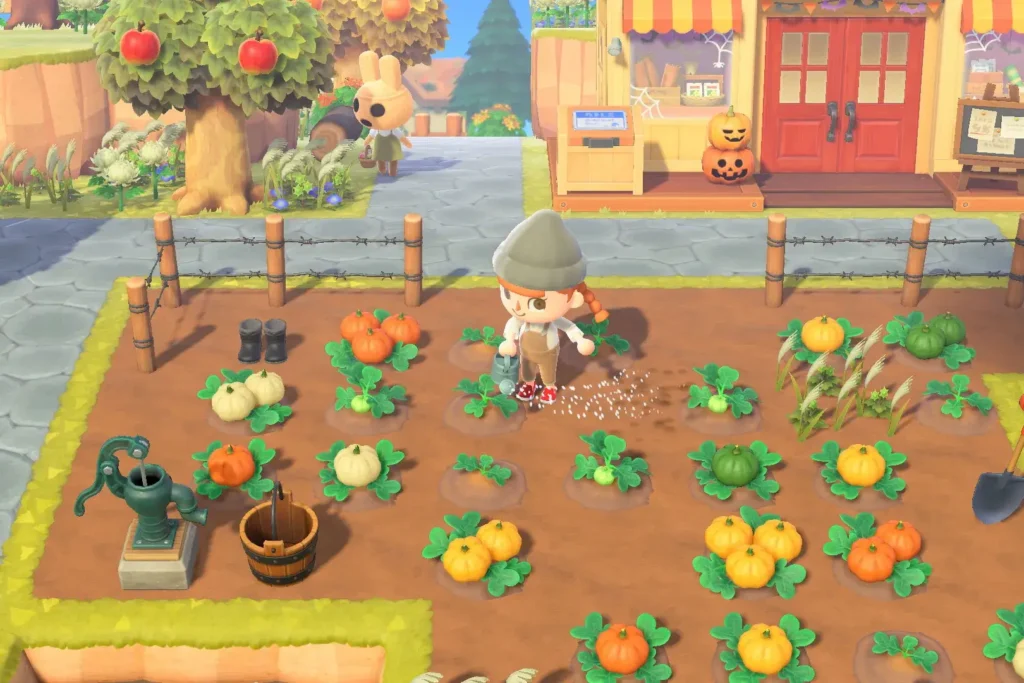
Platform: Nintendo Switch Released: March 20, 2020 Copies Sold: Over 44 million Console Lifetime Sales: 155.37 million
Timing was everything. Animal Crossing: New Horizons launched on March 20, 2020 — the same week COVID-19 lockdowns began spreading across the world. The collision of product and circumstance produced one of the most dramatic system-selling events in gaming history.
Within six weeks, Animal Crossing: New Horizons had sold 13.41 million copies, becoming the fastest-selling Nintendo Switch title at the time. To date, it has sold more than 44 million copies and stands as the second best-selling Switch game behind Mario Kart 8 Deluxe. Approximately 29 percent of all Switch owners also own a copy.
The sales figures alone do not capture the system-selling phenomenon. Compared to March 2019, retail unit sales for Nintendo Switch more than doubled in March 2020. Retailers sold out entirely. Buyers resorted to purchasing from resellers at inflated prices. During the lockdown period, Nintendo sold over 12 million Switch units, and profit nearly tripled compared to the same quarter the previous year.
This was not a case of gamers buying Animal Crossing because they already owned a Switch. Millions of new customers purchased a Switch specifically to play Animal Crossing: New Horizons — to give themselves a safe, gentle way to interact socially while their physical world fell apart. Politicians held virtual press conferences from their Animal Crossing islands. The Metropolitan Museum of Art uploaded its entire permanent collection as in-game artwork. Couples held virtual weddings. Animal Crossing: New Horizons transcended gaming entirely.
The Vibe List’s Take: No other title on this list benefited as much from outside circumstances as Animal Crossing: New Horizons — and no other title responded more effectively. It was the right game at the right moment. That combination drove one of the largest single surges in console hardware sales ever recorded and proved that gaming can be a lifeline, not just a pastime.
7. Final Fantasy VII; PlayStation
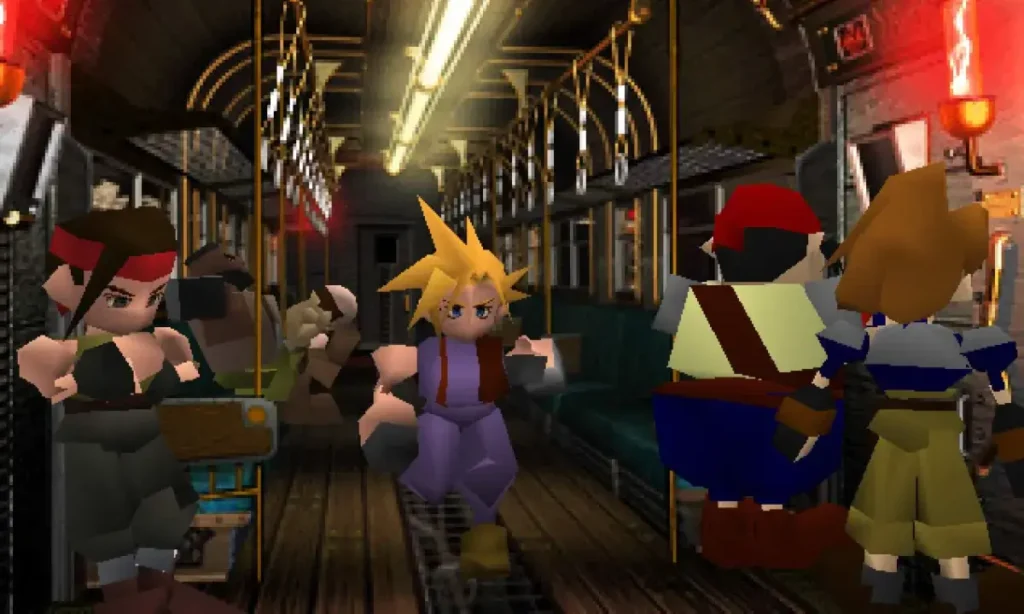
Platform: PlayStation Released: January 31, 1997 (Japan); September 7, 1997 (North America) Copies Sold: Over 14.4 million (all platforms); approximately 9.8 million (PS1) Console Lifetime Sales: 102.49 million
Final Fantasy VII is widely regarded as one of the greatest role-playing games in history, and its status as a system seller stems as much from its cultural influence as its commercial performance.
When Square announced that it was moving Final Fantasy VII from Nintendo to Sony’s PlayStation, the move was widely seen as a betrayal — one that shifted the balance of power for an entire console generation. Final Fantasy VII gave Sony a marquee title to market against Nintendo’s N64, and Sony leveraged it brilliantly.
The marketing campaign was unprecedented. While the RPG label might normally have limited the game’s audience to niche fans, Sony marketed Final Fantasy VII as a mainstream entertainment event — running television ads during prime-time programming and positioning the game alongside movies and music rather than other video games. The strategy succeeded spectacularly. According to retail data collected at the time, Final Fantasy VII was the single game most frequently cited by customers as the primary reason they purchased a PlayStation.
Final Fantasy VII’s system-selling power extends far beyond its sales figures. The game proved to Western audiences that RPGs could achieve massive commercial success. It demonstrated that story-driven games could compete with action and sports titles on the open market. And it cemented Sony as the de facto leader in the gaming industry — a position it has largely maintained.
The Vibe List’s Take: Final Fantasy VII did not merely sell PlayStations. It fundamentally altered the competitive landscape of the gaming industry. When Square defected from Nintendo and took millions of potential buyers with it, the move marked one of the most consequential strategic shifts in gaming history. The ripple effects are still visible in 2026.
6. Halo: Combat Evolved; Xbox
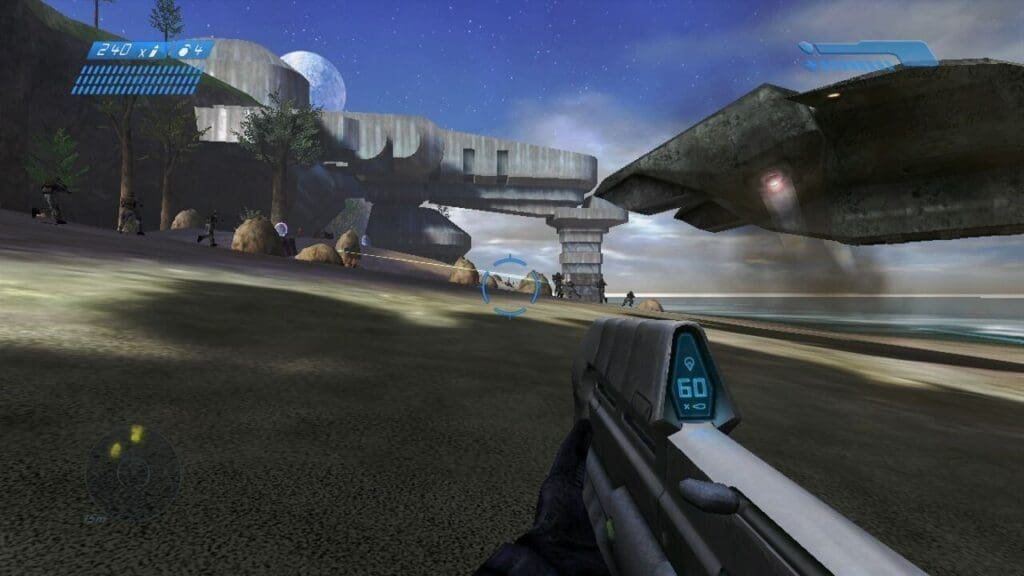
Platform: Xbox Released: November 15, 2001 Copies Sold: 6.43 million Console Lifetime Sales: 24 million
In 2001, Microsoft entered the gaming hardware market with its first console: the Xbox. Prior to its debut, Microsoft was known for Windows and Office. Gaming hardware? Few took the idea seriously. Then came Halo: Combat Evolved, and Microsoft established itself as a legitimate competitor in the console wars.
Halo sold over one million copies in less than a month after its release, setting the record for first-month console game sales at the time. Its lifetime total reached 6.43 million copies, making it the best-selling title on the original Xbox. With fewer than 25 million Xbox consoles sold globally, Halo’s attach rate was approximately 27 percent.
Yet Halo was more than a record-setting launch title. Without Halo, Microsoft had virtually no identity as a gaming brand. At launch, the Xbox was an untested name with no reputation for quality gaming hardware. It was priced higher than Sony’s PlayStation 2 and offered fewer games. Halo was the difference.
Halo’s innovations in console first-person shooter design continue to shape modern gaming. Dual analog sticks for movement and aiming, a two-weapon carry limit, recharging energy shields — a mechanic that laid the groundwork for modern health regeneration — and the now-famous “30 seconds of fun” combat loop that designer Jaime Griesemer described as Halo’s core principle all became industry standards. Halo 2 would go on to drive millions of Xbox Live subscriptions, but Combat Evolved laid the foundation — and validated Microsoft’s existence as a gaming hardware manufacturer.
Without Halo: Combat Evolved’s commercial success and design breakthroughs, it is highly doubtful that Microsoft would have continued developing gaming hardware for future generations.
The Vibe List’s Take: Of all games on this list — perhaps all games in history — none carried greater responsibility than Halo: Combat Evolved. It did not merely create demand for Xbox hardware at launch. It justified an entire company’s multi-billion-dollar bet on a market it had never competed in before. That makes it one of the most consequential system sellers ever.
5. Tetris; Game Boy
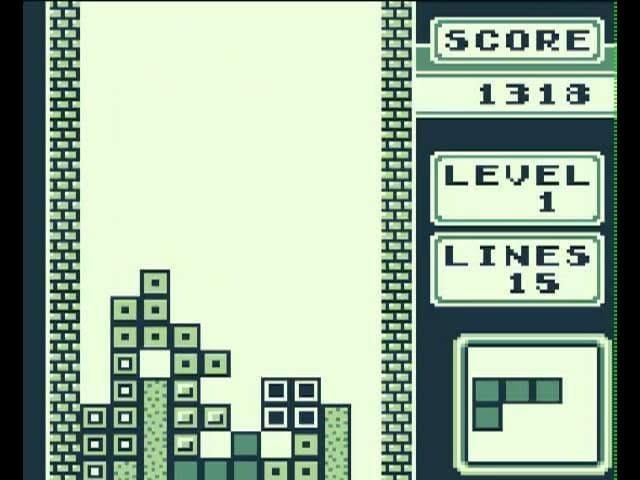
Platform: Game Boy Released: June 14, 1989 (Japan); July 31, 1989 (North America) Copies Sold: Over 35 million (Game Boy version) Console Lifetime Sales: 118.69 million (Game Boy + Game Boy Color)
Bundling Tetris with the Game Boy instead of Mario was arguably one of the most important packaging decisions in consumer electronics history.
Gunpei Yokoi built the Game Boy around affordable, proven technology rather than the raw power of competitors like the Sega Game Gear and Atari Lynx. Its screen was monochrome and green-tinted. The hardware itself was bulky and utilitarian. Nintendo needed a pack-in title that showcased the Game Boy’s strengths rather than exposing its weaknesses.
To convince Nintendo of America president Minoru Arakawa to bundle Tetris with the Game Boy rather than Mario, Henk Rogers offered straightforward reasoning: Mario appeals primarily to experienced gamers, whereas Tetris appeals to everyone. Tetris requires no learning curve, contains no storyline, and carries no assumed gaming knowledge — making it the ideal title for expanding the market toward commuters, parents, and casual players who had never held a controller before.
Rogers’ logic prevailed. Tetris sold over 35 million copies on Game Boy alone; through bundling, it reached virtually every early Game Boy owner. Combined totals for the Game Boy and Game Boy Color reached a record-breaking 118.69 million units.
Tetris did not merely generate record-breaking sales for Game Boy — it redefined who counted as a gamer. Before Tetris, the gaming audience consisted predominantly of young males who played games regularly. After Tetris’ impact on popular culture, millions of adults who had never considered themselves gamers found themselves playing on train commutes, in hospital waiting rooms, and during lunch breaks. The Game Boy became a mainstream consumer product — not a niche gaming device — thanks to Tetris.
The Vibe List’s Take: Tetris on Game Boy is perhaps the most efficient system seller in this collection. It drew in an audience that did not know it wanted either Tetris or a Game Boy — using neither brand recognition nor marketing blitzes — by providing the ideal pairing of hardware and software. That pairing defined casual gaming for decades, paving the way for the DS, the Wii, and eventually smartphones.
4. Super Mario Bros.; NES
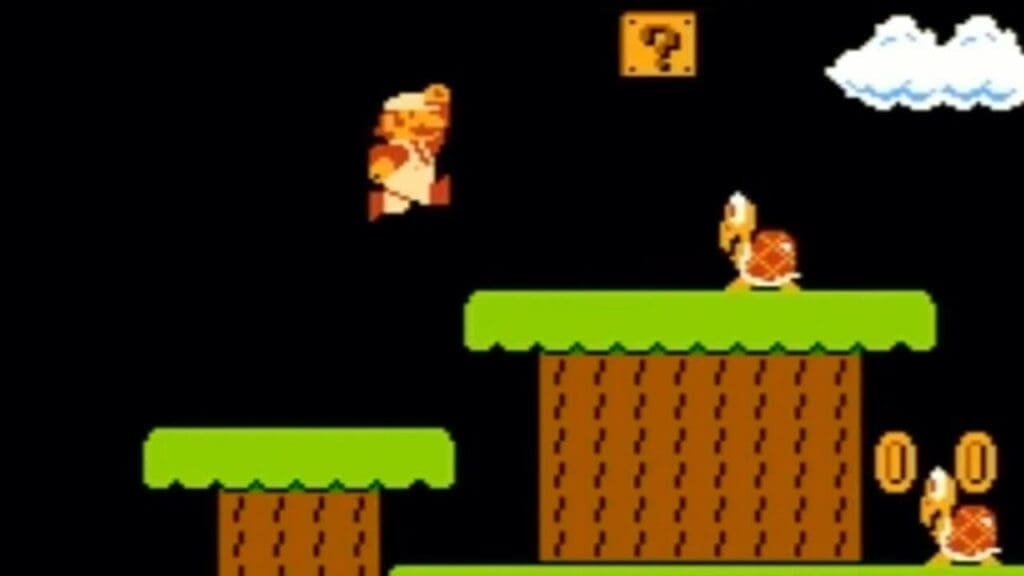
Platform: Nintendo Entertainment System Released: September 13, 1985 (Japan); October 1985 (North America) Copies Sold: 40.24 million (NES) Console Lifetime Sales: 61.91 million
Super Mario Bros. was not just a game that sold a console. It revived an entire industry.
In 1985, consumer confidence in the North American video game market had been destroyed by the 1983 crash. Major retailers refused to stock video game products. Atari had literally buried millions of unsold E.T. cartridges in a New Mexico landfill. In American retail, “video games” was a toxic category.
Nintendo rebranded its console as an “Entertainment System” and packaged it alongside R.O.B. (Robotic Operating Buddy), allowing the company to secure shelf space in toy aisles. Then Shigeru Miyamoto designed Super Mario Bros. — a game that single-handedly restored confidence in video games as a viable entertainment medium.
Super Mario Bros.’ design innovations are so integral to modern gaming that they are virtually invisible now: scrolling levels, power-ups, hidden secrets, boss battles, world maps. While Miyamoto did not invent all of these ideas individually, he fused them into a cohesive whole that defined what video games would look like for decades.
Every platformer, every side-scroller, every game employing a “world-and-level” format owes a debt to Super Mario Bros. The system-selling case is absolute: without Super Mario Bros., there would have been no NES success in North America; without NES success in North America, there would have been no resurgence of interest in home consoles; without that resurgence, none of the 15 greatest gaming consoles on our companion list would exist today.
Super Mario Bros. is the foundational system seller. It opened the door for every title that follows.
The Vibe List’s Take: Super Mario Bros. ranks at #4 rather than #1 because while its industry-saving impact is unmatched, the three titles above it demonstrate even stronger direct hardware-sales causation. Super Mario Bros. saved an industry; the top three each defined a console’s identity so completely that the console would not exist without them.
3. GTA VI; PlayStation 5
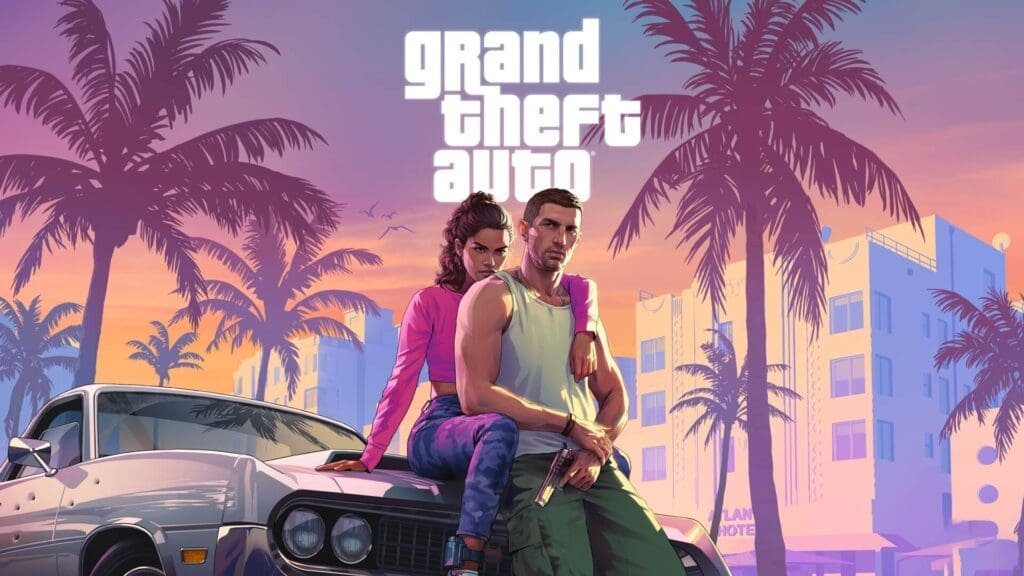
Platform: PlayStation 5, Xbox Series X|S Released: November 19, 2026 (expected) Copies Sold: Pre-release (not yet available) Console Lifetime Sales (PS5): 92.2 million as of December 2025
GTA VI has not yet been released. Yet it appears on this list because it is already acting as a system seller months before its launch date — and because the evidence of this status is documented, not speculated.
Sony has secured a marketing partnership for GTA VI on PS5. Sony has publicly encouraged PS4 users to upgrade to PS5 ahead of GTA VI’s release. Analysts widely agree that GTA VI will be a primary driver of PS5 sales through the end of the console’s lifespan.
Prior to GTA VI’s release date of November 19, 2026, U.S. sales of the PS5 reached an annual high in March 2026. Analysts attribute this increase directly to consumers purchasing PS5 hardware in anticipation of GTA VI.
The reasoning is straightforward. GTA V has sold 225 million copies worldwide and generated approximately $10 billion in total franchise revenue since 2013. There is arguably no entertainment property on Earth with a larger audience eagerly awaiting a sequel. Many of those fans have been waiting since they were teenagers for GTA V’s long-awaited follow-up.
After multiple delays, Rockstar announced the official release date as November 19, 2026, and confirmed that GTA VI will include two playable protagonists — Jason and Lucia — in a reimagined Vice City. When Rockstar released the first trailer in December 2023, it broke YouTube viewership records. GTA VI is the most anticipated video game of 2026 by a wide margin.
The Vibe List’s Take: Listing an unreleased game at #3 is a deliberate editorial decision. GTA VI has already demonstrated measurable system-selling power through documented pre-launch hardware sales spikes. If GTA VI performs to expectations upon release, it would be reasonable to argue it deserves the #1 spot on any revised version of this list.
2. The Legend of Zelda: Breath of the Wild; Nintendo Switch
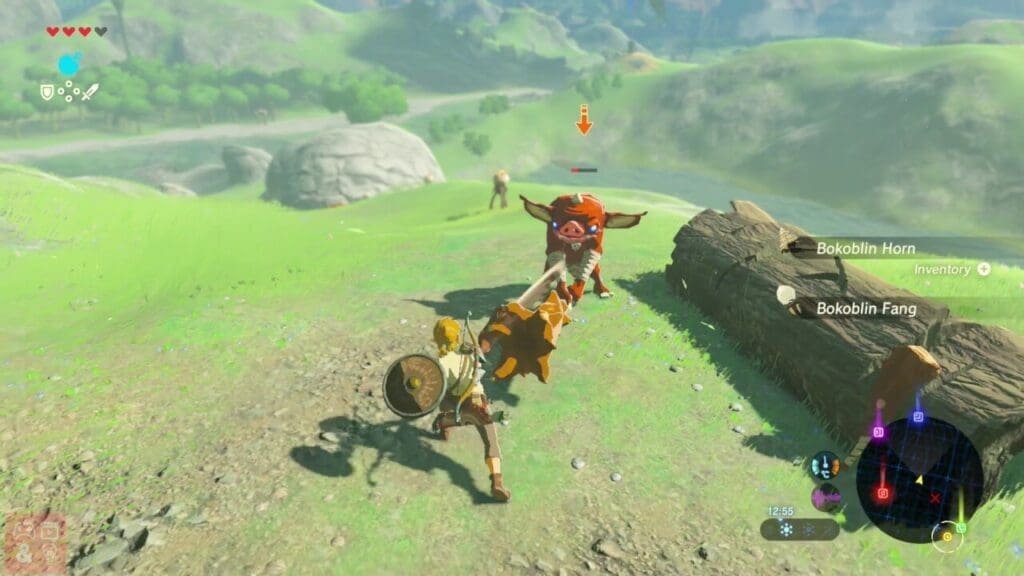
Platform: Nintendo Switch (also available on Wii U) Released: March 3, 2017 Copies Sold: 31.85 million (Switch); 1.7 million (Wii U) Console Lifetime Sales: 155.37 million (Nintendo Switch)
On March 3, 2017 — the day the Nintendo Switch shipped in North America — U.S. sales of Switch units totaled 906,000 units. During that same period, Breath of the Wild sold 925,000 copies on Switch alone — representing an extraordinary 102 percent attach rate during the Switch’s launch month in the United States. Time magazine reported this as “the fastest-selling Zelda title ever” and described the attach rate as “near-unheard-of.”
Some consumers purchased Breath of the Wild before they could even find a Switch — so certain were they that they would eventually own the hardware.
A 102 percent attach rate is more than a statistic. It is concrete evidence that the game and the console were one and the same purchase decision for the consumer. People did not buy a Switch and then decide to pick up Zelda. They bought Zelda and treated the Switch as the cost of entry.
Breath of the Wild has sold 31.85 million copies on Switch as of late 2025. It won Game of the Year at The Game Awards in 2017 and holds a Metacritic score of 97. But its influence extends far beyond its own sales. Breath of the Wild established the legitimacy of Nintendo’s Switch as a platform worth investing in — and that platform ultimately sold 155.37 million units, second only to the PS2 in all-time console sales. All subsequent Switch system sellers — Mario Kart 8 Deluxe, Animal Crossing, Super Smash Bros. Ultimate — built upon the foundation Breath of the Wild established.
Breath of the Wild did not simply sell Switch units. It proved that Nintendo’s hybrid model was commercially viable. That credibility unlocked nearly a decade of dominant commercial performance.
The Vibe List’s Take: Breath of the Wild ranks #2 because a 102 percent launch-month attach rate is the most statistically dramatic proof of system-selling power ever recorded. The only reason it does not rank #1 is that the title above it achieved something even more extraordinary: an 82 percent attach rate sustained across an entire console generation.
1. Wii Sports; Nintendo Wii
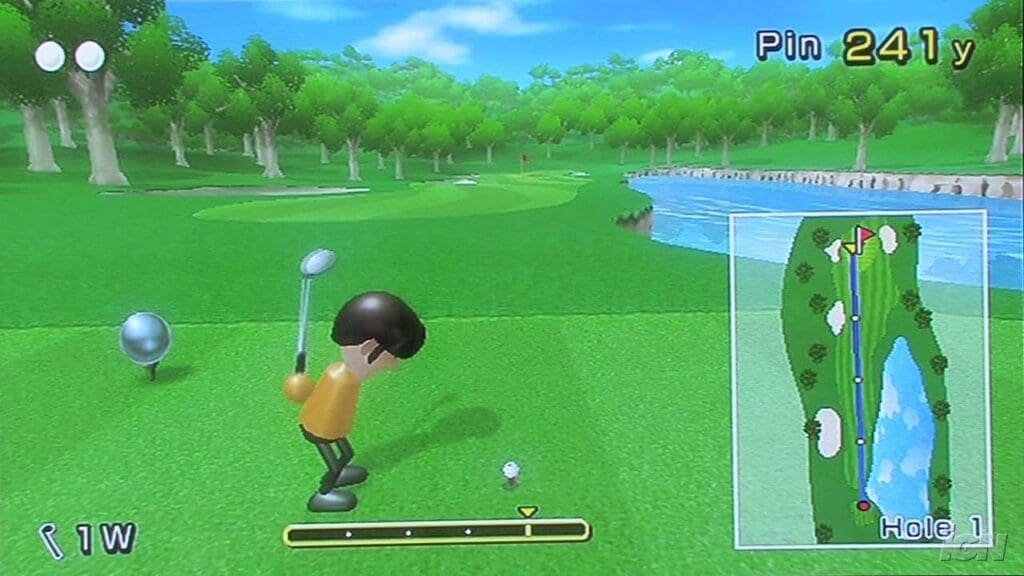
Platform: Nintendo Wii Released: November 19, 2006 Copies Sold: 82.9 million Console Lifetime Sales: 101.63 million
Wii Sports sold 82.9 million copies. The Nintendo Wii sold 101.63 million units. Approximately 82 percent of every person who ever owned a Wii also owned Wii Sports. In almost all markets, they were the same purchase — because Wii Sports was bundled with the Wii console in every region except Japan and South Korea.
This is exactly why Wii Sports is the greatest system seller of all time — not in spite of being bundled, but because of it. Wii Sports was not a free throw-in to sweeten the hardware sale. Wii Sports was the reason the hardware was purchased. Remove Wii Sports from the equation and the Wii is a confusing, relatively low-powered console with an unusual motion controller and limited appeal to the average consumer. Add Wii Sports and suddenly the Wii is an incredibly accessible, instantly fun gaming experience that anyone can understand.
Reggie Fils-Aimé, former president of Nintendo of America, has noted that several executives inside Nintendo felt Wii Sports was not worthy of a place in the launch lineup. Shigeru Miyamoto championed its inclusion. The skeptics feared the game seemed too simplistic, too casual, too unlike what “real” gamers would expect. That fear was based on a misunderstanding of what Wii Sports was meant to accomplish — not to satisfy existing gamers, but to create new ones.
It did. Wii bowling tournaments took place in retirement communities. Physical therapists used Wii Sports in rehabilitation sessions. On morning television broadcasts, anchors who had never touched a controller were demonstrating Wii Tennis. The Wii reached demographics that gaming consoles had never reached before. Families consisting of grandparents and grandchildren who had never owned a console sat down together and played Wii Sports.
Consider how simple the system-selling mechanism was: pick up the remote, swing your arm, watch your Mii bowl a ball down the lane. In that moment, you understood everything the Wii was offering. No instruction manual. No tutorials. No prior gaming knowledge required. That 30-second demonstration resulted in the sale of 101.63 million consoles.
The Vibe List’s Take: Wii Sports ranks #1 because no other game on this list is as completely intertwined with its hardware. Every other system seller on this list coexisted with many other titles on its platform. Wii Sports defined what the Wii was. Without it, the Wii is a relic. With it, the Wii is a cultural phenomenon that outsold both Xbox and PlayStation in its generation. That is the ultimate expression of system-selling power.
The 15 Greatest System Sellers of All Time: Quick Reference
| Rank | Game | Platform | Year | Copies Sold | Console Lifetime Units | Attach Rate | System-Selling Impact |
|---|---|---|---|---|---|---|---|
| 1 | Wii Sports | Nintendo Wii | 2006 | 82.9 million | 101.63 million | ~82% | Defined the Wii’s identity; created millions of new gamers across demographics never reached by consoles before |
| 2 | The Legend of Zelda: Breath of the Wild | Nintendo Switch | 2017 | 31.85 million (Switch) | 155.37 million | 102% at launch | Validated the Switch’s hybrid model; highest launch-month attach rate ever recorded |
| 3 | GTA VI | PS5 / Xbox Series X|S | 2026 | Pre-release | 92.2 million (PS5) | TBD | Driving measurable PS5 hardware sales spikes months before its November 2026 release |
| 4 | Super Mario Bros. | NES | 1985 | 40.24 million | 61.91 million | ~65% | Revived the entire North American gaming industry after the 1983 crash |
| 5 | Tetris | Game Boy | 1989 | 35 million+ | 118.69 million | ~30% (bundled) | Expanded the definition of “gamer” to mainstream audiences worldwide |
| 6 | Halo: Combat Evolved | Xbox | 2001 | 6.43 million | 24 million | ~27% | Validated Microsoft’s existence as a gaming hardware manufacturer |
| 7 | Final Fantasy VII | PlayStation | 1997 | 14.4 million+ | 102.49 million | ~14% | Shifted the industry’s balance of power from Nintendo to Sony |
| 8 | Animal Crossing: New Horizons | Nintendo Switch | 2020 | 44 million+ | 155.37 million | ~29% | Drove the largest pandemic-era console sales surge in history |
| 9 | Mario Kart 8 Deluxe | Nintendo Switch | 2017 | 70.59 million+ | 155.37 million | ~45% | Most sustained system seller in history; nine straight years of perennial top-ten sales |
| 10 | The Last of Us | PlayStation 3 | 2013 | 17 million+ (PS3) / 37 million+ (all) | 87.4 million | ~20% (PS3) | Only title to serve as a system seller across three PlayStation generations |
| 11 | Pokémon Red & Blue | Game Boy | 1996/1998 | 31.38 million | 118.69 million | ~26% | Revived a dying handheld seven years after launch; spawned the $100B+ Pokémon franchise |
| 12 | GTA: San Andreas | PlayStation 2 | 2004 | 17.33 million (PS2) | 160 million+ | ~11% | Extended PS2 hardware lifecycle by 2+ years; best-selling title on the best-selling console |
| 13 | Super Mario 64 | Nintendo 64 | 1996 | 11.91 million | 32.93 million | ~36% | Near-100% launch attach rate; single-handedly defined 3D console gaming |
| 14 | God of War (2018) | PlayStation 4 | 2018 | 23 million+ | 117.2 million | ~20% | Validated Sony’s first-party narrative strategy and became PlayStation’s development blueprint |
| 15 | Sonic the Hedgehog | Sega Genesis | 1991 | 15 million+ | 30.75 million | ~49% | Gave Sega 65% of the North American 16-bit market by January 1992 |
FAQ: System-Selling Games and Console History
What is a system seller in gaming?
A system seller is a game so compelling that consumers purchase an entire console specifically to play it. The attach rate — the percentage of console owners who also own a given game — is the key metric for measuring system-selling impact. When that percentage approaches or exceeds 100 percent, the game and the console were effectively one purchase decision.
What are the best system seller games of all time?
Based on our analysis of hardware-sales correlation, attach rates, cultural impact, and enduring relevance, the best system seller games of all time include Wii Sports (82% lifetime attach rate on Wii), The Legend of Zelda: Breath of the Wild (102% launch-month attach rate on Switch), Super Mario Bros. (65% attach rate on NES, industry revival), Halo: Combat Evolved (27% attach rate, validated Microsoft’s entire gaming division), and Tetris (expanded the Game Boy’s audience to mainstream consumers worldwide).
Can a game sell more copies than the console it is released on?
Yes. The Legend of Zelda: Breath of the Wild sold more copies than the Nintendo Switch did in its first month in the United States. This occurred because some consumers purchased the game digitally before securing a Switch, pre-ordered copies in anticipation, or bought collector’s editions alongside standard copies. The result was a 102 percent attach rate — the highest ever recorded for a console launch window.
Will GTA VI be a major system seller for PS5?
If past trends are any indication, GTA VI will be the largest single system-selling event for PS5. Sony has secured a marketing partnership with Rockstar Games and has publicly encouraged PS4 owners to upgrade ahead of GTA VI’s November 2026 launch. Measurable spikes in PS5 hardware sales have already been documented in the United States since early 2026. With GTA V having sold over 225 million copies worldwide, GTA VI will target the largest audience of any game launch in history.
What is the highest reported attach rate for a console game at launch?
The highest reported launch-window attach rate belongs to The Legend of Zelda: Breath of the Wild at 102 percent in March 2017 for the Nintendo Switch in the United States. For sustained lifetime attach rate, Wii Sports holds the record at approximately 82 percent, driven by its bundle with Wii hardware in most global markets.
Which console has the most successful system seller relative to its installed base?
The original Xbox stands out. Halo: Combat Evolved sold 6.43 million copies on a console with only 24 million lifetime sales, producing an attach rate of roughly 27 percent. While Halo was not the only factor behind the original Xbox’s viability, it was unquestionably the primary one — and the game that gave Microsoft a reason to continue investing in gaming hardware.
What makes a killer app different from a regular bestselling game?
A killer app — or system seller — is not simply a game that sells well on an existing platform. Many titles sell tens of millions of copies to consumers who already own the hardware. A true killer app is the specific game that caused the consumer to purchase the console in the first place. The distinction lies in causation: a bestselling game benefits from an installed base, while a killer app creates the installed base. Titles like Wii Sports, Breath of the Wild, and Halo: Combat Evolved exemplify this difference — each was the reason millions of consumers entered a store and left with new hardware.
Are console-exclusive games that moved hardware still relevant in 2026?
Absolutely. While the industry has trended toward multiplatform releases and subscription services like Xbox Game Pass, console-exclusive system sellers remain the most powerful tool for driving hardware adoption. Sony’s first-party strategy — built on the God of War and The Last of Us model — continues to rely on exclusive titles to differentiate PlayStation from competitors. Nintendo’s Switch 2 launch in 2025 was anchored by exclusive first-party software. And even multiplatform titles like GTA VI demonstrate system-selling power through platform-specific marketing deals. The console exclusive that moves hardware is far from obsolete. For more on the current gaming landscape and what’s ahead, our companion articles cover the biggest esports titles of 2026 and the most anticipated games of the year.