


$147 billion from a yellow mouse that doesn’t speak. $53 billion from a plumber who debuted in an ape’s game. $14 billion in quarters fed into a single yellow circle over 45 years. A billion-dollar film franchise rescued by a three-month character redesign the internet demanded. 32 million weekly viewers for a teenage girl from a PlayStation exclusive. A $16.49 million trading card featuring a drawing from a 1998 children’s magazine contest. None of them built their empires inside a console. They built them after they escaped one.
In virtually all major publications, you’ll find a “most iconic video game characters” article. Most of those articles are popularity polls disguised as editorial content. They rank the characters based on how fondly readers recall them rather than anything measurable. The list presented here is not that type of article.
Instead, this is a list of the 15 video game characters that have created the largest external empires; ones that generate tens of billions in merchandise sales, attract tens of millions of viewers for movies and television shows, and are recognized by people who’ve never touched a controller. The measurement method isn’t nostalgia. It’s cultural and commercial crossover; how far beyond the console did the character travel, and how much did they build once they got there?
Some of the characters listed here lead franchises worth more than the GDP of small nations. Some of them redefined the potential of video game-based screen adaptations. And some of them helped shift the demographics of who plays video games at all. What connects them is that their impact cannot be measured by game sales alone; the game was only the beginning.
How We Ranked This
Each entry was evaluated across multiple criteria; including franchise revenue beyond game sales, brand recognition among non-gaming audiences, box office and streaming performance, merchandise and licensing revenue, and enduring cultural relevance; weighted to reflect what matters most for measuring crossover impact. The result is a ranking that respects the data but is ultimately shaped by the Vibe List’s editorial judgment. You won’t find this exact list anywhere else, and that’s the point.
15. Ryu
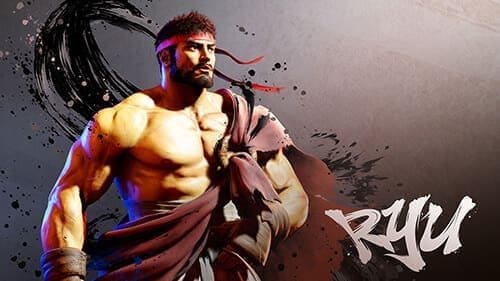
Franchise: Street Fighter | Developer: Capcom | First Appearance: 1987
The fighting game genre doesn’t develop mainstream cultural icons very often. Fighting game characters exist in an ecosystem that rewards mechanical mastery over narrative attachment; players choose fighters for frame data and hitbox properties, not backstory. Ryu broke through anyway.
When Street Fighter II launched in arcades in 1991, it didn’t just popularize competitive fighting games. It created the template that every fighting game still follows. Over the course of the next decade, Street Fighter II would reportedly generate approximately $10 billion in cumulative arcade revenue, according to reporting by Capcom and industry analysts. Ryu’s white gi, red headband, and Hadouken fireball motion came to represent not only the face of Street Fighter II, but an entire genre of fighting games.
Ryu’s crossover footprint is notable for its breadth rather than its depth. Ryu has appeared in films; the live-action Street Fighter film in 1994 starring Jean-Claude Van Damme grossed approximately $99 million at the box office. Additionally, the 2009 animated film Street Fighter IV: The Ties That Bind continued to expand the franchise’s media presence. He has been included as a playable character in Nintendo‘s Super Smash Bros., which allowed him to participate alongside Mario and Pikachu in Nintendo’s flagship franchise. He has also appeared in Fortnite and Power Rangers. The Marvel vs. Capcom franchise gave him another fighting game series that spawned its own competitive scene.
Street Fighter 6, released in June 2023, was a commercial and critical success; Capcom reported it received their highest user satisfaction scores in the franchise’s history. Street Fighter continues to anchor the competitive fighting game scene. The Capcom Cup 12 tournament held in 2026 featured a prize pool of $1.28 million; further solidifying Street Fighter’s standing as one of the most competitive franchises in the fighting game genre.
However, Ryu’s cultural penetration stops short. While Ryu is instantly recognizable to anyone who spent countless hours playing in arcades, he is not instantly recognizable to your grandmother. That arcade-culture ceiling is what separates Ryu from the characters above him.
14. Ellie

Franchise: The Last of Us | Developer: Naughty Dog | First Appearance: 2013
No video game character in the 2020s has made a more dramatic leap from interactive entertainment to prestige television than Ellie. Created by Neil Druckmann at Naughty Dog, Ellie initially appeared in The Last of Us in 2013 and went on to serve as the playable protagonist in its 2020 sequel. Combined game unit sales for The Last of Us series exceeded tens of millions of copies. But it was the HBO adaptation that turned Ellie into something the games alone could not achieve; a character that people who have never owned a PlayStation know by name.
The Last of Us debuted on HBO on January 15, 2023. The premiere episode attracted 4.7 million viewers across linear and streaming platforms on its first night. For its first season, The Last of Us averaged almost 32 million viewers per episode across all platforms; representing one of HBO’s top-rated debuts ever for an original series. At the 2024 Emmy Awards ceremony, The Last of Us won eight Emmy Awards including Outstanding Sound Editing, Outstanding Visual Effects, and Outstanding Main Title Design. Bella Ramsey‘s portrayal of Ellie earned widespread critical recognition and introduced the character to an audience orders of magnitude larger than the game’s install base.
On April 8, 2025, season two debuted on HBO and adapted the polarizing plotline of The Last of Us Part II. The second season earned numerous additional Emmy nominations and took home Outstanding Sound Editing at the 2025 Creative Arts Emmys.
Ellie ranks here rather than higher because her crossover empire is still young. She does not yet possess a multi-decade brand equity foundation, nor a standalone merchandising apparatus, nor widespread intergenerational recognition similar to the characters listed above her; but the trajectory is undeniable. If Amazon’s upcoming God of War television series achieves half the amount of exposure HBO provided for The Last of Us, it will confirm the era of game characters as prestige-television protagonists; and Ellie will undoubtedly be remembered as the first to prove that it can occur.
13. Kirby

Franchise: Kirby | Developer: HAL Laboratory | First Appearance: 1992
Although Kirby may be the quietest cultural force on this list, he generates outsized merchandise revenue relative to his modest game sales. His brand recognition in Japan and East Asia rivals characters with ten times his franchise revenue. Licensed Kirby merchandise; plush toys, apparel, stationery, home goods; generates substantial annual revenue through Nintendo‘s partnerships across Asia.
The Kirby franchise spans over 30 titles, with total game sales exceeding 40 million units worldwide. Kirby and the Forgotten Land, released in March 2022, became the best-selling title within the Kirby franchise with over 7.52 million copies sold as of March 2024. However, it is within merchandise sales that Kirby’s crossover empire quietly grows daily.
Within Tokyo and Osaka there are now Kirby-themed cafés operating as permanent locations; not as temporary installations. Kirby‘s recognition in Japan transcends gaming demographics in a way few Nintendo characters besides Mario and Pikachu can claim. His design; simple, round, universally appealing; functions as a brand-neutral canvas that works on children’s lunch boxes and high-fashion collaborations alike.
Kirby is ranked at #13 instead of higher primarily due to geographic limitations. While his cultural awareness in North America and Europe is growing rapidly, it still lags behind his dominance in Japan. The characters ranked above him have achieved global crossover on a scale that Kirby has not yet accomplished.
12. Cloud Strife
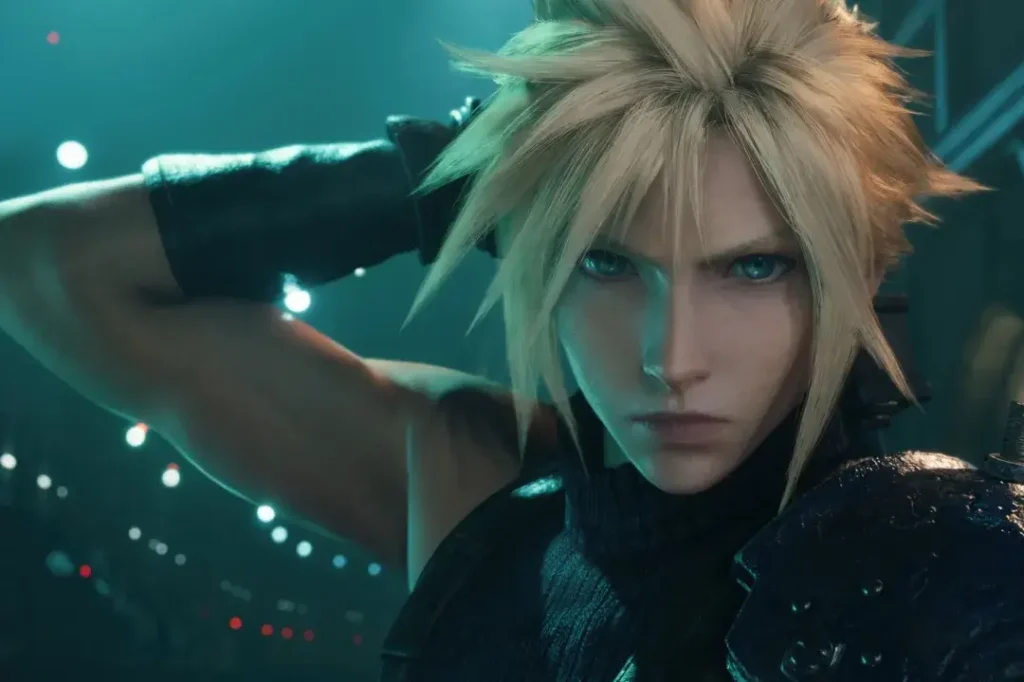
Franchise: Final Fantasy | Developer: Square Enix | First Appearance: 1997
Cloud Strife didn’t merely sell a game; he sold a console. When Square (present-day Square Enix) shifted Final Fantasy VII from Nintendo to PlayStation in 1997, it was Cloud’s blonde hair and oversized Buster Sword that Square used in Sony’s marketing campaign. Final Fantasy VII would go on to be one of Square’s top-selling titles; selling more than 14.4 million copies worldwide across all platforms; and became one of the most successful titles in the Final Fantasy franchise. Perhaps more importantly, Final Fantasy VII is generally accepted as having contributed substantially towards creating acceptance of Japanese role-playing games (JRPGs) as a mainstream product within Western markets where both Nintendo’s N64 and PlayStation competed for dominance during this period.
Cloud’s cultural crossover operates through a specific mechanism; he was the character who proved that Japanese RPGs could resonate with Western mainstream audiences at blockbuster scale. Before Final Fantasy VII, JRPGs were a niche genre outside Japan. After it, they became a pillar of the global industry.
Cloud’s crossover footprint extends beyond game sales. Cloud appeared as a playable character in Super Smash Bros., bridging the Square Enix and Nintendo ecosystems. Additionally, Final Fantasy VII: Advent Children; a CGI-animated film; became one of the best-selling animated films in Western markets. Currently underway is Square Enix’s Final Fantasy VII Remake project (Remake [2020], Rebirth [2024], and a forthcoming third installment); with reported combined sales already exceeding fourteen million units.
The franchise’s total commercial footprint is massive. The overall Final Fantasy series has sold over 207 million units worldwide across more than sixty separate titles within the franchise. Licensed merchandise, soundtracks, films, and live concert tours (the Distant Worlds orchestral series has performed in over 60 cities across five continents) have expanded the franchise’s cultural presence far beyond the console.
Cloud Strife is arguably the character from Square Enix’s franchise most likely recognized by non-gamers; certainly by non-Japanese non-gamers; and has had his image appear on more merchandise products than any other character from Square Enix.
11. Jinx

Franchise: League of Legends / Arcane | Developer: Riot Games | First Appearance: 2013 (League of Legends); 2021 (Arcane, Netflix)
Jinx is the youngest character on this list and the one with the most explosive crossover trajectory, driven almost entirely by Arcane’s debut on Netflix on November 6, 2021.
Although Jinx was introduced as a playable champion in League of Legends in 2013, she had essentially zero crossover exposure beyond gaming enthusiasts before Arcane.
The numbers tell an extraordinary story. Arcane Season 1 accumulated 34 million hours viewed on Netflix in its first week of availability; representing one of Netflix’s most-watched original animated series at launch. At the 2022 Emmy Awards ceremony, Arcane earned the award for Outstanding Animated Program; marking the first instance where a streaming-only animated program earned this distinction. Season 2, which premiered on November 5, 2024, earned an additional Outstanding Animated Program Emmy at the 2025 Emmy Awards ceremony; becoming back-to-back wins for Arcane and establishing the show as a reference standard for video game-based television productions alongside HBO’s The Last of Us.
But Arcane’s influence extends beyond view counts or awards ceremonies. Arcane set a new standard for animation quality through its hand-painted, mixed-media aesthetic produced by French studio Fortiche working together with Riot Games; influencing animation discourse internationally.
Additionally, Jinx served as the central figure for this influence; her storyline from traumatized child to anarchist antihero resonating with audiences who have never engaged with League of Legends or any other video game title.
The commercial footprint for Jinx followed closely behind her increased visibility through various forms (merchandise, Fortnite skins, apparel, and touring exhibitions) generating considerable revenue for Riot Games’ League of Legends franchise.
League of Legends itself remains one of the most-played games in the world, with 735.5 million hours watched across esports broadcasts in 2025. Jinx ranks at #11 because the empire, while explosive, is young.
10. Donkey Kong

Franchise: Donkey Kong | Developer: Nintendo | First Appearance: 1981
Before the video game industry looked anything like it does today, and before there was Mario, there was Donkey Kong. Created by Shigeru Miyamoto in 1981, the barrel-throwing ape didn’t just help launch a gaming legend; he helped launch a legendary game designer. And while Donkey Kong never matched Mario’s commercial dominance, he gave Nintendo the momentum that made everything after him possible.
The original arcade version of Donkey Kong earned Nintendo well over $180 million by the summer of 1982. This was a staggering figure for the early 1980s. The franchise has since grown into one of Nintendo’s most commercially significant properties, with estimated total revenue exceeding $9 billion across game sales, licensing, and merchandise.
To say Donkey Kong has crossed over into popular culture is an understatement. One channel for this crossing involves litigation. The 1982 lawsuit brought against Nintendo by Universal City Studios for allegedly infringing on its King Kong trademark led to one of the most influential intellectual property cases in history. Nintendo prevailed and set a legal precedent that protected video game characters as unique creations. The second channel is generational ubiquity. To date, there are more than 50 video games featuring Donkey Kong. These include the critically acclaimed Donkey Kong Country series for the Super Nintendo Entertainment System (SNES), which introduced pre-rendered 3D graphics to a 2D platformer. Additionally, the animated film Donkey Kong Bananza for the Nintendo Switch 2 sold more than 4.25 million units as of early 2026 based upon Nintendo’s reported sales data.
Donkey Kong’s merchandise footprint; plushies, apparel, home goods, and collectibles; generates consistent licensing revenue through Nintendo’s global partnerships. Additionally, Donkey Kong made appearances in The Super Mario Bros. Movie and The Super Mario Galaxy Movie; released in 2023 and 2026 respectively, and each grossed hundreds of millions of dollars at the domestic and international box offices.
Donkey Kong sits at #10 because his crossover empire operates largely within the Nintendo ecosystem. He is a secondary character within Nintendo’s larger universe and rarely serves as a central figure in individual cultural events.
9. Steve

Franchise: Minecraft | Developer: Mojang Studios | First Appearance: 2009
There is a legitimate case that Steve; the blocky, silent default avatar in Minecraft; is the single most universally used video game character in human history. While Steve may not be identifiable by facial expression (his design is deliberately generic), nor complex in storytelling (Steve possesses no dialogue, backstory, or personality), he is undoubtedly the most directly played video game avatar in human history. With over 300 million copies of Minecraft sold worldwide as of October 2023 and monthly active users reaching over 170 million, more human beings have controlled Steve than any other video game avatar in history.
This enormous scale has enabled the creation of an equally expansive crossover empire. Minecraft merchandise generates billions in annual retail revenue through licensing partnerships managed by Microsoft, which acquired Mojang Studios for $2.5 billion in 2014. A film adaptation of Minecraft titled A Minecraft Movie was released in April 2025 and grossed over $500 million at the worldwide box office; affirming that the franchise can be adapted into theatrical entertainment.
Steve’s cultural influence has occurred through an entirely unique vehicle: educational adoption. Minecraft has been integrated into school curricula in over 115 countries through Minecraft Education Edition, enabling millions of children to learn coding, architecture, environmental science, and collaborative problem-solving. No other video game character has penetrated the global education system at comparable scale.
Steve sits below #8 because his brand recognition as an individual character is low compared to Minecraft’s franchise-level ubiquity. While Steve may have had billions of people play as him, few individuals can accurately describe him outside of a gaming context. Compare this to asking someone to sketch Pikachu, Mario, or Pac-Man; nearly everyone knows how to do so. However, ask anyone to sketch Steve and it is highly probable that few individuals will know where to begin. Despite having an enormous crossover empire, Steve lacks brand recognition at the character level that matches his presence at the franchise level.
8. Kratos

Franchise: God of War | Developer: Santa Monica Studio | First Appearance: 2005
Kratos has undergone what may be the most successful character reinvention in gaming history. Originally appearing as the lead protagonist in the God of War trilogy (2005–2010), Kratos was portrayed as gaming’s angriest protagonist; driven by rage, violence, and the systematic destruction of mythological pantheons throughout ancient Greece. The God of War trilogy sold tens of millions of copies and solidified God of War as one of Sony‘s top-tier franchises.
However, when Cory Barlog directed the 2018 God of War reboot, Kratos evolved from a one-dimensional rage engine into one of gaming’s most emotionally complex protagonists. The 2018 God of War received Game of the Year at The Game Awards 2018, and its direct sequel, God of War Ragnarök, went on to sell 5.1 million units in its initial week on sale; setting a record for fastest-selling first-party PlayStation title at that time. God of War Ragnarök went on to surpass 15 million total unit sales in its first year.
The crossover moment is arriving now. Amazon is developing a live-action God of War television series, with Ryan Hurst playing Kratos. The first look at Kratos was unveiled by Amazon in February 2026, and it appears that Amazon plans to follow the story arc from 2018’s God of War reboot. If the series achieves viewership comparable to HBO’s The Last of Us, Kratos will leapfrog several characters above him within a year.
Since the 2018 reinvention, God of War merchandise and licensing; action figures, collectible statues, apparel, and brand collaborations; have grown significantly. The God of War franchise has generated several billion dollars in cumulative revenue across game sales, licensing, and merchandise.
Kratos currently ranks at #8 because his crossover empire is ready to enter a whole new phase but has not yet entered it. When Amazon releases its God of War TV series, we expect that to serve as the catalyst for his popularity increase.
7. Master Chief
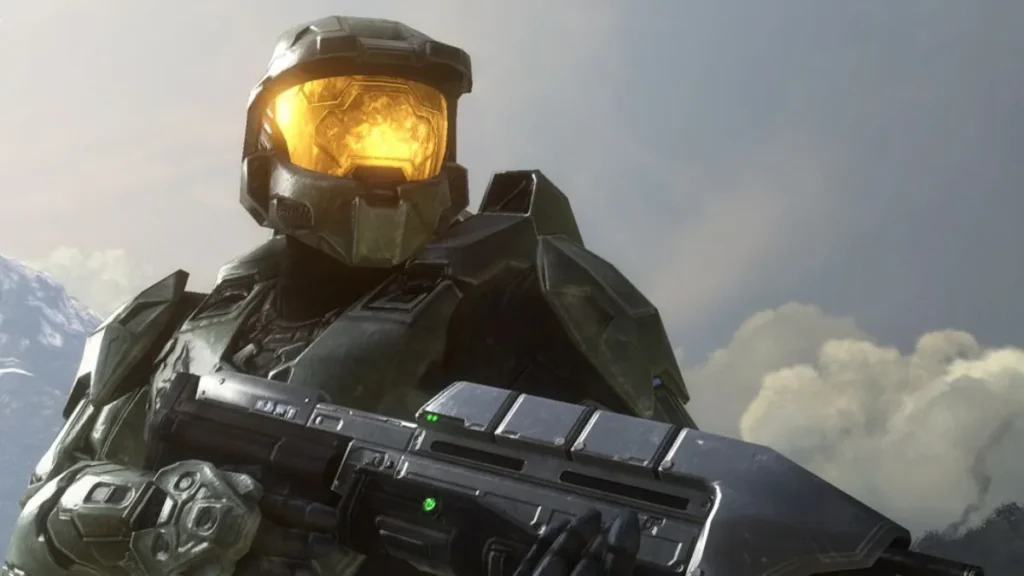
Franchise: Halo | Developer: Bungie / 343 Industries / Halo Studios | First Appearance: 2001
Master Chief has proven that a first-person shooter character (whose face is rarely seen) can become a mainstream cultural icon that transcends gaming. Launched alongside the original Xbox in November 2001, the Halo franchise has sold more than 81 million copies and generated over $6 billion in franchise revenue since its debut. Master Chief has appeared in numerous forms of media, including over thirty novels written by authors affiliated with major publishing companies (such as Tor Books and Gallery Books), multiple comic book series, animated films and television shows; including a two-season Paramount+ television series (2022–2024).
While the Paramount+ series received mixed critical reception, it demonstrated the franchise’s capacity to generate mainstream media properties anchored by Master Chief’s iconic silhouette.
Master Chief’s brand recognition operates through visual simplicity. His gold visor and green Mjolnir armor provide some of the most instantly recognizable images in gaming. Microsoft has consistently used these visual elements to promote Xbox for decades; much like Nintendo uses Mario’s image to represent their brand.
Microsoft has leveraged Master Chief across decades of merchandising. Action figures, collectibles, apparel, energy drink deals, and military-themed tie-ins all contribute to Master Chief’s ongoing merchandising empire.
Master Chief sits at #7 because while his crossover empire has generated billions, his recognition is strongest among male gamers aged 25–45; a valuable demographic, but a narrower cultural footprint than characters like Pac-Man, Sonic, or Mario, who are recognized across all age groups.
6. Lara Croft

Franchise: Tomb Raider | Developer: Core Design / Crystal Dynamics / Eidos-Montréal | First Appearance: 1996
In the late 1990s, Lara Croft did something no video game character had done before; she became a genuine mainstream celebrity. Not a gaming celebrity. A celebrity. Originally conceived by Toby Gard at Core Design, later developed by Crystal Dynamics and Eidos-Montréal, Lara Croft was instrumental in changing how women were represented in gaming.
Her image adorned covers of non-gaming magazines with greater frequency than any other video game character prior to her rise to fame. Lara Croft was studied academically regarding her role as a representative for women in gaming. Lara Croft: Tomb Raider(2001) grossed $274 million worldwide, while its sequel grossed $156 million worldwide. A 2018 reboot film starring Alicia Vikander grossed $274 million worldwide. Together, all three films collectively grossed more than $700 million worldwide.
Additionally, the Tomb Raider franchise has sold over 100 million copies worldwide across all platforms, and total franchise revenue across game sales, films, merchandise, and licensing is approximately $7 billion since her introduction.
Lara Croft’s influence extends far beyond commerce as well. She was a trailblazer for women in gaming; albeit with flaws inherent in her design (e.g., her exaggerated body proportions in earlier iterations). As such, she contributed to discussions about representation in media that continued long after her rise began.
BAFTAawarded Lara Croft gaming icon status in 2024. Fans around the world selected her as their favorite video game character of all time through a global voting campaign held in 2024.
Tomb Raider: Legacy of Atlantis is scheduled for release in 2026, celebrating Tomb Raider’s 30th anniversary by returning to its archaeological-adventure roots. Netflix announced plans to develop an animated series surrounding Tomb Raider as well; marking her first venture into scripted streaming content.
Lara ranks lower than she might deserve because her commercial momentum has been inconsistent for nearly a decade; whereas several characters ahead of her continue to experience steady growth in cultural relevance and/or operate at significantly higher revenue scales than she does.
5. Link
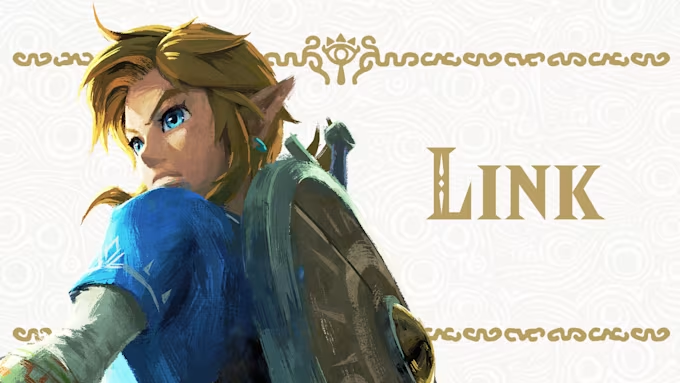
Franchise: The Legend of Zelda | Developer: Nintendo | First Appearance: 1986
The Legend of Zelda franchise and its protagonist Link present a fascinating enigma on this list. The Legend of Zelda franchise is considered “one of the most influential” and “most critically acclaimed” video game franchises according to Britannica. The Legend of Zelda: Ocarina of Time has a Metacritic rating of 99; the highest rated or tied for the highest rated among all games ever reviewed. Furthermore, both Breath of the Wild and Tears of the Kingdom had well over 20 million units sold and were met with near-universal critical acclaim. They also redefined the open-world experience in video games.
Despite being an extremely popular video game franchise, Link’s crossover appeal in pop culture outside of gaming is much smaller compared to other video game characters. According to recent figures, The Legend of Zelda franchise has sold over 150 million units worldwide. Additionally, the total franchise revenue generated by The Legend of Zelda franchise, including games, merchandise, and license agreements, is estimated to be in the tens of billions. However, Link has never starred in a major motion picture, nor has he led a prestige TV show. His merchandise footprint, while substantial within gaming retail, does not approach the mass-market licensing infrastructure of the characters above him.
The reason is partially by design. Nintendo has historically been protective of the Zelda IP, limiting adaptations and licensing in ways that have preserved the brand’s prestige but restricted its crossover reach. Shigeru Miyamoto has discussed how difficult it is to adapt the gameplay-driven narrative structure of the Zelda franchise into passive media forms such as films. Currently, however, a live-action Legend of Zelda film has wrapped production with Nintendo and Sony Pictures, with Wes Ball directing and a May 2027 theatrical release date confirmed. Should that film become commercially and critically successful like the Super Mario Bros. Movie franchise, Link would likely jump many positions on this list.
Link is ranked number 5 because of his incredible gaming achievements; he is possibly the greatest influence on game design in history. But the non-gaming empire, while on the verge of a breakthrough, has not yet materialized.
4. Sonic the Hedgehog

Franchise: Sonic the Hedgehog | Developer: SEGA / Sonic Team | First Appearance: 1991
The Sonic the Hedgehog film franchise has grossed more than $1 billion at the global box office across three movies. In January 2025, Paramount Pictures announced that the total box office for the franchise exceeded $1 billion. In addition, Sonic the Hedgehog 3, which was released on December 20, 2024, became the highest-grossing installment of the series at approximately $490 million globally. Paramount+ released a spinoff series called Knuckles, and a fourth film is in development.
While the box-office performance of the Sonic the Hedgehog film franchise is impressive considering the franchise’s rocky start in cinema, there were many missteps prior to the eventual success. When Paramount initially unveiled the design of the original Sonic movie in 2019, social media backlash to the design was overwhelming. Paramount ultimately decided to delay the film for three months to completely redesign the character. Redesigning the character paid off. The first film opened in February 2020 and ultimately grossed over $319 million at the worldwide box office, despite releasing during the early period of the COVID-19 pandemic. Since then, the franchise has experienced increasing momentum.
In addition to being one of the few successful film franchises based on video games, Sonic is also one of the most heavily licensed video game characters. Sonic appears in numerous categories of products, including toys, clothing, fast-food advertising campaigns, theme parks, and educational materials. The SEGA-Nintendo rivalry of the 1990s console wars remains one of the most culturally significant brand battles in entertainment history. Ultimately, SEGA dominated 65 percent of the North American 16-bit console market by January 1992.
To date, SEGA has sold over 1.6 billion units of Sonic games worldwide (including mobile versions), and total Sonic franchise revenue exceeds $13 billion. With the recent rise of the Paramount films, Sonic has become a recognizable character among young people outside of gaming communities similar to other iconic characters with far longer histories.
Overall, Sonic is ranked #4 because Paramount Pictures has dramatically altered Sonic’s cultural trajectory through the film series. Sonic was previously seen as an outdated icon whose best days seemed behind him. The Paramount film series transformed him into one of the most commercially successful video game characters in Hollywood. That cinematic renaissance, combined with decades of game sales and licensing revenue, places him firmly in the top tier.
3. Pac-Man

Franchise: Pac-Man | Developer: Bandai Namco (originally Namco) | First Appearance: 1980
Pac-Man is likely one of the most universally recognized characters in existence today. His simple yet iconic design by Toru Iwatani at Namco in 1980 has achieved a level of iconographic simplicity that transcends language, culture, and generation. According to a 2008 study conducted by the Davie Brown Index, Pac-Man was rated as having the highest level of brand recognition of any video game character amongst U.S. consumers. Additionally, according to industry reports and Bandai Namco data, Pac-Man has generated over $14 billion in revenue throughout his existence as an arcade game, selling nearly 48 million copies across all platforms over the course of his 45-year history. Bandai Namco launched a year-long 45th anniversary campaign running from May 2025 to May 2026, titled “MAKE IMPACT!”; which includes exhibits, collaborations with merchandise companies, and new releases.
Pac-Man has crossed over into other forms of entertainment far more successfully than almost any other video game character. He has starred in TV series (the 1982 Pac-Man cartoon series was one of the highest-rated Saturday morning cartoons of its era, and a 2013 Pac-Man and the Ghostly Adventures series brought the franchise to a new generation). He has been studied academically; in August 2025, BBC published a feature titled “How Pac-Man changed gaming and the world,” referencing his role in scientific studies involving artificial intelligence and behavioral modeling. He has been included as part of the permanent applied design collection at New York City’s Museum of Modern Art (MoMA). He has been referenced in popular music (“Pac-Man Fever,” a song written by Buckner & Garcia, reached #9 on the Billboard Hot 100 in 1982), and he has been featured in major motion pictures (Pixels, 2015; and Wreck-It Ralph, 2012).
Because of his high level of recognition around the globe and over 45 years of cultural relevance, along with over $14 billion generated from his arcade history, Pac-Man ranks #3. However, he doesn’t rank higher than the two characters above him because his active commercial momentum; via new merchandise releases, new media productions, and box-office earnings; has slowed down compared to those above him.
2. Mario

Franchise: Super Mario | Developer: Nintendo | First Appearance: 1981 (as Jumpman in Donkey Kong)
Mario is responsible for turning video games into a mainstream form of entertainment and continues to push the boundaries on what a video game character can do commercially. The numbers in 2026 alone tell the story. The Super Mario Galaxy Movie earned $751 million at the global box office as of April 19, 2026; three weeks after release. The Super Mario Galaxy Movie pushed the total box office for the combined Nintendo/Illumination film franchise past $2 billion worldwide; placing it among the top ten highest-grossing animated film franchises of all time after only two entries. Total estimated revenue for the Mario franchise now exceeds $53 billion and includes sales from video games (approximately 499 million copies sold worldwide of the Super Mario branch alone; more than the combined sales of the entire Grand Theft Auto series), box-office receipts from films ($2 billion+), merchandise and licensing revenue, and theme park revenue.
Super Mario Bros. is widely regarded as one of the most influential video games ever created and is credited for helping create Mario’s status as a household name. Creator Shigeru Miyamoto is also widely known and respected by gamers and non-gamers alike; he is arguably the only game designer whose name is as recognizable to the general public as the characters he created. Mario’s licensing empire extends into every conceivable consumer category. Super Nintendo World areas exist inside Universal Studios Japan, Universal Studios Hollywood, and Universal Orlando Resort; representing multi-billion-dollar investments in infrastructure based solely on the recognition value of the Mario brand. Mario has been featured on cereal boxes and postage stamps as well as having appeared in a Macy’s Thanksgiving Day Parade balloon.
Mario ranks #2 because his empire is the broadest and most diversified of any video game character. He generates revenue across more platforms, more product categories, and more entertainment formats than anyone else on this list. The only character who outranks him has built something Mario has not: the single largest media franchise in human history.
1. Pikachu

Franchise: Pokémon | Developer: Game Freak / The Pokémon Company | First Appearance: 1996
Pikachu is the face of what is currently the largest media franchise in history; regardless of whether you measure it in terms of revenue generated from video games or from merchandising and licensing agreements.
According to Guinness World Records, as of April 2024, the Pokémon franchise had generated an estimated $147 billion in lifetime revenue. This estimate includes lifetime sales from video games (485 million copies sold worldwide, making it the best-selling RPG series of all time); trading card revenue (one single PSA Gem Mint 10 “Pikachu Illustrator” trading card sold at auction for $16.49 million in February 2026; the most expensive Pokémon trading card ever sold); revenue from animated television shows and films; revenue from merchandising and licensing agreements; and mobile game revenue (Pokémon GO has generated over $6 billion in lifetime revenue since its debut in June 2016).
According to an article by The Timespublished in January 2026, Pokémon had “quietly become the biggest media franchise on Earth.”
Pikachu’s brand recognition among non-gaming audiences is unmatched by any video game character. A 2016 survey cited by Vox found that 98 percent of American respondents recognized Pikachu; more than recognized the sitting Vice President of the United States.
The crossover infrastructure is total. Pikachu has headlined twenty-three major motion picture releases (the franchise’s cumulative worldwide box office gross exceeds $1.8 billion). There was also the live-action Detective Pikachu (starring Ryan Reynolds), which earned approximately $433 million globally. In addition to live-action releases, Pikachu has starred in the long-running Pokémon animation franchise, which began production in 1997 and has produced almost thirty years’ worth of weekly episodes across multiple series. The Pokémon anime franchise continues to air globally today.
Licensed merchandise generates billions in annual revenue across virtually every consumer category. Pikachu has made appearances on jumbo jet liveries for ANA Airlines; on the official Japan World Expo 2025 presence; on manhole covers across cities within Japan; and even as a balloon in the annual Macy’s Thanksgiving Day Parade.
That is why Pikachu is number one.
The 15 Game Characters Who Became Bigger Than Gaming; Quick Reference {#quick-reference}
| Rank | Character | Franchise | Debuted | Est. Franchise Revenue | Key Crossover Achievement |
|---|---|---|---|---|---|
| 1 | Pikachu | Pokémon | 1996 | $147 billion+ | Highest-grossing media franchise in history; 98% brand recognition in US surveys |
| 2 | Mario | Super Mario | 1981 | $53 billion+ | $2B film franchise after two entries; theme parks on three continents |
| 3 | Pac-Man | Pac-Man | 1980 | $14 billion+ (arcade) | 45-year cultural icon; MoMA permanent collection; highest US brand recognition |
| 4 | Sonic the Hedgehog | Sonic | 1991 | $13 billion+ | $1B+ film franchise across three films; fourth in development |
| 5 | Link | The Legend of Zelda | 1986 | $10 billion+ (est.) | Greatest influence on game design; live-action film releasing May 2027 |
| 6 | Lara Croft | Tomb Raider | 1996 | $7 billion+ | First game character as mainstream celebrity; $700M+ combined film box office |
| 7 | Master Chief | Halo | 2001 | $6 billion+ | Defined Xbox as a platform; 30+ novels; TV series; generation-defining icon |
| 8 | Kratos | God of War | 2005 | $3 billion+ (est.) | Most successful character reinvention in gaming; Amazon TV series in production |
| 9 | Steve | Minecraft | 2009 | $3 billion+ (est.) | 300M+ copies sold; integrated into school curricula in 115+ countries |
| 10 | Donkey Kong | Donkey Kong | 1981 | $9 billion+ (est.) | Won the landmark lawsuit that established game characters as protected IP |
| 11 | Jinx | League of Legends | 2013 | N/A (character-level) | Arcane won back-to-back Emmy Awards; redefined video game animation standards |
| 12 | Cloud Strife | Final Fantasy | 1997 | $4 billion+ (est.) | Drove PlayStation hardware adoption; proved JRPGs could go global |
| 13 | Kirby | Kirby | 1992 | $2 billion+ (est.) | Permanent café locations in Japan; dominant Asian merchandise presence |
| 14 | Ellie | The Last of Us | 2013 | N/A (character-level) | HBO’s The Last of Us averaged 32M viewers per episode; 8 Emmy wins |
| 15 | Ryu | Street Fighter | 1987 | $2 billion+ (est.) | Face of the fighting game genre; $10B in arcade revenue for Street Fighter II |
FAQ: Iconic Video Game Characters Beyond Gaming {#faq}
Why isn’t Minecraft’s Steve ranked higher if Minecraft is the best-selling game ever?
Steve has huge franchise metrics. Over 300 million copies sold, 170 million monthly active players. But this ranking measures cultural crossover beyond gaming, not game sales alone. Steve’s deliberately generic design means he can’t compete with visually iconic characters like Pikachu or Mario for character-level recognition. Although the Minecraft franchise has successfully crossed over through its vast merchandising, educational programs, and a feature film.
Where is Nathan Drake or Joel from The Last of Us?
Both are phenomenal gaming characters. Their crossover empires are far smaller than the 15 characters on this list. Nathan Drake has not yet headlined a film franchise with sustained commercial success; the 2022 Uncharted film grossed $401 million but has not produced a sequel. His overall merchandise footprint is much less than the characters ranked here.
Could the new Zelda movie help change Link’s rank?
Yes, it very well could. A successful Legend of Zelda film could potentially increase Link’s crossover footprint and brand recognition among non-gamers dramatically. If the Legend of Zelda film becomes anywhere near as successful as the Super Mario Bros. Movie franchise, Link should be able to enter the top three on any future version of this list.
Why is Pikachu ranked above Mario when Mario has been around longer?
The Pokémon franchise has generated an estimated $147 billion in lifetime revenue, while the Mario franchise, at approximately $53 billion, is significantly below that figure. In addition, Pikachu’s brand awareness among non-gamers worldwide is greater than that of Mario according to virtually every global survey. While Mario has a larger number of crossover accomplishments (theme parks, two blockbuster films, and decades of cultural history), the Pokémon franchise generates substantially more revenue; driven primarily by the Pokémon Trading Card Game and merchandise licensing business, which operates on a scale no other video game franchise has matched.
How did you verify franchise revenue figures?
Franchise revenue was determined using official company reports (Nintendo, Sony, Bandai Namco, The Pokémon Company), various industry databases, Guinness World Records, and major business publications (Forbes, The Times, Bloomberg). Where exact figures aren’t publicly disclosed, we used industry-consensus estimates clearly identified as such.
Are there any video game characters who currently appear to be trending toward joining this list?
Aloy from Horizon Zero Dawn, Arthur Morgan from Red Dead Redemption 2, and the Genshin Impact cast are the most likely candidates. Aloy has significant franchise-building potential but has not yet achieved major crossover traction. Arthur Morgan is part of what most agree is one of the greatest games ever created, but he lacks both film and television adaptations. Genshin Impact’s characters appear to be generating massive amounts of revenue from their merchandise globally, especially in Asia; however, they haven’t yet established a specific character as their crossover figurehead.
This content is for informational and entertainment purposes only. All financial numbers relating to franchises reported herein are compiled from publicly available data and/or industry estimates; actual values may differ depending upon sources.


