
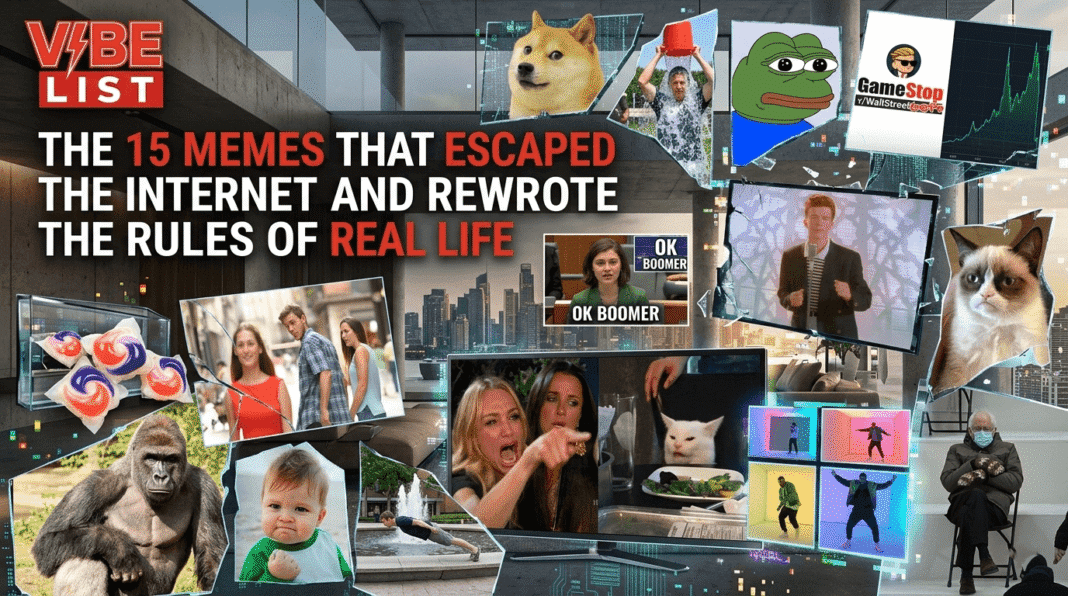
$88.8 billion in market capitalization from a photograph of a rescue dog. $1 billion in medical research funding from teenagers dumping ice water on their heads. A cartoon frog classified as a hate symbol by the Anti-Defamation League. A 20-year-old dead on a Brisbane sidewalk because he wanted a better photo. A $750 court judgment that the Supreme Court refused to overturn. None of these started as anything more than a joke. That is the point; and that is the problem.
Every meme starts as a joke. A photo of a dog with a funny expression. A teenager dumping ice water on their head. A cartoon frog drawn by an artist who just wanted to make people laugh.
Then the joke leaves the screen.
The 15 memes on this list did not stay inside your group chat. They moved money; sometimes billions of dollars of it. They triggered legislation, funded medical research, created legal precedents, ended careers, started cultural movements, and, in one case, contributed to a person’s death. They forced institutions; from the Anti-Defamation League to the United States Congress to the Cincinnati Zoo; to respond publicly to content that originated as anonymous internet humor.
The gap between “online” and “real life” has been closing for years. These 15 memes are the proof that it already closed.
1. The Doge Meme: A Rescue Dog’s Photo That Launched an $88 Billion Cryptocurrency
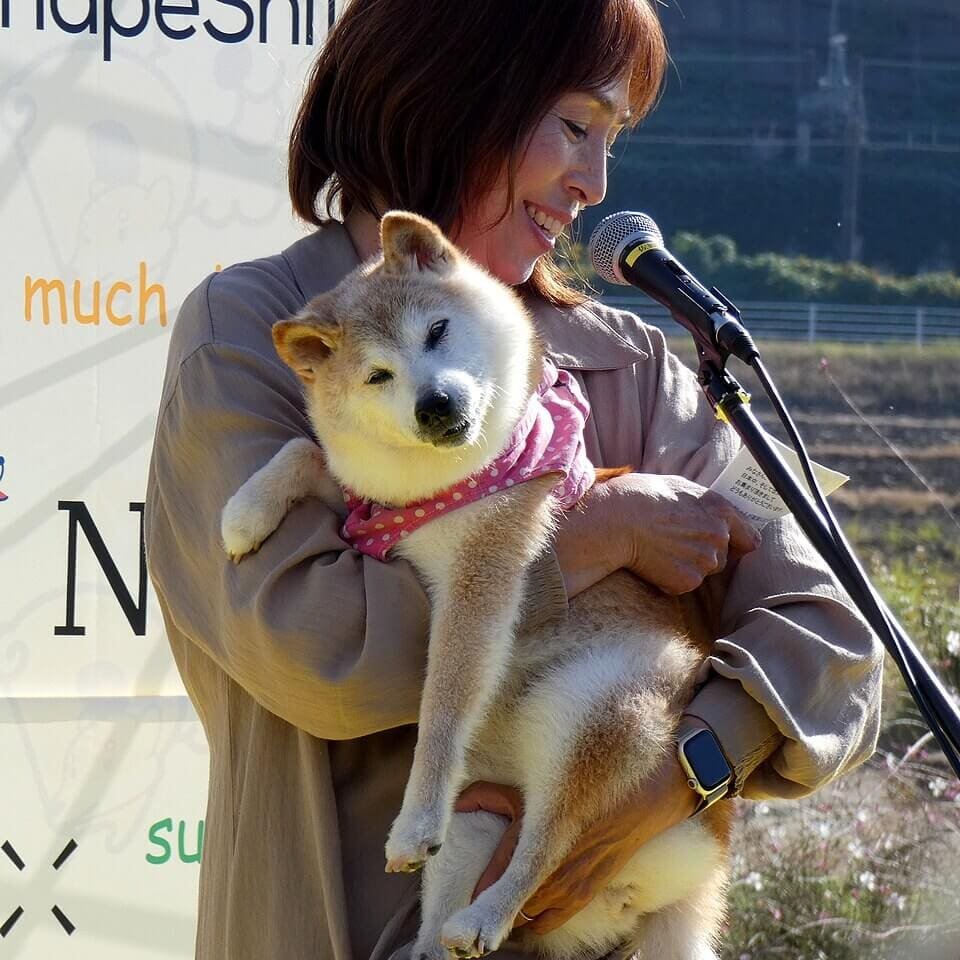
In 2010, Atsuko Sato; a kindergarten teacher in Japan; posted several pictures of her adopted Shiba Inu, Kabosu, to her personal blog. Among these photos was one that would eventually turn out to be among the most influential photographs ever published online. This photograph showed Kabosu sitting on a couch, looking at you with an eyebrow-raised expression, pouting mouth and generally seeming to think whatever she was thinking was pretty interesting. Afterward, the photo traveled to Tumblr and was featured on a blog called Shiba Confessions which provided Kabosu with various Comic Sans captions written in bad English. “Much wow.” “Very scare.” “So amaze.” The idea behind using Comic Sans was ridiculous. And ridiculousness is why we can’t ignore this stuff. The internet took notice of the Doge meme by 2013.
On December 6, 2013, software developers Billy Markus and Jackson Palmer decided to create a parody cryptocurrency called Dogecoin. They based this project on the growing popularity of speculative cryptocurrencies such as Bitcoin. According to both founders, neither expected their currency to achieve anything other than being worthless.
However, Dogecoin quickly gained traction. On May 8, 2021, Dogecoin reached a record-high market capitalization of $88.8 billion with each individual Dogecoin valued at roughly $0.68, per data from GlobalData. Part of the reason for this increase in valuation was due to repeated promotions of the currency via social media posts from Elon Musk, who often discussed or tweeted about the currency to his hundreds of millions of followers on what was at the time, Twitter.
A rescue dog. A blog posting. A joke cryptocurrency. $88 billion in market capitalization. Kabosu passed away on May 24, 2024, at the age of 18, according to the BBC. The cryptocurrency she helped inspire continues to be traded today.
2. The Ice Bucket Challenge: A Viral Dare That Funded a Scientific Breakthrough
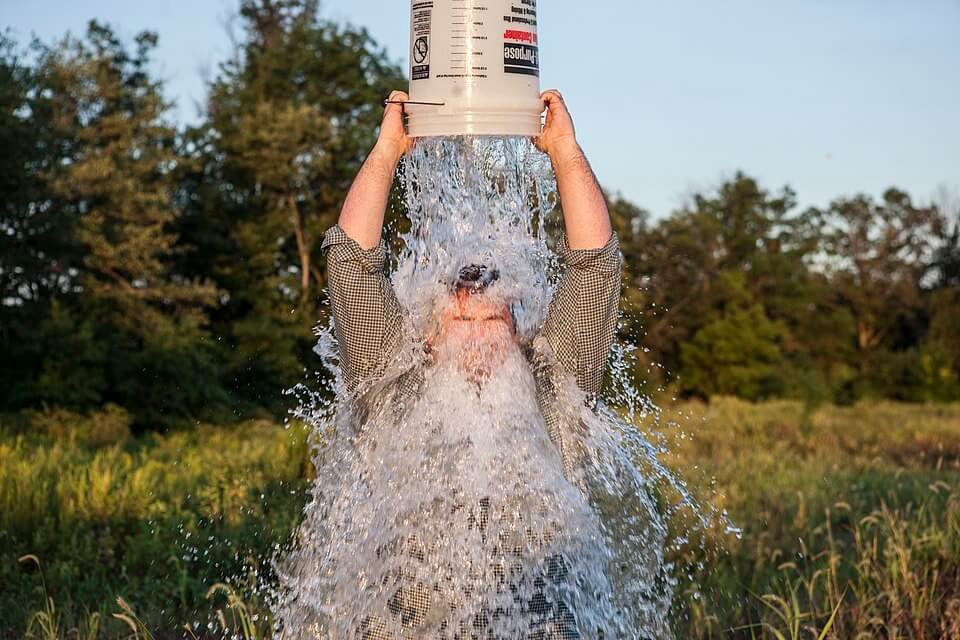
The basic premise of the stunt was simple. Pour a bucket of ice water over your head. Record yourself doing so. Nominate three friends. Donate money to ALS research. In the summer of 2014, the Ice Bucket Challenge rapidly went viral on social media, and something that initially seemed like a shallow gimmick became one of the largest viral fundraisers for ALS research in history.
According to reports from the ALS Association, the challenge raised more than $1 billion for ALS research worldwide. Between August 29 and November 13, 2014, when the challenge peaked in terms of global activity, the ALS Association itself reported raising approximately $115 million in donations directly related to the Ice Bucket Challenge, as confirmed by the BBC. International fundraising efforts raised another $105 million in donations for a worldwide total of approximately $220 million in 2014, as per Forbes.
These dollars matter because they helped fund a very specific area of science. Researchers funded by the donations from the Ice Bucket Challenge identified NEK1 as a gene that contributes to ALS in 2016, according to Scientific American. Those discoveries, combined with others regarding the proteins TDP-43 and FUS, accelerated the scientific understanding of amyotrophic lateral sclerosis over two years more than had occurred during the previous ten years of ALS research.
The Ice Bucket Challenge also illustrated a fundamental property of content that goes viral: participation mechanisms; not merely viewing; generate real-world results. People didn’t just view the videos. They recorded themselves performing the stunts. They posted those recordings onto social media. They gave money. The cycle between viewing and participating is what separates a meme from a movement.
3. Pepe the Frog: A Stoner Cartoon That Became a Classified Hate Symbol
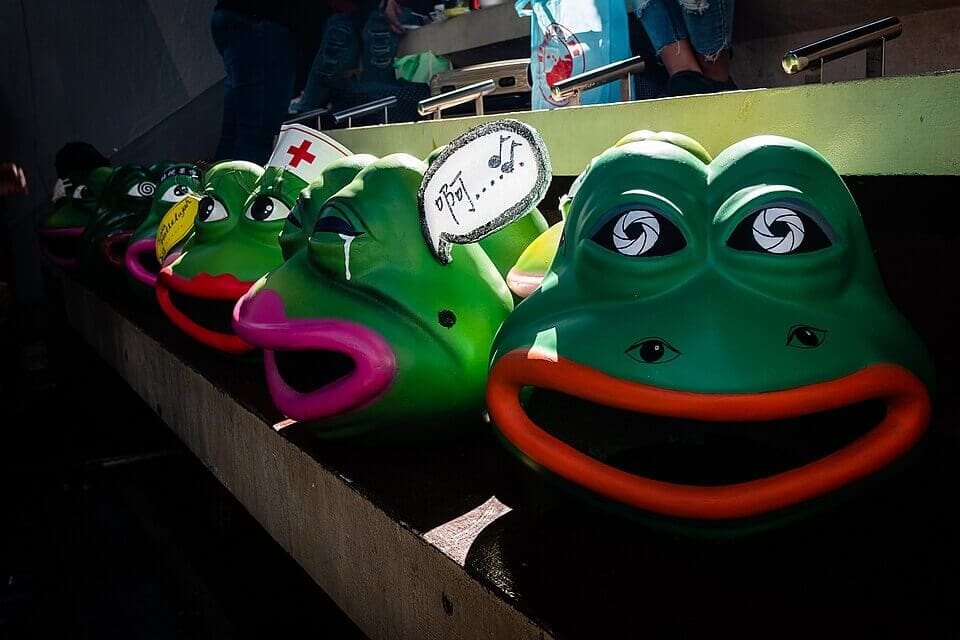
Matt Furie created Pepe the Frog as a main character in his indie comic book series Boy’s Club, which he began posting online in 2005. As described by his creator, Pepe is a carefree amphibian who loves to relax and smoke pot and has a slogan: “feels good man.” There is no politics involved with Pepe. He is exactly how his creator intended him to be: a peaceful stoner.
By 2015, Pepe had evolved into one of the most popularly shared images on the internet. Shortly thereafter, individuals began appropriating Pepe’s image to associate it with racist, anti-Semitic, and white supremacist ideologies on websites like 4chan and other places across the web. Since Pepe has become ubiquitous enough to allow virtually anyone to appropriate him; essentially making any image that is viewed millions of times a potential blank slate.
In September 2016, the Anti-Defamation League officially recognized Pepe the Frog as a hate symbol, as reported by Time. The ADL stated that while most use of Pepe was not hate-based, there was sufficient evidence that Pepe had become synonymous with white supremacist ideology such that displaying Pepe in conjunction with symbols representing extremist ideologies signified support for said ideologies.
Furie pursued legal action. In 2018, he initiated a lawsuit against InfoWars claiming they infringed upon his copyright by selling posters featuring Pepe next to figures representing far-right ideologies. Per The Washington Post, InfoWars agreed to pay Furie $15,000 in settlement for their infringement claims. In addition, a 2020 documentary, Feels Good Man, documented by NPR, tracked Pepe’s journey from indie comic book character to hate symbol turned protest icon during the 2019 Hong Kong protests.
Pepe serves as an example that illustrates that once an image enters into internet culture, its creator will lose complete control over what that image represents.
4. The GameStop Short Squeeze: When Reddit Memes Broke Wall Street
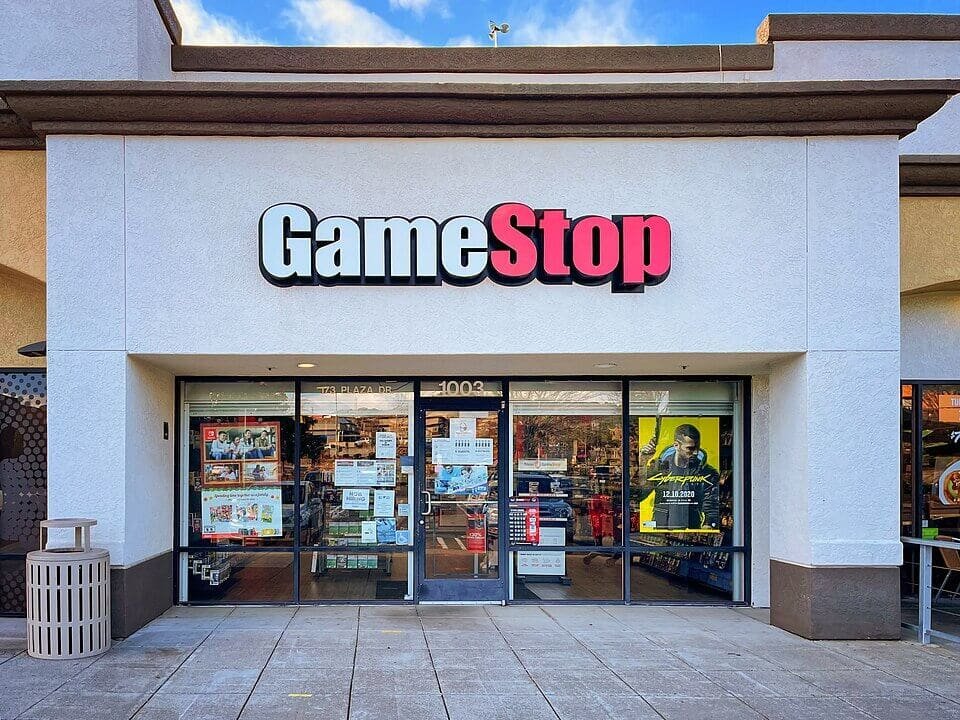
During early January 2021, r/WallStreetBets members discovered that hedge fund Melvin Capital had shorted more than 100% of GameStop‘s outstanding shares. Members realized an opportunity existed and communicated it through memes; diamond hands, rocket emojis and similar formats. The language employed was silly but the financial implications were serious.
GameStop’s share price rose from approximately $17 at the beginning of January 2021 to an intraday peak of $483 on January 28. Melvin Capital lost 53% of its value during January, as reported by CNBC. Due to lack of liquidity, Melvin needed an urgent cash injection of $2.75 billion from Citadel and Point72 to remain operational, as reported by CNN. Ultimately, Melvin closed permanently in May 2022.
Afterwards, structurally speaking, congressional hearings were conducted regarding this incident. Additionally, Robinhood‘s restrictions on buying and selling GameStop shares caused significant outrage amongst customers and led to renewed scrutiny that permanently harmed Robinhood’s brand identity. The term “meme stock” has now entered our financial vocabulary and has yet to leave it.
This episode clearly demonstrates that coordinated actions within meme culture can potentially disrupt major institutional positions on Wall Street at a level that threatens their existence. The memes were not peripheral additions to the financial strategies being utilized. The memes facilitated the coordinating process.
5. Rickrolling: The Prank That Gave a Forgotten Pop Song a Billion Views
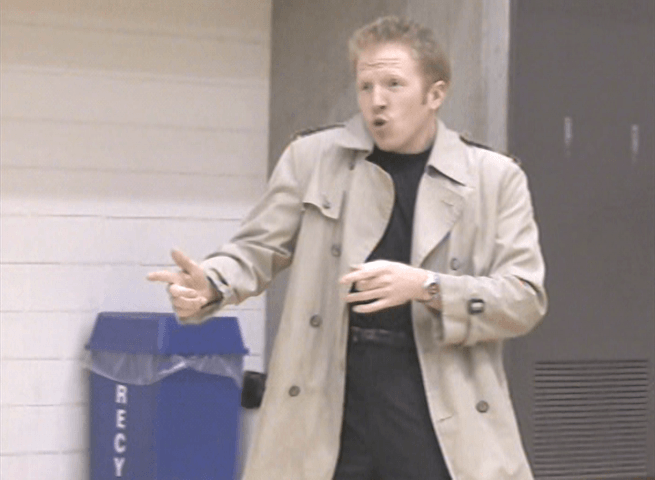
Rickrolling is relatively straightforward. Someone shares a URL for what looks like material relevant to the conversation or context surrounding it. Instead, the URL links to Rick Astley‘s music video for his hit song “Never Gonna Give You Up,” which originally came out in 1987. You’ve been Rickrolled.
Rickrolling originated in 2007 as an extension of a prior bait-and-switch style meme known as “duckrolling.” Within a year or less after it originated, Rickrolling permeated every aspect of the web and invaded presentations given at corporations and academies, broadcast events, and even parades (the 2008 Macy’s Thanksgiving Day Parade featured Astley singing “Never Gonna Give You Up” live from atop a float).
There exists quantifiable evidence demonstrating commercial success. In July 2021, the official music video for “Never Gonna Give You Up” eclipsed one billion views on YouTube, as reported by Billboard. Prior to this meme giving “Never Gonna Give You Up” new life, Astley claimed he hadn’t seen or heard from the song commercially since retiring it from active rotation roughly twenty years prior.
At first, Astley received little-to-no payment for this resurgence due to owning no rights to either the composition or publishing rights for “Never Gonna Give You Up”; therefore, early royalties were reportedly minimal, though exact figures are disputed, as he explained in interviews.
Streaming platforms have now supplanted advertising views with per-stream royalty payments for artists, thus changing Astley’s compensation model as a result of the renewed interest in “Never Gonna Give You Up.” Today, Astley generates sizeable amounts from continued plays stemming from Rickrolling reviving the song.
Rickrolling did not simply bring back a forgotten song. It established an entirely new revenue stream model for an old piece of 1980s pop music which likely would have remained dormant if it wasn’t for meme culture.
6. Grumpy Cat: The Feline Whose Scowl Built a Multimillion-Dollar Empire
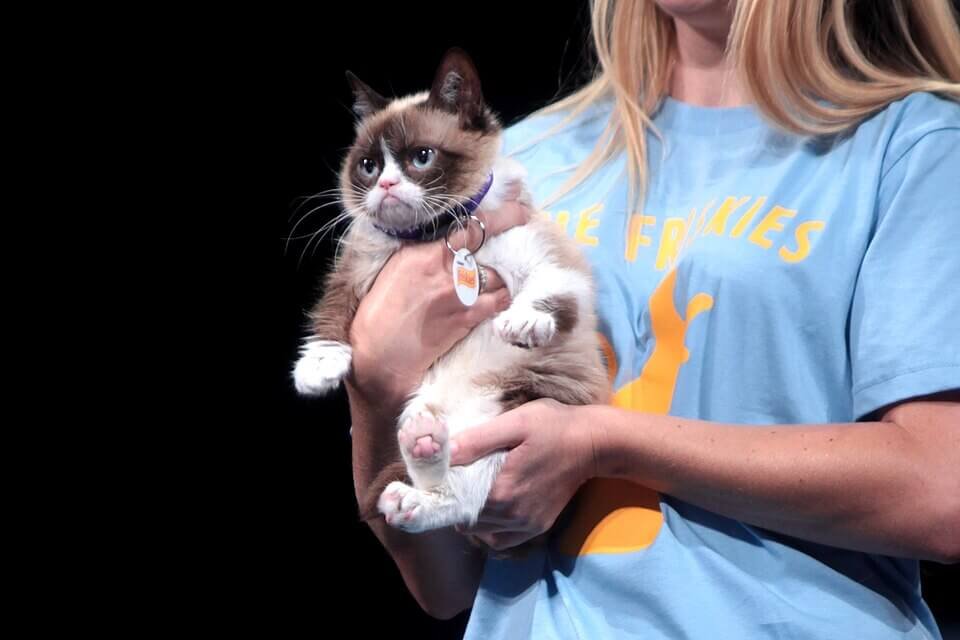
When Tardar Sauce was photographed in September 2012, the photo went onto Reddit where its scowling facial expression brought a permanent scowl to the internet. The photo’s subject was identified as Tardar Sauce; known as Grumpy Cat; and with that the brand machine took off. Less than two years later, Grumpy Cat’s owner Tabatha Bundesen had secured multiple merchandising contracts, a publishing contract for a Grumpy Cat book, and a Lifetime television movie contract.
According to Time magazine in late 2014, Grumpy Cat had earned around $100 million. Although Bundesen denied this amount was accurate and refused to reveal how much money Grumpy Cat had actually earned, the figure has been disputed by media analysts. There was ample evidence that Grumpy Cat’s merchandise line and trademarks were so successful they led to a copyright infringement lawsuit against a coffee company called Grenade Beverage. A jury decided that Grumpy Cat should receive $710,000 in damages in January 2018, according to NPR.
Grumpy Cat died on May 14, 2019 at the age of 7. However, Grumpy Cat’s brand continued on for several months after her passing. Merchandise and products bearing the Grumpy Cat name continued to be produced, marketed and sold. Social media pages for Grumpy Cat also remained active. This has clearly provided numerous examples of what happens when a meme generates a fully commercialized intellectual property empire. In addition to generating millions of dollars in licensing income, Grumpy Cat’s brand has also been legally enforced through a court case and managed posthumously.
7. Bernie Sanders’ Mittens: An Inauguration Photo That Raised $1.8 Million for Charity
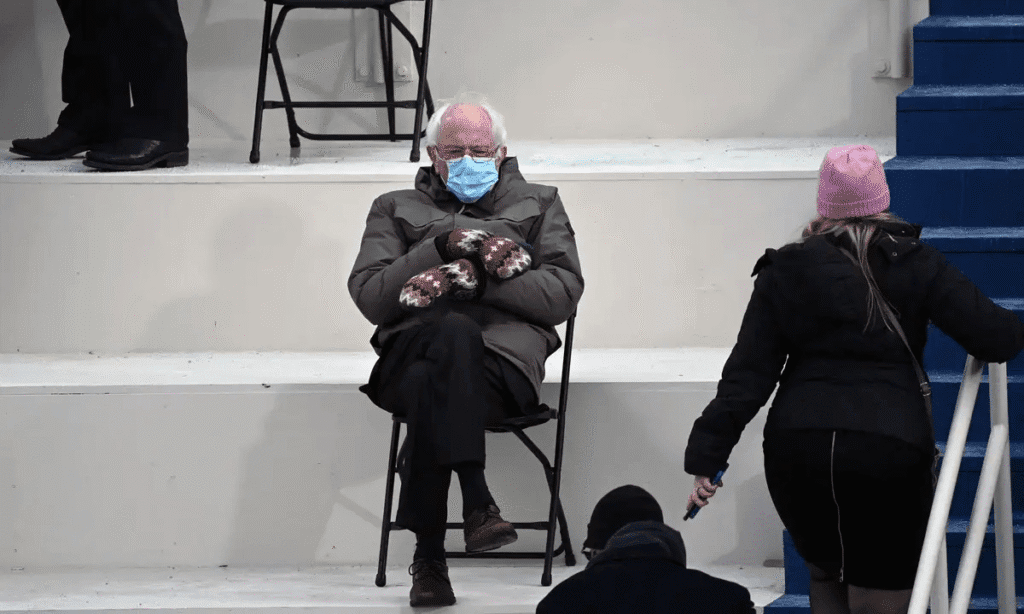
Bernie Sanders wore mittens to President Biden’s inaugural address. In fact, he was wearing them so well that the internet turned him into a meme. Sanders capitalized on the moment, and Bernie Sanders merchandise was being sold almost immediately after he appeared in front of photographers with his new mittens. Sales of these items reportedly raised $1.8 million for charity. According to an article published by NPR on January 28, 2021, Bernie Sanders’ campaign had raised $1.8 million in sales of sweatshirts and T-shirts featuring photos of Bernie in his mittens. The New York Times confirmed the figure on the same day. The funds were donated to various Vermont charities such as Meals on Wheels, senior centers, and low-income community organizations.
What makes the Bernie Sanders’ mittens meme different from others is that Bernie Sanders used the popularity of the meme to raise money for charity. Not many memes have the ability to generate revenue. Even fewer memes have the potential to create revenue that goes directly towards helping those in need. Bernie Sanders’ decision to sell merchandise based on the popular meme demonstrates how a public figure who reacts quickly and humorously to a meme can turn viral attention into measurable social good. It remains one of the few memes directly converted into charitable funding.
8. Distracted Boyfriend: The Stock Photo That Sparked International Copyright Battles
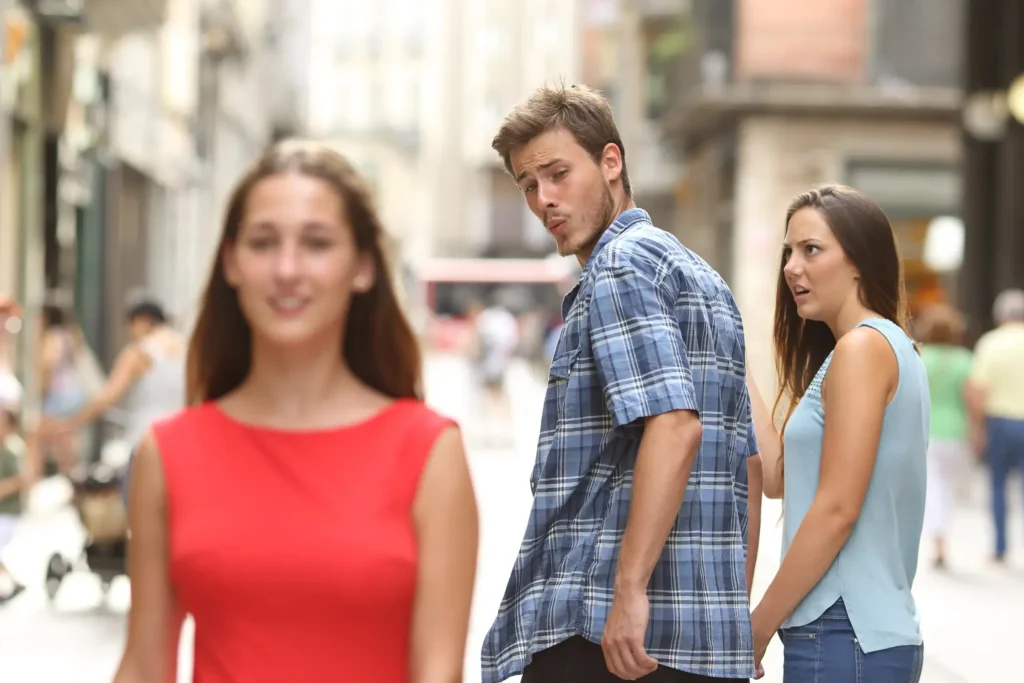
In November 2015, Barcelona-based photographer Antonio Guillem shot a series of stock photographs for Shutterstock depicting a man walking with his girlfriend while turning to stare at another woman. By 2017, the image had become the Distracted Boyfriend meme; one of the most widely recognized and versatile templates on the internet, used to express any scenario involving temptation, hypocrisy, or poor judgment.
Then the legal questions arrived. Business Insider reported in August 2017 that Guillem was not earning significant additional revenue from the meme’s virality because the image was licensed through Shutterstock’s standard terms. Anyone who used the image without purchasing a license was technically infringing copyright, but Guillem indicated he would not pursue most cases.
The meme also prompted official action from entities unrelated to copyright law. In September 2018, Time reported that Sweden’s advertising ombudsman, Reklamombudsmannen, ruled that a recruitment company’s use of the Distracted Boyfriend image in a job listing was gender-discriminatory because it objectified women in violation of Swedish anti-sexist advertising regulations.
No one expected anything like this when Guillem took his picture. But this is precisely why Guillem’s photo is so important. The Distracted Boyfriend meme forced a series of institutional responses; from stock photography platforms to advertising regulators to intellectual property attorneys; that no one anticipated when Guillem pressed the shutter button on a routine commercial shoot.
9. The Tide Pod Challenge: A Meme That Triggered a Public Health Crisis
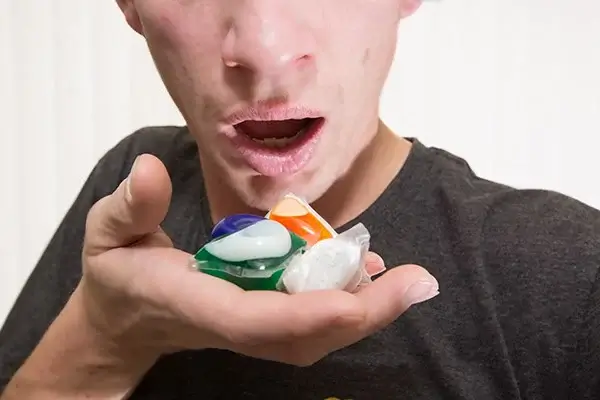
In early 2018, a meme suggesting that Tide Pods looked delicious; with their bright, candy-like swirled colors; escalated from ironic internet humor into a serious public safety concern. Teenagers began filming themselves biting into the detergent packets and posting the videos to social media.
The Washington Post reported in January 2018 that U.S. poison control centers received over 12,000 calls related to laundry pod exposure in 2017. In the first 15 days of January 2018 alone, the American Association of Poison Control Centers recorded 39 cases of intentional exposure among teenagers, as reported by CNN; more than the total intentional teen exposures for all of 2016.
Procter & Gamble responded quickly to the crisis. They released statements urging consumers not to consume Tide Pods. YouTube removed Tide Pod Challenge videos from its platform. And New York state lawmakers asked Procter & Gamble to redesign their packaging to make Tide Pods less visually appealing to children, as stated in a press release from the New York State Senate.
While many memes inspire satire or laughter, few memes result in serious harm like the Tide Pod Challenge did. Its importance lies in demonstrating that irony and absurdity may not always remain limited to internet culture; that it can quickly escalate into a physical crisis. The Tide Pod Challenge serves as a reminder that while memes are often harmless, they can also lead to real-world problems if left unchecked.
10. OK Boomer: Two Words That Entered a National Parliament
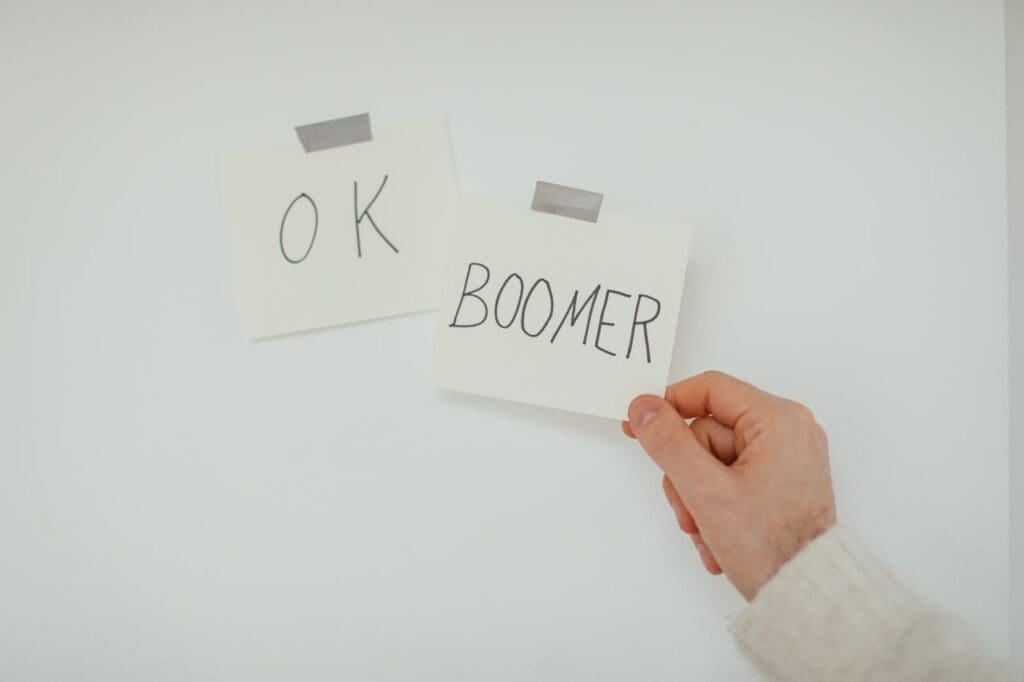
Chlöe Swarbrick is a young member of parliament in New Zealand. On November 5, 2019, she delivered an impassioned speech about the Zero Carbon Bill when she was suddenly cut off by an older colleague. Instead of becoming flustered, Swarbrick quipped back at him saying “OK Boomer” and returned to her speech, as reported by the BBC. The reaction was immediate. News outlets across the globe picked up on her comments and soon the phrase trended on Twitter.
As The New York Times wrote on October 29, 2019: “‘OK Boomer’ Marks the End of Friendly Generational Relations.” Before Swarbrick’s comments in Parliament, people had been calling each other “boomers” and “OK boomers” for quite some time as a form of internet slang. However, once Swarbrick uttered the words in Parliament, OK Boomer became something entirely different. People began filing trademark applications for the term, with mixed results. Companies began producing OK Boomer merchandise. The term was used as a way to describe generational differences in society.
However, what really matters here is how fast OK Boomer went from being an internet joke to being part of a national government discussion. No one predicted this would happen until it happened.
11. Harambe: A Gorilla’s Death That Rewired Online Mourning Forever
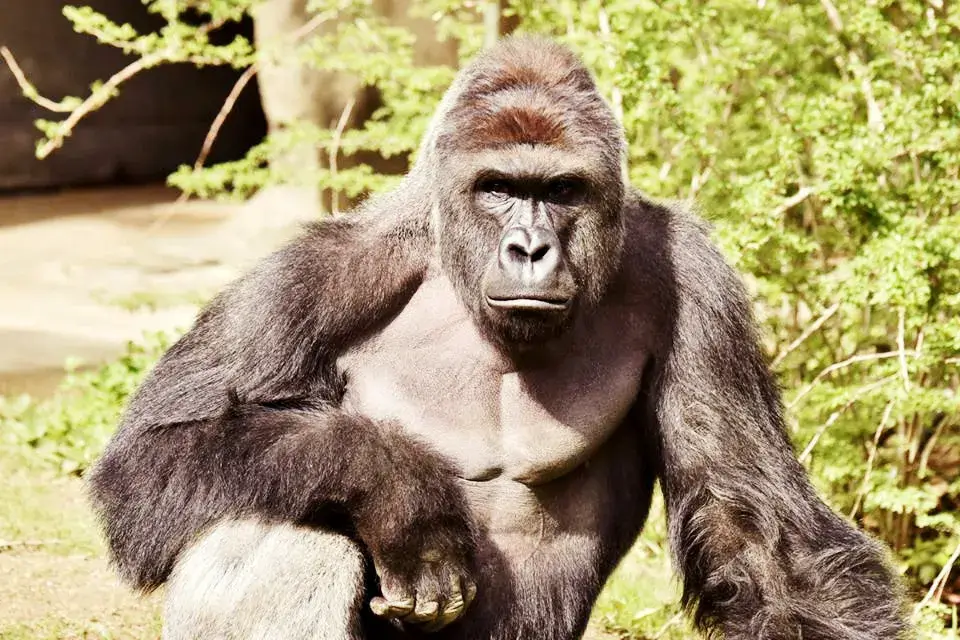
Harambe is probably one of the best examples of how memes can transition from humor to mourning and then back again into humor. In May 2016, a three-year-old boy fell into the gorilla enclosure at the Cincinnati Zoo and Botanical Garden. To prevent injury to both the boy and the gorilla, zoo officials shot and killed Harambe; a seventeen-year-old western lowland gorilla; to save the boy’s life. The shooting of Harambe triggered a global wave of internet memorialization, protest, and satire.
Change.org launched an online petition asking for justice for Harambe. Almost immediately after that, people began making jokes about Harambe. Memes were created with images showing Harambe enjoying everyday things that humans take for granted like riding elevators or drinking coffee. Satire articles appeared praising Harambe for being such a great babysitter. Vigils were held around the United States; albeit satirically; mourning Harambe’s untimely death.
One of those vigil participants even submitted a ballot application listing Harambe as his candidate for president during the 2016 election cycle. The Cincinnati Zoo Director Thane Maynard told the Associated Press: “We are not amused by the memes, petitions and signs about Harambe.”
This negative reaction only fueled the meme further. Many people believed that Maynard’s anger was too little too late since Harambe had already become something larger than himself; an internet meme representing collective grieving through humor.
The BBC described Harambe as the meme of 2016. Harambe is special because he became a symbol for how we mourn tragedies together online; through layers upon layers of seriousness and absurdity that cannot be separated in any logical manner.
12. Success Kid: The Baby Photo That Won a Federal Copyright Case

In 2007, Laney Griner took photos of her 11-month-old boy, Sammy, on the beach. The photo of a child with sand in his fist and a serious look on his face would later become the Success Kid meme. Millions of people around the world used this meme to celebrate small successes.
After Griner registered a copyright for the image and licensed it commercially, she found out in 2020 that the congressional campaign of former U.S. Representative Steve King used the image in fundraising communications without paying Griner for the use. She then filed a lawsuit against them.
In June 2024, the U.S. Court of Appeals for the Eighth Circuit affirmed an Iowa jury’s decision that King’s campaign committee violated Griner’s copyright. According to Reuters, the jury awarded $750 in damages; although a relatively small amount compared to potential awards, the decision represents significant precedent with broad implications for meme usage in political and commercial contexts. In January 2025, the U.S. Supreme Court refused to hear King’s appeal, further affirming the appellate court’s ruling, according to Bleeding Heartland.
As a result of the Success Kid case, meme creators have demonstrated they possess enforceable copyrights based upon the fact that many images will be shared online multiple millions of times. Being popular on the internet does not mean an image loses its copyrighted status.
13. Planking: The Meme That Killed Someone
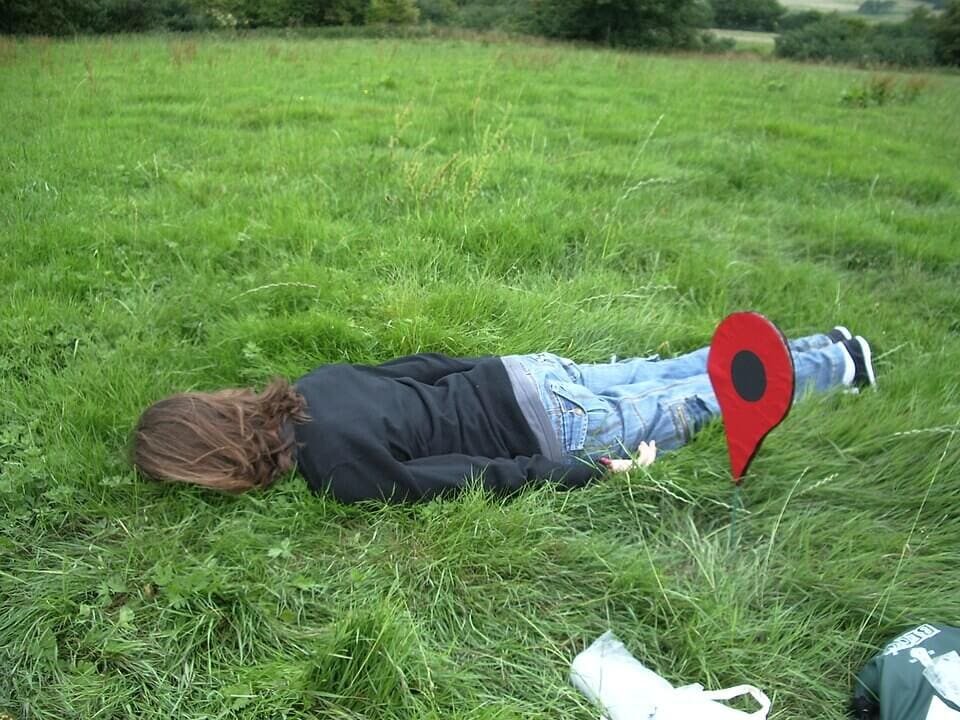
Planking, which involves lying down flat in some unexpected location and being photographed by another individual, was one of the earliest forms of an internet challenge that encouraged mass participation offline. The challenge exploded throughout Facebook and early social networking sites in 2010 and 2011, as individuals competed to lie in increasingly hazardous locations.
Acton Beale, age 20, lost his life on May 15, 2011, when he attempted to plank on a railing located on a seventh-floor balcony in Brisbane, Australia. As reported by NPR, Beale’s death led Queensland Deputy Police Commissioner Ross Barnett to urge citizens to cease participating in the trend. The CBC confirmed the incident prompted Australian police to issue formal warnings about the trend. Beale’s death remains the first well-documented fatality linked directly to an individual’s participation in an online meme. Seven years prior to the Tide Pod Challenge, Beale’s death demonstrated that an online joke could encourage offline risk-taking when an individual felt compelled to obtain a better photograph for sharing purposes.
The incident demonstrated that online trends carry physical risks. Planking serves as a reminder that the boundaries between “the internet” and “reality” began disintegrating long before the proliferation of smartphones made virtually every moment capable of being recorded and shared.
14. Woman Yelling at a Cat: A Domestic Abuse Scene Reframed as Comedy
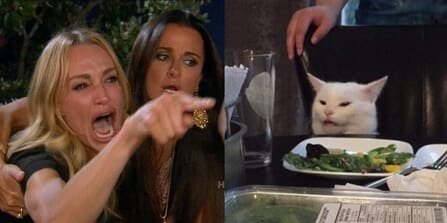
Left panel: a screenshot from a 2011 episode of The Real Housewives of Beverly Hills. Taylor Armstrong cries and points while arguing with a fellow cast member. When discussing domestic violence Armstrong experienced from her late husband; as reported by WBUR; this argument occurred.
Right panel: a photo of a white cat named Smudge sitting behind a plate of veggies looking puzzled. During May 2019, a Twitter user created a mashup combining these two photos and the Woman Yelling at a Cat meme quickly became among the top meme formats of 2019.
Taylor Armstrong has publicly discussed her mixed feelings about the meme. While it diminished a traumatic experience into something humorous, she acknowledges the meme increased her second round of public exposure and therefore chose to accept the meme instead of fighting it.
Although memes do not necessarily cause financial or legal impacts themselves; and generally speaking most memes are harmless; this particular meme illustrates how internet culture processes context. The original argument contained emotional weight. Without its context and combined with a befuddled cat, it became humor. The way an original meaning can be casually stripped away is perhaps the most typical function of meme culture. Harmless or hurtful or somewhere in between is subjective and dependent upon who is asked.
15. Drake’s Hotline Bling: The Music Video Engineered to Be a Meme
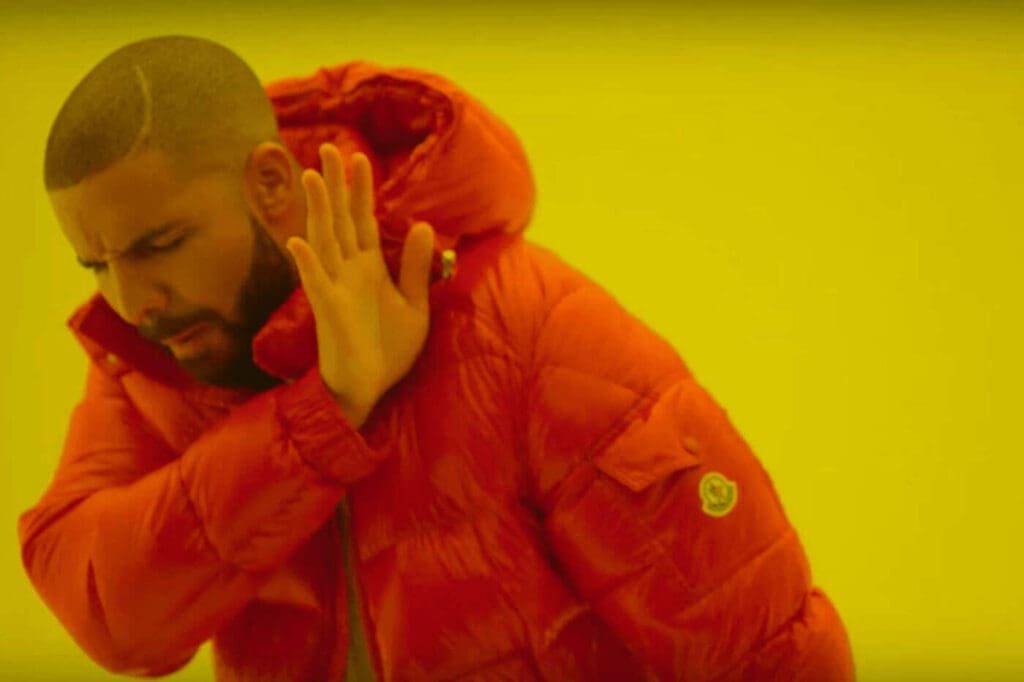
Unlike most memes, this one was intentionally constructed.
When Drake published his “Hotline Bling” video in October 2015, he featured himself awkwardly dancing within colorful box sets inspired by artist James Turrell‘s light sculptures. The Verge reported that Apple Music provided funding for the video as part of their first effort at creating original video content. The video debuted solely on Apple Music.
Drake’s dance moves were almost instantly remixed into countless different scenarios. Thousands of examples were produced on every available platform. Additionally, Drake’s song streaming figures reacted appropriately. Official YouTube uploads of “Hotline Bling” passed one billion views by November 2016; approximately one year after its debut, according to iHeartRadio.
The Vibe List‘s take: “Hotline Bling” was more than just a subject for memes; it was developed to be a meme. The purposefully awkward dance steps, clean visuals perfect for Photoshopping into various images, and Apple Music exclusive usage period that promoted the debate surrounding initial conversations all indicate that this product was designed with viral reproduction as a primary method for distributing the video. Regardless of whether meme-ability was planned in advance or merely accepted once it happened, it mattered little; the result was the same: the memes did not interfere with commercial performance; they represented commercial performance. The strategy has since become standard practice across the music industry.
Why Memes Keep Escaping
Each item on this list demonstrates the same three-step process.
Step one: create an image or video with no relation to its future outcome. A kindergarten teacher takes pictures of her dog. A photographer takes stock photography shots in Barcelona. An artist creates cartoons and drawings for an independent comic book.
Step two: strip the image from its original context and add new meaning to it. Meaning that is community-driven, continuously changing, and unmanageable by any singular entity or organization.
Step three: generate sufficient cultural momentum so that real-life repercussions occur. Money moves. Legal precedents are set. Individuals bring lawsuits. Resignations occur. Product packaging changes. Or, in extreme cases, lives are damaged or lost.
Memes are not inherently bad; most are innocuous. The lesson here is that boundaries between “internet culture” and “everywhere else” have ceased to exist.
A photo posted onto a Japanese blog in 2010 can generate an $88 billion financial instrument. A video documenting a teen dumping ice water on their head can raise funds for finding a gene linked to a deadly illness. A cartoon frog can eventually end up classified alongside swastikas in a hate symbol database.
Memes are not frivolous; they represent the native tongue of a culture that no longer distinguishes between what occurs on screens and everything else.
Memes vs. Reality: 15 Internet Jokes and the Real-World Consequences They Created
| # | Meme | Year of Origin | Primary Platform | Impact Category | Key Measurable Outcome | Primary Source |
|---|---|---|---|---|---|---|
| 1 | Doge | 2010 (photo) / 2013 (meme) | Tumblr → Reddit | Financial | Dogecoin reached $88.8 billion market cap on May 8, 2021; price peaked at $0.68 per coin | GlobalData |
| 2 | Ice Bucket Challenge | 2014 | Facebook → cross-platform | Scientific / Medical | $115 million in direct donations; over $1 billion in total ALS research funding; NEK1 gene identified | ALS Association |
| 3 | Pepe the Frog | 2005 (comic) / 2015 (appropriation) | 4chan → cross-platform | Political / Legal | Classified as hate symbol by ADL (Sep 2016); $15,000 copyright settlement against InfoWars (2019) | Time |
| 4 | GameStop Short Squeeze | 2021 | Reddit (r/WallStreetBets) | Financial / Legislative | Stock rose $17 → $483; Melvin Capital lost 53%, took $2.75B bailout, closed May 2022 | CNBC |
| 5 | Rickrolling | 2007 | 4chan → YouTube | Cultural / Commercial | “Never Gonna Give You Up” surpassed 1 billion YouTube views (Jul 2021); created new revenue stream for legacy music | Billboard |
| 6 | Grumpy Cat | 2012 | Commercial / Legal | Reported $100 million in earnings (disputed); $710,000 copyright damages awarded (Jan 2018) | NPR | |
| 7 | Bernie Sanders’ Mittens | 2021 | Twitter → cross-platform | Charitable | $1.8 million raised for Vermont charities including Meals on Wheels | NPR |
| 8 | Distracted Boyfriend | 2015 (photo) / 2017 (meme) | Twitter → cross-platform | Legal / Regulatory | Swedish ad ombudsman ruled usage gender-discriminatory (Sep 2018); widespread unlicensed copyright infringement | Time |
| 9 | Tide Pod Challenge | 2018 | YouTube → TikTok | Public Health | 12,000+ poison control calls (2017); 39 intentional teen exposures in first 15 days of Jan 2018 | CNN |
| 10 | OK Boomer | 2019 | TikTok → Twitter | Political / Legislative | Used in New Zealand Parliament (Nov 5, 2019); trademark filings; NYT declared “end of friendly generational relations” | BBC |
| 11 | Harambe | 2016 | Twitter → cross-platform | Cultural / Institutional | Cincinnati Zoo forced to issue public statements; Change.org petitions; satirical vigils nationwide; BBC named meme of 2016 | BBC |
| 12 | Success Kid | 2007 (photo) / 2011 (meme) | Reddit → cross-platform | Legal | Griner v. King: $750 damages upheld by 8th Circuit (Jun 2024); SCOTUS declined review (Jan 2025); established meme copyright precedent | Reuters |
| 13 | Planking | 2010–2011 | Public Safety / Fatality | Acton Beale died May 15, 2011 (Brisbane, Australia); first documented meme-related fatality; police issued formal warnings | NPR | |
| 14 | Woman Yelling at a Cat | 2019 | Cultural / Ethical | Domestic abuse scene recontextualized as comedy; Taylor Armstrong publicly addressed ethical implications of decontextualization | WBUR | |
| 15 | Drake’s Hotline Bling | 2015 | Apple Music → YouTube | Commercial / Strategic | 1 billion YouTube views by Nov 2016; established meme-as-marketing-strategy model now standard in music industry | iHeartRadio |
Frequently Asked Questions
What meme had the largest financial impact? The Doge meme had the greatest direct financial impact. A photograph of a Shiba Inu named Kabosu inspired the creation of Dogecoin, whose market capitalization peaked at $88.8 billion on May 8, 2021. The GameStop meme stock phenomenon is very close behind, with Melvin Capital losing 53% of its value in January 2021 as a result of a Reddit-coordinated short squeeze.
Was a meme ever used to fund scientific research directly? Yes. The Ice Bucket Challenge raised over $220 million globally in 2014. Ultimately, those funds contributed to over $1 billion in total ALS research funding. Those monies helped identify NEK1 as a gene associated with ALS and provided additional insight into ALS as a whole.
Can you copyright a meme? Copyright law protects underlying images used in memes. The U.S. Eighth Circuit Court of Appeals upheld an Iowa jury decision stating that King’s congressional campaign committee infringed upon Laney Griner’s copyright when utilizing her meme image without obtaining proper licensure from her. Fair use provisions protect meme creators from lawsuits under certain circumstances depending upon jurisdictions applying them.
Has anyone died because of participating in a meme? Yes. Twenty-year-old Acton Beale died on May 15, 2011 after falling from a seventh-floor balcony in Brisbane, Australia while attempting to complete the planking challenge. Hospitalizations resulted from participation in the Tide Pod Challenge; however, no fatalities were officially caused by participation in the Tide Pod Challenge alone.
Is Pepe the Frog still classified as a hate symbol? Pepe has remained classified as a hate symbol by the Anti-Defamation League since September 2016; however, they specifically noted that most users of Pepe are not using him in hateful ways. Creator Matt Furie has pursued reclaiming Pepe through legal action and public awareness campaigns; additionally, Pepe has also been utilized as a pro-democracy symbol during the 2019 Hong Kong protests.
Did Rick Astley get rich from Rickrolling? Not initially. Early royalties from the meme’s explosion were reportedly minimal, though exact figures are disputed, as Astley did not write “Never Gonna Give You Up” and did not hold publishing rights. However, the song has since surpassed one billion views on YouTube and accumulated substantial streaming revenue across platforms in subsequent years.