


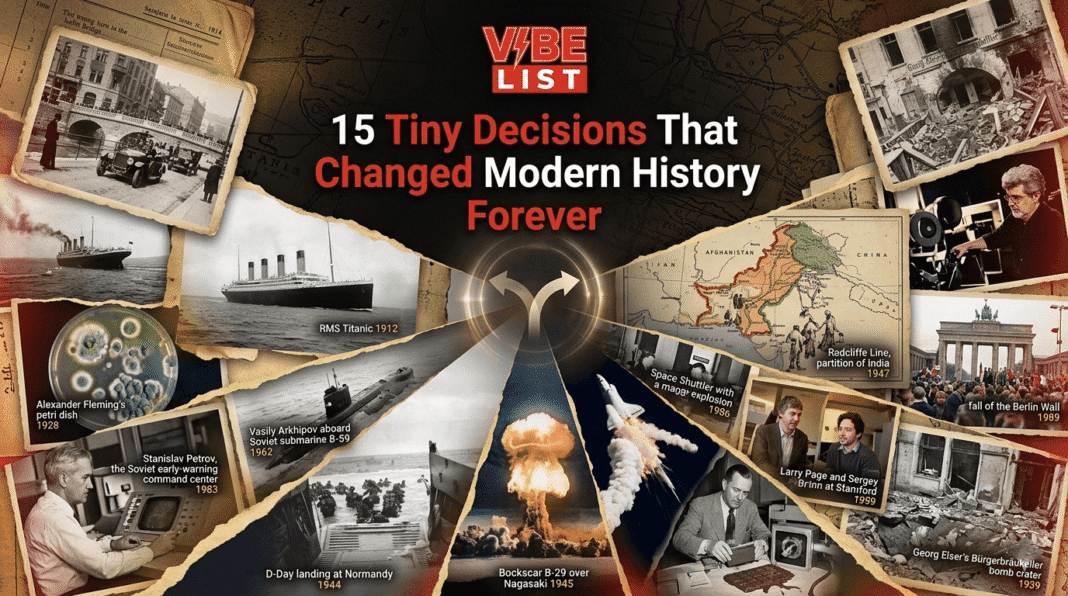
A wrong turn down a Sarajevo side street and twenty million people will be dead in four years. A misfiled key in a coat pocket and fifteen hundred passengers will have no binoculars to spot an iceberg. A Soviet officer refuses to pick up the telephone and civilization survives the night. Four words read from a sheet of paper at a press conference and 155 kilometers of concrete wall disappear before sunrise. A melting chocolate bar in an engineer’s pocket and ninety percent of American kitchens will eventually contain the device that moment invented. A carpenter’s bomb detonates thirteen minutes too late and the twentieth century’s worst regime survives to kill thirty million more. None of these outcomes were inevitable; every one of them turned on a decision so small the person making it barely noticed.
A wrong turn down a Sarajevo side street and twenty million people will be dead in four years. A Soviet officer pauses five minutes before deciding not to lift the telephone — and history continues. An engineer’s chocolate bar will melt and ninety percent of American kitchens will now include the device that moment invented. Four words spoken without script in a press conference and overnight 155 km of concrete walls disappear.
Grand forces — economic, ideological, geographic, demographic — shape history. They matter. But there are gaps between the forces and the outcome. Human beings make choices; sometimes with a sense of urgency, other times in a distracted state, or sometimes simply wondering why their candy is melting next to a radar machine. The distance between what happens and what almost happens is often just five minutes of hesitation, misfiled keys or a hasty reading of a press conference.
This is a compilation of fifteen such instances spanning the last two hundred years. Each example shares a basic format: a decision so minor it may not even have been recognized as a decision at the time, followed by consequences so enormous they changed the course of nations, transformed technology or altered the lives of tens-of-millions of people. Many of these examples are familiar. Others remain surprisingly unknown relative to their magnitude of effect. They share one disquieting thesis: the modern world was not predestined. In many ways, it was accidental.
1. The Wrong Turn that Led to Twenty Million Deaths {#wrong-turn}
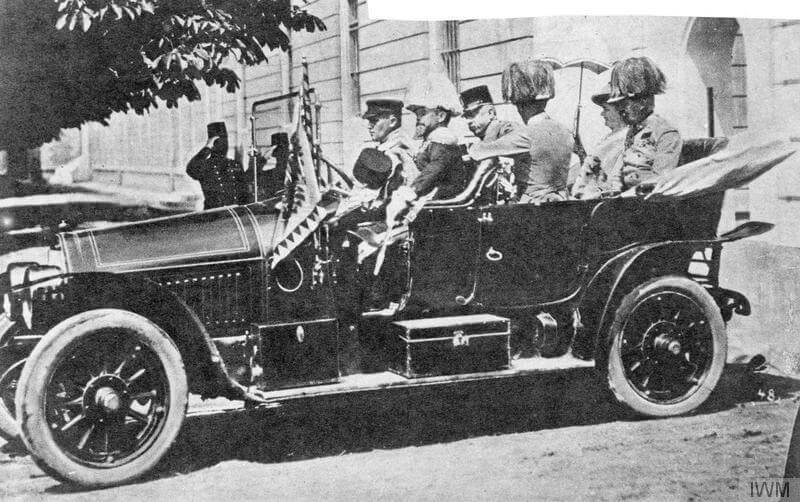
Early on the morning of June 28, 1914, seven young Bosnian Serb plotters had positioned themselves along the announced motorcade route of Archduke Franz Ferdinand in Sarajevo. The first to take action, Nedeljko Čabrinović, tossed a grenade at the Archduke’s open touring car. The grenade bounced off the vehicle and exploded underneath the car immediately behind it, injuring multiple officers. Čabrinović then swallowed a cyanide capsule and leapt into the Miljacka River; the cyanide was outdated and the river only a few inches deep. He was pulled out, alive and retching.
The motorcade sped to Sarajevo’s Town Hall. The remaining conspirators were shaken and disorganized. Nineteen-year-old Gavrilo Princip wandered near Moritz Schiller’s delicatessen on Franz Joseph Street; the originally planned route. Whether Princip was eating a sandwich when he saw the Archduke’s car remains debated. As Smithsonian Magazine documented in a detailed study; none of the trial transcripts mentioned food.
What actually transpired was much less sensational and much more destructive. Following the Town Hall stop, the Archduke decided to visit the wounded officers at the local hospital. Governor Oskar Potiorek advised the drivers to remain on Appel Quay. However, according to HISTORY, the first car’s driver was Czech and did not understand the instructions, given in German. Thus he turned onto Franz Joseph Street — the original route. The second automobile, containing Franz Ferdinand, followed. Potiorek yelled at driver Leopold Lojka that he had incorrectly turned onto the wrong road. Lojka halted his automobile to back up — directly in front of Princip.
Princip fired twice at point blank range. Sophie, Duchess of Hohenberg, was struck in the abdomen. A bullet struck Franz Ferdinand in the neck, severing his jugular vein. Both died shortly thereafter.
Austria-Hungary declared war on Serbia in late July. By November 1918, estimates suggest that 20 million people had lost their lives — roughly 9.7 million military personnel and over 10 million civilians. This incorrect turn generated World War I and the conditions that led to World War II, the Russian Revolution, the fall of four empires, and the remapping of Europe and the Middle East.
A Czech driver unable to communicate in German because he did not understand German. A street he should not have turned onto. An automobile that stopped precisely where it shouldn’t have stopped. The 20th Century shifted direction due to a navigation error.
2. The Man Who Decided a Computer Was Wrong — and Saved Civilization {#petrov}
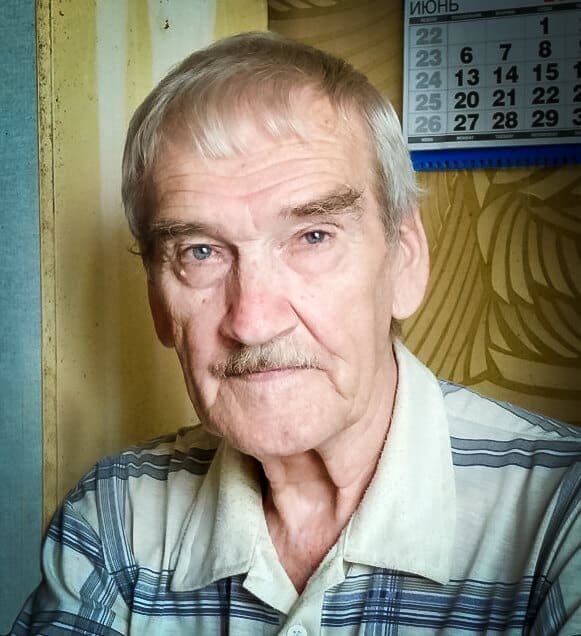
On September 26, 1983, Lieutenant Colonel Stanislav Petrov was the duty officer at Serpukhov-15, a secret command center south of Moscow that monitored the Soviet Union’s OKO early-warning satellite system. Shortly after midnight, the system reported that the United States had launched five intercontinental ballistic missiles toward the Soviet Union.
Soviet military protocol was unambiguous. Petrov’s role was to confirm the alert and relay it up the chain of command. Had he done so, Soviet leadership — operating during one of the tensest periods of the Cold War, just weeks after the Soviet military had shot down Korean Air Lines Flight 007 — would almost certainly have authorized a retaliatory nuclear strike.
Petrov did not follow protocol. As the BBC documented, he judged that a genuine first strike would involve hundreds of missiles, not five, and that the satellite system — newly operational and known to be imperfect — was more likely malfunctioning than correctly detecting an attack. He reported the alert as a system error.
He was correct. The false alarm was later attributed to a rare alignment of sunlight reflecting off high-altitude clouds above North Dakota, which the satellite interpreted as missile launches.
Petrov received no reward for his decision. According to Time, Soviet authorities quietly reprimanded him for paperwork irregularities related to the incident. He was reassigned and eventually retired to a modest pension. His role remained unknown to the public until 1998, when the memoirs of a former Soviet general revealed the incident.
In 2006, the United Nations honored Petrov as “the man who averted nuclear war.” He died in May 2017 at the age of 77, in relative obscurity.
If Petrov had followed standing orders — if he had picked up the phone and reported five inbound American missiles — the Soviet retaliatory apparatus would have engaged. The exchange that followed could have killed hundreds of millions of people within hours. Civilization, in any recognizable form, might not have survived.
He chose not to make the call. The world continued.
3. The Officer Who Refused to Launch {#arkhipov}
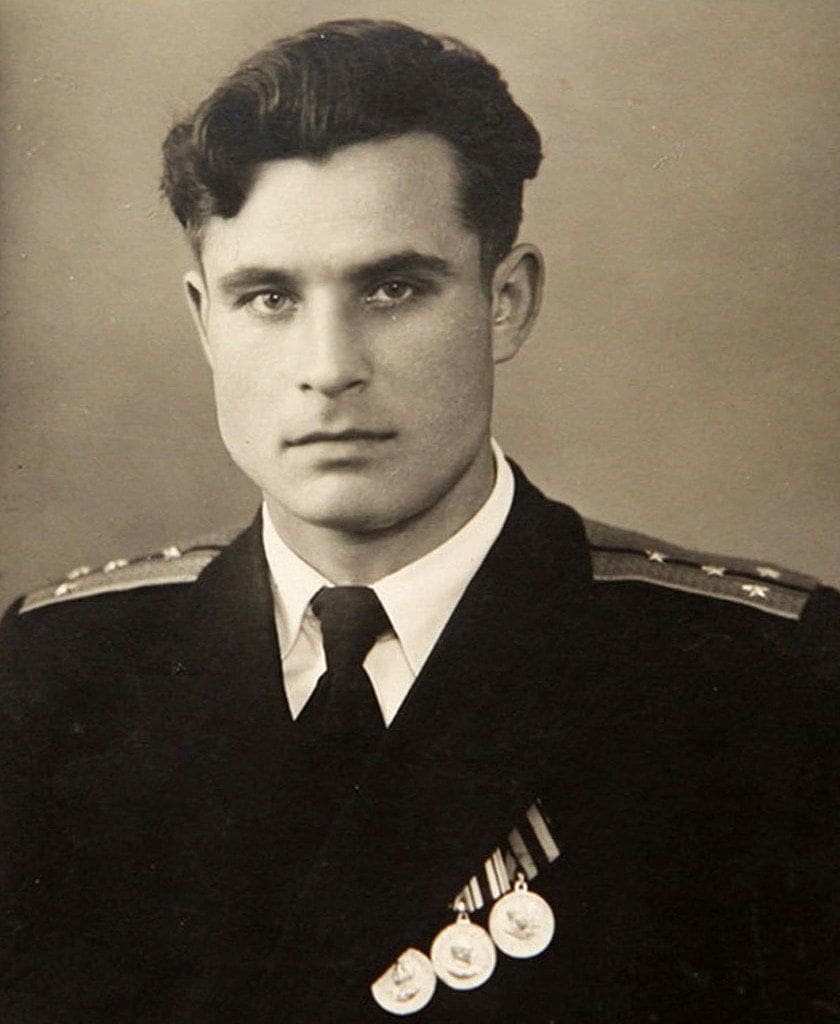
If Petrov’s story is the closest humanity came to ending civilization through a false alarm, Arkhipov’s is the closest it came to starting a nuclear war deliberately.
On October 27, 1962 — commonly referred to as “Black Saturday” during the Cuban Missile Crisis — Soviet submarine B-59 lay submerged in the Caribbean Sea being pursued by American destroyers. At roughly 11 AM EDT, American destroyers began dropping practice depth charges — signaling devices meant to force B-59 to surface. Within B-59, communications with Moscow had been severed for nearly three weeks. Temperature inside B-59 exceeded 45 degrees Celsius (113 F) in some areas. CO2 concentrations were perilously high.
Captain Valentin Savitsky, pushed to his limits by extreme heat and CO2 exposure, ordered B-59 to arm its nuclear torpedo. According to PBS documentation in Secrets of the Dead; the warhead on B-59’s nuclear torpedo contained an explosive power equivalent to that deployed at Hiroshima.
Savitsky needed approval from three officers prior to launching the nuclear torpedo: himself; B-59’s political officer; and the flotilla’s chief of staff. Savitsky concurred. Political officer Ivan Maslennikov concurred. Chief of staff Vasily Arkhipov — coincidentally serving aboard B-59 — refused.
Arkhipov’s refusal prevented a nuclear detonation in the Caribbean — and the escalation that would have followed. B-59 surfaced. The crisis diminished over subsequent days.
Arkhipov never addressed the details of the incident publicly. The National Security Archive at George Washington University released a comprehensive account of the B-59 incident in 2022 using de-classified Soviet Naval documents. Director Thomas Blanton said at a 2002 conference marking the crisis’s fortieth anniversary that Arkhipov “saved the world.”
Two men, two decades apart, said no when every protocol said yes — and life as we know it continued. More information regarding how empires have affected the geopolitical order upon which these officers defended can be found below within The Vibe List’s Ranking of Empires That Built Our Modern World.
4. The Unsanitary Lab Bench Which Preserved Over 200 Million Lives {#fleming}
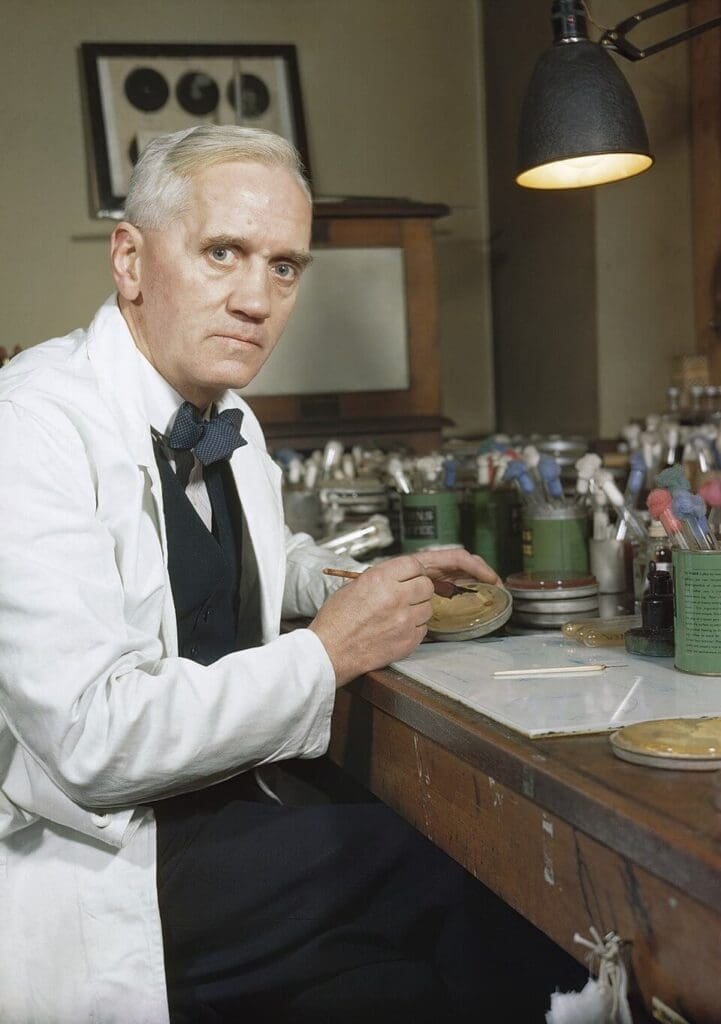
In early September 1928, British bacteriologist Alexander Fleming returned from a two-week vacation to his laboratory at St. Mary’s Hospital in London. He left hurriedly. Multiple Petri-dishes filled with Staphylococcus cultures sat unwashed on his bench.
When Fleming began sorting through the Petri-dish stacks — planning to dispose of them — he discovered something unusual. One Petri dish showed bacterial colonies everywhere except in an area covered by blue-green mold. The mold had infected this particular Petri-dish (and presumably others), most likely entering through a window left open while Fleming was away. Moreover, the mold had destroyed every colony surrounding it.
According to the American Chemical Society, Fleming realized that this mold had produced a substance able to kill numerous species of disease-causing bacteria. He labeled this substance penicillin; however, Fleming lacked the equipment and expertise to produce penicillin in usable quantities. It took another decade — and the work of Howard Florey and Ernst Boris Chain at Oxford — before penicillin could be purified for mass production.
Mass production began during World War II, saving thousands of soldiers’ lives. Ever since then penicillin and related antibiotic derivatives have reportedly saved more than 200 million lives globally.
Fleming’s success relied solely on his inability to wash his laboratory thoroughly before departing on vacation. As the Science History Institute noted, Fleming nearly discarded the contaminated dishes. Had the mold spore landed on a different dish, at a different temperature, or during a different week, one of the twentieth century’s most significant pharmaceutical discoveries might have been delayed by years or decades.
5. The Misfiled Key That Sunk the Unsinkable Ship {#titanic}
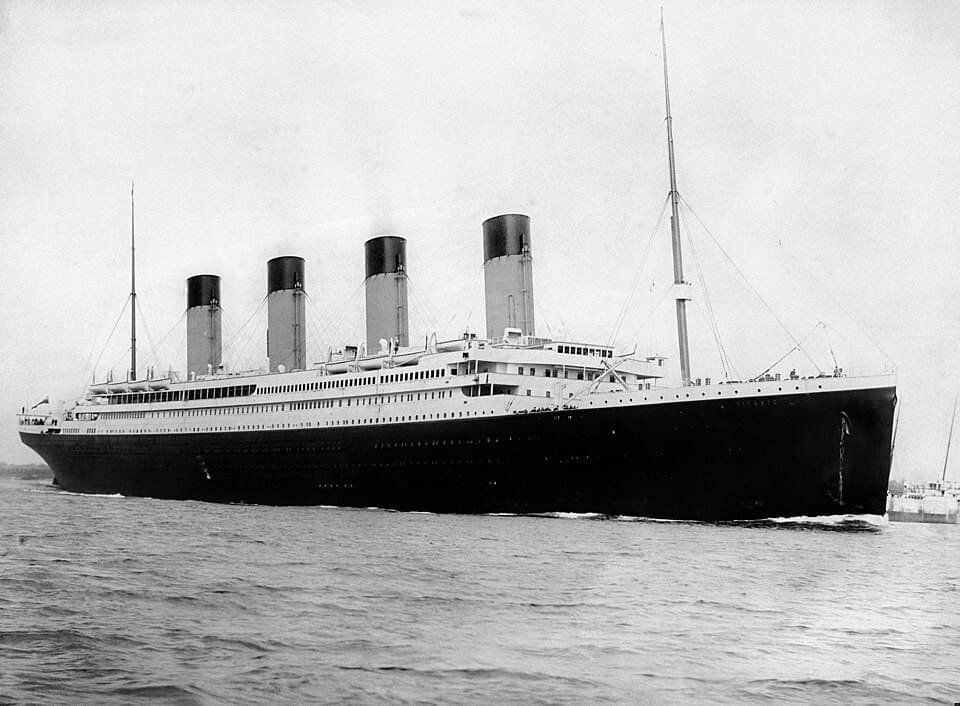
In the spring of 1912, Second Officer David Blair was suddenly replaced aboard the RMS Titanic. Blair left the ship quickly and had in his pocket — likely unintentionally — the key to the crow’s nest locker where the lookouts’ binoculars were kept.
After the ship sank, lookout Frederick Fleet, who survived the wreck, testified at the formal inquiry that having binoculars may have made a significant difference. He stated that if he had seen the iceberg sooner, perhaps with enough time, the ship may have avoided striking it.
According to the Encyclopedia Titanica, Fleet and lookout Reginald Lee complained to their superiors about the absence of binoculars before the trip started. However, they were informed that there were none available. As a result, on a calm, moonless night with no wave activity to show the top of the iceberg, the lookouts relied on nothing but their unaided eyes.
At 11:40 PM on April 14, 1912, Fleet saw the iceberg; however, too late. Thirty-seven seconds passed between the time Fleet alerted others and the time the ship hit the iceberg. Approximately two-and-one-half hours later, the Titanic sank. More than 1,500 people lost their lives.
While many maritime professionals dispute whether binoculars would have prevented the collision, the reality is stark: the lookouts’ primary optical aids were locked in a cabinet, and the key sat in the coat pocket of a man no longer on board.
David Blair’s misplaced key sold at auction in 2007 for £90,000. The buyer was a Chinese collector.
6. The Four Words That Tore Down a Wall {#berlin-wall}
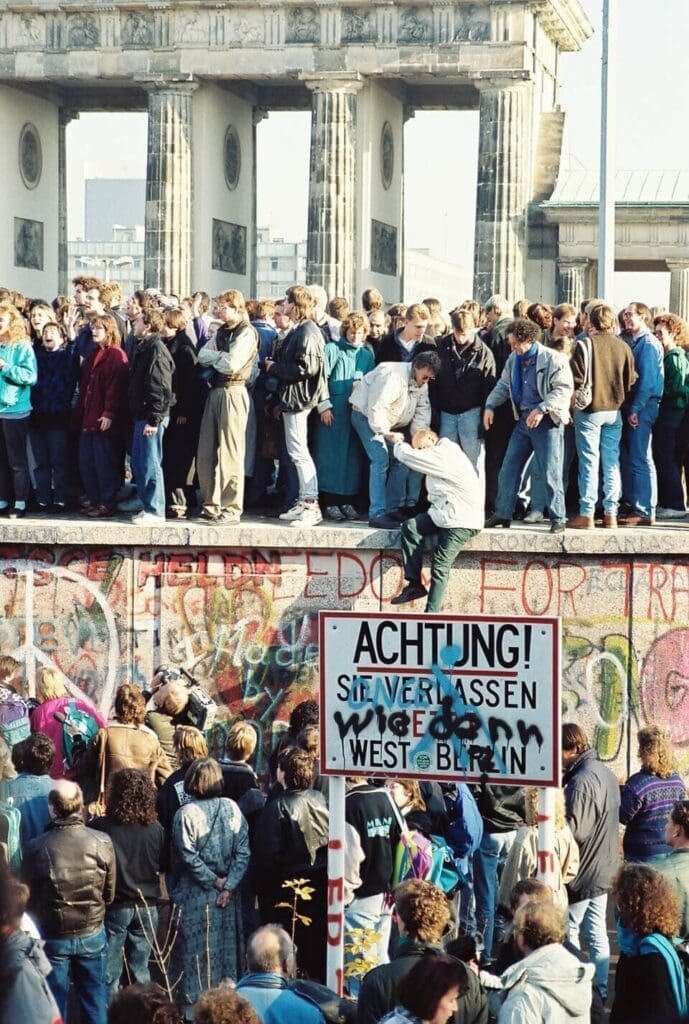
East German government spokesperson Günter Schabowski addressed reporters during a live television and radio broadcast on the evening of November 9, 1989. Prior to this time, travel restrictions to West Germany were strictly enforced by the government. However, just before going on camera, Schabowski was handed a sheet of paper with details about changes in travel policies that would allow East Germans greater freedom to travel to West Germany. Although these new policies were to go into effect starting on November 10, 1989 (the following day), Schabowski apparently didn’t understand what he was reading. When Italian reporter Riccardo Ehrman asked him when the new regulations would become effective, Schabowski fumbled through the papers he had been given and replied: “I don’t know anything about that; right now; immediately; without delay.”
These four words were broadcast throughout Europe. Soon afterward, large numbers of East Berlin residents rushed to the border crossings between East and West Berlin. Border patrols, overwhelmed by the sudden rush, could not control the crowds. As a result, within hours after Schabowski’s announcement, the Berlin Wall was breached.
It has been argued by historians that Schabowski’s error alone did not lead to the fall of the wall. Multiple factors drove the eventual collapse of East Germany and other communist states, including democratic movements and opposition groups across Eastern Europe. Nonetheless, Schabowski’s verbal slip-up served as an important catalyst.
7. The Chocolate Bar That Built a $25 Billion Industry {#microwave}
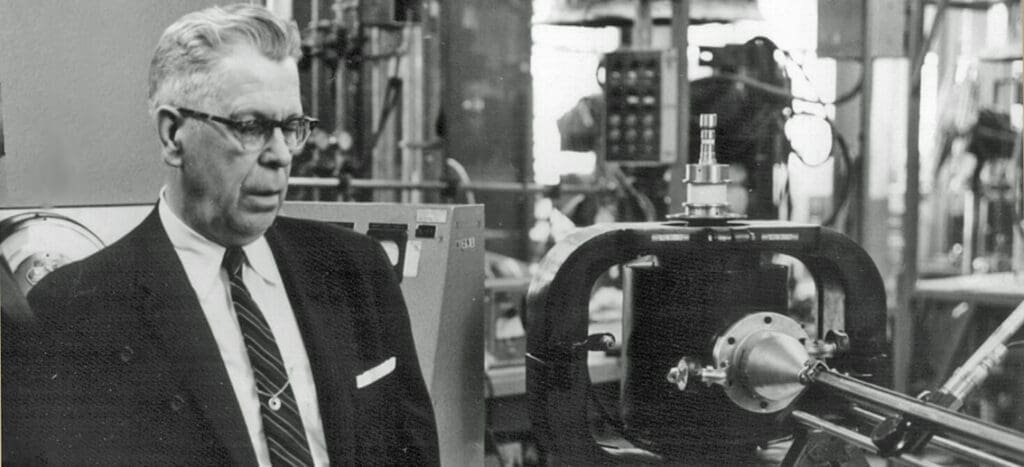
In 1945, engineer Percy Spencer was conducting tests of magnetrons — vacuum tubes used to produce microwave energy for radar systems — at Raytheon Laboratories in Waltham, Massachusetts. At that time Spencer had spent approximately 20 years studying radar technology and held over 300 patents. During a routine check of one of his units, Spencer discovered that a chocolate bar he had tucked into his pocket while running some tests had melted. Instead of ignoring the anomaly, Spencer stopped to think. Next, Spencer purchased unpopped corn kernels and placed them next to another unit. The kernels popped. The following morning Spencer placed an egg next to a magnetron. The egg exploded.
According to the Lemelson-MIT Program; Spencer and Raytheon applied for a patent for the microwave oven on October 8, 1945. The initial commercially manufactured model of a microwave oven known as Radarange stood almost seven feet high and weighed over 700 pounds. It also cost approximately $5,000 ($85,000 today) when initially marketed. By the late 1960s prices for countertop microwave ovens had fallen below $500. This drop in pricing helped spur widespread sales. According to MIT Technology Review, by the end of the twentieth century over ninety percent of U.S. households owned a microwave oven. Today, worldwide demand for microwave ovens exceeds $25 billion annually.
Although Percy Spencer invented the microwave oven; he did not receive any royalties for his invention. He instead received a $2 bonus for developing a product patented by Raytheon (as per company policy).
8. The Weather Forecast That Won a World War {#d-day}
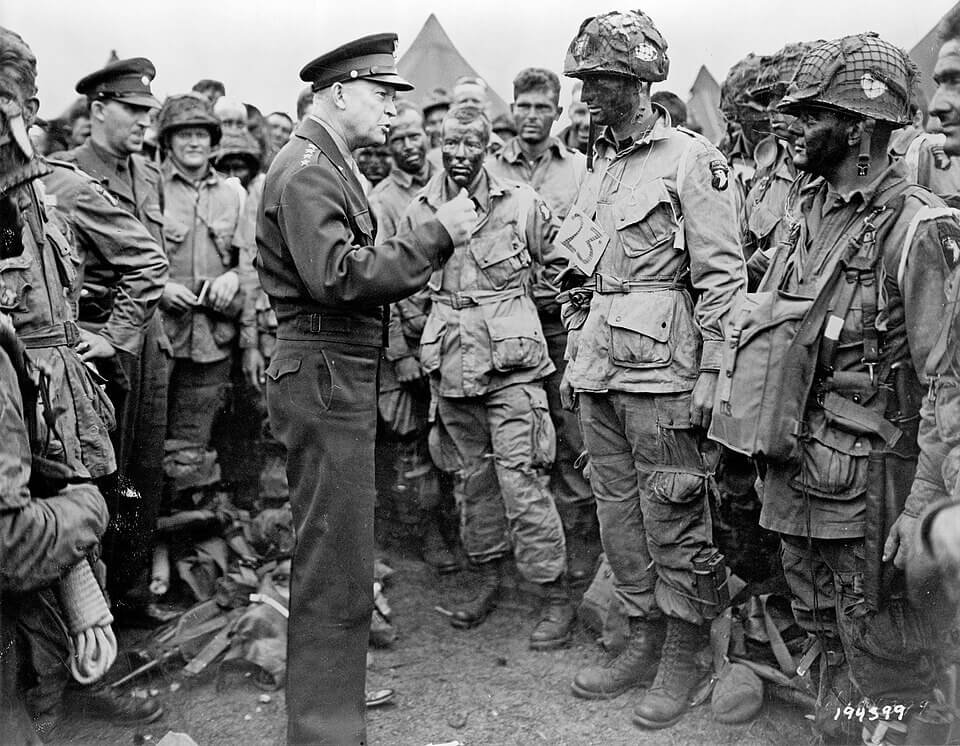
By early June 1944, the Allies had assembled a massive invasion force to cross the English Channel — Operation Overlord — involving over 150,000 troops, 5,000 vessels, and 11,000 aircraft. Originally scheduled for June 5, the invasion was postponed after Group Captain James Stagg — General Dwight D. Eisenhower’s chief meteorologist — warned of severe weather. Eisenhower delayed the operation. Many naval vessels already en route back toward England were recalled.
However, Stagg and his team identified a narrow weather window between June 6 and June 7 — roughly thirty-six hours of marginal but workable conditions. According to Imperial War Museum records, Stagg told Eisenhower: “You can count on getting better weather.” Crucially, Stagg knew that German meteorologists, using different forecasting methods, had completely missed this narrow break.
Field Marshal Erwin Rommel, commanding German coastal defenses in France and believing that bad weather made an invasion impossible, left Normandy to visit his wife in Germany for her birthday.
Eisenhower ordered the invasion for June 6 — though he personally doubted success — knowing that tidal conditions would limit follow-up landings if the first wave failed.
Had Eisenhower delayed until June 19 — two weeks after the original date — one of the worst storms in European waters in over sixty years would have made landings impossible.
Stagg’s forecast gave Eisenhower a narrow choice: launch into a brief weather window on June 6, or risk waiting for conditions that might never come. He launched — and saved an army from certain destruction. As documented by the Met Office, Stagg’s forecast remains one of the most consequential weather predictions in military history.
9. The Clouds That Saved One City and Ruined Another {#kokura}
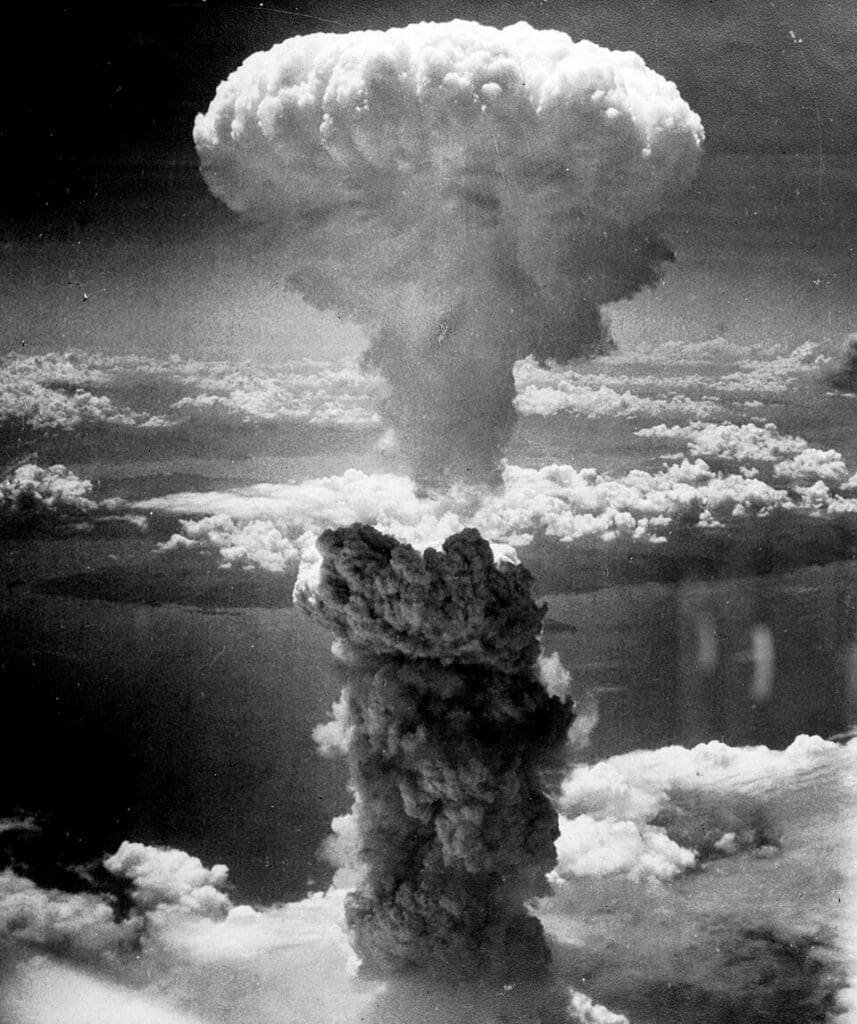
Early afternoon August ninth, 1945 a B-29 bomber dubbed Bockscar departed Tinian Island carrying Fat Man — an implosion-type plutonium atomic bomb. Kokura Japan was designated as its primary target — housing a prominent Japanese munitions factory. Nagasaki was its second target.
Bockscar arrived at Kokura at approximately ten-thirty AM local time when it encountered thickening clouds and smoke drifting from recent firebombings of nearby Yahata. Through the haze, Bombardier Kermit Beahan could not visually identify the target — a requirement under standing orders. Beahan made three bombing passes at varying altitudes, each ending in failure to spot the target.
With fuel running low and anti-aircraft fire intensifying, Major Charles Sweeney made the call to divert to Nagasaki.
As reported by National WWII Museum documentation Bockscar reached Nagasaki at approximately ten-fifty AM local time with insufficient fuel remaining to execute more than one bombing run; further complicated by obstructive cloud layers once again obscuring Bockscar’s view of its intended target area.
Seconds before the mission would have been automatically aborted, Beahan spotted a break in Nagasaki’s clouds.
Exactly forty-two seconds later at 11:02 AM local time Fat Man detonated above Nagasaki’s Urakami River Valley at an elevation of sixteen hundred fifty feet — approximately two miles north of Bockscar’s intended target area. The blast obliterated roughly half of Nagasaki — killing approximately forty thousand people instantly, with total fatalities reaching nearly eighty thousand by year’s end.
Kokura was spared by clouds while Nagasaki was destroyed because those same clouds parted for a few fleeting moments.
Japanese media coined the phrase “Kokura’s Luck” to describe events surrounding the city’s salvation. As History.com documented, Nagasaki was never supposed to be the second atomic bomb target.
10. The Bus Seat That Helped Launch a Movement {#rosa-parks}
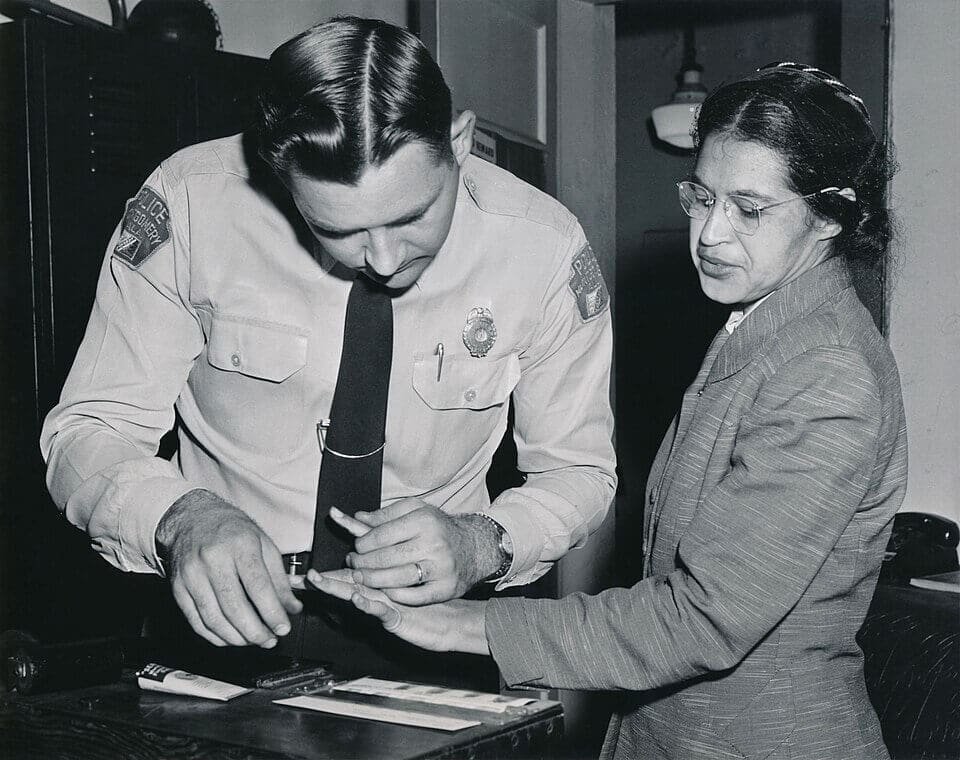
On December 1, 1955, Rosa Parks boarded a city bus in Montgomery, Alabama, and sat in the first row of the section reserved for African Americans. When the white-only section filled, driver James Blake ordered Parks and three other Black riders to move to the back. While three riders complied, Rosa Parks refused.
Rosa Parks was not reacting impulsively when she decided not to vacate her seat. Parks had recently trained in nonviolent protest tactics at Highlander Folk School in Tennessee. Parks also served as secretary of the Montgomery chapter of the NAACP. However, Parks did not plan or coordinate her refusal with anyone in advance.
When questioned about why she chose not to leave her seat Parks responded simply that she was tired of always yielding.
Parks’ defiance prompted a 381-day boycott of Montgomery buses, led by Dr. Martin Luther King Jr., pastor of Dexter Avenue Baptist Church. The boycott cost the Montgomery Transit System nearly sixty-five percent of its revenue, ultimately compelling city officials to desegregate the buses. A parallel legal challenge — filed by four African-American plaintiffs and upheld by the U.S. Supreme Court in Browder v. Gayle — formally abolished Montgomery bus segregation on November 13, 1956.
Rosa Parks’ refusal did not single-handedly spark a civil rights movement. Rather, it created momentum that transformed grassroots activism into a national force.
Sometimes the acts that change history are not accidents but deliberate choices — driven simply by the refusal to yield any longer.
11. The Letter a Pacifist Wished He Never Signed {#einstein}
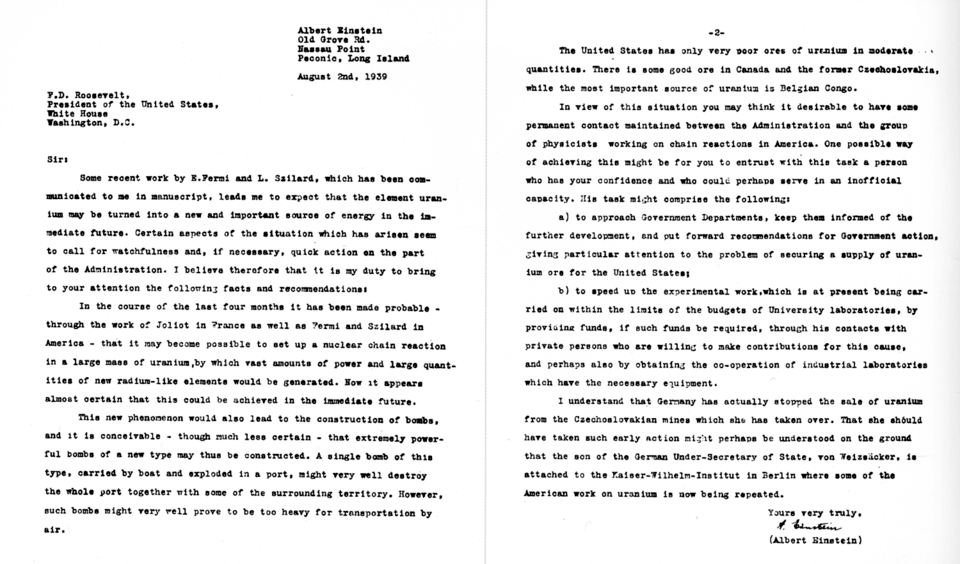
On August 2, 1939 Albert Einstein signed a letter to President Franklin D. Roosevelt. He did not write it. The letter was drafted by Hungarian physicist Leo Szilard along with Edward Teller and Eugene Wigner. Einstein’s name was needed because he was arguably the most famous scientist alive in 1939 and Szilard knew a letter from Einstein would get to the President’s desk.
The letter warned Roosevelt that recent advances in nuclear fission made an extremely powerful uranium bomb feasible — and that Germany might already be pursuing one. The letter urged the United States to quickly expand its own nuclear program.
President Roosevelt received Einstein’s letter in October 1939. As the BBC documented, it eventually contributed to the creation of the Manhattan Project — a $2 billion effort employing over 125,000 people that produced the atomic bombs dropped on Hiroshima and Nagasaki.
Einstein — a lifelong pacifist — later called the letter “the one great mistake in my life.” Einstein never worked on the Manhattan Project itself; he was denied a security clearance. However, his signature set in motion the events that produced nuclear weapons and shaped global politics for decades.
12. The Engineer Whose Warning Was Ignored for 73 Seconds {#challenger}
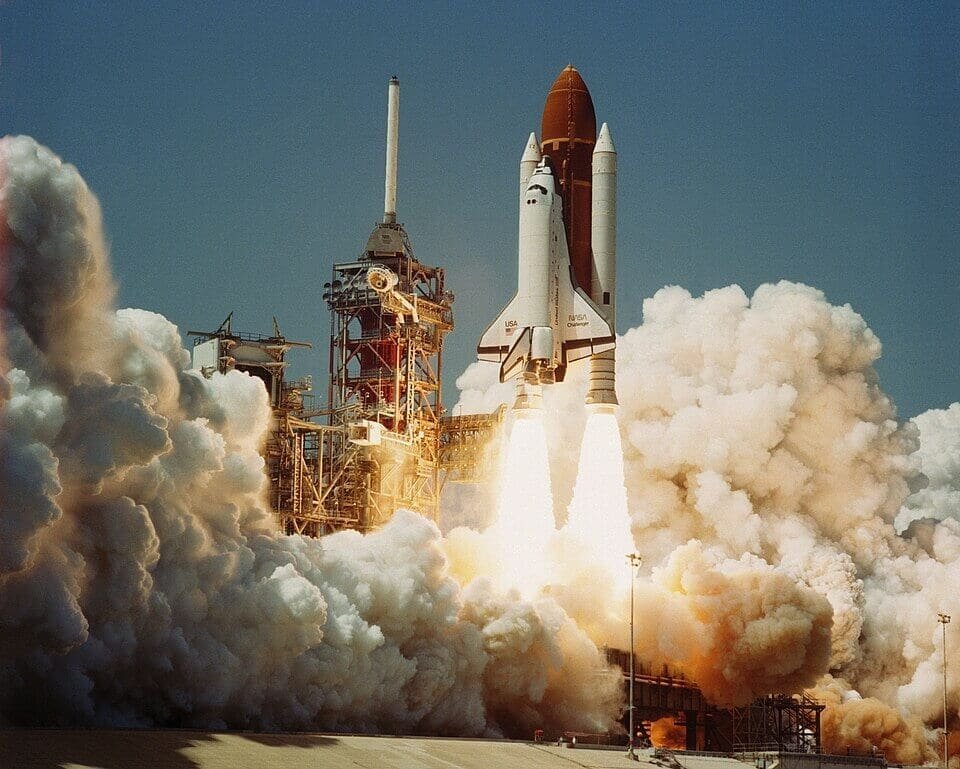
On January 27, 1986, Roger Boisjoly — a senior engineer at Morton Thiokol — called NASA to warn against launching the space shuttle Challenger in frigid temperatures. Presenting data showing that the O-ring seals on the Solid Rocket Boosters could fail in cold weather, Boisjoly urged a delay until temperatures rose at Cape Canaveral.
Boisjoly’s coworkers agreed with him; however, NASA officials resisted their recommendations and asked Morton Thiokol to reverse their stance.
Thiokol reversed its own engineers’ advice and told NASA they were okay with proceeding with the launch plan.
On January 28, 1986, just 73 seconds after launch, Challenger broke apart — killing all seven crew members, including teacher Christa McAuliffe — because the O-ring seals failed in the cold. As reported by NPR and NASA.
Boisjoly later testified before the Rogers Commission that NASA had rejected his technical warnings to meet launch deadlines. After testifying, Boisjoly was shunned by colleagues at Morton Thiokol. He resigned and spent the rest of his career teaching engineering ethics.
Launching the shuttle was an institutional decision layered with bureaucratic approvals. But dismissing the engineers’ warnings took only minutes — and those minutes cost seven lives and stalled America’s crewed spaceflight program for years.
13. The Ridiculous Purchase That Became America’s Largest State {#alaska}
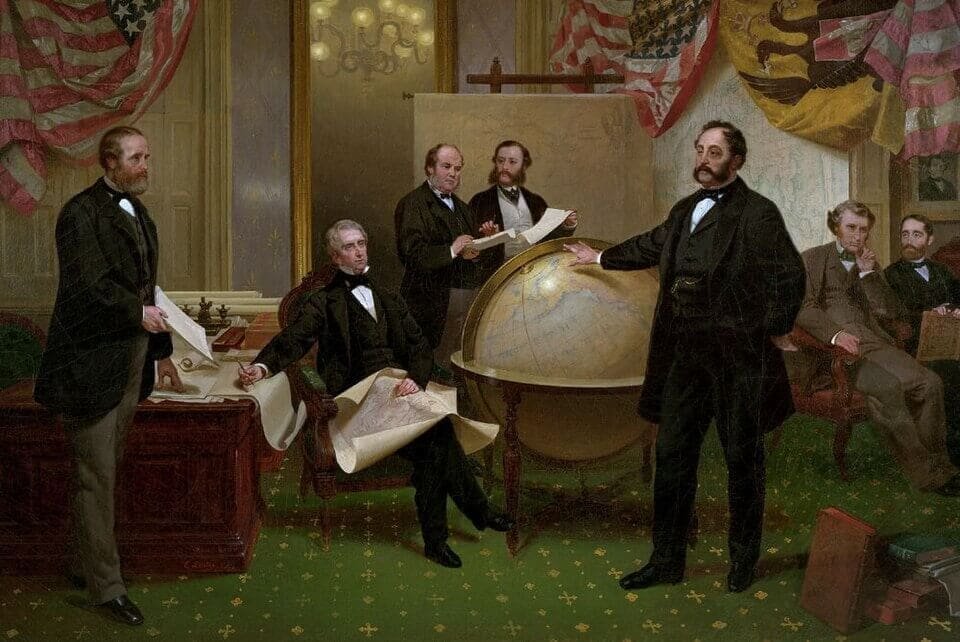
March 30, 1867; Secretary of State William H. Seward concluded a treaty purchasing 586,412 square miles from Russia for $7.2 million — roughly two cents per acre — specifically known as Alaska.
Reactions were merciless. Newspapers ridiculed it as “Seward’s Folly,” “Seward’s Icebox,” and “Walrussia.” According to Senate records, virtually all Americans saw Alaska as nothing more than an icebox devoid of value.
Following the announcement, Congress fought with President Andrew Johnson over funding for more than a year.
What none of Seward’s critics could have known was that Alaska would yield one of history’s largest gold rushes during the Klondike (1896–99), billions of dollars in oil revenue after the discovery of the Prudhoe Bay Oil Field (1968), and a strategic military position vital during both World Wars and the Cold War. The Council on Foreign Relations notes; Seward’s ridiculed bargain is now recognized as one of the greatest land deals in U.S. history.
Alaska officially became the 49th U.S. state on January 3, 1959. Today; its gross product is greater than $50 billion each year.
Two cents per acre represents undoubtedly one of greatest deals in real property history.
14. The Coin Toss That Named a City {#portland}
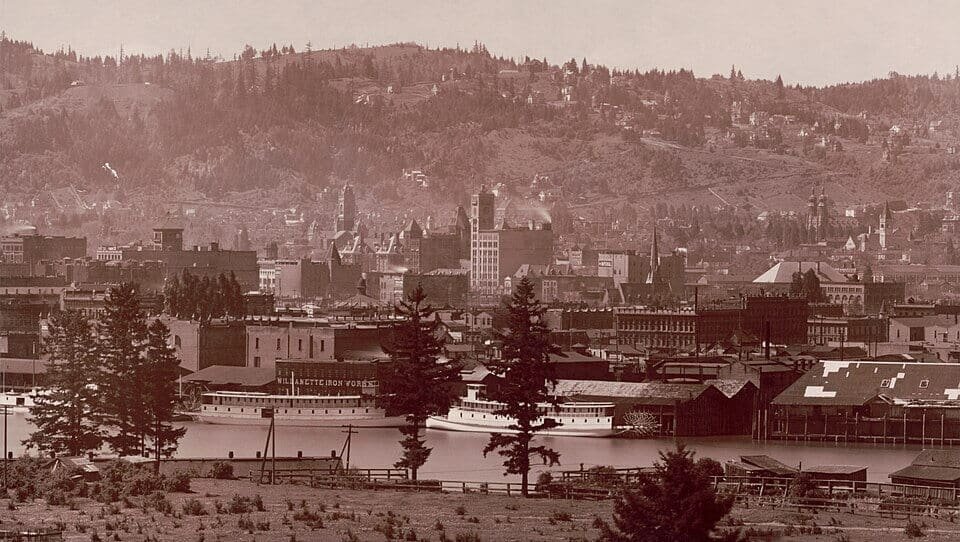
under the digital ID ppmsca.55653.
Two owners — Asa Lovejoy of Massachusetts and Francis Pettygrove of Maine — jointly owned a 640-acre land grant on Willamette River in Oregon Territory in 1845. Both claimed the riverfront land and sought to establish a town on the site.
Lovejoy wanted to call new town Boston; Pettygrove wanted to name it Portland.
After deliberation; they decided to settle issue via coin flip: Best two out of three flips. Pettygrove won.
Town became Portland; Oregon.
Coin known as “Portland Penny” resides today at Oregon Historical Society.
Vibe List Take:
This entry is primarily about absurd contingency underlying most aspects of modern world rather than catastrophically significant consequences.
Portland (population greater than 650,000 within metropolitan area) — with distinct cultural identity — and synonymous with craft beer, independent bookstores, and quintessential American eccentricity — exists today as Portland because the coin landed on the correct side twice.
15. The Schedule Change That Saved a Dictator {#elser}
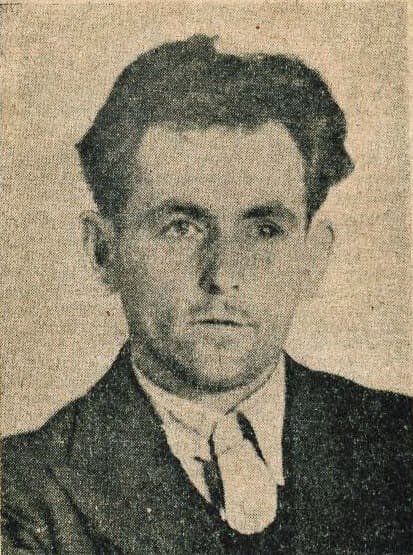
On November 8, 1939, German carpenter Georg Elser planted a time bomb inside a pillar at the Bürgerbräukeller in Munich — directly behind the podium where Adolf Hitler delivered his annual Beer Hall Putsch address.
Over the course of thirty nights, Elser hid inside the beer hall after closing, hollowing out the pillar to install his timed explosive.
Bomb was set to explode at 9:20 PM — expected timing when Hitler normally began delivering address commemorating anniversary Beer Hall Putsch.
However on night of November 8, 1939; Hitler canceled his speech early. Weather had forced him to take a train instead of flying home, so he needed to depart earlier than normal. He stopped speaking at approximately 9:07 PM and departed building. The bomb detonated precisely at 9:20 PM as intended, killing eight people and injuring sixty-three — but missing its target by thirteen minutes.
That same night; Elser was apprehended while attempting to enter Switzerland.
He remained imprisoned for more than five years in multiple concentration camps and was executed by firing squad at Dachau Concentration Camp on April 9, 1945 — only three weeks before the camp’s liberation by U.S. troops.
If weather had been different; if Hitler had flown instead of riding train; if he had spoken longer than normal; leader of Nazi regime would have been dead in November 1939 — two months into war against Poland. The Holocaust, which had not yet reached industrial scale, might never have occurred. An estimated thirty million people might not have died on the Eastern Front.
Weather delay by only a couple hours. Train schedule vs airplane schedule. Thirteen minutes. That was the margin. As documented by Britannica.
15 Tiny Decisions That Changed Modern History Forever
| Rank | Decision / Event | Decision-Maker | The Choice | Historical Impact |
|---|---|---|---|---|
| 1 | The Wrong Turn (1914) | Leopold Lojka (Driver) | Turned down a side street instead of following the planned motorcade route. | Assassination of Archduke Franz Ferdinand; sparked WWI and approx. 20 million deaths. |
| 2 | Refusal to Report Strike (1983) | Stanislav Petrov (Soviet Officer) | Chose not to report an apparent incoming U.S. nuclear strike as genuine. | Prevented potential full-scale nuclear war and global annihilation. |
| 3 | Refusal to Launch (1962) | Vasily Arkhipov (Chief of Staff) | Refused to authorize a nuclear torpedo launch from submarine B-59. | Averted a nuclear exchange during the Cuban Missile Crisis. |
| 4 | The Unsanitary Lab Bench (1928) | Alexander Fleming (Bacteriologist) | Left a petri dish unwashed before a holiday, allowing mold to infect the culture. | Discovery of penicillin; antibiotics estimated to have saved over 200 million lives. |
| 5 | The Misfiled Key (1912) | David Blair (Second Officer) | Kept the crow’s nest binoculars key in his coat pocket after being reassigned. | Titanic lookouts had no binoculars; ship struck iceberg; approx. 1,500 dead. |
| 6 | The Four Words That Tore Down a Wall (1989) | Günter Schabowski (Spokesman) | Misread a note, announcing border restrictions were lifted “immediately; without delay.” | Breach of the Berlin Wall; end of the Cold War in Europe. |
| 7 | The Melted Chocolate Bar (1945) | Percy Spencer (Engineer) | Investigated a chocolate bar melting in his pocket near a magnetron. | Invention of the microwave oven; birthed a $25 billion global industry. |
| 8 | The Weather Forecast (1944) | James Stagg & Dwight D. Eisenhower | Approved the D-Day invasion based on a 36-hour weather window. | Successful Allied invasion of Normandy; liberation of Western Europe. |
| 9 | The Clouds That Saved One City (1945) | Major Charles Sweeney (Pilot) | Diverted atomic bomber from Kokura to Nagasaki due to cloud cover. | Kokura spared; Nagasaki destroyed with approx. 80,000 fatalities. |
| 10 | The Bus Seat Refusal (1955) | Rosa Parks (Activist) | Refused to vacate her bus seat for white passengers. | Sparked the Montgomery bus boycott; catalyzed the U.S. Civil Rights Movement. |
| 11 | The Warning Letter (1939) | Albert Einstein & Leo Szilard | Signed a letter warning FDR about potential German nuclear weapons. | Initiated the Manhattan Project and the dawn of the atomic age. |
| 12 | The Ignored Warning (1986) | Roger Boisjoly (Engineer) | Warned against launching the Challenger in frigid temperatures (overruled). | Challenger disaster 73 seconds post-launch; 7 crew members killed. |
| 13 | The Ridiculous Purchase (1867) | William H. Seward (Secretary of State) | Purchased Alaska from Russia for two cents an acre. | Secured America’s largest state, vast oil/gold resources, and strategic position. |
| 14 | The Coin Toss (1845) | Asa Lovejoy & Francis Pettygrove | Flipped a penny to decide the name of their new settlement. | Named the major modern city of Portland, Oregon. |
| 15 | The Schedule Change (1939) | Adolf Hitler & Georg Elser | Hitler left his speech 13 minutes early, missing Elser’s timed bomb. | Hitler survived to wage WWII; roughly 30 million more died. |
Frequently Asked Questions (FAQ) {#faq}
What is the butterfly effect in history?
The butterfly effect, a concept from chaos theory, holds that tiny differences in initial conditions can produce vastly different outcomes. In historical terms, this means that something as small as a wrong turn, a weather delay, or a misfiled key can trigger a chain reaction with massive consequences. All 15 examples above are evidence of how the principles outlined here have worked in reality.
Which minor choice has had the largest impact on current history?
The wrong turn in Sarajevo on June 28, 1914, is arguably the most consequential minor decision in modern history. Assassinating Archduke Franz Ferdinand created World War I; then caused World War II; the Russian revolution; the destruction of four empires; and the global political structure of the 20th century. All of these cascaded from a driver’s navigation mistake — caused by his inability to understand the governor’s instructions, which were given in German.
Was Stanislav Petrov really able to stop World War III?
Many historians believe that Petrov’s decision on September 26, 1983, saved the world from the brink of nuclear disaster. If Petrov had believed a computer warning that the U.S. was preparing to attack the USSR — and so he reported it — then the Soviet Union would probably have launched a retaliatory nuclear strike. The precise outcome would depend on whether the United States also responded militarily. But given the extreme tensions of that period, there is little doubt that a retaliatory strike would have killed millions. As reported by the BBC.
Are there any credible sources supporting the Gavrilo Princip sandwich story?
Most likely, no. A Smithsonian Magazine article reviewed both a Brazilian book published in 2001 and a 2003 BBC documentary claiming Princip ate a sandwich just prior to firing his shots into Archduke Franz Ferdinand. There does not appear to be any record within the original trial transcript documents from 1914 mentioning Princip eating anything before he shot at the archduke. It was roughly 11 am. Lunchtime in many parts of Europe in those days wasn’t until noon at the earliest. Additionally, sandwiches weren’t a staple food item at that time in Bosnia either.
Just how close was the Cuban Missile Crisis to resulting in nuclear war?
More closely than most people will realize. On October 27, 1962, officers aboard Soviet submarine B-59 authorized launching a nuclear-tipped torpedo that would have had the same destructive power as the atomic bomb dropped on Hiroshima. Only Vasily Arkhipov refused, breaking the unanimity required for launch. Had the torpedo detonated, full-scale nuclear war would have been nearly impossible to prevent. As documented by the National Security Archive.
What underreported events from history had such huge consequences?
There are several entries on this list that continue to be relatively unknown and yet produced massive effects. The assassination attempt of Georg Elser on Adolf Hitler in 1939 failed by 13 minutes. Although it received much attention after WWII began and although it happened before Hitler’s regime started killing Jews en masse, it remains much less well-known than the July 20, 1944 plot to kill him. Although James Stagg provided the correct weather forecast for D-Day that contradicted every other meteorological prediction available at that time, he remains largely unknown outside specialized military histories.