




A handbag sketched on an airline sick bag in 1984 that sold for $10.1 million in 2025. A stainless-steel dive watch from 1953 appreciating 268 percent in fifteen years. A flat gold bangle retaining 99 percent of its retail price decades after purchase. A $1,890 canvas tote outperforming its original retail value by 132 percent; because the house that makes it refuses to sell online. A pair of sneakers released at $180 climbing $5,559 in four years. The luxury market hit €1.44 trillion in 2025; but the consumers who actually kept their money were the ones who understood what the secondary market already knew.
What Changed Is Not Luxury Appetite — but the Definition of Value
Bain & Company and Altagamma reported that the global luxury market reached approximately €1.44 trillion (roughly $1.66 trillion) in 2025. Buried in that report is a more revealing number: the number of luxury consumers worldwide decreased from 400 million in 2022 to approximately 340 million in 2025. Fewer consumers are purchasing luxury goods — but those who remain are buying differently.
The shift is not in desire for luxury but in how we define value. According to the 2026 BoF-McKinsey State of Fashion report, more than 60 percent of global consumers indicated they are likely to shop second-hand in 2026. Second-hand apparel grew 14 percent in 2024 — nearly four times faster than the broader retail clothing market — according to ThredUp’s 14th Annual Resale Report. Online resale is projected to grow approximately 16 percent annually, reaching $34 billion by 2027. ThredUp also found that nearly 50 percent of consumers now consider resale value before buying.
These changes have created a new kind of secondary market — one that serves as the ultimate proof of value for any luxury product. A handbag that cost $12,000 and resells for $4,000 is not merely a luxury purchase — it represents an $8,000 loss plus depreciation. A $9,000 watch that sells for $15,000 after three years is not merely a purchase — it is an asset that paid you to wear it.
Below are fifteen luxury products spanning handbags, watches, jewelry, shoes, and accessories — each demonstrating consistent, verifiable resale value retention or appreciation. All claims are supported by publicly released data from Rebag’s 2025 Clair Report, Bob’s Watches‘ 15-year sales data analysis, The RealReal, WatchCharts, Sotheby’s auction records, and industry reports from Bain & Company, McKinsey, and Business of Fashion. Every resale figure referenced in this article comes from publicly verifiable data. If you want to know which luxury items actually hold their value — the secondary market has already answered.
This is a data-backed guide to the best luxury investments 2026 has to offer — and the luxury goods resale value data that separates genuine assets from expensive mistakes.
1. Hermès Birkin 30: The Financial Instrument Wrapped in Leather
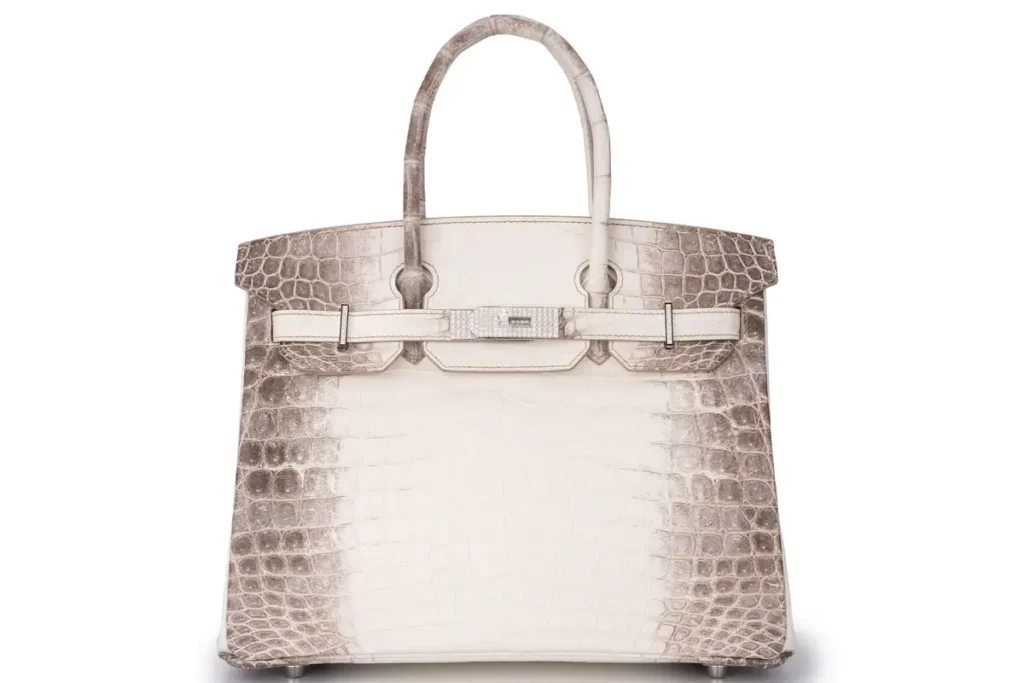
Retail Price (2026): Approximately $13,900 Resale Value Retention (2025): 138% average (Birkins retain above retail) Long-Term Resale Appreciation (10 Years): 92%
The Birkin bag originated in 1984. On an Air France flight from Paris to London, Jean-Louis Dumas — CEO of Hermès at the time — sat next to Jane Birkin, the British actress and singer. In response to Birkin’s frustration with finding a suitable weekend bag, Dumas sketched what would become the first Birkin on the back of an airline sick bag. That sketch launched the most valuable handbag in the history of fashion.
Jane Birkin’s original Birkin bag sold for $10.1 million at Sotheby’s Paris in July 2025, smashing the record for the most expensive handbag ever sold at auction.
What makes this extraordinary is not the record itself — but what happened to ordinary Birkins purchased at retail and resold several years later. According to Rebag’s 2025 Clair Report, Hermès bags averaged 138 percent value retention in 2025 — a 38 percent year-over-year increase. Over the past decade, Birkin values have appreciated 92 percent — outpacing Hermès’ own retail price increases of 43 percent during the same period. The Sellier Birkin sold for 183 percent of its original retail price on the secondary market.
What drove these returns? Manufactured scarcity. Hermès restricts customers to two quota bags per year, does not offer Birkins online, and reportedly requires a purchase history before offering one for sale. This creates a supply-demand imbalance that no price hike has been able to correct.
The Vibe List’s Take: The Birkin is not a handbag you buy — it is a financial instrument wrapped in Togo leather. One configuration has consistently delivered the strongest resale performance: the 30-centimeter Birkin in black, gold, or neutral earth-tone colorways with gold hardware. If someone offers you a Birkin at retail — based on the data — you should buy it. As a Birkin bag investment, the numbers speak for themselves.
2. Rolex Submariner: The Secondary-Market Commodity
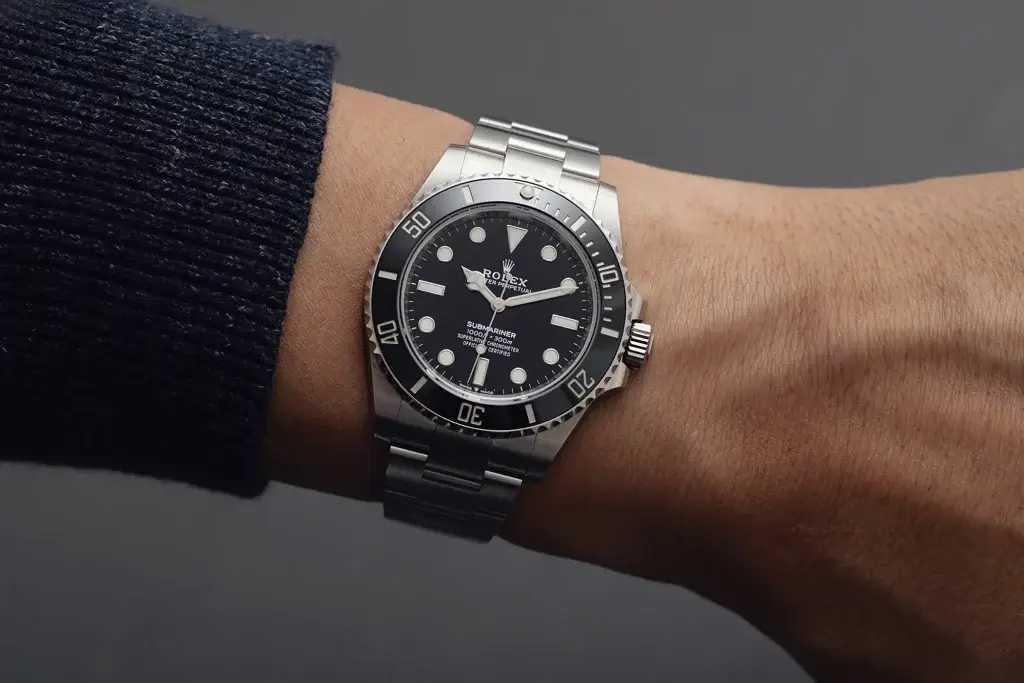
Retail Price (2026): Approximately $9,100 (no-date model) 15-Year Appreciation: Approximately +268% (Bob’s Watches data) Secondary Market Position vs. All-Time High: Approximately 92% of peak
In November 1953, Rolex unveiled the Submariner, the first commercially viable diving watch rated for water resistance to 100 meters. Rolex designed it for professional divers. Seven decades later, the Submariner is the benchmark by which every luxury sports watch is measured.
Bob’s Watches compiled 15 years of Rolex sales data spanning 2010 to 2025. Their findings show that the Rolex Submariner reached its peak price in May 2022 at $18,889. After dipping to approximately $13,602 in early 2023, the model regained approximately $17,295 by mid-2025 and remains at approximately 92 percent of its all-time high.
According to Rebag’s data, Rolex achieved an average retention of 104 percent in 2025, up from 102 percent in 2024. The “Hulk” version of the Submariner has achieved an average resale value of 244 percent of its retail price. Rolex accounted for approximately one-third of all second-hand watch transactions in 2025, according to WatchCharts market data.
Paul Altieri, founder and CEO of Bob’s Watches, noted: “The appeal of the Rolex Submariner extends well beyond its function as a dive watch. Its consistent demand and growing reputation as a historically important timepiece have driven remarkable long-term appreciation.”
The Vibe List’s Take: The Rolex Submariner is essentially a commodity on the secondary market. When evaluating Rolex resale value, the Submariner’s combination of brand recognition, durability, and consistent consumer demand gives it unique liquidity relative to other luxury watches. The no-date model (Ref. 124060) offers the most authentic representation of the original Submariner design and delivers the most predictable resale performance. If you want a single luxury watch for life, the data supports this one.
3. Chanel Classic Flap: The Price-Hike Machine
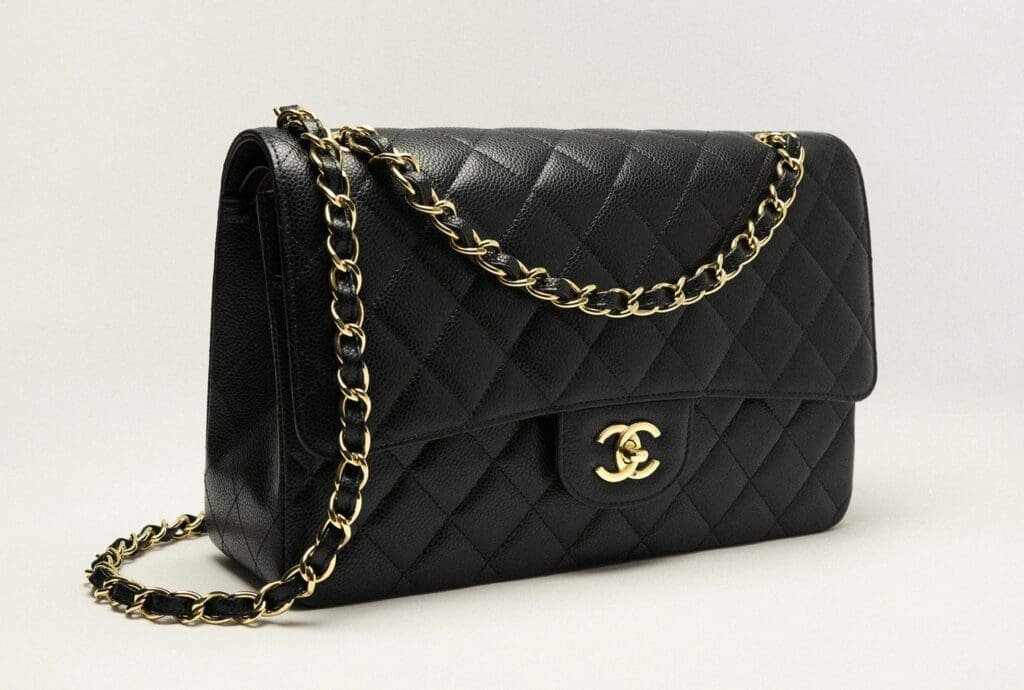
Retail Price (2026, Medium): Approximately $11,700 Price Increase Since 2010: Approximately +311% Typical Resale Value Retention: 60–90% of current retail
Coco Chanel revolutionized women’s fashion by emphasizing ease and practicality without sacrificing elegance. American Vogue illustrated this philosophy in October 1926 by publishing a Chanel design it dubbed “the Chanel Ford” — equating it to Henry Ford’s Model T for its mass appeal. The Classic Flap handbag embodies this same philosophy.
A medium Classic Flap purchased for approximately $2,850 in 2010 currently retails for $11,700 — an increase of approximately 311 percent over a sixteen-year period. Chanel has raised prices annually — often multiple times per year — with an additional 3.5 percent applied in April 2026. These hikes are strategic: each increase makes previous purchases more valuable on the secondary market.
Chanel sells its Classic Flaps exclusively through Chanel-owned boutiques without direct e-commerce availability. This limited distribution creates artificial scarcity, resulting in increased perceived exclusivity. The most resilient configuration for resale performance is the medium size in black caviar leather with gold hardware due to its durability, broadest consumer base, and consistency in auction results.
The Vibe List’s Take: The Classic Flap operates under a different valuation paradigm from almost every other luxury good. Chanel artificially inflates resale values not solely through scarcity but also through aggressive price increases at retail. Whether this approach will ultimately prove unsustainable is open to debate. However, as Sotheby’s has noted, rising retail prices are pushing more consumers toward the secondary market. For now, if you purchase at today’s retail price, tomorrow’s retail price will be higher.
4. Patek Philippe Nautilus: The Ultimate Retail-to-Secondary Arbitrage
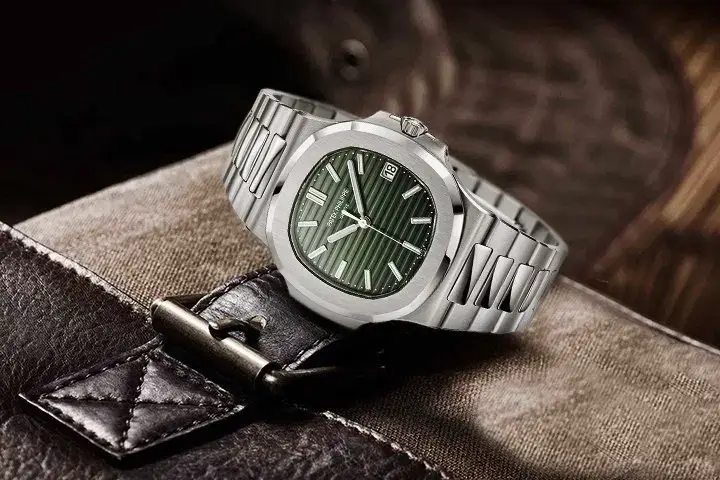
Secondary Market Price (Average, Ref. 5811): Approximately $117,000 (range: $37,000–$756,000) Average Resale Performance: 95–100% value retention; steel sports models trade 150–300% above retail
Patek Philippe has created some of the most mechanically sophisticated timepieces ever made. However, its greatest commercial success may be the Nautilus — a stainless-steel sports watch designed by Gérald Genta in 1976 that initially failed to find an audience.
The Nautilus was bold at launch, as it represented a departure from Patek Philippe’s tradition of gold dress watches and complicated pocket watches. Five decades later, the Nautilus has become the most sought-after steel sports watch on the secondary market.
According to WatchCharts‘ analysis, Nautilus models averaged $117,000 on the secondary market as of mid-May 2026, with resale prices varying by reference, materials, and complexity. Patek Philippe watches generally maintain 95 to 100 percent value retention, with steel sports models such as the Nautilus and Aquanaut trading at 150 to 300 percent above retail. The original Ref. 5711/1A ceased production in 2021 and sold at retail for approximately $33,710. On the secondary market, it is currently priced at approximately $94,440 — an increase of 180 percent.
WatchCharts concluded its 2025 year-end review by noting that Patek Philippe appreciated 2.8 percent year-to-date — the largest appreciation among the top 25 luxury watch brands tracked.
The Vibe List’s Take: The Nautilus represents perhaps the most severe example of retail-to-secondary market arbitrage in luxury watch history. Should you be successful in securing a Nautilus at retail — which usually involves purchasing other merchandise through authorized dealers before becoming eligible — your purchase will be valued significantly higher by secondary-market consumers than you originally paid. This phenomenon has not diminished; it has grown stronger.
5. Van Cleef & Arpels Vintage Alhambra: The Jewelry Exception
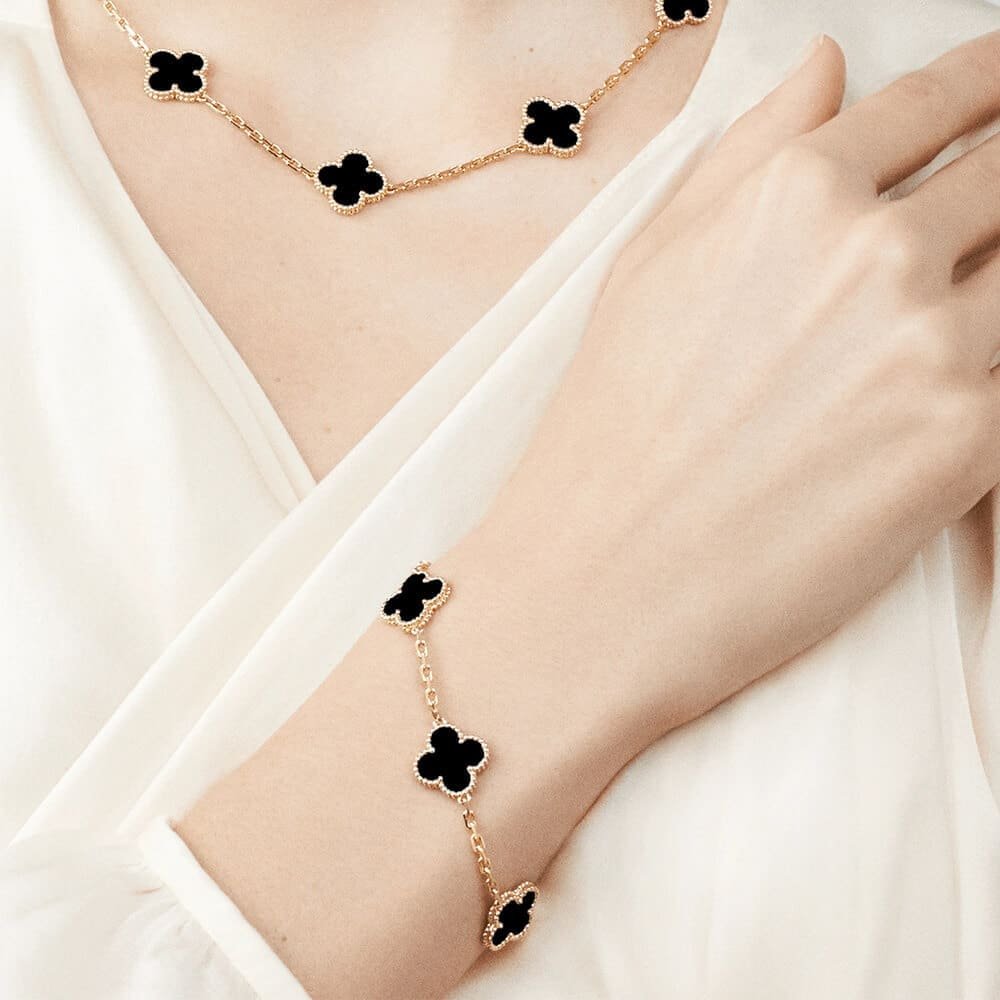
Retail Price Range: $1,540 (single-motif bracelet) to $192,000+ (diamond necklace) 2025 Resale Value Retention: 112% average The RealReal Resale Price Increase (2021–2025): 20%
The four-leaf-clover motif of the Alhambra collection has been a defining element of Van Cleef & Arpels since 1968. It appears on this list not as a standalone piece of high-quality jewelry but because of its exceptional resale performance.
Rebag reported in the 2025 Clair Report that Van Cleef & Arpels had an overall retention rate of 112 percent, based mostly on the Sweet Alhambra line. Additionally, the prices for Alhambra products sold on The RealReal rose by 20 percent since 2021, which was the largest increase of any product type in The RealReal’s report. Nicolas Bos, CEO of Van Cleef & Arpels, stated regarding the Alhambra in a 2025 Richemont earnings call: “I think it is probably one of the most important jewelry lines in the world, but I also think it is far from reaching its full potential.”
Additionally, Van Cleef & Arpels raised the price of Alhambra products by an average of 4.8 percent in the United States and 5.1 percent in Europe in April 2025, much like Chanel and Hermès. A Vintage Alhambra single-motif pendant went up from around €5,650 in 2023 to €7,100 in 2025 — an increase of 17.3 percent over two years.
On the secondary market, Alhambra designs typically retain approximately 86 percent of their original retail price. Approximately 90 percent of Alhambra products listed on the secondary market sell.
The Vibe List’s Take: Consumers typically dismiss jewelry as a poor investment because most pieces lose 40–60 percent of their retail value when resold. However, Van Cleef’s Alhambra breaks this mold. The Alhambra’s success stems from identifiable design elements, periodic price increases, and genuine scarcity at the retail level. The result is a jewelry house whose products behave like Birkins and other collectible assets. The 10-motif Vintage Alhambra necklace in mother-of-pearl and yellow gold is the style with the greatest secondary-market demand.
6. Louis Vuitton Speedy: The Gateway Luxury Item
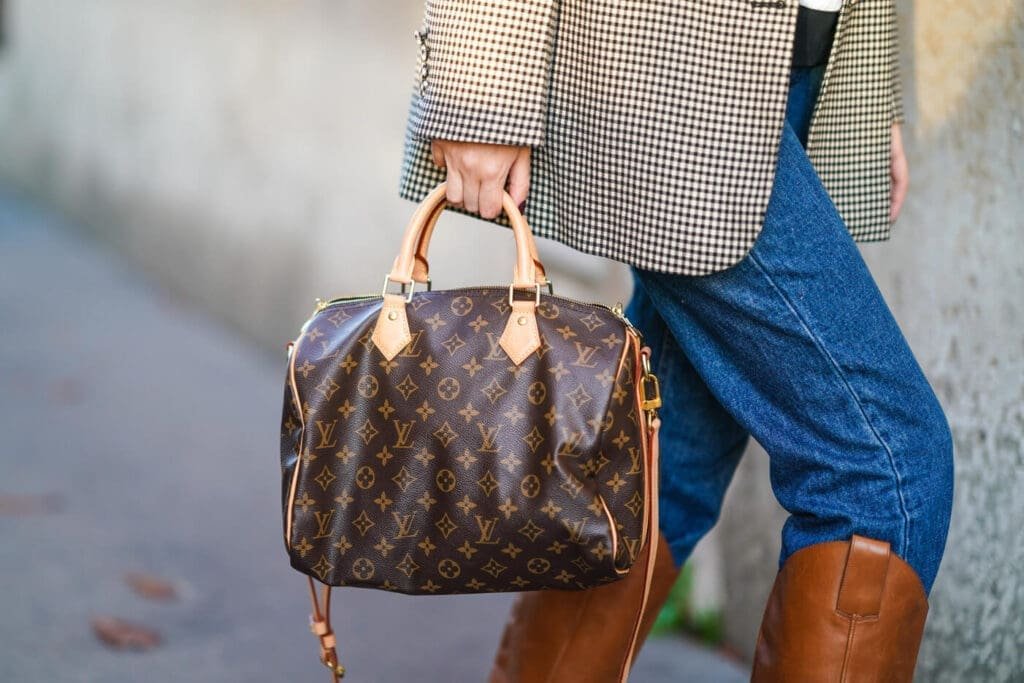
Retail Price (2026): Approximately $1,920 Average Resale Price Increase on The RealReal (Since 2021): 13% The RealReal Search Volume (2025): Up 110% year-over-year
Louis Vuitton launched the Speedy in 1930, making it one of the longest continuously manufactured handbag shapes in the world. Since 2021, the average resale price of the Speedy on The RealReal has risen 13 percent. Louis Vuitton was the top search term on The RealReal in 2025, with Speedy-specific searches rising 110 percent. Speedy bags currently sell on The RealReal for anywhere from $380 to $13,500, depending upon size, condition, and whether they include a collaboration.
Resale activity for prior Murakami editions skyrocketed by 143 percent when Louis Vuitton released a limited number of Murakami reissues in 2025. This demonstrates how nostalgia can generate secondary-market spikes for vintage Speedy bags.
The Speedy’s secondary-market appeal stems from a structurally strong base. With a retail start price of $1,920, it offers one of the lowest barriers to entry for a consumer to enter the Louis Vuitton ecosystem. That low barrier to entry creates a large pool of possible customers for both primary and secondary markets. Given that the Speedy has been produced in multiple sizes, colors, and collaboration editions over nearly a century, owners can build depth within a single shape.
The Vibe List’s Take: The Speedy is the gateway luxury item that also happens to maintain its value. Unlike a Birkin or Nautilus, you do not need a purchase history or a wait list. You walk into a Louis Vuitton store and walk out with a bag that carries nearly a century of brand equity. For anyone entering the luxury market who wants to ensure their money retains value, the Speedy is arguably the safest starting point. Building a timeless wardrobe starts with pieces exactly like this one.
7. Cartier Love Bracelet: 99 Percent Retention — and Nothing Else Comes Close
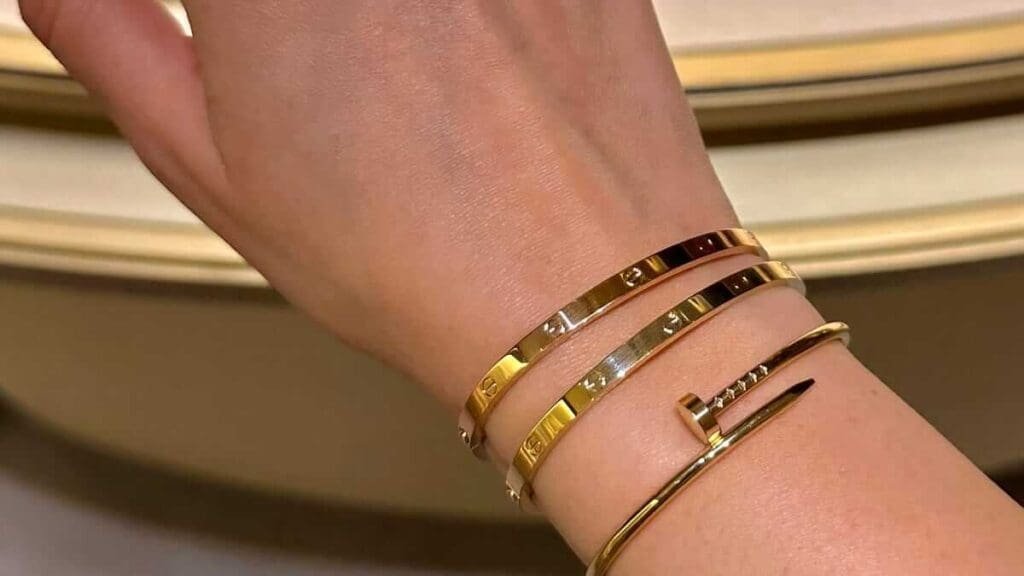
Retail Price (2026): Starting at approximately $7,100 (yellow gold, no diamonds) Secondary Market Value Retention: Average Cartier bracelet = 96%; Love bracelet = 99%
In 1969, Cartier hired Italian-born designer Aldo Cipullo at its New York workshop, where he would create the Love bracelet. British Vogue described how Cipullo’s design — a flat oval bangle secured with a screwdriver — inspired by medieval chastity belts and the idea of permanent commitment — marked a new era of modernism in jewelry. The Love bracelet was designed to be fastened and removed only with its corresponding screwdriver, which serves as an allegory for commitment that the secondary market has taken literally ever since.
According to Rebag, Cartier bracelets retain an average of 96 percent on the secondary market, while the Love bracelet retains 99 percent. This is exceptional for jewelry. Generally speaking, most pieces lose 30–50 percent of their retail price immediately after purchase.
According to Rebag’s data for 2025, Cartier retained 87 percent overall on the secondary market — lower than Hermès and Van Cleef & Arpels. But that total is skewed downward by lower-performing categories such as rings (62 percent). The bracelet category, which is largely comprised of the Love, is where Cartier maintains its secondary-market strength.
The Vibe List’s Take: Based on verified data, no other single item of jewelry achieves higher retention than the Love bracelet’s 99 percent. The least expensive version — yellow gold with no diamonds — has the widest purchaser base and therefore generates the most predictable resale pricing. If you are prepared to spend $7,000 on jewelry and you want virtually guaranteed recovery of your investment many years later, the data points to one choice. Understanding which luxury accessories that appreciate over time starts here.
8. Rolex Daytona: Trophy Item, Trophy Volatility
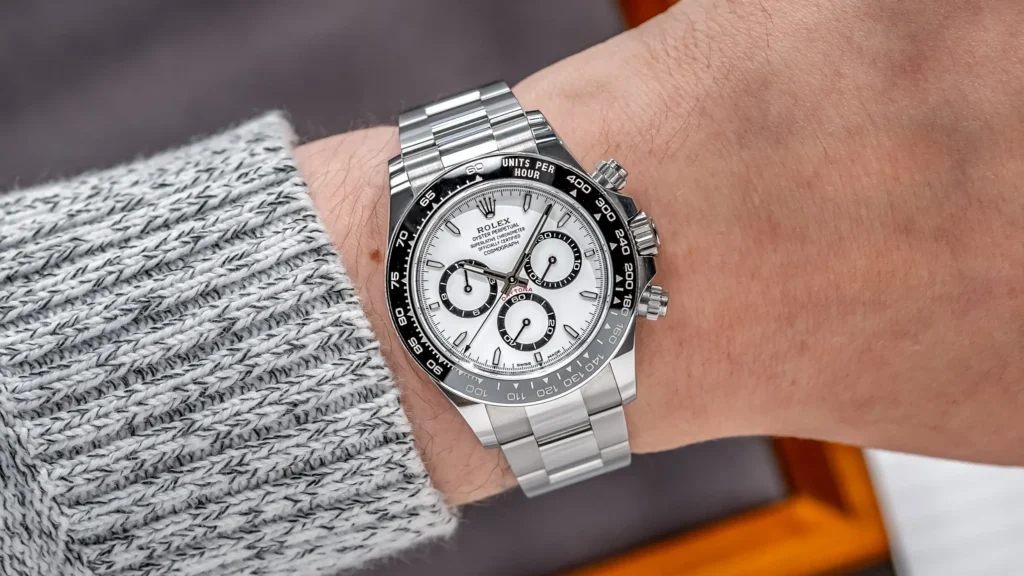
Retail Price (2026): $15,100 (Ref. 126500LN) Appreciation (2010–2025): +358% (Bob’s Watches data) All-Time High: $53,911 (March 2022) Current Average Resale Price: Approximately $37,995
While the Submariner may be the most liquid Rolex on the secondary market, the Daytona is the most volatile — and potentially the most profitable.
Beginning in October 2010, the Daytona appreciated at a moderate pace until demand surged. By March 2022, the Daytona reached its largest-ever resale price of $53,911 in the Bob’s Watches database. The collapse was equally dramatic, as the Daytona fell 51 percent to approximately $27,642 by January 2023. After that correction, Daytonas bounced back to today’s price of approximately $37,995 — a rebound of approximately 43 percent.
Paul Altieri of Bob’s Watches added: “During 2020 to 2022, the Daytona market behaved irrationally. Buyers were willing to pay whatever was asked for ceramic-bezel stainless-steel Daytonas.”
The ceramic-bezel stainless-steel Daytona Ref. 116500 (“Panda” dial) is still considered one of the most desirable current-production models.
The Vibe List’s Take: The Daytona is a trophy item with trophy-item volatility. Although its 358 percent fifteen-year return is remarkable, so was its 51 percent collapse from peak. This is not something you buy for stable, predictable resale value — this is something you buy if you believe in long-term appreciation and can stomach short-term declines. For anyone who bought prior to early 2020 at prices below $20,000, the Daytona has been the best-performing Rolex model over the last fifteen years.
9. Goyard Saint Louis Tote: Scarcity Without the Logo
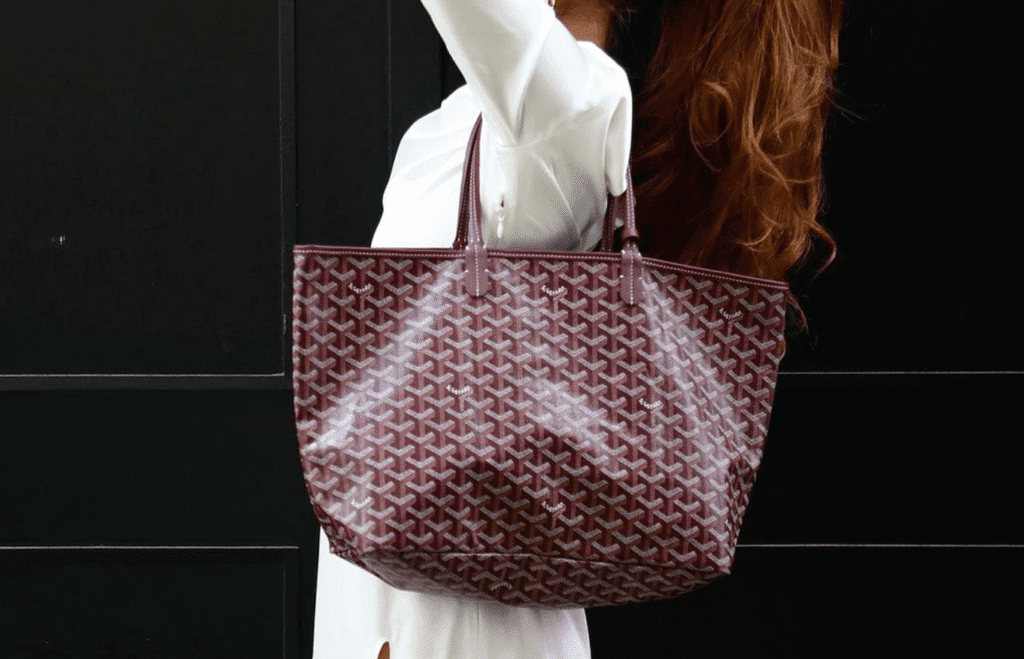
Retail Price (2026): Approximately $1,890 (PM size) Secondary Market Value Retention (2023): Approximately 112% of original retail Resale Price Growth on The RealReal (Since 2021): Approximately 18%
Goyard is one of Paris’ oldest trunk makers — preceding Louis Vuitton by twenty years. The Saint Louis tote, originally created as a beach tote, has become one of the most recognizable totes worldwide due solely to what it is not: loud, heavily logoed, or available online.
Goyard sells none of its products online. The house neither advertises nor wholesales its products to department stores. This extremely controlled distribution has created a secondary-market environment reminiscent of Hermès rather than Louis Vuitton. According to Rebag’s 2025 data, Goyard achieved retention rates of 132 percent — a 28 percent increase from 2024 — and ranked second only to Hermès.
Average resale values for Saint Louis bags increased 18 percent since 2021 on The RealReal. Saint Louis bags maintained an average resale value of approximately 92 percent of their original retail price as of 2023, tying with the Plumet for the highest resale value among Goyard bags.
The Vibe List’s Take: The Saint Louis provides evidence that you do not need to invest $10,000 for a luxury item that will retain its value. At $1,890 retail, it is one of the least expensive luxury items on this list. Its outperforming resale activity stems strictly from scarcity — the result of controlled distribution and restricted access. The black-and-tan Goyardine canvas is the most popular color option on the secondary market.
10. Audemars Piguet Royal Oak: The Holy Trinity’s Entry Point
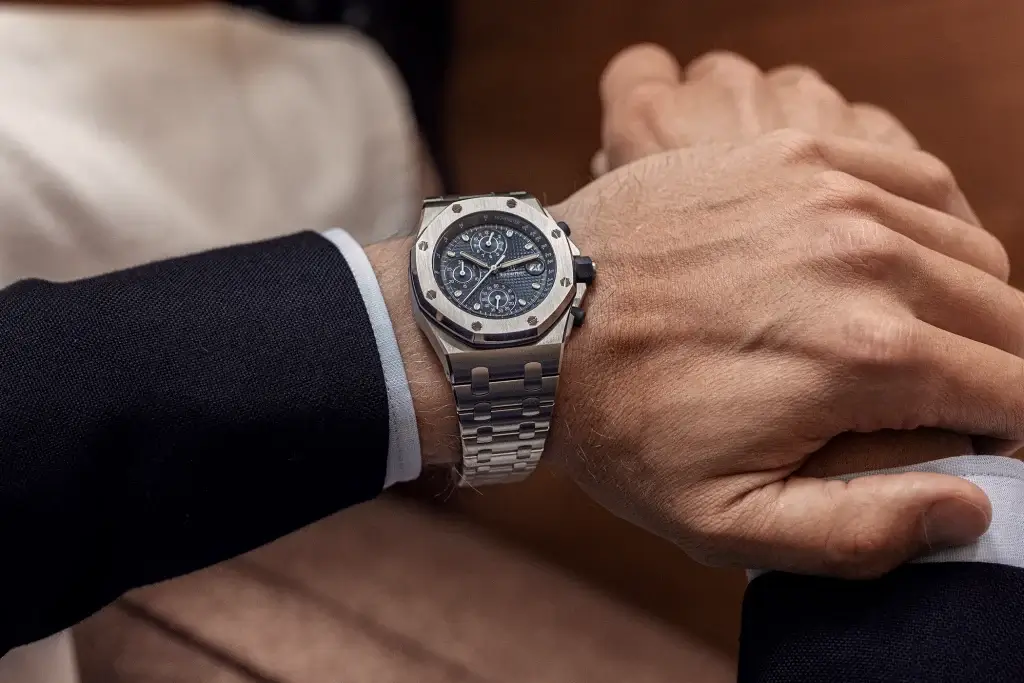
Retail Price: Approximately $27,600 (Ref. 15500ST) Average Secondary Market Value (2026): $48,000 (range: $7,000–$332,000) Vintage Royal Oak Ref. 5402ST (“A-Series”): $150,000–$300,000
Gérald Genta designed both the Royal Oak for Audemars Piguet and the Patek Philippe Nautilus. In 1972, Audemars Piguet commissioned Gérald Genta to develop a luxury sports watch made entirely from steel. According to legend, he created the Royal Oak design in a single night. The octagonal bezel, inspired by the portholes on a diving helmet, and the integrated bracelet became one of the most recognizable watch designs of all time.
The strongest resale values come from the Royal Oak family — specifically the Jumbo 16202, Royal Oak Chronograph, and Royal Oak Perpetual Calendar. Vintage A-Series models, originally released in 1972, command $150,000 to $300,000. Modern-production Royal Oaks frequently trade above retail.
The Vibe List’s Take: The Royal Oak is the member of the “Holy Trinity” that most collectors encounter first. Although its retail price is lower than the Patek Philippe Nautilus, its design is equally iconic, and it has a strong secondary market. The Ref. 15500ST (now replaced by the 16202ST), with a blue dial, generates the strongest recognition and secondary-market activity. For collectors interested in how celebrity entrepreneurs signal status, the Royal Oak is a recurring presence on wrists worldwide.
11. Chanel 2.55 Reissue: The Historically Correct Alternative
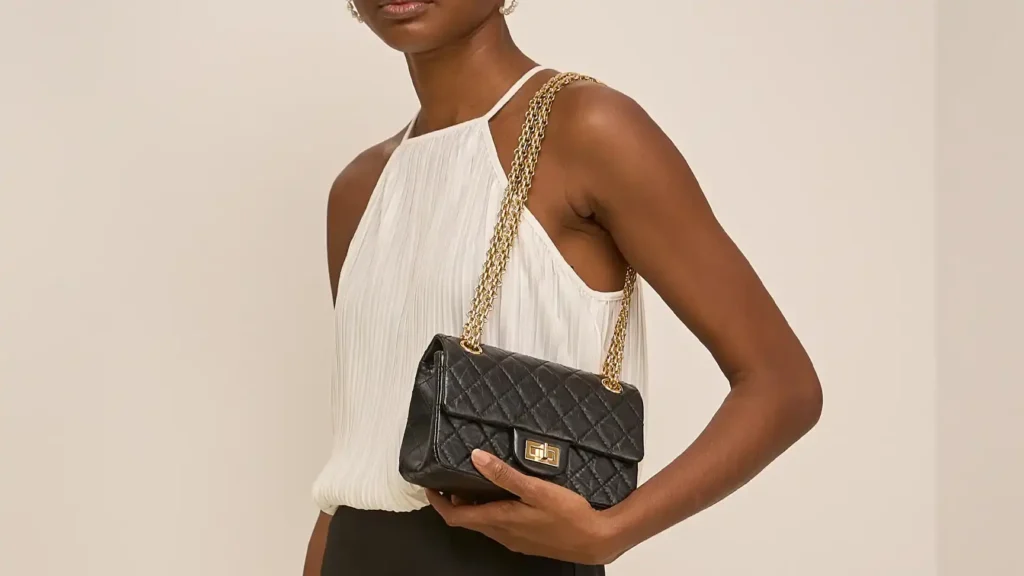
Retail Price (2026): Approximately $10,800 (medium, aged calfskin) Resale Performance: Follows Classic Flap pricing trajectory with lower volatility Key Distinction: Mademoiselle lock (no CC logo); chain-only strap
The 2.55 is the original Chanel flap bag, named for the date it was released in February 1955. This model preceded the Classic Flap, which Karl Lagerfeld revamped in the 1980s to feature an interlocking CC clasp. The 2.55 Reissue maintains the original Mademoiselle lock — a rectangular turnlock without a logo — and a chain strap without the leather threading found on the Classic Flap.
Compared with the Classic Flap, the 2.55 Reissue generally sells for less on the secondary market. However, due to its historical authenticity, this model experiences less volatility in resale value. Fashion historians and collectors alike tend to consider the 2.55 Reissue as the true version of the model. Like the Classic Flap, Chanel’s pricing strategy has contributed to consistent upward movement of resale values each year.
The Vibe List’s Take: If you are looking to purchase a piece that prioritizes history over branding, the 2.55 Reissue is the way to go. The Mademoiselle lock is subtle compared to the bold CC clasp on the Classic Flap. For someone building a long-lasting wardrobe — a philosophy that mirrors the approach behind timeless fashion — the 2.55 Reissue in black aged calfskin provides a historically correct and more contrarian purchase, given that most customers opt for the CC-clasp Classic Flap.
12. Rolex Datejust: The Quietest Performer
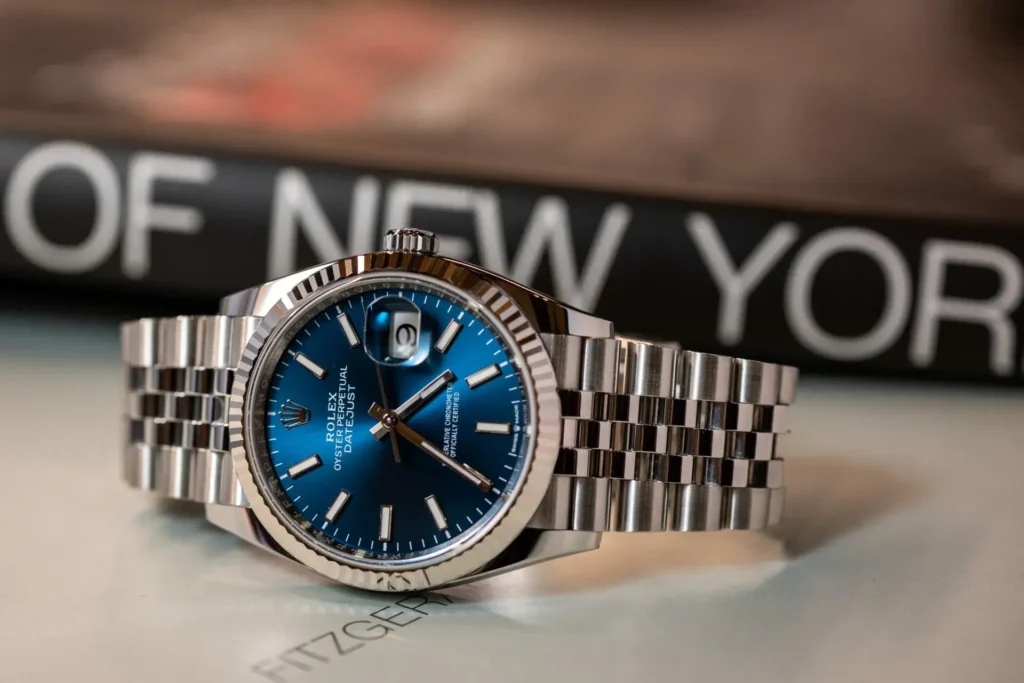
Retail Price (2026): Approximately $7,650 (Ref. 126200) Resale Appreciation (2010–2025): 639% (Bob’s Watches data, benchmarked against Ref. 16233) Price Increase Since 2021: 17% (average price per item, The RealReal data)
The Datejust is arguably the most traded Rolex family on Earth. It is also the family that has demonstrated the most consistent and least volatile appreciation over a fifteen-year span. Beginning at $1,150 in July 2010, by May 2025, the Datejust had risen to approximately $8,500 — an increase of roughly 639 percent. That is not a mistake. A Datejust purchased in 2010 for the price of a moderate vacation increased in value nearly sevenfold in fifteen years.
Since 2021, The RealReal reports that the average Datejust sale price has increased 17 percent. Paul Altieri noted that “the Datejust is a timeless entry point into Rolex, attracting both first-time buyers and seasoned collectors.”
The Datejust’s 14 percent correction from its March 2022 peak of $9,926 is among the smallest corrections experienced by any Rolex family, reflecting the stability of the most widely collected Rolex family.
The Vibe List’s Take: The Datejust is a Rolex for people who do not want to think about their watch. It is quieter than a Submariner, more affordable than a Daytona, and far more flexible than a GMT-Master. The Datejust has consistently delivered stable — not flashy — appreciation. The two-tone Ref. 126333 with champagne dial on Jubilee bracelet offers strong value for collectors, combining vintage style with a modern production reference.
13. Hermès Kelly: The Structured Counterpart to the Birkin
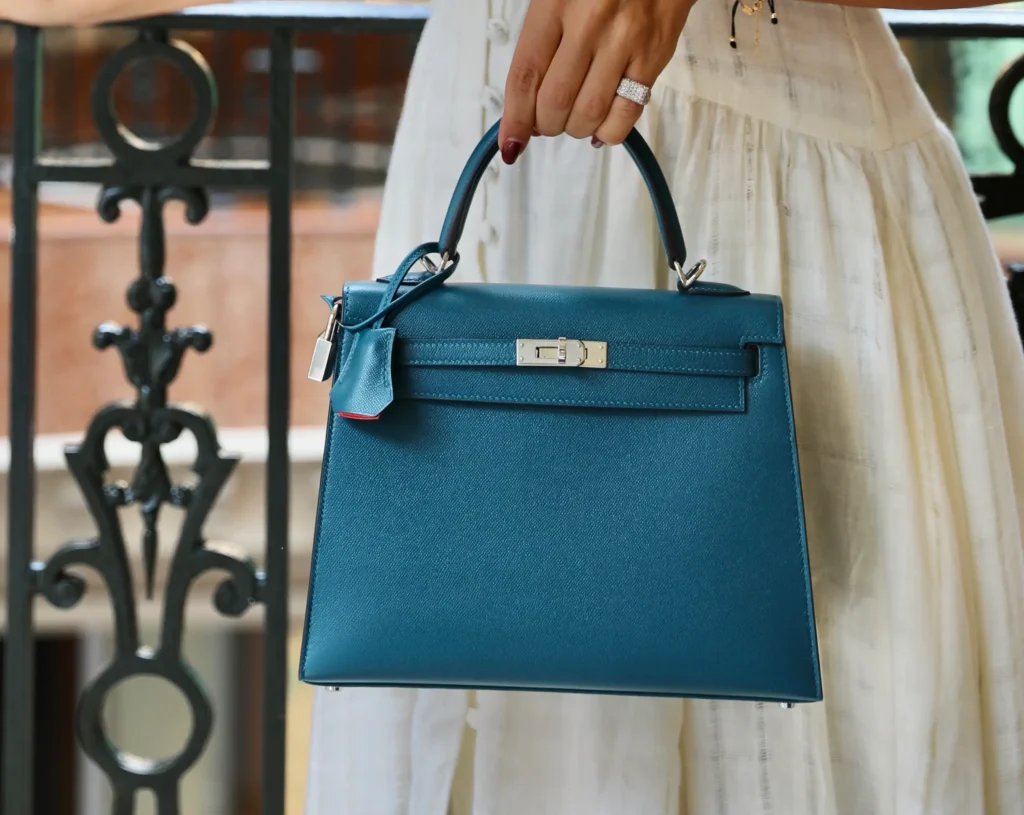
Retail Price (2026): Approximately $11,400 (Kelly 28 Retourné) Resale Performance: Kelly Mini II sold for 282% of original retail price in 2025
Hermès’ Kelly handbag predates the Birkin by several decades. Initially known as the sac à dépêches, it was renamed the Kelly in honor of Grace Kelly — the American-born actress who became Princess of Monaco — when she carried one to shield her pregnant belly from photographers in Rome in 1956. That photo became one of the most famous fashion images of the twentieth century.
Unlike the Birkin, the Kelly appeals primarily to women who see their handbags as part of business attire or evening wear rather than everyday carry. As reported by Rebag’s data from 2025, the Kelly Mini II was selling for a staggering 282 percent of its original retail price — higher than even the Sellier Birkin (183 percent). The Kelly’s shape, a more formal and structured design than many Birkins, speaks to a different aesthetic sensibility.
Research conducted by Bernstein found that Hermès’ Birkin and Kelly handbags have commanded an average of 1.7 times their retail price when resold — the largest multiple paid for any handbag brand.
The Vibe List’s Take: The Kelly is not a version of the Birkin — it is a distinct, older design that preceded it by decades and carries a more structured, formal identity. The Kelly appeals to women who prioritize structure and formality over casualness and flexibility. The Kelly 28 in neutral Epsom leather is positioned to become a collector favorite due to its sleek lines and durable leather construction. Paying attention to grooming and personal presentation pairs naturally with investment-grade accessories like the Kelly.
14. Cartier Tank Watch: A Century of Endurance
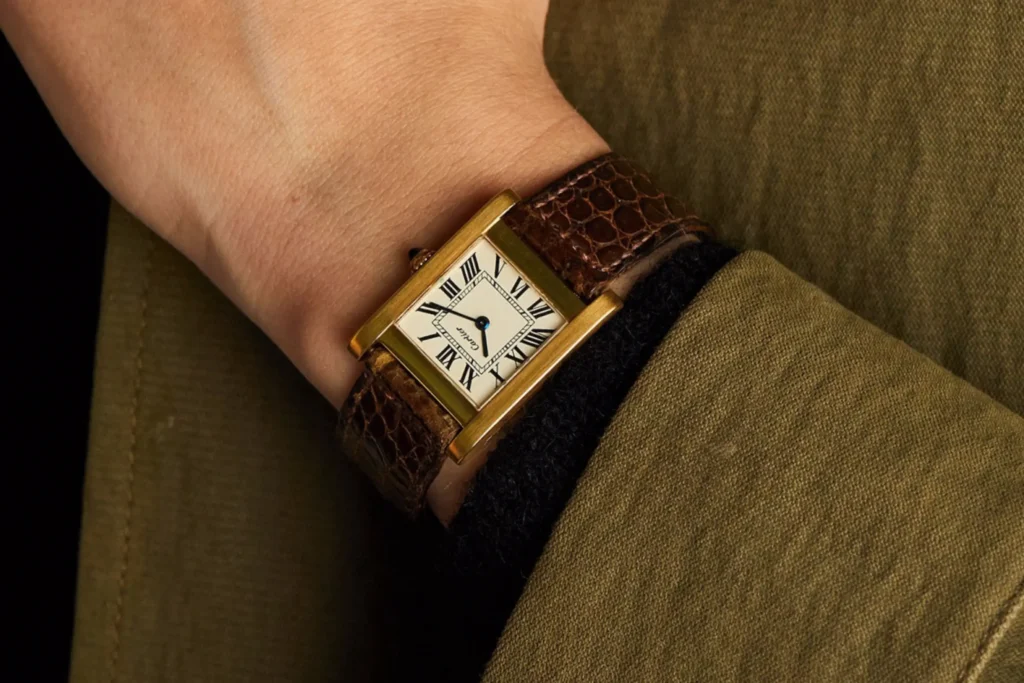
Retail Price (2026): From approximately $3,550 (Tank Must) to $30,000+ (Tank Française in gold) History: Created by Louis Cartier in 1917, inspired by Renault tanks on the Western Front during World War I
Cartier produced the Tank — one of the oldest continuously manufactured watch designs still available today — inspired by the top-down profile of Renault tanks on the Western Front during World War I. The vertical brancards (side rails) on either side represent the tread patterns of the tank, while the rectangular case represents the body of the tank.
During its long lifetime, the Tank has been worn by numerous notable figures including Jackie Kennedy, Andy Warhol, Princess Diana, and Muhammad Ali. Warhol famously said: “I don’t wear a Tank to tell the time. In fact, I never even wind it. I wear it because it is the watch to wear.” No other rectangular watch has enjoyed such widespread cultural exposure as the Tank.
When comparing Cartier’s Tank to popular stainless-steel sports watches on the secondary market, the Tank demonstrates vastly different resale characteristics. It is not an investment vehicle or commodity subject to speculation, nor does it sell at multiples of retail. Instead, the Tank typically retains nearly all of its value over time. Cartier’s vintage gold Tanks produced between the 1960s and early 1970s demonstrate stable resale values, while newer references such as the Tank Française continue to attract strong demand from Cartier enthusiasts.
Rebag’s data from 2025 indicated that Cartier retained 87 percent of its initial value — a strong percentage for any brand that produces watches starting under $4,000.
The Vibe List’s Take: The Tank is not on this list because it will double in value. The Tank is here because it will never lose all of its value. Few objects are as enduring as a product that has been continuously produced for over a century, owned by virtually every head of state and cultural icon throughout each decade of its existence, and continues to appeal to both men and women today. A well-chosen watch pairs well with a well-chosen home environment — both signal attention to lasting quality.
The Tank Française in stainless steel is the most sought-after modern Tank model, while the Tank Must provides an attractive entry point for new collectors.
15. Air Jordan 1 (Select Collaborations): The Streetwear Birkin
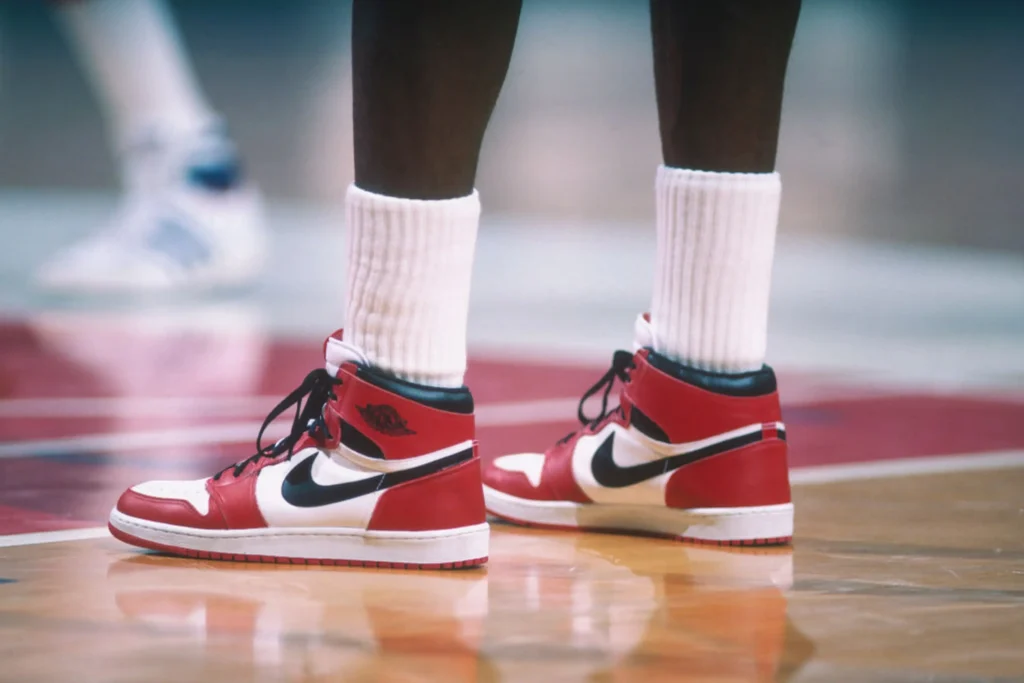
Retail Price (Standard Release): $180 Resale Premium (Select Collaborations): $1,000–$10,000+ Highest Performer: Jordan 1 Retro Low Dior — $5,559 value increase since 2020 release
This is perhaps an unusual entry on this list, and that is precisely why it deserves to be here.
While there is little overlap between purchasing a Birkin from Hermès, a Patek Philippe watch, and an Air Jordan 1 sneaker collaboration from Nike, all three are collectible assets that appreciate significantly over time. And while they operate under dramatically different principles with regard to appreciation and resale value — particularly how rapidly they rise — data tends to disregard those distinctions.
According to Self Financial’s collectibles study: the Jordan 1 Retro Low Dior saw a value increase of $5,559 between January 2020 and October 2024 — the largest price increase among all sneakers studied. The Travis Scott x Air Jordan 1 “Mocha” frequently sells on the secondary market for more than $1,000 above its original retail price of $175. StockX has reported over the past decade that the Air Jordan 1 is the most traded silhouette among all sneakers available today.
Not every version of the Air Jordan 1 will hold its value. Standard releases typically depreciate similarly to other shoes sold through traditional channels. However, select limited-collaboration models sell at multiples of their original retail prices within hours or days of release.
The Vibe List’s Take: For those who do not identify with the Hermès-Rolex-Cartier world and prefer luxury assets that are younger or trendier, select Jordan 1 collaborations function identically to a Birkin: extremely limited production runs, culturally relevant design elements, and an active secondary market that pays multiples of retail. Much like social media influencers who have turned cultural credibility into brand equity, the Air Jordan 1 turns street culture into financial value.
The Luxury Resale Scorecard
| # | Item | Category | Retail Price (2026) | Resale Retention / Appreciation | Top Data Source | Best Configuration |
|---|---|---|---|---|---|---|
| 1 | Hermès Birkin 30 | Handbag | $13,900 | 138% retention; 92% 10-yr appreciation | Rebag 2025 Clair Report | 30cm, black/gold/neutral, gold hardware |
| 2 | Rolex Submariner | Watch | $9,100 | +268% (15 yr); 104% retention | Bob’s Watches; Rebag | No-date Ref. 124060 |
| 3 | Chanel Classic Flap | Handbag | $11,700 | +311% since 2010; 60–90% of retail | PurseBop; Sotheby’s | Medium, black caviar, gold hardware |
| 4 | Patek Philippe Nautilus | Watch | $37,000+ | 150–300% above retail (steel) | WatchCharts | Ref. 5711/1A (discontinued) |
| 5 | Van Cleef & Arpels Alhambra | Jewelry | $1,540–$192,000+ | 112% retention; +20% since 2021 | Rebag; The RealReal | 10-motif, mother-of-pearl, yellow gold |
| 6 | Louis Vuitton Speedy | Handbag | $1,920 | +13% since 2021; searches +110% | The RealReal | Monogram canvas, Speedy 25 |
| 7 | Cartier Love Bracelet | Jewelry | $7,100 | 99% retention | Rebag | Yellow gold, no diamonds |
| 8 | Rolex Daytona | Watch | $15,100 | +358% (15 yr); volatile | Bob’s Watches | Ceramic bezel, SS, “Panda” dial |
| 9 | Goyard Saint Louis Tote | Handbag | $1,890 | 132% retention (brand); +18% since 2021 | Rebag; The RealReal | Black/tan Goyardine, PM size |
| 10 | Audemars Piguet Royal Oak | Watch | $27,600 | Avg. secondary $48,000; vintage $150–300K | WatchCharts | Ref. 15500ST, blue dial |
| 11 | Chanel 2.55 Reissue | Handbag | $10,800 | Follows Classic Flap trajectory; lower volatility | Sotheby’s | Black aged calfskin, Mademoiselle lock |
| 12 | Rolex Datejust | Watch | $7,650 | +639% (15 yr); +17% since 2021 | Bob’s Watches; The RealReal | Two-tone Ref. 126333, champagne dial |
| 13 | Hermès Kelly | Handbag | $11,400 | Kelly Mini II at 282% of retail | Rebag | Kelly 28, neutral Epsom leather |
| 14 | Cartier Tank | Watch | $3,550–$30,000+ | 87% brand retention; stable long-term | Rebag | Tank Française, stainless steel |
| 15 | Air Jordan 1 (Select Collabs) | Sneakers | $180 | $1,000–$10,000+ premium (limited collabs) | Self Financial; StockX | Dior collab; Travis Scott “Mocha” |
Scorecard Notes: Retention percentages reflect secondary-market resale value as a percentage of original retail price. Appreciation percentages reflect price growth over stated time periods. All data sourced from publicly available reports published between 2024 and 2026. Individual results vary by condition, configuration, provenance, and market timing.
Frequently Asked Questions
In the world of high-end accessories, what type of luxury product retains its value best?
Data from 2025 confirms that the Hermès Birkin 30 ranks first overall in resale value retention, with Hermès bags showing an average of 138 percent retention as reported in Rebag’s 2025 Clair Report. The 10-year appreciation of the Birkin was 92 percent, outpacing the retail price increases of comparable Hermès products. For watches, the Patek Philippe Nautilus is the highest-priced luxury watch on the secondary market, with stainless-steel versions trading at 150 to 300 percent above retail.
Are luxury items a solid investment in 2026?
Certain luxury items have outperformed some conventional investments over the past 15 years. According to Bob’s Watches, average Rolex prices increased over 550 percent from 2010 to 2025. Not all luxury items perform well, however. The items listed above fall into a narrow category that represents the exceptions rather than the norm. Most luxury purchases lose much — if not all — of their value. Luxury brands that combine scarcity (Hermès, Goyard), timelessness (Rolex, Cartier), and consistent collector demand that exceeds supply are the ones most likely to retain value.
What is the least expensive luxury item on this list that appreciates?
The Louis Vuitton Speedy (approximately $1,920) and Goyard Saint Louis (approximately $1,890) offer the lowest entry points where resale performance is documented. Resale prices of the Speedy rose 13 percent since 2021, and the Saint Louis retained 132 percent of its original price in 2025. For those looking to enter the luxury watch space, the Cartier Tank Must (approximately $3,550) provides the lowest entry point from a brand with strong secondary-market support.
Why do Hermès handbags trade above their retail price on the secondary market?
Hermès manufactures relatively few handbags annually, does not sell them via e-commerce, limits each customer to purchasing no more than two Birkins or Kellys per year, and reportedly requires a prior purchase history before offering access. These practices create artificially low supply relative to demand, allowing the secondary market to drive prices beyond retail values. According to Bain & Company‘s 2025 luxury study, “a lasting desire for exclusivity among high-net-worth individuals” is a significant factor sustaining this dynamic.
Do high-end sneakers have appreciating resale value similar to luxury watches or designer handbags?
Only limited-edition collaborations. A standard Air Jordan 1 released at $180 typically declines in value like any other mass-produced shoe. However, select limited-collaboration models — such as the Jordan 1 Retro Low Dior, which increased in value by $5,559 since its 2020 release — can outperform many traditional luxury goods. The key distinction is production volume: limited runs of 8,000 to 13,000 pairs create scarcity conditions comparable to quota bags and wait-list watches.
[Fixes applied: MFR-164 through MFR-172]
The Bottom Line: Luxury Items Worth the Money Are the Exception, Not the Rule
The global luxury resale market reached $34 billion in 2026 and is projected to approach $80 billion by 2035, according to MarketReportsWorld. One in three American luxury consumers bought or sold on resale platforms in 2025, according to McKinsey’s State of Luxury report. The secondary market is no longer an afterthought — it is the market’s verdict on what is genuinely worth owning.
But the fifteen items above are not representative of luxury spending as a whole. Most luxury purchases depreciate. Most designer handbags lose 40 to 60 percent of their value upon resale. Most watches settle below retail within a year. The items on this list succeed because they share a specific combination of attributes: manufactured scarcity, cultural relevance that spans decades, identifiable design DNA, and — critically — an active secondary market with transparent pricing data.
If you are evaluating which luxury items are truly worth the money, the answer is not found in marketing campaigns or influencer endorsements. It is found in resale data. The secondary market does not care about brand narratives. It prices what people actually want — and what they are willing to pay to own again.
Building lasting value — whether in your daily habits, your personal presentation, or your luxury purchases — comes down to the same principle: invest in what endures, and ignore what merely trends. The luxury accessories that appreciate over time are the ones that understood this principle before you did.
[Fixes applied: MFR-174 (closing/CTA section restored), MFR-175 (internal links R-09, R-13 embedded), keywords R-06 “luxury items worth the money” and R-07 “luxury accessories that appreciate” restored]