


A $65 billion market and men still dragging pH 9 bar soap across skin built to sit at 4.5. Only 12.3% wearing sunscreen while UV quietly causes 90% of every wrinkle they will ever get. Nineteen percent moisturizing daily. Fifty-four percent brushing their teeth. A razor dulled three weeks past replacement slicing micro-tears into freshly opened pores every morning. Sixty-eight percent of men say they care more about their appearance than five years ago. The spending changed. The fifteen mistakes costing them the most never did.
In 2026, the global men’s grooming market hit an estimated $65 billion, according to Global Market Insights. Since 2022, more than half of American men have started using some form of skincare products. According to Mintel research published in 2024, 52% of U.S. men use facial skincare products — a 68% increase from 2022. The cultural shift is happening fast, and it is picking up speed. Gen Z and millennial men are putting more time and money into their routines than any previous generation. A Talker Research survey commissioned by Just for Men found that 68% of men polled now place more importance on their appearance than they did five years ago.
Although more men are spending money and time on grooming, a number of fundamental grooming mistakes continue to hold them back. These are not obscure issues that require a doctorate in dermatology to grasp. They are simple, fixable habits that quietly undermine a man’s appearance, accelerate skin aging, and shape how others perceive him the moment he walks into a room. No new product launch, viral TikTok hack, or subscription box will solve these problems unless you stop making them first.
This is not a product roundup. It is a forensic look at 15 of the most common grooming mistakes men are still making in 2026, each paired with the specific, science-backed remedy for correcting the underlying problem. Some of these will confirm what you have long suspected. Others will make you rethink habits you never considered problematic.
1. Washing Your Face With the Same Soap You Use for Your Body

Dermatologists cringe when you tell them you washed your face with whatever bar of soap happened to be sitting in the shower. There is a good reason for that reaction. Facial skin sits at a pH of roughly 4.5 to 5.5, as documented in the International Journal of Cosmetic Science. Traditional bar soap registers a pH between 9 and 10 — highly alkaline. That pH gap does more than leave your face feeling dry or tight. It disrupts the acid mantle — the thin protective film that shields your face from bacteria, environmental toxins, and excessive moisture loss.
Body skin handles that kind of pH imbalance more easily than facial skin. It is thicker and more resilient. It also repairs itself more quickly after exposure to an alkaline cleanser. Facial skin is considerably thinner and therefore more vulnerable to irritation, acne, and premature aging when its barrier is repeatedly compromised by the wrong cleanser.
Vibe List Solution: Swap the bar soap for a sulfate-free facial cleanser with a pH between 5.0 and 7.0. You do not need a twelve-step routine. What you need is one product that respects your skin’s natural pH. A gentle, pH-balanced cleanser used morning and evening will deliver the single biggest skin improvement most men can make — and it costs less than a week of bad coffee.
2. Taking Scorching Hot Showers

Nobody is asking you to stand under an icy waterfall at 6 a.m. But if the bathroom mirror fogs over before you step out, the water is too hot, and your skin will pay for it.
A 2022 study in the Journal of Clinical Medicine found that prolonged hot water exposure damages the skin’s barrier function. Hot water proved more damaging than cold or lukewarm alternatives. The mechanism is straightforward: hot water dissolves the lipid layers in your stratum corneum — the outermost layer of skin and your body’s first line of defense. Once those lipids are gone, transepidermal water loss increases — meaning your skin dries out from the inside.
The downstream effects compound quickly. Higher transepidermal water loss triggers your skin to produce extra oil in an attempt to compensate for the missing lipid barrier. That excess oil leads to breakouts. A damaged barrier also makes irritation and redness more likely. If you already deal with eczema or rosacea, hot showers are fuel on a smoldering fire.
Vibe List Solution: Turn the temperature down to lukewarm. Both the Cleveland Clinic and the American Academy of Dermatology recommend keeping showers under ten minutes and using warm water instead of hot. If you cannot give up hot water entirely, save it for your body only and switch to cool water for the final thirty seconds when rinsing your face and hair. Your skin barrier will start recovering faster than you might expect.
3. Failing to Apply Sunscreen Due to Lack of Sunshine

Skipping sunscreen is the single most damaging grooming mistake on this list, and the data behind that claim is stark. According to the Dermatology Center of Connecticut, only about 18% of men use sunscreen consistently, compared to 43% of women. The CDC’s MMWR report puts the figure even lower: in 2020, just 12.3% of American men applied sunscreen when spending more than sixty minutes outdoors on a sunny day.
The assumption behind this behavior is that sunscreen belongs at the beach and nowhere else. In reality, ultraviolet radiation reaches your skin on cloudy days, through car windows, and throughout the winter months. Research cited by the National Institutes of Health shows that UV radiation accounts for up to 80% of visible skin aging — including wrinkles, lost elasticity, and uneven pigmentation. The Skin Cancer Foundation places the figure even higher, at roughly 90% of visible skin changes.
Men over 50 also carry the highest incidence rates of melanoma — the deadliest form of skin cancer. This is not merely a cosmetic issue; it is a health concern wrapped in a grooming context.
Vibe List Solution: Apply an SPF 30 broad-spectrum moisturizer as the last step in your morning skincare routine before leaving the house. Not just at the beach. Not just in July. Every morning, twelve months a year. Today’s formulations are lightweight, non-greasy, and invisible on the skin — designed to be effective without feeling like you are wearing anything.
4. Shaving With a Dull Blade — And Labeling It as Acceptable
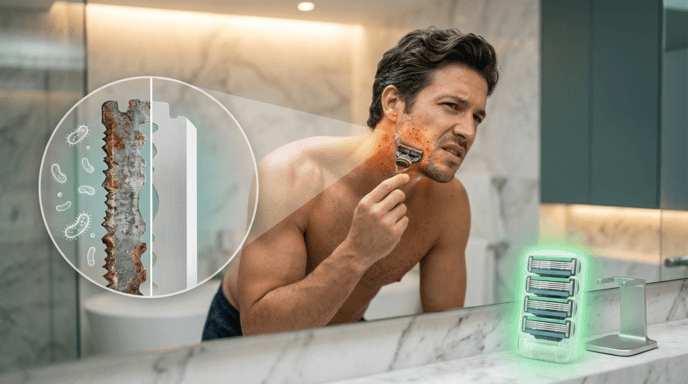
The American Academy of Dermatology recommends replacing razor blades after five to seven shaves. On average, men replace their blades far less often — usually only once the blade starts tugging at skin or leaving nicks.
A dull blade does more than deliver a bad shave. It forces you to press harder, creating more friction, more microscopic tears in the epidermis, and more openings for bacteria to enter. The result is a recurring cycle of razor burn, ingrown hairs, and post-shave redness — symptoms that many men blame on “sensitive skin” when the real culprit is a blade that should have been swapped out weeks ago.
There is also a hygiene factor worth considering. Most razor blades sit in warm, humid bathrooms between uses, collecting bacteria along the blade edges. When that contaminated blade drags across freshly opened pores and micro-tears, the infection risk is real — not theoretical.
Vibe List Solution: Replace your blade every five to seven shaves, or sooner if you feel any tugging or dragging. Rinse the blade after every stroke, shake off excess water, and store it in a dry spot outside the shower. If you find yourself burning through cartridges, consider switching to a safety razor — single replaceable blades cost a fraction of cartridge refills.
5. Neglecting Your Scalp While Devoting All Attention to Your Hair

Men spend freely on hair products — pomades, clays, sea salt sprays, volumizing powders — but invest almost nothing in their scalps. That is like polishing a car while ignoring corrosion in the engine. If your scalp is unhealthy, the hair growing from it will be finer, weaker, and more prone to breakage — no matter how many styling products you pile on top.
Seborrheic dermatitis affects a significant share of the adult population and ranks among the most common reasons men deal with chronic dandruff, itching, and flakiness. Styling product residue that stays on the hair shaft makes matters worse by clogging follicle openings and creating conditions where yeast and bacteria thrive. Men’s Health has noted that these conditions call for regular cleansing with medicated shampoos containing active ingredients like pyrithione zinc or salicylic acid.
In 2026, scalp care has emerged as one of the fastest-growing segments of the men’s grooming market. Cosmetics Business identified scalp-focused products as a key innovation driver in their 2026 men’s grooming trend report.
Vibe List Solution: Treat your scalp as its own skincare zone. If you use styling products daily, cleanse two to three times per week — first with a clarifying or exfoliating scalp treatment to strip product buildup, then with your regular shampoo. If flakiness, redness, or itching persists, switch to a medicated shampoo with ketoconazole, pyrithione zinc, or salicylic acid and use it at least two to three times a week.
6. Applying Cologne as Though You Are Spraying Pesticides

Fragrance is one of the most powerful grooming tools available — and one of the most misused. The two most common errors happen in tandem: over-applying so that everyone in the room knows you have arrived, and spraying in the wrong places so the scent disappears within an hour.
Men’s Health recommends holding the bottle six inches from your pulse points — inner wrists, sides of the neck, behind the earlobes — because body heat helps release and project fragrance throughout the day. The popular “spray and walk through” method wastes most of the fragrance and deposits it on clothing rather than on skin, where it interacts with your body chemistry and develops over time.
Rubbing your wrists together right after spraying generates friction heat that destroys the top notes prematurely, collapsing the scent into a muddled middle.
Vibe List Solution: Apply two to four sprays directly onto clean, dry skin at your pulse points. Keep the nozzle roughly six inches from the skin. Do not rub — let the fragrance dry naturally. For extra longevity, apply an unscented moisturizer to your pulse points before spraying; hydrated skin holds fragrance longer than dry skin. As GQ‘s grooming editors have put it, the goal is for people to notice your fragrance when they lean in — not when they enter the building.
7. Never Exfoliate. Ever.

A survey commissioned by CeraVe found that approximately one in three millennial and Gen Z men do not have a skincare routine. Furthermore, even among males who do have a skincare routine, the first step that is almost universally skipped is exfoliating. Why does this matter? The skin sheds dead cells roughly every 28 days. However, the skin is not perfect and therefore the shedding process can be inefficient; dead cells remain on the surface of the skin, creating a dull and rough texture that even the best moisturizers cannot penetrate. For men who shave, this buildup of dead cells contributes to a very large degree to the occurrence of ingrown hairs; essentially, the dead cells trap the hair below the surface of the skin, causing it to curl back down into the follicle and become inflamed.
Exfoliation rids the skin of these dead cells. There are chemical exfoliants containing alpha hydroxy acids (like glycolic acid), or beta hydroxy acids (like salicylic acid); these break up the molecules holding together the dead skin cells. There are also physical exfoliants, that contain granules, to physically remove the dead skin cells from the surface of the skin. Typically, dermatologists recommend exfoliating one to three times per week based upon how sensitive your skin is. Harvard Health warns of the dangers of over-exfoliating (especially with harsh physical scrubbing); that over-exfoliating can cause harm to your skin and exacerbate what you are trying to correct.
Vibe List Solution: Begin with a chemical exfoliant that contains either salicylic acid or glycolic acid, used twice per week, in conjunction with your evening cleansing regimen. This is especially important the night before you plan to shave, since removing dead skin cells will decrease the chance of ingrown hairs forming. If you find that your skin can tolerate it for two weeks, then you can begin to exfoliate three times per week. Never use both methods (chemical and physical exfoliants). Choose one.
8. Sleeping on the Same Pillowcase for Weeks

Your pillowcase accumulates everything your face puts out at night; oils, sweat, dead skin cells, bacteria; making the pillowcase a collection point for things that dermatologists tell you to keep away from your face. Most dermatologists and the American Academy of Dermatology agree that you should replace your pillowcase at least once weekly. If you have oily or acne-prone skin, you might consider replacing it every two to three days. It doesn’t take a rocket scientist to figure out why. Since we spend around seven to nine hours sleeping, each night we press our faces against a surface that could potentially harbor bacteria and oils. Thus, if the pillowcase is contaminated, we are going to deposit bacteria and oils onto clean skin every single night, thereby undoing anything good that our evening routine accomplished.
Material matters too. Cotton pillowcases absorb moisture and oil better than silk or satin pillowcases (which reduce friction associated with skin and hair and absorb fewer products). This isn’t a luxurious option; it’s a practical one that has real-world advantages.
Vibe List Solution: Replace your pillowcase at least once per week (and every two to three days if you have oily or acne-prone skin). Purchase enough pillowcases to ensure you always have an extra available; this way, when you do laundry, you won’t ever be caught off guard. If you’re interested in upgrading to a silk or satin pillowcase, it will help eliminate friction-related irritation, and it will allow more of your nighttime products to stay on your skin rather than soaking into the pillowcase.
9. Not Taking Care of Your Hands and Fingernails
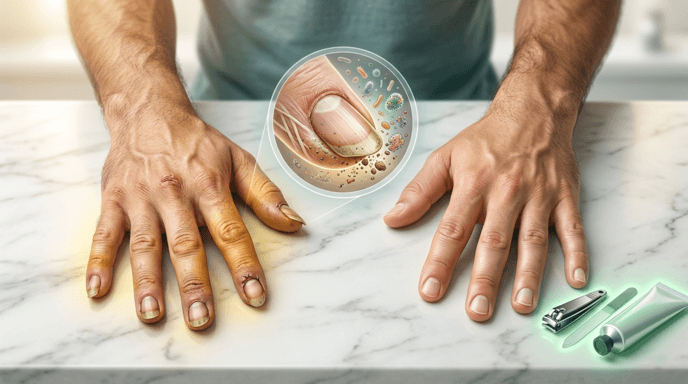
One of the first ways others assess whether or not someone takes care of themselves is through their grooming; specifically, how well he cares for his hands and fingernails. Chipped, unevenly trimmed, too-long, or dirty fingernails signify laziness or lack of attention. As stated by the Centers for Disease Control and Prevention (CDC), keeping fingernails short and clean helps prevent infections, noting that dirt and germs thrive under fingernails. Research published in the American Journal of Infection Control demonstrated that longer fingernails contained significantly larger amounts of micro-organisms compared to shorter fingernails. Underneath a fingernail tip is a warm, humid haven; ideal conditions for bacterial growth.
Besides hygiene issues, there are visual implications. Dry, cracked cuticles along with rough-looking hands convey a sense of negligence or lack of concern regarding personal health and hygiene regardless of how well groomed you look otherwise. If you are someone who has already nailed the wardrobe essentials checklist but skips hand care, you are undermining that investment.
Vibe List Fix: Take less than three minutes to trim your fingernails once per week with a dedicated nail clipper. Rather than tearing at the edges with clippers, file them instead. Push back cuticles gently after bathing or showering when your skin is softened; avoid cutting cuticles, as this creates potential portals for infection. Apply hand cream daily, especially in colder months.
10. Treating Your Lips as Unbreakable

While your lips endure all forms of environmental exposure (UV light, winds, extreme temperatures, and pollution), they get almost zero protection. Your lips contain thinner skin than anywhere else on your body, don’t have sebaceous glands to naturally produce moisture, and don’t contain sufficient melanin to fight off sun damage. Chronic dryness, peeling, and cracking of your lips aren’t merely aesthetic concerns. Actinic cheilitis is a precancerous condition stemming from chronic sun exposure and is commonly seen on the lower lip of men. Dermatologists have been warning for years that men tend to overlook this area.
When your lips feel dry, licking them will only serve to worsen the situation. Saliva rapidly evaporates and takes moisture with it, leaving your lips drier than they were originally. Lip balms containing menthol and/or camphor can temporarily soothe burning sensations but can ultimately cause irritation, leading to further drying of already thin lip tissue.
Vibe List Solution: Buy a lip balm with broad-spectrum SPF 15 or higher that provides adequate protection for your lips. Use lip balm every morning as part of your regular grooming routine. When shopping for lip balm, select formulas made with emollients (such as shea butter, beeswax, or ceramides) as opposed to menthol-containing formulas. Reapply lip balm after eating, drinking, or spending an excessive amount of time outdoors. This adds just seconds to your morning routine yet protects one of the most vulnerable and noticeable areas of your face.
11. Overwashing Your Hair Daily

One of the longest-standing myths surrounding men’s grooming is the idea that clean hair needs to be washed daily. The Cleveland Clinic states that individuals with fine-textured hair may require washing every other day, whereas individuals with thicker, coarser, or curlier hair can likely go longer without losing any hygiene benefits.
Daily shampooing using traditional shampoos strips away the body’s natural oils and sebum. As a response, your scalp increases production of additional oils (to compensate for what was lost), creating a vicious cycle: your hair becomes greasier faster (you wash it more frequently), causing your scalp to continue increasing oil production. The net result is that your scalp remains constantly in flux (either too oily or too dry) and your hair never reaches its desired texture or volume.
In 2021, researchers published findings in Skin Appendage Disorders demonstrating that overall consumer satisfaction with scalp and hair condition peaks at an average of five to six washes per week; not seven. For many hair types, washing two to four times per week provides optimal results.
Vibe List Solution: Cut back on washing your hair to once every other day or every third day, depending on your hair type and activity level. On non-washing days, simply rinse your hair with water and apply conditioner if necessary. If you experience excessive oiliness during this transitional phase, remember that is your scalp readjusting itself; typically within two to three weeks, oil production normalizes again. According to Men’s Health, males suffering from dandruff are recommended to wash their hair at least three to four times per week using medicated shampoo.
12. Underestimating How Important Using Moisturizer Is
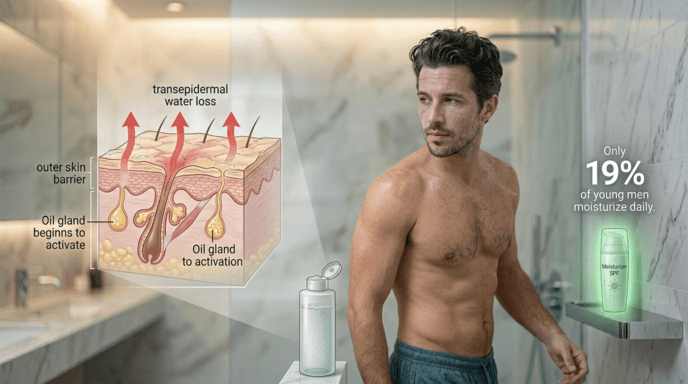
Mintel’s 2024 data indicates that 52% of U.S. men currently use skincare products; a sizable increase from previous years’ statistics. Still, however, adopting moisturizer lags far behind using cleansing products; a CeraVe-commissioned survey reported only around 19% of millennial and Gen Z males include moisturizing as part of their daily routine.
The basis for this disparity lies in how many believe moisturizer is merely a corrective product; something used when one experiences dryness in their skin. From a dermatologic standpoint, however, moisturizer is primarily preventative, serving as an aid in maintaining your skin’s barrier function while locking in moisture post-cleansing, thereby helping to minimize transepidermal water loss during daylight hours.
While moisturizing is beneficial for males experiencing oily skin as well as those experiencing dryness, determining which type of moisturizer works best for you is essential. Males with oily skin would greatly benefit from using lightweight, oil-free gel moisturizers as opposed to rich, heavy creams that may contribute toward increased shine. Understanding which skincare ingredients dermatologists actually use themselves can help guide your product selection.
Omitting moisturizing post-cleansing results in counterproductive effects. Cleansing serves two purposes; removal of excess oil and dirt from the surface of your skin; however, cleansing also diminishes some degree of your skin’s natural barrier moisture. Without incorporating moisturizer into your men’s skincare routine subsequent to cleansing, your skin is left in a state of temporary dehydration, stimulating the exact same mechanism for excess oil production discussed previously, resulting in quicker greasiness and thus increased necessity for frequent washing.
Vibe List Solution: Use moisturizer twice daily; once in the morning following cleansing (use one with SPF for daytime wear) and once prior to bedtime following evening cleansing. GQ‘s coverage concerning skincare continually emphasizes that any successful skincare regime begins with cleanse, moisturize, and protect with SPF.
13. Completely Ignoring Your Brows
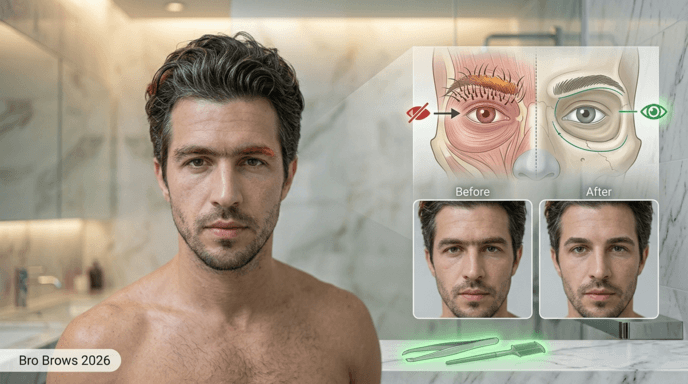
Cosmetics Business reports that “bro brows” are becoming one of the top new grooming trends of 2026. There is increasing interest in male eyebrow grooming; specifically, professional services (threading, waxing, brow laminating) available at barbershops and men’s grooming spas. As people begin to understand how much of an impact eyebrows have on our faces, and therefore our entire appearance, the lack of groomed eyebrows will continue to undermine all of the other grooming investments you make.
You don’t want perfect brow arches; you want to get rid of chaos. A unibrow, unruly stray hairs beyond the brow line, and overly thick brows that hide the eyes will all cause distractions to draw attention away from the rest of your facial structure. All of these problems can be fixed in a very easy way with no pain involved. It will take you less time than going for your morning coffee.
Vibe List Fix: Take a few minutes a week to remove stray hairs around your brows using a pair of slant-tip tweezers. Don’t over-tweeze, nor attempt to shape them; simply clean up what’s causing the distraction. To make your brows look cleaner, ask your barber to give you a quick brow trimming when he cuts your hair. More and more barbershops now offer a brow service as part of a regular cut, and it takes less than five minutes.
14. Using a Dirty Towel on a Clean Face

You have just spent two minutes washing your face, possibly exfoliated, cleaned your pores, reset your skin barrier, and allowed yourself to absorb all the good things you put on after you finish. Now you go to wipe your face down with the towel that has sat on the back of your door since last Tuesday’s shower.
Each time you hang up a towel that has been used before, it picks up bacteria, mold, and dead skin cells. And then you hang it back up again until you decide to use it again. Because you are drying yourself off in a warm, humid bathroom, everything grows faster. So when you pull that towel down and press it on your freshly washed face, you are basically putting all those same germs right back onto your skin where they were when you originally pulled them off.
And because your skin is in its most exposed state at this exact moment; pores are wide open and the skin barrier is weakened due to washing; you are allowing all those germs to penetrate deeper into your skin.
According to multiple dermatologists, reusing towels to clean your face is one of the biggest causes of acne flare-ups among men that are doing almost every other thing right when it comes to their skincare.
Vibe List Fix: Get yourself a brand-new towel for washing your face. Replace it every one to two times that you use it. Buy a stash of clean towels so that grabbing a clean one is always second nature. Be gentle when patting your face dry instead of scrubbing vigorously; friction creates irritation and increases redness. For ultimate hygiene, consider using disposable facial wipes.
15. Not Considering Your Teeth as a Grooming Priority
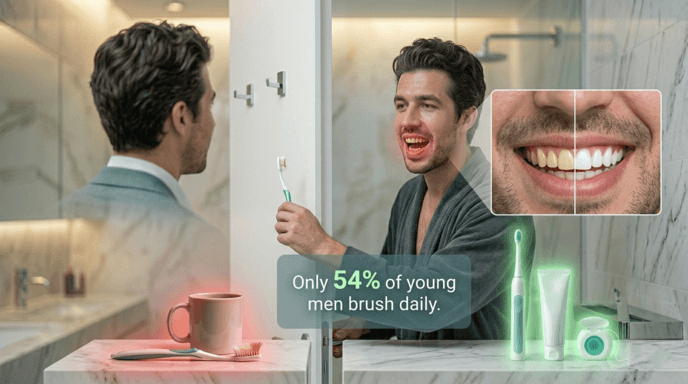
Research indicates that a person’s smile is one of the first things that others see and judge us by. Studies show that people’s perception of how attractive we are has a lot to do with our dental appearance, how trustworthy we appear, and how competent we seem professionally. However, despite this, men disproportionately view dental care as being about health and not about grooming, while completely overlooking how much having a nice white smile contributes to an improved overall impression.
In fact, research published in PLOS ONE showed that home whitening using carbamide peroxide improves patients’ quality of life related to their oral health and also improves their psychological well-being. According to GQ’s 2026 coverage of dental grooming, coffee, tea, red wine, and tobacco are the major sources of stains, and most surface stains can be removed with either professional cleaning or home whitening products.
While whitening is not the only area to focus on in terms of dental health and grooming, establishing a basic dental health routine (brushing your teeth twice per day, flossing once per day, and getting bi-yearly professional cleanings) is something that too many men neglect once they move out of their parents’ homes. That only 54% of young males brush their teeth daily is self-explanatory when referencing data collected through CeraVe.
Vibe List Fix: Brush your teeth twice per day with a whitening toothpaste that contains hydrogen peroxide; floss once per day; and schedule bi-annual professional cleanings. If you’re concerned about surface stains, use an at-home whitening system approved by the American Dental Association (ADA), or try whitening strips. Most people find noticeable results in two weeks. If you’ve never switched to an electric toothbrush yet, it is easier to remove plaque and gingivitis than manual brushing, according to the ADA.
The Men’s Grooming World Has Changed; Your Routine Should Follow
Global Market Insights estimates the men’s grooming industry will increase from $65 billion in 2026 to $108 billion by 2035. The products, science, and societal acceptance exist for nearly anything you’d want to improve about how you look. The difference between the guys who genuinely look better and those who just throw money at looking better isn’t on what they buy; it’s on the grooming habits that lie beneath it.
There’s a fix for every bad habit listed here: inexpensive, minute-long changes that compound into bigger effects over time. Guys who realize this in 2026 aren’t following addictive internet trends; they’re developing systems; simple, consistent patterns of behavior proven through scientific evidence, regardless of what “clean boy” or “rugged minimalist” or whatever TikTok decides next is “in.”
Fix the ones that stop you cold first. The rest will fall into place.
Your Grooming Fix Cheat Sheet: 15 Mistakes, 15 Fixes, Zero Excuses
| # | Mistake | Why It Matters | The Fix | Key Fact | Time to Fix | Frequency |
|---|---|---|---|---|---|---|
| 1 | Same Soap on Face & Body | Bar soap pH 9–10 destroys the facial acid mantle (pH 4.5–5.5), stripping moisture and triggering irritation | Sulfate-free facial cleanser, pH 5.0–7.0, morning and evening | Facial skin is significantly thinner and more vulnerable than body skin | 30 sec | 2x daily |
| 2 | Scalding Hot Showers | Hot water dissolves lipid layers in the stratum corneum, increasing transepidermal water loss and triggering excess oil | Lukewarm water, showers under 10 minutes; cool rinse for face and hair | 2022 Journal of Clinical Medicine study confirmed hot water damages skin barrier | 0 sec | Every shower |
| 3 | Skipping Daily SPF | UV accounts for up to 80–90% of visible skin aging; men over 50 have highest melanoma rates | SPF 30 broad-spectrum moisturizer every morning, 12 months a year | Only 12.3% of U.S. men use sunscreen outdoors (CDC, 2020) | 15 sec | Every morning |
| 4 | Shaving With a Dull Blade | Dull blades force extra pressure, creating micro-tears, bacterial entry points, razor burn, and ingrown hairs | Replace every 5–7 shaves; rinse after each stroke; store dry outside the shower | AAD recommends blade replacement after 5–7 shaves | 10 sec | Every 5–7 shaves |
| 5 | Ignoring Scalp Health | Product buildup clogs follicles, feeds yeast and bacteria, weakens hair at the root | Clarifying scalp treatment 1–2x/week; medicated shampoo if flaking persists | Scalp care is one of the fastest-growing men’s grooming segments in 2026 | 3 min | 2–3x weekly |
| 6 | Over-Applying Cologne | Over-spraying overwhelms; wrong placement causes scent to vanish within an hour; rubbing destroys top notes | 2–4 sprays on pulse points from 6 inches; no rubbing; moisturize first for longevity | “Spray and walk through” wastes most fragrance on clothing, not skin | 10 sec | Each application |
| 7 | Never Exfoliating | Dead cell buildup creates dull texture, traps hairs beneath the surface, and blocks moisturizer absorption | Chemical exfoliant (salicylic or glycolic acid) 2x/week with evening cleanse | Skin sheds dead cells every 28 days; inefficient shedding causes ingrown hairs | 1 min | 2–3x weekly |
| 8 | Same Pillowcase for Weeks | Pillowcases accumulate bacteria, oils, dead skin, and mold that redeposit onto clean skin overnight | Change every 2–3 days if acne-prone; weekly minimum; consider silk or satin | 7–9 hours of face-to-fabric contact per night compounds contamination | 30 sec | Weekly minimum |
| 9 | Neglecting Hands & Nails | Bacteria thrive under long nails; cracked cuticles and rough hands undermine overall grooming impression | Trim nails weekly, file edges, push cuticles after showering, hand cream daily | CDC confirms dirt and germs thrive under fingernails | 3 min | Weekly |
| 10 | Ignoring Lip Care | Lips have no sebaceous glands, minimal melanin, and thinnest skin on the body; chronic exposure causes actinic cheilitis | SPF 15+ lip balm with emollients (shea butter, beeswax, ceramides) every morning | Actinic cheilitis is a precancerous condition commonly seen on men’s lower lips | 10 sec | Every morning + reapply |
| 11 | Daily Shampooing | Strips natural sebum, triggering overproduction cycle; scalp stays in constant flux between too oily and too dry | Wash every other day or every third day; rinse with water on off days | Satisfaction peaks at 5–6 washes/week (Skin Appendage Disorders, 2021) | 0 sec | Every 2–3 days |
| 12 | Skipping Moisturizer | Post-cleanse dehydration compromises barrier, triggers excess oil production, accelerates aging | Moisturize 2x daily; AM with SPF, PM before bed; gel formula if oily | Only 19% of millennial and Gen Z men moisturize daily (CeraVe survey) | 20 sec | 2x daily |
| 13 | Ignoring Eyebrows | Unkempt brows (unibrow, stray hairs, overgrowth) undermine all other grooming investments | Tweeze strays weekly with slant-tip tweezers; barber brow trim monthly | “Bro brows” named a top grooming trend of 2026 by Cosmetics Business | 2 min | Weekly |
| 14 | Dirty Towel on Clean Face | Reused towels harbor bacteria, mold, and dead skin; redeposit contaminants onto vulnerable post-wash skin | Fresh face towel every 1–2 uses; pat dry gently; consider disposable facial wipes | Pores are open and barrier weakened post-wash; deepest contamination risk | 10 sec | Every 1–2 uses |
| 15 | Ignoring Dental Grooming | Smile is a top-3 first impression signal; stains and neglect undermine perceived attractiveness and competence | Brush 2x daily with whitening toothpaste, floss daily, bi-annual cleanings | Only 54% of young men brush their teeth daily (CeraVe survey) | 4 min | 2x daily |
Frequently Asked Questions
What is the most important grooming habit men should develop first? Applying sunscreen daily. Sun damage is responsible for the vast majority of visible skin aging and is associated with serious health risks, including increased melanoma risk. Using an SPF 30 broad-spectrum moisturizer for 15 seconds daily provides far more long-term benefits than any other singular grooming practice.
How often should men wash their face? In general, twice per day is recommended by dermatologists: once in the morning and once in the evening. Use a gentle, sulfate-free cleanser with pH levels close enough to match your skin’s normal level of 4.5 to 5.5. Washing your face too frequently (or using too abrasive products) strips the skin layer and causes increased sebum production, leading to more frequent breakouts.
Do men really require a separate skincare regimen than women? The core elements are identical: cleanse, moisturize, protect with SPF. Due to their thicker, oilier skin types combined with constant shaving stress, men require different formulation textures and ingredients than women; however, the underlying biology doesn’t differentiate between genders when it relates to achieving healthy skin.
What is the bare minimum required to start practicing good grooming? Three actions done twice daily: cleanse, moisturize, and apply SPF in the morning. Taking less than two minutes, this addresses three of the greatest grooming mistakes men make. Everything else described here is simply improving upon that base.
How often should men replace common grooming items (razors and towels)? Replacing razor blades every five to seven uses (as stated by the American Academy of Dermatology), replacing face towels after every one to two uses, and replacing toothbrushes every three to four months. Allowing bacteria and mold buildup or ineffective usage from worn-out tools reduces effectiveness and can lead to further infection.
Does the “two-week grooming reset” really work? Although social media’s “two-week grooming reset” trend was created with some basis in reality; dedicating a couple of weeks to creating consistency in your grooming routine develops momentum that translates into habit-forming behavior; each individual action in this reset has established science behind it, such as applying daily SPF and maintaining adequate hydration. Framing this concept as a timed challenge makes it more psychologically appealing.
This content is for informational purposes only and does not constitute professional medical or dermatological advice. Consult a qualified dermatologist or healthcare professional for personalized guidance, especially regarding skin conditions, allergies, or specific treatment protocols.


