


A sub shop from 1956 that just dethroned an eleven-year champion. A $1.99 cheeseburger that produced the biggest satisfaction jump in the entire industry. The most popular chain in America finishing dead last. Nearly $24 billion in sales from a restaurant that closes every Sunday. 16,464 surveys. 48,400 diners. Twenty chains. One finding no one expected: the brand slicing meat in front of you just beat the brand that built a drive-thru empire. Consumers stopped rewarding size; they started rewarding the sandwich.
How We Ranked This
We ranked every chain using multiple criteria: ACSI customer satisfaction scores, YouGov consumer preferences, year-over-year trends, and category-specific metrics. Each was weighted in proportion to what mattered most for this subject. The result is a ranking that honors the data but is ultimately the product of the Vibe List’s editorial judgment. This is our list. Based on evidence. Driven by perspective.
The primary quantitative basis for these rankings is the 2026 American Customer Satisfaction Index Restaurant and Food Delivery Study. The study surveyed 16,464 consumers through random email contact between April 2025 and March 2026. We also used YouGov’s 2026 Best Bites report. That study polled 48,400 diners on their perceptions of quality, price, and brand preference. While the ACSI measures how satisfied consumers are after eating at a given location, YouGov reveals which chains consumers actively choose. Together they tell complementary parts of the same story, and both shaped this ranking.
Our editorial team weighted the scores as follows: ACSI satisfaction rating (40%), YouGov preference and category leadership ratings (20%), year-over-year changes in ACSI ratings (15%), category dominance (15%), and Vibe List’s editorial opinions (10%). Vibe List’s editorial opinions account for current momentum, menu strategy, value proposition, and the cultural significance of each chain. This is not a data dump. It is a ranking that fuses the two largest consumer studies of 2026 with the editorial depth a spreadsheet cannot provide.
Fast Food in 2026: The Year Inflation Rises, Satisfaction Holds, and a New Hierarchy Takes Shape
Something changed in America’s fast food world in 2026. But it runs much deeper than one sandwich chain being crowned.
In 2025, the U.S. restaurant industry continued its crawl back from the COVID-19 pandemic. Against a 3.8% menu-price inflation rate, the 3% annual sales increase generated by chain restaurants represented the slowest real sales gain since the Great Recession. That matters. When sales grow slower than menu prices, fewer consumers are choosing to eat out; and those who still do are spending with extreme caution.
Prices for food away from home rose 4.1% in 2025, compared to a 2.4% increase in grocery prices, as reported by the Bureau of Labor Statistics. Through May 2026, food-away-from-home prices continue to grow at 3.5% annually. For decades, Americans relied on fast food as an affordable meal. That era appears to be ending. A bacon cheeseburger combo at Five Guys can cost upwards of $18. Even a McDonald’s value meal approaches $10 in major metropolitan areas.
According to the American Customer Satisfaction Index (ACSI) 2026 Restaurant and Food Delivery Study, quick-service restaurants collectively scored an overall satisfaction rating of 79 for the third consecutive year; but beneath that stable average, the hierarchy has been reordered. New players entered the rankings. Established names lost ground. The 11-year reigning champion has been dethroned. The lowest-rated chain in the survey is also the most visited fast food brand on earth.
“Restaurant industry-level scores are stable, but there’s real movement underneath,” said Forrest Morgeson, Associate Professor of Marketing at Michigan State University and Director of Research Emeritus at the ACSI. “New brands are entering our rankings and immediately competing at the top, which tells you something about where consumer expectations are headed. Price still matters, but it’s no longer enough on its own. Consistency across the full experience is what separates the leaders right now, and that’s showing up clearly in the data. The challenge going forward is sustaining that as costs continue to rise and competition intensifies from outside the traditional restaurant space.”
The 2026 data makes one thing clear: American consumers place heavy emphasis on reliability, consistency, and perceived value when choosing where to eat. Chains delivering consistently strong experiences are rising. Those coasting on brand recognition alone are falling. Below is every major fast food chain in America, ranked by the people who actually eat there.
20. McDonald’s
ACSI Rating: 72 | YoY Rating Change: +2 | YouGov Overall Preference: #1 (39.6%)
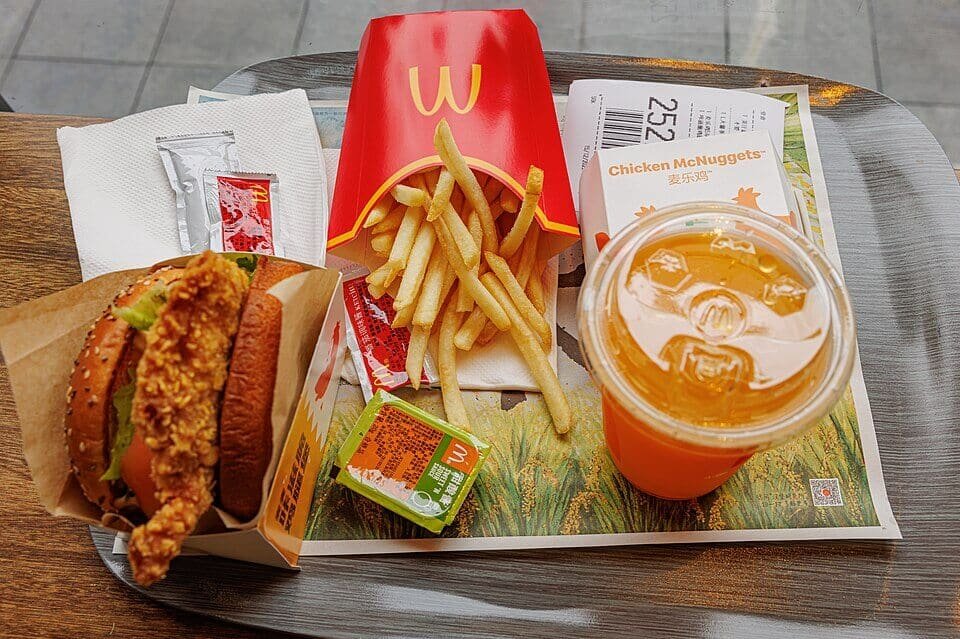
There is a paradox at the center of McDonald’s in 2026: it is simultaneously the most popular fast food chain in America and the least satisfying to eat at.
YouGov’s Best Bites report finds that 39.6% of Americans would choose McDonald’s when selecting a fast food option; a number that significantly eclipses every competitor. Chick-fil-A trails at 35.5%, followed by Wendy’s at 33.2%. Yet McDonald’s earned an ACSI rating of 72; tied for the lowest among all surveyed QSR chains and dead last among burger chains.
A two-point increase from last year’s 70 represents meaningful progress for a chain with over 13,000 domestic units and 10% revenue growth in 2025. But it is still a 72. Americans instinctively choose McDonald’s for familiarity, ubiquity, convenience, and unbeaten dominance as a french fry provider (39.2% in the YouGov data); but they do not leave particularly pleased with the experience.
Ashley Brown, senior director at YouGov America, told Food & Wine: “McDonald’s strength is that it does not have to win every perception metric to win the visit. Among U.S. adults overall, it is not the leader on positive impression, customer satisfaction, or perceived quality.” She added: “McDonald’s has built the kind of lead that matters when people are deciding where to go: It is easy to find, fast, familiar, and often seen as good value.”
Vibe List perspective: McDonald’s is the Walmart of fast food; few rave about it, but everyone goes. A 72 across 13,000 domestic units is structurally different from a 72 at 500 units. The sheer volume of transactions creates nearly insurmountable challenges to maintaining high satisfaction. This ranking measures satisfaction, not foot traffic; so McDonald’s ranks last.
19. Dairy Queen
ACSI Rating: 72 | YoY Rating Change: N/A
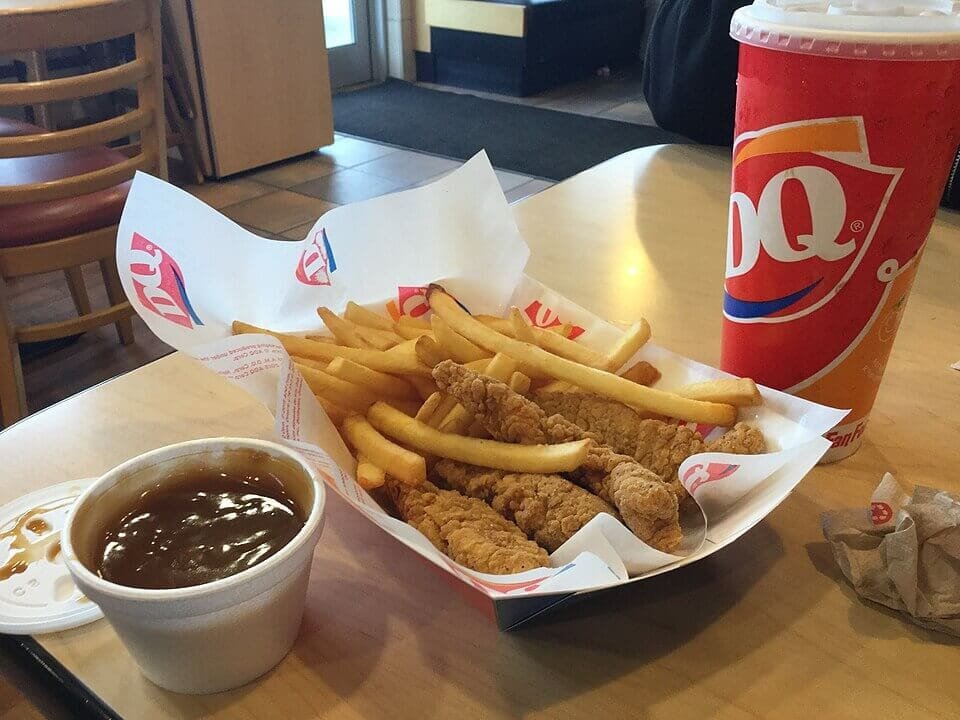
Sharing McDonald’s score of 72, Dairy Queen also rates poorly on satisfaction; though for entirely different reasons.
The ACSI does not place Dairy Queen in a distinct sub-category like burgers, sandwiches, or chicken; instead listing it within the broad QSR group. So while Dairy Queen and McDonald’s share almost nothing in their core menus, the identical score of 72 tells a similar story about post-visit satisfaction.
With roughly 4,400 U.S. locations, Dairy Queen enjoys 96% brand awareness and a 73% popularity rate among those familiar with it, according to YouGov. But as the ACSI score demonstrates, awareness and popularity have little correlation with satisfaction after the meal.
Dairy Queen’s identity has always been built on dessert; the Blizzard line and Dilly Bars are iconic staples. But even with continuous seasonal Blizzard iterations, the chain has not translated dessert loyalty into higher overall satisfaction; especially against competitors investing in menu innovation and upgraded restaurant designs.
Vibe List takeaway: Dairy Queen is a nostalgic favorite that people remember fondly but that falls short in person. The dessert side performs well, but the broader dining experience leaves much to be desired. By leaning harder into what it does best; frozen treats, seasonal Blizzard releases, and roadside Americana charm; Dairy Queen could climb this list. Right now, it appears to be coasting.
18. Popeyes
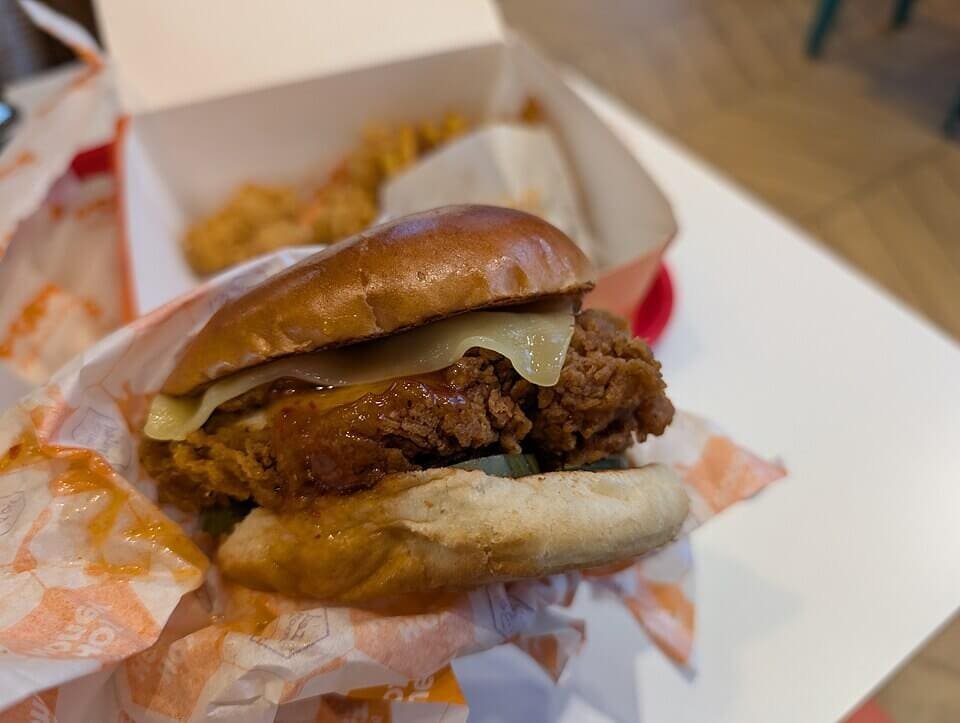
ACSI Rating: 73 | YoY Rating Change: -2 | Category Rank: #5 Chicken
Popeyes is a cautionary tale for 2026. Seven years ago, the chain ignited the chicken sandwich wars with a single menu item that drove store traffic up over 300% and propelled the brand to cultural phenomenon status overnight. Today, Popeyes holds the lowest satisfaction rating among all chicken brands in the ACSI survey, dropping from 75 to 73 and trailing category leader Chick-fil-A by a full ten points.
The sandwich itself remains one of the better chicken sandwiches in fast food. That has never been the problem. The problem lives elsewhere: inconsistent service, long wait times, and underwhelming dining environments across too many locations.
When millions of first-time customers flocked to Popeyes during the initial frenzy, they came for novelty and buzz. The ones who returned came for the food. The ones who left did so because the experience never matched it.
Vibe List takeaway: Popeyes produces some of the best fried chicken in fast food. Period. But until the chain commits to service consistency with the same intensity it brought to that original chicken sandwich launch, satisfaction scores will keep falling.
17. Jack in the Box
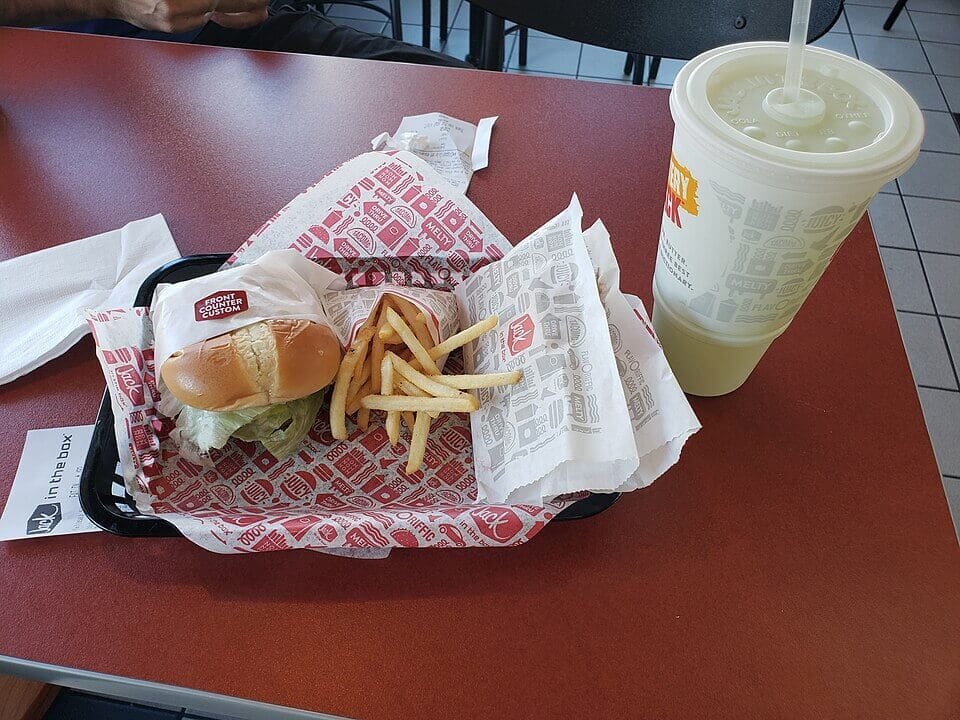
ACSI Rating: 74 | YoY Rating Change: N/A
For nearly five decades, Jack in the Box has been fast food’s oddball; tacos and burgers, breakfast and curly fries, teriyaki bowls, all coming out of a single kitchen at any hour. That breadth is part of the chain’s DNA, but it creates a problem: no single identity.
It is hard to build loyalty toward a brand that tries to be everything to everyone and ends up standing for nothing in particular.
In the ACSI results, Jack in the Box sits well below the industry average of 79 at 74 and fails to lead in any tracked category.
With roughly 2,200 locations concentrated in the western and southern United States, Jack in the Box lacks the national reach needed to build the kind of widespread loyalty enjoyed by Wendy’s or Taco Bell.
Vibe List takeaway: Jack in the Box is the chain you visit when you cannot decide what you want; and that indecision is reflected directly in its below-average ACSI rating. Certain elements earn legitimate cult followings; the late-night menu and the two-for-$5 taco deal among them; but these niche strengths contribute little to lasting loyalty or higher satisfaction scores.
16. Taco Bell
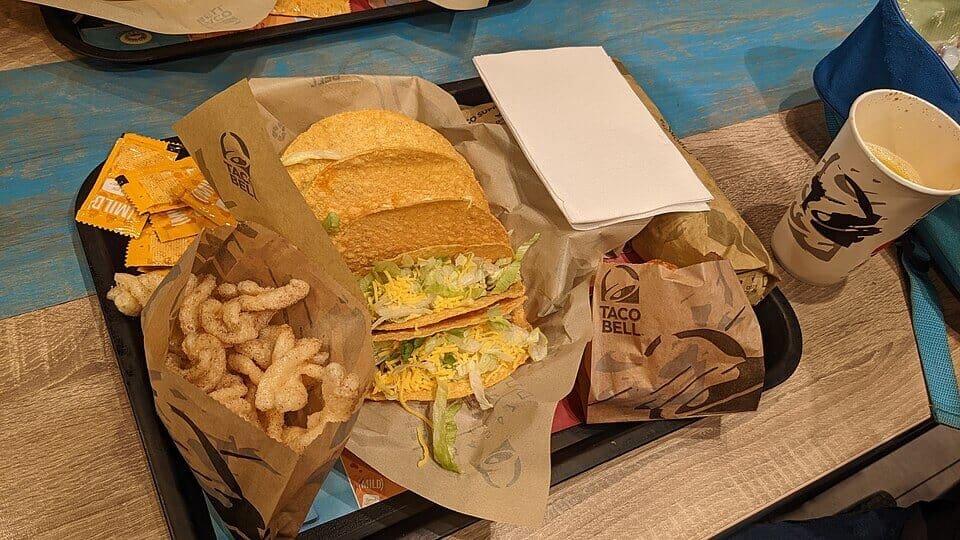
ACSI Score: 74 | Year-Over-Year Change: N/A | YouGov Category Winner: #1 in Tacos/Burritos (30.3%)
Taco Bell may be the most surprising entry on this list; not because a 74 is bad, but because the gap between its ACSI score and its cultural influence is enormous.
This is the brand that posted a 7% comparable-store sales increase in Q4 2025 and followed it with 8% growth in Q1 2026, driven by aggressive value pricing and a relentless flow of new products.
According to YouGov, Taco Bell is the undisputed leader in tacos and burritos at 30.3%; more than nine points ahead of Chipotle. The chain proved it understands today’s value-obsessed consumer by launching a dedicated value menu in January 2026.
Why a 74? Because the ACSI measures satisfaction after the visit, and Taco Bell’s consistency varies dramatically from location to location; order accuracy, food temperature, and portion sizes all fluctuate. Those consistency gaps drag the ACSI score down even as the brand’s strategic positioning grows sharper.
Vibe List assessment: Taco Bell is one of the savviest operators in American fast food. The value positioning is ideal for inflation-sensitive consumers, the menu innovation keeps the brand relevant, and the sales numbers are outstanding. But executing that strategy consistently at 7,600 locations is a different challenge entirely from performing at the corporate level. The disconnect between Taco Bell’s brand strength and its ACSI score is the single biggest contradiction on this entire list.
15. Arby’s
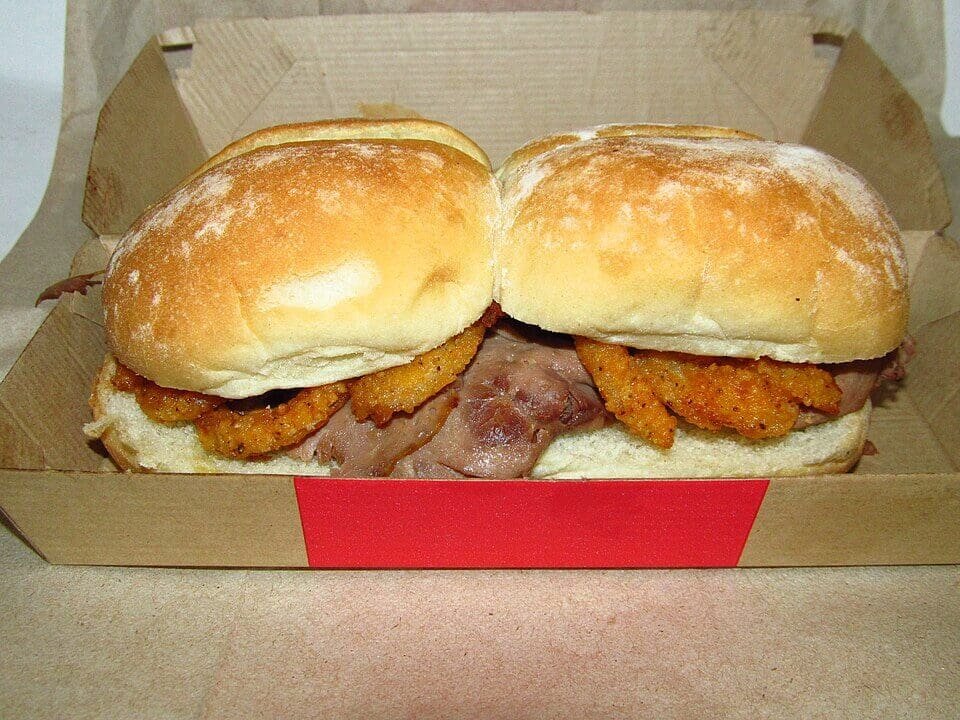
ACSI Rating: 77 | Year-Over-Year Change: -2 | Category Ranking: #4 in Sandwiches
Arby’s dropped two points this year, falling from 79 to 77, and lost ground in the sandwich category where it now ranks fourth behind Jersey Mike’s, Jimmy John’s, and Subway. That decline is unwelcome for a brand whose entire identity was built on the “We Have the Meats” campaign.
Arby’s roughly 3,400 locations give it a national presence, and its protein-heavy menu; roast beef, gyros, smoked brisket; is unlike anything else in mainstream fast food. Differentiation creates a favorable first impression, but unless the execution matches, the experience falls short. A two-point drop in a single year; while the industry average held steady; signals that something in the experience is slipping, whether food quality, wait times, or perceived value.
Vibe List take: Arby’s occupies a genuinely distinct lane in fast food, and its “We Have the Meats” campaign was one of the most creative marketing pivots of the past decade. But a two-point decline in one year should raise concerns. With consumers trading down and scrutinizing every dollar, Arby’s needs to deliver an experience that justifies its premium-priced menu. Right now, the data says it is trending in the wrong direction.
14. Wingstop
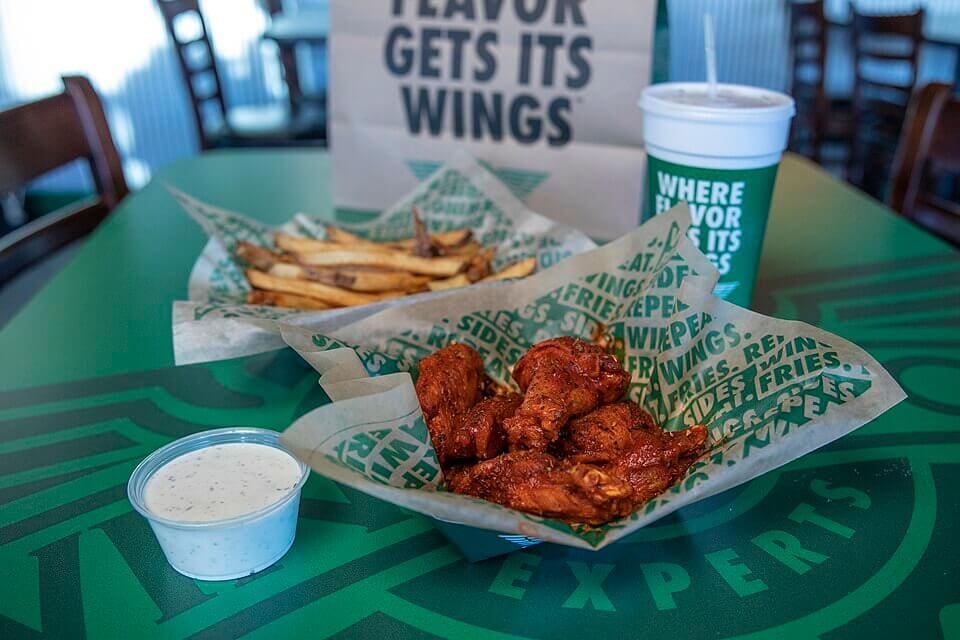
ACSI Rating: 77 | Year-Over-Year Change: N/A (new entrant)
Wingstop debuts in the ACSI at 77, making it the fourth-highest-rated chicken chain behind Chick-fil-A (83), KFC (80), and Raising Cane’s (79). For a brand that has expanded from roughly 1,500 U.S. locations to more than 2,300 in just a few years, debuting at 77 is a strong first showing.
Wingstop operates differently from most chains on this list. The vast majority of its sales come through digital and delivery channels. That digital-first strategy has clearly fueled growth, but it also means customers are judging the food as it arrives at home; with no ambiance, no in-person service, and no dine-in courtesy to cushion the evaluation.
Vibe List take: Wingstop is one of the fastest-growing chains in America, and its ACSI debut reflects a brand that has earned consumer trust. The question is whether Wingstop can sustain that satisfaction as it continues to expand. Historically, scaling fast and maintaining quality at the same time has proven extremely difficult in fast food.
13. Sonic Drive-In
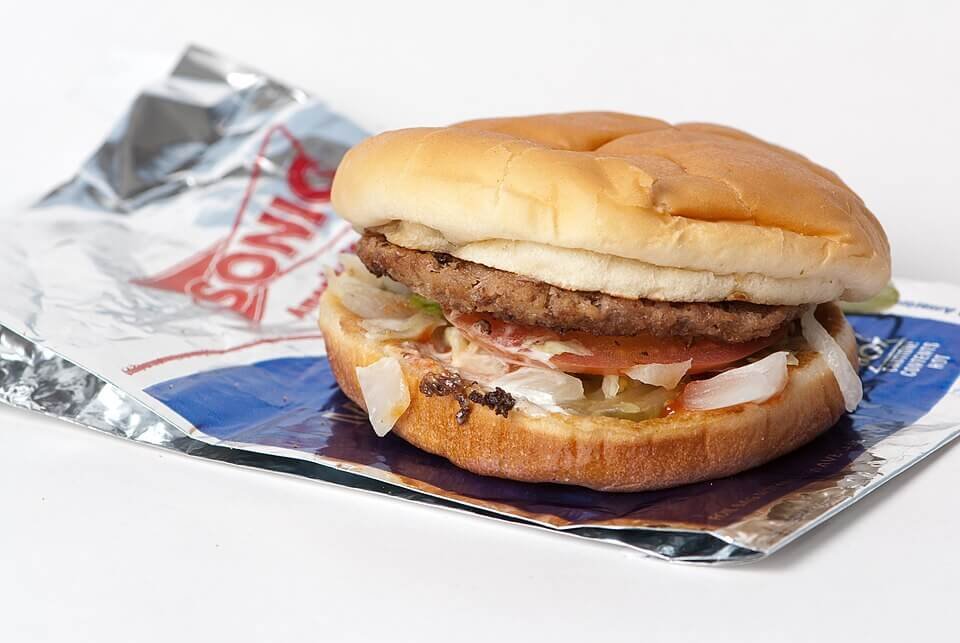
ACSI Rating: 77 | Year-Over-Year Change: +4 | Category Ranking: #3 in Burgers
Sonic made the single biggest leap of any brand in the 2026 ACSI survey, jumping four points from 73 to 77. A four-point gain is substantial in a year when the industry average did not move at all.
Value is the clear reason behind Sonic’s surge. Sonic launched a $1.99 value menu featuring a Jr. Deluxe Cheeseburger, wraps, and tots, alongside an All-American Smasher Meal priced at $6. While nearly every other chain raised prices in 2026, Sonic went the opposite direction; and customers noticed. The ACSI’s findings confirm that value-driven offerings contributed directly to Sonic’s score improvement.
As the third-ranked burger chain behind Culver’s and Burger King (both at 78), Sonic is now competitive in a category where steep beef price increases hit hard. The drive-in model gives Sonic a uniqueness factor that no competitor can replicate, and the drink menu; endless combinations of slushes, shakes, and custom add-ins; is a genuine differentiator.
Vibe List take: Sonic’s +4 is the strongest single-year trend on this entire list. When high beef costs ravaged the burger category, Sonic listened to what inflation-conscious consumers actually wanted instead of hoping they would not notice another price hike. This is what happens when a chain responds to real consumer demand.
12. Wendy’s
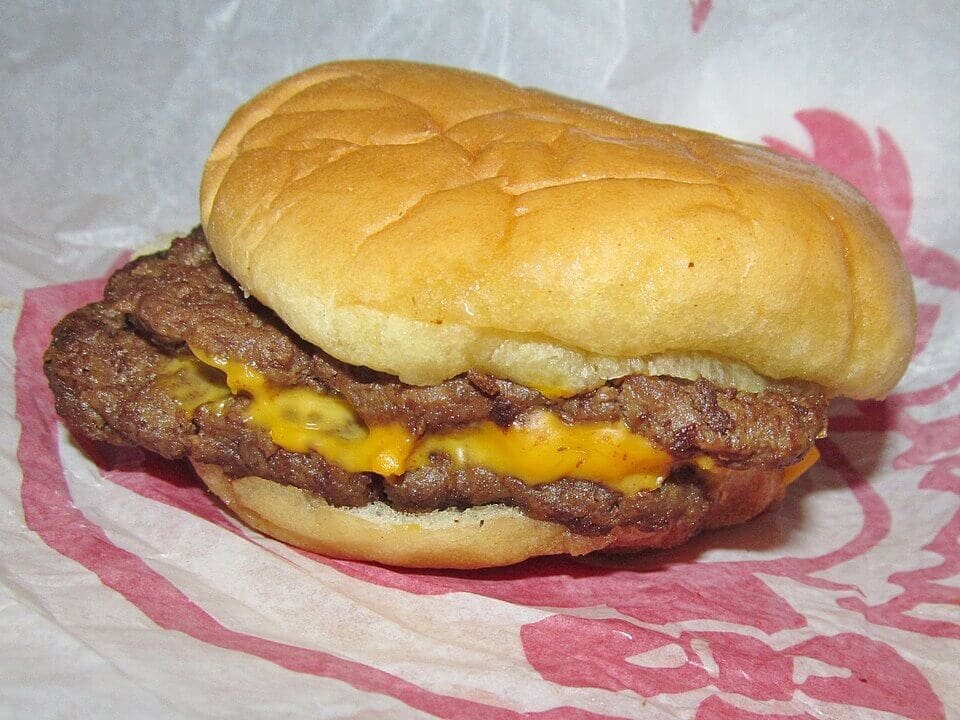
ACSI Rating: 77 | Year-Over-Year Change: N/A | YouGov Preference: #3 Overall (33.2%) | YouGov Value Leader
Wendy’s is the third most-purchased fast food chain in America per YouGov’s purchase consideration metrics, behind only McDonald’s and Chick-fil-A, and it also earned the highest value preference designation from YouGov consumers. Yet its ACSI score is 77; above average, but far from top tier.
That value designation is especially notable given that food-away-from-home prices rose 4.1% in 2025. Wendy’s convinced more consumers than any other chain that they got fair value for their dollar. That is an extraordinary branding achievement. The Biggie Bag and 4 for $4 deal (adjusted for inflation) have made Wendy’s the go-to choice for consumers who prioritize price above all else.
Wendy’s ranks fourth in the burger category behind Culver’s, Burger King, and Sonic; leaving room to improve within its core segment.
Vibe List take: Wendy’s overperformed on value perception while underperforming on experience execution. The quality ceiling on a Wendy’s Dave’s Single is substantially higher than most of its burger competitors; a freshly made Dave’s Single tastes dramatically better than a freshly made McDonald’s Quarter Pounder. But that ceiling is not hit consistently across all locations. The gap between “best value in fast food” and a score of 77 is the gap between what Wendy’s could be and what it consistently delivers.
11. Five Guys
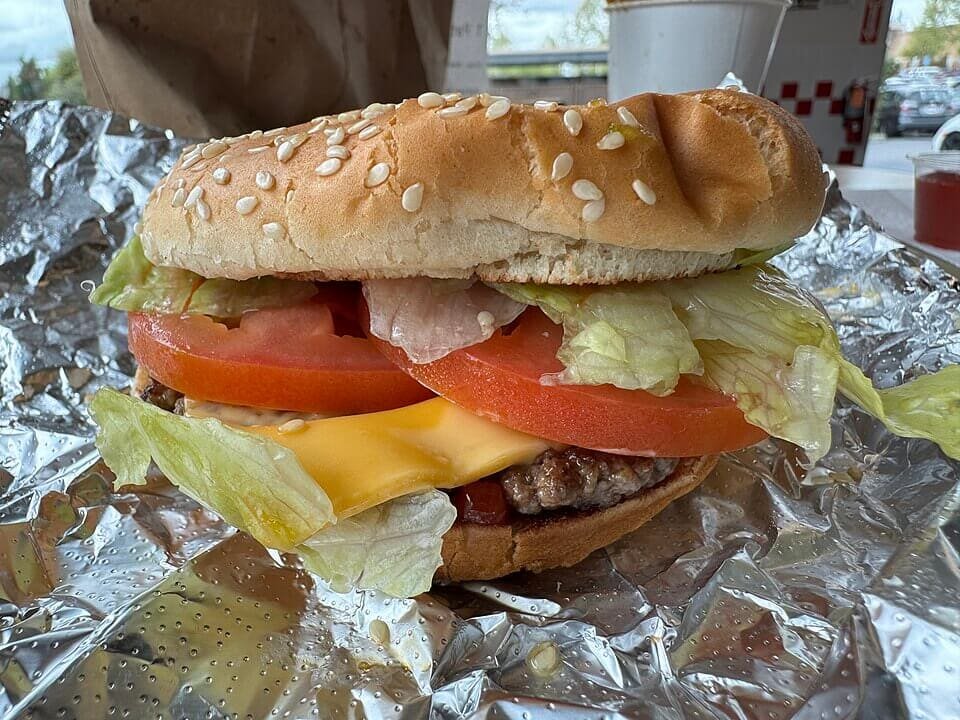
ACSI Rating: 77 | Year-Over-Year Change: N/A | YouGov Category Winner: #1 in Burgers (15.5%)
According to 15.5% of YouGov respondents, Five Guys makes the best fast food burger in America. Burger King trailed at 15.0%, followed by In-N-Out at 12.1%. On burger quality alone, Five Guys outperforms every major competitor.
But Five Guys is also one of the most expensive fast food restaurants in America. A classic cheeseburger runs roughly $12.99 before fries or a drink; a combo exceeds $18 in many markets. A 2024 PlushCare study also identified Five Guys as producing America’s unhealthiest fast food cheeseburger. Respondents still name Five Guys as the best burger in fast food; but price and nutritional concerns weigh heavily on overall satisfaction once the bill arrives.
At 77, Five Guys sits right at the industry average. For a chain that charges a premium and delivers a premium product, landing at average satisfaction suggests something in the total experience; likely sticker shock; is dragging the score down.
Vibe List take: Five Guys is the honest chain. It does not claim to be affordable, healthy, or fast. What it does claim is that it makes an excellent burger with fresh ingredients and unlimited toppings. That excellence is a strong selling point at $18+, but it is a tough sell when Sonic offers a Jr. Deluxe Cheeseburger for $1.99. Five Guys’ ACSI rating reflects the growing tension between product quality and price sensitivity in an inflationary market.
10. Raising Cane’s
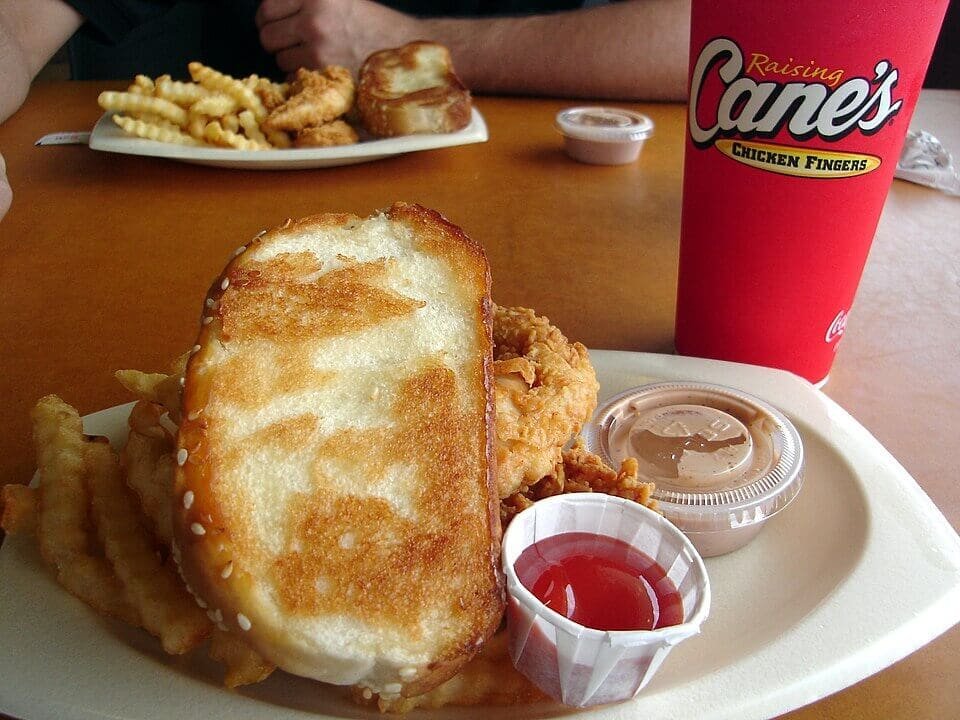
ACSI Rating: 79 | Year-Over-Year Change: N/A (new entrant) | Category Rank: #3 in Chicken
Raising Cane’s debuts in the ACSI at 79, tied with the overall industry average, and ranks third in the chicken category behind Chick-fil-A and KFC.
For a brand that grew from a single Baton Rouge location to over 860 U.S. stores; and is still expanding at a record pace; debuting at the industry average is an exceptionally strong signal.
Raising Cane’s runs one of the most stripped-down menus in fast food: chicken fingers, crinkle-cut fries, coleslaw, Texas toast, and Cane’s sauce. That is the entire menu. That simplicity translates directly to operational efficiency: lower training requirements, fewer kitchen errors, and more consistent output from location to location.
Vibe List take: Raising Cane’s is the anti-Jack in the Box. Where Jack tries to do everything, Cane’s refuses to do anything beyond what it does best. That singular focus produces consistency across hundreds of locations. Cane’s debuted at 79, and we expect that number to climb as it expands into new markets.
9. Starbucks
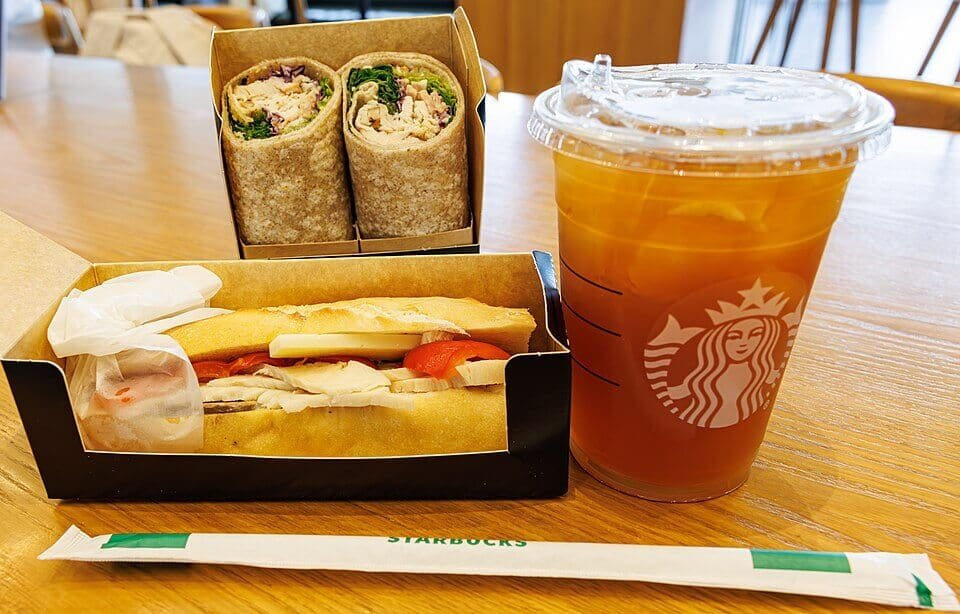
ACSI Score: 79 | YoY Change: -1 | Category Rank: #1 in Coffee
Starbucks slipped from 80 to 79. Despite the dip, it still holds the top position in the coffee and café categories. With roughly 16,900 U.S. locations and a customer base that uses the app nearly every day, Starbucks occupies a category of its own; no other coffee chain comes remotely close in scale.
The one-point drop aligns with broader trends in the fast food app space. As mobile apps become the primary interface for ordering and finding deals, app frustration cuts deeper when there is no in-person fallback. Starbucks’ mobile ordering system; while technologically advanced; has been criticized for creating congestion inside stores as baristas juggle walk-in and app orders simultaneously.
Vibe List takeaway: Starbucks remains dominant in its category at 79, but the trajectory bears watching. A one-point decline in a year when the industry average held flat suggests that the tension between digital convenience and in-store experience is starting to show up in satisfaction data. The company that pioneered mobile ordering now needs to solve the problems mobile ordering created.
8. Subway
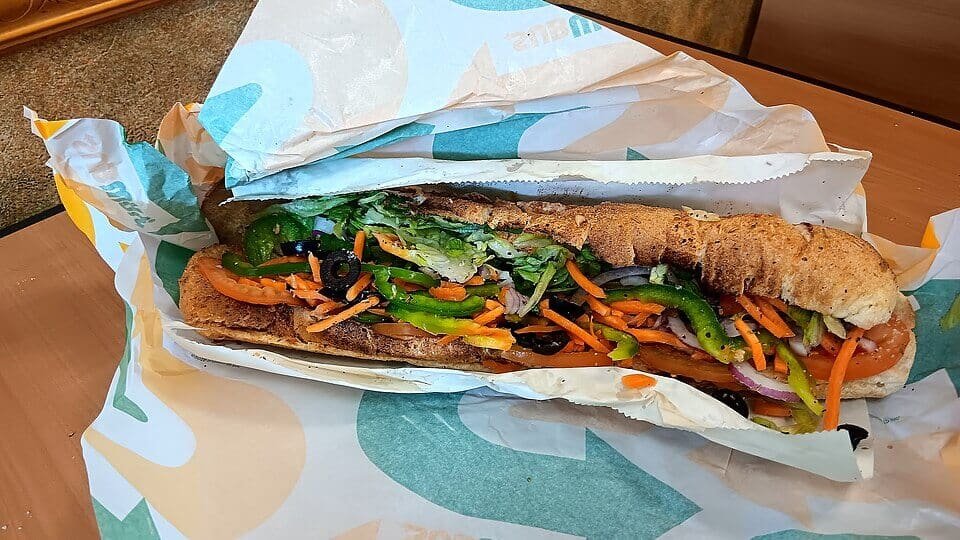
ACSI Score: 79 | YoY Change: +3 | Category Rank: #3 in Sandwiches | YouGov Category Leader: #1 in Deli Sandwiches
Subway gained three points, rising from 76 to 79; one of the largest jumps in this year’s study. This is a chain that closed at least 729 U.S. stores in 2025 as part of a long-running rightsizing strategy. Today, the U.S. footprint sits at roughly 20,000 locations; about 7,000 fewer than the peak of over 27,000. Yet customer satisfaction is trending upward.
It sounds counterintuitive, but the logic is simple: fewer, better stores. By closing weak locations, Subway’s remaining stores are operated more consistently and better maintained. Subway has also overhauled its menu with new bread options, revamped proteins, and a string of limited-time promotions; changes that have helped the brand win back customers it lost over the past decade. According to YouGov, Subway still leads the deli sandwich category in America.
Vibe List takeaway: Subway’s +3 is arguably the most surprising positive story in this report after Sonic’s +4. For years, Subway was the butt of fast food jokes: stale bread, the Jared scandal, and stores that seemed frozen in 2008. The turnaround is not finished, but the data shows real headway. Sometimes the best way to grow is to know which doors to close.
7. Culver’s
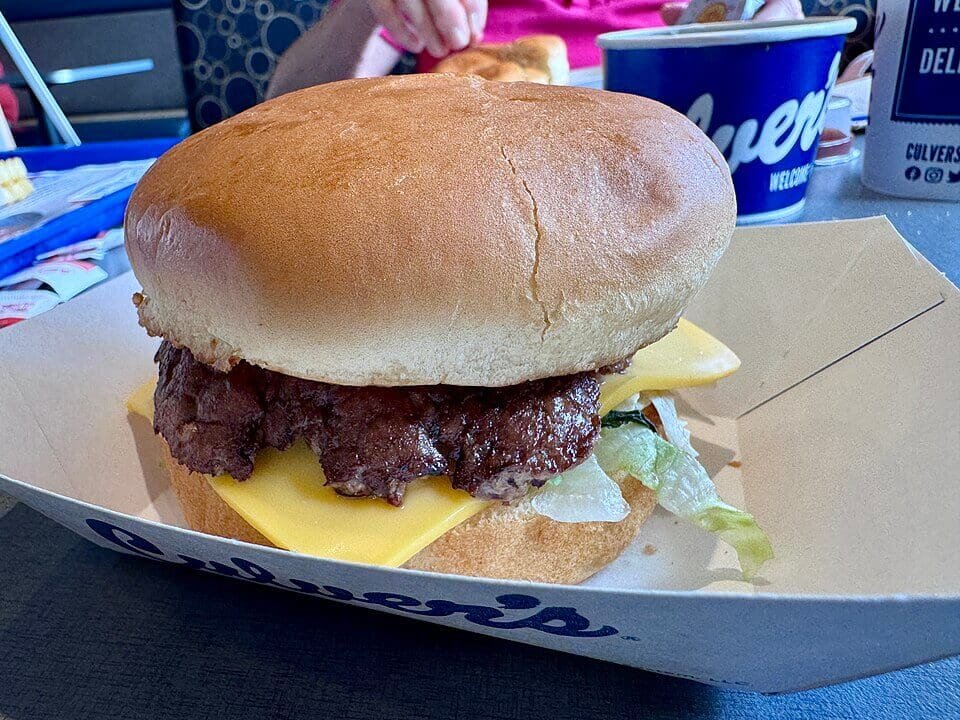
ACSI Score: 78 | YoY Change: 0 | Category Rank: T-1 in Burgers
Tied with Burger King at 78 in the burger category, Culver’s reached that score through a very different approach. While Burger King grew to over 18,000 global locations, Culver’s has slowly expanded to roughly 1,000 stores; mostly in the Midwest and South; with an absolute obsession over made-to-order food and in-store dining.
The ACSI data confirms that Culver’s focus on fresh, made-to-order food and friendly service has been a major differentiator. The ButterBurger, cheese curds, and frozen custard are iconic in Culver’s markets; quality standards the chain refuses to sacrifice for speed.
Vibe List takeaway: Culver’s proves you do not need thousands of locations to dominate a category. Scoring 78 with roughly 1,000 units represents a quality-per-location ratio that would embarrass most mega-chains. The question now is whether Culver’s can sustain those standards as it expands into unfamiliar territory.
6. Burger King
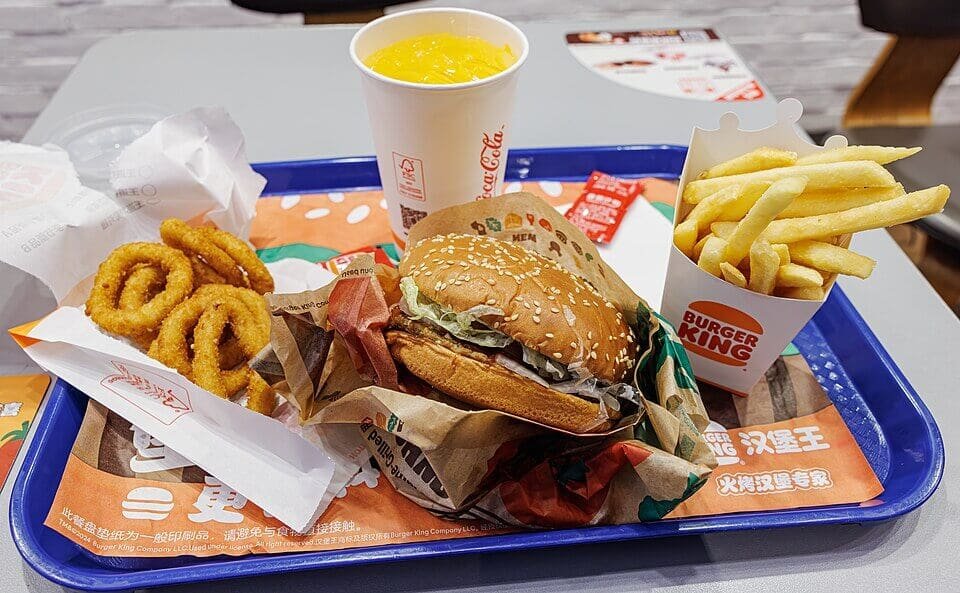
ACSI Score: 78 | YoY Change: +1 | Category Rank: T-1 in Burgers
Burger King’s one-point rise to 78; tying Culver’s for first in burgers; is a direct result of the chain’s multi-year transformation and rebranding effort. The ACSI credited the brand’s gains to continued upgrades in messaging, restaurant design, and the flagship Whopper, while noting that Burger King offers a broader menu than most burger competitors.
YouGov’s data ranks Burger King second for best burger in fast food at 15.0%, narrowly behind Five Guys at 15.5%. The Whopper remains one of the most recognizable fast food items on earth, and Burger King’s flame-broiling method creates a distinct flavor profile that flat-top grills cannot replicate.
Vibe List takeaway: Burger King’s revitalization has been slow, intentional, and quietly successful. The restaurant renovations are visible. The changes to the Whopper are noticeable. A one-point increase in an otherwise stagnant industry gives Burger King bragging rights as arguably the most improved legacy burger chain in America.
5. Little Caesars
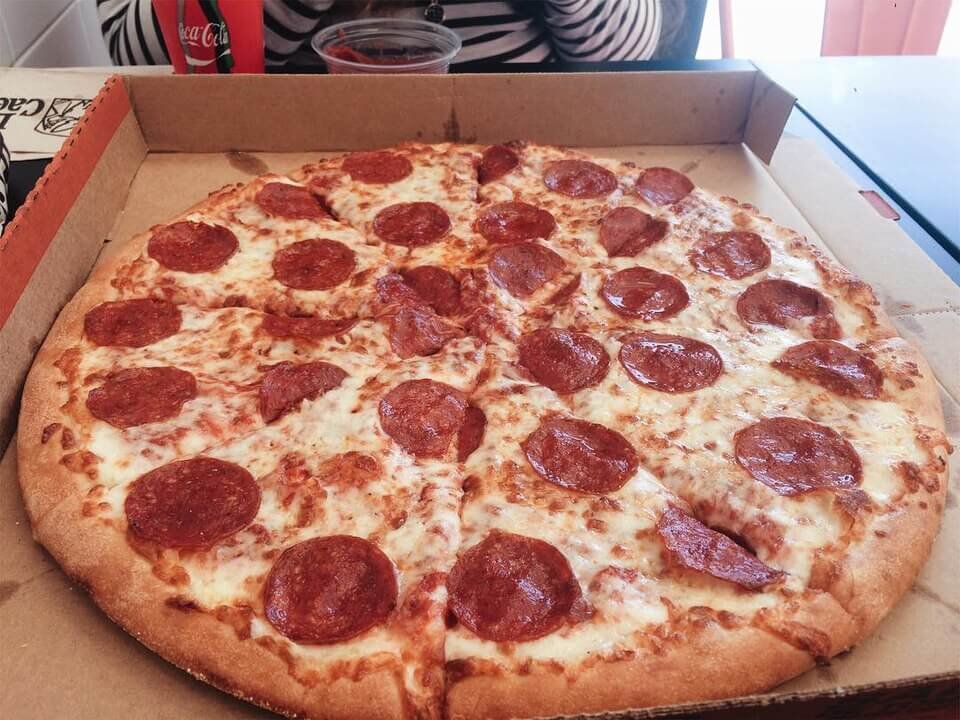
ACSI Score: 78 | YoY Change: N/A | Category Rank: #4 in Pizza
At 78; just two points behind category leaders Papa John’s and Pizza Hut (both at 80); Little Caesars is remarkably well-positioned given the value it delivers. No other pizza chain offers a more aggressive value proposition: the Hot-N-Ready model, a large pepperoni pizza available immediately for $5.55 to $6.99 depending on market.
In a year when consumers are scrutinizing value more than ever, Little Caesars’ entire identity is built around delivering maximum bang for every dollar. Little Caesars does not claim to be gourmet and does not try to rival artisanal pizzerias. It offers hot pizza, immediately, for less money than almost any competitor.
Vibe List takeaway: Little Caesars does exactly what it advertises and nothing more. The Hot-N-Ready model is built for today’s inflation-conscious families who want to feed everyone without spending $40. A score of 78 at this price point reflects exceptional value-adjusted satisfaction.
4. Dunkin’
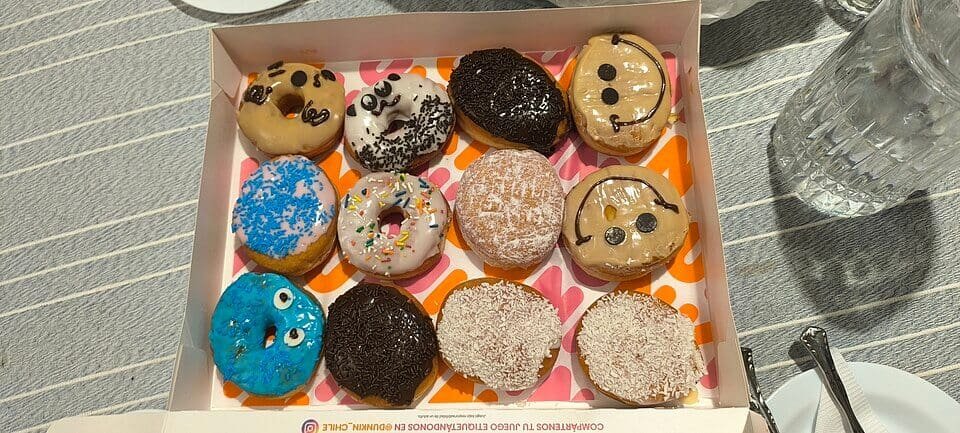
ACSI Score: 78 | YoY Change: N/A | Category Rank: T-2 in Coffee/Bakery (tied with Panera)
Dunkin’ scored 78; one point behind Starbucks in coffee, and tied with Panera in the coffee/bakery/café space. With roughly 9,500 U.S. locations and a role as the de facto morning coffee destination across much of the East Coast, that is a strong, stable showing.
Dunkin’s rebrand from “Dunkin’ Donuts” to simply “Dunkin'” symbolized the company’s pivot away from baked goods and toward beverages. Today, Dunkin’s coffee and espresso lineup competes with Starbucks at a lower price point. The food menu; while secondary to coffee; has expanded into wraps, bagels, and breakfast sandwiches, giving customers a functional meal before work or school.
Vibe List takeaway: Dunkin’ is the blue-collar Starbucks, and it owns that identity proudly. At 78, Dunkin’ delivers solid satisfaction to an enormous customer base without the operational complexity or premium pricing Starbucks demands. In certain markets, Dunkin’ loyalists insist their brand outperforms Starbucks; the one-point gap between them is effectively meaningless.
3. Panera Bread
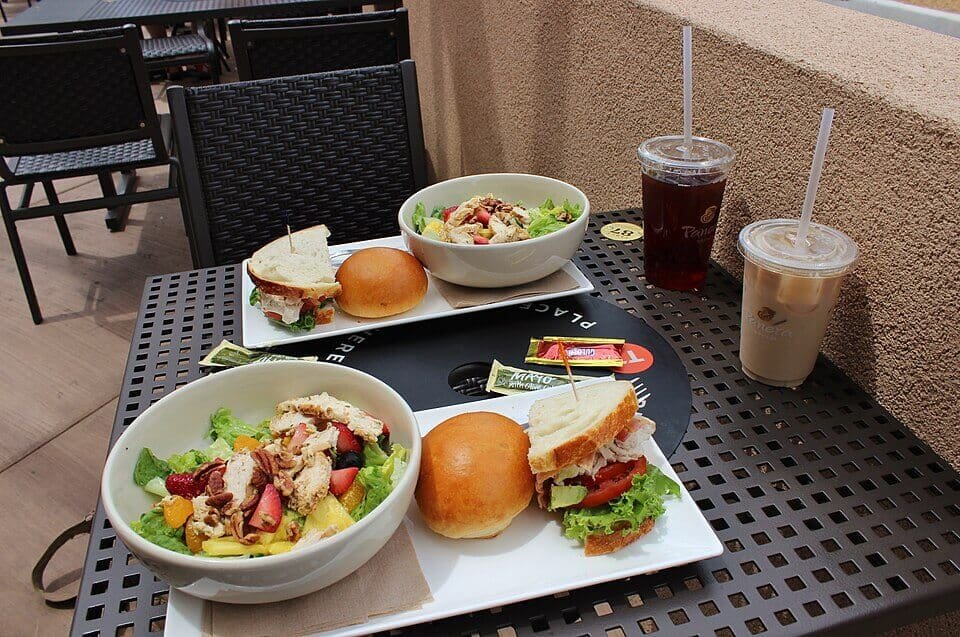
ACSI Score: 78 | YoY Change: -1 | Category Rank: T-2 in Coffee/Bakery
Down one point from last year’s 79, Panera slipped modestly but still sits firmly in the upper tier of fast food satisfaction. Panera occupies an unusual position: technically a fast-casual chain, it competes in ACSI satisfaction rankings alongside traditional fast food brands while its customers perceive themselves as buying higher-quality fare.
For years, Panera has positioned itself as healthier, fresher, and “more real” than its deep-fried competitors; and that differentiation has proven extremely valuable. But as customers scrutinize fast food costs more aggressively, Panera’s premium positioning cuts both ways.
Vibe List takeaway: Panera is the chain where customers choose fast food but refuse to feel like they are eating fast food. That positioning is powerful, but the one-point drop suggests customers are questioning the value proposition more aggressively than before. When a Panera You Pick Two costs $13 and a Subway footlong costs $7, the burden is on Panera to convince customers that “healthier” is worth nearly double the price.
2. Chick-fil-A
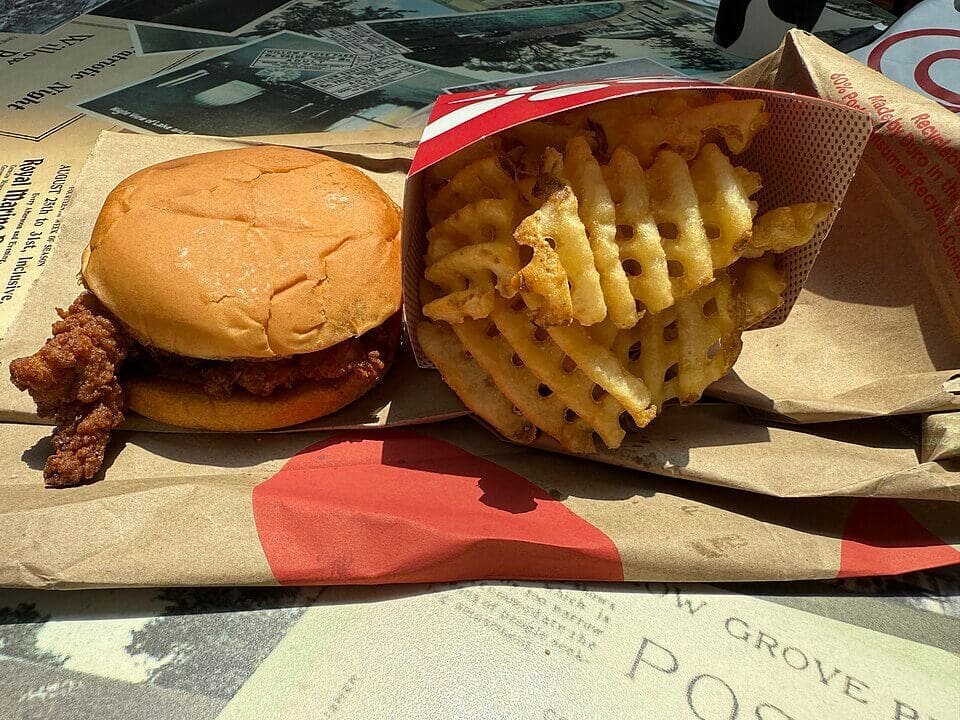
ACSI Score: 83 | Year-Over-Year Change: 0 | Category Rank: #1 in Chicken | YouGov Quality Leader: #1 Overall
For eleven straight years, Chick-fil-A dominated the ACSI’s quick-service rankings. It was the top-rated chicken chain; arguably the top fast food chain, period; and no competitor came close. That eleven-year run ended in 2026 when another brand arrived and scored higher.
A score of 83 is still exceptional. No other chicken chain is within three points: KFC scored 80, Raising Cane’s 79, Wingstop 77, and Popeyes 73. YouGov confirms that Chick-fil-A leads all fast food chains in perceived quality and dominates the chicken category. Systemwide sales reached nearly $24 billion in 2025 across 2,863 U.S. locations; an extraordinary average unit volume. The median freestanding Chick-fil-A produced $9.08 million in sales in 2025. McDonald’s operates nearly five times as many U.S. locations yet generates only about two and a half times the systemwide revenue.
Chick-fil-A added 179 net new stores in 2025, up from 132 in 2024, and is investing $100 million in U.K. expansion and $75 million in Asia, starting with Singapore. Domestic per-unit performance has slowed slightly; median AUV dipped from $9.23 million in 2024 to $9.09 million in 2025; but those numbers remain unmatched by virtually any other operator in fast food. If this qualifies as a “slowdown,” it is the most enviable slowdown in the industry.
There is, as always, an elephant in the room. Chick-fil-A historically donated to organizations that oppose LGBTQ+ rights, a pattern that triggered prolonged boycotts. Although the chain has altered its charitable giving, it remains polarizing in a way few other fast food brands are. Depending on the consumer, this issue either weighs on satisfaction or does not factor in at all. Either way, it is part of the full picture.
Vibe List perspective: Holding an 83 for eleven consecutive years remains the single most remarkable achievement in fast food customer satisfaction history. Delivering that level of satisfaction to millions of customers daily, expanding aggressively, and doing it all while open only six days a week is a feat no competitor has duplicated. Losing the top spot is not a crisis. It is a reminder that leadership is never permanent and even the best must keep earning their place.
Chick-fil-A’s true test will be whether it can replicate this success internationally. Different market conditions, cultural preferences, and competitive landscapes may prove far more challenging than the domestic expansion that fueled its rise.
1. Jersey Mike’s
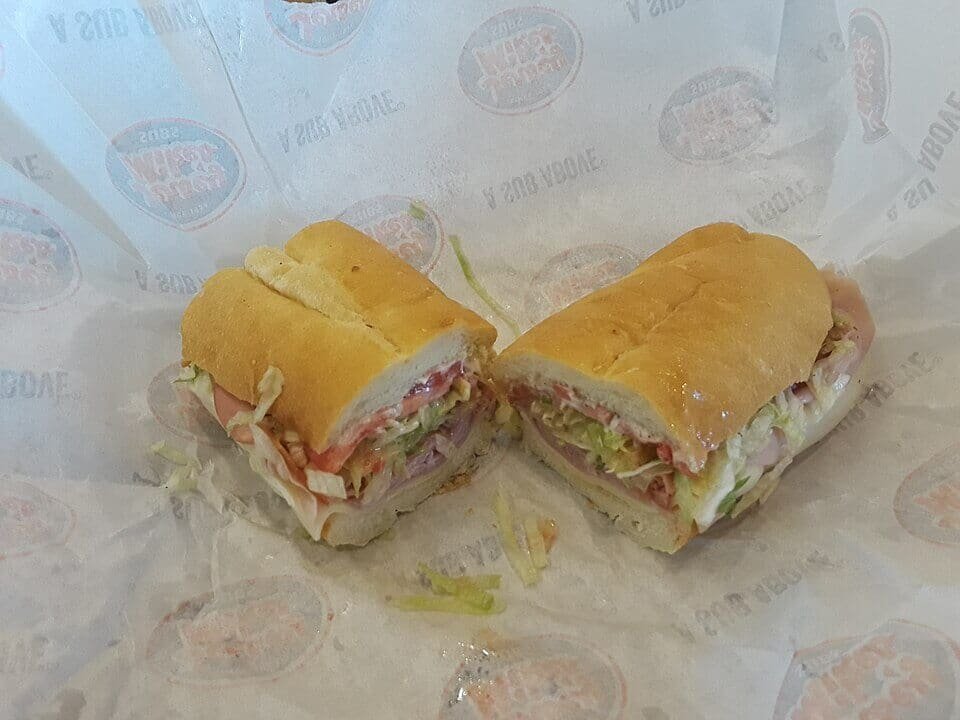
ACSI Score: 84 | Year-Over-Year Change: N/A (new entrant) | Category Rank: #1 in Sandwiches | #1 Overall
A sub shop in Point Pleasant, New Jersey, has been open since 1956. Until recently, nobody outside the Shore seemed to care.
Jersey Mike’s entered the ACSI rankings for the first time in 2026 and immediately took the crown. Its score of 84 out of 100 knocked Chick-fil-A from the top spot after eleven consecutive years. Customers praised the chain for fresh sandwiches, a diverse lineup, and reasonable prices; three factors that carry enormous weight in today’s inflationary economy.
The numbers behind Jersey Mike’s rise: 238 net new locations opened in 2025 and systemwide sales of nearly $4.2 billion. The chain surpassed $3 billion in 2023, meaning it added roughly $1.2 billion in sales over two years while maintaining quality high enough to earn an 84 from ACSI. Jersey Mike’s is also reportedly preparing for an IPO; a defining moment for a private company founded nearly seven decades ago.
What drives Jersey Mike’s success is not complicated. Replicating it at national scale is. Subs are built to order in front of the customer. Bread is baked on-site. Meat is sliced to order by employees working right in front of you. All of this happens in an industry where virtually every other chain prepares food in advance, holds it under heat lamps, and dispenses it in batches. That freshness creates a fundamentally different experience, and customers leave measurably more satisfied because of it.
The ACSI study data backs this up. “In a market defined by trade-offs, customers are placing greater emphasis on consistency, reliability, and perceived value as opposed to just price. Brands that deliver a consistently enjoyable experience are gaining ground.” That describes Jersey Mike’s to a letter.
The Vibe List perspective: Jersey Mike’s did not dethrone Chick-fil-A by being cheaper or faster. It did it by excelling at the things that matter most to today’s consumers: fresh food, consistent quality, and genuine value. Jersey Mike’s debuting at number one is the most dramatic shake-up in fast food satisfaction rankings in over a decade; and it sends a clear message to every chain on this list. Consumers do not reward size; they reward excellence.
Rankings reflect the Vibe List’s weighted methodology: ACSI score (40%), YouGov data (20%), year-over-year trend (15%), category dominance (15%), and editorial opinion (10%). Chains with identical ACSI scores are separated by secondary criteria.
The Quick Reference Comparison Table
| Rank | Chain | ACSI Score | YoY Change | YouGov Highlight | Category Rank | Vibe List Verdict |
|---|---|---|---|---|---|---|
| 1 | Jersey Mike’s | 84 | New | #1 Sandwiches | #1 Overall | The new king |
| 2 | Chick-fil-A | 83 | 0 | #1 Quality (YouGov) | #1 Chicken | Dethroned, not diminished |
| 3 | Panera Bread | 78 | -1 | — | T-2 Coffee/Bakery | Premium under pressure |
| 4 | Dunkin’ | 78 | N/A | — | T-2 Coffee/Bakery | Blue-collar Starbucks |
| 5 | Little Caesars | 78 | N/A | — | #4 Pizza | Value champion |
| 6 | Burger King | 78 | +1 | #2 Burgers (15.0%) | T-1 Burgers | Quiet revival |
| 7 | Culver’s | 78 | 0 | — | T-1 Burgers | Quality per unit leader |
| 8 | Subway | 79 | +3 | #1 Deli Sandwiches | #3 Sandwiches | Comeback story |
| 9 | Starbucks | 79 | -1 | — | #1 Coffee | App-era growing pains |
| 10 | Raising Cane’s | 79 | New | — | #3 Chicken | One menu, zero confusion |
| 11 | Five Guys | 77 | N/A | #1 Burgers (15.5%) | — | Best burger, worst bill |
| 12 | Wendy’s | 77 | N/A | #3 Overall (33.2%); Value Leader | #4 Burgers | Value king, consistency gap |
| 13 | Sonic Drive-In | 77 | +4 | — | #3 Burgers | Biggest gainer of 2026 |
| 14 | Wingstop | 77 | New | — | #4 Chicken | Digital-first test case |
| 15 | Arby’s | 77 | -2 | — | #4 Sandwiches | Trending wrong direction |
| 16 | Taco Bell | 74 | N/A | #1 Tacos/Burritos (30.3%) | — | Biggest brand-score contradiction |
| 17 | Jack in the Box | 74 | N/A | — | — | Identity crisis |
| 18 | Popeyes | 73 | -2 | — | #5 Chicken | Great food, poor execution |
| 19 | Dairy Queen | 72 | N/A | 96% Awareness | — | Coasting on nostalgia |
| 20 | McDonald’s | 72 | +2 | #1 Overall (39.6%); #1 Fries (39.2%) | Lowest Burger | Most visited, least satisfying |
Frequently Asked Questions
What is the best fast food chain in America in 2026?
Jersey Mike’s is the highest-rated fast food chain in America, earning an ACSI rating of 84 out of 100 in 2026. It was the chain’s first year in the survey, and it immediately dethroned Chick-fil-A, which held the top spot for 11 consecutive years.
Why did Chick-fil-A lose its top ranking?
Chick-fil-A did not decline; its score held steady at 83. Jersey Mike’s entered the survey for the first time and scored one point higher. Chick-fil-A still holds the highest ranking in the chicken category and remains one of the highest-scoring brands across all ACSI categories.
What is the most popular fast food chain in America?
McDonald’s is the most-purchased fast food chain in America. According to YouGov’s 2026 Best Bites report, 39.6% of 48,400 respondents said they would choose McDonald’s for their next fast food meal. While McDonald’s is the most popular chain by purchase consideration, it also holds the lowest ACSI satisfaction score among burger chains.
Which fast food chain has the best burgers?
YouGov named Five Guys the best fast food burger chain, with 15.5% of respondents selecting it. For satisfaction, Burger King and Culver’s tied at 78 out of 100 in the ACSI burger category.
Which fast food chain improved the most in 2026?
Sonic Drive-In posted the largest single-year increase of any brand in the 2026 ACSI study. Its satisfaction score rose from 73 to 77. Sonic attributes the jump to its $1.99 value menu and lower overall pricing.
How does the ACSI rank fast food chains?
The ACSI Restaurant and Food Delivery Study is based on 16,464 completed surveys collected via email between April 2025 and March 2026. Each respondent rated their experience at one of the surveyed fast food chains. Scores are reported on a 0-to-100 scale measuring how satisfied customers were with their most recent visit.