

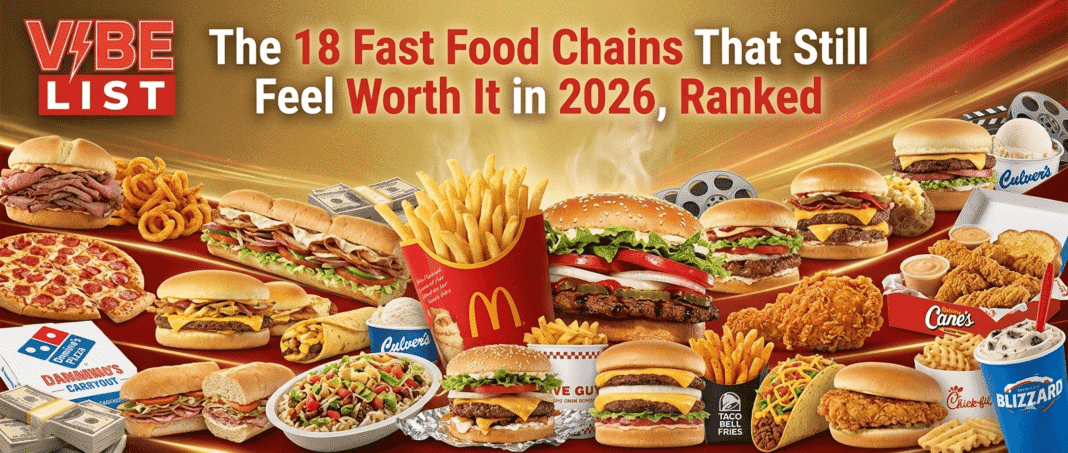
Sixty-six percent of weekly QSR diners chase value menus. McDonald’s reached 66 percent of Americans last year. Taco Bell owns tacos and burritos at 30.3 percent. Domino’s sits at 17.1 percent in pizza. Five Guys leads burgers at 15.5 percent. Wendy’s tops major-QSR value perception, while Chick-fil-A pairs $22.7 billion in system-wide sales with a 35 percent service lead. Even the winning side order arrives as waffle fries “with just the right amount of salt.” In 2026, fast food feels worth it only when price, identity, and execution hit the tray together.
Fast food has always provided something more than speed. At its best, fast food provides a repeatable, little dose of certainty; the same sandwich, the same fries, the same soda, the same logic of convenience, all delivered with a level of consistency that helps to ease the burden of daily routine. However, as of 2026, that base level of promise will no longer be enough. With consumers scrutinizing their receipts closer than ever before, and with chains relying more heavily on loyalty programs and value-added benefits, there’s a growing gap between those restaurants people enjoy and those they don’t, a divide documented in Nation’s Restaurant News and QSR’s 2026 fast-food trends coverage.
Industry reporting notes that today’s consumers are driven by value menus to determine how frequently they visit a particular restaurant. While this isn’t the first time we’ve seen value menus drive frequency, it is clear that today’s consumers are placing greater emphasis on making sure they’re getting a good value for each dollar they spend. Wider trend reporting further indicates that loyalty programs, social media momentum, and operational efficiency are key drivers that separate those chains that grow from those that stagnate, as both Nation’s Restaurant News and QSR’s 2026 trends preview indicate.
Why does that matter? Today’s fast food rankings aren’t solely about popularity. A chain could have tremendous volume without generating enthusiasm. A chain could be extremely cost-effective yet not generate a positive impression. A chain could receive admiration through social media yet not provide the opportunity for customers to create long-term repeat business. Brands that create a lasting impression in today’s fast-paced world are able to strike a balance between three aspects: they have a signature item that customers immediately associate with the brand, they continue to offer products that meet the needs of today’s price-conscious consumer, and they possess enough character to encourage customers to make a conscious effort to dine at the establishment versus dining based on habit. As such, not all of the largest chains generate the highest levels of enthusiasm, and not all of the smaller chains fail to generate enthusiasm.
This article centers on that exact question: which fast food chain is best in 2026 when value, quality, and identity all matter? Not only which chains possess large volumes of customers, not only which chains can provide a value proposition at a low price point, and not only which chains have one popular menu item that consumers know. “Excitement” in 2026 is defined as something more demanding and revealing. Excitement today refers to a signature dish that generates an incentive to stop at the store. Excitement today refers to a perceived value proposition that can be defended. Excitement today refers to service, speed, and overall experience remaining intact in such a manner that the brand is not reliant upon historical reputation. Ideally, excitement today refers to an establishment providing customers with a valid reason to choose the establishment with a certain degree of intent.
In developing this list, we utilized several areas of information including current industry reporting concerning QSR (quick service) trends, YouGov’s consumer research, each chain’s individualized menu identity, Food & Wine’s chef-favorite reporting, and Tasting Table’s burger ranking, alongside the broader performance context supplied by QSR’s 2025 QSR 50. Certain chains are included on this list due to their success in terms of quality and service. Other chains are included on this list due to their dominance within a single category. Lastly, certain chains are included on this list due to their successful ability to create excitement, whereas many chains rely upon hype.
What “Worth It” Means in Fast Food Today
The fastest way to misrepresent fast food in 2026 is to believe that value is only represented by low-cost options. According to Nation’s Restaurant News, citing recent YouGov studies, sixty-six percent of weekly QSR users cite value or discount menus as their motivation for frequent visits. However, the same Nation’s Restaurant News study also reports that quality and customer expectations/loyalty influence where individuals decide to dine. A person may perceive a low-priced meal as poor value if they find the meal unappealing, the service unreliable, or the experience unsatisfying. Conversely, an individual may perceive a higher-priced meal as worthwhile if they find it appealing, distinctive, or satisfying.
This is why so many of today’s strongest brands excel at performing one task exceptionally well. Taco Bell excels at representing affordable novelty. Chick-fil-A represents consistency and excellent service. In-N-Out Burger offers simplicity and excellence in burgers. Five Guys offers respect for burgers in comparison to the total ticket price. Raising Cane’s represents one idea; simplicity and focusing on “one love.” Each of these concepts creates a larger value proposition than the actual cost of the meal. You are not only purchasing calories; you are purchasing a brand that knows what it stands for.
The second aspect that contributes greatly to this is friction. The fast food trend reporting conducted by QSR indicates that loyalty programs, personalization, and frictionless experiences will play an increasing role in driving growth. What may appear to be jargon used by corporate types is truly descriptive of what consumers understand and appreciate directly. Is the process easy to order from? Can it still deliver the item(s) you stopped for without turning the entire visit into an unnecessary inconvenience? In fast food, operational smoothness is part of flavor. When a chain finds ways to optimize its speed, service, and product delivery; it begins to taste better than the food alone warrants.
The third factor is cultural definition. The brands at the top of this list have an easy-to-describe purpose. That is no coincidence. If a brand cannot define why it exists, consumers generally cannot either. In a crowded space; identity defines one of the few remaining competitive advantages. Therefore, regional chains with established local identity tend to perform stronger emotionally against national brands. Additionally, giants with expansive menus often produce less passion than specialists.
How We Ranked These Establishments
This is a hybrid ranking of the best fast food chains; not strictly a sales ranking and not strictly an opinion-based ranking. This ranking combines publicly available data regarding consumer preferences with editor-in-chief opinions regarding menu performance and brand identity, along with whether the overall dining experience still feels defensible in today’s marketplace. Consequently, an enormous national chain can rank poorly if it appears more obligatory than enjoyable. Likewise, a lesser-known regional chain can rank highly if it possesses a more defined reason for existing.
There were two primary considerations in developing this list: current perceptions regarding value offered by each chain relative to others in its peer group and current perceptions regarding quality of offerings provided by each chain relative to others in its peer group. Secondary considerations include: strength of service reputation; strength of category ownership; recognizability of signature offerings; measurable proof of scale/momentum; and overall cultural relevance. Also considered was whether a given chain currently feels like an active destination for customers as opposed to simply serving as an alternative option. Put differently; these are fast food chains ranked by current defensibility, not by historical nostalgia alone.
Finally, it should be noted that this ranking is limited to chains that still feel worthy in 2026; not necessarily the greatest fast-food chains historically speaking. Brand history is important in this regard, but only to the extent that the history continues to contribute positively to the current state of being for each respective chain.
18. Dairy Queen
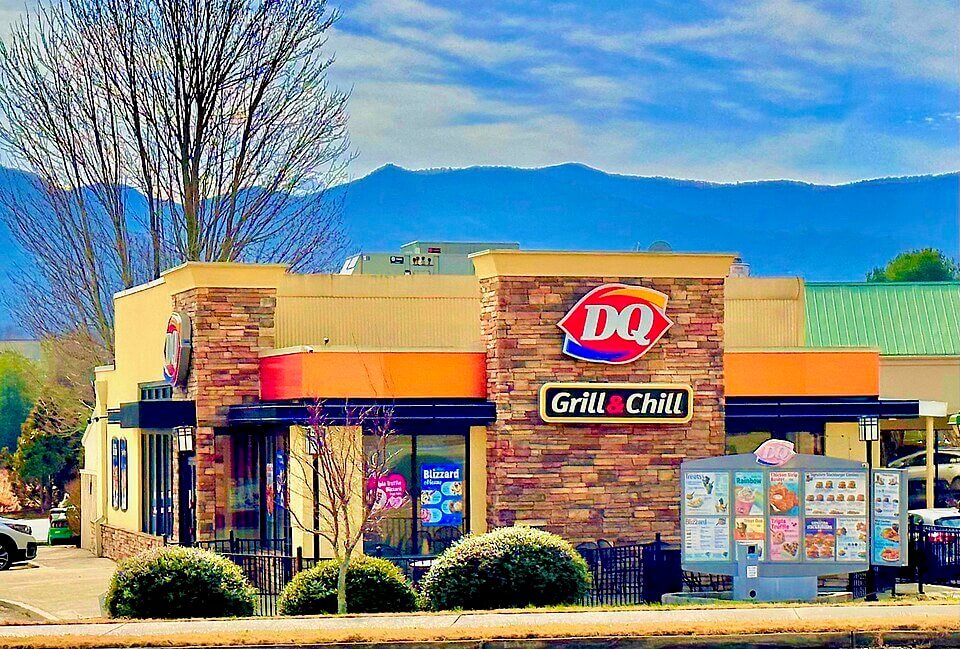
Dairy Queen ranks in 18th position on this list despite being positioned strongly. From one perspective, Dairy Queen does not lead conversations surrounding mainstream fast food; primarily due to its focus on ice cream sandwiches and desserts as opposed to burgers or fried chicken. However, Eat This, Not That! and Dairy Queen’s official menu both support the idea that Dairy Queen remains a favorite among fast-food fans; particularly among those who prefer casual dining options.
Eat This, Not That!‘s 2024 popularity-based ranking, built from YouGov data, placed Dairy Queen at No. 1 in that popularity snapshot. Separately, Nation’s Restaurant News, citing YouGov’s 2026 restaurant-brand data, put Dairy Queen in the top 10 on value (10.3 net), top 10 on quality (17.4 net), and at 22 percent consideration for the next purchase. Those results indicate that Dairy Queen enjoys deeper consumer goodwill than louder chains often receive credit for.
However, what limits Dairy Queen’s ability to move higher on this list is not dislike; it is breadth. The emotional core of Dairy Queen is still largely centered around treats rather than full meals for oneself or family members. Even Dairy Queen’s official menu offerings emphasize the company’s treat-centric approach via its Blizzard offerings, classic treats, and dessert-first branding vocabulary. This is a true strength; however it also indicates that Dairy Queen typically wins as a specialty stop as opposed to as a comprehensive fast-food solution.
Therefore, although it would be an error to categorize Dairy Queen as a nostalgic holdover, it is worth noting that Dairy Queen has maintained considerable goodwill among consumers during a period when many fast-food brands have experienced decreased appeal due to their increased optimization efforts combined with diminished emotional resonance. Consumers do not maintain brand recognition through nostalgia unless the brand provides satisfaction for a unique type of craving or need.
It should be noted that Dairy Queen does not possess as wide of an appeal as some larger brands; however consumers still appear willing to support Dairy Queen due to its reliability. Given today’s criteria for selecting a fast-food establishment, Dairy Queen appears capable of meeting both value and quality expectations through its ability to provide consistent service while maintaining an affordable offering.
As such, although Dairy Queen may not elicit strong emotions or inspire full-on cravings in the same way that higher-ranked brands do; it continues to provide substantial utility through its reliable service offerings.
17. Arby’s
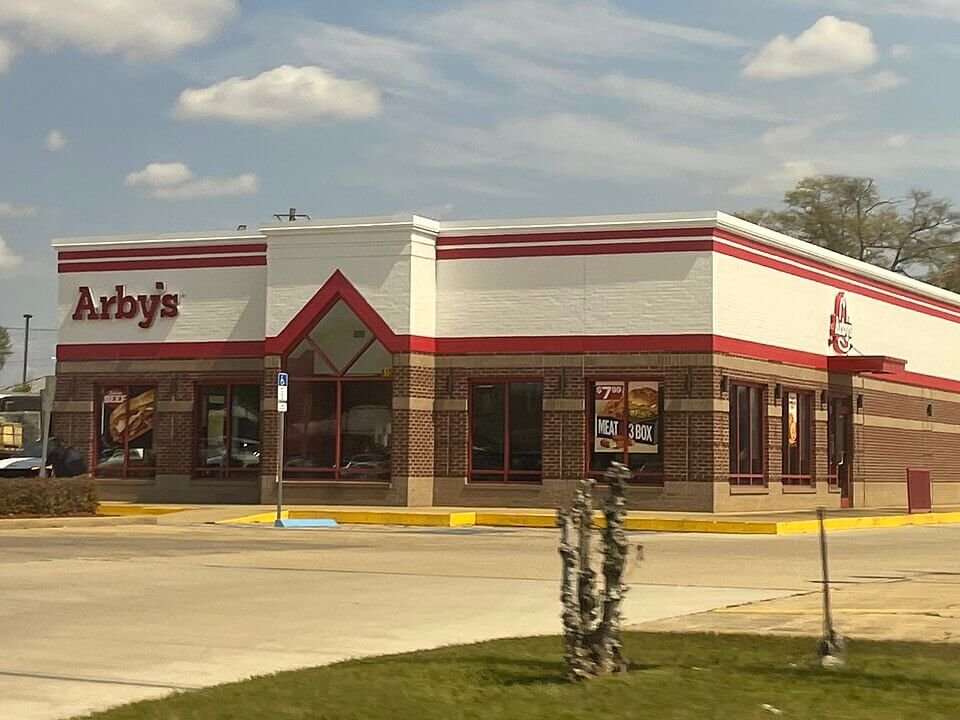
Arby’s has successfully capitalized on the fact that few fast-food establishments evoke interchangeability as much as Arby’s. Within a crowded fast-food landscape dominated by identical-looking burgers; Arby’s maintains a uniquely identifiable character shaped by roast beef offerings, curly fries, deli-style excessiveness, and menu choices that keep the brand from feeling generic, a point that Eat This, Not That! also reinforces in its popularity snapshot.
Based upon Eat This, Not That!‘s 2024 popularity-based ranking, which utilized YouGov data, Arby’s ranked No. 17 among fast-food establishments; which is a reasonable placement considering Arby’s serves as an outlier within its peer group by virtue of its distinctiveness.
Arby’s problem is that having uniqueness does not equate with indispensability. Although Arby’s continues to boast one of the most recognizable fry styles within fast food, and curly fries represent perhaps its clearest cultural asset; Arby’s is unable to claim leadership status within any notable category.
It is not the largest burger chain; it is not the leading chicken chain; it is not the dominant fry chain; it is not the lowest-priced chain; nor is it the best service provider. Rather, Arby’s falls somewhere in between these categories; evoking guarded respect from critics rather than ardent fan loyalty.
Despite this; Arby’s still deserves inclusion on this list since variability in form matters significantly within fast food. A chain attempting to serve as the secondary-best option for burgers will never surpass a chain committed entirely to being the first choice for those seeking similar characteristics.
Consequently, while Arby’s may not be positioned at the forefront of emerging trends within fast food; it still exhibits characteristics associated with possessing a vision.
16. Subway
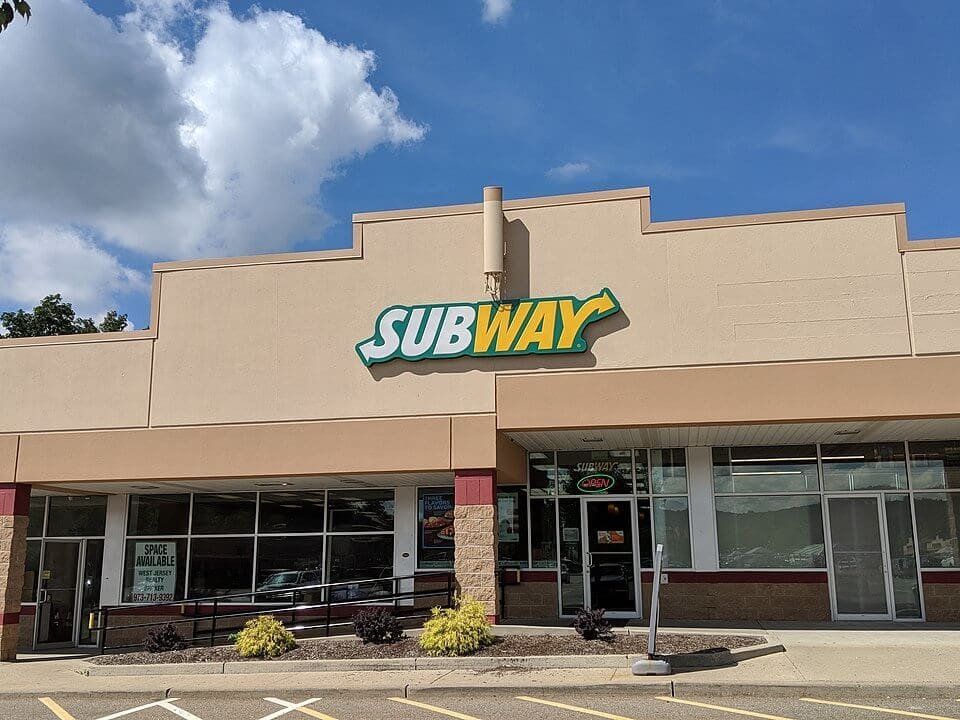
Although Subway remains one of the most functional fast-food chains within America; in 2026 functionality still plays a significant role in determining where individuals eat. Utilizing YouGov’s sub-chain analysis reveals Subway leads all sub-chains in terms of value, fast service, consideration, and purchase intent. Twenty-four percent of respondents identified Subway as producing the best deli sandwich within YouGov’s sub-chain analysis, and continued strength within youth demographics indicates that Subway remains accessible within everyday decisions made by consumers.
Therefore, for sheer usefulness; Subway remains difficult to dismiss.
Subway’s weakness lies not in quality; but in failure to generate sufficient enthusiasm throughout this ranking designed specifically around “worth it.” Subway’s menu presentation focuses exclusively on promoting savings, simple rotational promotions, and convenient group-ordering processes; all consistent with Subway’s image. However, this also illustrates Subway’s limitations; Subway tends to win prior to consuming anything.
Subway wins through ubiquity; convenience; pricing strategy. Such qualities comprise elements of power in fast food; but do not constitute deep menu allure.
What continues to prevent Subway from falling behind weaker chains is consumer willingness to reward Subway for consistency across multiple dimensions including reliability in service offerings; pricing; and overall affordability. Quality and value are presently the top drivers for consumers choosing where they dine within fast food; therefore Subway’s capacity to score well on both service delivery and affordability allows Subway additional longevity than trendier brands receive credit for.
While Subway may not generate excitement for consumers; Subway continues to exhibit utility for millions of consumers who recognize its strengths and capabilities.
15. Burger King
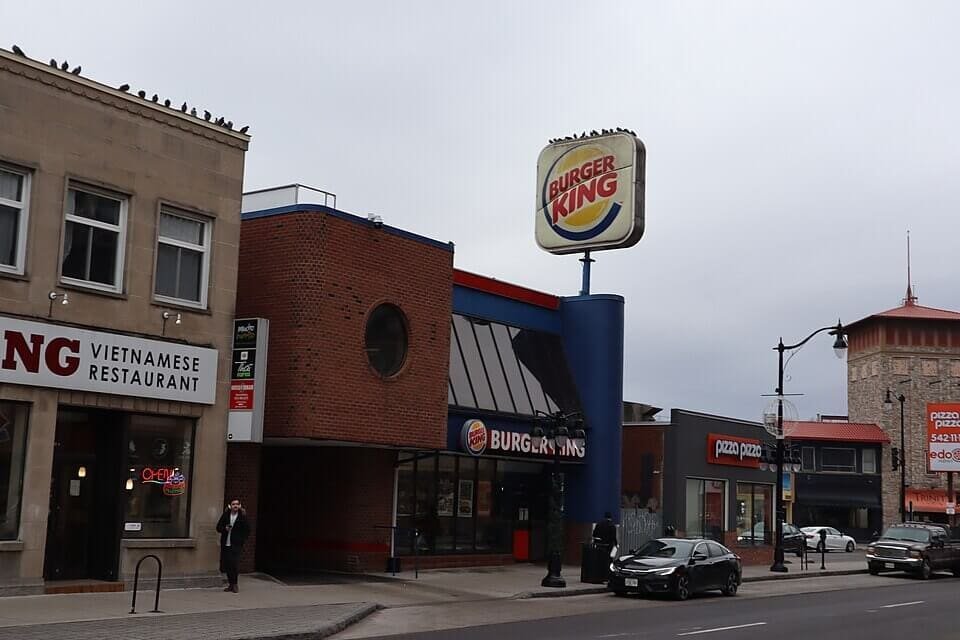
Burger King continues to be one of the strongest examples of legacy scale still creating consumer traction. According to YouGov’s category reporting, Burger King is the second most named brand, behind Five Guys, in the burger conversation, with 15.0 percent of Americans citing Burger King as their first choice for burgers. Also, according to Nation’s Restaurant News‘ recent QSR value-perception list, Burger King was listed within the top 10 QSR brands based on perceived value by consumers, and it is listed ahead of several chains with greater prestige but fewer affordable options.
This is the strongest case for Burger King in 2026. People continue to consider it both native to burgers and reasonably affordable. The homepage identity for Burger King still relies upon Whopper symbolism and language that keeps the Whopper and burger customization at the center of the story. As such, Burger King has not lost the underlying story. At a time when many brands have blended together into generic menu sprawl, Burger King still has at least one true brand story at its core.
However, why is it not ranked higher? Because Burger King feels like a brand that exists due to familiarity more than momentum. Burger King has great recognition, footprints, and product history. However, relative to the chains directly above it, Burger King doesn’t appear to own the mood of the marketplace. It is relevant; however, it appears less sharp, less culturally significant, and less totally trustworthy than the brands moving up into the top half.
14. Little Caesars
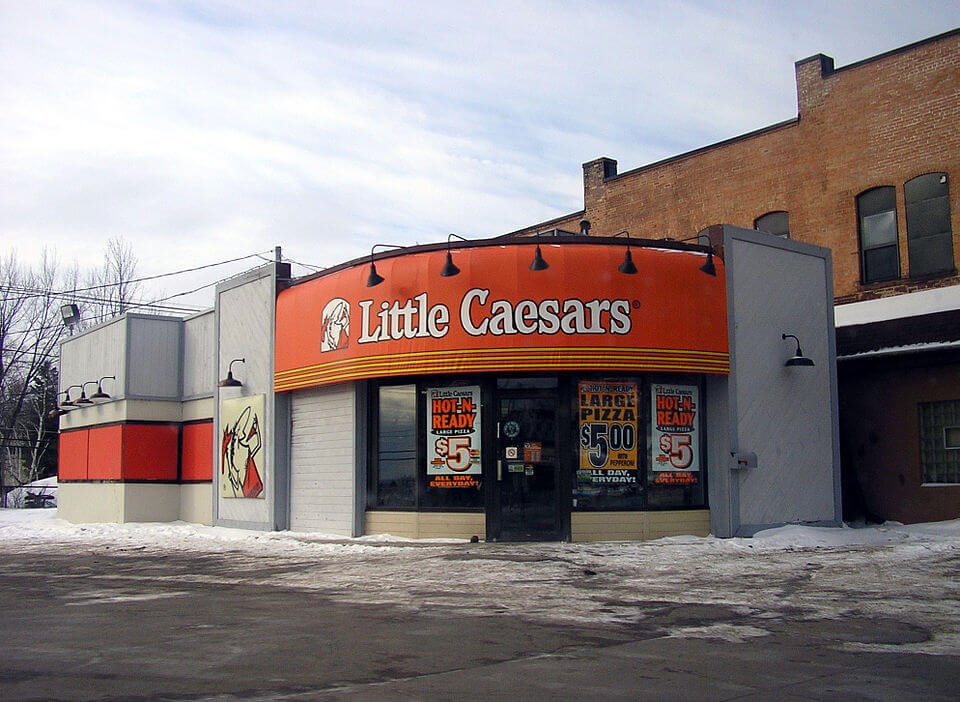
Little Caesars has perhaps one of the cleanest value propositions available in the entire fast-food landscape. That is why it finds itself here. When the economy impacts the category and economic pressure becomes the primary weather condition for the category, chains that provide fast, affordable solutions to hunger will grow more important, not less. Nation’s Restaurant News included Little Caesars in the Top 10 QSR Brands by Value Perception, and Eat This, Not That! rated it No. 12 in terms of popularity among the chains studied.
Little Caesars is rarely talked about with the reverence reserved for elite burger or chicken chains. However, that ignores the point of Little Caesars. The brand’s central value proposition isn’t culinary romance. Rather, it is practicality. Its official website continues to highlight promotional pricing, special deals, and a low-friction method of purchasing pizzas that feels nearly brutally honest about what Little Caesars is providing. When consumers are carefully monitoring every restaurant dollar they spend, there is more power in being direct than in asking customers to spend more money on an unclear promise.
Although Little Caesars solves the affordability problem more effectively than many of the chains ranked above it, it is not as successful in generating similar levels of loyalty to its products or services. While Little Caesars provides a very effective solution to customer needs related to convenience and cost; it is less effective in persuading customers that Little Caesars is the fast-food brand they most desire.
13. Domino’s
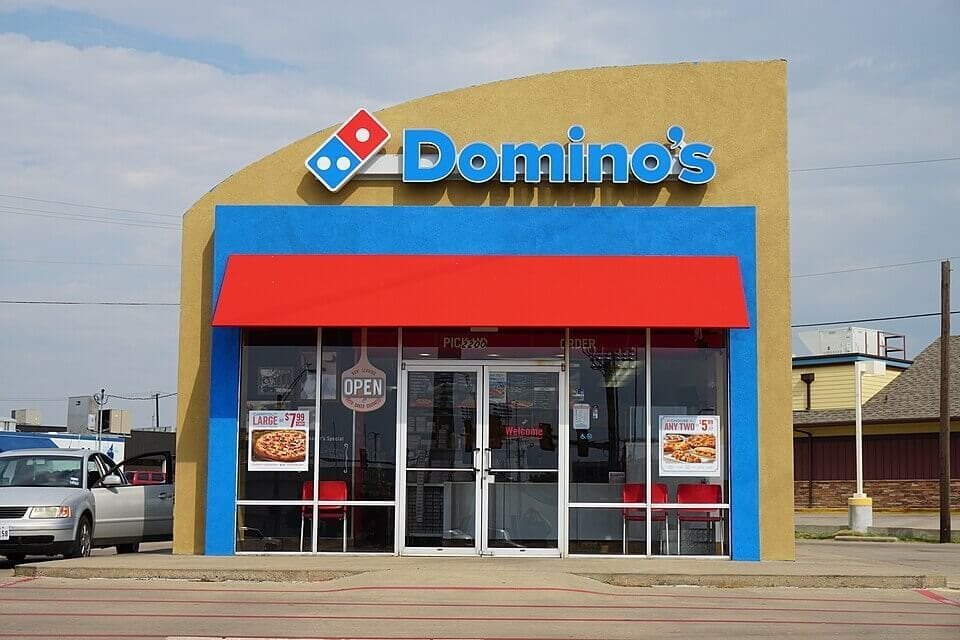
Domino’s has emerged as one of the most operationally sophisticated brands in quick service, and that matters far beyond what some food purists would wish to believe. QSR’s 2025 QSR 50 includes Domino’s as one of the leading U.S. quick-service chains; and YouGov’s brand-category findings positioned Domino’s as the second-most-preferred pizza brand at 17.1 percent, just behind Pizza Hut. Therefore, Domino’s remains one of the two most important national pizza brands in fast food, even if it is not always the most romanticized one.
Because of the operational sophistication and value logic embedded in Domino’s digital messaging, its official website continues to support that conclusion. The front page is filled with carryout promotions, menu combinations, and frameworks for bundling items. Domino’s does not try to woo customers into believing it is artisanal. Instead, Domino’s tries to make your buying decision simple mathematically. That type of clarity regarding customers’ ordering behaviors supports why Domino’s matters so greatly today. It recognizes that for a large portion of pizza demand, the actual experience of consuming a pizza begins with reducing friction.
Domino’s is ranked higher than Little Caesars because it incorporates value logic with a strong understanding of the systems involved and a much higher ceiling in the national pizza hierarchy. However, Domino’s is ranked lower than the top 12 chains because despite its technical superiority and excellence in logistics, Domino’s still feels more like a logistical champion than a culturally dominant obsession. Domino’s wins because it gets things done well; but winning in that fashion in 2026 is a form of worth; though certainly not the most exciting form of worth.
12. Whataburger
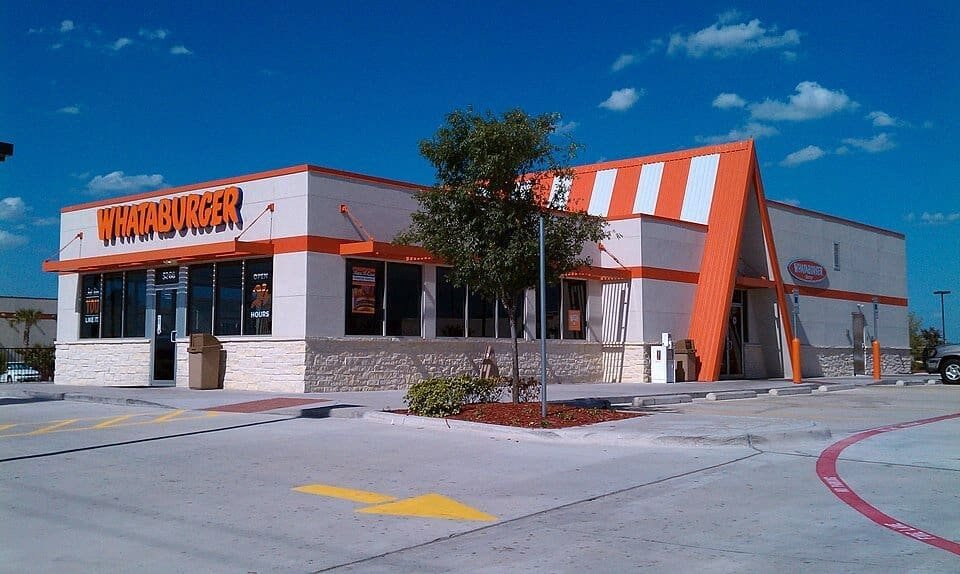
Whataburger continues to represent one of the strongest examples of regional intensity rivaling national ubiquity in fast food today. Food & Wine selected Whataburger as Texas’s representative fast-food chain, and Whataburger was also highlighted by Food & Wine’s chef-favorite fast-food feature, which noted its Breakfast Taquito as a standout order. That represents an important combination: place-based loyalty plus specific menu love. That indicates Whataburger is not simply another symbolically regional brand. Rather, Whataburger is a brand that continues to win on actual memories associated with eating its food.
Whataburger’s greatest strength has always been that it feels like a brand people live with versus visit on occasion. Even though the official menu page does not include clean descriptive copy of individual items available in crawl format; the brand’s menu and nutritional-information pages clearly demonstrate how extensive the platform is for everything from burgers to breakfast to taquitos. While that breadth helps; a bigger asset for Whataburger is its emotional connection. Whataburger is one of the few brands remaining that ties emotion to habit, geographic location, and personal rituals in a manner that more generic national fast-food brands typically don’t.
As such, Whataburger is relegated from being considered within the top 10 brands because this ranking continues to emphasize brands with stronger current consumer-data leverage or sharper national category dominance. Nevertheless, Whataburger is an excellent example of why fast food can create a tangible identity for its customers; and it doesn’t feel like an algorithmically generated menu board. Rather, it feels like a place worth defending.
11. Jersey Mike’s
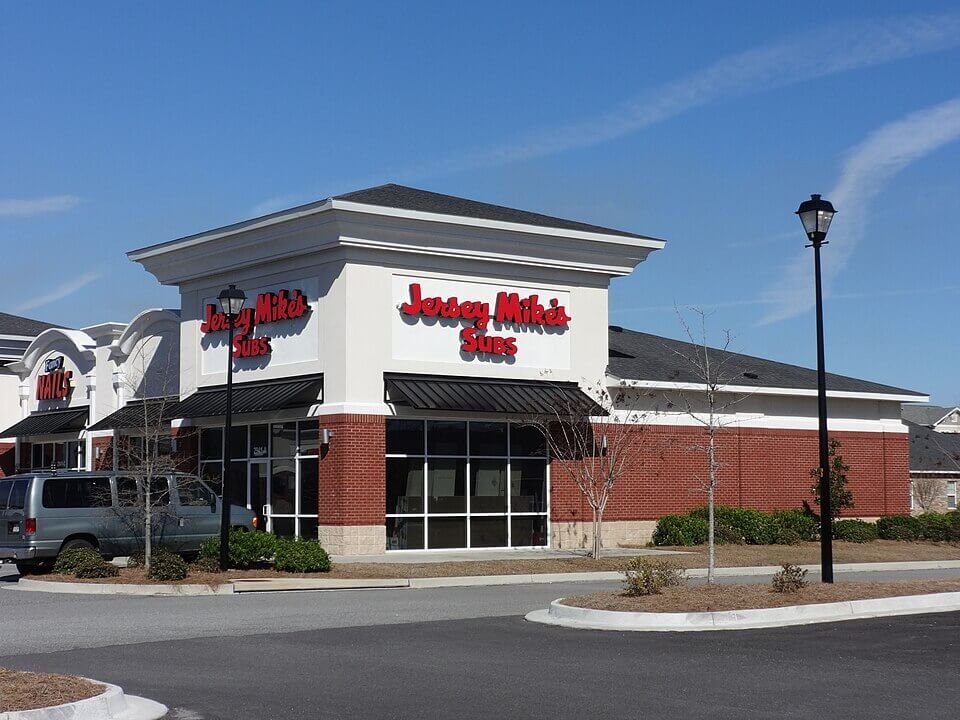
Jersey Mike’s is arguably one of the best representations of a “quality beats ubiquity” story in quick service today. Based upon YouGov’s sub-chain comparisons, Jersey Mike’s demonstrated the highest quality scores among the major sub-chains, outperforming Subway, Jimmy John’s, and Quiznos on this measure. Additionally, Food & Wine named Jersey Mike’s as New Jersey’s most iconic fast-food outlet; reinforcing that Jersey Mike’s has continued to benefit from a uniquely authentic regional-based identity.
Jersey Mike’s quality-first reputation represents a critical component of its fast-food appeal. Many fast-food chains deliver burgers; many deliver sandwiches; however, few successfully convey that their offerings are substantially better than others within their categories. With respect to subs specifically; Subway delivers value, speed, and mass consideration; whereas Jersey Mike’s positions itself as an intentional selection for customers seeking quality rather than mere convenience.
Based upon these factors alone; Jersey Mike’s should be significantly higher on this list. However, sub-chains occupy a smaller emotional space compared to burger, chicken, and taco brands within the top dozen; therefore Jersey Mike’s cannot advance past the top 12 brands based solely upon emotional affinity.
Nevertheless; among those chains demonstrating meaningful enhancements to their respective lanes without sacrificing mass appeal; Jersey Mike’s is likely one of the most impressive.
If the goal of fast food is ultimately to provide an experience that makes you feel confident in your decision-making processes quickly; then Jersey Mike’s is able to accomplish that objective more frequently than most other brands within the industry.
10. Chipotle
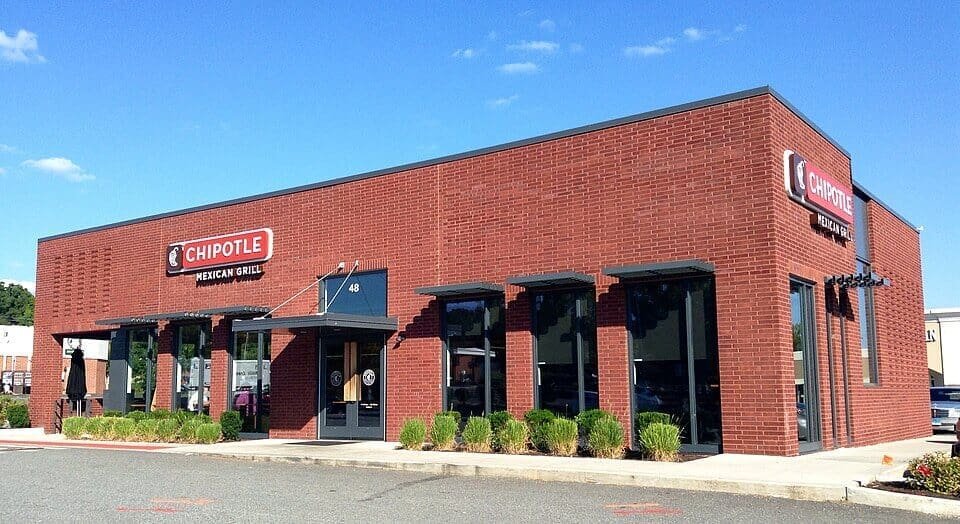
Chipotle is one of those rare category heavyweights in fast food that necessitates clarifying your definitions. On virtually every metric of measurement; Chipotle is a behemoth. QSR’s 2025 QSR 50 reports Chipotle’s massive scale, rapid store expansion, and impressive digital capabilities of $3.9 billion in digital sales with a 35 percent digital mix; making it clear that Chipotle possesses reach and performance commensurate with elite status in the industry.
Therefore; Chipotle is ranked No. 10 rather than breaking into the top tier primarily because its emotional pull is weaker than the brands above it. Although Chipotle possesses tremendous strength relative to competition across virtually all metrics measuring success in fast food today; including quality perceptions and customer-satisfaction strength; Chipotle tends to command lower emotional allegiance than the competitors ranked above it.
While this does not diminish Chipotle’s stature as a highly relevant brand within the fast-food category; it contributes to why Chipotle falls short of ranking within the top tier of fast-food brands today.
In summary; while “worth it” is indeed about indulging; it encompasses much more than simply indulging. Chipotle remains one of the most compelling representations of how many individuals seek to consume food today; customizable, protein-forward, and easy to repeat through digital ordering.
Within an environment where friction plays an increasingly significant role; Chipotle has evolved into one of the most efficient operators capable of establishing repeatable habits.
9. Culver’s
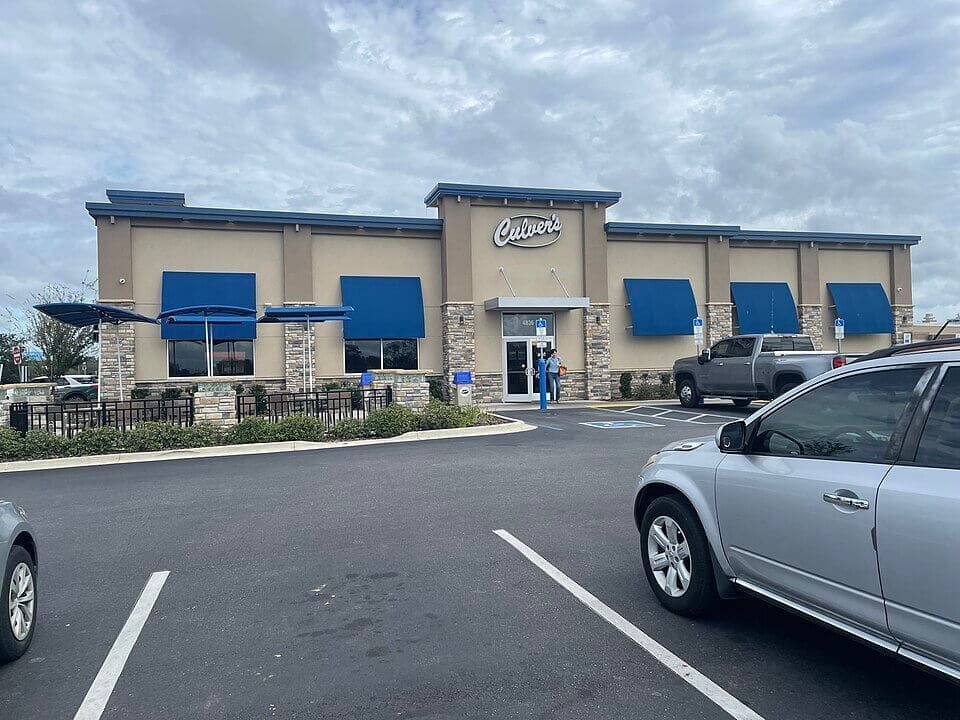
Culver’s is one of the most impressive examples of how fast food can present itself as caring about its guests’ experiences during consumption. The brand positioning at Culver’s centers around cooking-to-order ButterBurgers; a lightly buttered toasted bun; fresh frozen custard produced in small batches; along with a hospitality promise centered upon Midwestern warmth. Food & Wine designated Culver’s as Wisconsin’s most iconic fast-food chain; while Tasting Table praised Culver’s ingredients and burger preparation.
Together; these statements illustrate a brand whose appeal lies across multiple product lines; not simply a singular product line such as burgers.
That multi-product appeal represents why Culver’s ranks so highly.
Many restaurants offer burgers; many restaurants offer frozen treats; and many restaurants attempt to project hospitality as a characteristic of their service-delivery models; but Culver’s stands apart from its peers in presenting all three ideas as interdependent characteristics.
Thus; Culver’s presents itself as a more complete experience than many other comparable peer groups.
Guests visiting Culver’s can enjoy an ice cream treat while experiencing the brand as a destination for families; while a burger enthusiast can enjoy their preferred burger style on a foundation created by Culver’s; while a guest simply looking for comfort can experience all aspects of Culver’s offering.
Within fast food today; that type of cross-occasion usefulness represents tremendous value.
Culver’s will remain outside the absolute top tier because its national cultural influence still pales compared to those of its top eight peers.
From a purely guest-experience standpoint; however; Culver’s consistently exceeds expectations for many guests more often than most peer groups.
If one considers that one aspect of fast food is feeling confident in selecting options quickly; Culver’s enables guests to achieve that sentiment more frequently than most competing peer groups.
8. Wendy’s
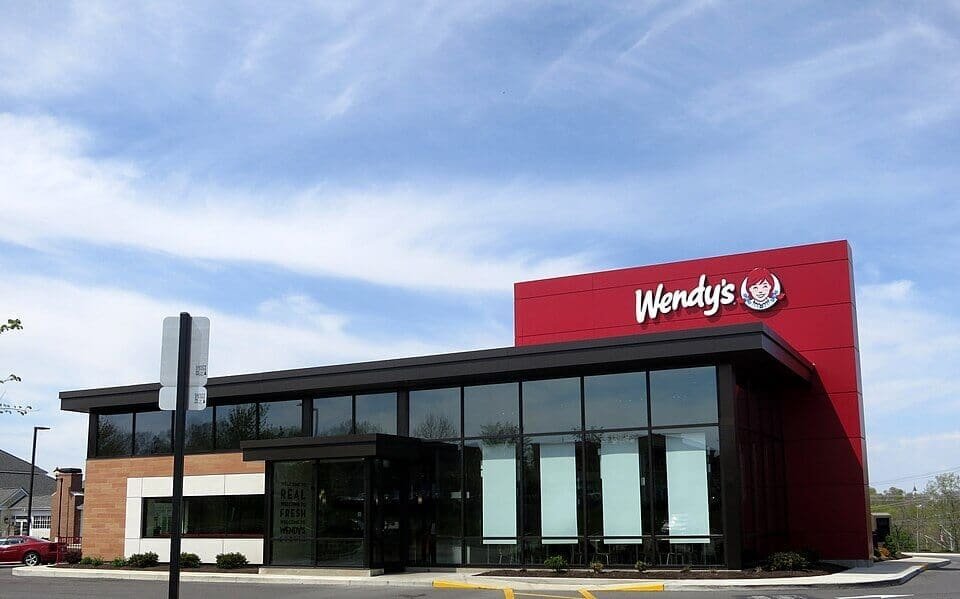
Wendy’s qualifies for placement at No. 8 because it presently embodies balance in a way few quick-service brands do, a position supported by Nation’s Restaurant News and Eat This, Not That!.
Nation’s Restaurant News, using YouGov’s 2026 restaurant-brand data, reported that Wendy’s ranked No. 1 on value among major QSR brands, while Eat This, Not That! placed Wendy’s No. 3 in popularity. Taken together, those indicators show that Wendy’s remains one of the rare chains that can credibly claim both affordability and broad appeal.
These indicators suggest that Wendy’s not only retains relevance but performs well on multiple criteria; thus placing Wendy’s above numerous other peers.
Wendy’s does not frequently emerge as an exceptionally dramatic player in quick service; and that represents part of Wendy’s appeal.
Wendy’s value proposition feels believable; its burger identity still prevails; and its sides-and-toppings vocabulary allows sufficient texture to prevent genericization.
Even Wendy’s own Fries & Sides page communicates confidence regarding potato-centric choices while casually foregrounding customization.
It may seem insignificant; but it illustrates a larger reality about Wendy’s: Wendy’s often feels stable; rather than over-engineered.
Wendy’s will not enter the top five because it lacks strong single-category dominance or stronger cultural fixation than its competitors; however, few peer brands can combine affordability, credibility, and menu familiarity as effectively as Wendy’s.
While Wendy’s may not be an obviously loud victor in fast food; Wendy’s has proven itself as an enduring presence; and that stability matters greatly in 2026.
7. McDonald’s
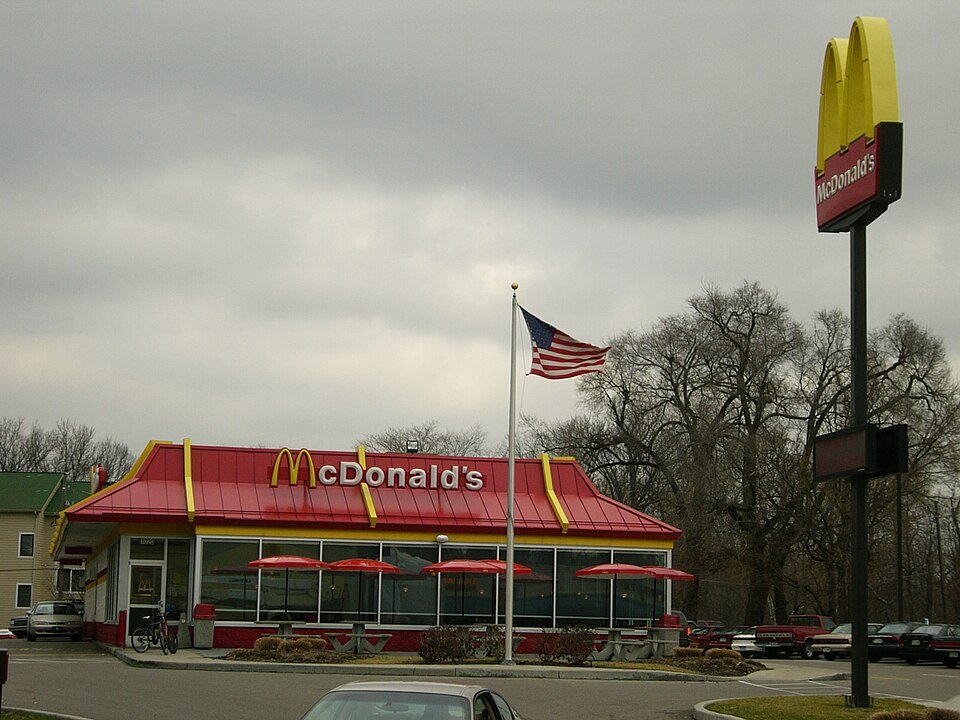
McDonald’s is America’s dominant force in fast food; and both its biggest competitive advantage and potential weakness. According to YouGov’s 2025 fast-food behavior survey, 66 percent of Americans visited McDonald’s within the past year, which makes it the country’s most-visited fast-food chain in that dataset. Nation’s Restaurant News, citing YouGov’s 2026 restaurant-brand rankings, also reported that 39.6 percent of Americans consider McDonald’s for their next purchase; more than any other major QSR brand. YouGov’s category reporting further identifies McDonald’s as the leader on fries.
These facts alone would certainly merit placing McDonald’s in a higher position in our evaluation. However, to determine whether it is truly “worth it,” we need a more nuanced evaluation than simply measuring dominance. While the sheer size and ubiquity of the chain represent significant forms of power, there is a certain level of detachment present with regard to the emotional aspect. For instance, many consumers report visiting McDonald’s simply due to convenience. The brand has been successful in creating an infrastructural presence in the U.S.; however, the emotional connection is somewhat less pronounced than it is for some of the chains listed above it. Although the chain still possesses iconic status through its french fries and serves as a sort of fast-food standard for many consumers, its overall emotional resonance is not quite as vivid as the resonance of those positioned higher on this list.
Nonetheless, McDonald’s could hardly be considered low on our list. With a massive performance record in virtually every area we’ve evaluated, including a broad-based emotional connection with the majority of consumers, McDonald’s cannot be pushed down much further. As mentioned previously, the brand is still relevant and provides comfort for millions of consumers throughout the United States. At times a brand is deemed “worth it” because it is exciting. On occasion a brand is viewed as “worth it” because it is likely one of the final brands in the United States able to create mass familiarity and make it seem almost comforting. McDonald’s achieves that goal better than nearly any other brand.
6. Popeyes
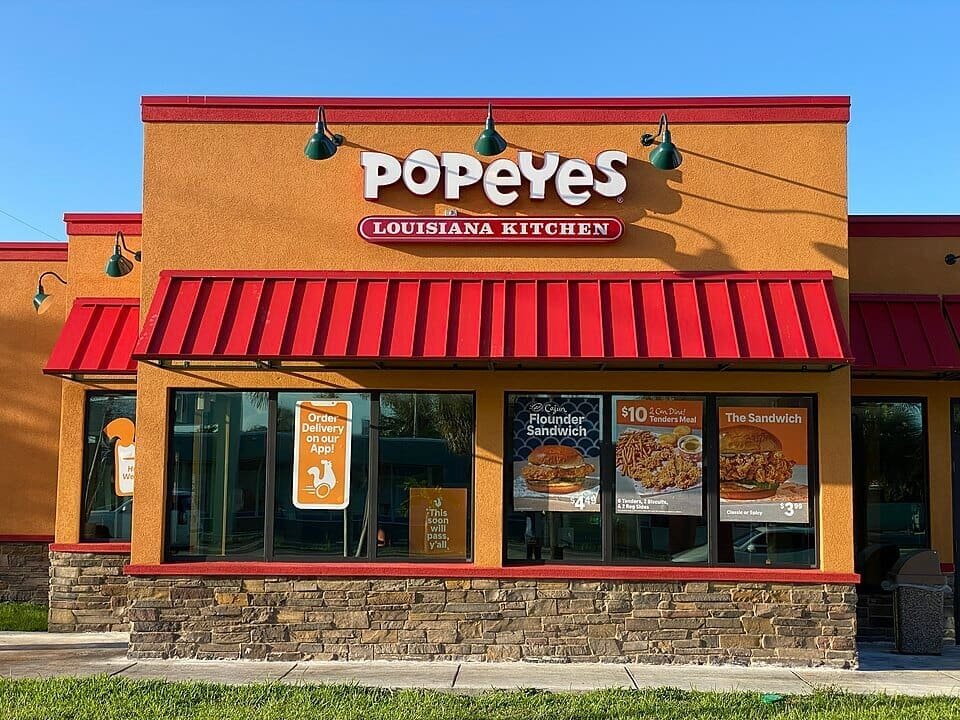
Popeyes continues to be one of the more prominent “flavor first” brands in quick-service restaurants. As noted earlier, Popeyes fried chicken made Food & Wine’s chef-favorite fast-food list, the only item to appear on that list twice and therefore an indicator of culinary respectability. Furthermore, the Popeyes menu clearly communicates its brand identity; chicken, sandwiches, tenders, wings, and related items all feature flavors characteristic of Louisiana cuisine.
This transparency is an element of Popeyes’ success. Unlike many other fast-food brands which attempt to serve all sorts of cuisines under one umbrella, the Popeyes menu shows a brand that is unapologetic regarding its commitment to serving flavorful fried chicken. In short, Popeyes is a brand that still organizes itself around its original mission statement; if you desire distinctive fried chicken from a brand with a recognizable style, Popeyes is one of the first places consumers typically consider. This is particularly valuable today, given that category ownership continues to be one of the strongest indicators of actual brand health.
Popeyes drops to sixth place solely because its execution does not always convey the same degree of polish as do the brands listed above it. Nevertheless, whenever consumers discuss brands that continue to reflect the values upon which they originally developed their identities, Popeyes figures prominently in these conversations. Food & Wine’s chef-favorite fast-food list helps explain why: the chain’s best offerings are still popular enough that consumers enthusiastically debate them, seek them out, and remember them. In fast food, such passion indicates considerable long-term viability. Therefore, Popeyes merits consideration when evaluating whether a particular fast-food offering possesses long-term value.
5. Raising Cane’s
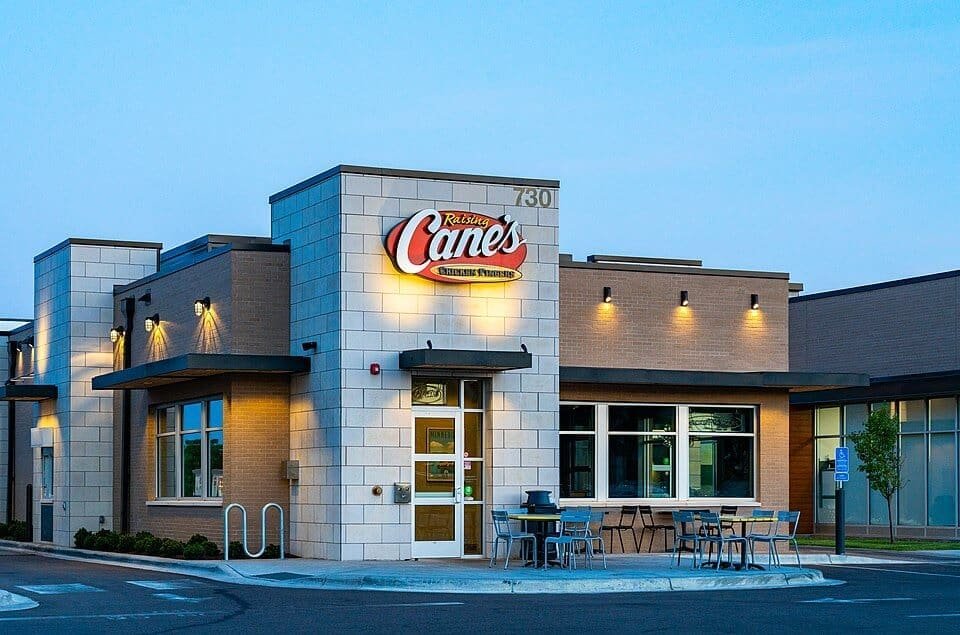
As stated earlier, Raising Cane’s achieves a relatively high ranking due to its exemplary demonstration of how concentrating on a singular concept can lead to widespread acceptance by consumers. The official Raising Cane’s menu clearly states its premise; chicken fingers, crinkle-cut fries, Cane’s Sauce, Texas Toast, coleslaw, and combinations featuring repetition rather than diversity. Both Food & Wine’s chef-favorite fast-food list and Food & Wine’s broader coverage praised Cane’s chicken-finger freshness and preparation-to-order methodology; as well as the significance of Cane’s Sauce to the total experience.
Therefore, Cane’s performs well in this ranking because it does not squander resources attempting to broaden beyond its niche. Rather than expanding its identity horizontally, Cane’s utilizes concentration as its identity. In an era during which numerous fast-food chains aim to alleviate congestion issues via excessive menu proliferation, Cane’s stands apart from this trend by refusing to expand its offerings unnecessarily. Ultimately, this produces a chain that appears intentionally designed at each interaction point. Regardless of whether you perceive chicken fingers as being among the most compelling fast-food options available, it is difficult to dispute that the Raising Cane’s menu reflects one of the most streamlined and cohesive fast-food experiences in the country.
Cane’s is relegated to fifth place exclusively because it lacks both scope and breadth of emotional terrain relative to the top four entries. Although Cane’s excels within its designated parameters, it operates within an extremely narrow band. The chains above it possess significantly greater levels of national mythos, service reputation, and broad-based quality recognition. Nonetheless, if the sole question were which chain is most committed to its core idea; Cane’s would have a legitimate argument for ranking even higher.
4. Five Guys
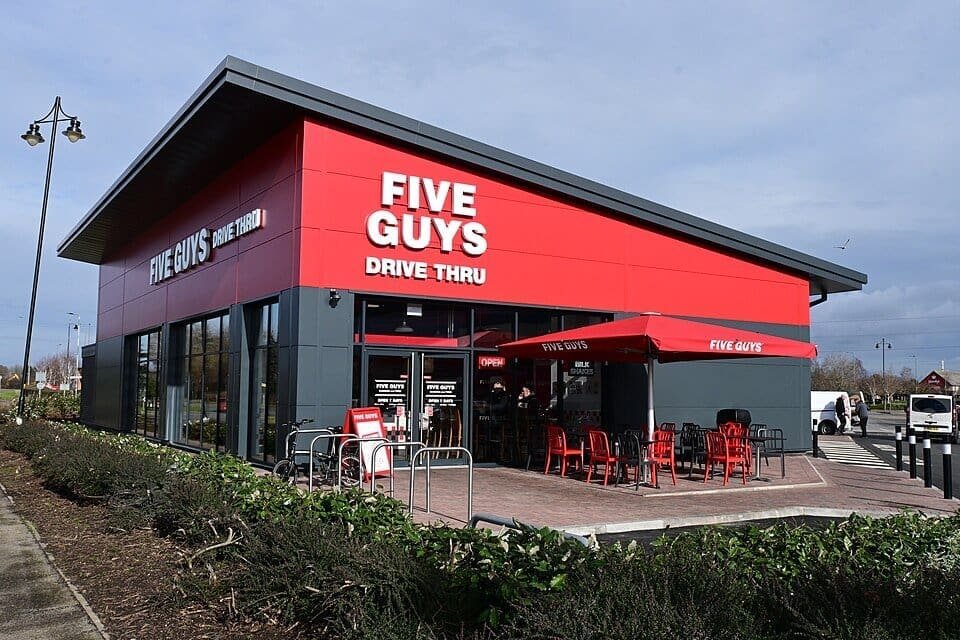
Five Guys has achieved a unique accomplishment in mainstream fast food; it still elicits discussions primarily focused on the food. According to YouGov‘s 2026 category data, which ranked Five Guys highest in burgers, 15.5 percent of Americans believed Five Guys prepared the best burgers. Tasting Table ranked Five Guys second behind In-N-Out Burger, commending Five Guys’ use of never-frozen beef and superior overall burger quality. Furthermore, Five Guys’ official About Our Food page maintains an intense focus on its primary products; hand-formed patties, hand-cut fries, real ingredients, and a handmade process aimed at appearing more personal than typical for the category.
This level of attention to product purity is an immense benefit. Many chains boast famous items; fewer possess a reputation for taking fundamental aspects of burger construction seriously enough that the public rewards them after extended periods of national growth and development. Five Guys has not maintained admiration for decades by chance. It has earned such admiration because it is one of only a handful of brands whose description, “burgers and fries,” now effectively constitutes a persuasive argument, a claim reinforced by Five Guys’ About Our Food page.
However, Five Guys has one major drawback: price sensitivity. A ranking predicated on determining whether the stop still seems worthy in an age characterized by increasingly discerning customers finds Five Guys asking more from consumers than several other chains do. However, Five Guys offers more in terms of seriousness and confidence in its approach to food than many of its competitors do. Thus, it ranks fourth rather than first, due primarily to the fact that Five Guys charges more than many other comparable chains do. However, it is one of the few chains consumers still firmly believe in.
3. In-N-Out Burger
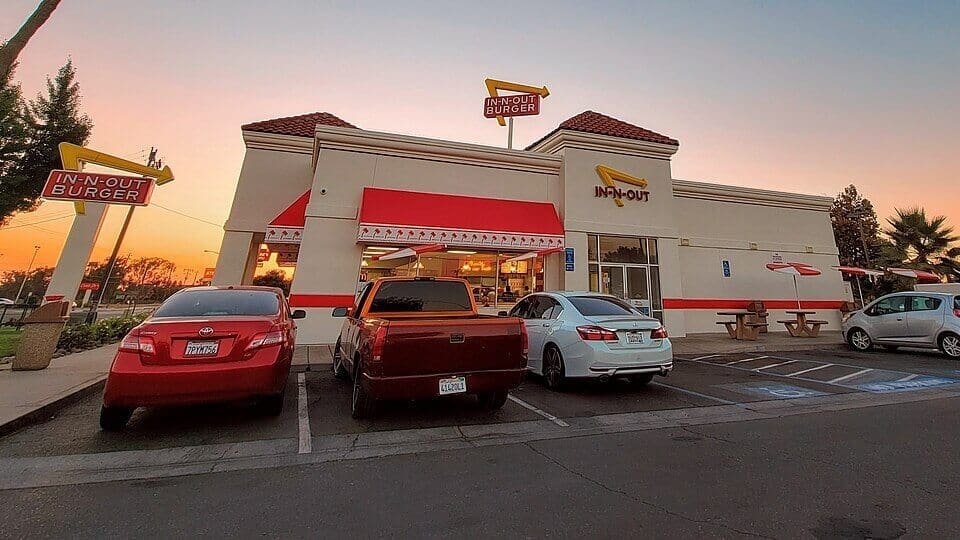
In-N-Out Burger continues to be one of America’s leading myths because it successfully conveys enough truth to substantiate the legend. Tasting Table named In-N-Out Burger No. 1 among America’s best burger chains, praising its ingredient quality, simplicity, and consistency in preparation methods. Food & Wine identified In-N-Out Burger as California’s definitive fast-food chain and emphasized not only the food but also the ritual surrounding waiting for your meal, along with the anticipation of the trip itself as part of the experience. Such cultural resonance is extremely rare.
In-N-Out Burger benefits most from having avoided many of the pitfalls inherent in developing a brand that participates in the fast-food category. It remains a brand built on restraint rather than panic resulting from attempts to generate more menu items than necessary for consumer satisfaction. Even though the official website does not produce clear menu copy for many products, In-N-Out Burger remains centered on its limited menu offerings and obsessive commitment to maintaining consistency across all locations. This commitment results in each core item possessing increased authority; whereas many competing chains develop their menu offerings with an abundance of limited-time items, contributing to chaos and overextension within their respective lanes.
We rank In-N-Out Burger third instead of first for two reasons: first, In-N-Out remains regional rather than truly national, while the top two brands carry broader scale advantages in service perception and cross-category influence. Second, even if In-N-Out has the purest burger identity in American fast food, the top two entries still have broader current-market leverage. If the question were only burger integrity, however, no major chain currently makes a stronger case than In-N-Out.
2. Taco Bell
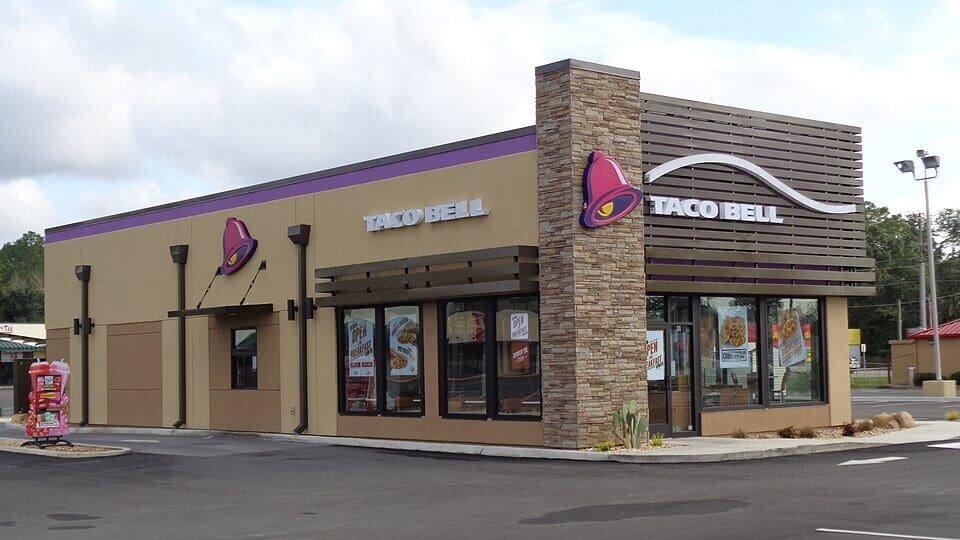
Taco Bell is the most adaptable cultural entity in U.S. fast food; and that is becoming more important by the day in 2026. YouGov’s current tracking of restaurants and brands reports Taco Bell as the leader in tacos and burritos, with 30.3 percent of Americans saying it is the best option for those items, or roughly 10 percentage points greater than Chipotle. Nation’s Restaurant News reported Taco Bell ranked highly for perceptions of value, and QSR reported Taco Bell within the leading tier of national chains in general. When considering both category dominance and perceived affordability, Taco Bell has one of the strongest current positions in the business.
What drives Taco Bell above many peers is that the brand understands how to turn fast food into an experience. Its managers understand repetition, fan rituals, and the emotional value of limited-time products far better than most competitors. Items such as Nacho Fries do not work because fries are hard to find. They work because Taco Bell knows how to turn a familiar side into an event and then fold that event back into the brand narrative. In a social-media era, few large chains stay playful without becoming confusing.
There is no reason why Taco Bell cannot win the number one position other than it does not possess the same level of service perception, the same level of trust from consumers broadly speaking, and the same signature advantage as the number one chain listed below. If you want to name the company that most effectively illustrates how a modern fast-food experience can be inexpensive, memorable, lead in its respective categories, and remain culturally relevant all at once, Taco Bell would be the clear winner. Not only is it affordable, but it rarely feels inert.
1. Chick-fil-A
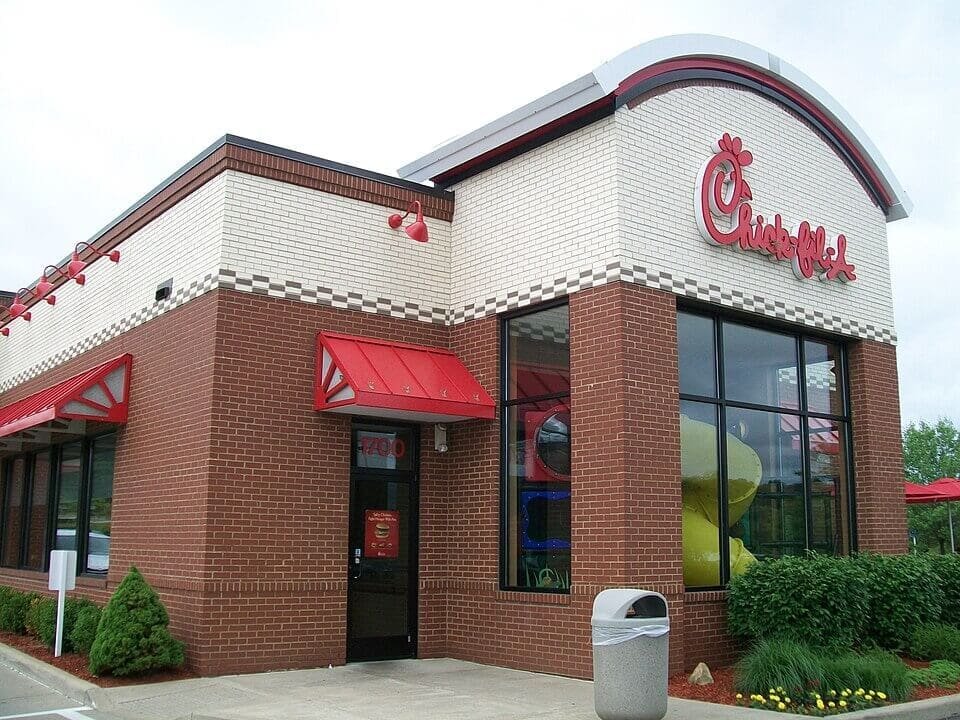
Chick-fil-A is the largest single contributor to our No. 1 position due to the fact that it possesses a combination of positive characteristics more numerous than any other competitor in mass-market fast food. According to QSR magazine’s annual QSR 50 report, Chick-fil-A produced $22.7 billion in system-wide sales in 2025 and continues to produce incredible unit-volume sales. YouGov’s service-based research also indicates that Chick-fil-A provides the best customer service in the nation, with 35 percent of respondents indicating a positive service experience. Furthermore, YouGov’s burger and category tracking also ranks Chick-fil-A as the best in the chicken category. These three factors, category leadership, service leadership, and massive scale, create an extremely unusual profile when compared to other competitors.
In addition to possessing an exceptionally strong food identity that is typically reduced to simple statements regarding taste or quality, Chick-fil-A also demonstrates a strong brand identity with regard to its secondary products. The description of Waffle Potato Fries on Chick-fil-A’s website, “Waffle-cut with just the right amount of salt,” shows how even Chick-fil-A’s secondary products can become iconic. Since the most effective fast-food companies do not rely solely upon one individual product for success, but instead develop smaller ecosystems of recognizable pleasure surrounding their flagship product, Chick-fil-A accomplishes this task admirably. While the sandwich matters, the nuggets matter, and the service matters, the total experience feels cohesive.
Ultimately, Chick-fil-A possesses multiple advantages over other competitors, including the manner in which these advantages interrelate. For example, some competitors are valuable based upon price alone. Others are valuable because they have one outstanding product. Still others are valued simply because of their ubiquitous presence. However, Chick-fil-A is valued because it consistently delivers well across each of the key areas that influence consumer decision-making relative to fast food today; quality perception, service perception, category ownership, operational reliability, and repeat-usage logic. In a marketplace in which consumers are increasingly evaluating each stop as if it were a transaction they will potentially regret, as opposed to something they enjoy, Chick-fil-A stands out as one of the few companies that provide customers with confidence in their purchasing decisions.
As we review the top of our list, we see some significant aspects of the present state of quick service. The winners today do not necessarily offer the greatest variety of products or the greatest volume of advertising. Rather, they represent the greatest clarity of their own brand identity. The profile that emerges from QSR’s QSR 50, YouGov’s service research, and YouGov’s category data is consistent: Chick-fil-A represents polished chicken-chain reliability. Taco Bell represents category dominance plus excitement. In-N-Out represents burger simplicity. Five Guys represents burger seriousness. Raising Cane’s represents focused execution. Although there are many differences in styles represented by these brands, they all have a single strategic asset; they know what their customers want when they come through the door.
We also find significant information regarding the middle of the rankings. Brands such as McDonald’s, Wendy’s, Domino’s, Culver’s, and Chipotle tell us that size alone will not eliminate quality or brand identity. QSR’s QSR 50 and Nation’s Restaurant News both suggest that these brands succeed because they are trusted by the masses or because they have built excellent systems around one or two core strengths. Regardless, they provide consumers a sufficient rationale to feel somewhat satisfied once they have completed their purchase. In 2026, that is a significant accomplishment.
The lower portion of the list is comprised of successful brands. While the most popular fast-food chains and the chains that truly justify a visit may overlap, they are not the same thing. Eat This, Not That!, built from YouGov popularity data and Nation’s Restaurant News make that distinction visible. With increased competition, inflation, and increasingly intense comparisons by consumers, the chains that rise to the top will be driven by their ability to still justify being chosen. Convenience is always a component of fast food. However, the true test today is whether a brand can maintain being justifiable.
Conclusion
If there was any message conveyed within this report regarding the fastest-growing and best-performing fast-food chains in 2026; it is that these are not simply the largest or least expensive fast-food chains available. Instead, these are the brands that still understand how to combine product offerings with identity and experience into an offering that consumers immediately recognize and frequently return to without additional encouragement. All of the brands listed near the top of this report appear to have an active center of gravity; a viable reason for existence beyond mere scale and convenience, a pattern visible in both QSR’s QSR 50 and Nation’s Restaurant News.
For example, that is why Chick-fil-A finishes atop this list. This result does not only reflect leadership in customer service, chicken-category strength, and system-wide scale; it reflects the way those strengths reinforce one another in the total guest experience, as shown by QSR’s QSR 50 and YouGov’s service research. In this view of the top fast-food chains readers will debate in 2026, the best fast food does not only provide rapid service. It provides customers with a sense of satisfaction with the entire dining experience. At this time, no other large-scale fast-food chain delivers that combination better than Chick-fil-A.
Quick Reference Summary: The 18 Fast Food Chains That Still Feel Worth It in 2026
| Rank | Fast Food Chain | Core Case for Being “Worth It” | Key Verified Detail from the Article | Why It Lands Here |
|---|---|---|---|---|
| 18 | Dairy Queen | Strong goodwill, dependable value, and broad consumer affection for a treat-led brand. | Top 10 on value at 10.3 net, top 10 on quality at 17.4 net, and 22 percent consideration for the next purchase. | Its treat-centric identity limits breadth, so it works better as a specialty stop than as a full-spectrum fast-food solution. |
| 17 | Arby’s | Distinctive roast-beef positioning and one of the most recognizable fry styles in the category. | Placed No. 17 in Eat This, Not That!’s popularity snapshot built from YouGov data. | Its uniqueness is real, but it does not claim leadership in burgers, chicken, fries, price, or service. |
| 16 | Subway | Functionality, convenience, affordability, and everyday usefulness still matter in 2026. | YouGov’s sub-chain analysis shows Subway leading on value, fast service, consideration, and purchase intent; 24 percent called it the best deli sandwich. | It wins on utility rather than desire, which caps it in a ranking built around whether a chain still feels exciting and intentional. |
| 15 | Burger King | A legacy burger brand that still feels native to burgers and reasonably affordable. | YouGov lists Burger King at 15.0 percent in the burger conversation, while Nation’s Restaurant News puts it in the Top 10 for value perception. | Its recognition is powerful, but the article argues it feels more familiar than ascendant compared with sharper brands above it. |
| 14 | Little Caesars | One of the cleanest value propositions in fast food, built around practicality and low-friction pizza buying. | Included in Nation’s Restaurant News’ Top 10 QSR brands by value perception and ranked No. 12 in popularity by Eat This, Not That!. | It solves the affordability problem better than many rivals, but does not inspire equivalent loyalty or craving. |
| 13 | Domino’s | Operational sophistication, digital clarity, and friction-reducing value logic make it a modern pizza heavyweight. | YouGov positioned Domino’s as the second-most-preferred pizza brand at 17.1 percent, and QSR’s 2025 QSR 50 lists it among the leading U.S. quick-service chains. | It ranks above Little Caesars for systems strength, but below the top 12 because it feels more like a logistics champion than a cultural obsession. |
| 12 | Whataburger | Regional loyalty plus specific menu affection gives it emotional weight that many national chains lack. | Food & Wine selected Whataburger as Texas’s representative fast-food chain and highlighted its Breakfast Taquito in chef-favorite coverage. | Its identity is powerful, but the ranking gives more weight to sharper national category dominance and broader consumer-data leverage. |
| 11 | Jersey Mike’s | A quality-first sub chain that benefits from strong authenticity and a premium sandwich reputation. | YouGov’s sub-chain comparisons gave Jersey Mike’s the highest quality scores among the major sub chains. | The article argues it could rank higher on quality alone, but subs occupy a smaller emotional lane than burgers, chicken, and tacos. |
| 10 | Chipotle | Massive scale, digital efficiency, and repeatable, customizable ordering make it one of the category’s strongest operators. | QSR’s 2025 QSR 50 reports $3.9 billion in digital sales and a 35 percent digital mix for Chipotle. | Its performance is elite, but the article places it here because its emotional pull is weaker than the brands above it. |
| 9 | Culver’s | A more complete guest experience built on ButterBurgers, frozen custard, and Midwestern hospitality. | Food & Wine designated Culver’s as Wisconsin’s most iconic fast-food chain, while Tasting Table praised its ingredients and burger preparation. | It wins on cross-occasion usefulness, but its national cultural influence still trails the top eight brands. |
| 8 | Wendy’s | Balance, credibility, and believable value make it one of the most stable all-around performers in quick service. | Nation’s Restaurant News reported Wendy’s at No. 1 on value among major QSR brands, while Eat This, Not That! placed it No. 3 in popularity. | It ranks this high because it combines affordability and broad appeal, but it lacks the single-category dominance of the top tier. |
| 7 | McDonald’s | Scale, familiarity, and infrastructural dominance still make it one of the country’s most reliable default choices. | YouGov says 66 percent of Americans visited McDonald’s in the past year; Nation’s Restaurant News reports 39.6 percent consideration for the next purchase; YouGov also identifies it as the fries leader. | The article keeps it below the top six because sheer dominance does not equal the same level of emotional resonance or sharp identity. |
| 6 | Popeyes | A flavor-first chicken brand with strong category ownership and a vivid Louisiana identity. | Popeyes fried chicken was the only item to appear twice on Food & Wine’s chef-favorite fast-food list. | Its best offerings inspire real passion, but the article says its execution does not always feel as polished as the brands above it. |
| 5 | Raising Cane’s | An ultra-focused concept that turns repetition into identity and cohesion into value. | Its menu stays tightly centered on chicken fingers, crinkle-cut fries, Cane’s Sauce, Texas Toast, coleslaw, and combo repetition rather than diversity. | It performs exceptionally well within its lane, but its emotional and menu range is narrower than the top four. |
| 4 | Five Guys | Product seriousness, never-frozen beef, hand-cut fries, and public belief in the brand still carry enormous weight. | YouGov’s 2026 category data puts Five Guys at 15.5 percent for best burgers, and Tasting Table ranks it second behind In-N-Out. | The article treats price sensitivity as the main reason it stops at No. 4 instead of pushing for the very top. |
| 3 | In-N-Out Burger | Restraint, consistency, and a near-mythic burger identity give it one of the purest cases in American fast food. | Tasting Table ranked In-N-Out No. 1 among America’s best burger chains, and Food & Wine called it California’s definitive fast-food chain. | It lands at No. 3 because it remains regional rather than truly national, despite having perhaps the strongest pure burger case. |
| 2 | Taco Bell | Affordable novelty, category dominance, and event-driven menu culture make it the most adaptable large fast-food brand in the field. | YouGov reports Taco Bell at 30.3 percent for tacos and burritos, while Nation’s Restaurant News also places it high on value perception. | The article says it misses No. 1 mainly because it does not match Chick-fil-A on service perception, trust, or total brand balance. |
| 1 | Chick-fil-A | The strongest total-package brand in the ranking, combining scale, service, category leadership, and a cohesive ecosystem of recognizable products. | QSR reports $22.7 billion in system-wide sales; YouGov’s service research gives it a 35 percent positive service rating; the article also cites it as the chicken-category leader. | It finishes first because no other large-scale chain matches its combination of service, confidence, category ownership, and repeatable guest satisfaction. |
Frequently Asked Questions
What is the best fast-food restaurant in 2026?
According to this ranking’s hybrid methodology, Chick-fil-A is the top-rated fast-food restaurant because it combines category leadership, elite service perception, and enormous operating scale. That conclusion is supported by QSR’s QSR 50 and YouGov’s service research.
Which fast food restaurant serves the best burger currently?
The strongest burger cases currently belong to Five Guys and In-N-Out. YouGov’s burger-category data gives Five Guys the national-perception edge, while Tasting Table’s burger ranking places In-N-Out first. If you prioritize broad national sentiment, Five Guys has the stronger case. If you prioritize restraint, consistency, and identity, In-N-Out remains a standout.
Which chain is strongest on value right now among the best fast food chains?
On current major-QSR value perception, Wendy’s has the clearest claim, while Taco Bell also performs exceptionally well. Nation’s Restaurant News reported Wendy’s at the top of the value ranking among major QSR brands, which is why Wendy’s receives the strongest single-value designation in this article.
What fast-food restaurant provides the best service?
YouGov’s service research identifies Chick-fil-A as the leader, with 35 percent of respondents expressing positive opinions toward the brand’s customer service. McDonald’s finished second overall and performed especially well with young adults; however, Chick-fil-A remained the clear No. 1 service performer.
Why does Taco Bell perform so well in this study?
Taco Bell performs so well because it competes on more than price. It leads its core category, understands fan rituals, and consistently turns limited-time items into cultural moments. That mix of value, novelty, and category ownership is why Taco Bell ranks so highly in both YouGov’s category data and Nation’s Restaurant News’ value coverage.
Why wasn’t McDonald’s ranked higher if it is larger than everyone else, and why do fast food chains ranked by worth not always mirror scale?
McDonald’s ranks slightly lower because this list measures felt value, identity, and enthusiasm, not just footprint. McDonald’s dominates on visitation and familiarity, but the brands above it inspire stronger current emotional conviction or sharper category ownership. In other words, scale matters enormously; it just is not the same thing as being the most “worth it” stop at this moment.
What contributes to a fast-food restaurant feeling worthwhile in 2026, and how should readers judge the most popular fast food chains against the best fast food in America?
A fast-food chain feels worthwhile in 2026 when it combines recognizable product identity, believable value, and low-friction execution. Readers should therefore judge the most popular chains against the best fast food in America by asking a simple question: does the chain give customers a clear, repeatable reason to choose it on purpose, not merely by habit? That is the standard used throughout this ranking and restated in the Conclusion.