



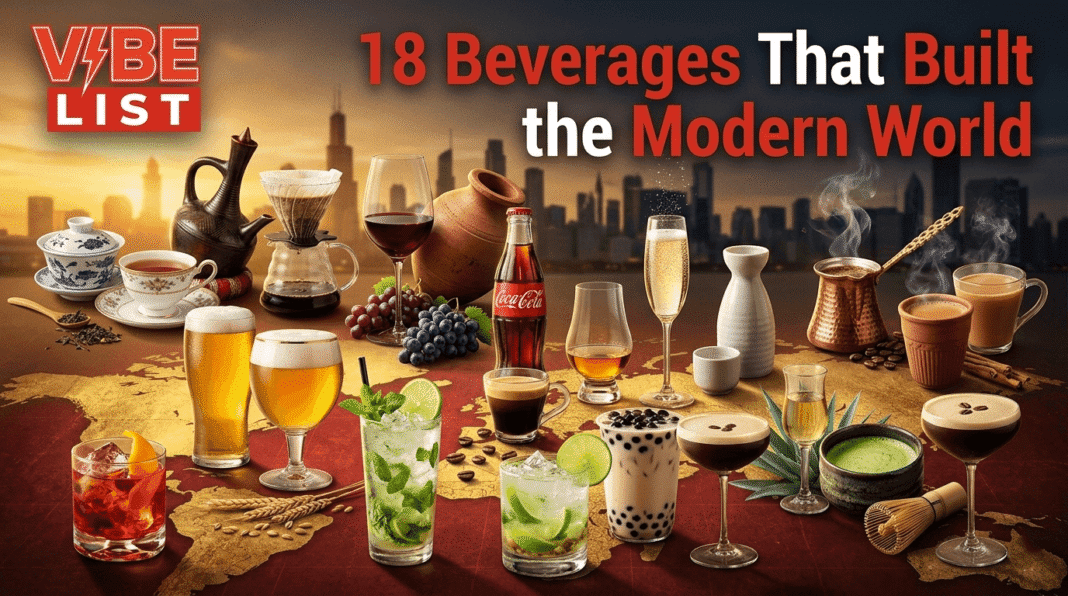
A pharmacist’s backroom tonic that earned just $50 in its entire first year. 43 bottles of Scottish whisky shipped across the globe every single second. A booming coffee market generating over $249 billion in annual revenue. A blue agave plant that demands up to a decade of patience before harvest. A London bartender asked to make a young model feel simultaneously awake and reckless. The most powerful drinks in human history were never designed to become cultural monuments. They built billion-dollar empires because someone refused to stop perfecting the recipe.
Disclaimer: This article on VibeList features a list of 18 beverages, some of which contain alcohol. This content is intended strictly for readers who are of legal drinking age in their respective jurisdictions. VibeList does not promote underage drinking or the misuse of alcohol. Please enjoy responsibly, drink in moderation, and never drink and drive.
All of these beverages began with either an error, a preoccupation, or a rebellion. A Chinese emperor’s windblown tea leaves. Jittery goats in Ethiopia. A monk who wanted to prevent the secondary fermentation of his wine. A London bartender asked to make a model feel simultaneously awake and reckless. The most iconic drinks in the world were never designed to become cultural monuments. They became cultural monuments because somebody refused to stop perfecting the recipe.
This is not a ranking. These 18 beverages span every inhabited continent, cross thousands of years of human history, and collectively generate hundreds of billions of dollars in annual economic activity. Some are ancient. Others were invented within living memory. What they share is that these are, collectively, the best drinks in the world—and the world would be unrecognizable without them.
1. Tea {#tea}
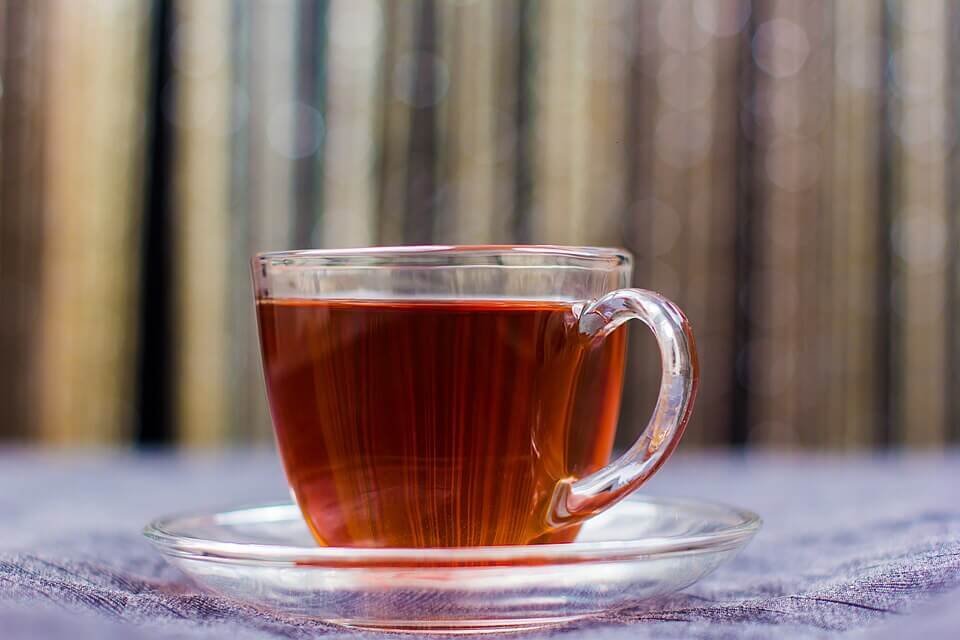
Tea is the most commonly consumed beverage on Earth after water. According to Chinese legend, Emperor Shen Nung sat beneath a tree in 2737 BCE when a gust of wind blew leaves from a wild tea plant into his pot of boiling water. He tasted the result, and what we know as tea history has unfolded across approximately 5,000 years since.
Tea has permeated nearly every aspect of society. The Food and Agriculture Organization of the United Nations (FAO) classifies tea as the world’s most widely consumed beverage after water. The global tea market generated approximately $69.51 billion in 2025 and is projected to reach $115.19 billion by 2033. China, India, and Kenya lead global tea production, while tea-drinking customs shape daily routines in places like Morocco, Japan, and the United Kingdom, where putting the kettle on has become a universal tool for emotional first aid.
Tea did not simply travel along trade routes; it triggered them. The British East India Company‘s monopoly on Chinese tea imports contributed to the Opium Wars. The Boston Tea Party of 1773 was not solely about taxes; it was also about rejecting a commodity that represented imperial power. Butter tea warms Tibetan bodies at high altitudes. Japanese tea ceremonies elevate the act of brewing into a meditative art form. India’s chai industry sustains millions of livelihoods. One leaf; a thousand cultures.
2. Coffee {#coffee}
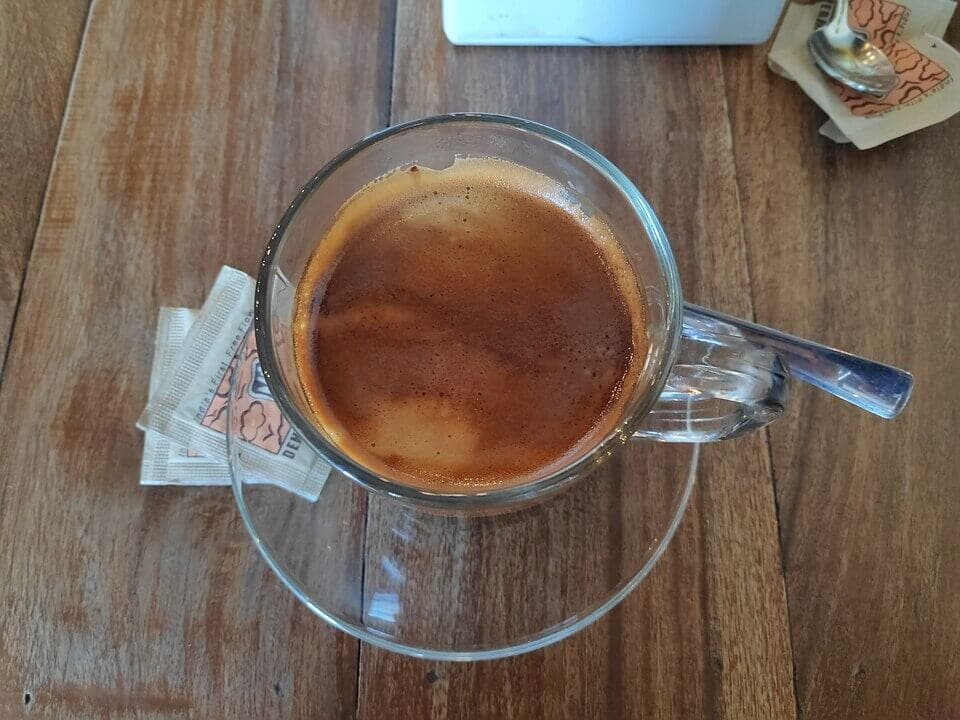
Legend has it that in the 9th century CE in the Ethiopian highlands, a goatherd named Kaldi observed his goats becoming jittery after they ate berries from a certain bush. He brought those berries to nearby monks. The monks brewed them. None of them slept. From there, it took centuries for the coffee plant to migrate from East Africa and take over the world via Yemeni Sufi monasteries, Ottoman coffeehouses, Venetian merchants, and ultimately every office building on the planet.
Today, coffee is a global economic powerhouse. The global coffee market was valued at approximately $249.34 billion in 2025, according toGrand View Research, with consumption projected at 169.4 million 60-kilogram bags for the 2025/26 coffee year. Although Ethiopia is the birthplace of the coffee bean, it continues to rely heavily on it; coffee represents approximately 30–35% of Ethiopia’s total export revenue, and an estimated 15 to 20 million Ethiopians work in the coffee sector.
Historically, coffeehouses were centers of intellectual exchange. The Lloyd’s of London insurance market was founded in a 17th-century coffeehouse. The French Enlightenment was partially fueled by caffeine. The “third wave” coffee movement of the 21st century elevated a commodity to a craft, with single-origin beans and pour-over methods turning morning habits into $7 rituals. Coffee did not just wake people up; it awakened entire economies.
3. Beer {#beer}
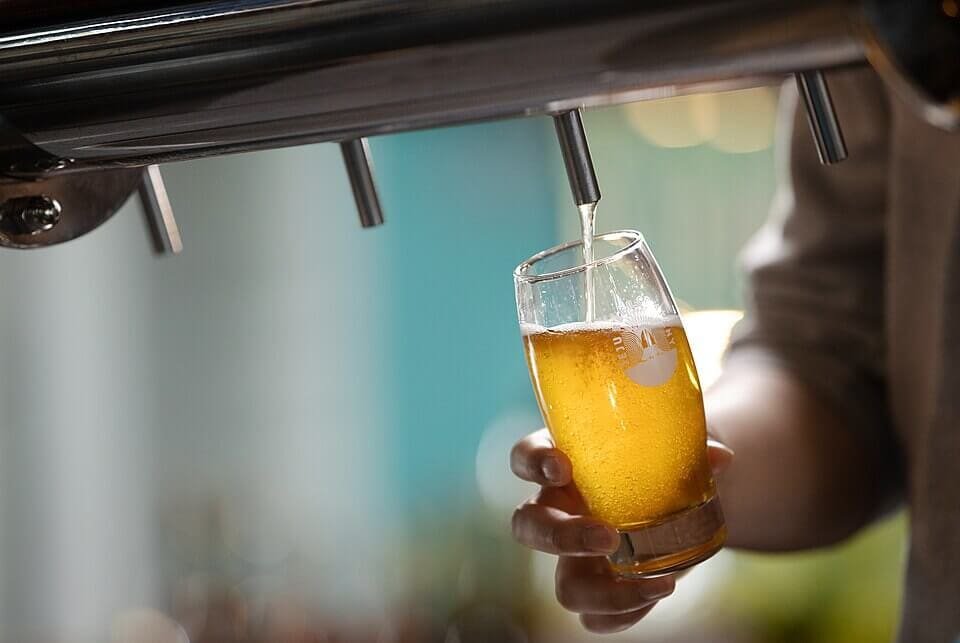
The earliest clear chemical evidence of barley beer dates to approximately 3500–3100 BCE at Godin Tepe in the Zagros Mountains of western Iran. However, beer is likely significantly older than that. The Sumerians revered a goddess of beer, Ninkasi, whose hymns contained brewing recipes. Ancient Egyptians rewarded workers with beer. During the Middle Ages, European monasteries brewed it as a source of calories.
Beer is now the third most consumed beverage in the world, after water and tea. The global beer market generates hundreds of billions of dollars in revenue each year and provides millions of jobs, from barley farmers in Germany to craft brewers in Portland. Germany’s Reinheitsgebot of 1516—which restricts beer ingredients to water, barley, and hops—remains one of the oldest food-quality regulations still referenced in contemporary brewing. In 2016, UNESCO inscribed Belgium’s richly diverse beer culture on its Intangible Cultural Heritage list, recognizing its approximately 1,500 unique beer varieties.
The craft beer movement that emerged in the early 21st century completely altered how people consume beer. India pale ales, sour beers, barrel-aged stouts, and hazy New England IPAs dismantled the assumption that beer was simply a single pale lager. Beer transitioned from working-class staple to artisanal obsession in less than two decades.
4. Wine {#wine}
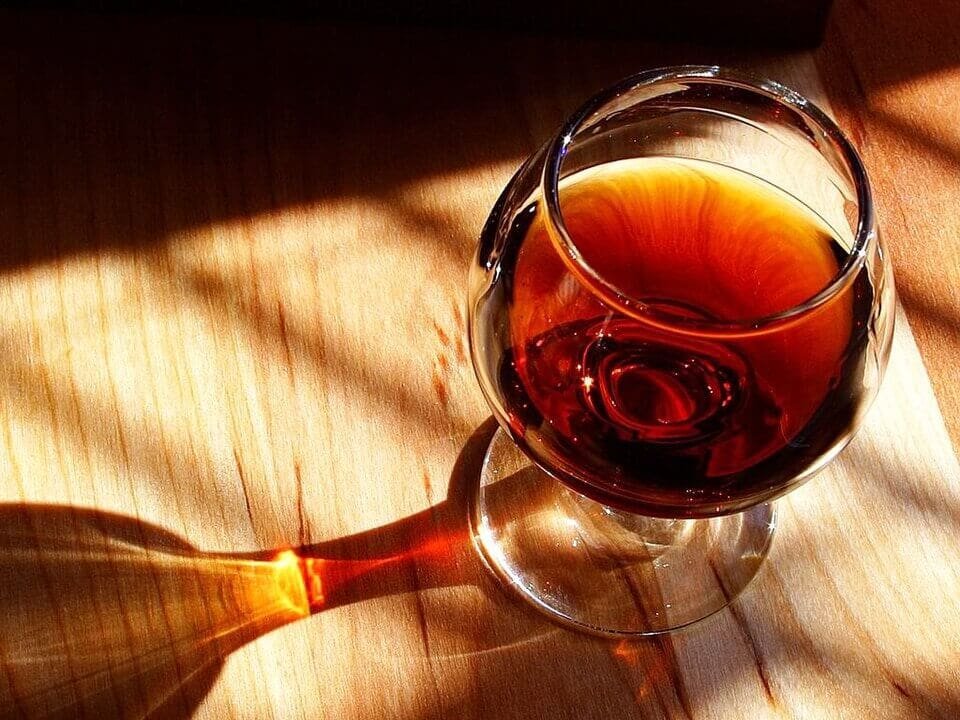
The oldest archaeological evidence of winemaking comes from Gadachrili Gora in Georgia, dating to approximately 6000 BCE. Ceramic jars containing chemical traces of grape fermentation demonstrated that humans in the South Caucasus were producing wine roughly 8,000 years ago—approximately 3,000 years before the construction of the first Egyptian pyramids. In Armenia’s Areni-1 cave, archaeologists found a winery dating to approximately 4100 BCE, complete with fermentation vats, a wine press, and drinking cups.
Wine became a central component of Mediterranean civilization. Greek symposia centered on wine. Roman legions planted vineyards throughout their empire. Christian sacramental use ensured that monasteries preserved viticultural knowledge for centuries. France’s Appellation d’Origine Contrôlée (AOC) system, formalized in the 1930s, established the legal framework for geographic wine protection that the entire European Union later adopted, as documented in our coverage of the world’s most influential international cuisines.
Today, wine is a global industry valued at over $330 billion in annual revenue, produced in virtually every temperate region on Earth. Yet amid that scale, wine’s rituals persist: swirling glasses in Bordeaux, stomping grapes in Portugal’s Douro Valley, clinking glasses at weddings from Buenos Aires to Tbilisi. No other beverage has been so intertwined with religious ceremony, social hierarchy, and agricultural law for so long.
5. Coca-Cola {#coca-cola}
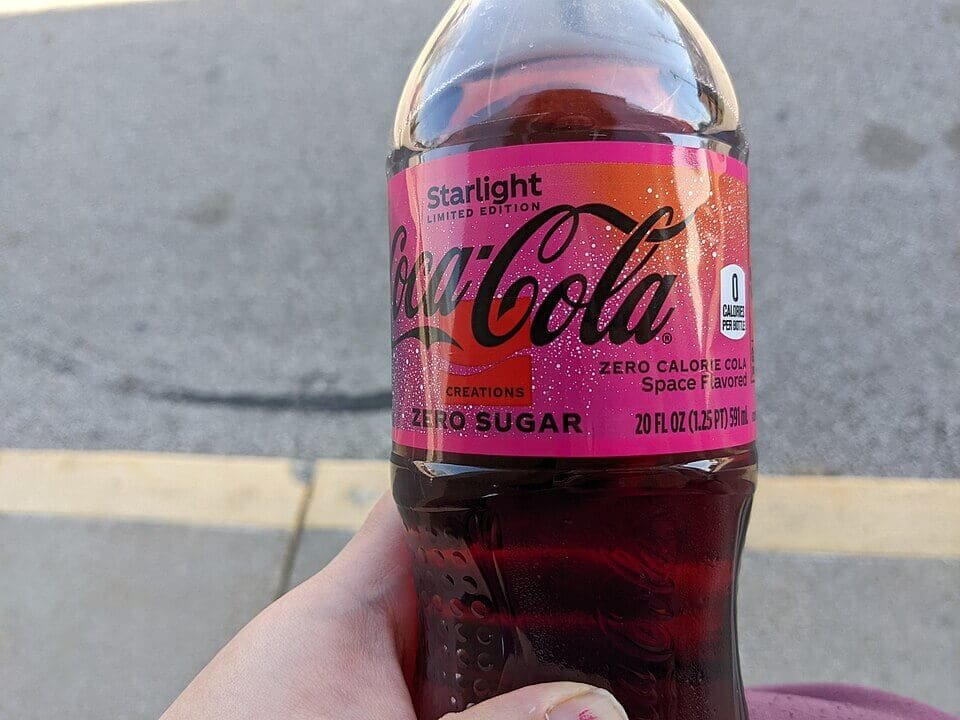
Pharmacist Dr. John Stith Pemberton sold the first glass of Coca-Cola on May 8, 1886, at Jacobs’ Pharmacy in Atlanta, Georgia. During the first year, sales averaged approximately nine servings per day at five cents apiece. Total revenue for the entire first year amounted to approximately $50.
From that humble beginning, one of the most recognizable brands on Earth emerged. Today, Coca-Cola is sold in more than 200 countries and territories. The company has become so closely tied to American cultural export that its red-and-white logo is recognized in virtually every corner of the globe. The original formula—a headache tonic containing coca leaf extract and kola nut—bears little resemblance to today’s product, but the core commercial insight was the same: carbonation, sweetness, and strong branding can build a beverage empire from a pharmacist’s backroom experiment.
Coca-Cola’s cultural footprint extends far beyond soft drinks. Coca-Cola’s advertising campaigns in the 1930s helped further popularize the modern image of Santa Claus in a red suit—though illustrators such as Thomas Nast had already established much of that image decades earlier. The brand’s wartime distribution to American soldiers during World War II introduced the drink to global markets. For better or worse, a glass of Coke became shorthand for modernity itself.
6. Espresso {#espresso}
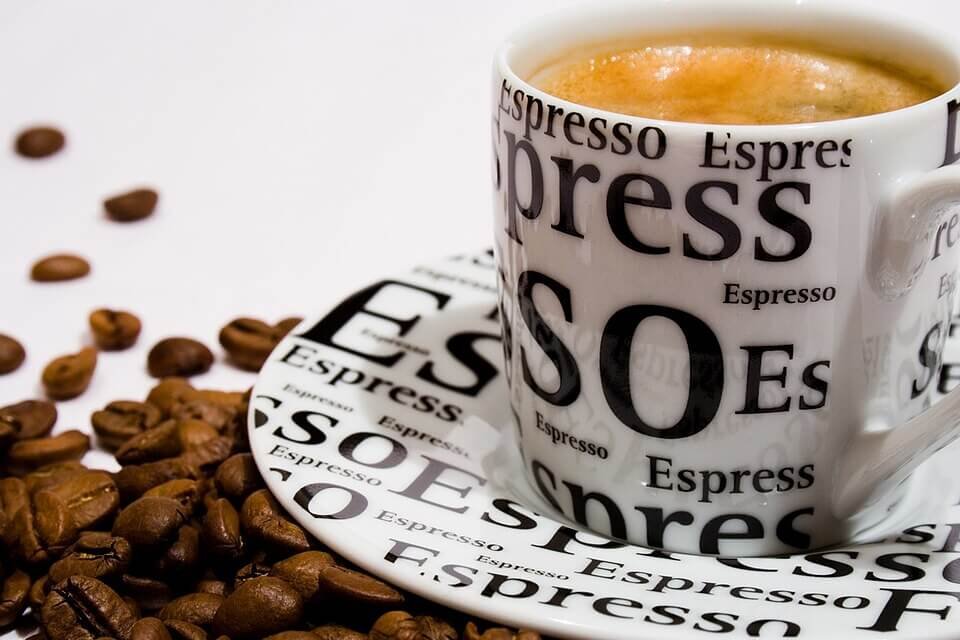
In 1884, Italian inventor Angelo Moriondo patented the firstespressomachine, which utilized steam pressure to brew coffee rapidly. Moriondo never commercialized his machine widely. That task fell to Luigi Bezzera, who patented an improved single-shot espresso machine in 1901, and to Desiderio Pavoni, who licensed Bezzera’s design and manufactured commercial machines. Espresso was born from impatience; Italian workers needed coffee faster than drip methods could deliver.
Espresso transformed coffee from a slow domestic ritual into a rapid public one. Italian bar culture—standing at a counter, downing a shot in 30 seconds, tossing a coin, and walking away—reshaped urban social life worldwide. When Howard Schultz visited Milan’s espresso bars in 1983, he returned to the United States and transformed a small Seattle coffee retailer called Starbucks into a chain of Italian-inspired cafés, creating a company worth over $100 billion today.
All specialty coffee drinks—lattes, cappuccinos, flat whites, cortados—require espresso as their base, pulled under nine bars of pressure. Italy has recently submitted its espresso culture for UNESCO Intangible Cultural Heritage consideration—a testament to how deeply ingrained espresso is in Italian national identity.
7. Scotch Whisky {#scotch-whisky}
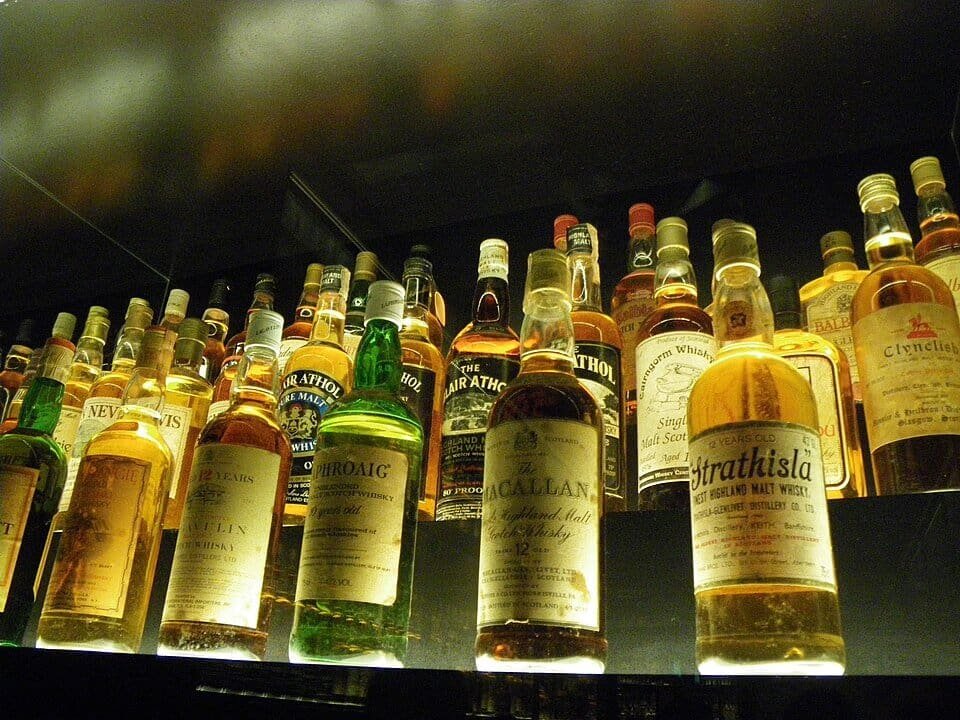
Scotland’s earliest documented record of distilling dates to 1494 in the Exchequer Rolls, in which Friar John Cor received “eight bolls of malt” to produce aqua vitae. More than five centuries later, Scotch whisky remains one of the United Kingdom’s most significant exports. The Scotch Whisky Association reports that approximately 43 bottles are shipped from Scotland every second, with over 1.3 billion bottles exported annually to more than 160 markets worldwide.
The global Scotch whisky market was valued at approximately $38.67 billion in 2025 and is projected to reach $69.62 billion by 2034. Scotland’s whisky-producing regions—Speyside, Islay, Highland, Lowland, and Campbeltown—each produce spirits with distinctive character. The distinction between single malt and blended Scotch, the minimum three-year aging requirement in oak casks, and the legal definition of “Scotch” under UK law all serve to protect the spirit’s identity. Together they form one of the most robust regulatory frameworks in the drinks industry.
Scotch is not simply a drink; it is an economic ecosystem supporting farming, coopering, distilling, tourism, and a collector’s market where single bottles of rare expressions sell for hundreds of thousands of dollars at auction.
8. Champagne {#champagne}

Dom Pierre Pérignon did not invent champagne. As cellar master at the Abbey of Hautvillers from 1668 until his death in 1715, the Benedictine monk spent much of his career trying to stop the secondary fermentation that caused bottles to explode in the cellars. But his innovations in blending grapes from different vineyards and improving bottling techniques advanced the quality of Champagne wine enormously—even though the sparkling version we know today emerged despite his efforts rather than because of them.
The region’s unique geological composition—chalk subsoils that retain moisture and reflect heat—creates growing conditions that are extremely difficult to replicate elsewhere. Only wines produced within the Champagne appellation of northeastern France, under strict regulations enforced by the Comité Champagne, may legally be labeled “Champagne.” This geographic protection is among the most fiercely defended designations in the world of food and drink.
Champagne became the universal symbol of celebration by the end of the 18th century. Formula One podium spraying made it synonymous with victory in the 1960s. The sound of a champagne cork popping remains one of the most recognizable sounds of human joy. No other beverage has taken such complete ownership of the concept of celebration itself.
9. Sake {#sake}
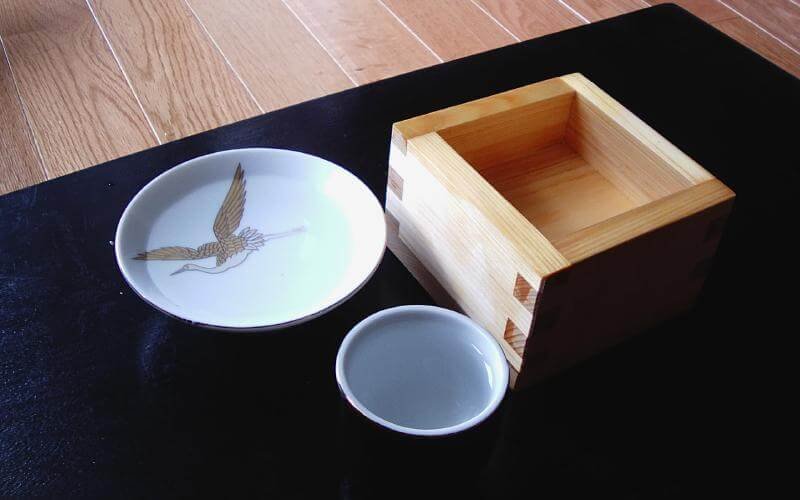
The Japan Sake and Shochu Makers Association traces the origins of rice fermentation in Japan to approximately 2,500 years ago, when wet rice cultivation arrived from ancient China. Over time, Japanese brewers refined the techniques. By the Heian period (794–1185 CE), sake was integral to Shinto religious ceremonies and imperial court life. Sudo Honke in Ibaraki Prefecture, established in 1141, is Japan’s oldest continuously operating sake brewery.
Sake production employs a unique parallel fermentation process. Koji mold (Aspergillus oryzae) converts rice starch into sugars while yeast simultaneously converts those sugars into alcohol. This biochemical elegance produces a beverage that can be stronger than wine and remarkably smooth when served at the correct temperature, which, depending on the grade, ranges from chilled to gently warmed. The grades span from junmai (pure rice) to junmai daiginjo, each distinguished by flavor profiles and the percentage of rice grain milled away before fermentation.
Sake is deeply intertwined with Japan’s culinary traditions and the dessert culture that accompanies them. Sake is enjoyed during kaiseki meals, presented at weddings and New Year celebrations, and offered to deities at Shinto shrines. Although younger Japanese consumers are drinking less sake domestically, exports have grown steadily as international interest in Japanese food culture intensifies.
10. Turkish Coffee {#turkish-coffee}
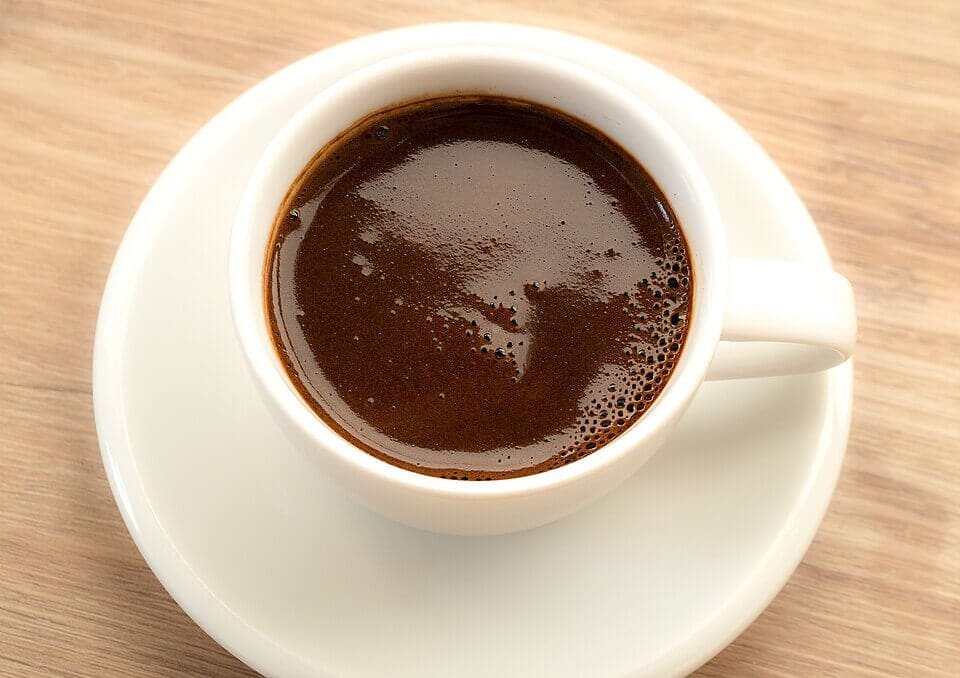
UNESCO inscribed Turkish coffee culture and tradition on its Representative List of the Intangible Cultural Heritage of Humanity in 2013—the first beverage-centered tradition to receive this specific recognition. The inscription acknowledged not just the brewing method—finely ground coffee simmered with water in a cezve—but the full social architecture surrounding it: fortune-telling from the grounds left in the cup, the marriage proposal ritual where a bride-to-be serves coffee to her suitor’s family, and the Turkish proverb that a single cup of coffee creates a friendship lasting forty years.
Turkish coffee reached the Ottoman Empire in the 15th century. By the 16th century, coffeehouses (kahvehane) had become focal points for intellectuals, politicians, and artists in Istanbul. Sultan Murad IV briefly banned coffeehouses in the 17th century, fearing they would foster political dissent—a concern that echoed across centuries whenever rulers confronted the unpredictable social chemistry of caffeine and conversation.
The preparation is deceptively simple yet technically demanding. The grind must be finer than for any other brewing method—almost powder-like. Heat must be applied gradually. The foam that rises to the surface is the mark of a well-prepared cup; serving Turkish coffee without foam is considered a social transgression.
11. Masala Chai {#masala-chai}
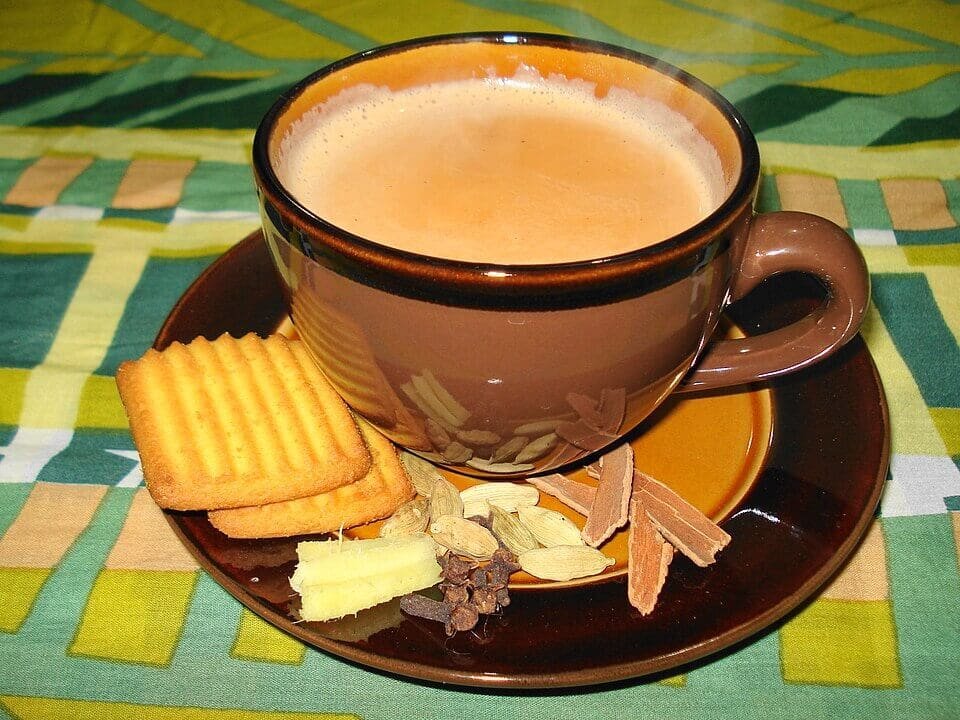
The word “chai” simply means “tea” in Hindi, derived from the Chinese “chá.” But masala chai—tea brewed with a blend of aromatic spices—is an entirely distinct cultural artifact. The Ayurvedic tradition employed spiced infusions of ginger, cardamom, cinnamon, cloves, and black pepper for medicinal purposes dating back thousands of years, long before the addition of tea leaves.
The modern version of masala chai—black tea simmered with milk, sugar, and spices—took shape during the era of British colonial rule in India. The British East India Company promoted Indian tea cultivation to reduce dependence on Chinese imports, and Indian tea vendors (chaiwallas) adapted the beverage to local tastes by adding spices and milk. Today, masala chai is the backbone of Indian daily life. Chaiwallas operate on virtually every street corner, railway station, and highway rest stop throughout India. A cup costs a few rupees, yet it provides a social ritual that crosses class, caste, and religious lines.
India is the second-largest tea-producing country behind China, and a significant portion of India’s tea production is consumed domestically as masala chai.
12. Tequila {#tequila}
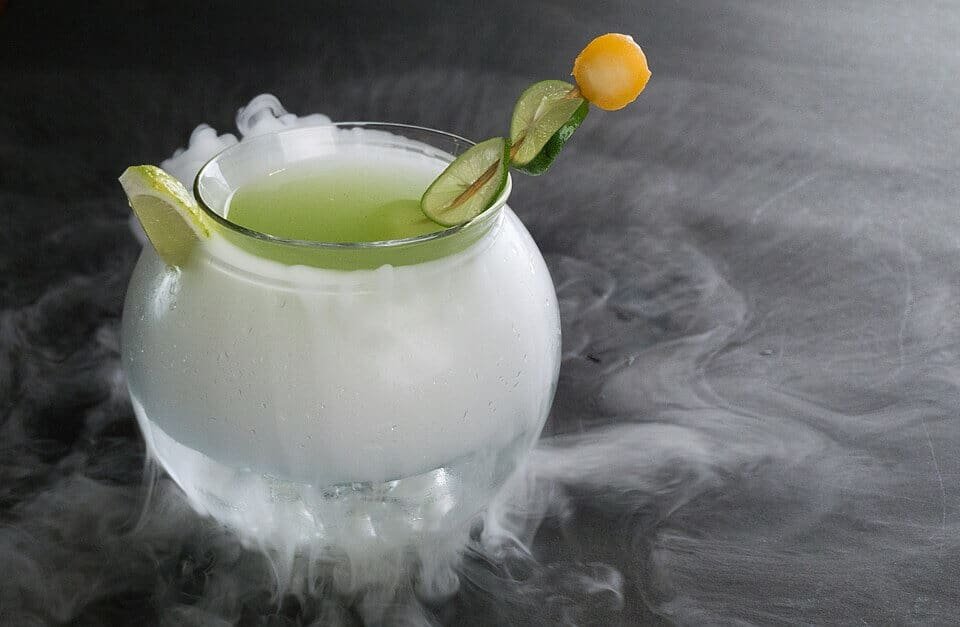
Tequila is mezcal’s most famous subcategory. All tequila is mezcal, but not all mezcal is tequila; tequila must be produced from blue Weber agave grown in designated regions, primarily the state of Jalisco. The agave plant takes between seven and ten years to mature before harvest, making tequila production one of the most patience-demanding processes in the spirits industry.
Mexico produced approximately 495.8 million liters of tequila in 2024, with approximately 402.1 million liters exported—primarily to the United States. According to federal law, tequila must be produced using at least 51% blue agave (100% for “100% de agave” expressions). Since 1974, Mexico has regulated production under denominación de origen guidelines to ensure authenticity.
In recent years, celebrity-backed brands and premium expressions aged in French oak barrels have fundamentally transformed perceptions of tequila. Previously viewed as a shot-and-lime party drink, tequila has been repositioned as a sipping spirit comparable to fine Scotch and Cognac. This transformation represents one of the most successful rebranding campaigns in spirits history—achieved largely through Mexican craft distilleries, agave farmers, and cultural pride.
13. Matcha {#matcha}
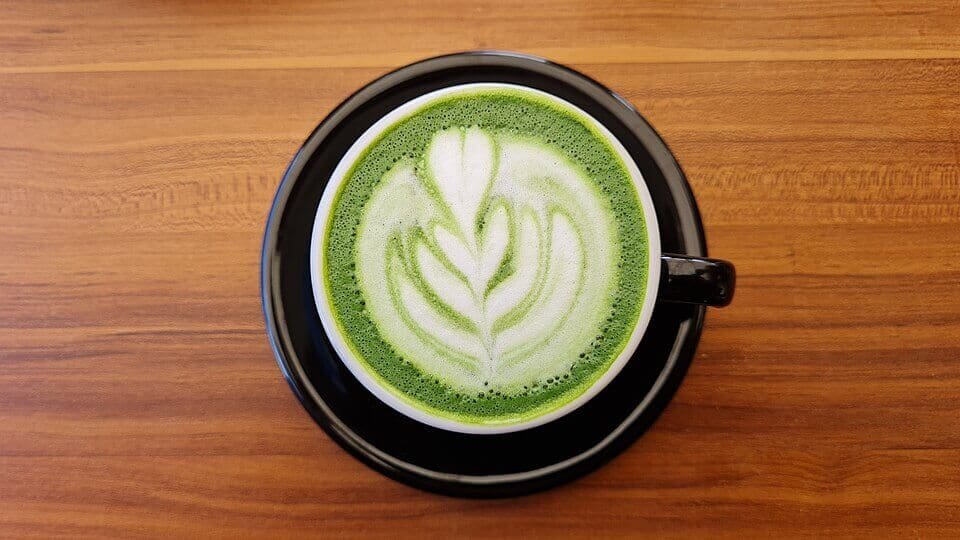
Zen Buddhist monks returning from China introduced matcha to Japan in the 12th century. The monk Eisai, credited as the founder of Rinzai Zen Buddhism in Japan, brought tea seeds from China and wrote the first Japanese book about tea, Kissa Yōjōki (“How to Stay Healthy by Drinking Tea”), published in 1211. For centuries, matcha was reserved for monastics and aristocrats. In the 16th century, Sen no Rikyū codified chanoyu (the Japanese tea ceremony), establishing formal procedures for preparing matcha as an art form centered on harmony, respect, purity, and tranquility.
Since the early 2000s, matcha has gained global popularity as a wellness phenomenon. Matcha lattes, smoothies, and desserts exploded across social media, driven by matcha’s concentrated antioxidant profile—the entire tea leaf is ground into powder, capable of delivering significantly higher levels of catechins than steeped green tea. The contrast between matcha’s 800-year spiritual heritage and its current status as a TikTok-friendly superfood is one of the more fascinating cultural collisions in the drinks landscape.
14. The Negroni {#the-negroni}
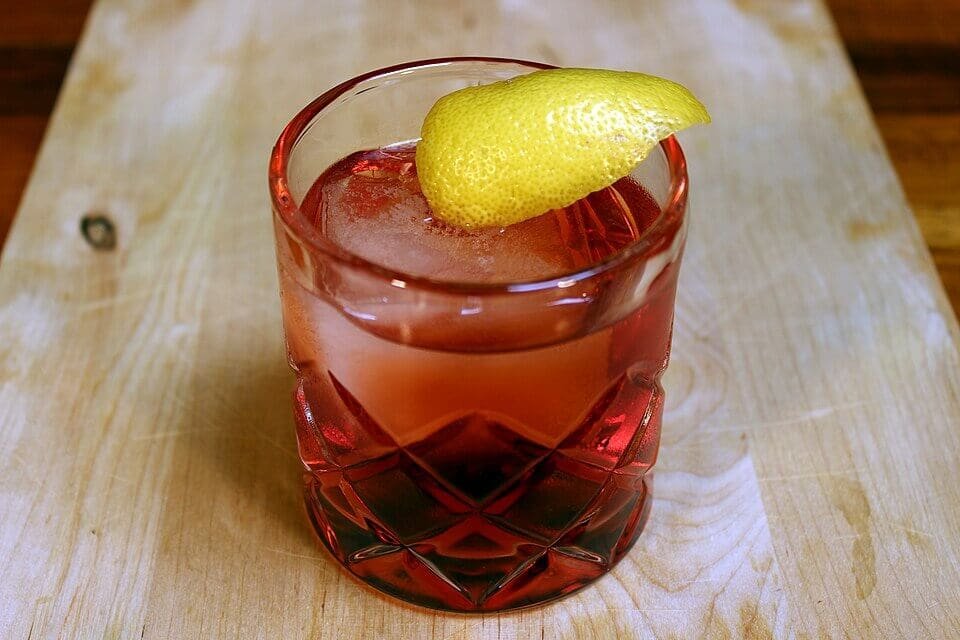
In 1919, at Caffè Casoni in Florence, Camillo Negroni asked bartender Fosco Scarselli to stiffen his usual Americano by replacing the soda water with gin. Equal parts gin, Campari, and sweet vermouth—that was the formula. The Negroni‘s appeal lay in its simplicity and its bitterness, a flavor profile that most cocktail traditions of the era actively avoided.
The Negroni spent decades as a connoisseur’s drink before experiencing a massive resurgence in the 2010s and 2020s, driven by the global craft cocktail movement and Campari’s annual Negroni Week charitable campaign. The three-ingredient formula has inspired an endless number of variations: the Boulevardier (bourbon for gin), the Negroni Sbagliato (prosecco for gin), and countless barrel-aged and mezcal-swapped riffs that populate cocktail menus from Tokyo to São Paulo.
Cocktail historian David Wondrich researched Camillo Negroni’s biography and found that his status as a “count” is questionable, though his grandfather Luigi was indeed a count. The drink’s aristocratic origin story, like many cocktail legends, is part verifiable history and part barroom mythology. Regardless, over a century later, the liquid in the glass has remained unchanged.
15. The Mojito {#the-mojito}
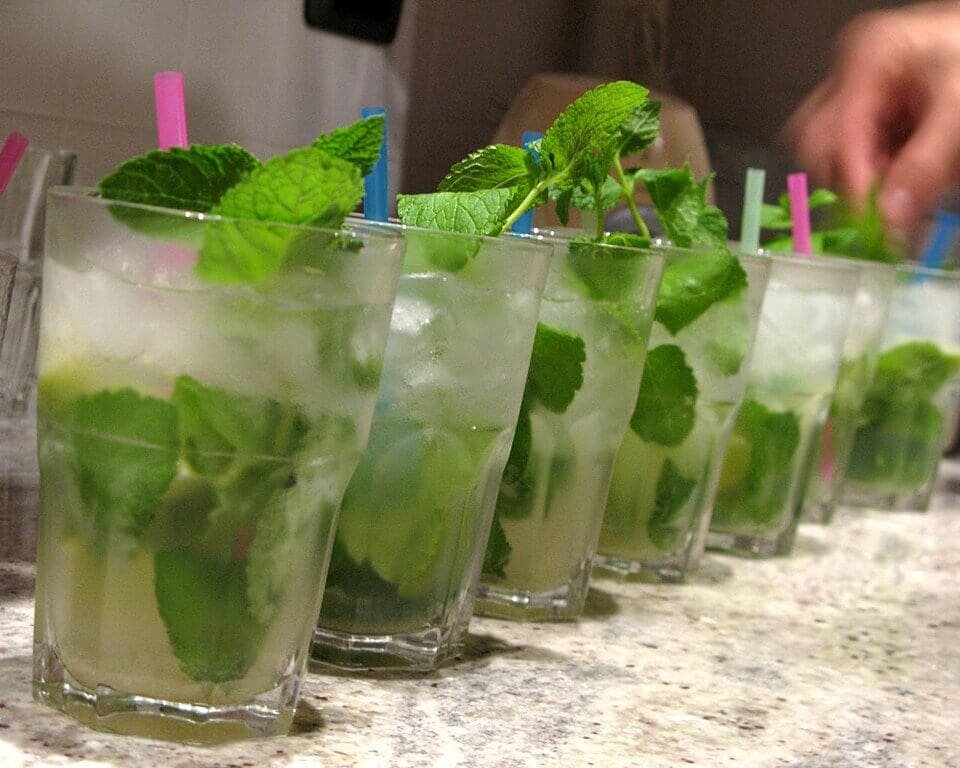
The mojito‘s roots trace to 16th-century Cuba, where a proto-version called “El Draque” may have been mixed using aguardiente, lime, sugarcane, and mint as a medicinal drink for Sir Francis Drake’s crew. The modern mojito—white rum, fresh lime juice, sugar, mint, and soda water—solidified in Havana’s bar culture during the 20th century.
La Bodeguita del Medio, a Havana bar established in 1942, claims to be the birthplace of the mojito, though this is disputed. What is not disputed is the bar’s association with Ernest Hemingway, who reportedly stated: “My mojito in La Bodeguita, my daiquiri in El Floridita.” The quote appears inscribed on the bar’s wall, though its attribution to Hemingway has been questioned by scholars.
The mojito functions equally well as a refreshing summer drink and as a year-round bar classic. Its balance of sweet, sour, herbal, and effervescent elements makes it an almost universally accessible introduction to cocktail culture, and its photogenic mint-and-lime presentation has made it one of the most photographed drinks on social media.
16. The Caipirinha {#the-caipirinha}
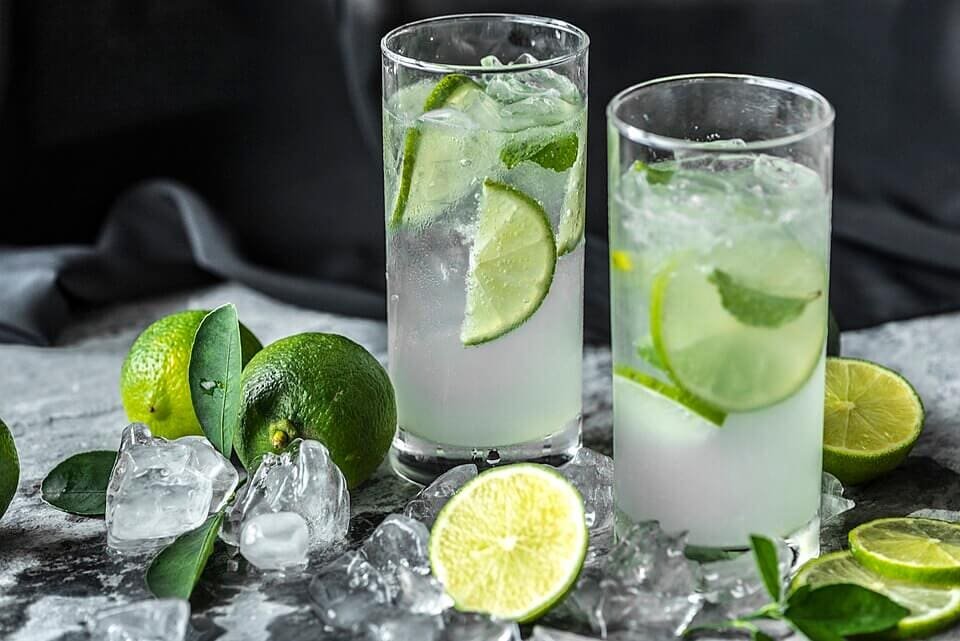
Brazil’s national cocktail, the caipirinha, is made from cachaça (distilled from fermented sugarcane juice), fresh lime, and sugar. The caipirinha’s origins likely trace to the early 20th century in the São Paulo countryside, where similar mixtures were used as folk remedies during the 1918 Spanish flu pandemic. Lime provided vitamin C. Garlic and honey were early additions. Cachaça provided everything else.
Brazil declared the caipirinha a Cultural Heritage in 2003, and Rio de Janeiro additionally recognized it as Intangible Heritage in 2019. Cachaça production dates to approximately 1610 in the state of Bahia. Today, Brazil produces over one billion liters of cachaça annually, with the vast majority consumed domestically. The international popularity of the caipirinha has grown alongside Brazilian cuisine’s expanding global presence.
The technique is specific: lime wedges are muddled with sugar directly in the glass; ice is added, followed by cachaça. No shaker, no strainer, no garnish beyond what is already in the drink. The caipirinha’s simplicity is its strength; three ingredients and a firm hand with a muddler.
17. Bubble Tea {#bubble-tea}
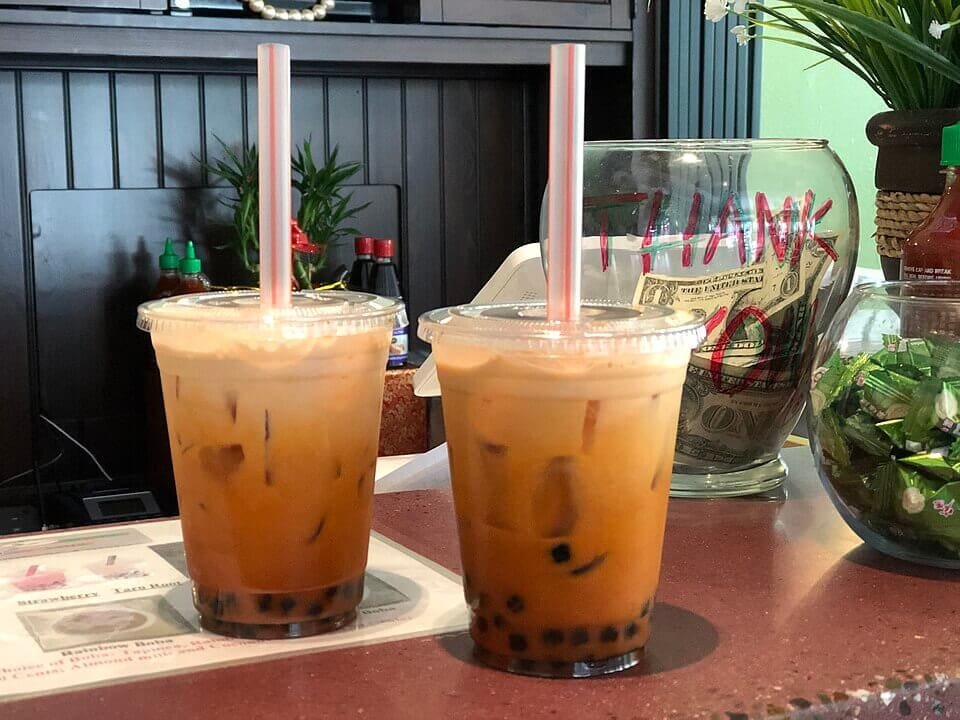
Bubble tea was invented in Taiwan in the 1980s. The drink’s true origin remains contested. Both Chun Shui Tang in Taichung and Hanlin Tea Room in Tainan claim to be the birthplace. Product development manager Lin Hsiu Hui at Chun Shui Tang allegedly poured tapioca balls into her iced tea during a staff meeting in 1988. Meanwhile, Hanlin Tea Room’s founder Tu Tsun-Ho claimed to have created the drink in 1986 after seeing white tapioca balls at a market. A legal dispute between the two shops ended without a definitive ruling on who invented bubble tea first.
Regardless, the drink has conquered the globe. The global bubble tea market was estimated at approximately $3.3 billion in 2025 and is growing rapidly, fueled by Gen Z consumers across Asia, North America, and Europe. The drink’s customization options—tea base, sweetness level, ice level, and dozens of toppings from tapioca pearls to cheese foam—make it inherently social-media-friendly. The oversized straw, chewy texture, and visual contrast of dark pearls against milky tea have made bubble tea one of the most visually distinctive drinks in the world.
Taiwan has essentially transformed bubble tea into a national export, similar to South Korea’s K-drama-driven food boom—a single drink carrying an entire nation’s soft-power ambitions.
18. The Espresso Martini {#the-espresso-martini}
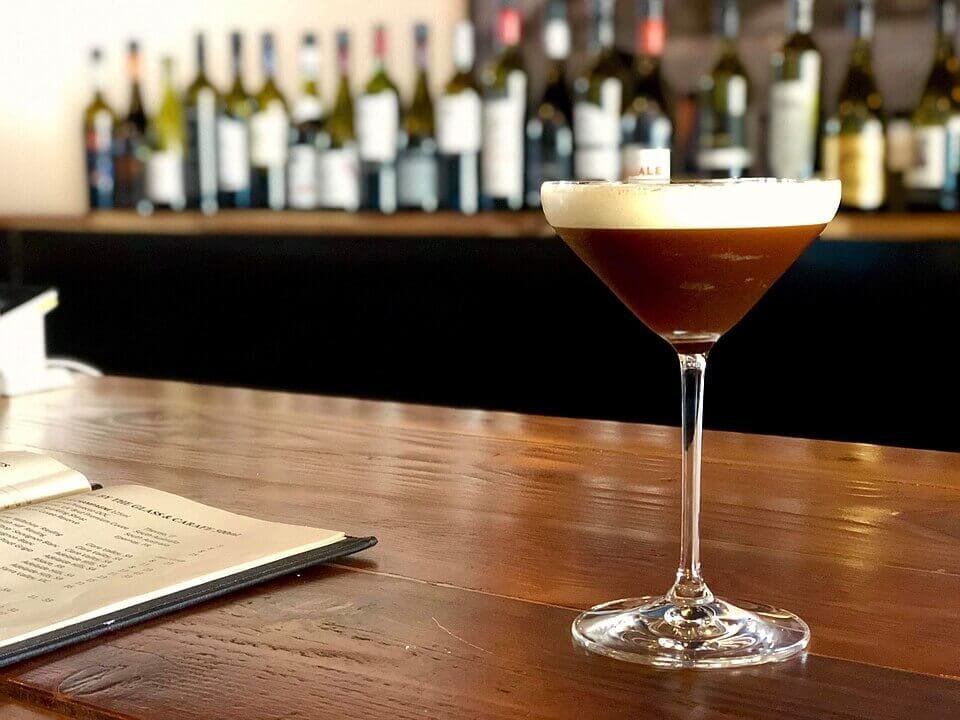
In 1983, London bartender Dick Bradsell was working at the Soho Brasserie when a young model (widely believed to be either Naomi Campbell or Kate Moss, though neither has confirmed) approached the bar and requested a drink that would “wake me up and then mess me up.” Bradsell combined vodka, freshly brewed espresso, coffee liqueur, and sugar syrup. He initially called the drink the Vodka Espresso. Later, it was renamed the Pharmaceutical Stimulant at Damien Hirst‘s Pharmacy bar in Notting Hill. It ultimately settled into its current name—the Espresso Martini.
For nearly two decades after Bradsell invented the drink, only London insiders knew it. It was not until the early 2020s that it experienced a massive resurgence worldwide, driven by social media, post-pandemic nightlife culture, and a generation looking for caffeine and alcohol in the same glass. By the mid-2020s, the Espresso Martini had become one of the most ordered cocktails globally, appearing on virtually every cocktail menu from New York to Melbourne.
Dick Bradsell passed away in 2016 at the age of 56, before witnessing the full scale of his creation’s global dominance. His daughter, Bea Bradsell, now carries his legacy forward, documenting the true origins of the drink and educating bartenders worldwide. The Espresso Martini is the youngest drink on this list. It is also proof that one creative moment behind a bar can produce a cultural artifact that outlives its creator.
Quick Reference: The 18 Beverages That Built the Modern World
| # | Beverage | Origin / Era | Base Components | Global Impact & Significance |
|---|---|---|---|---|
| 1 | Tea | Ancient China (2737 BCE) | Tea leaves, water | 2nd most consumed globally; $69.51B market; sparked global trade routes. |
| 2 | Coffee | Ethiopian Highlands (9th c.) | Coffee beans, water | $249.34B market; 15-20M Ethiopian jobs; fueled the Enlightenment. |
| 3 | Beer | Western Iran (~3500 BCE) | Barley, hops, water | 3rd most consumed globally; deeply embedded in ancient civilizations and modern craft movements. |
| 4 | Wine | Georgia (~6000 BCE) | Fermented grapes | $330B annual revenue; strictly regulated globally via AOC systems. |
| 5 | Coca-Cola | Atlanta, USA (1886) | Carbonated water, sweetness | Sold in 200+ countries; iconic global branding; shaped modern cultural imagery. |
| 6 | Espresso | Italy (1884/1901) | Pressurized coffee | Transformed coffee into a rapid public ritual; base for all specialty drinks. |
| 7 | Scotch Whisky | Scotland (1494) | Malted barley/grain | 43 bottles shipped globally per second; protected by strict UK regulatory framework. |
| 8 | Champagne | France (17th century) | Chardonnay, Pinot Noir/Meunier | Universal symbol of celebration; fiercely protected geographic designation. |
| 9 | Sake | Japan (~500 BCE) | Rice, Koji mold, yeast | Deeply intertwined with Shinto traditions and Japanese culinary ceremonies. |
| 10 | Turkish Coffee | Ottoman Empire (15th c.) | Finely ground coffee | UNESCO Intangible Cultural Heritage (2013); known for fortune-telling rituals. |
| 11 | Masala Chai | India / British Colonial Era | Black tea, milk, spices | The backbone of Indian daily life; crosses class and caste boundaries. |
| 12 | Tequila | Jalisco, Mexico | Blue Weber agave | 495.8M liters produced (2024); highly regulated 7-10 year maturation process. |
| 13 | Matcha | Japan (12th century) | Powdered green tea | 800-year Zen Buddhist heritage transformed into a global wellness phenomenon. |
| 14 | The Negroni | Florence, Italy (1919) | Gin, Campari, sweet vermouth | A bitter, three-ingredient classic driving the global craft cocktail resurgence. |
| 15 | The Mojito | Havana, Cuba (20th c.) | White rum, lime, mint, sugar | Universally accessible, photogenic cocktail heavily associated with Havana bar culture. |
| 16 | The Caipirinha | Brazil (early 20th c.) | Cachaça, lime, sugar | Brazil’s national cocktail; over 1B liters of cachaça consumed domestically. |
| 17 | Bubble Tea | Taiwan (1980s) | Tea, milk, tapioca pearls | $3.3B market; massively popular with Gen Z; a vehicle for Taiwanese soft power. |
| 18 | The Espresso Martini | London, UK (1983) | Vodka, espresso, liqueur | The youngest drink on the list; dominated global post-pandemic nightlife. |
Frequently Asked Questions
What is the most consumed drink in the world after water? Tea holds the title as the most consumed beverage in the world after water, according to the Food and Agriculture Organization of the United Nations. The global tea market was valued at approximately $69.51 billion in 2025. The top three producers are China, India, and Kenya. These popular drinks around the world come with vastly different customs, from Japanese matcha ceremonies to British afternoon tea to Moroccan mint tea.
What is the oldest alcoholic drink in history? Several candidates exist from the Neolithic period. The earliest chemical evidence of grape wine dates to approximately 6000 BCE in Georgia. Chemically confirmed evidence of barley beer dates to approximately 3500–3100 BCE at Godin Tepe in modern-day Iran. Many researchers believe fermented rice drinks in China may predate both.
Who invented the espresso martini? London bartender Dick Bradsell created the original version in 1983 at the Soho Brasserie. A young model reportedly requested a drink that would “wake me up and then mess me up.” Bradsell mixed vodka, freshly brewed espresso, coffee liqueur, and sugar syrup. Originally called the Vodka Espresso, it eventually became known as the Espresso Martini.
Was bubble tea originally from China or Taiwan? Bubble tea originated in Taiwan in the 1980s, not mainland China. Two Taiwanese tea shops—Chun Shui Tang in Taichung and Hanlin Tea Room in Tainan—both claim to have invented it, and a legal dispute ended without a definitive ruling.
Which drinks have been recognized by UNESCO? Several drink traditions hold UNESCO Intangible Cultural Heritage status. Turkish coffee culture and tradition was inscribed in 2013, making it the first beverage-centered tradition recognized. Belgian beer culture was inscribed in 2016. Georgian qvevri winemaking was inscribed in 2013. Italy has submitted its espresso culture for consideration.
What is the most expensive drink in the world? The most expensive drinks tend to be rare vintage wines, aged single malt Scotch whiskies, and prestige cuvée Champagnes. Bottles of rare Scotch have sold for hundreds of thousands of dollars at auction, while some Burgundy wines have exceeded $500,000 per bottle. Among everyday luxury beverages—classic drinks you must try at least once—premium tequila, Japanese whisky, and high-grade matcha command significantly higher prices than their mass-market counterparts.