



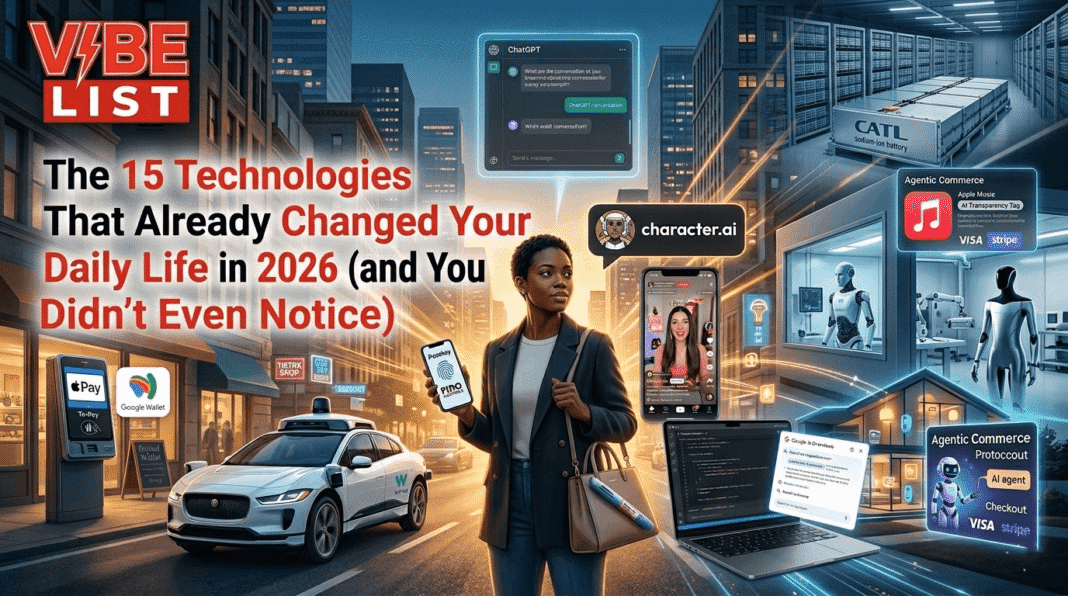
900 million weekly users for a chatbot that now files your taxes. 500,000 driverless rides per week across ten American cities. One in eight adults on a single class of medication that is reshaping the food industry from the inside. 7 million AI-generated songs produced every day; more than Spotify’s entire catalog every two weeks. A $20,000 robot that folds your laundry. 69 percent of users already authenticating without a password. None of these arrived with a launch countdown. They arrived in a software update you approved while half asleep.
What has already changed your life since 2025?
Each January, a familiar cycle repeats in the media. Gartner publishes its annual strategic trends. Deloitte issues its yearly forecasts. MIT Technology Review lists the year’s top breakthroughs. Each headline uses the same language structure: “Technologies to Watch.” “Trends That Will Shape the Future.” “What’s Next?”
But framing these stories as something that will come next no longer makes sense. The future arrived. It moved into your carpool. It came into your browser. It entered your checkout process. It showed up at your pharmacy. You are already living inside the future that last year’s headlines predicted. You simply have not noticed yet.
This is not a forecast. There are no predictions of what may happen in 2030. No speculation. Every item on this list is working today, changing consumer behaviors on a massive scale, and generating billions in economic activity by April 2026. Some are designed to be invisible. Many others are so new that the cultural conversation surrounding them has not yet occurred. All of them have altered something; at least one thing; about how you live, work, pay, eat, search, travel, or recover. Most people are still trying to process the news from 2025 while 2026 is already upon us.
Here are the fifteen ways that technology has already changed your life in 2026:
[IMAGE: Wide-angle cityscape with autonomous vehicles, digital payment terminals, and smart home devices visible; conveying the invisibility of embedded technology in daily life]
1. AI Chatbots Are Now Everything Apps {#1}
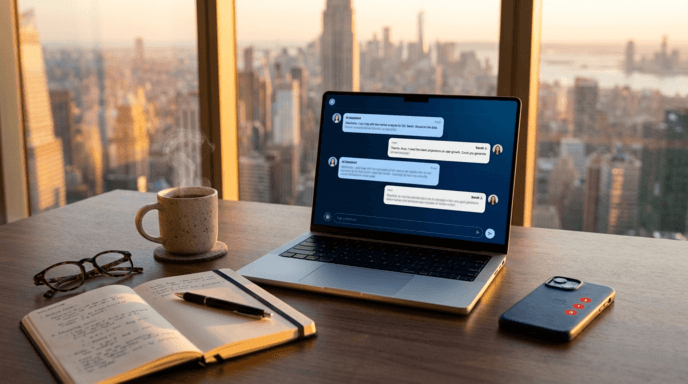
In 2025, if you wanted to write an email or brainstorm birthday gift ideas, you probably opened ChatGPT. Today, it is the primary way tens of millions of people interact with the world each day.
In February 2026, OpenAI announced that ChatGPT had hit 900 million weekly active users and had surpassed 50 million paid subscribers. At the same time, the company announced it had secured $110 billion in private financing at a $730 billion pre-money valuation. Those are not experimental product metrics. Those are structural indicators of how people now behave.
Last year, OpenAI integrated its platform with Intuit products such as TurboTax and QuickBooks for tax and accounting workflows, and Adobe products such as Photoshop for image editing. The company also released ChatGPT Health, which integrates with Apple Health to offer personalized wellness suggestions. According to OpenAI, over 40 million people use ChatGPT daily for health-related questions.
Vibe List Takeaway: Just as WeChat did in China nearly a decade ago, the chatbot is evolving into a super-app; however, it is happening at scale much faster due to existing infrastructure. The question is no longer whether you use a chatbot. It is how many decisions you have made this week that you did not know were being managed by one. The same AI tools reshaping productivity are now reshaping how you navigate daily life.
2. Robotaxis Operate on City Streets {#2}
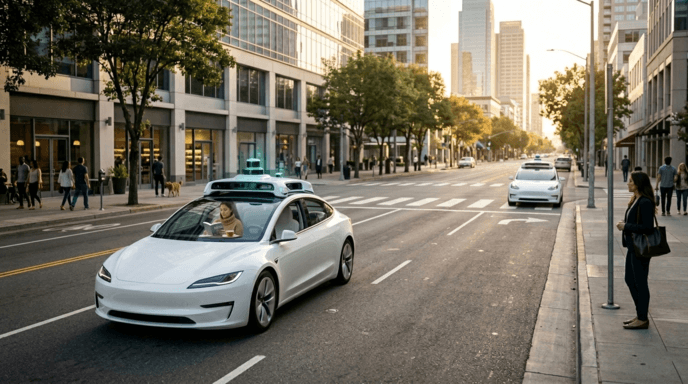
There is nothing quite like riding in a car with no human behind the wheel. As of 2026, that is possible in ten cities in America.
[IMAGE: A white Waymo robotaxi navigating a city street at dusk with passengers visible through the windows]
As of mid-February 2026, Waymo, Alphabet’s self-driving division, had activated its robotaxi program in Dallas, Houston, San Antonio, and Orlando; bringing the number of U.S. metropolitan markets with commercial operations to ten. Prior to that, the company was providing passenger services in Arizona (Phoenix), California (Los Angeles and San Francisco), Texas (Austin), Florida (Miami), and Georgia (Atlanta).
Tekedra Mawakana, co-CEO of Waymo, told Bloomberg Television in February 2026 that “by the end of 2026, we will be doing over 1 million trips per week.” As of late March 2026, Waymo had already reached 500,000 paid rides per week across all ten cities; a tenfold increase in under two years.
However, Waymo is not alone. Tesla introduced its own robotaxi ride-hailing service in Austin in June 2025 and expanded to San Francisco in July 2025. Amazon subsidiary Zoox unveiled a fully autonomous, bi-directional vehicle with no steering wheel in Las Vegas and San Francisco. New York Governor Kathy Hochul initially proposed legislation in January 2026 authorizing limited autonomous vehicle pilots in smaller cities outside New York City; however, she withdrew the proposal in February 2026 following opposition from labor groups.
These are not demonstration prototypes. These are commercial services that allow consumers to hail a ride through a mobile app to go to the grocery store. Waymo operates approximately 3,000 vehicles across all of its markets. The company recently raised $16 billion in new funding at a valuation of $126 billion. Later this year, Waymo plans to launch operations in London and Tokyo.
Of course, safety concerns remain legitimate. The National Highway Traffic Safety Administration initiated an inquiry after a Waymo vehicle struck a six-year-old boy riding a bicycle at six miles per hour near a school in Santa Monica. The National Transportation Safety Board is investigating how robotaxis interact with school buses. While the technology has advanced dramatically, the chaotic conditions of human traffic, pedestrian unpredictability, and extreme edge-case situations continue to create ongoing uncertainty regarding the safety of autonomous vehicles.
Vibe List Takeaway: Robotaxis are no longer science fiction; they are a commercial transportation option in ten American cities and counting. But the distance between “available” and “trusted” is measured in incident investigations, not marketing campaigns.
3. AI-Powered Search Is Replacing the Blue Link {#3}
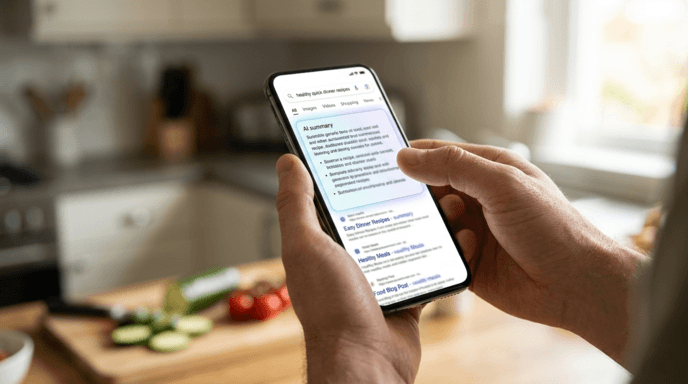
For decades, searching the internet meant typing a query and scanning a list of blue links. That paradigm is disappearing.
As of February 2026, Google’s AI Overviews; the AI-generated summaries that appear above traditional search results; now appear on approximately twenty percent of all Google searches and reach highs of 37.2 percent in certain countries. Of all health-related searches conducted via Google, AI Overviews activate on more than half of queries. Between February 2025 and February 2026, Google’s AI Overview coverage grew by 58 percent across nine prominent industries.
At the same time, standalone AI search engines grew rapidly. Approximately 45 million active users utilized Perplexity AI as of February 2026; roughly double from 22 million at the beginning of 2025. OpenAI CEO Sam Altman confirmed that ChatGPT was returning over ten percent monthly growth in February 2026.
The resulting impact is enormous. The organic click-through rate on queries producing AI Overviews decreased 61 percent; meanwhile paid click-through rates decreased 68 percent for similar queries between June 2024 and September 2025. For content creators and companies reliant on search traffic, this is not a developing trend. It is an unfolding crisis already underway.
Vibe List Takeaway: The era of “Googling” something is not ending; what “Googling” means is changing dramatically. When answers appear before anyone clicks a link, the underlying economics for open-web advertising, affiliate marketing, and publishing are disrupted beneath everyone’s feet. The addictive internet trends shaping online consumption in 2026 are amplified by the very way we now discover content.
4. Shopping AI Agents Are Automating Your Purchases {#4}
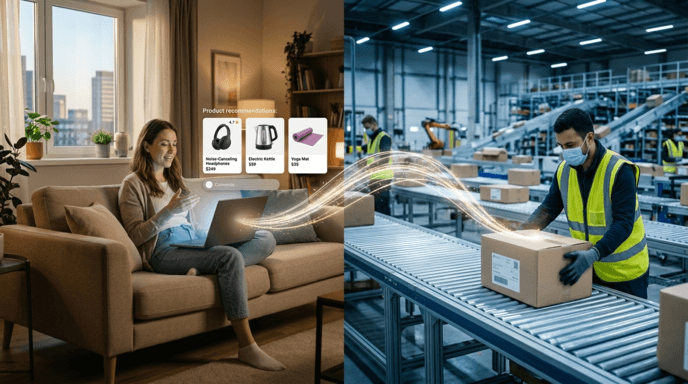
Online shopping has always required effort: locating products, comparing prices, and entering payment details. In 2026, AI agents began automating significant portions of that process.
OpenAI introduced its Instant Checkout feature in ChatGPT, allowing users to purchase products directly through participating merchant storefronts. Perplexity rolled out Buy With Pro to all users, with PayPal integration and in-chat checkout across over 5,000 merchants. Google created a product-sifting tool capable of scanning tens of billions of product listings, monitoring price fluctuations, and contacting local retailers to determine inventory levels. Amazon released Rufus along with its Buy for Me feature that streamlines purchasing and checkout processes.
McKinsey estimated that by 2030, consumer retail spending could range between $1 trillion domestically in the United States and $3 trillion to $5 trillion globally for B2C retail utilizing agent-based commerce models. eMarketer estimated that U.S. retail spending through AI platforms would reach $20.9 billion in 2026.
This is not theory; it is architecture being built and tested at scale. The implications extend to brand discovery and raise the question of whether traditional advertising can still function as a growth mechanism.
Vibe List Takeaway: The moment an AI agent decides which product to buy on your behalf, decades of brand-building through shelf placement, banner ads, and search rankings lose their leverage. The next era of commerce may not be won by the brands consumers recognize; it may be won by the brands AI agents recommend.
5. GLP-1 Weight-Loss Drugs Are Transforming Healthcare {#5}

No technology on this list has altered individual behavior more than GLP-1 receptor agonists; specifically semaglutide (marketed as Ozempic and Wegovy by Novo Nordisk) and tirzepatide (marketed as Mounjaro and Zepbound by Eli Lilly). These medications have become arguably the most influential pharmaceutical development since birth control.
[IMAGE: Pharmaceutical packaging for GLP-1 medications alongside a scale, conveying the health transformation theme]
Approximately one in eight Americans now use GLP-1 medications for weight reduction, diabetes, or another condition, according to a KFF poll. CVS Caremark projects that utilization for weight management will expand by approximately 25 percent during 2026. With 30 to 40 percent of U.S. adults meeting obesity criteria via body mass index, demand is unlikely to slow.
GLP-1 drugs are expanding beyond their initial weight-loss indication. A meta-analysis authored by researchers at Johns Hopkins University’s Bloomberg School of Public Health, published in JAMA Internal Medicine in early March 2026, demonstrated that GLP-1 medications exhibit comparable efficacy regardless of age, race, ethnicity, or baseline weight. A Nature editorial referred to the rapid emergence of semaglutide as “astonishing”; noting that one category of medication is altering how individuals perceive their body weight and health.
Perhaps most importantly for 2026 will be a transition from injectable GLP-1 formulations to oral forms. CNBC reported that 2026 represents “the year of obesity pills,” as both Novo Nordisk and Eli Lilly compete aggressively to release oral GLP-1 versions. The AAMC reported that within three weeks of their U.S. launch on January 5, 2026, newly approved GLP-1 pills had been prescribed to approximately 170,000 people. The FDA issued official notification that U.S.-based GLP-1 shortages were resolved in April 2025, thereby eliminating supply constraints limiting access for millions of patients.
Vibe List Takeaway: This is not merely a pharmaceutical phenomenon. GLP-1 medications have begun to influence the food service sector, snack food manufacturers, the fitness economy, and even aircraft seat sizing estimates. When one category of medication alters caloric consumption for tens of millions of people, secondary impacts ripple through every consumer-facing industry.
This content is for informational purposes only and does not constitute professional medical advice. Consult a qualified healthcare provider for personalized guidance.
6. Generative AI Codes Your Software {#6}
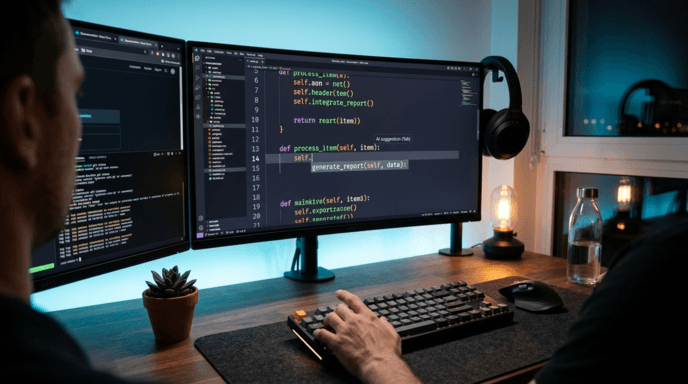
If you have used any app, program, website, or digital service in the past twelve months, there is a strong chance that a portion of its code was generated by AI.
GitHub Copilot; an AI-driven coding assistant powered by OpenAI; now creates an average of 46 percent of all code written by developers using it, with Java developers seeing code generation averages of up to 61 percent. As of early 2026, GitHub Copilot has 4.7 million paid subscribers; a 75 percent increase year over year. Industry-wide, AI coding tool adoption among developers using ChatGPT averages 64 percent, while Copilot usage averages 49 percent.
An independent analysis referenced by TrendingTopics.eu indicates that AI-generated code has reached 29 percent across all U.S.-based software development. Generative AI enabled programmers to produce code 18 percent more efficiently by end of 2024; a figure that has continued to rise.
The global market for AI coding tools reached $7.37 billion and is growing rapidly. Generative coding was listed as one of MIT Technology Review’s 10 Breakthrough Technologies in 2026.
You do not need to be a programmer to recognize this shift. Faster app updates, quicker bug fixes, accelerated feature introductions; all are evidence that AI has assumed the role of co-developer alongside human programmers.
Vibe List Takeaway: The software on your phone updated faster this year. The new feature you noticed in your banking app shipped weeks ahead of schedule. The reason is not better project management. The reason is that a machine wrote a significant portion of the code.
7. Sodium-Ion Batteries Enter Mass Production {#7}
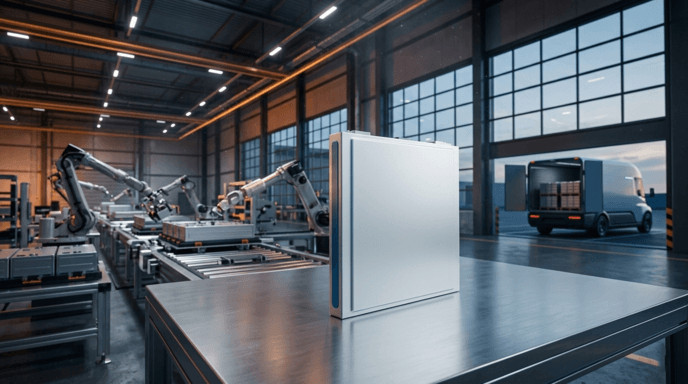
Sodium-ion batteries, like their lithium-ion counterparts, power electric vehicles and mobile electronics. But while lithium-ion batteries led the initial wave of electrification, sodium-ion batteries are entering mass production in 2026; a shift that could reshape the economics of energy storage.
China’s CATL (the world’s largest battery manufacturer) began commercially producing sodium-ion batteries in January 2026. The company’s first mass-produced sodium-ion battery pack is rated at 45 kWh and designed for light commercial use. The battery functions in extreme cold temperatures down to –30°C. At temperatures as low as –40°C, the battery retains 90 percent of its operational capability. CATL also announced a partnership with Changan Automobile for what they describe as the world’s first mass-production sodium-ion battery vehicle program.
According to CATL, sodium-ion batteries have a lifespan exceeding 10,000 charge-discharge cycles; significantly higher than the 1,000 to 2,000 cycle limit typically observed with conventional lithium-ion cells. At approximately 365 cycles per year, that equates to roughly thirty years of operation; a figure that could revolutionize grid-scale energy storage.
Market projections indicate that the sodium-ion battery market will expand from $1.39 billion in 2025 to $6.83 billion by 2033, according to Precedence Research data referenced by CATL. CATL’s Naxtra sodium-ion battery achieves an energy density of up to 175 Wh/kg. Since sodium is inexpensive and available in abundance worldwide, the sodium-ion battery market does not present the same geopolitical supply-chain risks associated with lithium.
Lithium prices are climbing again. Lithium carbonate futures on the Guangzhou Futures Exchange reached a high of 156,060 yuan per tonne (approximately $22,300) in January 2026; an increase of greater than 160 percent since lithium carbonate futures bottomed out in 2025. This provides added incentive for alternative battery chemistries.
Vibe List Takeaway: Sodium-ion batteries will not displace lithium-ion batteries tomorrow. Energy density remains lower, limiting range for passenger vehicles. However, sodium-ion is likely to become the dominant battery chemistry for grid storage, commercial vehicles, and cold-climate applications by the end of the decade. The next wave of portable devices; including the consoles powering the biggest games of 2026; may run on batteries built with this chemistry.
8. Social Commerce Crosses the $100 Billion Threshold {#8}
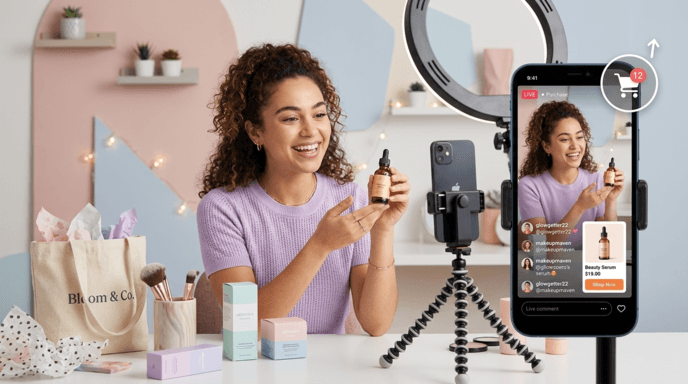
TikTok Shop is projected to generate $23.4 billion in U.S. ecommerce revenue in 2026, according to eMarketer estimates referenced by Forbes. That would make TikTok Shop’s U.S. business larger than Target, Costco, Best Buy, and Kroger individually.
U.S. total social commerce is forecast to exceed $100 billion for the first time in 2026. More than 51 percent of U.S. social shoppers expect to make purchases on TikTok this year. Brands with at least $30 million in annual revenue grew by 95 percent in the first six months of 2025 on TikTok Shop. Major brands such as Crocs, Ulta, and Sally Beauty now sell products through the platform.
Livestream shopping succeeds because it combines discovery, evaluation, and purchasing in a single uninterrupted event. A creator presents a product live. A countdown timer creates urgency. A scrolling notification reads “327 others bought this already.” The viewer trusts the creator through a parasocial relationship and bypasses the deliberation process that usually prevents impulse purchases. As other addictive internet trends demonstrate, and as the songs that owned TikTok in 2026 illustrate, this format is among the stickiest engagement mechanisms ever conceived.
Vibe List Takeaway: Social commerce is no longer a subcategory of ecommerce. At $100 billion in the U.S. alone, it is becoming the primary retail channel for an entire generation of consumers who do not distinguish between entertainment and shopping.
9. Passkeys Replace Passwords {#9}
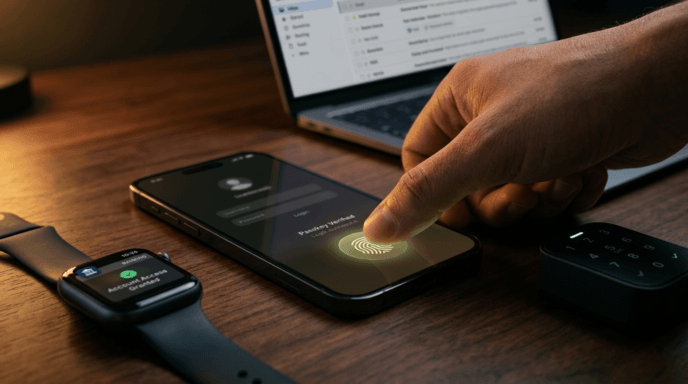
The password is dying. By 2026, its replacement has reached critical mass.
Passkeys; cryptographic credentials stored on your device that use biometrics like Face ID or fingerprint scanning instead of passwords; are now supported by over 48 percent of the top 100 websites; more than double the number from 2022. According to the latest data, 69 percent of users now have at least one passkey enabled. According to a report published by Security Boulevard in March 2026, Microsoft has begun automatically enabling passkeys for millions of users. Furthermore, over 87 percent of enterprises now employ some form of passwordless authentication. Passkeys achieve a 93 percent successful login rate compared to 63 percent for traditional passwords.
Apple, Google, and Microsoft have all committed to FIDO2 passkey standards, and FIDO2 adoption rose by 350 percent in 2024. If your phone recently asked whether you wanted to “Save a passkey?” instead of a password when signing in to a website, you experienced the most significant shift in authentication since the password was invented.
Vibe List Takeaway: The password survived for over three decades. Its replacement arrived not through a single product launch but through quiet, coordinated infrastructure changes by the three largest technology companies on Earth. Most people will not remember the moment they stopped using passwords. That is exactly how the best technology transitions work.
10. Matter Protocol Makes Smart Homes Finally Interoperable {#10}

Smart homes have long been a disjointed mess. Your Google Home speaker could not communicate with your Apple HomeKit light bulbs. Your Alexa-compatible thermostat ignored your Samsung SmartThings sensors. The goal of the Matter protocol, developed by the Connectivity Standards Alliance with backing from Apple, Google, Amazon, and Samsung, is to solve this problem.
At CES 2026, numerous manufacturers demonstrated Matter-compatible devices covering everything from lights and sensors to locks and appliances. Since Matter’s rollout, both Apple and Google have deepened their smart-home commitments. Apple has begun phasing out its legacy HomeKit framework in favor of Matter-enabled compatibility.
Matter allows smart lights sold by different manufacturers to be controlled from any platform. By removing the biggest barrier preventing widespread adoption of smart home automation; lack of interoperability between devices; the smart home is finally evolving into what it originally claimed to be: an interconnected system, rather than an assortment of isolated gadgets.
Vibe List Takeaway: Matter is not a product you buy. It is a protocol you benefit from the next time every device in your house responds to a single voice command regardless of which company manufactured it.
11. Digital Wallet Usage Exceeds Five Billion Users {#11}
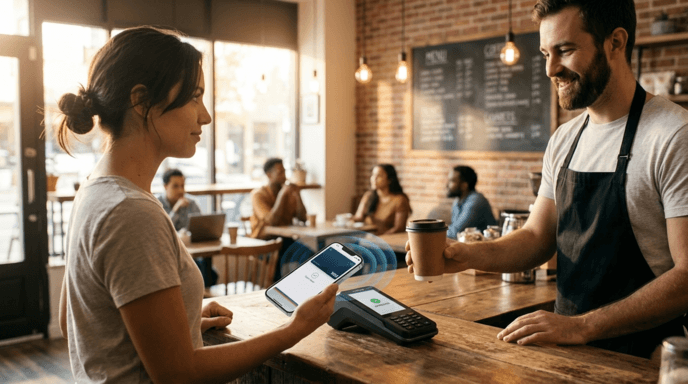
Juniper Research projects that digital wallet users will exceed 5.2 billion globally in 2026; an increase from 3.4 billion only two years prior. That exceeds 60 percent of the world’s population.
More than 51 percent of U.S. consumers have used a digital wallet to complete a transaction in-store within the past 90 days; a steep growth curve indicating that contactless payment is approaching the tipping point. Digital wallets represent approximately 53 percent of all global digital payment transactions.
These developments are driven primarily by the expansion of Apple Pay, Google Wallet, and Samsung Pay; along with regional platforms such as Alipay and WeChat Pay. Many younger consumers view tap-to-pay on their phone or smartwatch as a default payment method; not an alternative. Physical wallets are rapidly becoming similar to landline phones: technically functional but culturally obsolete for a growing share of the population.
Vibe List Takeaway: The physical wallet is not vanishing because anyone declared war on it. It is vanishing because a generation of consumers grew up tapping their phone at every register and never formed the habit of carrying cash or cards.
12. Humanoid Robots Enter Homes and Workplaces {#12}

According to a January 2026 article from the New York Post, 1X Technologies‘ NEO robot; a humanoid robot designed for household tasks; began accepting pre-orders at $20,000 (or $499 per month on a subscription plan).
Tesla‘s Optimus robot targets pricing between $20,000 and $30,000 for mass production. Figure AI launched Figure 03 with fine motor dexterity that approaches surgical precision. 1X Technologies released its own world model; a type of AI system trained on multimodal data that understands physical concepts including gravity, balance, and causality; enabling robots to operate in unpredictable environments, empty a dishwasher, and fold clothes; tasks requiring multi-step reasoning beyond what traditional programming can accomplish.
Robotic home assistants remain expensive and limited. Nevertheless, the rapid progression from laboratory prototype to consumer pre-order within eighteen months suggests that the $20,000 home robot of 2026 may evolve into the $5,000 home appliance of 2030.
Vibe List Takeaway: A humanoid robot that folds your laundry sounds like science fiction until you remember that a pocket computer that navigates you to the nearest restaurant also sounded like science fiction; and that device now lives in seven billion pockets.
13. AI Companions Become Part of Emotional Infrastructure {#13}

AI companions were named one of MIT Technology Review’s 10 Breakthrough Technologies in 2026; not as a productivity tool or enterprise solution, but as a technology intended for emotional connection.
Character.AI has approximately 20 million monthly active users, with the average session lasting roughly two hours. Users form strong parasocial connections with AI-generated personalities. ChatGPT is exploring companion-style features, and several mainstream platforms; including Grok; are testing increasingly personal conversational modes. The New York Times conducted extensive reporting on romantic relationships formed between humans and AI chatbots.
The cultural ramifications are substantial. If millions of individuals rely on an AI for emotional support, companionship during periods of loneliness, or simply conversational interaction, a psychological boundary begins to blur between tool and relationship. When users develop attachments toward an entity that can be modified through future software updates, serious questions arise regarding mental health, attachment theory, and corporate responsibility.
Vibe List Takeaway: The most consequential technology shift of 2026 may not be measured in dollars, rides, or code commits. It may be measured in the number of people who said “goodnight” to an AI before they went to sleep.
14. AI Transparency Tags Arrive for Music and Media {#14}
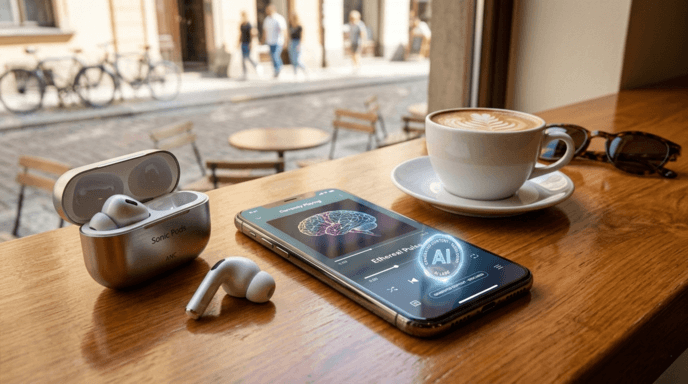
Generative AI has dominated music industry coverage since 2024. In early March 2026, the first transparency systems arrived.
On March 4, 2026, Apple Music launched its Transparency Tags system; a set of metadata tags enabling record labels and distributors to identify whether a track uses AI-generated art, vocals, or composition. The initiative comes in the wake of Suno, an AI music platform that generates approximately 7 million songs per day, according to Billboard; equivalent to Spotify’s entire catalog every two weeks.
Universal Music Group, Sony Music Group, and Warner Music Group filed a joint lawsuit against Suno and Udio in June 2024, alleging copyright violations and seeking damages of up to $150,000 per infringement. Warner Music later settled with Suno and entered a partnership agreement in November 2025; the other lawsuits remained pending.
The introduction of transparency tags represents the music industry’s initial attempt to find a balance between total prohibition of AI-generated music and unregulated creation. The success of the program depends on whether distributors and labels actually use the tags. Apple’s system is voluntary, not mandatory. Many of the songs already dominating TikTok in 2026 raise questions about the blurring lines between human-created and AI-generated music. Transparency tags represent the industry’s first structural response to those questions.
Vibe List Takeaway: Labeling AI-generated content sounds straightforward until you realize the system depends entirely on voluntary compliance from the same companies racing to profit from it.
15. Agentic Commerce Protocols Are Rebuilding Payment Infrastructure {#15}
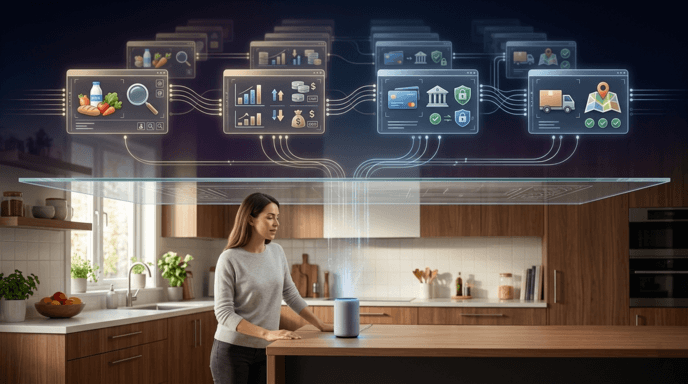
While shopping AI agents (entry four) are becoming common, an underlying revolution is simultaneously reshaping the payment rails. Entirely new payment protocols are being built for commerce environments where the buyer is not a human but an AI agent.
Google launched its Universal Commerce Protocol (UCP) in January 2026, building on its Agent Payments Protocol (AP2) from September 2025. The standard is backed by Mastercard, PayPal, American Express, Adobe, and Alibaba. OpenAI collaborated with Stripe to develop the Agentic Commerce Protocol (ACP), allowing users to purchase items directly within ChatGPT without leaving the chat environment. Visa launched its Trusted Agent Protocol (TAP) in October 2025 and is conducting pilot tests where AI agents make purchases based on pre-established user budgets, in conjunction with Anthropic, IBM, Microsoft, OpenAI, Perplexity, and Samsung.
The emerging payments infrastructure is focused on more than convenience. It is fundamentally redesigning how money flows in situations where the originator of a transaction is a software agent rather than a person. New frameworks will be required for authentication, fraud prevention, consent, and dispute resolution when the “customer” clicking “buy” is a large language model acting under delegated authority.
McKinsey reports that the time required for large language models to complete tasks previously requiring several hours of human labor has doubled approximately every seven months since 2019. Once AI agents can perform multi-hour tasks and there exists a payment infrastructure supporting those agents’ independent transactions, the entire commerce paradigm shifts from human-directed to agent-managed.
Vibe List Takeaway: The protocols being built today will determine who controls the next trillion dollars of retail spending. The companies writing these standards are not asking for permission. They are writing the rules of a new economy and daring regulators to keep up.
What Connects All Fifteen Technologies
Each technology listed here shares two traits.
The first is invisibility. Every one of these technologies arrived without fanfare, launch ceremonies, or countdown clocks. They integrated themselves into daily life through software updates, app feature enhancements, regulatory approvals, and back-end infrastructure upgrades executed quietly while we checked our feeds. The robotaxi that blended into traffic. The AI summary that appeared at the top of your search results. The passkey prompt that replaced the password field. None of these technologies asked for your attention. They simply became the new default.
The second is acceleration. The gap between “breakthrough” and “mainstream” has contracted from decades to months. Generative AI went from novelty to nearly 900 million weekly users in under three years. Robotaxis went from one city to ten cities in under a year. Sodium-ion batteries went from laboratory chemistry to mass production in under two years. Human behavioral adaptation has become the limiting factor; and as this list demonstrates, even that adaptation is happening faster than most people realize.
15 Technologies Reshaping Daily Life in 2026: Key Metrics, Impact & Primary Sources
| # | Technology | Category | Key Metric | Why It Matters | Primary Source |
|---|---|---|---|---|---|
| 1 | AI Chatbots (ChatGPT) | Software / AI | 900M weekly users; 50M paid subscribers; $730B valuation | Evolved from Q&A tool to super-app integrating finance, healthcare, and shopping | TechCrunch, Feb 2026; OpenAI |
| 2 | Robotaxis (Waymo) | Transportation | 500,000 rides/week; 10 U.S. cities; $126B valuation | Commercial driverless rides available for everyday errands; targeting 1M rides/week by year-end | TechCrunch, Mar 2026; Bloomberg |
| 3 | AI-Powered Search | Search / AI | AI Overviews on ~20% of Google searches; 58% YoY growth | Organic CTR dropped 61%; reshaping economics of publishing and advertising | Search Engine Journal, Mar 2026; SeoProfy |
| 4 | AI Shopping Agents | E-commerce / AI | $20.9B U.S. AI retail spend (2026 est.); $1T projected by 2030 | AI agents automating product discovery, price comparison, and checkout | eMarketer; McKinsey |
| 5 | GLP-1 Weight-Loss Drugs | Healthcare / Pharma | 1 in 8 Americans using; ~25% growth projected in 2026 | Influencing food, fitness, and airline industries; oral formulations launching | KFF; CVS Caremark; Johns Hopkins / JAMA |
| 6 | Generative AI Code | Software Development | 46% of code generated by Copilot users; 4.7M paid subscribers | AI is co-developer on most new software; accelerating updates and feature delivery | WeAreTenet; GetPanto; MIT Tech Review |
| 7 | Sodium-Ion Batteries | Energy / Manufacturing | CATL mass production Jan 2026; 10,000-cycle lifespan; 175 Wh/kg | Cheaper, abundant alternative to lithium; ideal for grid storage and cold climates | CATL; CleanTechnica; ChargedEVs |
| 8 | Social Commerce (TikTok Shop) | E-commerce / Social Media | $23.4B U.S. TikTok Shop sales projected; U.S. social commerce >$100B | Livestream shopping merging entertainment with instant purchasing at scale | eMarketer; Forbes; Retail Dive |
| 9 | Passkeys | Cybersecurity / Auth | 69% user adoption; 93% login success; 48% of top 100 sites | Passwords approaching obsolescence; biometric login becoming the default | Security Boulevard, Mar 2026; AuthSignal; FIDO Alliance |
| 10 | Matter Smart Home Protocol | Smart Home / IoT | Universal interoperability across Apple, Google, Amazon, Samsung | Eliminates brand lock-in; devices from any manufacturer controlled from any platform | CSA-IOT; CES 2026 coverage |
| 11 | Digital Wallets | Payments / Fintech | 5.2B global users; 60%+ of world population; 53% of digital transactions | Physical wallets becoming culturally obsolete for a growing share of consumers | Juniper Research; Capital One Shopping |
| 12 | Humanoid Robots | Robotics / AI | 1X NEO at $20,000; Tesla Optimus $20K–$30K target | Consumer pre-orders open; household tasks now within reach of AI world models | 1X.tech; StandardBots; NY Post |
| 13 | AI Companions | AI / Mental Health | 20M monthly active users (Character.AI); ~2-hour avg. session | Blurring psychological boundary between tool and relationship; MIT breakthrough pick | DemandSage; MIT Technology Review |
| 14 | AI Transparency Tags | Music / AI Regulation | Apple Music tags launched Mar 4, 2026; Suno generates ~7M songs/day | First structural response to AI-generated music flooding streaming platforms | TechCrunch; Forbes; Billboard |
| 15 | Agentic Commerce Protocols | Payments / AI Commerce | Google UCP; OpenAI-Stripe ACP; Visa TAP; $1T U.S. by 2030 | New payment rails designed for AI agents as buyers; reshaping how money flows | Google Blog; Stripe Blog; VentureBeat; McKinsey |
Frequently Asked Questions
Which technology has evolved the most in 2026? AI chatbots have undergone perhaps the largest evolution in 2026, transitioning from simple question-and-answer tools to integrations with finance, healthcare, shopping, and creative services. ChatGPT alone had grown to 900 million weekly active users by February 2026, ranking among the most widely adopted digital products ever created.
Is it safe to ride in a robotaxi in 2026? Waymo operates with over 500,000 rides per week across ten cities in the United States as of late March 2026. Both NHTSA and NTSB are investigating incidents. Autonomous vehicle technology has advanced significantly through 2026; nevertheless, autonomous vehicles continue to encounter edge-case failure modes and remain subject to ongoing regulatory oversight.
Has AI impacted how we search for information? Approximately twenty percent of Google searches now trigger an AI-generated overview above the traditional blue links. Organic click-through rates have dropped 61 percent for affected queries, impacting publishers’, advertisers’, and content providers’ ability to reach potential customers.
What are sodium-ion batteries and why are they important? Sodium-ion batteries use sodium rather than lithium as their base material, making them cheaper and less dependent on geographically concentrated lithium supply chains. Mass production began by CATL in January 2026. While sodium-ion packs currently offer lower energy density than lithium-ion, their 10,000-cycle life expectancy makes them ideal for grid-scale energy storage and cold-climate applications.
Will AI shopping agents replace online shopping as we know it? AI-powered shopping agents are automating product discovery, price comparisons, and checkouts. McKinsey estimates agentic commerce could manage up to $1 trillion in U.S. retail sales by 2030. Full replacement of human-directed shopping is unlikely within the next decade; consumer desire for control over significant purchasing decisions remains high.
What are passkeys and should I use them? Passkeys are cryptographic credentials replacing passwords with biometric authentication such as Face ID or fingerprints. Supported by Apple, Google, and Microsoft, passkeys achieve a 93 percent successful login rate and are supported by 48 percent of the top 100 websites. Security professionals broadly recommend adopting passkeys whenever available.