



A $204 billion industry. 318 ingredients evaluated by 62 dermatologists. Only 23 survived. A 92.8% rejection rate. Teens spending $168 a month on routines where only 26% include sunscreen. A salmon DNA molecule too large to pass through human skin, selling millions of units anyway. Ninety-five percent of exosome products failing basic structural tests in a UK lab. A single randomized trial proving that a $12 sunscreen slows aging more than any serum on the market. The skincare industry doesn’t have a science problem; it has a marketing problem disguised as innovation.
Disclaimer: This information is intended for educational purposes only. This should not be considered professional medical or dermatological advice. Consult a board-certified dermatologist for personalized recommendations.
According to Statista, the global skincare market is valued at approximately $190 billion in 2026. Clearly, an enormous amount of money is being spent on products containing ingredients that have never undergone a single large-scale, peer-reviewed clinical trial on human skin. Browse TikTok for a few minutes and you’ll see everything from salmon sperm serums to exosome creams to NAD+ elixirs claiming to give you back your cellular youth. Check your email and a new “revolutionary molecule” has probably already arrived before noon.
Never have the voices of hype been so loud. Never has the scientific evidence supporting the inclusion of certain ingredients in your regimen been clearer.
In 2025, nearly 80 U.S. dermatologists representing 43 academic institutions took part in a landmark Delphi consensus study published in the Journal of the American Academy of Dermatology. Simply put, the goal was to cut through the cacophony of marketing claims and identify which ingredients had genuine expert consensus behind them. Ultimately, 23 ingredients met the consensus threshold, while a longer list of popular ingredients failed to qualify.
That study forms the basis of this article. However, it merely sets the stage.
This is a two-part examination. Part one examines the ingredients that are not only recommended by board-certified dermatologists but also used by them personally; the ingredients supported by decades of clinical evidence. Part two identifies some of the trendy ingredients that the same experts view with skepticism or avoid altogether, and explains why the science just isn’t there yet.
Part I: Ingredients Used by Dermatologists
These are the ingredients that passed the Delphi consensus, that appear repeatedly in the peer-reviewed dermatological literature, and are recommended by the majority of board-certified dermatologists surveyed in the study. These ingredients are not flashy. The vast majority have been around for many decades. That’s precisely why they’re effective.
1. Retinoids; the unmatched gold standard
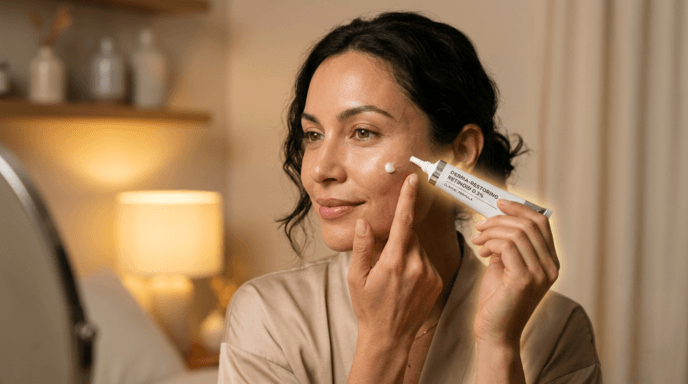
Retinoids have a broader clinical evidence base than any other ingredient in modern dermatology. They include prescription-only versions like tretinoin, tazarotene, and adapalene, as well as over-the-counter versions like retinol and retinaldehyde. Nearly all dermatologists surveyed in the Northwestern Delphi study (96.8 percent) recommended retinoids for addressing fine lines and wrinkles; they tied with mineral-based sunscreens, which received 96.8 percent consensus for preventing wrinkles and 95.2 percent for diminishing redness.
The mechanism of action behind retinoids is well-documented. According to Harvard Health, retinoids reduce wrinkles by promoting collagen synthesis, increasing blood vessel formation in the skin, and accelerating epidermal cell turnover. A review published in Clinical Interventions in Aging found that numerous natural and synthetic retinoids have demonstrated histological and clinical improvements across multiple studies. Researchers noted, however, that retinoid use is often limited by side effects including burning, scaling, and dermatitis.
The reason retinoids stand out above all other ingredients is the breadth of their uses. Alongside wrinkles, there was virtually unanimous agreement among surveyed dermatologists that retinoids are highly effective for treating acne (96.8 percent); improving uneven pigmentation (also 96.8 percent); minimizing pore size (93.6 percent); and controlling excessive oil production (also 93.6 percent). Virtually no other single ingredient achieved consensus across this many different skin concerns.
The Vibe List Takeaway: Given the choice to use only one active ingredient for life, the answer from this consensus is clear. Retinoids are the closest thing skincare has to a scientifically proven foundation.
2. Broad spectrum sunscreen; the only anti-aging product proven to deliver results
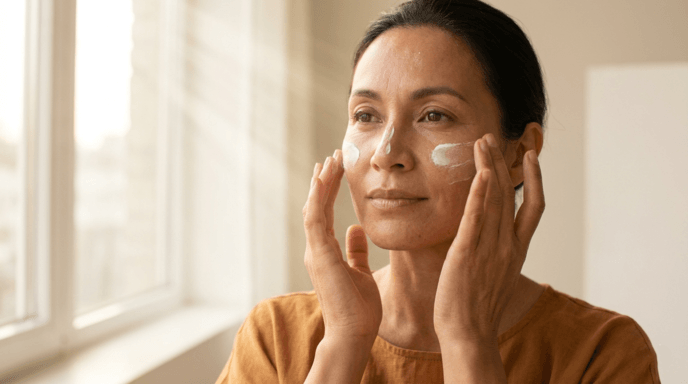
Sunscreen, whether mineral-based or chemical-based, is likely to outperform every other active ingredient in terms of results per dollar spent. Both mineral-based sunscreens containing zinc oxide or titanium dioxide and retinoids tied for first place with 96.8 percent consensus among surveyed dermatologists for preventing wrinkles. Additionally, sunscreens topped the list for reducing redness at 95.2 percent.
A landmark randomized clinical trial published in Annals of Internal Medicine followed over 900 healthy middle-aged participants in Australia for four and a half years and concluded definitively that consistent sunscreen use slowed skin aging in both men and women compared to controls who used sunscreen sporadically.
A review published in Dermatologic Surgery confirmed that consistent sunscreen use is essential for preventing photoaging and noted that visible light and IR radiation may also contribute to skin damage.
The discussion regarding sunscreen in 2026 extends beyond simply stating “use it.” As reported in Allure’s 2026 skincare trends piece, manufacturers are monitoring the FDA’s potential approval of bemotrizinol (BEMT), a UV filter already approved in Europe and the UK that offers superior stability and broader-spectrum protection than any filter currently approved in the United States. Board-certified dermatologist Dr. Mona Gohara told Allure that if new UV filters become available, they may offer longer-lasting protection, which could improve how consistently people wear sunscreen and ultimately reduce skin cancer rates.
Vibe List Takeaway: Sunscreen is not optional and never has been. It is the only anti-aging product with randomized clinical trial evidence demonstrating a measurable slowdown of skin aging. Everything else you apply after it is supplemental.
3. Vitamin C (L-ascorbic acid); an antioxidant shield backed by extensive clinical evidence
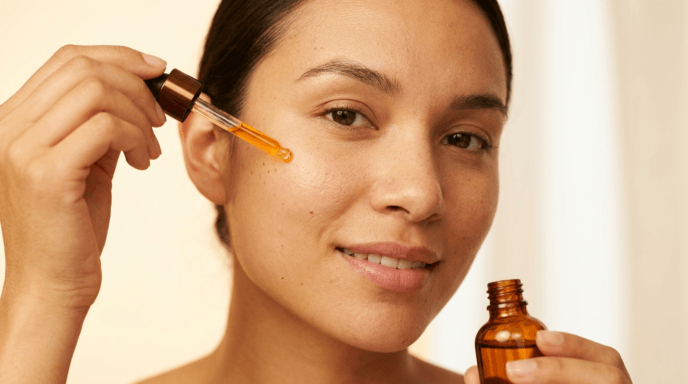
Based on the Delphi study consensus, vitamin C (specifically L-ascorbic acid) received 87.1 percent agreement from surveyed dermatologists for addressing wrinkles and similarly 87.1 percent agreement for diminishing dark spots. Vitamin C is one of the most widely studied topical antioxidants in dermatological research.
Harvard Health states that topical vitamin C neutralizes oxidative stress caused by environmental pollutants and UV exposure and according to clinical trials, applying a topical vitamin C-containing formula daily for at least three months resulted in subjective improvements in fine and coarse wrinkling of facial and neck regions.
Vitamin C does not substitute for sunscreen; rather, it works synergistically with it. Research published in theJournal of the American Academy of Dermatology showed that combining vitamin C with ferulic acid and vitamin E reduced erythema (redness) while protecting skin against cumulative UV damage.
A review published in the British Journal of Dermatology (cited over 386 times) confirmed that vitamin C is clinically effective in three main areas: photoprotection, anti-aging, and anti-pigmentation, through its antioxidant, collagen-stimulating, and melanogenesis-inhibiting properties.
However, there are significant limitations to formulating vitamin C effectively. Harvard Health recommends selecting products containing L-ascorbic acid at concentrations of 10%–20% with pH values below 3.5; these are the formulation parameters validated through clinical trials. Products formulated differently may deliver far fewer benefits than their labels imply.
Vibe List Takeaway: Vitamin C works; but only when formulated correctly. A high-quality L-ascorbic acid serum is among the most clinically-supported morning actives you can use. Cheap or poorly stabilized vitamin C products may degrade before they reach your skin.
4. Niacinamide (Vitamin B3); the quietly effective contributor
Niacinamide doesn’t generate anywhere near the TikTok buzz that salmon sperm or exosomes do. Nevertheless, it received 79% consensus for dark spots and 72.6% for redness; respectable numbers, though clearly not category leaders. Despite those moderate consensus scores, its clinical evidence base is remarkably strong for a supporting ingredient.
A systematic review titled Topical Niacinamide Alone or Combined With Other Actives Can Improve Skin Aging Features and Hyper-pigmentation was published in Experimental Dermatology and found that topical niacinamide, either alone or combined with other actives, slows the progression of skin aging and hyperpigmentation in clinical trials.
More recently, a review titled Five Key Signs of Photodamage Improved Using Topical Nicotinic Acid (Niacinamide), published in Cosmetics, confirmed efficacy across five markers:
Fine lines/wrinkles; Hyper-pigmentation spots; Yellowing; Rough texture; And red blotchiness.
What stands out about niacinamide is its tolerability. Unlike retinoids, which commonly cause irritation during the adjustment period, niacinamide is generally well-tolerated across all skin types. It can be layered with most other active ingredients, applied morning or night, and is available at drugstore prices in effective concentrations. For people who cannot tolerate retinoids; those who are pregnant, breastfeeding, or have sensitive skin; niacinamide is one of the most useful additions to their routine.
Vibe List Takeaway: Niacinamide has been quietly delivering results for years. It doesn’t need to go viral; the evidence already speaks for itself.
5. Alpha Hydroxy Acids (AHAs); proven resurfacing with decades of clinical research
Glycolic acid is by far the most commonly used AHA in skincare products; earning 91.9% consensus from surveyed dermatologists for addressing dark spots and 79% consensus for addressing acne within the Delphi study. Glycolic acid functions primarily as a resurfacer; breaking down dead skin cell bonding forces thereby accelerating cell turnover; creating smoother looking skin on the surface.
Unlike newer trending exfoliants that claim to communicate with your cells or signal cellular regeneration, AHAs break apart dead skin cells; a process validated through decades of clinical use that ultimately reduces the appearance of fine lines, diminishes hyperpigmentation, and improves overall skin texture.
The most important factor is the concentration and pH level of glycolic acid used in OTC products versus professional peels. Typical OTC formulations contain glycolic acid at concentrations of 5%–10%. Professional peels use concentrations up to 70% depending on the desired depth of penetration; with higher concentrations come increased risks of irritation and photosensitization.
Harvard Health indicates that tretinoin can be used simultaneously with AHAs to enhance skin smoothing effect.
Vibe List Takeaway: AHAs are dependable middle infielders in skincare; they do exactly what they claim, they have a wealth of scientific evidence behind them, and they don’t need a marketing team inventing unproven molecular communication pathways.
6. Hyaluronic acid (HA); hydration hero with important limitations
HA earned 79% consensus among surveyed dermatologists for addressing dry skin; ranking alongside ceramides, ammonium lactate, and urea in the Delphi study; as one of six ingredients recommended for dry skin. HA is a compound naturally present in human skin, capable of holding up to one thousand times its weight in water; making it an excellent hydrator.
As Harvard Health notes; although HA retains water extremely well, higher-molecular-weight forms penetrate the skin poorly. When applied topically, high-molecular-weight HA sits on the skin’s surface and draws moisture from the surrounding environment, while low-molecular-weight HA penetrates more deeply; though penetration varies significantly depending on the formulation.
Understanding this difference is critical. While a hyaluronic acid serum is an effective humectant that hydrates the outer layers of skin; it is not an anti-aging treatment on the level of retinoids or vitamin C. Perhaps the most common mistake consumers make in skincare is conflating hydration with rejuvenation.
Vibe List Takeaway: Hyaluronic acid delivers on its hydration claims; but it offers nothing in terms of reversing aging. Use HA for moisture and comfort; do not rely on it as a replacement for your actives.
It’s time to look beyond what works and examine what doesn’t; and why the hype often outpaces the science. Here are some of the ingredients in popular skincare products that are being hyped online; but don’t always live up to the hype.
7. Azelaic Acid; the Overlooked Multi-Tasker
Azelaic acid was ranked 88.7% for treating dark spots, and 87.1% for treating acne, putting it near the top of the pack for performance according to the Delphi study. However, it is still one of the least talked-about ingredients in mainstream beauty publications.
Prescription-strength azelaic acid comes in concentrations ranging from 15% to 20%, while OTC versions come in a 10% concentration. Azelaic acid is an anti-inflammatory agent and is bacteriostatic. It is able to inhibit tyrosinase, the enzyme responsible for melanin production, thus reducing hyperpigmentation. There have been multiple studies demonstrating its ability to treat both inflammatory and non-inflammatory acne lesions. Additionally, azelaic acid is one of the few ingredients deemed safe for use in pregnant women, expanding its usefulness further.
The Vibe List’s Take: Azelaic acid is dermatology’s best kept semi-secret. It receives very high consensus ratings in research, addresses multiple issues at once, and is gentle enough for sensitive skin. If you have room for another active in your routine, this is a great option.
Part II: The Hype Ingredients Dermatologists Discreetly Disavow
These are the trendy ingredients getting attention on TikTok, the shelves of K-beauty stores and the press kits sent by influencers. While some may eventually prove useful, currently none of these ingredients have sufficient clinical evidence to back-up the claims being made about them; and multiple board-certified dermatologists have publicly voiced concerns regarding their early marketing.
8. Topical PDRN (Polydeoxyribonucleotide); the Salmon Sperm Sensation
In 2025, PDRN; derived from salmon DNA; was probably the most discussed skincare ingredient. Endorsed by South Korean clinics and celebrities and amplified by TikTok tutorials, PDRN quickly went mainstream. In 2024, South Korea exported $10.28 billion worth of cosmetics and ranked third internationally in sales. PDRN was among the factors driving that massive export figure.
Unfortunately, PDRN is a large molecule. So large, in fact, that it cannot effectively penetrate the skin barrier when applied topically. Injectable forms of PDRN have a measurable amount of supporting scientific literature. They have demonstrated utility in the clinic specifically for wound healing and tissue regeneration. However, topical products available to consumers face a fundamentally different challenge. Regardless of how it’s branded, there is a physiological barrier that no amount of marketing can overcome.
According to Real Simple, dermatologists agree that PDRN has solid evidence behind it in medical settings; specifically with regard to diabetic foot ulcers and chronic non-healing wounds. However, board-certified dermatologist Dr. Catherine Chang told Harper’s Bazaar that many products likely do not contain PDRN at effective levels. Allure’s 2026 skincare trends piece noted that the FDA has not approved PDRN for use in the U.S., either as an injectable or as a topical.
One widely shared TikTok video featured a dermatologist who placed topical PDRN in her lowest tier of effectiveness, stating there is insufficient evidence that these products work without treatments that enhance absorption.
The Vibe List’s Take: The injectable version has true scientific backing. The topical version you buy at Sephora does not deliver the same molecule to the same layer of tissue. You are paying for the name and a concept; not for clinically proven efficacy on unbroken skin.
9. Topical Exosomes; Regenerative Medicine’s Rush to Market Skincare
Exosomes are nanoscale vesicles used by cells to communicate with each other. In regenerative medicine, exosomes show genuine promise for repairing damaged tissues and promoting wound healing. However, in terms of skincare, their commercialization has clearly moved ahead of the supporting science.
The Journal of Cosmetic and Aesthetic Dermatology published a detailed review for practicing dermatologists highlighting the lack of clinical evidence; along with significant safety concerns, including the risk of infection and unwanted inflammatory reactions. According to National Geographic, some dermatologists are concerned about using exosomes in skincare due to both safety risks and a general lack of evidence.
One of the more alarming findings: a UK regulatory body tested a dozen products marketed as containing exosomes and found that roughly 95% failed to meet even the basic structural requirements for functional exosomes. In other words, nearly all products claiming to contain exosomes likely contain no functional exosomes at all.
Board-certified dermatologist Dr. Corey Hartman told Allure that the ethical issues surrounding the sourcing of human-derived exosomes remain unresolved; while plant-derived exosomes raise a different problem; there is no scientific evidence that benefits observed in plant cells translate to human skin.
The Vibe List’s Take: Exosomes might ultimately prove groundbreaking; the underlying biological process is genuinely intriguing. “Might ultimately prove” is not equivalent to “currently does.” The gulf between lab-based research and your $80 serum is enormous; and the product quality problem (roughly 95% of tested products failed structural requirements) should give every consumer serious pause.
10. Topical NAD+: The Aging Longevity Biohack That Can’t Penetrate Your Skin
NAD+ (nicotinamide adenine dinucleotide) is a key co-factor in cellular energy production and DNA repair. The decline of NAD+ levels with age is well-documented. Oral administration of NAD+ is an emerging area of research. However, applying it to your face creates a fundamental problem; NAD+ molecules are too large to penetrate the skin barrier. Rubbing a NAD+-rich cream onto your face means the NAD+ simply sits on top of your skin, creating mild hydration through occlusion. It will not be absorbed into your dermis; it will not stimulate new collagen production; and it will not rebuild the structural matrix that defines skin firmness and elasticity.
The Vibe List’s Take: NAD+ is fascinating biology that may eventually lead to real longevity interventions through oral or IV supplementation. As a topical skincare ingredient in a $70 serum; NAD+ simply cannot penetrate deep enough to reach the cells where it would need to act. Marketing has run ahead of research.
11. Snail Mucin; Popularized on TikTok; Questionable in Clinical Settings
Snail mucin is one of K-beauty’s most beloved exports; its popularity on social media is impossible to deny. According to Mayo Clinic Press, certain types of snail mucin have moisturizing and protective properties, and contain antioxidants that may help fight signs of aging.
The operative word there is “may.” A 2024 review in the Journal of Cosmetic Dermatology noted that snail mucin’s massive media attention stems largely from perceived benefits for anti-aging, acne, and scarring; however, the authors stated clearly that the evidence remains insufficient to support those claims with confidence. Most studies conducted have been small, short-term, or performed in vitro (not in vivo).
Snail mucin was not included on the Delphi study’s consensus list; it did not rank among the 23 dermatologist-approved ingredients. This does not mean snail mucin is bad; it just indicates that experts cannot confidently recommend it as an equal alternative to established ingredients like retinoids, vitamin C, or niacinamide.
The Vibe List’s Take: Snail mucin offers moderate hydration and some preliminary but interesting data. Snail mucin is not a proven treatment for any particular skin condition. If you enjoy the texture and find it hydrating; there is no harm in using it. Just don’t expect it to replace a proven active with real consensus behind it.
12. Collagen Creams; the products that fail to deliver what their labels promise
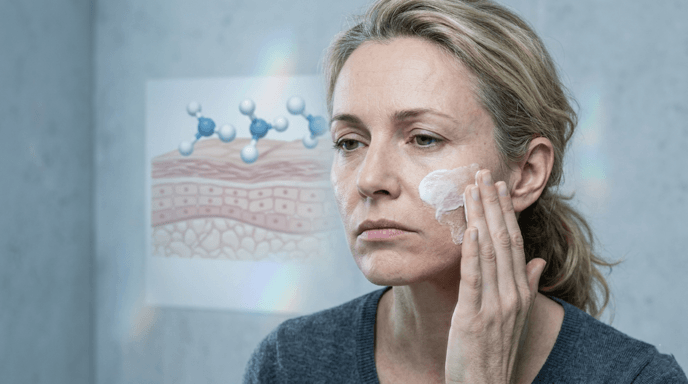
The reasoning seems logical: your skin loses collagen as you age; therefore, applying collagen to your skin should restore it. Unfortunately, collagen molecules are too large to penetrate your skin barrier; when you apply a collagen cream to your face, the collagen simply sits on the surface, providing some hydration through occlusion. It does not absorb into your dermal layers; it does not stimulate new collagen production; and it does not rebuild the protein structure that gives skin its firmness and elasticity.
Collagen creams were notably absent from Northwestern University’s Delphi consensus list; topical collagen did not appear among the 23 recommended ingredients.
Oral collagen supplements are a separate topic with a more complex evidence base. Although some limited human studies show modest improvements in skin hydration and elasticity from ingesting collagen peptides; that is distinctly different from applying collagen to your face and expecting structural change.
The Vibe List’s Take: Collagen creams do not deliver collagen into your skin; period. If you want to stimulate real collagen production; the evidence points to retinoids, vitamin C, and professional cosmetic treatments; not a $70 cream sitting on your skin until you wash it off in the morning.
The Vibe List’s Verdict: What Really Should Be in Your Skincare Routine?
Skincare in 2026 is full of contradictions. Scientific advances are happening daily; better delivery systems are being developed; biotechnology ingredients show real promise; and South Korea’s innovative spirit is pushing the entire global market forward. However, while science is moving faster than ever; marketing is racing ahead of evidence, and consumers have no way of telling what to trust and what to dismiss. On the same shelf you may see a $14 CeraVe cleanser and a $150 exosome serum, both with vastly different levels of evidence.
According to senior study author Dr. Murad Alam of Northwestern University, “Using too many products can irritate your skin and make things worse.” The idea is knowing which active ingredients will give you the best results for the specific concern you want to address.
Another Northwestern study found that teen TikTok content creators were using an average of six facial skincare products, with some using up to twelve, at an average cost of $168 per month. The danger of layering so many active ingredients together is not theoretical; it is a well-documented phenomenon.
The simplest, most evidence-based skincare routine dermatologists will ever recommend is three steps: cleanse, apply an active ingredient that addresses your specific concern (niacinamide for hyperpigmentation, retinoids for aging, etc.), and protect with sunscreen.
Anything beyond those three steps is supplemental. Some additional products are worth buying. Most are not.
If we have learned anything from the history of skincare trends, and if we look back at ancient beauty practices, each generation has had its own variation of “magical thinking.” We just happen to spend more money than past generations.
Dermatologist-Approved vs. Dermatologist-Doubted: The 2025 Skincare Ingredients Scorecard
| Ingredient | Category | Delphi Consensus (2025) | Key Evidence | Dermatologist Verdict |
|---|---|---|---|---|
| Retinoids (Vitamin A) | Proven | 96.8% (wrinkles); consensus for acne, dark spots, pores, oily skin | Decades of RCTs; Clinical Interventions in Aging review; Harvard Health confirms collagen stimulation and blood vessel formation | Gold standard. Strongest evidence base in modern dermatology. Start low, go slow, always pair with sunscreen. |
| Mineral Sunscreen | Proven | 96.8% (wrinkles); 95.2% (redness); multi-concern consensus | 2013 Annals of Internal Medicine RCT (n=903, 4.5 years); Dermatologic Surgery photoaging review (UV causes up to 80% of visible aging) | Non-negotiable. Single most important skincare product. Best results per dollar spent. |
| Vitamin C (L-Ascorbic Acid) | Proven | ~89% (dark spots); ~87% (texture) | JAAD ferulic acid study (8x photoprotection); Indian Dermatol Online J review; cofactor in collagen synthesis | Proven antioxidant. Use 10–20% L-ascorbic acid at pH <3.5. Apply mornings before sunscreen. |
| Niacinamide (Vitamin B3) | Proven | 73–79% (dark spots, redness, texture) | Int J Cosmet Sci (2004): reduces yellowing, wrinkling, blotchiness; Dermatologic Therapy review confirms barrier and pigmentation benefits | Versatile workhorse. Well-tolerated at 5%. Safe during pregnancy. Compatible with nearly all actives. |
| Hyaluronic Acid | Proven (hydration) | Consensus for hydration/dry skin | Harvard Health: binds 1,000x its weight in water; larger molecules hydrate surface, smaller molecules penetrate epidermis | Effective surface moisturizer. Does not replace injectables for volume loss. Best for dehydration-related concerns. |
| Azelaic Acid | Proven | ~87% (acne); consensus for hyperpigmentation | FDA Pregnancy Category B; tyrosinase inhibitor; antimicrobial against P. acnes; effective for rosacea and melasma | Underrated multi-tasker. Excellent for acne, melasma, rosacea. One of very few actives safe during pregnancy. |
| Topical PDRN | Skepticism | Not evaluated / not consensus | Injectable evidence only (wound healing; median 49→30 days); molecule too large for topical skin penetration; not FDA-approved in U.S. | Unproven topically. Injectable science is real; consumer product delivery is the unsolved problem. |
| Topical Exosomes | Skepticism | Not evaluated / not consensus | No FDA approval; ~95% of UK-tested products failed structural requirements; JCAD review flags safety concerns | Premature. Serious safety and sourcing concerns. Promising in labs; unproven in consumer jars. |
| Topical NAD+ | Skepticism | Not evaluated / not consensus | Large hydrophilic molecule; cannot penetrate skin barrier; no large peer-reviewed clinical trials for topical use | No evidence for topical efficacy. Longevity claims are unsubstantiated for skincare applications. |
| Snail Mucin | Skepticism | Not among 23 consensus ingredients | 2024 J Cosmet Dermatol review: studies are small, short-term, or in vitro; not endorsed by any Delphi participant | Modest humectant. Not harmful; but evidence lags far behind its marketing prominence. |
| Topical Collagen | Skepticism | Not among 23 consensus ingredients | Molecule too large to penetrate stratum corneum; provides surface occlusion only; absent from Delphi list | Does not rebuild collagen. Surface moisturizer only. Among the most misleading claims in skincare marketing. |
Frequently Asked Questions
Which skincare ingredients have been shown to actually be effective?
In the Journal of the American Academy of Dermatology‘s 2025 Delphi consensus study; which identified 23 ingredients with high degrees of expert agreement; the top performers were retinoids and mineral sunscreens (96.8%), vitamin C (87.1%–88.7%), azelaic acid (87.1%–88.7%), and niacinamide (72.6%–79%). These ingredients are backed by the largest body of clinical evidence in dermatology.
Will PDRN be the next Retinol?
No. Although injectable PDRN has demonstrated efficacy for tissue regeneration in clinical settings, topical PDRN’s molecular size severely limits its ability to penetrate the skin. Board-certified dermatologists have expressed doubt about the efficacy of consumer PDRN serums. Additionally, PDRN has yet to receive FDA approval for any type of product in the U.S. Retinol is still considered by experts to be the gold standard for topical anti-aging.
Do exosomes really work in skincare?
There is not enough evidence yet. A review in the Journal of Cosmetic and Aesthetic Dermatology stated that although exosomes hold potential, there is little to no clinical testing and significant safety issues exist. Testing has shown that over 95% of products claiming to contain exosomes do not meet even the minimum structural requirements for a functional exosome. The technology holds real promise, but mass-market commercialization is premature.
What is the most straightforward effective skincare regimen?
Dr. Murad Alam of Northwestern University recommends three basic steps: cleanse your skin, use an active ingredient (like retinoids) that targets a specific concern (hyperpigmentation, etc.), and apply sunscreen. Dr. Alam states that when you use too many products, you irritate your skin and make matters worse.
Is snail mucin something I should buy?
Snail mucin is a decent humectant with some preliminary evidence suggesting mild hydrating and anti-inflammatory effects. Nevertheless, snail mucin did not reach consensus in the Delphi study and should not be treated as a substitute for proven actives.
Can topical collagen rebuild collagen in my skin?
No. Collagen molecules are too large to penetrate the skin barrier. Topical collagen creams provide surface moisture through occlusion. They do not stimulate new collagen production or absorb into the dermis. If you want to boost collagen production, dermatologists recommend retinoids, vitamin C, and professional treatments.