



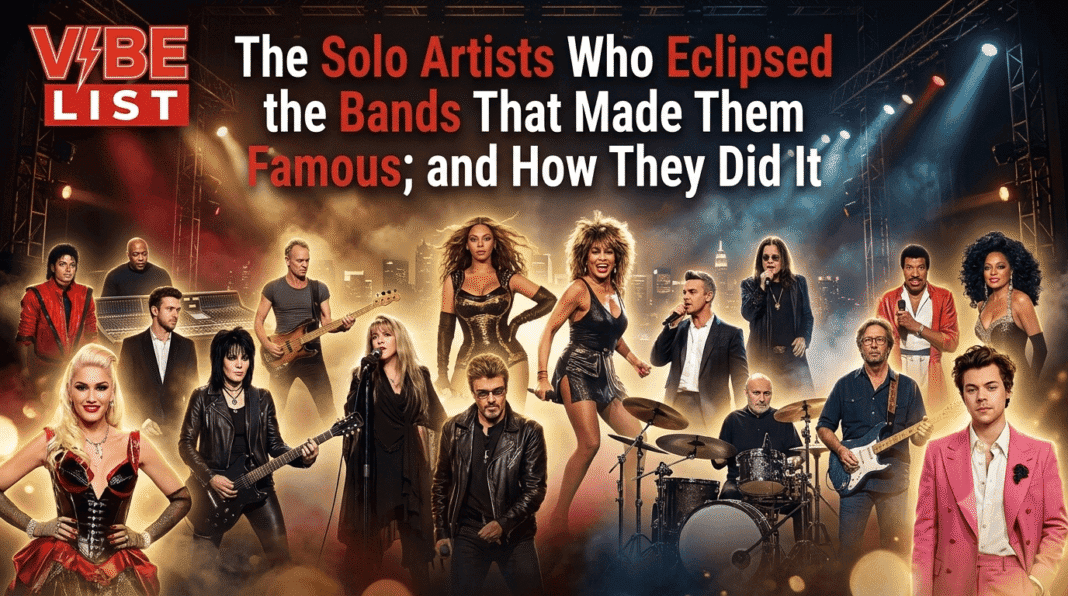
Over 150 million records sold by a man who never stopped leaving bands. Thirty-five Grammy wins for a woman whose girl group earned two. A headphone company sold to Apple for $3 billion by a rapper whose first group moved six million units. A thirty-six-year-old fleeing abuse with nothing who became the highest-grossing female touring act alive. Twenty-three labels said no to Joan Jett. She started her own and sold ten million copies of a single album. The door between band and solo swings one way; these fifteen kicked it off the hinges.
The music industry has a door that swings only in one direction, and the cost of walking through it is absolute. Walk through it; leave your band behind, give up the chemistry that got you a following, gamble your name and your voice against a solo career; and the industry will either crown you or bury you. There is almost no middle ground. For every Paul McCartney who walks through the door already trailing the gravitational pull of a towering musical legacy, there are hundreds of former lead singers and featured vocalists whose solo debuts land with a thud and vanish from public consciousness. The failure rate is staggering, and the reasons are intuitive. Fans identify with the collective image, radio programmers are cautious about unproven solo brands, and record labels hedge their budgets until a solo artist proves they can move units without the old logo on the poster.
That makes every artist on this list something closer to a statistical anomaly. Each of these artists came from a successful group; some were wildly successful; and went on to build a solo catalog that didn’t just match their band-era totals but surpassed them in sales, chart dominance, cultural penetration, or all three. Some did it by reinventing their sound entirely. Others did it by distilling what the band had always done and stripping away everything that wasn’t them. A few did it through sheer commercial instinct, pivoting into fashion, business, and multimedia empires that made the “musician” label feel quaint.
Rankings below consider five criteria using a hybrid approach: equivalent album sales (solo versus group), Billboard Hot 100 and global chart performance, Grammy and major award hauls, touring and revenue milestones, and the intangible but undeniable aspect of cultural relevance; the degree to which the artist’s solo identity replaced, redefined, or simply dwarfed the group identity in the public imagination. Where data conflicts, the editorial tiebreaker goes to the artist whose solo peak reached higher than the group’s peak, rather than the one whose cumulative solo total merely outpaced a lower-selling band. An artist who turned a middling group into a launching pad is impressive; an artist who turned a juggernaut into a footnote is legendary.
A final point before getting into rankings: this list excludes artists whose bands were essentially solo vehicles from the start (Prince and The Revolution, Tom Petty and The Heartbreakers), nor artists whose solo and group careers ran concurrently for so long that separation is meaningless (Dave Grohl‘s transition from Nirvana to Foo Fighters functions more as a second band than a solo career). The focus is on artists who left; or clearly outgrew; a discrete group entity and built something unmistakably their own.
How we ranked this: Each entry was evaluated across multiple criteria; including commercial performance, cultural influence, and enduring relevance; weighted to reflect what matters most when measuring solo-versus-band success. The result is a ranking that respects the data but is ultimately shaped by the Vibe List’s editorial judgment. This is our list, built on evidence, driven by perspective.
15. Gwen Stefani
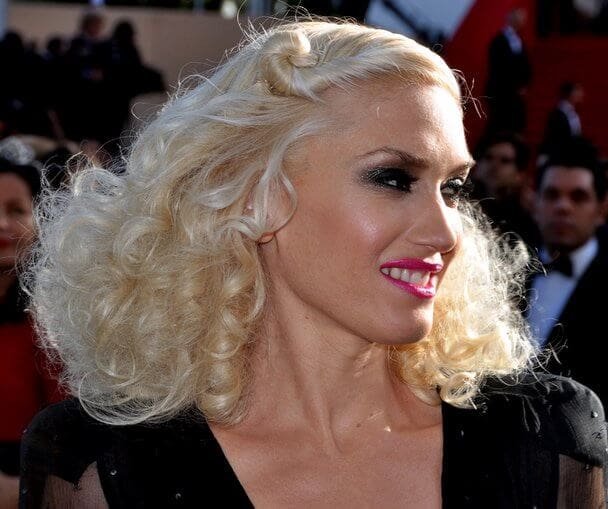
Band: No Doubt | Breakaway Moment: 2004
No Doubt was no small band. Their 1995 diamond-certified blockbuster Tragic Kingdomsold an estimated 16 million copies worldwide, and placed “Don’t Speak” at number one on Billboard’s Hot 100 Airplay chart for 16 straight weeks; a then-record. The group sold an estimated 37.7 million equivalent album sales throughout their existence, placing them firmly within the top tier of the best-selling groups of the 1990s. No Doubt represented an authentic phenomenon; and Gwen Stefani represented the primary conduit of that phenomenon: the peroxide-blonde, bindi-wearing frontwoman of No Doubt who turned every magazine cover and MTV broadcast into her personal showcase.
Gwen’s 2004 solo debut, Love. Angel. Music. Baby., proved what many thought; that people weren’t attached to No Doubt as much as they were attached to Gwen Stefani. The album sold over 7 million copies worldwide. The breakout single “Hollaback Girl” became the first digital download to sell one million copies in the United States. The album also marked Gwen Stefani’s transition from No Doubt’s ska-punk sound to a pop, R&B, and dance sound. The change was drastic; she recruited The Neptunes, André 3000, and Dr. Dre as collaborators, swapped the trumpet section for 808s, and emerged as a pop-fashion architect whose style influence (Harajuku Girls, L.A.M.B. clothing line, future Gwen Stefani x Urban Decay makeup products) went beyond her music.
While Gwen Stefani’s individual chart success (three Grammy wins, 18 nominations across both eras, multiple Top Ten hits, and a recurring role as a coach on The Voice that kept her in the mainstream consciousness for over a decade) doesn’t eclipse No Doubt’s peak, her cultural significance does. No Doubt released Push and Shove in 2012; their comeback album debuted at number three but fell off the chart almost immediately, moving a fraction of Tragic Kingdom‘s numbers. Meanwhile, Stefani’s solo brand; music, fashion empire, TV appearances; continued to grow. The band required Stefani; Stefani didn’t require the band. That asymmetry defines eclipsing.
14. Stevie Nicks
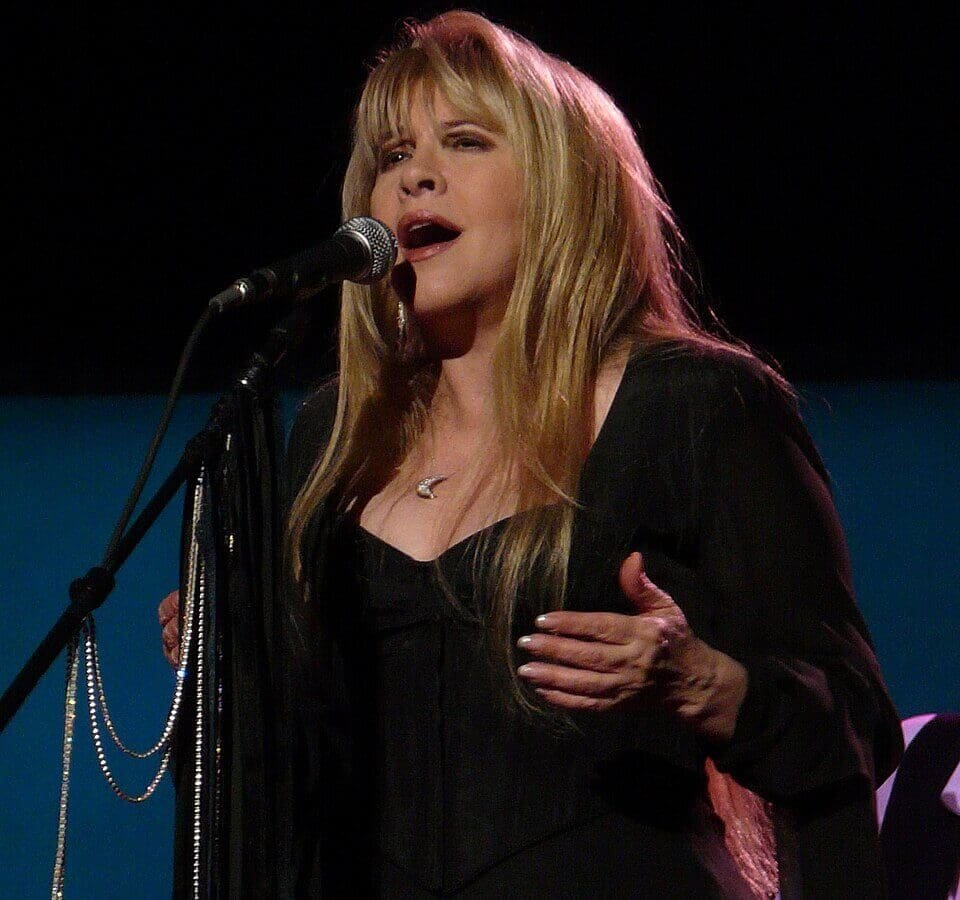
Band: Fleetwood Mac | Breakaway Moment: 1981
Stevie Nicks never fully broke free from Fleetwood Mac. She recorded and toured with the band intermittently for decades. However, her solo career began with 1981’s Bella Donna while the band was still active. Her solo career operated on a parallel track with Fleetwood Mac for nearly four decades, which makes her inclusion here necessary.
Bella Donna debuted at number one on the Billboard 200 and sold over eight million copies worldwide, anchored by the duets “Stop Draggin’ My Heart Around” (with Tom Petty) and “Leather and Lace” (with Don Henley) as well as the solo standard “Edge of Seventeen.” The album established a template Nicks would refine across seven more solo studio albums: mystic, shawl-draped, incense-and-velvet rock that leaned harder into her witchy persona than Fleetwood Mac’s polished California production ever allowed. Nicks’ solo catalog has reportedly sold an estimated 40 million records worldwide; roughly one-third of Fleetwood Mac’s total, although Fleetwood Mac’s catalog spans over five decades beginning in the late 1960s.
However, Stevie Nicks’ ultimate case for eclipsing isn’t based upon raw numbers; it’s based upon iconography. When people reference Fleetwood Mac in passing conversations; on TikTok, via memes, within internet culture; they are referencing Stevie Nicks specifically. The viral TikTok featuring a man skateboarding to “Dreams” in September 2020 brought renewed attention to Fleetwood Mac; however, Stevie Nicks became the meme itself. Nicks saw a bigger streaming spike than any other member of Fleetwood Mac. Nicks recorded her own response video.
Lindsey Buckingham, John McVie, and Mick Fleetwood are respected musicians. Stevie Nicks is an archetype. That distinction translates into real-world dollars: Nicks has consistently sold out arena tours into her mid-seventies, while a Fleetwood Mac without Nicks is inconceivable.
13. Joan Jett
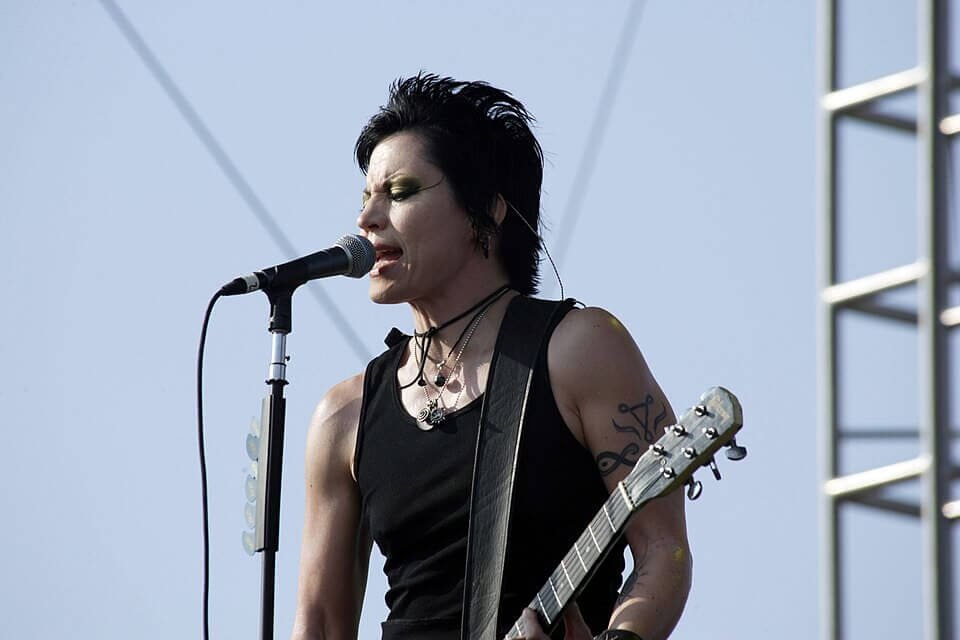
Band: The Runaways | Breakaway Moment: 1980
The Runaways were an oddity within the punk-rock scene; five teenage girls playing loud, sloppy, confrontational rock in 1975, managed by Kim Fowley, and largely ignored by major labels that didn’t know what to do with them. The Runaways had limited commercial success; none of their albums charted within the Billboard Top 100 in the U.S. during their existence. After dissolving in 1979, the conventional wisdom was that Joan Jett‘s career was over before it had properly started. Twenty-three record labels rejected Jett’s initial demo for a solo project. Eventually Jett co-founded her own label, Blackheart Records, to self-release her first effort.
After that, “I Love Rock ‘n’ Roll” happened. The single spent seven weeks at number one on Billboard’s Hot 100 in 1982. According to Blackheart Records, I Love Rock ‘n’ Roll has sold over 10 million copies worldwide; while verified figures place pure U.S. sales north of two million; a massive leap from The Runaways’ commercial non-presence in America. Joan Jett & The Blackhearts became staples of 1980s radio with additional hits including “Crimson and Clover,” “I Hate Myself for Loving You,” and “Bad Reputation” (which eventually became a pop-culture evergreen through its use in film and television, including as the opening credits theme for Freaks and Geeks).
What sets Jett’s eclipsing apart is the size of the difference between her solo successes and The Runaways’ commercial failures. While The Runaways had a devoted cult following, Joan Jett became an actual mainstream rock star; a Rock and Roll Hall of Fame inductee (2015), and, crucially, a symbol. “Bad Reputation” and “I Love Rock ‘n’ Roll” didn’t only outsell The Runaways’ discography; they became anthems for an entire cultural posture; the leather-jacketed, sneering defiance that defined women’s participation in hard rock for a generation. Without her solo success, the band might have remained a footnote in punk history rather than the subject of a 2010 biopic.
12. Ozzy Osbourne
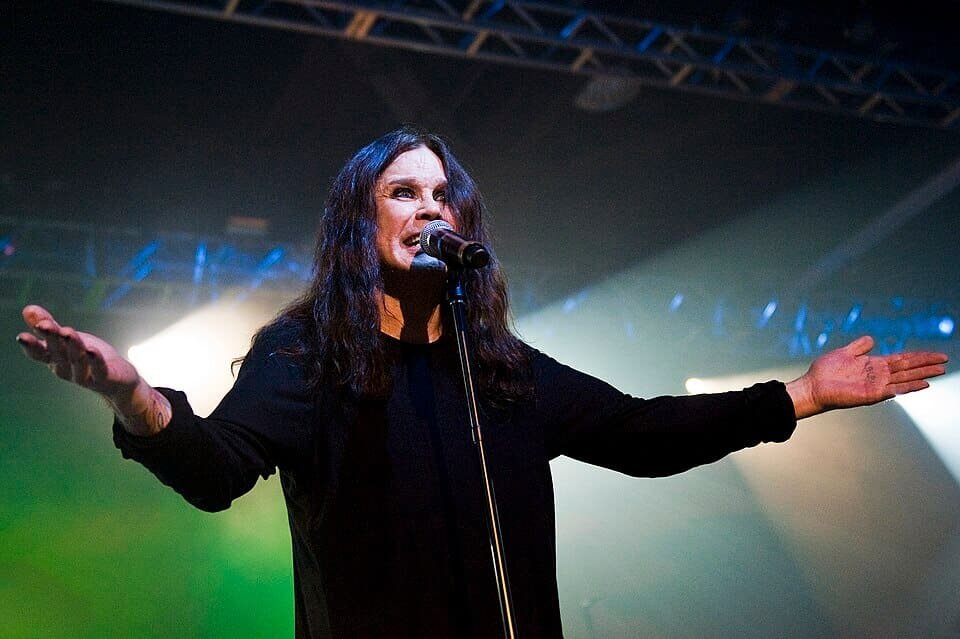
Band: Black Sabbath | Breakaway Moment: 1979
Ozzy Osbourne‘s situation is different since Black Sabbath was not a small band he outgrew; it was one of the most influential rock acts of the twentieth century, the group that essentially invented heavy metal, and among the greatest-selling bands of all time with over 75 million records sold worldwide. Being fired from that band in 1979 should have been a career death sentence.
Instead, it freed him creatively.
Ozzy’s solo efforts (initially led by his then-wife and manager Sharon) resulted in several albums throughout the early 1980s (Blizzard of Ozz [1980], Diary of a Madman [1981], Bark at the Moon [1983], and The Ultimate Sin [1986]) that collectively outsold Black Sabbath’s post-Ozzy output by a wide margin and rivaled the original Sabbath catalog in commercial terms. ChartMasters places Osbourne’s solo equivalent album sales at roughly 51.5 million, compared to Black Sabbath’s overall total of approximately 75 million across all lineups.
When one considers Black Sabbath’s total includes all of their albums with Ozzy from 1970 to 1978, it is clear that Ozzy’s name on a record sold more units than Black Sabbath did without him.
Ozzy Osbourne also achieved something that Black Sabbath never did; mainstream crossover appeal. Ozzy became a household name via his family-oriented MTV reality show (The Osbournes) that premiered in 2002; a mumbling, lovable, bat-biting patriarch whom people who had never listened to “Iron Man” recognized on sight.
He also founded Ozzfest; one of the largest and most profitable touring festivals created in the late 1990s and early 2000s.
Black Sabbath was heavy metal’s origin story; Ozzy Osbourne solo was heavy metal’s brand ambassador to the wider world.
11. Harry Styles
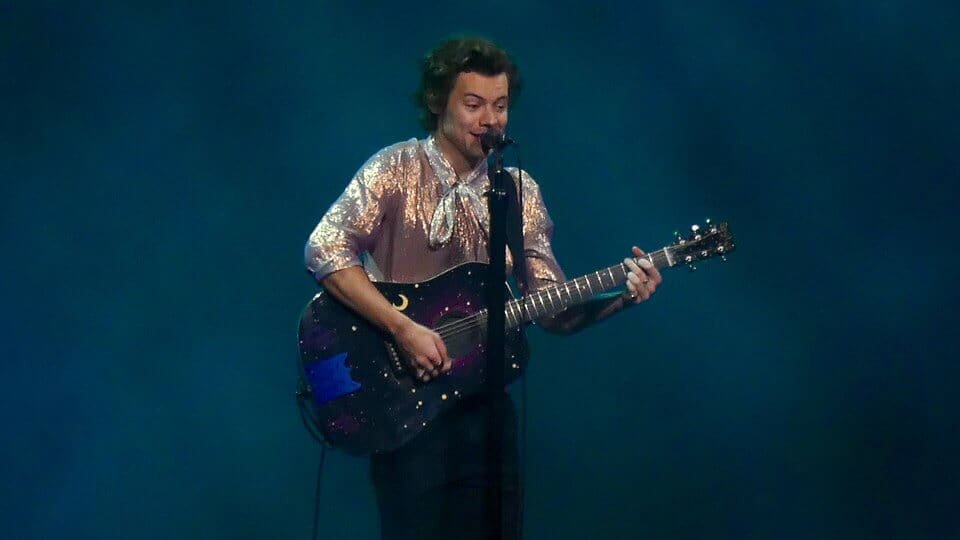
Band: One Direction | Breakaway Moment: 2016
One Direction was a sales machine of genuinely absurd proportions: over 70 million records sold worldwide, four number-one albums in both the U.S. and U.K., and a touring model that grossed hundreds of millions of dollars. Each member went off to pursue a solo career after the group took a hiatus in 2016. Only one of them built something that could reasonably be called bigger than the band itself.
Harry Styles‘ self-titled debut in 2017 signaled his intentions immediately; “Sign of the Times,” the lead single, was a six-minute, Bowie-influenced rock ballad that had absolutely nothing in common with One Direction’s radio-friendly pop formula. Styles’ first album alone sold over one million copies around the globe in its first year. His second album, Fine Line (2019), produced “Watermelon Sugar” (the Hot 100 number-one hit and Grammy winner for Best Pop Solo Performance) and “Adore You,” pushing the LP past 4 million equivalent album sales. Next up was Harry’s House (2022), which reached number one in over 30 countries, sold 521,500 equivalent album units in its first U.S. week, and earned Album of the Year at the 2023 Grammys; a prize that One Direction never got anywhere near. With over 8.8 million in pure album sales alone (and streaming equivalents pushing the total significantly higher), Styles has established himself as a generational pop-culture figure. Three Grammy wins, six Brit Awards, and a film career (Dunkirk, Don’t Worry Darling, My Policeman) complete the picture.
The critical distinction is not just commercial but identitarian. One Direction was a collective brand; no individual member had control of the band’s image or sound. Harry Styles solo is a singular artistic vision; the vintage fashion, the gender-fluid aesthetic, the classic-rock influences filtered through modern pop production; that has made the One Direction years feel like a preamble rather than a peak.
His former bandmates’ solo careers, while not failures, have not approached the same commercial or cultural altitude, which further cements the perception that One Direction’s primary asset was always Harry.
10. Dr. Dre
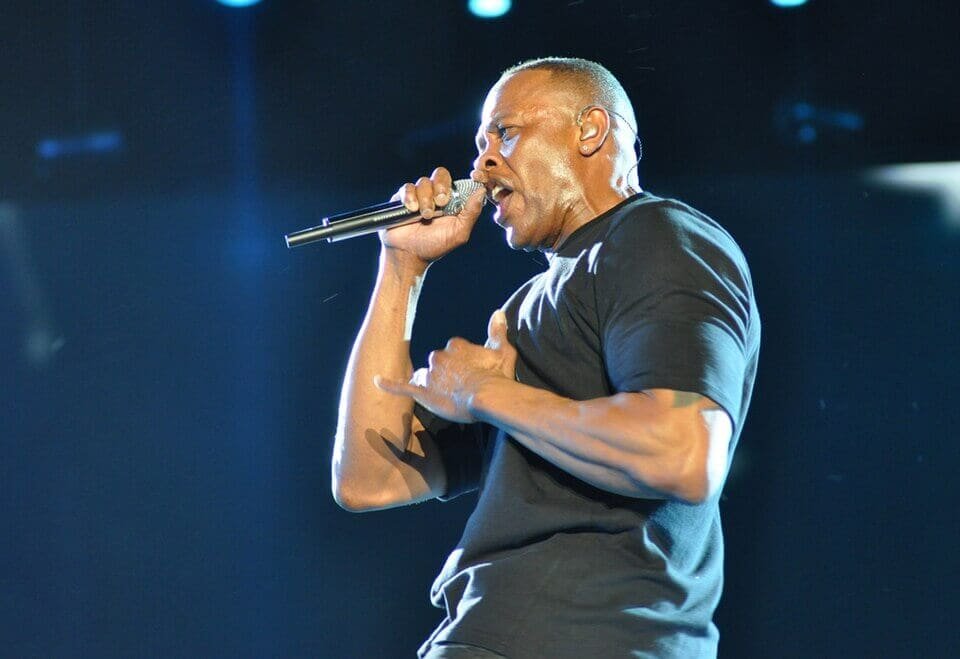
Band: N.W.A. | Breakaway Moment: 1992
N.W.A. changed the world. Straight Outta Compton (1988) is arguably the most influential American music record ever made; a record that brought gangsta rap from the margins to the mainstream, provoked an unprecedented letter of concern from the FBI, and paved the way for West Coast hip-hop to go mainstream in the decade that followed. While N.W.A. may have only sold roughly five to six million records in total, their influence was seismic and disproportionate to their sales figures.
When Dr. Dre broke free from N.W.A. (due to conflicts with manager Jerry Heller and fellow bandmate Eazy-E), he released The Chronic (1992). The Chronic invented G-funk and introduced the world to Snoop Dogg. It sold more than 6.5 million copies in the U.S. alone; more than N.W.A.’s entire catalog combined at that time. His subsequent release, 2001 (released in 1999), debuted at number two on the Billboard 200, selling over 8.4 million copies in the U.S. and winning a Grammy Award for Best Rap Album. Between these two releases, Dr. Dre’s solo output easily doubled N.W.A.’s total sales.
However, even though Dr. Dre’s sales numbers were impressive, they understate Dre’s eclipsing by a wide margin. Dr. Dre launched or amplified the careers of Snoop Dogg, Eminem, 50 Cent, Kendrick Lamar, and Anderson .Paak; a roster whose collective sales reach into the hundreds of millions. Death Row Records and Aftermath Entertainment, the labels he co-founded and founded respectively, became two of the most commercially dominant imprints in hip-hop history. Finally, Dr. Dre’s creation of Beats by Dre headphones (co-created with Jimmy Iovine) was sold to Apple in 2014 for approximately $3 billion; a deal that reportedly made Dr. Dre one of the richest figures in hip-hop at the time. With seven Grammy Awards, a net worth estimated well above $500 million, and a production legacy that shaped the sound of three decades of rap, N.W.A. was where Dre started, but it was the smallest room he ever occupied.
9. Robbie Williams
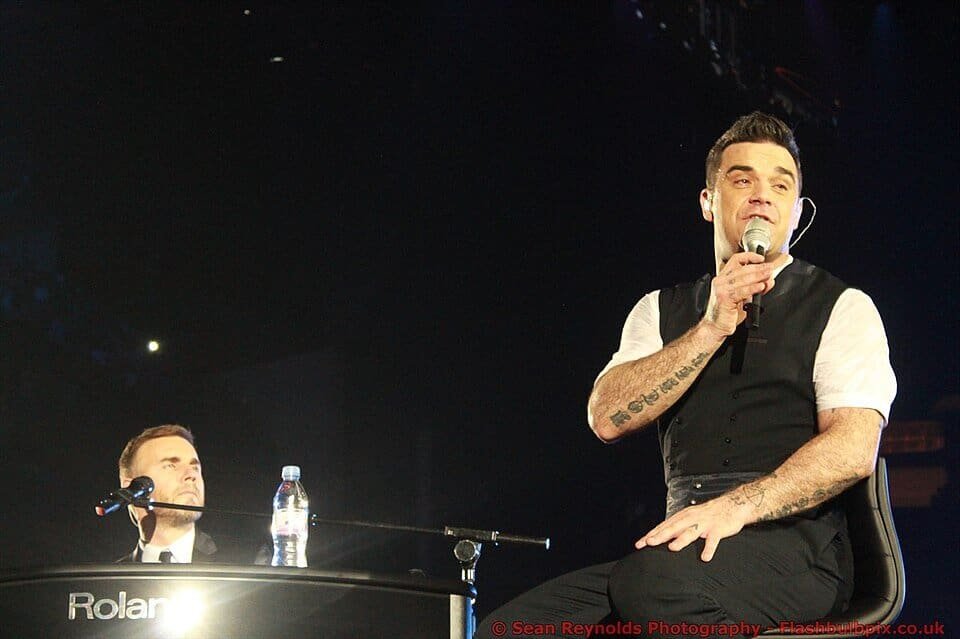
Band: Take That | Breakaway Moment: 1995
In the United States, Robbie Williams is a curiosity; the biggest pop star Americans have never fully embraced. However, elsewhere in the world, Williams is one of the best-selling solo acts of the last three decades, and his departure from Take That has proven to be one of the most dramatic transformations from band to solo performer in pop history.
During their original run, Take That was a massive force; dominating early 1990s charts in the U.K. and Europe, selling over 45 million records worldwide, generating a level of mania in the U.K. and Europe comparable to Beatlemania. When Williams left Take That in 1995 due largely to excessive partying and friction with his bandmate Gary Barlow (who was often referred to as the creative leader behind Take That), what followed was one of the most thorough reversals in pop-music history. Williams’ solo career has seen over 80 million equivalent album sales; almost double what Take That originally sold as a unit.
Williams holds the Guinness World Record for most Brit Awards won by an individual (18), surpassing every other British artist in history. For example, his album Escapology (2002) alone sold over 14 million equivalent units worldwide. Williams’ live performances have been equally impressive; including a 2006 Close Encounters tour where he sold over 1.6 million concert tickets in one day; yet another world record at the time.
It’s ironic that Take That ultimately reformed (initially minus Williams; then with him for a brief period) and found significant commercial success during their later years (late 2000s and early 2010s). Yet the reformation only added emphasis to this imbalance: Williams was by far the member whose absence had been missed most profoundly by fans; thus, his eventual return for Take That’s Progress album and tour in 2010 was viewed as the main attraction; the prodigal star coming home to the group that had tried to continue without him. Internationally, Robbie Williams wasn’t simply greater than Take That; he became the yardstick by which all future boy-band-to-solo transitions will be judged.
8. Sting
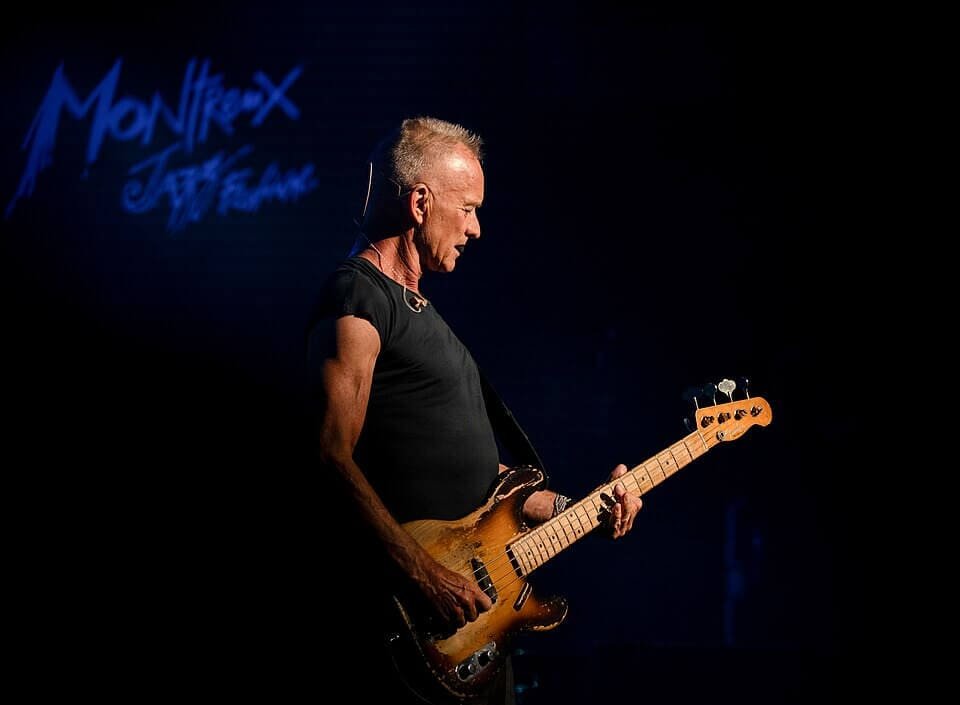
Band: The Police | Breakaway Moment: 1985
The Police were one of the biggest bands of the early 1980s; five straight platinum-plus albums, six Grammy Awards, multiple international hits (“Every Breath You Take,” which stayed atop the Hot 100 for eight consecutive weeks in 1983 and today stands as one of the top-played songs on radio), and a farewell tour from 1983 to 1984 that filled stadiums internationally. With total sales exceeding 75 million records worldwide, leaving The Police (as Sting effectively did in 1985, when he released his debut solo album, The Dream of the Blue Turtles) was an act of either supreme confidence or supreme recklessness.
As it turns out, it was the former. Sting’s solo career has resulted in over 100 million records sold internationally; considerably better than what The Police collectively sold. Sting has won 17 Grammy Awards across both careers (with the majority coming from his solo work); has charted 20 songs on the Billboard Hot 100 as a solo artist versus only 13 with The Police; and has released 15 studio albums as a solo artist covering genres ranging from jazz to world music to classical crossover to adult contemporary pop; none of which would’ve been possible given The Police’s very narrow reggae-rock format. Albums like …Nothing Like the Sun (1987), The Soul Cages (1991, Grammy for Album of the Year), Brand New Day (1999), and later works maintained his commercial and critical relevance across four decades.
The Police briefly reunited for a blockbuster world tour in 2007–2008 that grossed over $340 million, making it one of the highest-grossing reunion tours of all time. But even that event served to highlight Sting’s dominance: he was the draw, the voice, the name on the marquee. Andy Summers and Stewart Copeland are outstanding musicians, but no one bought a ticket to a Police reunion to see the drummer and guitarist. Sting’s solo catalog, combined with his acting career, his activism, and his continued ability to sell out concert halls, represents one of the most complete post-band careers in music history.
7. Lionel Richie
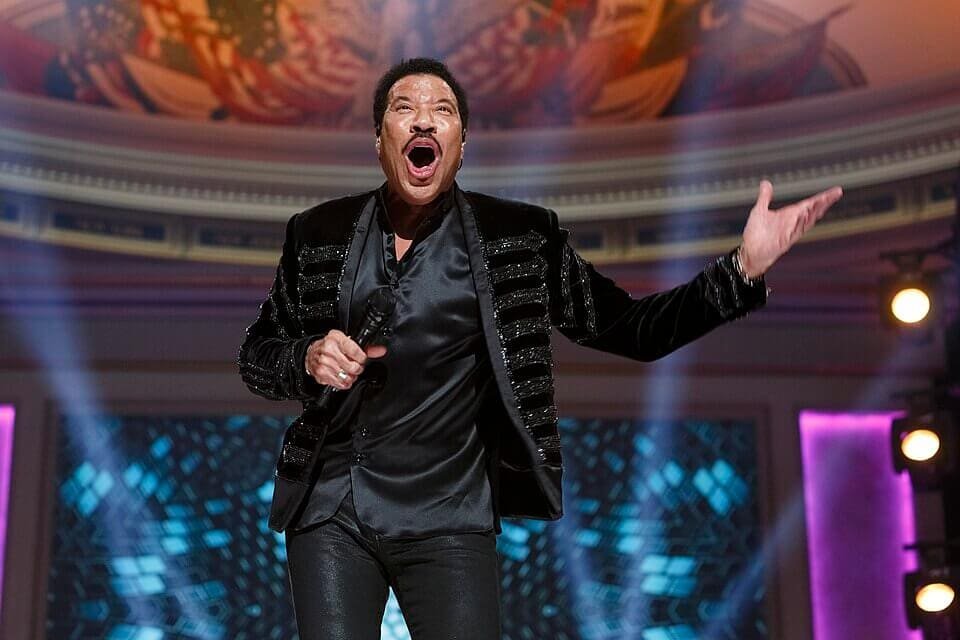
Band: The Commodores | Breakaway Moment: 1982
The Commodores were a formidable act; a funk-and-soul band signed to Motown featuring undeniably great songs like “Brick House,” “Easy,” “Three Times a Lady,” and “Still.” Although they sold relatively well, charted consistently, and held an important spot in R&B in the late 1970s, Lionel Richie‘s songwriting had been drifting steadily toward pop balladry for years, and by the early 1980s, the mismatch between his ambitions and the band’s identity had become untenable.
Richie’s solo career was immediate and overwhelming. According to ChartMasters, Richie’s total equivalent album sales approximate to 79.2 million records worldwide; with Can’t Slow Down alone accounting for over 36.9 million equivalent units when you include all formats and streaming. Richie scored five solo number-one Hot 100 hits; more than The Commodores ever achieved.
His performance of “All Night Long” at the 1984 Los Angeles Olympics closing ceremony was watched by an estimated 2.6 billion people. Can’t Slow Down received the Grammy Award for Album of the Year and produced two of the most recognizable pop songs of all time: “Hello” and “All Night Long.”
Although The Commodores continued to tour and record after Richie’s departure, they never achieved anything remotely approaching mainstream relevance again. Meanwhile, Richie collaborated on “We Are the World” (1985), toured constantly for decades, joinedAmerican Idolas a judge in 2018, and saw his catalog experience a resurgence during the streaming era. Estimated record sales for Richie are between 100 and 125 million worldwide.
The Commodores gave him a platform; he turned it into one of the most commercially dominant solo careers in pop history.
6. George Michael
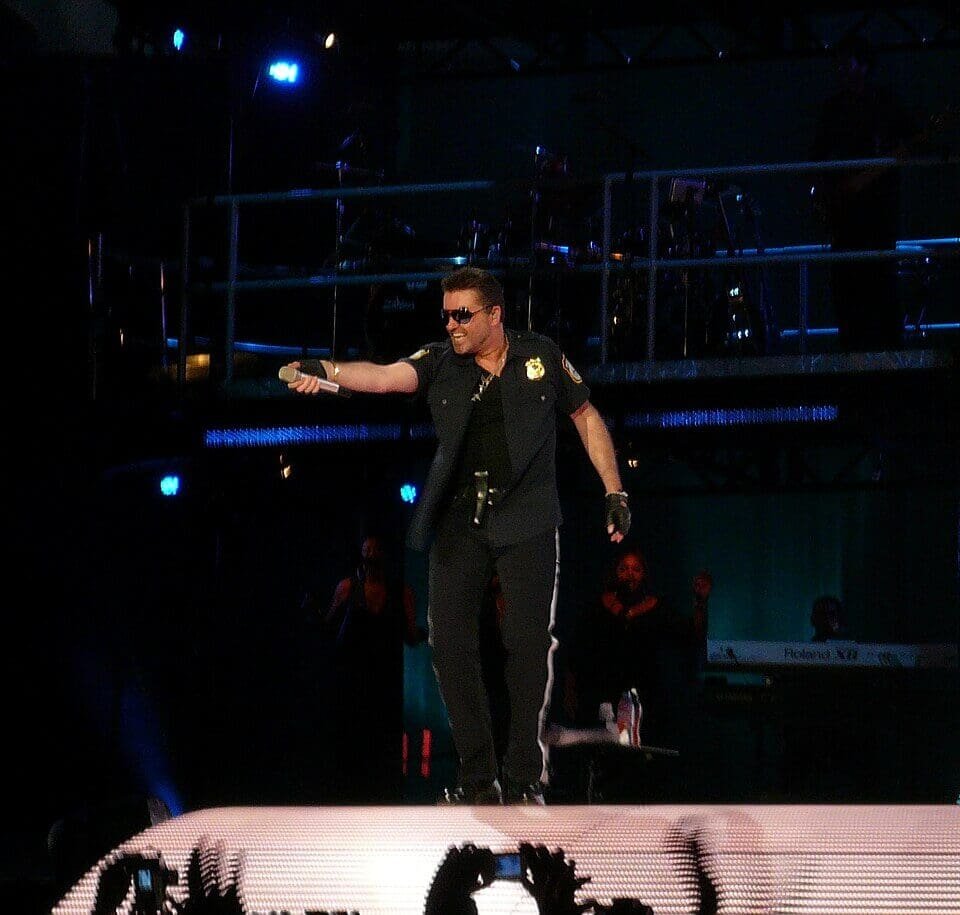
Band: Wham! | Breakaway Moment: 1987
Wham! was huge; a candy-colored, sun-drenched pop duo that sold over 28 million records worldwide and scored global smashes with “Wake Me Up Before You Go-Go,” “Careless Whisper” (technically, this was a George Michael solo hit in many countries, although it was part of the Wham! period), “Everything She Wants,” and “Last Christmas,” and performed at the first major Western pop show in China in 1985. Andrew Ridgeley was the other half, and his post-Wham! career; one solo album that flopped, then a quiet retirement; is the starkest possible illustration of where the talent asymmetry lay.
George Michael‘s first solo effort, Faith (1987), wasn’t just bigger than Wham!; it totally transformed what a solo pop album can be. It remained number one on the Billboard 200 charts for twelve weeks, sold over 25 million copies around the world (Diamond certification in the United States), and earned a Grammy for Album of the Year. Additionally, Faith spawned six additional singles with four making the top five on the Hot 100, with the title song being the number-one song on the Hot 100 for seven weeks. In a single album cycle, Michael transitioned from teen-pop idol to serious adult artist, incorporating funk, soul, R&B, rock, country, and confessional balladry into a cohesive artistic statement. His official website and multiple industry sources place his career sales at over 120 million records worldwide; with the vast majority attributable to the solo years.
Faith was followed by Listen Without Prejudice Vol. 1 (1990), which sold over eight million copies but was ultimately overshadowed by George Michael’s lawsuit against Sony Records and his gradual exit from public life. His subsequent releases (Older and Patience) were moderately successful in Europe while he faded away in the U.S. However, Faith‘s influence alone; the leather jacket, stubble, earrings, sexually explicit content in the video of “I Want Your Sex,” when MTV was still wary of such things; established George Michael as an artist whose solo identity felt completely separate from Wham!
5. Diana Ross
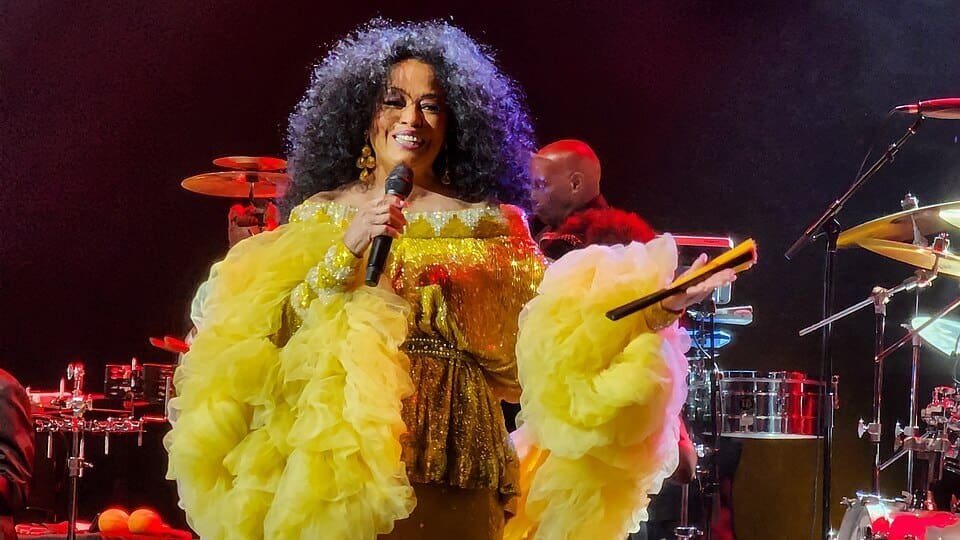
Band: The Supremes | Breakaway Moment: 1970
The Supremes were the most successful American vocal group of the 1960s based upon virtually any criteria: twelve number-one singles on the Billboard Hot 100 (a record for any American group at the time); over sixty million records sold worldwide; and a cultural presence that helped Motown cross over from R&B specialty act to mainstream American institution. Diana Ross was the lead voice, the face, the name that Berry Gordy pushed to the front of every promotional campaign; a positioning that caused significant internal friction but proved commercially prophetic.
After leaving The Supremes in 1970, Ross began her own solo career that would last longer than five decades and produce over 63 million equivalent album sales via ChartMasters; placing her total Supremes and solo output at over 100 million. As a solo performer, she had six number-one hits on the Billboard Hot 100; “Ain’t No Mountain High Enough” (1970), “Love Hangover” (1976), and “Upside Down” (1980) among them. Ross was nominated for an Academy Award for her performance in Lady Sings the Blues (1972), marking one of the first times a pop star successfully transitioned into film. Her solo discography spans genres ranging from disco to pop, soul, jazz, and adult contemporary; showing a stylistic range that the Motown formula used by The Supremes never allowed.
The most telling data point, however, is longevity. The Supremes without Diana Ross lasted only seven years (1970–1977), charting modestly before disbanding. Meanwhile, Ross continued to create music, perform around the globe, and remain culturally relevant for decades; performing at high-profile events, earning a Presidential Medal of Freedom (2016), and seeing her catalog enjoy renewed popularity due to streaming services. Billboard lists her at having forty solo entries on the Hot 100 versus forty-five as part of The Supremes; an almost even ratio considering that The Supremes worked primarily as a singles-driven band in the 1960s while Ross’ solo career spanned much of the album-oriented 1970s and 1980s.
4. Phil Collins
Band: Genesis | Breakaway Moment: 1981
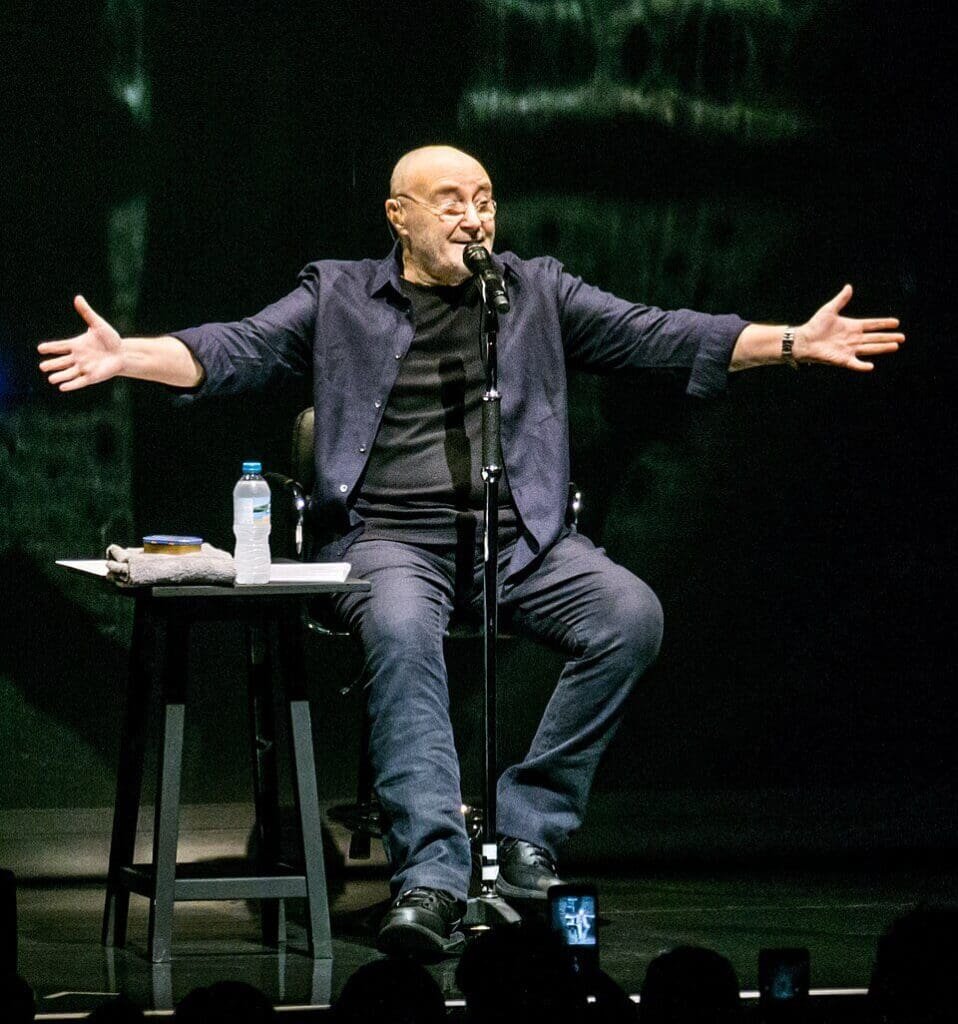
Phil Collins occupies an unusual spot on this list. He did not leave Genesis. Instead, he became so prominent as a solo artist that fans started to forget he was still a member of Genesis. Collins took over as Genesis’ lead vocalist in 1975 after Peter Gabriel left Genesis. During this time, he helped guide Genesis towards their greatest commercial success; Invisible Touch (1986) sold over thirteen million copies and produced “Invisible Touch,” Genesis’ sole U.S. number-one single. Collectively, Genesis has sold over 115 million equivalent album sales. However, Collins was involved in creating most of those sales.
And yet his solo career dwarfed even that. Collins’s eight solo studio albums have generated over 150 million records sold worldwide according to multiple industry sources. No Jacket Required (1985) alone sold over twenty-five million copies worldwide (Diamond certified in the U.S.) and won Collins the Grammy for Album of the Year; in addition to spawning three top-ten singles. During the 1980s, Collins had seven number-one solo hits on the Billboard Hot 100; more than Genesis had as a band. His solo singles on the Hot 100 totaled twenty-seven versus twenty-two for Genesis. Even now, “In the Air Tonight,” Collins’ signature solo track, remains one of the most popular catalog tracks of the streaming era, with its use in numerous films and TV episodes generating additional streams and boosting its popularity.
The sheer commercial disparity is almost absurd. ChartMasters places Collins’s solo equivalent album sales at a level that nearly equals; and by some accounting methods exceeds; the entire Genesis catalog, despite the fact that Collins was the lead vocalist on most of that Genesis catalog too. Collins has won eight Grammys (seven solo), played sold-out stadium shows around the world as a solo artist independent of any Genesis activity, and won an Oscar for Best Original Song (“You’ll Be in My Heart,” Tarzan, 1999). Genesis was a groundbreaking progressive-rock band that developed into a pop-rock powerhouse. Phil Collins solo was a one-man hit factory whose commercial footprint made the band feel like a side project.
3. Tina Turner
Band: Ike & Tina Turner | Breakaway Moment: 1976 (peak solo career: 1984)
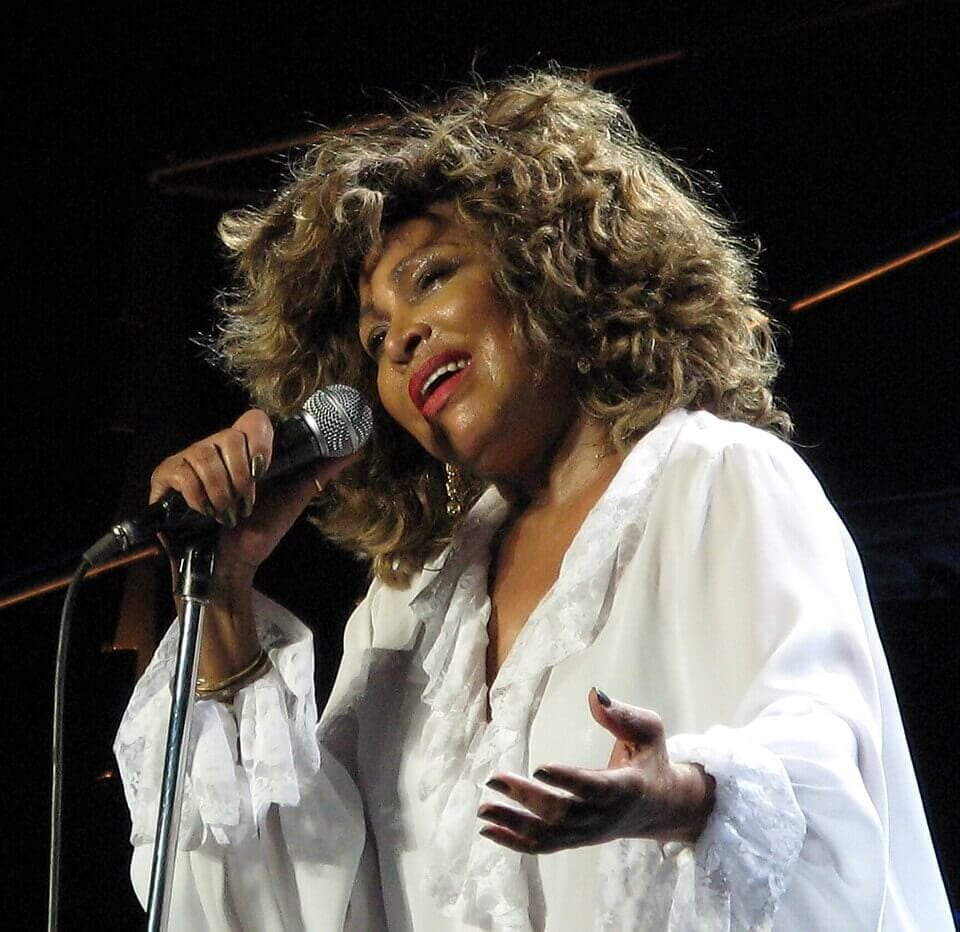
Of all artists listed here, no one experienced a more traumatic transition from group to solo stardom than Tina Turner. Her musical partnership with Ike Turner; though musically creative, physically abusive, and emotionally damaging; produced hits like “Proud Mary” and “River Deep – Mountain High” and sold roughly fifty million records combined. By the time she broke free from Ike in 1976; fleeing what she described in detail in her biography as well as in testimony in court as years of brutal physical and psychological abuse; she was thirty-six years old, contractually bound, and viewed by the media as largely a nostalgic act. Her early post-Ike solo albums fared poorly. At this point, the music industry had moved on.
Private Dancer (1984) marked one of the greatest comebacks in music history. It sold over twelve million units worldwide; spent eleven weeks within the top three positions on the Billboard 200 chart; produced “What’s Love Got to Do with It” (her first and only number one on the Hot 100 as a solo artist and winner of three Grammys including Record of the Year and Song of the Year); and positioned Turner as a superstar once again at a time when most pop careers were winding down. Her next two releases (Break Every Rule [1986] and Foreign Affair [1989]) each sold millions more worldwide, especially in Europe; with Foreign Affair selling over eight million units there, making her one of Europe’s largest-selling acts. Her total career sales are estimated at over 100 million records worldwide, with the vast majority coming from the solo era.
Turner’s touring earnings are equally impressive. In 2000, her Twenty Four Seven tour grossed over $122 million, representing at that time the highest-grossing tour by a female artist. She won eight Grammys; all during the solo era; and was inducted into the Rock and Roll Hall of Fame as a solo artist in 2021 (she was previously inducted with Ike in 1991). More than any artist included on this list, Turner’s ability to exceed her group was also an expression of reclaiming herself: she didn’t just outsell the Ike & Tina Turner Revue; she replaced a narrative of exploitation and abuse with one of autonomy, resilience, and late-career dominance. The cultural weight of that transformation is incalculable.
2. Eric Clapton
Band(s): The Yardbirds / Cream / Derek and the Dominos | Breakaway Moment: 1970
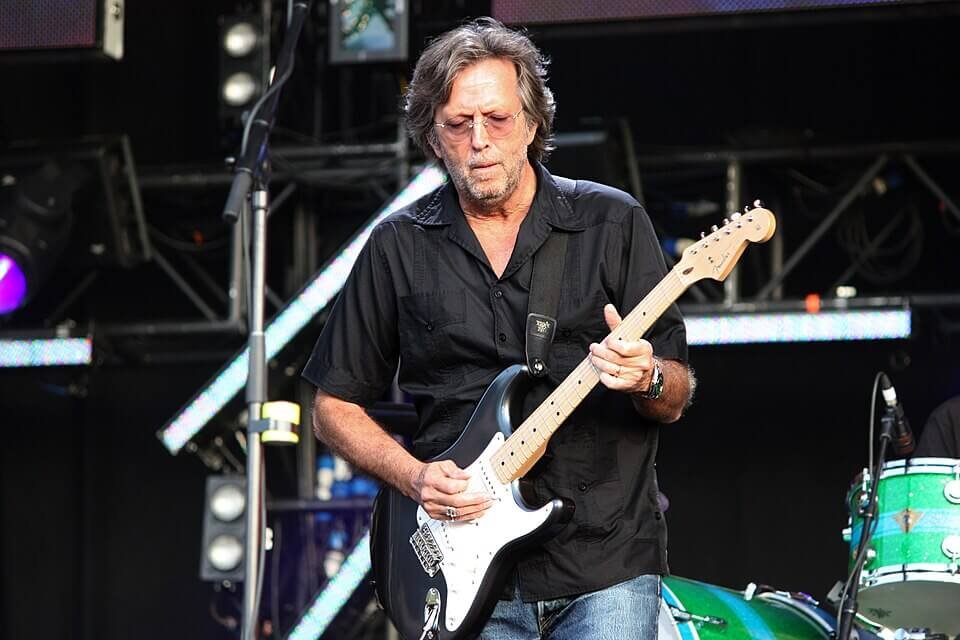
Eric Clapton’s path to solo dominance ran through several of the most important bands in rock history. Each group was brief, brilliant, and ultimately too small to contain him. The Yardbirds (which also launched Jeff Beck and Jimmy Page), Cream (widely regarded as rock’s first supergroup, with sales exceeding 15 million records and a Rock & Roll Hall of Fame induction), Blind Faith, and Derek and the Dominos all featured Clapton before he stepped out on his own. Combined, those bands’ sales don’t approach what Clapton achieved alone.
ChartMasters places Eric Clapton’s solo equivalent album sales at approximately 175 million. That figure rises to over 235 million when his band-era sales are included. He has also won 17 Grammy Awards, the vast majority for his solo work. Clapton’s live acoustic album Unplugged (1992) sold over 26 million copies worldwide. It remains the highest-selling live album of all time. At the 1993 ceremony alone, Clapton received six Grammys, including Album of the Year, Record of the Year, and Song of the Year for “Tears in Heaven.” He is the only artist inducted into the Rock & Roll Hall of Fame three times; once with the Yardbirds, once with Cream, and once as a solo artist.
The numerical gap between Clapton’s band-era and solo-era sales may be the widest on this list. Clapton’s tenure with the Yardbirds lasted roughly two years, during which the band released influential recordings that struggled commercially. ChartMasters places the Yardbirds’ total sales at approximately 3.16 million. Cream produced three studio albums and one farewell release in barely two years. Their farewell concert took place on November 26, 1968, at the Royal Albert Hall. After Cream disbanded, Clapton formed Derek and the Dominos. They released one studio album; Layla and Other Assorted Love Songs; now regarded as a rock classic despite its initially poor commercial reception.
Clapton has performed under his own name since 1970; a solo career now spanning more than five decades. He has released 24 studio albums containing some of the most recognizable songs in rock: “Layla” (which Clapton later reimagined as an acoustic hit on Unplugged), “Wonderful Tonight,” “Cocaine,” “Tears in Heaven,” and “Change the World.” Across those decades, Clapton has sold out arenas worldwide, headlined major festivals, and maintained A-list commercial relevance well into the 21st century. Every band Clapton passed through was a prologue. The solo career was the main event.
1. Beyoncé
Band: Destiny’s Child | Breakaway Moment: 2003
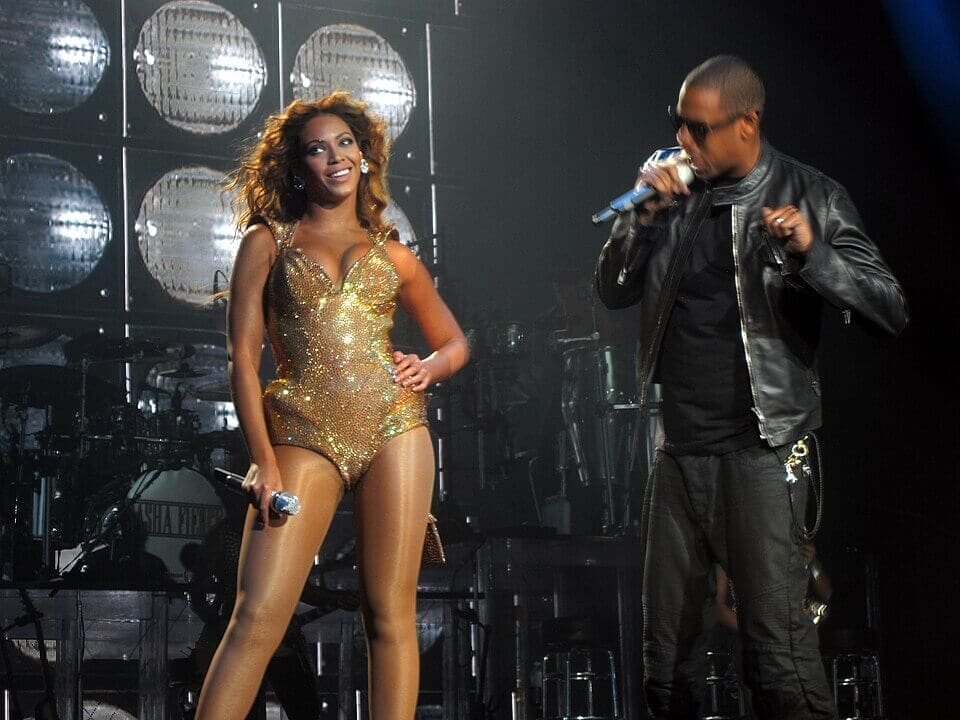
Destiny’s Child was no minor act. The group sold over 60 million records worldwide and generated massive hits including “Say My Name,” “Jumpin’ Jumpin’,” “Survivor,” and “Bootylicious.” They earned two Grammy Awards and established themselves as the most commercially successful girl group of the late 1990s and early 2000s. ChartMasters places Destiny’s Child’s total equivalent album sales at approximately 50 million units. By any metric; commercial, critical, or cultural; Destiny’s Child represented a genuinely formidable act.
And then Beyoncé went solo and eclipsed everything Destiny’s Child ever accomplished.
Beyoncé’s debut album Dangerously in Love (2003) sold over 11 million copies worldwide and earned her five Grammy Awards in one night; tying the record for most Grammys won by a female artist at a single ceremony at that time. Since Dangerously in Love, no solo artist has matched Beyoncé’s trajectory. What followed was relentless: B’Day (2006), I Am… Sasha Fierce (2008); which spawned “Single Ladies (Put a Ring on It)” and “Halo”; the self-titled visual album Beyoncé (2013), released without any advance notice or marketing campaign and debuting at number one; Lemonade (2016), a visual and narrative statement widely considered one of the finest albums of the 21st century; Renaissance(2022), a house-music-driven celebration that debuted at number one in both the U.S. and U.K.; and Cowboy Carter(2024), a country album that won Best Country Album at the 2025 Grammys and cemented Beyoncé as the most awarded artist in Grammy history; surpassing conductor Georg Solti; with 35 wins and 99 nominations. At that same ceremony, she won Album of the Year for the first time, becoming the first Black woman to win the award in the 21st century.
ChartMasters places Beyoncé’s solo equivalent album sales at over 116 million units. Her overall solo record sales are estimated to exceed 200 million by most industry measures. She has headlined two Super Bowl halftime performances. Her Renaissance World Tour grossed over $579 million. She founded the athleisure brand Ivy Park (formerly partnered with Adidas; now independently owned). Forbes confirmed her billionaire status in late 2025, making her the fifth musician to reach that threshold. Her cultural impact extends well beyond music; her album releases move stock prices, her style sets seasonal fashion trends, and her public statements generate national headlines.
There is no meaningful way to measure how far Beyoncé has travelled beyond Destiny’s Child’s peak. Destiny’s Child at their peak were a highly successful pop and R&B group. Beyoncé at her peak is a cultural institution. Former Destiny’s Child members Kelly Rowland and Michelle Williams have built respectable careers; however, neither has come close to Beyoncé’s stature; commercially, creatively, or culturally. Beyoncé’s solo career doesn’t merely eclipse Destiny’s Child; it reframes the group as a first chapter in a book so vast that the opening pages feel like a different story entirely.
Honorable Mentions
Michael Jackson could have topped this list. His solo equivalent album sales (approximately 339 million per ChartMasters) dwarf the Jackson 5‘s total by a factor of five or more, and Thriller (sold around 70 million copies) has sold more than nearly all artists’ catalogs. The reason he sits here rather than at number one is editorial: his rise from teen idol to superstar occurred during the time period he was working with the Jackson 5. His transition from child star in a family group to solo phenomenon created so much cultural overlap that the “eclipsing” framework feels less applicable than it does for artists who made a cleaner break. He didn’t eclipse the Jackson 5; he evolved out of it the way a caterpillar becomes a butterfly. The metamorphosis was so total and so early that the comparison almost doesn’t apply.
Justin Timberlake was able to edge out *NSYNC by a very small margin (his approximate 46.5 million in solo equivalent album sales barely exceeded the approximate 44 million in total sales for *NSYNC). The closeness of those numbers, combined with the fact that his most recent albums (Man of the Woods and Everything I Thought It Was) underperformed, kept him just outside the main list; although there can be no denying how massive his peak level of success was (Timberlake’s FutureSex/LoveSounds, “SexyBack,” “Mirrors,” “Can’t Stop the Feeling!”).
While Peter Gabriel is similar to Phil Collins in that both artists left behind Genesis to develop their individual careers, Peter Gabriel’s solo sales (approximately 16.5 million LPs, per Far Out Magazine) are a fraction of Collins’s and a fraction of Genesis’s total. His influence on culture and the art world (So [1987], “Sledgehammer,” WOMAD and Real World Records) is immense and cannot be denied. But the commercial eclipsing never fully materialized.
Band vs. Solo: The Complete Breakdown — How 15 Artists Outgrew the Groups That Made Them
| Rank | Solo Artist | Original Band | Band Sales (EAS) | Solo Sales (EAS) | Grammy Wins | Key Solo Peak | Why They Eclipsed |
|---|---|---|---|---|---|---|---|
| 15 | Gwen Stefani | No Doubt | ~37.7M | 7M+ (solo debut alone) | 3 | “Hollaback Girl” — first digital download to sell 1M copies in the US | Band required Stefani; Stefani didn’t require the band |
| 14 | Stevie Nicks | Fleetwood Mac | ~120M+ (5 decades) | ~40M | — | Bella Donna debuted #1 on the Billboard 200 | She became the archetype; Fleetwood Mac without Nicks is inconceivable |
| 13 | Joan Jett | The Runaways | Minimal (no US Top 100 albums) | 10M+ (I Love Rock ‘n’ Roll) | — | “I Love Rock ‘n’ Roll” — 7 weeks at #1 on the Hot 100 | Largest gap between band failure and solo stardom; Rock Hall inductee (2015) |
| 12 | Ozzy Osbourne | Black Sabbath | ~75M (all lineups) | ~51.5M | — | The Osbournes (2002) — mainstream crossover as a household name | Heavy metal’s brand ambassador; Ozzfest; outsold post-Ozzy Sabbath by a wide margin |
| 11 | Harry Styles | One Direction | ~70M | 8.8M+ pure album sales | 3 | Harry’s House — Album of the Year at the 2023 Grammys | Singular artistic vision replaced a collective brand; bandmates lag far behind |
| 10 | Dr. Dre | N.W.A. | ~5–6M | ~15M+ (solo albums alone) | 7 | The Chronic — invented G-funk; Beats sold to Apple for ~$3B | Launched Snoop, Eminem, 50 Cent, Kendrick; N.W.A. was the smallest room he ever occupied |
| 9 | Robbie Williams | Take That | ~45M | ~80M+ | — | 18 Brit Awards — most by any artist; 1.6M tickets sold in one day | Almost doubled Take That’s sales; the global yardstick for boy-band-to-solo transitions |
| 8 | Sting | The Police | ~75M | ~100M+ | 17 (solo + Police) | The Soul Cages — Grammy for Album of the Year (1992) | Outsold The Police; 15 solo studio albums spanning jazz to classical crossover |
| 7 | Lionel Richie | The Commodores | Moderate | ~79.2M (up to 125M total) | — | “All Night Long” at 1984 Olympics — 2.6B viewers; Can’t Slow Down won Album of the Year | Five solo #1 Hot 100 hits vs. Commodores’ zero; global household name |
| 6 | George Michael | Wham! | ~28M | 120M+ career total | — | Faith — 25M copies; #1 for 12 weeks; Grammy Album of the Year (1989) | Transformed from teen-pop idol to serious adult artist in a single album cycle |
| 5 | Diana Ross | The Supremes | ~60M+ | ~63M EAS | — | Six solo #1 hits; Oscar-nominated for Lady Sings the Blues (1972) | Five-decade solo career; Presidential Medal of Freedom (2016); Supremes lasted 7 years without her |
| 4 | Phil Collins | Genesis | ~115M EAS | ~150M+ | 8 (7 solo) | No Jacket Required — 25M copies; Diamond US; Album of the Year Grammy | Solo output nearly equaled Genesis’s entire catalog — despite singing lead on most of it |
| 3 | Tina Turner | Ike & Tina Turner | ~50M combined | 100M+ career total | 8 (all solo) | Private Dancer — 12M+ copies; “What’s Love Got to Do with It” #1; Record of the Year | Reclaimed her life and her name; Rock Hall solo inductee (2021); highest-grossing female tour (2000) |
| 2 | Eric Clapton | Cream / The Yardbirds | ~15M+ (Cream); ~3.16M (Yardbirds) | ~175M EAS | 17 | Unplugged — 26M copies; highest-selling live album of all time; 6 Grammys in one night | Only three-time Rock Hall inductee; widest numerical gap between band-era and solo-era sales on this list |
| 1 | Beyoncé | Destiny’s Child | ~50M EAS | 116M+ EAS (200M+ total) | 35 | Cowboy Carter — Album of the Year 2025; first Black woman to win AOTY in 21st century; most Grammy wins ever (35) | Cultural institution; Forbes billionaire; $579M single tour; Destiny’s Child reframed as a first chapter |
| HM | Michael Jackson | Jackson 5 | ~61M | ~339M EAS | 13 | Thriller — ~70M copies sold worldwide | Metamorphosis was so total and so early that the “eclipsing” framework barely applies |
| HM | Justin Timberlake | *NSYNC | ~44M | ~46.5M EAS | 10 | FutureSex/LoveSounds — 9.34M units; “Can’t Stop the Feeling!” — 2.1B Spotify streams | Barely edged out *NSYNC; recent albums underperformed |
| HM | Peter Gabriel | Genesis | ~115M EAS | ~16.5M LPs | — | So (1986) — “Sledgehammer”; founded WOMAD and Real World Records | Cultural influence immense but commercial eclipsing never fully materialized |
Frequently Asked Questions
Why wasn’t Michael Jackson number one on your list?
Although Michael Jackson’s solo career (with estimated 339 million in solo equivalent album sales) dwarfs that of the Jackson 5 (estimated 61 million), it was an editorial decision not to rank him number one based upon the manner in which he made the transition to a solo career. Rather than a dramatic rupture from a band; as Beyoncé leaving a group of equals or Tina Turner escaping an abusive partnership represent; Jackson’s transition reads as the natural maturation of a child prodigy. Thus, even though his solo career far exceeds that of the Jackson 5 in all aspects, we do not think it fits as well within our “eclipsing” framework.
How were you able to determine the rankings?
We used a hybrid model (Type H) combining quantitative metrics; equivalent album sales (solo vs. group), Billboard Hot 100 performance, Grammy and major award counts, touring revenue; with qualitative cultural-impact assessment. When two artists had comparable levels of commercial success, we applied a qualitative measure of whether their respective solo peaks represented a greater increase over their respective group peaks. Also, if two artists had similar levels of commercial success, we evaluated which artist’s solo identity represented a greater separation from their group identity in public perception. For example, Beyoncé’s position as number one on this list was not based solely on her total sales (Eric Clapton has higher total sales in absolute numbers) but because she represents the greatest ratio of her solo cultural presence to Destiny’s Child’s cultural presence among all artists on this list.
Why is Robbie Williams included when he’s generally unknown in the U.S.?
Our list focuses on global reach; not merely reaching audiences in the U.S. With over 80 million in equivalent album sales, 18 Brit Awards (a record), and continuous headlining of arenas throughout Europe, Asia, and Latin America, Robbie Williams is among the largest-selling solo artists globally for his generation; regardless of U.S. metrics. His exclusion would reflect an American bias that the data does not support. Take That were extremely successful; Robbie Williams solo was even more so. That’s enough for inclusion.
What about Paul McCartney leaving the Beatles?
McCartney’s exclusion is a judgment call, not a data oversight. He has clearly demonstrated a monumental level of success since departing from the Beatles (estimated over 100 million records sold in the post-Beatles and Wings era). But the Beatles’ total sales; exceeding 600 million records worldwide; are so astronomically large that no solo career could plausibly eclipse them. McCartney built a remarkable solo career that exists in the permanent shadow of the biggest band in history, which is a different story than the one this list tells.
Is this list only concerned with commercial success?
No. While commercial data (equivalent album sales, chart positions, certifications) provides our quantitative foundation for measurement, our ranking process also evaluates Grammys and awards, tour revenue, business ventures beyond music, and cultural-impact factors that are difficult to quantify; such as the degree to which the solo artist’s name replaced the group’s name in everyday cultural discourse, the influence of the solo work on subsequent artists and genres, and the narrative power of the transition itself. Tina Turner’s placement at number three, for example, reflects not just her sales (which are lower than some artists ranked below her) but the extraordinary cultural significance of her solo reinvention as a story of personal survival and creative liberation.
Closing
The thread that connects every artist on this list is not talent alone; talent is common in bands, and plenty of supremely talented artists have launched solo careers that cratered on contact with public indifference. What separates these fifteen is something more specific: the ability to translate the audience’s attachment to a group into an attachment to a single human being, and then to make that attachment grow beyond anything the group could have contained. It requires a rare combination of musical vision, commercial instinct, personal magnetism, and, in many cases, a willingness to burn the bridge back to the safety of the collective. Beyoncé transformed herself into an institutional force. Tina Turner reclaimed her own life. Eric Clapton played guitar uniquely enough to preclude him from remaining in any band for long periods. Joan Jett produced her own records when no one else would produce them. Each story is different; the outcome is the same; a solo career so large it makes the band years feel like a warm-up act for the real show.