


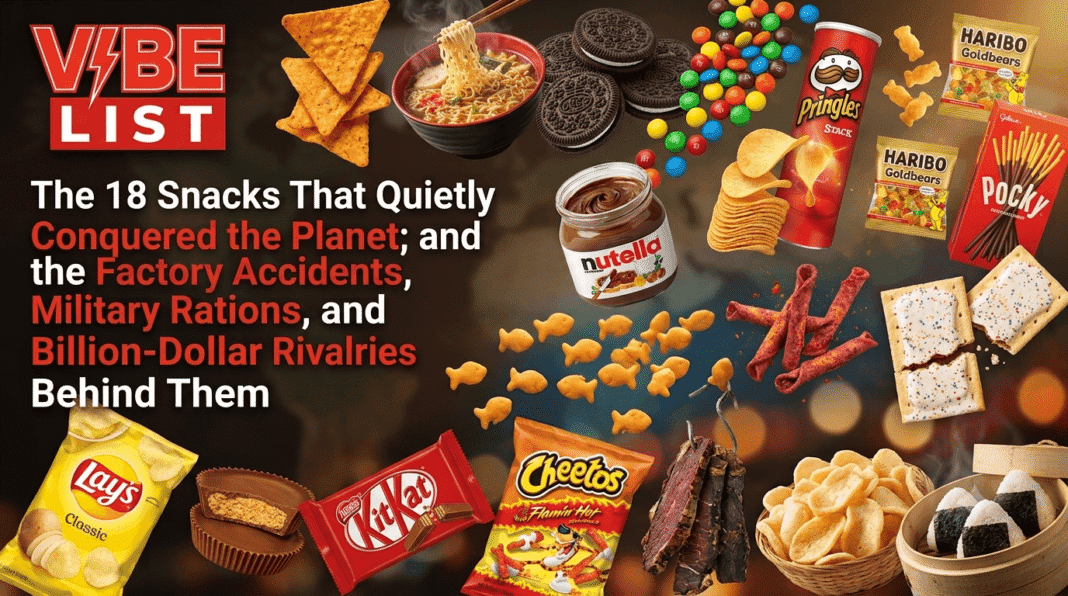
123 billion servings of instant noodles consumed in a single year. A candy shell patented for WWII soldiers that became the first confection in space. 160 million gummy bears rolling off factory floors every day. A Swiss baker shaping crackers as a love letter to his Pisces wife. An inventor so proud of a potato chip canister that his family buried his ashes inside it. None of them conquered the world with a marketing budget; they conquered it with a leftover tortilla, a backyard shed, and a refusal to quit.
The global snack food industry will likely generate nearly $718 billion in 2026; a figure larger than many national economies. Yet the backstories behind the most consequential snacks are stranger and more dramatic than the products themselves.
What turns a single flavor into a billion-dollar brand? Did wartime military contracts fund the peacetime snack empires that followed? Or was it simply a pastry chef stretching his cocoa supply with hazelnuts during a shortage?
There is no defensible way to rank the 18 snacks below by their ability to reshape the culinary landscapes of their home countries or conquer foreign markets. What connects them is simpler: each one reshaped its home market and then expanded far beyond what anyone predicted. Their histories are far more fascinating than any ranking could convey.
1. Doritos; The Disneyland Dumpster That Launched a Billion-Dollar Brand
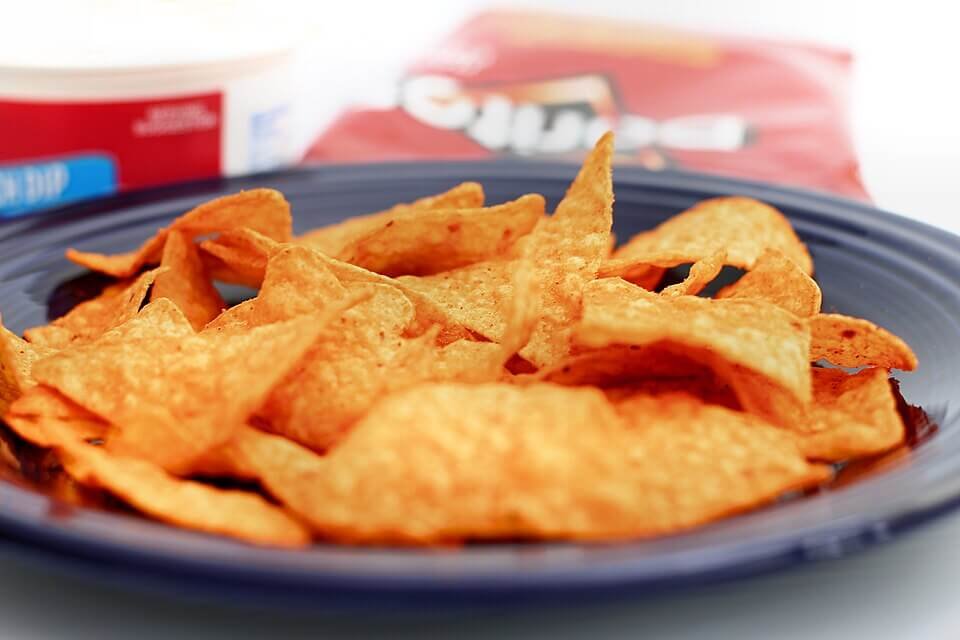
The story of how Doritos was developed is so typical of corporate myth-making that it almost seems too perfect to be true. In the early 1960s, a man named Arch West visited the Casa de Fritos restaurant located inside Disneyland’s Frontierland. The restaurant was run by a Frito-Lay representative and had a problem; it was accumulating piles of tortillas at the end of each day. Instead of discarding them, a creative cook cut them into triangular pieces, fried them, and seasoned them with a simple chili powder mixture. They quickly became popular among visitors.
West tasted the snack food during one of his visits and recognized its commercial appeal. He brought the concept back to Frito-Lay and developed a mass-produced version. Doritos were released nationally in 1966. The word “Doritos” comes from the Spanish term “doradito,” meaning “little golden thing.” This name is far more beautiful than “repurposed discarded tortilla.”
What makes the story impressive is how fast Doritos crossed cultural borders. Within twenty years, it had become Frito-Lay’s flagship product. The introduction of the Nacho Cheese flavor in 1972 and Cool Ranch in 1986 were both massive successes. Today, the brand is responsible for billions in worldwide sales in over thirty countries. Every bag traces back to a Disneyland cook who refused to throw away leftover tortillas.
2. Instant Ramen; One Man’s Backyard Shed Changed How the World Eats
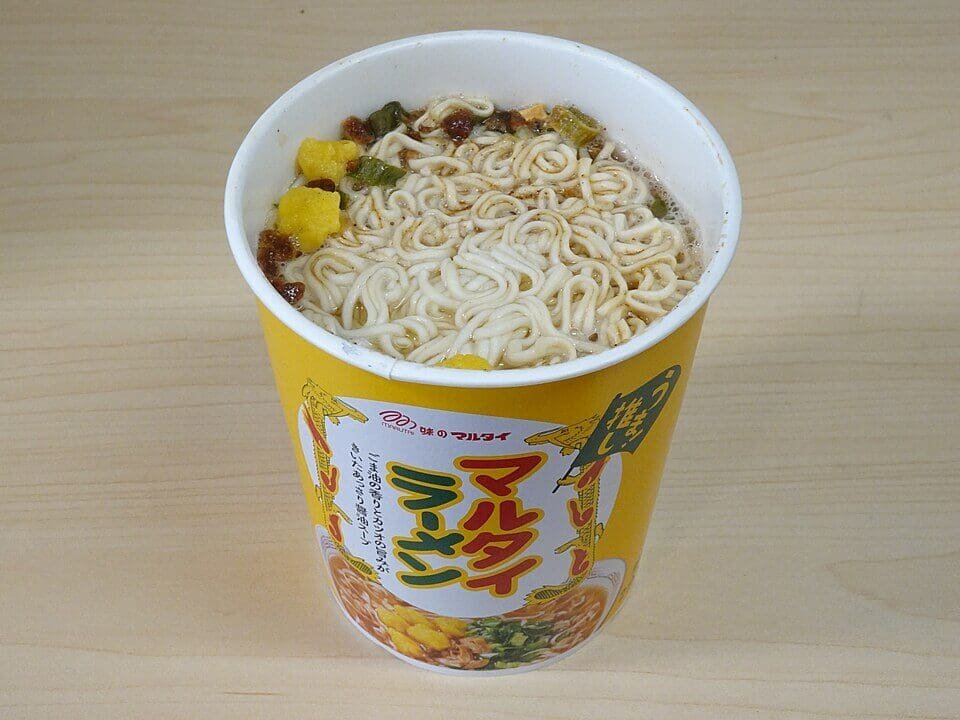
In 1958, Taiwanese-born Japanese entrepreneur Momofuku Ando walked out of a shed behind his house in Osaka with a product that would feed more people than almost any other single food invention in modern history. He had spent one year testing different approaches to creating noodle products that only needed boiled water to prepare. He experimented with flour, a wok, and a fryer.
When Ando discovered that flash-frying noodles dried them out and created microscopic holes that allowed rapid rehydration in boiling water, he had found his product. The initial product was called Chikin Ramen, and Nissin Foods was born.
According to the World Instant Noodles Association (WINA), 123 billion servings of instant noodles were eaten in 2024. China alone accounted for 43.8 billion servings. Indonesia ate 14.7 billion servings. America; sometimes thought of as a second-tier market; consumed 5.15 billion servings. The global instant noodles market is projected to hit $68.53 billion by 2026.
Ando, who Britannica credits as having been inspired by postwar food shortages, went on to create Cup Noodles in 1971; the first disposable cup containing instant noodles, removing the necessity of even a bowl. Ando stepped down as chairman of Nissin Foods in 2005 and passed away in 2007 at age 96, reportedly consuming instant noodles nearly daily throughout his adult life.
3. Oreo; The World’s Best-Selling Cookie Has a Copycat Origin Story
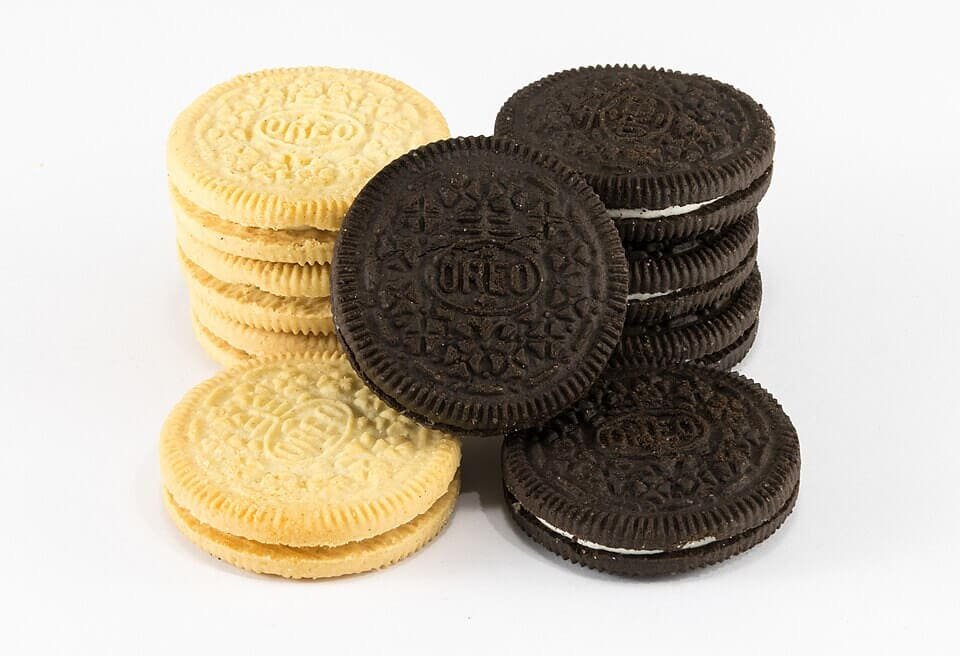
Oreo is currently the best-selling cookie globally; available in over 100 countries and producing more than $2 billion per year in revenue for its parent company, Mondelēz International. It was first introduced on March 6, 1912, by the National Biscuit Company (Nabisco) at its plant in Manhattan’s Chelsea neighborhood. The Oreo may be the most famous copycat success story in food. Nabisco borrowed heavily from Sunshine Biscuits’ Hydrox cookie.
Sunshine Biscuits first marketed Hydrox in 1908; four years prior to Nabisco’s release of Oreo. Both cookies consist of a chocolate wafer exterior with an interior cream filling sandwiched within. The similarity between the two cookies is very apparent, although Oreo gained significant marketing and distribution advantages and ultimately buried Hydrox beneath its own popularity. Sunshine Biscuits officially discontinued Hydrox in 1999, though Leaf Brands briefly revived the brand in 2015.
Mondelēz International employs teams of food scientists who obsessively maintain the precise ratio of cookie to creme at exactly 71% to 29%. Mondelēz has successfully marketed over 100 different flavors of Oreos globally including Wasabi-flavored Oreos available in China and Hot Chicken Wing-flavored Oreos available in Indonesia. Mondelēz employs the same “glocalization” strategy used by fast-food companies; each country receives its own unique flavors based on local preferences while maintaining the essential structure of the cookie.
4. M&Ms; The Military Candy That Went to Space
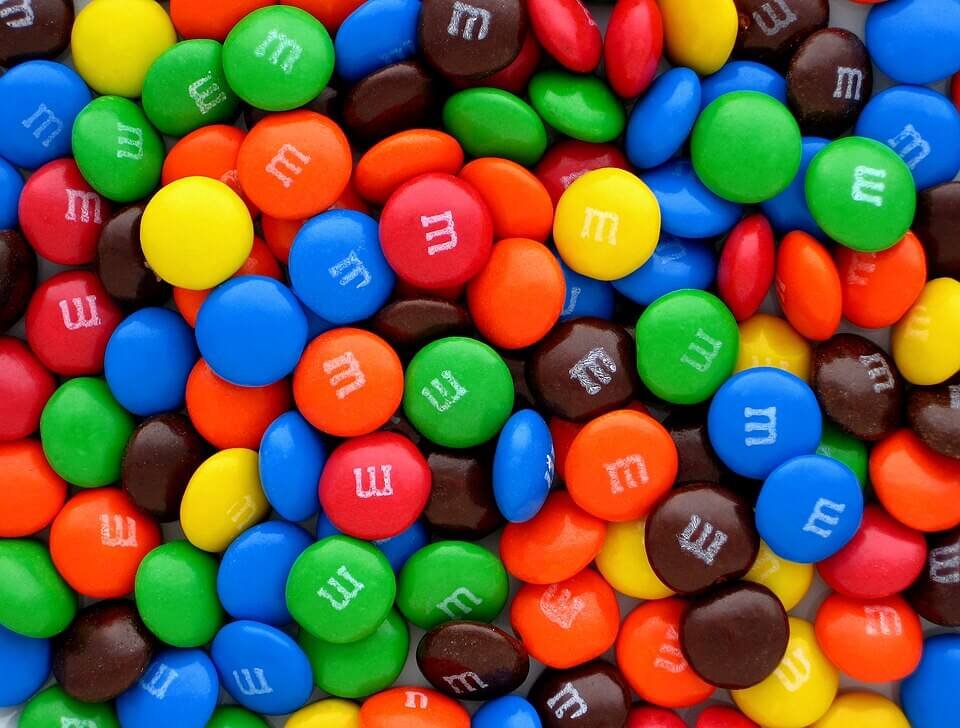
Forrest Mars Sr., son of the founder of the Mars candy company, obtained a patent in 1941 for a method of coating chocolate with a hardened sugar shell. Mars had apparently been inspired by watching British soldiers eat Smarties; chocolate pellets coated with a hard sugar shell; during the Spanish Civil War. He partnered with Bruce Murrie, son of Hershey president William Murrie, to secure access to Hershey’s rationed cocoa supplies during WWII. The “M&M” name derived from Mars and Murrie.
After WWII, returning GIs who had grown accustomed to M&Ms during service drove consumer demand, which led Mars to buy out Murrie’s stake and take full control. The distinctive “m” symbol on each M&M candy debuted in 1950. From 1976 through 1987, Mars removed red M&Ms from their color palette; not because red M&Ms contained toxic dyes, but because consumer fears regarding unrelated FD&C Red No. 2 dye contamination led Mars to proactively remove them from sale.
M&Ms were also the first candy sent into space aboard NASA’s Space Shuttle.
Today M&Ms are sold in more than 100 countries. Beyond plain and peanut, Mars has introduced peanut butter, pretzel, caramel, and seasonal M&Ms varieties; all using the same hard-shell technique Forrest Mars patented for military contracts over eight decades ago.
5. Nutella; A Pastry Chef Stretches Cocoa Supplies Using Hazelnuts
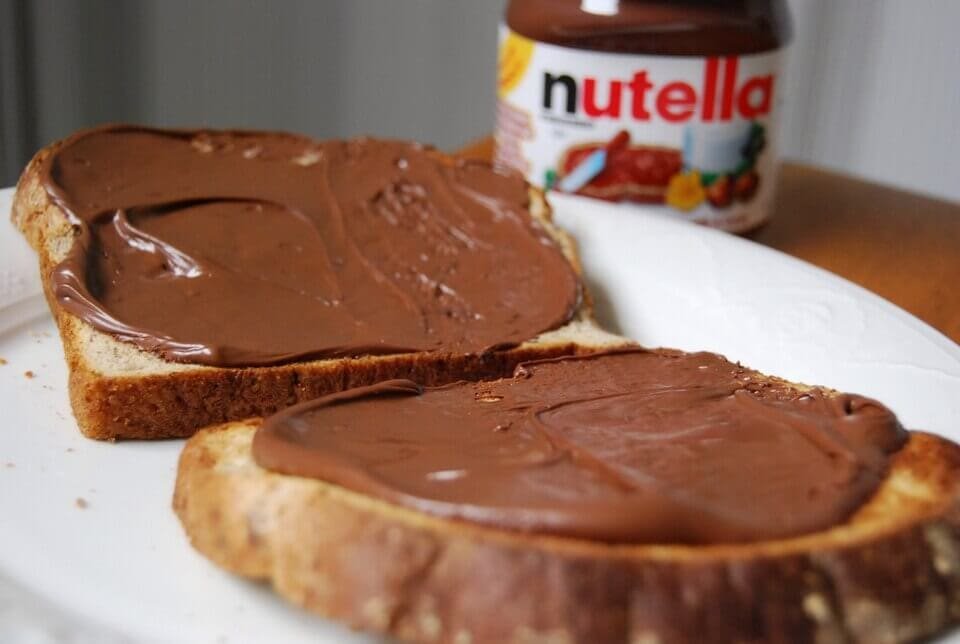
Nutella may be the most famous accidental discovery in snack food history. Pietro Ferrero; a pastry chef in Italy’s Piedmont region, where hazelnut trees abound; wanted to stretch his limited wartime cocoa supplies by blending in hazelnuts.
Initially called Giandujot; named after a Piedmontese carnival character; the first version of Nutella (which was created in 1946) consisted of a solid loaf that could be sliced and served atop bread. By 1951, Ferrero perfected the recipe to become a spreadable paste called SuperCrema. In 1964, Pietro’s son Michele rebranded it as Nutella and designed new packaging, which included its iconic glass jar.
Ferrero uses approximately 25% of the world’s hazelnut supply to produce roughly 365,000 tons of Nutella annually at its facility in Alba, Italy. Nutella is sold in more than 160 countries, placing it among the highest-grossing single-product brands in food history.
6. Pringles; Not Legally a Potato Chip
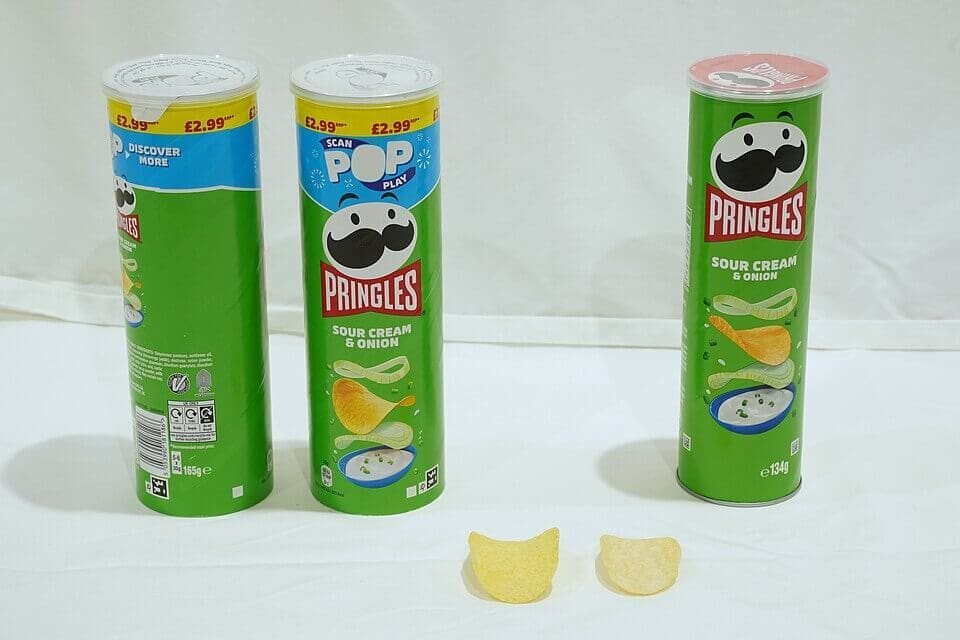
For decades, one snack has occupied a culinary and legal no man’s land. Pringles: a snack so ubiquitous it barely needs an introduction. However, depending on where you live, you may not consider it a potato chip at all.
Procter & Gamble developed the snack in the 1960s as an answer to consumer complaints about stale, broken chips. Instead of cutting up actual potatoes to make chips, the developers created a dough of dehydrated potato flakes, cornstarch, and wheat starch. Each piece of dough was formed into the shape of a hyperbolic paraboloid; a mathematically precise saddle curve.
Fredric Baur developed the packaging for Pringles. In 1970, he patented the tubular canister. Baur passed away in 2008 at the age of 89. His family honored his unusual final wish. They buried a portion of Baur’s ashes inside a Pringles can. As The Guardian noted, Baur’s son Larry verified this unusual funeral arrangement. A creator, buried in the very container he designed. This anecdote quickly became one of the most commonly told pieces of snack trivia online.
There have been legitimate court battles about whether Pringles are technically “chips.” Specifically, in the UK, Procter & Gamble claimed that Pringles should not be taxed as “potato crisps” because they contain only about 42% potato and are made from a dough that is baked into chips rather than cut from whole potatoes. Ultimately, however, the UK’s Court of Appeal ruled that Pringles are too similar to potato crisps to avoid paying tax as such. The ruling cost Procter & Gamble millions in back taxes.
Today, Pringles are available for sale in more than 140 countries. After Mars, Inc. announced its acquisition of Pringles’ parent company Kellanova in 2024, the brand now sits under one of the world’s largest private food companies.
7. Haribo Goldbears; A Kitchen, a Copper Pot, and a Century of Gummy Dominance
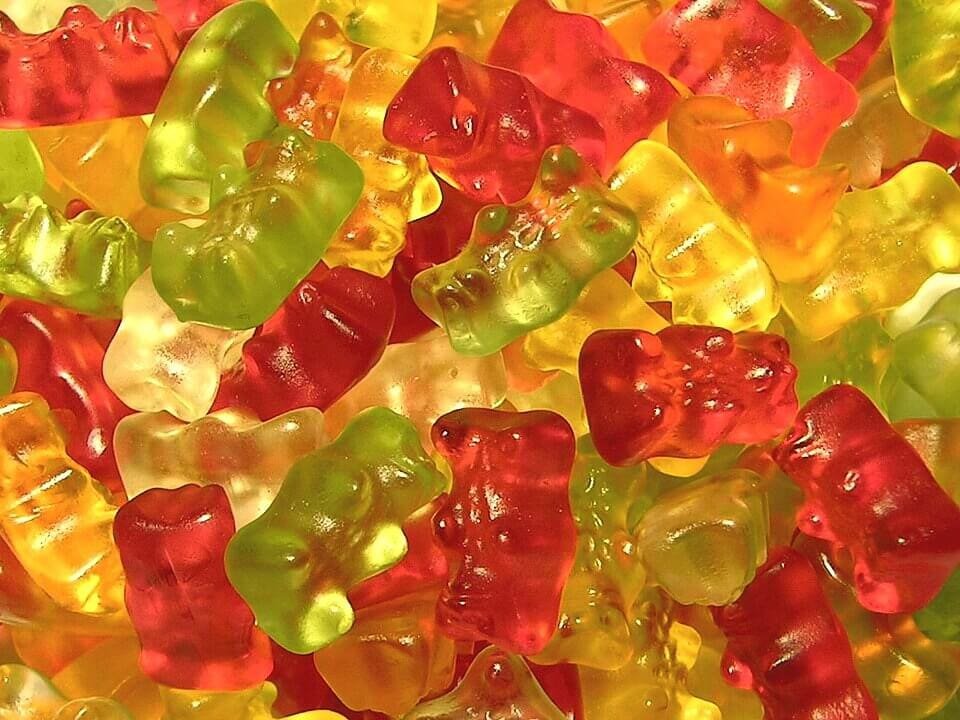
In 1920, Hans Riegel Sr. started a candy-making business in Bonn, Germany, naming it Haribo; an abbreviation of Hans Riegel Bonn. From the start, Riegel worked from his home kitchen with nothing more than a copper pot, a marble slab, and a stove. While Riegel manufactured hard candies in his kitchen, his wife Gertrud was the first; and for some time the only; employee. She delivered candies to clients by bicycle.
In 1922, Riegel invented something completely new; a gelatin-based candy in the form of a dancing bear (the type of dancing bears that appeared at street festivals throughout Germany). The bears were dubbed “Tanzbären” (Dancing Bears), and thus Haribo created the world’s first gummy bears. In 1960, Riegel changed the name of his dancing bears to Goldbears. As Smithsonian Magazine reports, today Haribo produces over 160 million Goldbears daily and sells more than 1,000 products in over 100 countries.
As Haribo expanded through the remainder of the twentieth century, its fate became inseparable from German history. As World War II approached, Haribo nearly ceased production. Riegel’s two sons; Paul and Hans Jr.; were captured by Allied forces and imprisoned in POW camps, and Riegel Sr. himself died in 1945. After the war, Paul and Hans Jr. returned to Bonn and rebuilt Haribo from a workforce of just thirty employees. Within short order, Haribo became one of the first German companies to advertise on television. One of Europe’s most well-known advertising slogans; “Haribo macht Kinder froh” (“Haribo makes children happy”); became central to Haribo’s brand identity.
8. Pocky; Japan’s Chocolate Stick That Became a Global Ritual
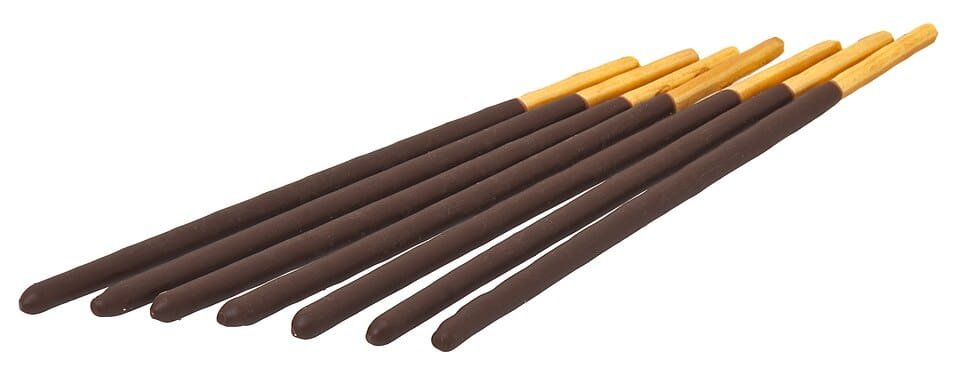
Pocky was launched by Ezaki Glico Co., Ltd. in Japan in 1966. At that time, the Japanese snack market consisted primarily of chocolate bars. Glico’s innovation was structural; a thin biscuit coated in chocolate with one uncoated end to keep fingers clean.
The name comes from the Japanese onomatopoeia “pokkin”; the snapping sound of biting into a Pocky stick.
Glico certainly did not anticipate the cultural significance that would soon surround Pocky. November 11 is celebrated as Pocky Day in Japan because the date’s digits resemble four Pocky sticks lined up side by side. Because of Pocky Day; now a genuine commercial event; sales spike dramatically on November 11 each year in Japan and increasingly throughout Southeast Asia.
Pocky is currently sold in more than fifty flavors, including matcha, strawberry, almond crush, and seasonal regional varieties available exclusively in select prefectures within Japan. Glico’s official site confirms that Pocky has gained significant traction worldwide and is now sold in more than thirty countries. The brand has become a staple in many international Asian grocery stores.
Pocky has become embedded in Japanese pop culture; frequently depicted in anime, manga, and J-pop, where sharing a Pocky stick doubles as a social ritual.
9. Goldfish; A Swiss Love Story in Every Bag
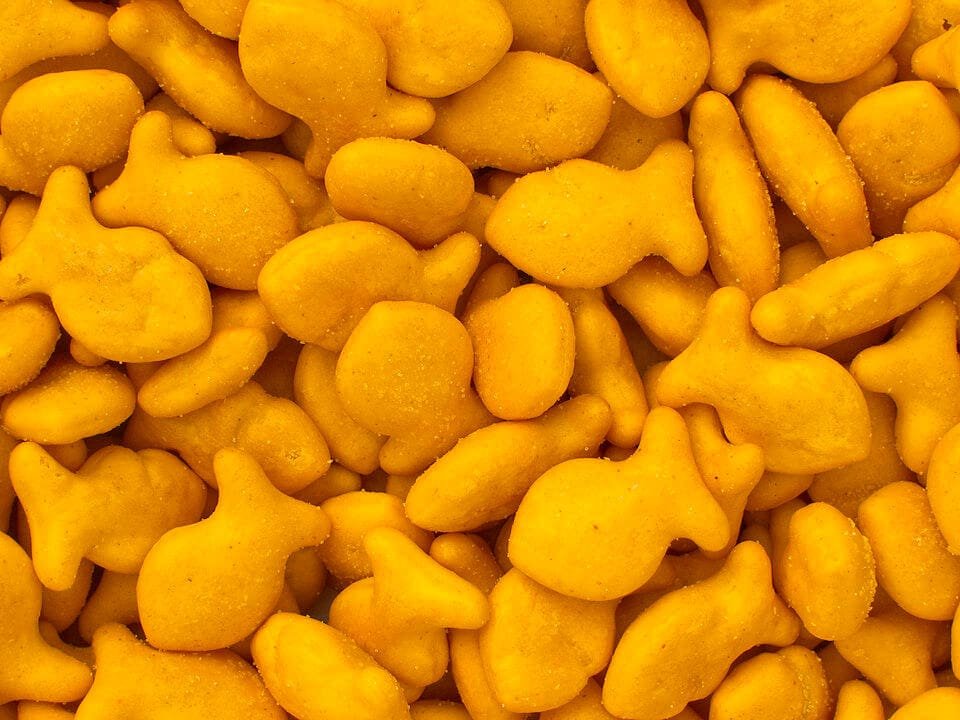
Goldfish crackers were originally conceived as an act of love by Oscar J. Kambly, head of Swiss biscuit company Kambly. In 1958, Kambly created fish-shaped crackers inspired by his wife’s astrological sign; Pisces.
In 1962, Margaret Rudkin, founder of Pepperidge Farm, discovered these crackers while visiting Switzerland and obtained a license agreement with Kambly to manufacture them in the United States. The initial Goldfish flavors offered in America were Lightly Salted, Cheese, Barbecue, Pizza, and Smoky. The now-iconic Cheddar Cheese flavor did not arrive until 1966.
By 1997, Pepperidge Farm had added a smiley face to approximately 40 percent of Goldfish crackers; adding another dimension to Goldfish as a children’s favorite snack brand.
In Pepperidge Farm’s Willard, Ohio, factory (population approximately 6,000), more than 50 million Goldfish crackers are manufactured each day. According to YouGov brand rankings in 2026, Goldfish ranked fourth among all food and snack brands in America behind M&Ms, Cheerios, and Kit Kat.
Thus, a love letter from a Swiss baker in honor of his Pisces wife became one of America’s most popular snacks.
10. Takis; Mexico’s Spice Bomb That Conquered American Schoolyards
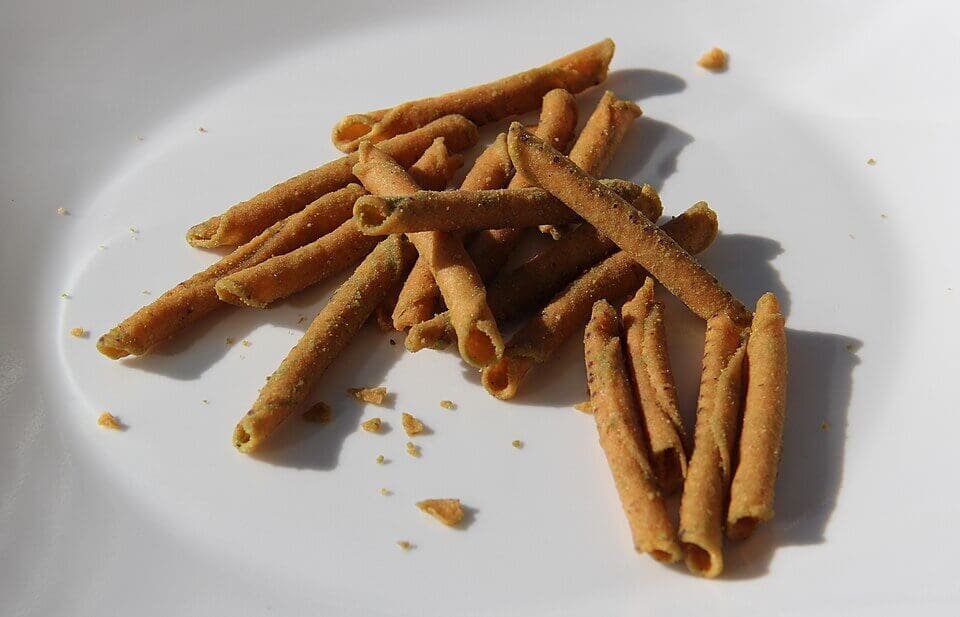
In 1999, Mexican-based Barcel launched Takis; a tightly rolled tortilla chip doused with an extremely hot chili-lime seasoning blend.
Takis entered the US market around 2004 and spent years as a niche import before achieving widespread popularity the old-fashioned way: it spread through American schoolyards.
Teachers reportedly confiscated bags of Takis during class. Several US-based school districts banned Takis due to fears that the extreme seasoning would permanently stain students’ fingers. Although no marketing campaign caused the explosion of Takis into American consciousness, the schoolyard buzz proved more powerful than any advertisement could have been.
Takis Fuego; Takis’ hottest flavor; became both a personal snack obsession and a cultural identity marker for younger Americans, particularly within Latino communities in the Southwest and Midwest.
Industry analysts at Food Business News cite Takis Fuego as evidence that bold, spicy international snacks will continue dominating the American market in 2026.
11. Pop-Tarts; The Corporate Espionage Breakfast
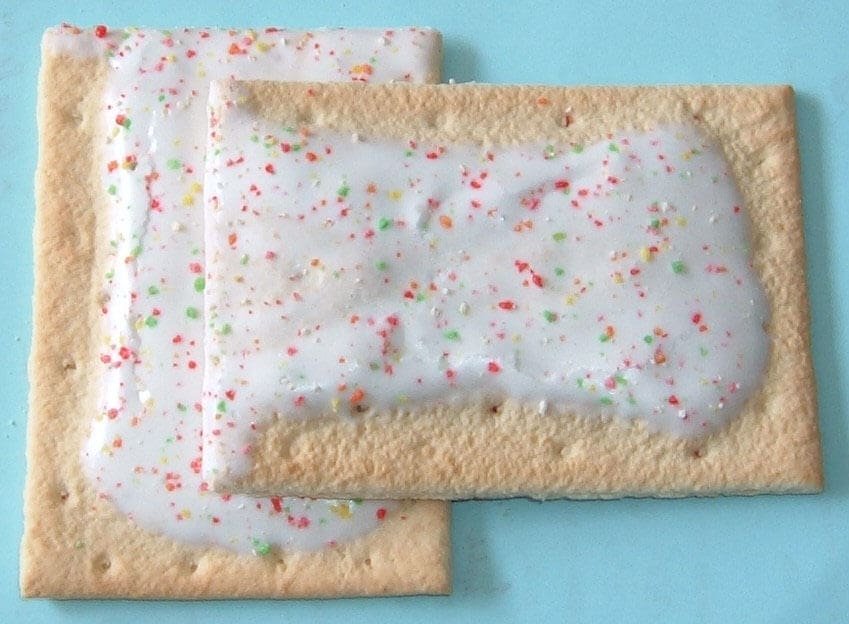
One of the greatest corporate rivalry stories in food history began with a breakfast pastry. In the early 1960s, Post Consumer Brands proudly proclaimed it was launching a revolutionary toaster-baked pastry called Country Squares. Unfortunately, Post was overpromising; Country Squares was still months away from being ready.
Upon hearing Post’s claim, Kellogg’s executives immediately scrambled to launch their own toaster-baked pastry first. History.com reports that Kellogg’s sent a group of representatives unannounced to the Hekman Biscuit Company in Michigan, carrying bits of dough and filling; asking plant manager William Post (no relation to the Post cereal company) if he could create a toaster-ready pastry on short notice. He agreed.
Six months after Post Consumer Brands announced Country Squares, Kellogg’s launched its own product; initially branded as “Fruit Scones.” Marketing executives soon renamed it Pop-Tarts; a nod to the Pop Art movement.
Pop-Tarts’ test marketing proved wildly successful; selling out all 45,000 units tested at retailers in Cleveland with four flavors: Blueberry, Strawberry, Apple Currant, and Brown Sugar Cinnamon. By the time Post actually launched Country Squares, consumers had already determined their allegiance; they preferred Pop-Tarts. Consumers bought more than 3 billion Pop-Tarts in 2022 alone, according to CNBC.
Kellogg’s ran public apologies declaring “Oops! We Goofed” because they could not fill orders fast enough; a marketing problem most manufacturers would envy.
12. Lay’s; The Chip That Speaks More Than 200 Languages
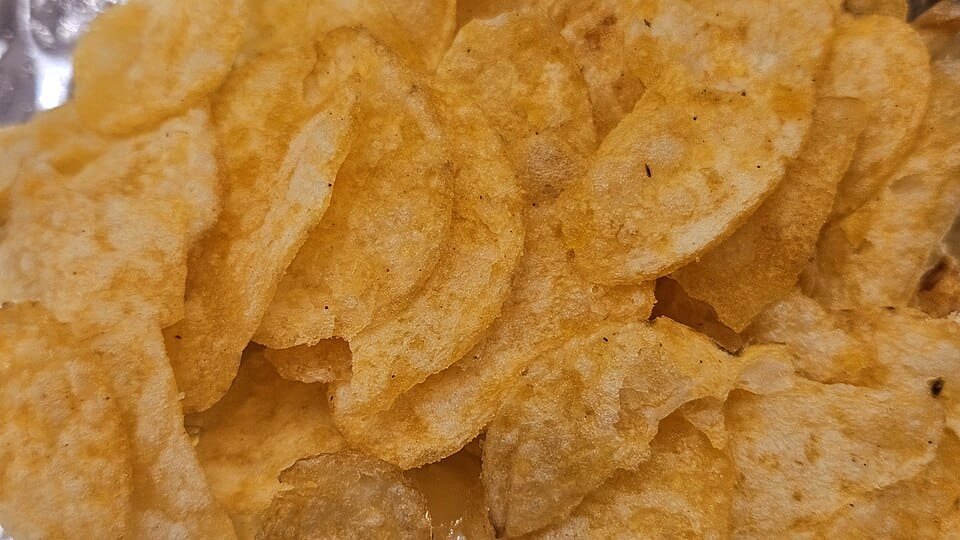
Lay’s is currently the largest-selling chip brand globally. To accomplish this, Lay’s employs one of the most aggressive localization strategies in food history. In different parts of the globe, Lay’s goes by different names; Walkers in the UK, Sabritas in Mexico, Smith’s in Australia, Chipsy in Egypt; but behind each brand, Frito-Lay’s engineers precisely control slice thickness and oil absorption rate across every product.
It is Lay’s flavor diversity that best demonstrates the brand’s edge. Using data compiled from Lays Around the World (a comprehensive database documenting global Lay’s offerings), there are more than 400 unique Lay’s flavors offered across more than 40 countries. Examples include China’s Numb & Spicy Hot Pot, Netherlands’ Bolognese, and India’s Magic Masala.
Since 2012, Lay’s has run crowdsourced “Do Us a Flavor” contests across multiple countries; generating billions of social media impressions and producing real-world winners such as Cappuccino and Wasabi Ginger.
The secret to Lay’s dominance is regional taste psychology. Lay’s builds flavor portfolios from scratch using local ingredients and traditions, then positions those flavors as expressions of national pride. In Thailand, Lay’s Nori Seaweed connects consumers with Thai culture centered on umami. In Brazil, Lay’s Picanha offers an opportunity to connect with churrascaria culture.
Behind all these regional identities, Frito-Lay generates over $20 billion in annual revenue; a fortune hidden inside seemingly simple bags of chips.
13. Reese’s Peanut Butter Cups; The Dairy Farmer Who Outplayed Hershey
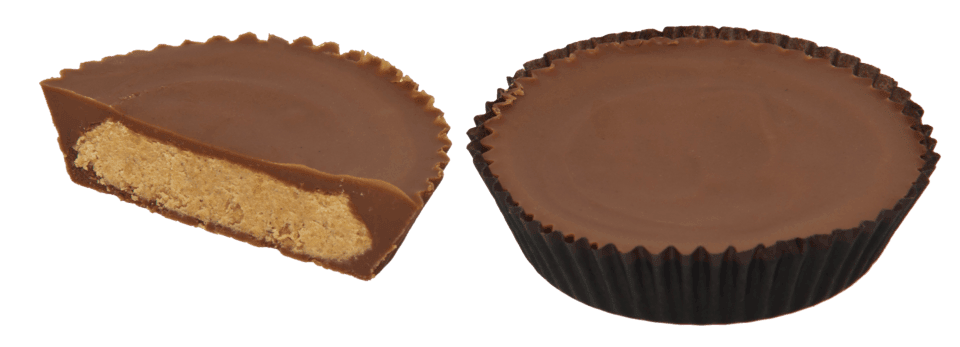
A dairy farmer named Harry Burnett Reese used to make candy in the basement of his house in Hershey, Pennsylvania. In 1928, Reese began creating an array of candies and truffles. Among the candies he produced was the peanut butter cup. According to Reese himself, the peanut butter cup was not even a favorite.
By the 1930s, Reese had shifted his entire operation to peanut butter cups because they outsold everything else. Reese purchased his chocolate directly from Hershey’s factory, creating a uniquely ironic competitive dynamic. At the same time, Reese was buying chocolate from a competitor (Hershey) and selling a peanut butter product that competed with Hershey’s products.
After Reese passed away in 1956, he left behind a business that his six sons sold to Hershey in 1963 for $23.5 million; one of the most profitable acquisitions in US candy history. According to YouGov’s 2026 brand tracking data, Reese’s is one of the top five most recognized snack brands in America. What was originally intended to be just another item in an assortment of candies eventually evolved into a multibillion-dollar subsidiary of Hershey; the very company that produces the chocolate Reese used.
14. Kit Kat; 400 Flavors and a Lucky Break in Japan
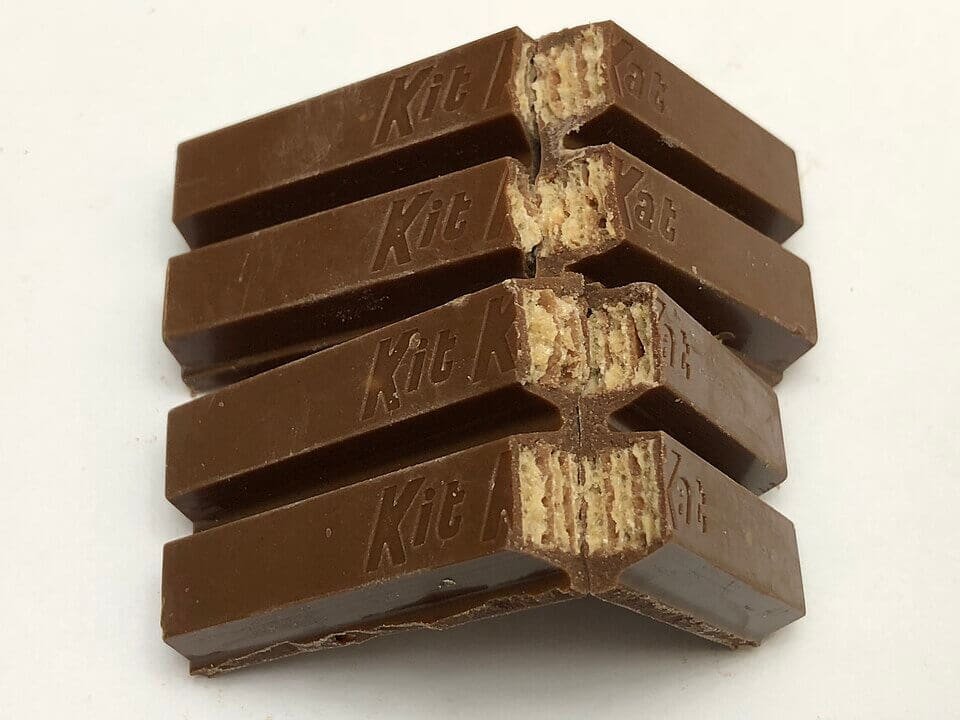
Kit Kat was developed by the British candy maker Rowntree’s of York in 1935 as a chocolate-coated wafer bar that could easily fit inside an individual worker’s lunchbox. The name was reportedly inspired by the Kit-Cat Club, an 18th-century literary group in London. Nestlé acquired Rowntree’s in 1988 and has since grown Kit Kat into one of the most widely available chocolate brands around the globe.
But Kit Kat’s most fascinating cultural chapter is taking place in Japan, where it is no longer simply a snack but a social icon. In Japan, Kit Kat is considered a good-luck charm because “Kitto Katsu” closely resembles the Japanese phrase for “you will certainly win.” This linguistic similarity explains why many parents and friends give Kit Kats to students preparing for college entrance exams.
Since 2000, Nestlé Japan has worked diligently to create more than 400 different seasonal and regional Kit Kat flavors exclusively for sale in Japan. Examples include flavors such as sake, wasabi, purple sweet potato, matcha, strawberry cheesecake, and special varieties associated with each of Japan’s various prefectures. Some of those flavors can only be found at Kit Kat Chocolatory stores; specialized retail outlets that offer Kit Kat bars as premium treats rather than mass-produced products. National Geographic’s education blog reports that tourists now travel to Japan specifically to hunt for exotic Kit Kat flavors. Thus, an ordinary workman’s snack from 1930s England has evolved into a cultural icon in 21st-century Japan; possibly the most unlikely example of how a brand can transform itself through cultural identity.
15. Cheetos; The Contested Origin Story No One Can Settle
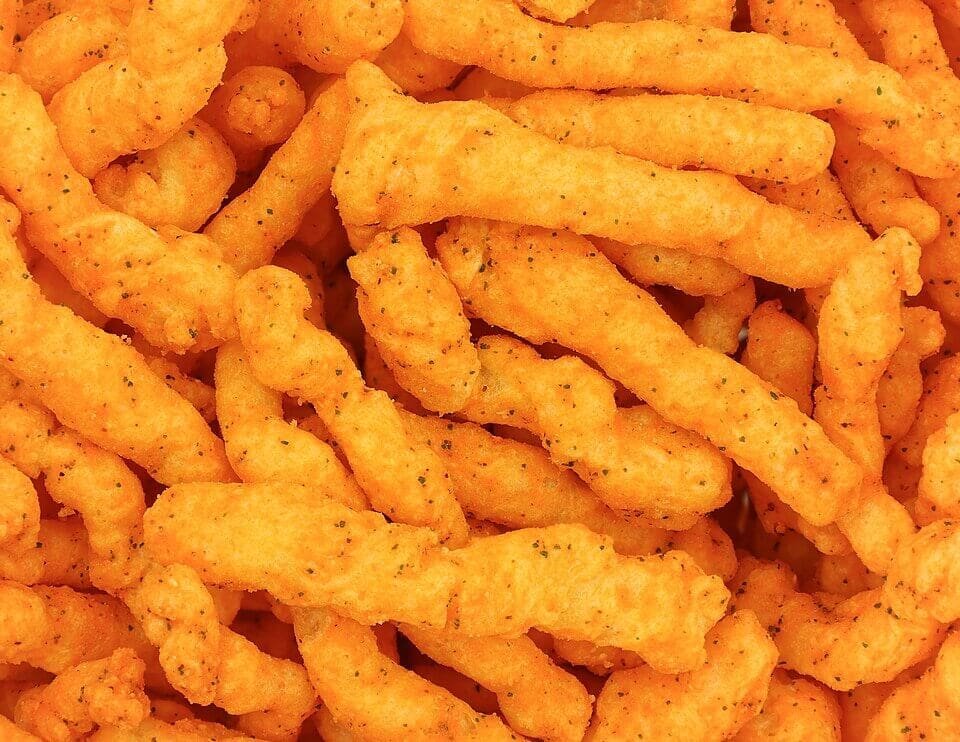
Cheetos were invented in 1948 by Charles Elmer Doolin; the same man who invented Fritos. The original Cheetos were plain puffed cornmeal coated with cheese seasoning. The Flamin’ Hot revolution is where the story gets contested.
Most accounts credit Richard Montañez, a janitor at Frito-Lay’s Rancho Cucamonga plant in California, for developing the recipe. Montañez claimed to have taken plain unseasoned Cheetos from a defective production line and added Mexican-style corn seasonings. He then pitched his idea to Frito-Lay’s CEO. Montañez wrote a memoir detailing his experience, and his story became a major motion picture. His narrative was so convincing that Montañez delivered it at countless motivational speaking events.
Then, in 2021, the Los Angeles Times ran an investigative piece based upon interviews conducted with over a dozen former Frito-Lay employees who stated that Flamin’ Hot Cheetos were actually developed by a team of food scientists working at Frito-Lay’s headquarters in Plano, Texas. Frito-Lay confirmed to NPR that it had investigated Montañez’s claims and found no evidence supporting them. Montañez has since filed suit against PepsiCo.
Whether Montañez or the team of food scientists deserves credit remains unresolved, but there is little doubt that Flamin’ Hot has been the single most influential flavor innovation in the snack food industry over the past three decades. Frito-Lay has leveraged Flamin’ Hot into an umbrella brand that includes Flamin’ Hot Doritos, Flamin’ Hot Funyuns, and Flamin’ Hot Lay’s. The controversy surrounding its origins may add to the legend, but it does nothing to diminish its impact on American snacking.
16. Biltong; South Africa’s 400-Year-Old Answer to Beef Jerky
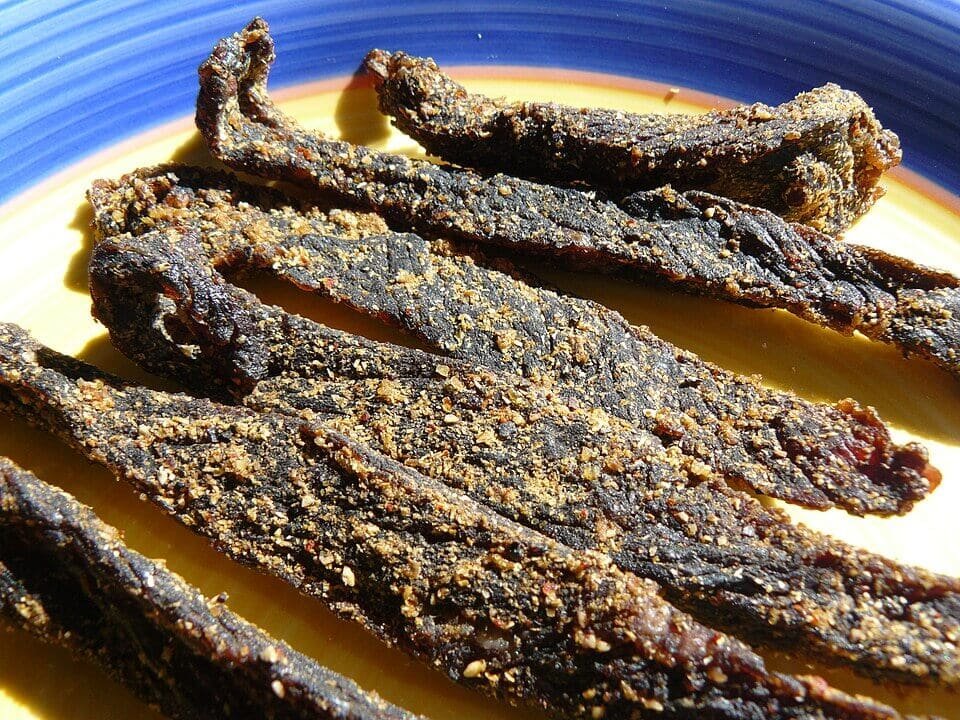
American beef jerky may be the world’s most recognized dried meat, but South Africa has been making biltong for over four hundred years. The preservation method; involving vinegar, salt, and coriander with open-air drying; traces back to the indigenous peoples of Southern Africa, who developed these techniques thousands of years prior to European settlement. During the Great Trek; an inland migration led by Boer farmers that established modern-day South Africa; Dutch settlers incorporated these methods into their meat preservation practices.
There are key differences between biltong and traditional American beef jerky. Jerky is usually sliced thinly and marinated before being smoked or dried slowly. Biltong is cut into thick slabs and preserved using a mixture of vinegar and spices, then allowed to air-dry for several days without applying any heat. The resulting texture is heavier and more intense in flavor than typical jerky, often compared to cured Italian bresaola because of its density.
The popularity of biltong is increasing rapidly worldwide. South African biltong brands are now exporting to the UK, Australia, and the US, where companies like Ayoba-Yo, Stryve, and Brooklyn Biltong are reaching consumers who want a higher-protein, lower-fat alternative to jerky.
Innova Market Insights’ report identifies protein-based snacks as the top food trend for 2026, labeled “Powerhouse Protein.” With its high protein content and minimal processing, biltong is emerging as one of the international snack categories best positioned for mainstream Western shelf space.
17. Krupuk; Southeast Asia’s Prawn Cracker Predates Modern Snacking by Centuries
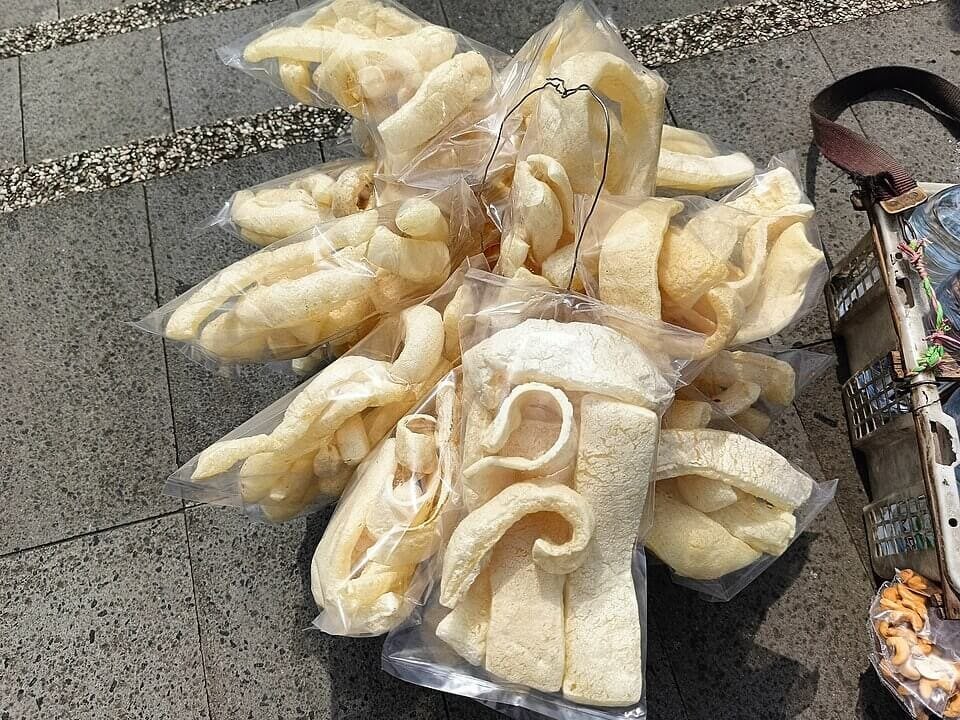
Krupuk; the crispy, airy prawn crackers commonly eaten in Indonesia, Malaysia, and Thailand; date back nearly 1,000 years. They originated in Java sometime between the 9th and 10th centuries; making krupuk one of the oldest continuously manufactured snack foods in existence. According to The South China Morning Post, considerable debate exists over who exactly originated krupuk; Indonesia or Malaysia. Nevertheless, experts agree that krupuk were first made in Java.
To make krupuk today is labor-intensive but quite simple: dried shrimp or fish paste is ground into a puree, blended with tapioca starch, formed into flat sheets, placed out under the sun to dry completely, and then quickly deep-fried until they puff into crunchy, hollow discs.
In Indonesia, krupuk is not a side dish; it is a structural component of the meal, as fundamental as rice. Dozens of regional varieties exist; krupuk udang (shrimp), krupuk ikan (fish), krupuk kulit (fish skin), emping (melinjo nut), and kerupuk jengkol (dogfruit). They’re sold fresh off the frying pan by street vendors and packaged industrially for distribution across Southeast Asia.
For Western consumers who know krupuk primarily as free appetizers at Asian restaurants, the depth and diversity of the krupuk tradition is a revelation.
18. Onigiri; The 2,000-Year-Old Snack That Outsells Everything in Japanese Convenience Stores
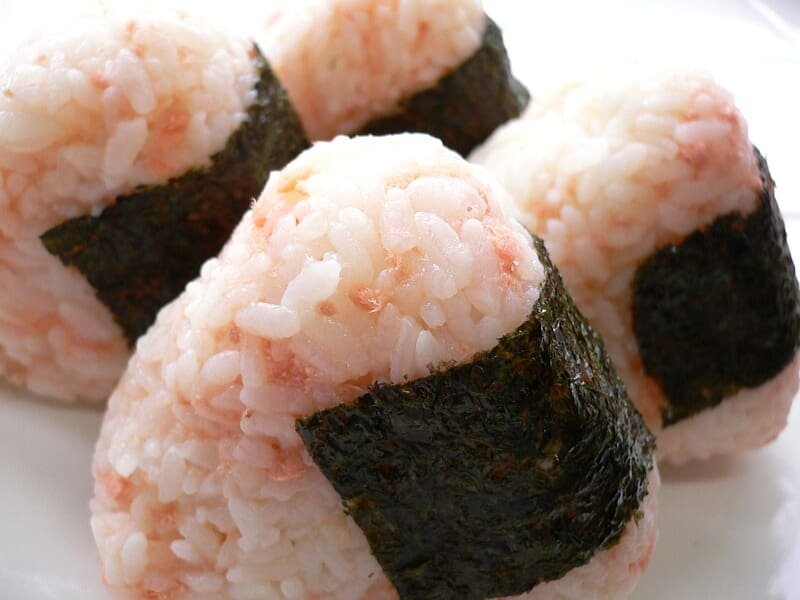
Onigiri; a triangular (or cylindrical, or sphere-shaped) rice ball filled with ingredients such as salted salmon, pickled plum, tuna mayo, or seasoned kelp; has been a staple of the Japanese diet for roughly 2,000 years. There are written records of compressed rice balls being consumed in Japan dating back to the Muromachi period, but archaeological evidence indicates that rice was compressed into various forms for portability prior to that time.
The modern onigiri economy revolves around Japan’s convenience store industry. Millions of onigiri are sold each day through chains such as Seven-Eleven, FamilyMart, and Lawson. Each chain conducts a perpetual “quality war,” competing in terms of premium rice sourcing, nori wrapper engineering (the packaging keeps the seaweed crisp until the moment of opening), and limited-edition fillings related to specific seasons, which encourage repeat purchases. Japan Today’s consumer surveys confirm that tuna mayo consistently ranks as the most popular filling across all major chains.
According to analysts who track convenience store pricing data, the cost of a popular shrimp mayonnaise onigiri that was priced at 110 yen in 2016 now sells for greater than 210 yen. This near-doubling represents both Japan’s broader inflationary pressures and the transformation of what was once the most basic food item into a premium product. Demand has not declined. On the contrary, onigiri has only increased its cultural status. It serves as comfort food, portable lunch, post-drinking snack, and train-platform fuel all at once.
What makes onigiri remarkable is where it’s heading. Once considered exclusively Japanese, onigiri now appears in convenience stores across South Korea, Taiwan, and Thailand, and increasingly in Western cities like London, New York, and Sydney; driven by the global spread of Japanese cuisine, the anime-fueled “cool Japan” phenomenon, and the growth of Asian grocery stores. It is an unlikely 2,000-year-old food that is still gaining new markets in 2026.
18 Snacks That Conquered the World; At a Glance
| # | Snack | Origin Country | Year Created | Creator / Company | Key Origin Story | Global Reach | Standout Fact |
|---|---|---|---|---|---|---|---|
| 1 | Doritos | United States | 1966 | Arch West / Frito-Lay | Leftover tortillas fried at Disneyland’s Casa de Fritos | 30+ countries | Nacho Cheese (1972) and Cool Ranch (1986) made it Frito-Lay’s flagship product |
| 2 | Instant Ramen | Japan | 1958 | Momofuku Ando / Nissin Foods | One year of backyard shed experimentation in Osaka | Worldwide | 123 billion servings consumed globally in 2024; $68.53B market projected by 2026 |
| 3 | Oreo | United States | 1912 | Nabisco / Mondelēz International | Copied the Hydrox cookie (1908) and buried the original | 100+ countries | 71% cookie to 29% creme ratio; 100+ global flavors including Wasabi (China) |
| 4 | M&Ms | United States | 1941 | Forrest Mars Sr. & Bruce Murrie | Hard candy shell designed for WWII military rations | 100+ countries | First candy in space; red M&Ms removed 1976–1987 over unrelated dye scare |
| 5 | Nutella | Italy | 1946 | Pietro Ferrero | Wartime cocoa shortage led to hazelnut blending in Piedmont | 160+ countries | Uses 25% of the world’s hazelnut supply; 365,000 tons produced annually |
| 6 | Pringles | United States | 1960s | Procter & Gamble / Fredric Baur | Dough-based chip in a patented tubular canister | 140+ countries | Inventor’s ashes buried in a Pringles can; UK court ruled them taxable as crisps |
| 7 | Haribo Goldbears | Germany | 1922 | Hans Riegel Sr. | Dancing-bear candy made with a copper pot in a home kitchen in Bonn | 100+ countries | 160 million Goldbears produced daily; world’s first gummy bears |
| 8 | Pocky | Japan | 1966 | Ezaki Glico Co., Ltd. | Chocolate-coated biscuit stick with clean-finger design | 30+ countries | November 11 is Pocky Day; 50+ flavors including regional Japanese exclusives |
| 9 | Goldfish | Switzerland / United States | 1958 | Oscar J. Kambly / Pepperidge Farm | Fish-shaped crackers created for baker’s Pisces wife | Primarily US | 50 million crackers manufactured daily; #4 food/snack brand in America (YouGov 2026) |
| 10 | Takis | Mexico | 1999 | Barcel (Grupo Bimbo) | Rolled tortilla chip with extreme chili-lime seasoning | US, Mexico, Canada | Spread through American schoolyards without any marketing campaign |
| 11 | Pop-Tarts | United States | 1964 | Kellogg’s | Corporate espionage race against Post’s Country Squares | Primarily US | 3 billion+ sold in 2022; originally called “Fruit Scones” |
| 12 | Lay’s | United States | 1932 | PepsiCo / Frito-Lay | Aggressive localization strategy under many regional names | 40+ countries | 400+ unique flavors globally; Frito-Lay generates $20B+ annual revenue |
| 13 | Reese’s Peanut Butter Cups | United States | 1928 | Harry Burnett Reese | Dairy farmer made candy in his basement using Hershey chocolate | Primarily US | Sold to Hershey in 1963 for $23.5M; now a multibillion-dollar subsidiary |
| 14 | Kit Kat | United Kingdom | 1935 | Rowntree’s / Nestlé | Workman’s lunchbox chocolate bar inspired by Kit-Cat Club | Worldwide | 400+ exclusive Japanese flavors; “Kitto Katsu” makes it a good-luck charm in Japan |
| 15 | Cheetos | United States | 1948 | Charles Elmer Doolin / Frito-Lay | Plain puffed cornmeal; Flamin’ Hot origin heavily contested | Worldwide | Flamin’ Hot became the most influential flavor innovation in 30 years |
| 16 | Biltong | South Africa | 400+ years ago | Indigenous Southern African peoples | Vinegar-salt-coriander preservation predating European settlement | UK, Australia, US (growing) | Higher protein, lower fat than jerky; “Powerhouse Protein” trend for 2026 |
| 17 | Krupuk | Indonesia (Java) | 9th–10th century | Javanese origin | Prawn crackers dating back nearly 1,000 years | Southeast Asia | One of the oldest continuously manufactured snack foods in existence |
| 18 | Onigiri | Japan | ~2,000 years ago | Japanese culinary tradition | Compressed rice balls for portability since the Yayoi period | Japan, South Korea, Taiwan, expanding West | Tuna mayo is #1 filling; prices nearly doubled (110¥ to 210¥+) in a decade |
Frequently Asked Questions; Snack Facts You Didn’t Know
What is the best-selling snack brand in the world? Lay’s (and its regional variants including Walkers, Sabritas, and Smith’s) is the largest-selling chip brand worldwide by sales volume, operating under PepsiCo’s Frito-Lay division. Among confectionery snacks, M&Ms and Oreos rank highest globally, with Oreos available for sale in over 100 countries.
Why were M&Ms originally created? M&Ms were created by Forrest Mars Sr. in 1941 as a heat-resistant chocolate for military rations during World War II. The hard candy shell prevented melting in soldiers’ hands during tropical deployments. After the war, returning soldiers had already developed loyalty to the brand, driving consumer demand.
How many servings of instant ramen are consumed worldwide each year? According to the World Instant Noodles Association, global consumption reached 123 billion servings in 2024. China consumes 43.8 billion servings annually, Indonesia consumes 14.7 billion servings, and the United States consumes 5.15 billion servings. The market for instant noodle products is projected to reach $68.53 billion by 2026.
Are Pringles real potato chips? Pringles contain approximately 42% dehydrated potato flakes, corn starch, and wheat starch dough, not whole sliced potatoes. In the UK, a court found that Pringles are similar enough to potato crisps that they should be taxed accordingly, despite Procter & Gamble claiming their product should be classified differently.
Why are Kit Kat bars so popular in Japan? In Japan, the pronunciation of Kit Kat (“Kitto Katsu”) sounds like “you will surely win”, making them good-luck charms. Students receive Kit Kats before university entrance exams. Nestlé Japan has produced over 400 exclusive Japanese limited-edition flavors since 2000, including sake and wasabi, as well as regional flavors tied to specific prefectures.
What is the oldest snack food in the world? Krupuk (Southeast Asian prawn crackers) is likely one of the oldest snack foods, dating back to the 9th or 10th century in Java. Onigiri (Japanese rice balls) have been eaten for roughly 2,000 years. Both rank among the longest continuously consumed snack foods in history.
This content is provided solely for informational and entertainment purposes. Claims regarding nutrition and product details may change; please consult official brand sources for the most current information.