


A six-year prison sentence for a music festival that never existed. 1.26 million subscribers gone in 24 hours. A 12-year-old climbing out a window to escape his mother’s YouTube channel. A $1.2 billion energy drink collapsing to $300 million in two years. 37.2 percent of every influencer follower on earth flagged as fake. A $32 billion industry built on a loan that can be called back in a single morning; and 15 creators who found out the hard way what happens when it is.
The $32.6 Billion House of Cards
On May 6, 2026, millions of people woke up to a follower count that was smaller than it had been the night before. Instagram conducted its largest account purge in history, deleting millions of fake, inactive, and bot accounts in a six-hour window. Kylie Jenner reportedly lost over 14 million followers. BLACKPINK lost an estimated 10 million. Cristiano Ronaldo lost approximately 8 million. The event was immediately dubbed the “Great Purge of 2026” across Threads and X, and it raised a question that the influencer marketing industry has spent years avoiding: how much of this was ever real?
The timing matters. The influencer marketing industry reached an estimated $32.55 billion in 2025, according to data reported by Sprout Social. A 2026 study by SociaVault found that 37.2% of influencer followers showed meaningful signs of inauthenticity, with the Instagram fraud rate reaching 41.8%. An industry valued at tens of billions of dollars is built partly on an audience that does not exist.
But fake followers are only one symptom of a deeper structural vulnerability. The 15 cases below span fraud, abuse, product contamination, criminal charges, and catastrophic misjudgment. They cross every platform, every niche, and every tier of fame. Some of these creators lost millions of followers. Others lost brand deals worth seven figures. Others lost their freedom.
Every single one of them made the same fundamental mistake: they treated attention as equity.
Attention is a loan. It is extended by an audience under an implied set of conditions; honesty, accountability, and a basic standard of ethical behavior. When those conditions are violated, the loan is called. Immediately. Publicly. And with compounding interest.
This article examines 15 of the most instructive influencer scandals in the creator economy’s history. Not because the internet loves a public downfall (though it clearly does), but because each case reveals a specific structural failure that every creator, brand partner, and platform should understand.
A Forbes analysis of the creator economy in 2026 noted that the industry has moved past its experimental phase and into an era demanding “reliability, repeatability, and measurable performance.” The era of unchecked influence is over. The question is whether the creators and brands still standing learned anything from the wreckage below.
This content is for informational and editorial purposes only. It does not constitute legal advice.
1. Fyre Festival; Billy McFarland and the Fraud That Became a Documentary {#1}

The most notorious influencer scandal in history was not a single social media post gone wrong. It was an entire business built on fabricated reality.
Billy McFarland and rapper Ja Rule promoted the Fyre Festival as a luxury music festival on a private island in the Bahamas. The marketing campaign was a textbook case of influencer deployment; models including Kendall Jenner, Bella Hadid, and Emily Ratajkowski were paid to promote the event across Instagram, generating millions of impressions. Jenner was reportedly paid $250,000 for a single Instagram post promoting the festival, according to court documents cited by The Wall Street Journal.
Attendees who paid between $1,200 and $100,000 for VIP packages arrived in April 2017 to find disaster relief tents, cheese sandwiches in styrofoam containers, and no musical performers. The festival was cancelled hours after attendees arrived.
The financial wreckage was staggering. The FBI investigation revealed that McFarland had defrauded at least 80 investors of more than $24 million using fabricated financial statements. A federal judge sentenced him to six years in prison in October 2018 after he pleaded guilty to wire fraud. McFarland agreed to forfeit $26 million in ill-gotten gains. The SEC separately ordered McFarland and his companies to pay back $27.4 million and banned him for life from serving as an officer or director of a public company. Two attendees were awarded $2.5 million each by a federal judge for financial losses and emotional distress.
McFarland was released from prison in 2022. By 2024, he had announced Fyre Festival 2. In April 2025, McFarland indefinitely postponed the sequel and put the Fyre brand up for sale after selling only an estimated 500 of 1,800 planned tickets.
The structural lesson: influencer marketing, at its most effective, creates manufactured desire. The Fyre Festival proved that when the product behind the desire does not exist, the entire operation collapses; and the influencers who promoted it face reputational fallout regardless of whether they knew the truth.
2. James Charles; the Subscriber Collapse That Rewrote YouTube History {#2}

Before May 2019, James Charles was the undisputed face of YouTube’s beauty community. He became the first male ambassador for CoverGirl at 17, amassed over 16 million subscribers, and built a collaborative product line with cosmetics brand Morphe that generated substantial revenue.
Then Tati Westbrook posted a 43-minute video titled “Bye Sister.”
The video accused Charles of betrayal, manipulation, and inappropriate behavior. The fallout was instant and measurable. ABC News reported that Charles lost more than 2 million of his 16.5 million subscribers between Friday and Sunday of that weekend. He lost approximately 1.26 million subscribers in a single day; a record that still stands.
Charles eventually responded with a video that swayed public opinion back in his favor, and Westbrook later recanted some of her claims. But the crisis was not over.
In 2021, allegations surfaced that Charles had sent inappropriate messages to minors. Morphe dropped Charles. Teen Vogue reported Morphe’s statement: “agreed to end our business relationship and wind down sales of the Morphe x James Charles product offering.”
YouTube temporarily suspended Charles from its Partner Program, directly cutting his ad revenue.
As of 2026, Charles maintains approximately 24 million YouTube subscribers and 19.7 million Instagram followers, but his engagement has fallen sharply from its peak. Charles launched Sisters Cosmetics independently; however, the brand has not matched the market presence or retail reach of competitors like Huda Beauty or Rare Beauty.
The structural lesson: a creator’s audience is not a permanent asset. It is a relationship maintained by trust. When trust fractures at scale, the financial infrastructure; brand deals, collaborative product lines, platform monetization; collapses with it.
3. Ruby Franke; the Family Vlogger Sentenced for Abusing Her Own Children {#3}
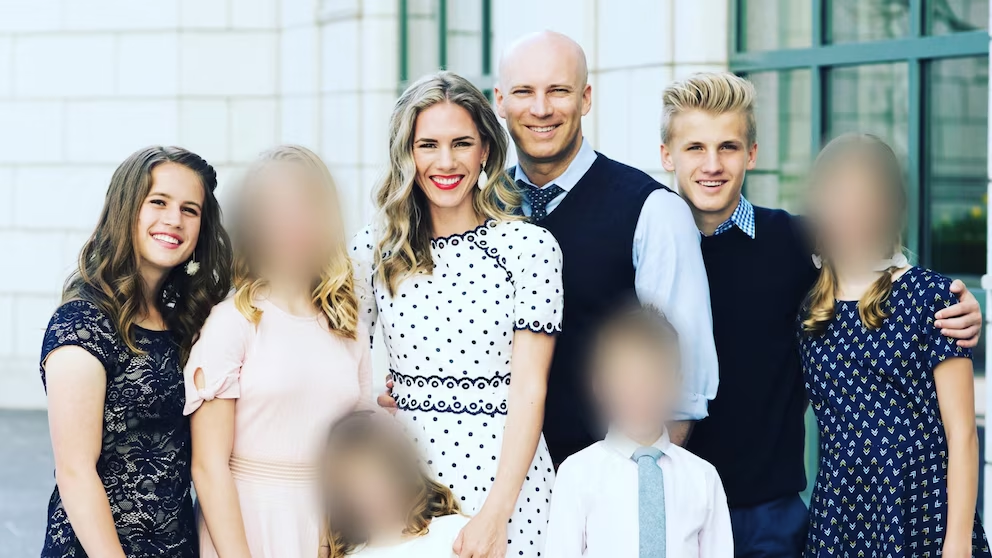
This entry is not about reputational damage or lost brand deals. It is about children who were harmed while the camera was running.
Ruby Franke operated “8 Passengers,” a YouTube family vlog channel featuring her six children. The channel had approximately 2.5 million subscribers and earned revenue through ads and sponsorships. In August 2023, Franke’s 12-year-old son climbed out of a window, ran to a neighbor’s house, and asked the neighbor to call police. The child showed visible signs of malnourishment and physical abuse, including open wounds and duct tape marks.
Franke was arrested and pleaded guilty to four counts of aggravated child abuse. In February 2024, she was sentenced to four consecutive prison terms of one to 15 years each. Her business partner, Jodi Hildebrandt, received identical sentences.
The abuse included denying children food and water, kicking one child while wearing boots, and depriving a child of oxygen, according to court documents cited by CNN. CBS News reported that both women received sentences of up to 30 years combined.
At sentencing, Franke said: “My charges are just. They offer safety to my family, accountability to the public, and they did show mercy to me.”
The structural lesson here transcends the creator economy entirely. Family vlogging monetizes the daily lives of children who cannot consent to being filmed, edited, and published for millions of strangers. The Ruby Franke case is the most extreme manifestation of a systemic concern that child welfare advocates and legislators in several U.S. states have been raising for years: that the content creation model incentivizes parents to treat their children’s experiences; including their suffering; as content.
4. Logan Paul; Aokigahara, CryptoZoo, and the Serial Controversies of a Creator Who Refuses to Disappear {#4}

Logan Paul‘s career is a case study in what happens when a creator’s commercial ambition outpaces their accountability.
In late December 2017, Paul posted a video from Japan’s Aokigahara forest; known colloquially as the “suicide forest”; that included footage of a person who had died by suicide. Global backlash was immediate. YouTube removed his channel from its premium ad program and temporarily suspended all ads on his videos. The Guardian reported that Paul’s channel, which had over 15.6 million subscribers at the time, was cut from Google Preferred, the platform’s premium advertising tier. NPR documented the global condemnation that followed.
Paul apologized, took a hiatus, and returned. His subscriber count not only recovered but grew.
Then came CryptoZoo. Paul promoted CryptoZoo as a blockchain-based game where players could buy, breed, and trade virtual animals as NFTs. Investors purchased tokens expecting a functional product. The product never materialized. A class-action lawsuit was filed alleging fraud. In October 2025, a judge dismissed the CryptoZoo lawsuit, ruling that Paul’s promotional statements constituted “puffery” rather than actionable fraud. Bloomberg Law reported that the judge reaffirmed the dismissal, though Paul’s reputation in the crypto space took lasting damage.
Meanwhile, Paul co-founded PRIME Hydration with KSI, which peaked at approximately $1.2 billion in annual sales in 2023 before falling to a projected $300 million in 2025; a decline of roughly 76%.
The structural lesson: serial controversy creates a paradox. Each individual scandal is survivable if the creator’s audience is large enough and loyal enough to absorb the hit. But the accumulated weight of controversy erodes the institutional trust that brands, retailers, and business partners require. Paul is still commercially active. But the ceiling on his ventures is lower than it would be without the track record.
5. David Dobrik; the Vlog Squad Allegations and a Brand Empire in Freefall {#5}
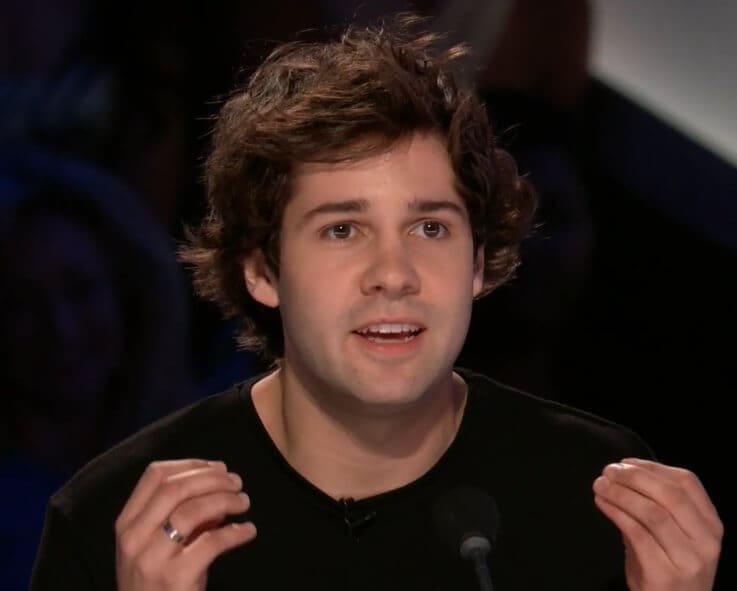
David Dobrik was once the most brand-friendly creator on YouTube. His fast-cut vlogs, expensive giveaways, and infectious energy attracted partnerships with SeatGeek, Chipotle, EA Sports, and Dollar Shave Club. His subscriber count exceeded 18 million. His podcast and app ventures (the photo-sharing app Dispo) attracted venture capital funding.
In March 2021, Business Insider published an investigation alleging that Vlog Squad member Durte Dom (Dominykas Zeglaitis) had sexually assaulted a woman during the filming of a 2018 vlog. The woman had been drinking and was allegedly unable to consent. Separately, former Vlog Squad member Seth Francois publicly described being tricked into kissing another person on camera without his consent, an incident he characterized as sexual assault.
NBC News reported that sponsors dropped Dobrik rapidly. YouTube temporarily suspended his monetization. Investors in Dispo pulled out of the company. Dobrik posted two apology videos and took a nearly three-year hiatus from vlogging.
The financial damage was substantial but difficult to quantify because Dobrik earned from multiple streams: sponsorships, YouTube ad revenue, podcasting, and equity positions. What is clear is the reputational cost: Dobrik went from being cited as a model for brand-safe influencer partnerships to being a cautionary tale in marketing trade publications.
He returned to vlogging in early 2025 to mixed reception. As of 2026, his subscriber base sits at approximately 17.2 million, but his per-video viewership is a fraction of what it was.
The structural lesson: a creator who builds a collaborative content ecosystem is responsible for the behavior within that ecosystem. “I didn’t do it personally” is not a defense when your platform, your audience, and your production decisions created the environment in which harm occurred.
6. Shane Dawson; Blackface, Demonetization, and the Slow Erasure of YouTube Royalty {#6}

Shane Dawson joined YouTube in 2008 and became one of the platform’s original megastars. His content evolved from sketch comedy to documentary-style investigations of internet celebrities. At his peak, he had approximately 23 million subscribers and was considered one of YouTube’s most influential creators.
The foundation of his downfall was years of archived content. Videos featuring blackface, racist language, sexualization of minors, and other offensive material had been publicly available for years. In June 2020, amid a broader cultural reckoning following the murder of George Floyd, these videos resurfaced with renewed force. Variety reported that YouTube suspended ad revenue on all of Dawson’s channels. The BBC documented that the demonetization followed Dawson’s “Taking Accountability” video, in which he apologized for past racist content including appearing in blackface.
Major brand partnerships evaporated. His collaborative series with Jeffree Star, which had generated tens of millions of views, became a liability for both creators. The New York Times published an analysis of how both creators’ controversies fed off each other.
As of 2026, Dawson has shifted to niche content including paranormal investigations. His subscriber count remains in the millions, but his cultural relevance is gone.
The structural lesson: the internet has a permanent memory. Content published a decade ago does not expire. Every creator is one cultural shift away from their archive becoming an indictment. The defense “I was younger then” does not hold against the permanence of the internet.
7. Andrew Tate; Influence, Ideology, and Criminal Charges {#7}

Andrew Tate‘s case is unlike anything else on this list. His content was not accidental controversy; it was deliberate provocation as a business model. The former kickboxer built a massive following by promoting what he presented as hyper-masculine ideology, flaunting luxury possessions, and encouraging young men to subscribe to his paid community Hustler’s University (later renamed The Real World).
In December 2022, Romanian authorities arrested both Andrew and his brother Tristan Tate at their Bucharest home. In June 2023, the BBC reported that Andrew Tate was formally charged with rape, human trafficking, and forming an organized crime group to sexually exploit women. Romanian prosecutors alleged that the brothers recruited seven alleged victims through “false promises of love and marriage” and forced them into producing pornographic content.
The Associated Press reported that in February 2025, after Romanian authorities lifted a travel ban, the Tate brothers flew to the United States via private jet. As of 2026, the criminal trial in Romania has not yet concluded. Both brothers deny all allegations.
During the investigation, Romanian authorities seized nearly $4 million in assets, including luxury cars and cryptocurrency holdings. Estimates of Tate’s net worth vary widely; Celebrity Net Worth estimates $20 million, while Tate himself has claimed figures in the hundreds of millions.
The structural lesson concerns platform incentives. Tate’s content was algorithmically rewarded because outrage generates engagement and engagement generates distribution. By the time platforms restricted his accounts, his ideology had already reached millions of young men. The creator economy does not have a mechanism for preventing harm when the harm itself is the product being consumed.
8. Colleen Ballinger; the Ukulele Apology That Became a Case Study in Crisis Mismanagement {#8}

In June 2023, multiple former fans of Colleen Ballinger; best known for her YouTube character Miranda Sings; came forward with allegations that Ballinger had engaged in inappropriate interactions with minors, including sending and soliciting personal messages.
Ballinger’s response was spectacularly miscalculated. Rather than addressing the allegations directly, she posted a 10-minute video in which she played ukulele and sang a song dismissing the accusations. CBS News reported that the video intensified the backlash rather than containing it. BuzzFeed News described it as “insensitive.” The LA Times had previously documented the initial allegations in detail.
Ballinger’s Netflix series, Haters Back Off, had already ended. Her ability to tour as Miranda Sings was severely compromised. She took a hiatus from YouTube and returned to vlogging in 2025, but her viewership has collapsed, averaging approximately 20,000 to 30,000 views per video on her vlog channel.
In 2025, Ballinger called her own ukulele video “embarrassing” in an interview reported by HuffPost.
The structural lesson: a crisis response that treats serious allegations as a joke does not make the allegations disappear. It tells the audience that the creator does not take the harm seriously. The ukulele video became a meme, a teaching tool, and a permanent example of how not to respond to a public accountability moment.
9. Brittany Dawn Davis; the Fitness Influencer the State of Texas Took to Court {#9}

While most influencer scandals play out in the court of public opinion; this one played out in an actual courtroom.
Fitness influencer Brittany Dawn Davis built an audience of hundreds of thousands by publishing fitness videos and documenting her recovery from bulimia. She marketed customized workout/nutrition programs priced from $92 to $300. However, thousands of consumers claimed they never received the custom workouts they purchased from Davis.
In February 2022, the Texas Attorney General brought suit against Davis alleging deceptive trade practices. Specifically, the complaint alleged Davis repeatedly failed to deliver the customized plans buyers had purchased; charged shipping fees for products delivered entirely by email; and misrepresented herself as qualified to help individuals recover from eating disorders despite lacking professional certifications.
In 2024 Davis agreed to settle with Texas. The settlement required Davis to pay $400,000 ($300,000 in civil fines and $100,000 in reimbursement); Davis is barred for life from selling custom workout plans unless she guarantees delivery. Additionally, Davis must pay $131,320 in attorney fees if she violates any terms of the agreement.
However, Davis quickly transitioned from fitness influencer content to Christian lifestyle content; she was selling tickets to spiritual retreats costing up to $300/ticket according to WFAA. She also reportedly gained half a million TikTok followers after Texas filed charges against her.
The structural lesson: deception in what an influencer promotes versus what they deliver is not simply unethical; it is illegal. As the creator economy matures, regulatory bodies at all levels of government will focus more attention on enforcing consumer protection laws against deceptive influencers.
10. Olivia Jade Giannulli; the Influencer Caught in the College Admissions Scandal {#10}

When Olivia Jade Giannulli‘s parents were arrested as part of the Operation Varsity Blues case; the largest college admission bribery case in U.S. history; she was a 19-year-old beauty influencer with about 1.9 million YouTube subscribers and several major brand partnerships including Sephora and TRESemmé. After her parents were charged by federal authorities, Olivia Jade’s beauty influencer career fell apart quickly.
Federal prosecutors alleged that Giannulli’s mother, actress Lori Loughlin, and her father, fashion designer Mossimo Giannulli, paid $500,000 in bribes to have their daughters listed as recruits to USC’s crew team. However, neither daughter had ever participated in rowing.
Giannulli’s brand deals disappeared almost instantly after the arrests. According to The Hollywood Reporter, Sephora ended its partnership with Giannulli. TRESemmé confirmed it would no longer partner with Giannulli. Lulus confirmed it had not partnered with Giannulli since August of 2018. According to People magazine, several other partners ended their deals with Giannulli.
Lori Loughlin pleaded guilty to conspiracy charges and spent two months in federal prison. Mossimo Giannulli also pleaded guilty to conspiracy charges and spent five months in federal prison.
Eventually, Giannulli spoke about her privilege and apologized on Red Table Talk. She returned to YouTube and appeared on season 30 of Dancing with the Stars in 2021. While her fanbase was unable to recover to the level it was prior to the scandal, she remained active in the influencer space.
Structural lesson: an influencer’s brand is not independent of their personal and family situations. Once the foundation of that aspirational content is exposed as fraudulent, the credibility of the brand built on top of it is destroyed retroactively.
11. Jaclyn Hill; the Lipstick Launch That Became a Product Safety Nightmare {#11}
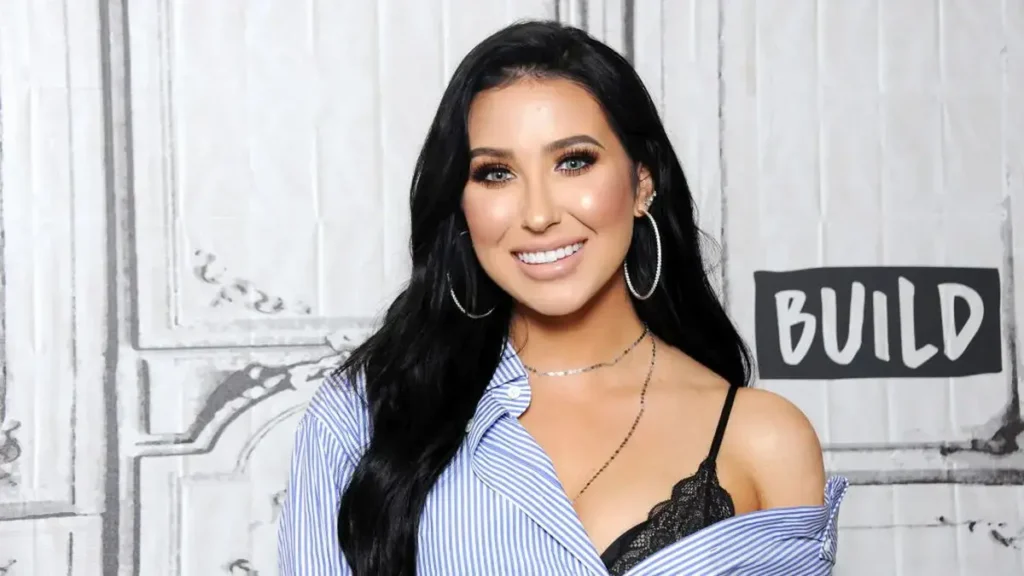
Before launching her own line, Jaclyn Cosmetics, Jaclyn Hill was one of YouTube’s most prominent beauty creators, with millions of followers. Her collaborative product launches with established brands routinely sold out instantly. In May 2019, Hill announced that she would be launching her own makeup line with an introductory collection of lipsticks. It was supposed to be the start of her own beauty empire.
Instead of praise, Hill received widespread criticism from customers as soon as the lipsticks arrived. Customers reported lipsticks that arrived with lumps, white fibers resembling hair, and discolored spots. Thousands of customers photographed and filmed the defective products and posted the evidence online. The BBC reported that Hill stated she would give all customers refunds for the defective lipsticks. People magazine detailed Hill’s promise to refund all customers.
Hill’s initial response was defensive: she insisted that the lipsticks were safe and attributed the problems to manufacturing issues, not contamination. Given Hill’s reputation for honest product reviews, her fans were confused by her refusal to show the same transparency about her own line.
The defective lipsticks severely damaged Hill’s credibility with both consumers and the beauty industry. As of 2026; Hill has spoken publicly about how much emotional trauma she experienced as a result of the incident, stating during a Reddit-discussed interview that it is “the biggest regret of my life.”
The structural lesson: customer loyalty cannot substitute for product quality. When an influencer transitions from reviewing products to selling them, customers hold the creator to the same standards they apply to every other brand. When a creator fails those standards, restoring consumer trust may be impossible.
12. Jeffree Star; Serial Controversies & the Limits of Being “Un-cancelable” {#12}

Jeffree Star may be the single most controversy-prone creator in social media history. He has been creating content since MySpace, where he was among the most-followed accounts. He transitioned into cosmetics; Jeffree Star Cosmetics reportedly generates tens of millions annually. He has been featured in numerous mainstream news outlets.
His controversies include: documented use of racist language and slurs; participation in the James Charles–Tati Westbrook feud in 2019; accusations of bullying within the beauty community; and statements about gender identity that LGBTQ+ advocacy groups have deemed transphobic. The New York Times published a piece documenting how Jeffree Star and Shane Dawson create a perpetual cycle of controversy together.
Jeffree Star responded to efforts to “cancel” him by declaring himself “un-cancelable.” He referenced his ability to make money through DTC sales as proof that his audience loyalty is greater than institutional disapproval, telling Glossy: “I’m uncancelable.”
After relocating to a ranch in Wyoming and stepping back from beauty content; yet still earning hundreds of thousands of dollars daily through TikTok live sales as documented by Yahoo Entertainment; Star continues to generate revenue through his controversy-driven persona.
Structural lesson: some creators are un-cancelable because their audience values the transgressive persona. Because Star’s revenue persists through controversy after controversy, his customer base clearly consists largely of people who are drawn to the transgression itself.
The limit to being “un-cancelable” is not the audience; it is institutional and retail partnerships which require brand safety, a requirement Star has failed multiple times.
13. Tana Mongeau; TanaCon & the Convention That Collapsed in Hours {#13}

Tana Mongeau planned TanaCon; a free event (with optional paid VIP meet-and-greets), as an alternative to VidCon because she felt VidCon treated her poorly. Mongeau estimated attendance at 5,000 people.
Approximately 15,000 people attended.
The Marriott hotel next door was not prepared for three times the expected crowd. Fans waited in extreme heat for hours without water, shade, or any communication from event staff. Organizers canceled the event after only a few hours. The BBC covered the disaster, and Refinery29 reported that ticket revenue totaled approximately $325,000; however, Veeps retained all of it.
No one was seriously injured, but the reputational damage turned TanaCon into a cautionary tale for any creator attempting to translate an online audience into a physical event.
Despite the disaster, Mongeau stayed active. She co-founded the Cancelled podcast with Brooke Schofield, which became one of the most successful creator-led podcasts. Mongeau faced further controversy in April 2024 when she publicly stated that she had sex with YouTuber Cody Ko when she was 17 and he was 25, as reported by Rolling Stone.
Structural lesson: audiences are not infrastructure. Creating a physical experience requires logistical support, safety planning, and event management expertise. Assuming an audience alone justifies a complex physical operation is one of the creator economy’s most dangerous assumptions.
14. Mikayla Nogueira; the One Mascara Video That Created a Trust Problem {#14}
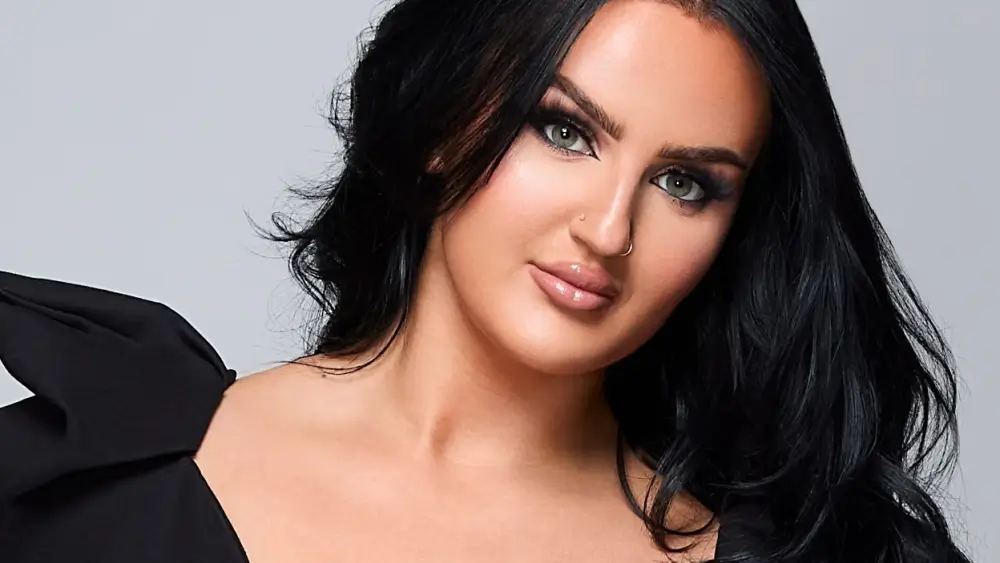
Mikayla Nogueira‘s downfall was more subtle than a felony indictment or a failed festival. It was a mascara video.
In January 2023, Nogueira; a beauty influencer with millions of TikTok followers; posted a sponsored review video for L’Oréal mascara. Almost immediately, viewers suspected that Nogueira’s dramatically transformed eyelashes were not achieved with mascara alone. Thousands of users analyzed frame-by-frame comparisons on Reddit’s BeautyGuruChatter community that appeared to show false eyelashes beneath Nogueira’s mascara. Glossy covered the fallout extensively, highlighting concerns about transparency in influencer product demonstrations. TIME also reported on the controversy, noting the broader questions it raised about authenticity in influencer marketing.
Nogueira did not explicitly confirm or deny wearing false eyelashes. Ultimately, her ambiguous response became part of the story.
For a beauty influencer, trust is the product. The entire relationship rests on viewers believing that what they see is an honest demonstration of how the product works. When that demonstration is exaggerated without disclosure, every past recommendation becomes suspect.
Although the mascara video damaged her reputation, it did not end her career. Nogueira launched her own brand, POV Beauty, in 2025, as WWD reported. Nevertheless, controversies followed her beyond the brand launch, with fellow influencers openly questioning her product claims.
Structural lesson: in the beauty space specifically, trust is the product. Whatever content Nogueira creates next, the fact that her audience caught her appearing to mislead them will place a silent asterisk on every review she publishes.
15. The Instagram Bot Purge of May 2026; When the Platform Itself Exposed the Fraud {#15}
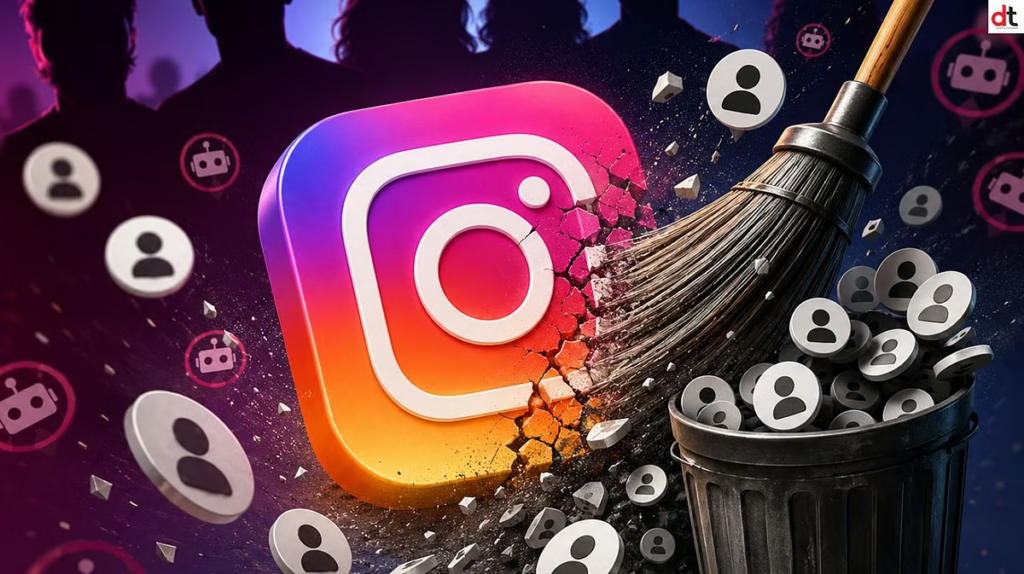
This last entry is not a single creator; it represents every creator whose success was built entirely upon follower numbers that never existed.
Instagram purged millions of fake, inactive, and bot accounts on May 6, 2026; the largest removal effort in the platform’s history. The impact was sweeping; small and mid-tier creators saw their follower counts drop by 2% to 5%, while major celebrities lost millions of followers.
None of these celebrities necessarily bought followers; their immense popularity naturally attracts bot and spam accounts regardless of any action on their part.
The sheer scale of these losses illustrates what is fundamentally broken about the influencer economy’s most relied-upon metric: follower counts.
According to SociaVault’s 2026 research report, 37.2% of influencer followers worldwide show signs of inauthenticity, with Instagram’s fraud rate reaching 41.8%. The macro-influencer tier (100,000 to 500,000 followers) had the highest fraud rate at 48.3%.
The structural lesson: followers are not equity. They are a display metric that can be inflated, manipulated, or wiped out in six hours by a single platform decision.
The One Error That Caused All of Them to Fall {#conclusion}
There were fifteen. Fifteen different systems, markets, generations, and degrees of failure. There was just one common thinking error.
Every failure on this list traces back to the same flawed thinking: that attention equals possession.
Attention is not possession. An audience gives it freely; but it always reserves the right to take it back, at any time, for any reason, without explanation. When Billy McFarland sold tickets to events that never happened, he confused manufactured attention with real-world obligation. When James Charles thought 16 million subscribers made him untouchable, he learned that subscription numbers are a snapshot in time, not a permanent foundation. When Ruby Franke treated her children’s suffering as a form of content, she learned that there is a limit to what audiences will tolerate.
The creators who have survived; those whose stories appear in the Vibe List’s analysis of influencers who built global brands from social media; are the ones who took manufactured attention and turned it into something sustainable: a product, a distribution channel, a company with employees and assets and reasons to exist beyond the creator’s ability to generate content. Attention is a raw material. Not a final product.
Harvard School of Public Health research confirms that digital content creators face significant mental health challenges. A Forbes-reported survey of over 500 North American creators found that 62 percent experienced burnout and 69 percent reported financial instability. Approximately one in ten reported suicidal thoughts tied to their work as creators. The same economic model that produced the failures on this list also grinds down the creators who succeed, leaving them financially unstable and professionally insecure.
The influencer economy will keep growing. It is already a $32 billion industry that has changed how products are promoted, how culture spreads, and how an entire generation defines success. If these 15 cases teach anything, it is this: build something you own. Because everything else: the followers, the brand deals, the algorithmic favor; can be gone in a single morning.
Comparison Table: Influencer Downfalls at a Glance
| # | Creator / Event | Year | Scandal Category | Key Consequence | Status (2026) | Structural Lesson |
|---|---|---|---|---|---|---|
| 1 | Billy McFarland (Fyre Festival) | 2017 | Fraud | 6-year prison sentence; $26M forfeiture; SEC lifetime ban | Released 2022; Fyre 2 delayed indefinitely | Manufactured desire without a real product collapses everything |
| 2 | James Charles | 2019 / 2021 | Subscriber collapse; misconduct allegations | 1.26M subs lost in one day; Morphe partnership ended | Active but diminished engagement | Audience trust is not a permanent asset |
| 3 | Ruby Franke | 2023 | Child abuse | Four consecutive prison terms (up to 30 years combined) | Incarcerated | Family vlogging monetizes children who cannot consent |
| 4 | Logan Paul | 2017 / 2023 | Repeated scandals | YouTube ad removal; CryptoZoo lawsuit; PRIME sales down ~76% | Active; WWE performer | Serial controversy erodes institutional trust |
| 5 | David Dobrik | 2021 | Vlog Squad assault allegations | Sponsors dropped; Dispo collapsed; 3-year hiatus | Returned to YouTube 2025; reduced viewership | Creators own the behavior of their content ecosystems |
| 6 | Shane Dawson | 2020 | Blackface; racist content archive | YouTube demonetized all channels; brand deals vanished | Niche paranormal content; culturally irrelevant | The internet has a permanent memory |
| 7 | Andrew Tate | 2022 | Rape; human trafficking charges | $3.98M assets seized; criminal trial pending | Denies all charges; in U.S. as of 2025 | Platforms reward outrage before they restrict it |
| 8 | Colleen Ballinger | 2023 | Grooming allegations; crisis mismanagement | Netflix series ended; viewership collapsed to 20–30K | Resumed posting January 2025 | Treating allegations as a joke confirms you don’t take them seriously |
| 9 | Brittany Dawn Davis | 2022 | Deceptive trade practices | $400K settlement; lifetime injunction | Pivoted to Christian lifestyle content | Deception in what you sell is not just unethical; it is illegal |
| 10 | Olivia Jade Giannulli | 2019 | College admissions fraud (family) | Sephora, TRESemmé deals cancelled | Active but never fully recovered | Fraudulent foundations destroy brands retroactively |
| 11 | Jaclyn Hill | 2019 | Defective product launch | Mass refunds; credibility destroyed | Calls it “the biggest regret of my life” | Customer loyalty cannot substitute for product quality |
| 12 | Jeffree Star | Ongoing | Serial controversies (racism, transphobia) | Retail partnerships lost | Still earns via TikTok live; self-declared “uncancelable” | Un-cancelable audiences don’t save institutional partnerships |
| 13 | Tana Mongeau | 2018 | Failed convention (TanaCon) | $325K revenue retained by Veeps; reputation damaged | Co-hosts Cancelled podcast | Audiences are not infrastructure |
| 14 | Mikayla Nogueira | 2023 | Suspected dishonest product demo | Trust erosion across audience | Launched POV Beauty in 2025 | In the beauty space, trust is the product |
| 15 | Instagram Bot Purge | May 2026 | Platform-level fraud exposure | Millions of followers removed across platform | 37.2% of influencer followers flagged as artificial | Followers are a display metric, not equity |
Frequently Asked Questions {#faq}
What was the biggest influencer scandal ever?
The Fyre Festival remains the most egregious influencer scandal in terms of both financial damage and criminal consequences. Billy McFarland was sentenced to six years in federal prison, ordered to pay $26 million in restitution, and barred for life from serving as an officer or director of any publicly traded company. Over 80 investors were defrauded of more than $24 million after McFarland fabricated financial statements about staging music festivals on private islands in the Bahamas. Thousands of ticket holders were left stranded without the experiences they had been promised.
Who lost the most followers in a day?
James Charles holds the record for the most subscribers lost by a single creator in one day. He lost nearly 1.26 million subscribers on May 13, 2019, after Tati Westbrook posted “Bye Sister.” Kylie Jenner lost approximately 14 million followers on May 6, 2026 when Instagram removed millions of inauthentic follower accounts; however, Jenner’s loss resulted entirely from the removal of inauthentic accounts, not from any action on her part.
Can canceled influencers make a comeback?
Yes; but the extent to which they do will depend on the severity of the initial scandal. Creators such as Logan Paul and Shane Dawson made comebacks as content creators, though with less influence and less institutional backing. Creators like Ruby Franke, who face felony convictions, will never work in the space again. Whether an audience believes a creator has taken genuine responsibility or is simply performing damage control makes all the difference.
What percentage of the influencer economy is built on fake followers?
According to a 2026 study conducted by SociaVault; 37.2 percent of all global influencer followers show signs of being fake accounts; with Instagram fraud at 41.8 percent. The macro-influencer tier (100,000-500,000 followers) had the highest suspicious rate at 48.3 percent; this suggests that a significant portion of the reach metrics used in influencer marketing are artificially inflated by non-human accounts.
What should brands look for when evaluating potential partnerships with controversial influencers?
When evaluating partnerships with influencers who have controversial histories, brands should conduct thorough due diligence: audit the creator’s content history, run fake-follower checks using fraud-detection tools, research past controversies, and include contractual clauses covering future misconduct. Shifting to performance-based pay; where creators earn based on verified engagement and conversions rather than follower count; also reduces exposure to inflated numbers.
Is cancel culture permanent for influencers?
No. Most influencers who do not face criminal charges eventually return to creating content. A creator can always post again after being cancelled, but the creator economy has a long memory, and each new controversy compounds rather than resets the last. What really matters is not whether a creator returns to posting, but whether they regain institutional support; brand deals, competitive rates, and the audience trust they had before the controversy.


