


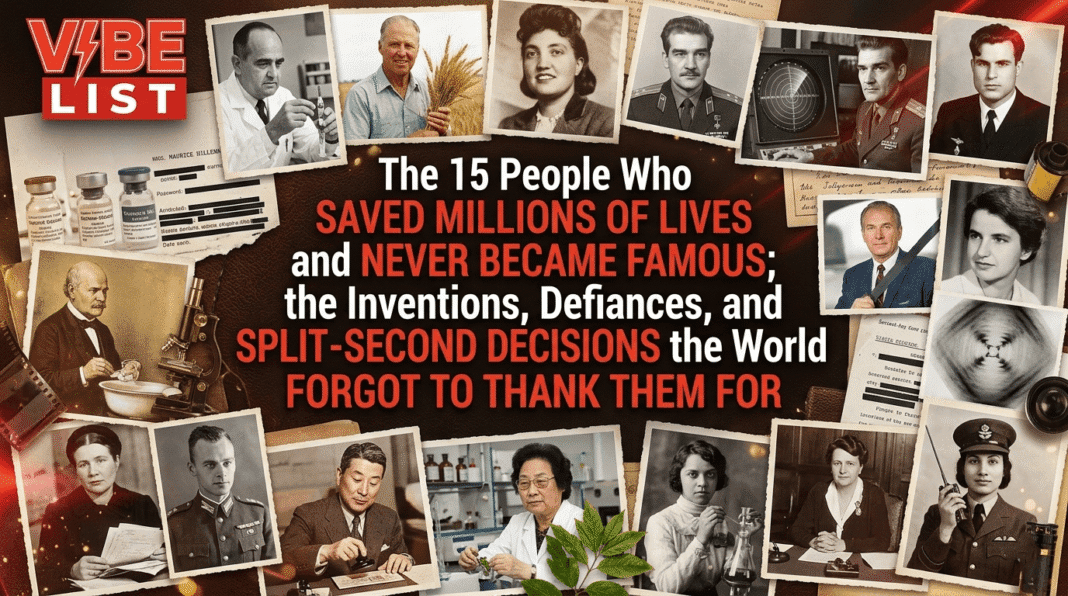
More than 40 vaccines from one man nobody can name. One billion lives saved by a farmer working in a wheat field. A 31-year-old woman’s cells taken without consent, now weighing more than 100 Empire State Buildings. A Soviet officer in a broken submarine, one vote away from launching a nuclear torpedo. A spy princess whose last word was ‘Liberté,’ executed at 30. They saved billions of lives between them. The world repaid them with silence.
History has forgotten many of the people who shaped it most. The names we learn in school; Edison, Darwin, Einstein; belong to people who excelled at visibility, not necessarily those whose work saved the most lives. Behind each famous name stands someone quieter who made the famous person’s work possible. But that is usually where the story stops. We forget the name.
These individuals are not footnotes to other people’s stories. Their combined impact dwarfs that of many household names. This article does not ask how important these people were. It asks why the world decided they didn’t matter.
Some were erased by the racism and sexism of their eras. Others were buried under institutional secrecy or Cold War politics. Many worked in fields that never produce household names. And a few were so far ahead of their peers that they were punished for being right. The common thread spans centuries and continents. Those who save the most lives are almost always the last to be remembered.
1. Maurice Hilleman; The Vaccinologist Who Saved More Lives Than Almost Any Other Scientist in History
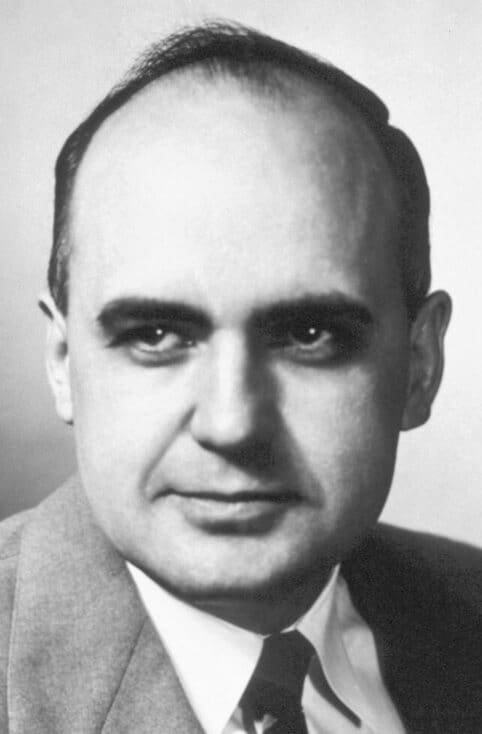
In April 1963, a young girl named Jeryl Lynn Hilleman woke her father in the middle of the night complaining of a sore throat and a swollen jaw. He diagnosed her with mumps. Most fathers would have called the pediatrician in the morning. Hilleman drove to his laboratory at Merck, swabbed the back of her throat, and began cultivating the mumps virus. Four years later, he produced a viable vaccine against mumps. Today, the weakened mumps strain taken from Jeryl Lynn’s throat remains the basis for the MMR vaccine given to children worldwide.
Had this been the only story of Hilleman’s career, it would still have been remarkable. To Hilleman, however, it was just a minor detail. Hilleman was born in 1919 on a farm outside Miles City, Montana. After graduating first in his class from Montana State University and earning a Ph.D. in microbiology from the University of Chicago, he made a choice his academic mentors hated: he joined the pharmaceutical industry instead of pursuing a university position. He believed he could save more lives in industry than in academia.
He was right. Working at Merck for nearly 50 years, he developed more than 40 vaccines for humans and animals. Eight of the 14 vaccines currently recommended for children are Hilleman’s: measles, mumps, hepatitis A, hepatitis B, varicella-zoster (chickenpox), Haemophilus influenzae type b (meningitis), and pneumococcus (pneumonia). According to the World Health Organization, between 2000 and 2015, the measles vaccine alone saved approximately 20.3 million lives. By some estimates, his vaccines collectively save nearly 8 million lives every year.
Beyond his vaccine work, Hilleman helped prevent a pandemic in 1957 after reading a New York Times article about a strange illness spreading rapidly through Hong Kong. He immediately recognized a new influenza strain and coordinated production of 40 million vaccine doses before the virus reached the United States. Although the 1957 Asian flu ultimately claimed an estimated 116,000 American lives, thousands more would likely have died without Hilleman’s intervention.
So why has almost nobody ever heard of him? The answer is largely institutional. Because Hilleman worked in the private sector, Merck’s corporate policies discouraged him from placing his name on published papers and prohibited him from speaking to the press. “I thought that if my name appeared … people would think that I was selling something,” he once said.
He never named a discovery after himself.
Anthony Fauci told The New York Times shortly after Hilleman’s death in 2005, at age 85, that “Just one of his accomplishments would be enough to have made for a great scientific career.” Yet the man who probably saved more lives than any other scientist of the past century stayed invisible because he believed obscurity was the price of getting the work done.
2. Norman Borlaug; The Farmer Who Fed a Billion People
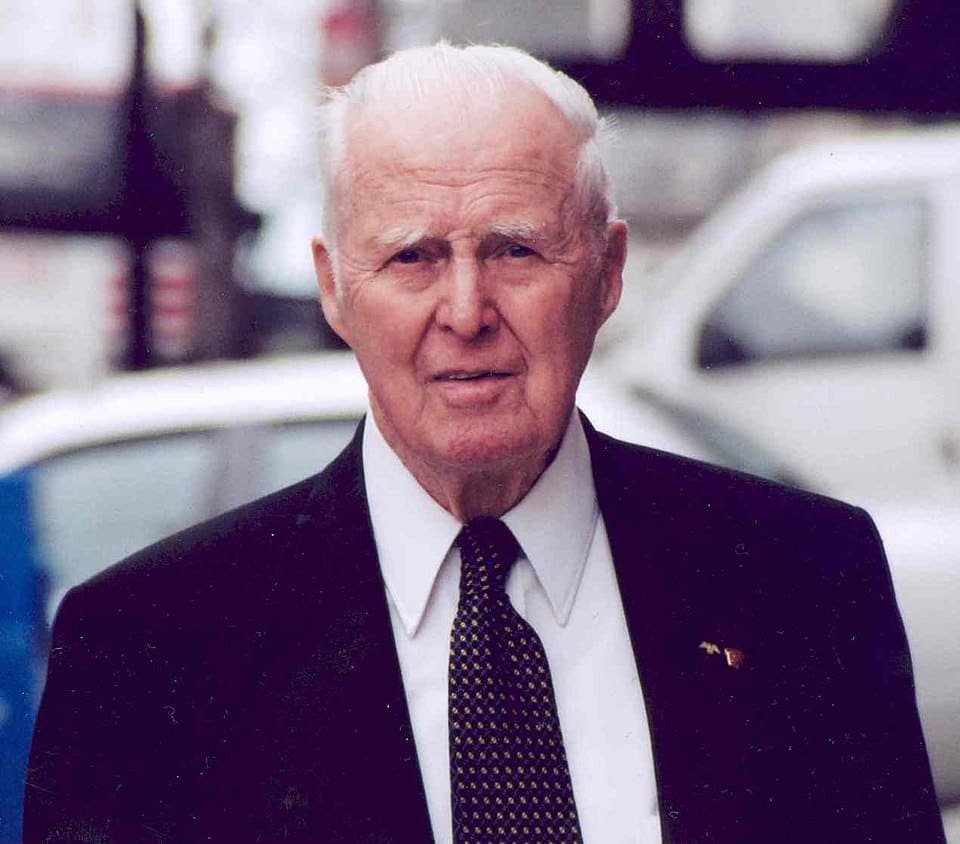
The numbers behind Norman Borlaug’s achievement are staggering. In the late 1960s, international experts predicted that tens of millions across South Asia and the developing world would starve within a decade, and that no agricultural technology could prevent it. Instead, Borlaug’s high-yielding, disease-resistant wheat varieties sparked what became the Green Revolution, transforming global agriculture. His work is estimated to have saved more than one billion lives.
Borlaug grew up in Iowa and developed an interest in plant pathology while studying at Iowa State College, now Iowa State University. He traveled to Mexico in the early 1940s to research wheat at a Rockefeller Foundation-funded station. Over the next twenty years, he crossbred wheat varieties to produce shorter plants that resisted wind damage, responded better to fertilizers, and yielded significantly more grain per acre. By 1966, when India and Pakistan faced severe food shortages, Borlaug had introduced his high-yielding varieties to both countries. Within three years, wheat yields in both nations nearly doubled, and neither country experienced the mass famine experts had predicted.
Borlaug received the Nobel Peace Prize in 1970, the Presidential Medal of Freedom, the National Medal of Science, and the Congressional Gold Medal. In 2014, a bronze statue of Borlaug was placed in the U.S. Capitol’s National Statuary Hall Collection. He is the only scientist represented in the collection.
Yet despite saving countless millions of lives, Borlaug is virtually unrecognizable. Stop someone on the street and ask who he was, and the odds are overwhelming that they will have no idea.
His work happened in wheat fields, not laboratories; there were no dramatic photographs for magazine covers. The millions who benefited from his efforts lived in countries Western media rarely covered. He died peacefully in 2009 at age ninety-five, long after the world had stopped paying attention to advances in agricultural science.
The Vibe List’s take: A man whose work likely prevented more deaths than any military victory or peace treaty in history is less recognizable than dozens of celebrity chefs, tech entrepreneurs, and reality television stars. That says something uncomfortable about what society actually values.
3. Henrietta Lacks; The Woman Whose Cells Changed Medicine Forever
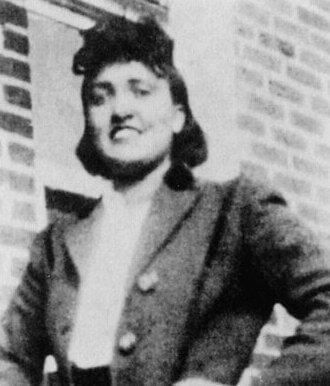
On January 29, 1951, Henrietta Lacks; a 31-year-old tobacco farmer from Clover, Virginia; visited Johns Hopkins Hospital complaining of vaginal bleeding. After finding a large tumor on her cervix, doctors performed a biopsy to determine whether she had cervical cancer. During the procedure, Dr. George Gey collected a sample of Henrietta’s cervical tissue for his research laboratory. For years, Gey had tried to grow human cells outside the body. Every previous sample had died within days.
Henrietta’s cells did not die. They divided every 20 to 24 hours and kept reproducing without apparent limit. The resulting immortal cell line was named “HeLa” after the first two letters of her first and last names, and it revolutionized modern medicine.
HeLa cells helped develop vaccines (including the polio vaccine), advance cancer research through cellular models, and test the effects of radiation and pharmaceutical compounds on human cells. Scientists used HeLa cells to study viral diseases including HIV/AIDS and to develop vaccines against human papillomavirus (HPV) and COVID-19. Researchers mapped portions of the human genome using HeLa cells. These cells have contributed to two Nobel Prizes and nearly 20,000 patents. If you combined the weight of every HeLa cell produced since 1951, the total would exceed 50 million metric tons; more than the weight of 100 Empire State Buildings.
Henrietta Lacks died on October 4, 1951; eight months after her diagnosis; of cervical cancer. She was buried in an unmarked grave. When her family learned of her death, hospital officials told them her cervical tissue had been taken for research. They were never told that her cells had survived outside her body and were being used in laboratories around the world.
Johns Hopkins did not sell Henrietta Lacks’s cells or profit from them directly. She received no recognition for a contribution that enabled trillions of dollars in medical advances, and her family was never compensated.
Lacks received no public recognition until Rebecca Skloot published The Immortal Life of Henrietta Lacks in 2010. Her grave eventually received a headstone.
Scientists continue to use HeLa cells today, and there is no sign they will stop. Henrietta Lacks deserved to know what she gave humanity.
4. Stanislav Petrov; The Man Who Decided Not to End the World
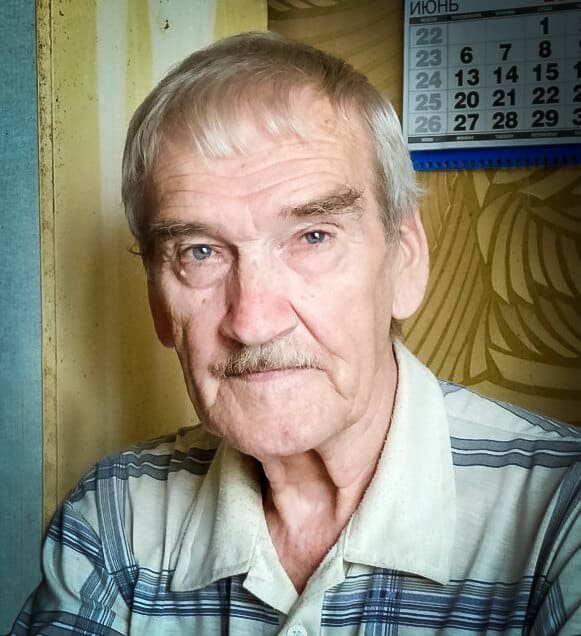
Lt. Col. Stanislav Petrov was on duty at a Soviet missile early-warning center south of Moscow on September 26, 1983. Just after midnight, Petrov’s screens lit up with an alert: five intercontinental ballistic missiles (ICBMs) had been launched by the United States and were heading toward the Soviet Union. Protocol required Petrov to report an enemy attack immediately, which would have set the Soviet retaliatory chain in motion. Tensions between the Soviet Union and the United States were dangerously high; just weeks earlier, on September 1, 1983, Soviet fighters had shot down Korean Air Lines Flight 007, killing all 269 people aboard.
Petrov had only minutes to decide. He sensed something wasn’t right. A genuine first strike would involve hundreds of missiles, not five, and the relatively new radar system had already shown flaws.
Based on instinct alone, Petrov classified the alert as a false alarm.
Petrov was right. The United States had launched no missiles. The false alarm was caused by sunlight reflecting off high-altitude clouds, which confused the Soviet satellite system.
Some scholars, including researcher Pavel Podvig, argue that Soviet command structures had multi-step verification protocols that might have prevented a launch regardless. Others maintain that Petrov’s calm decision removed a critical escalation point during one of the Cold War’s most dangerous moments.
What is beyond dispute is that Petrov’s calm judgment removed a critical escalation point from what could have become a catastrophic chain of events.
Petrov was initially reprimanded by Soviet authorities for failing to properly document his reporting procedures during the incident. His story only became public years after the fall of the Soviet Union. Petrov died quietly on May 19, 2017, in a small apartment in Fryazino, Russia. His death went unreported for months.
5. Vasili Arkhipov; The Soviet Officer Who Vetoed Nuclear War
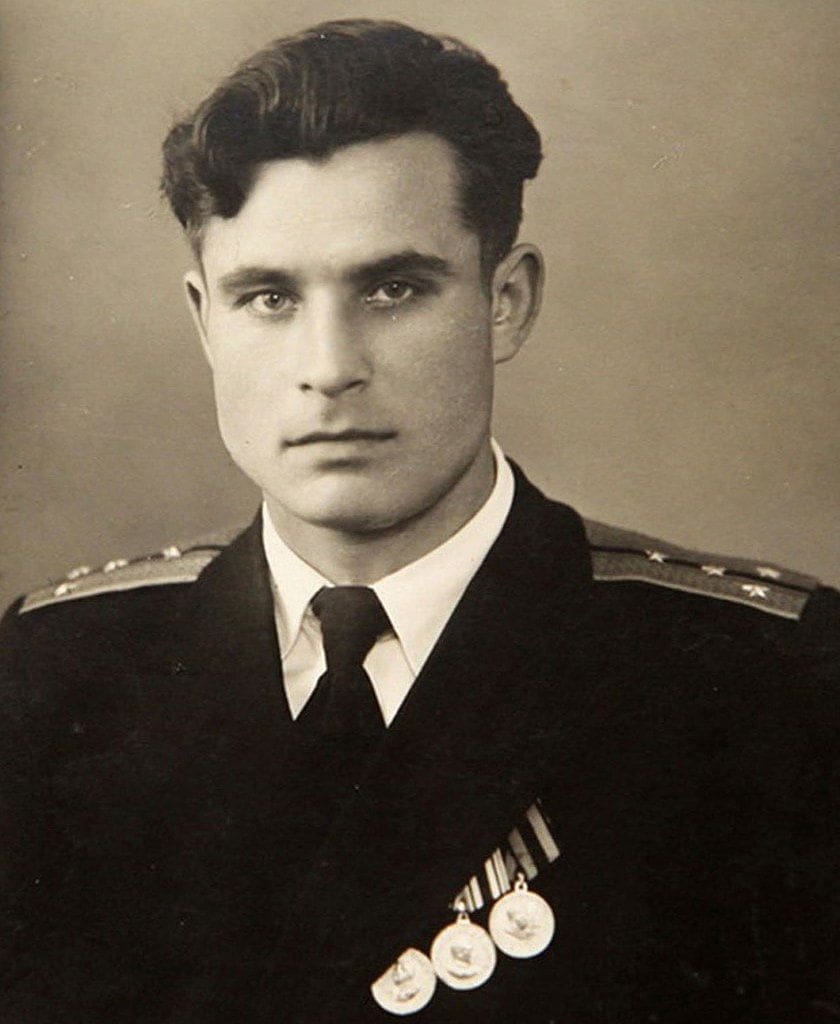
If Stanislav Petrov’s story is unsettling, Vasili Arkhipov’s is terrifying, because his decision was not made in a control room watching blips on a screen but inside a submarine being depth-charged by the U.S. Navy during the Cuban Missile Crisis.
On October 27, 1962; the most dangerous day of the Cold War; Soviet submarine B-59 was submerged in the Caribbean, unable to contact Moscow. American destroyers had located B-59 and were dropping signaling depth charges to force it to surface. The crew had been underwater for days in stifling heat with failing air conditioning. CO₂ levels inside the submarine were rising. Some men had begun losing consciousness.
B-59 had a nuclear torpedo. Captain Valentin Savitsky thought war had already begun and wanted to fire the torpedo. The political officer agreed. Under standard Soviet naval procedure, two senior officers had to agree before a nuclear weapon could be launched. But B-59 was a flotilla flagship, which meant a third officer; the flotilla commander; also had to concur. That officer was Arkhipov.
Arkhipov refused. He argued that since B-59 had received no orders from Moscow, they could not know whether war had actually started. He demanded the submarine surface and await instructions. B-59 surfaced, contacted headquarters, and the crisis passed. Arthur Schlesinger Jr., an advisor to President Kennedy, later wrote that the Cuban Missile Crisis was “not only the most dangerous moment of the Cold War. It was the most dangerous moment in human history.”
Arkhipov’s role remained classified until 2002, when declassified Soviet documents were presented at a conference on the crisis in Havana. Thomas Blanton of the National Security Archive called Arkhipov the man who “saved the world.” Arkhipov died in 1998 without any public recognition.
6. Ignaz Semmelweis; The Doctor Whose Colleagues Let Him Die for Being Right
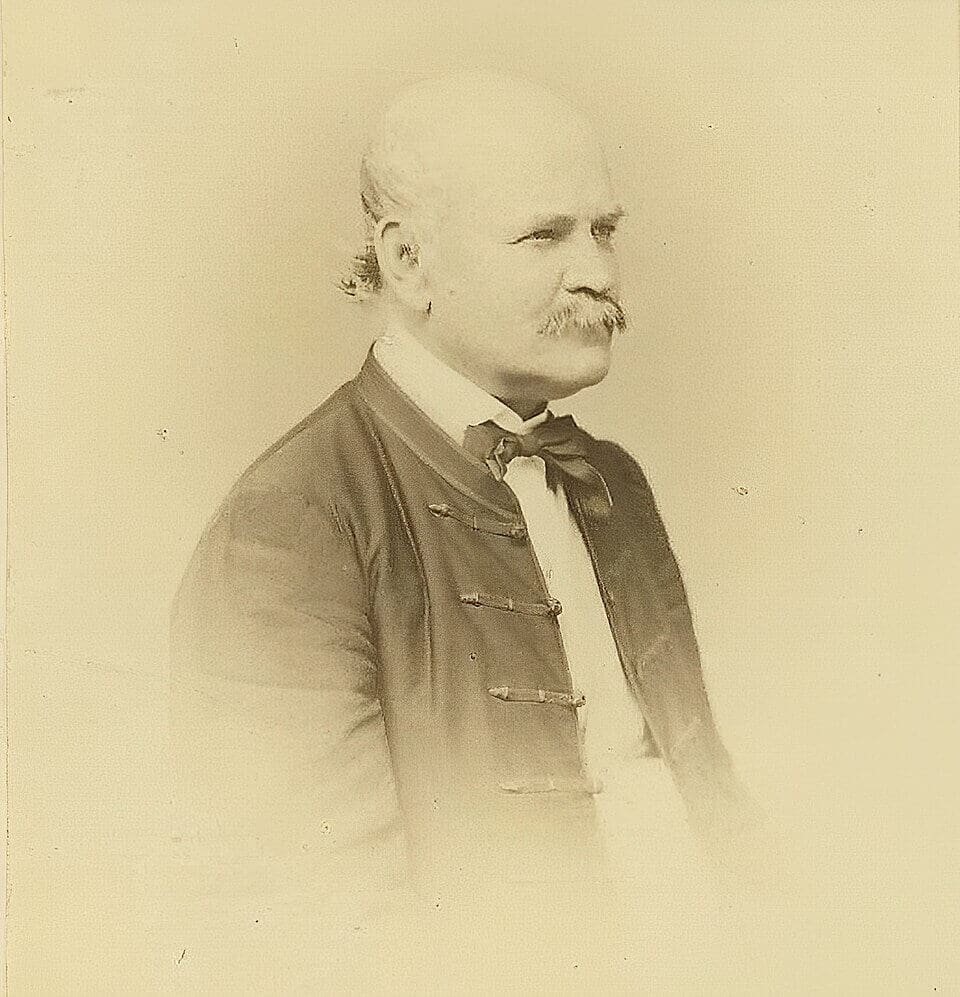
Ignaz Semmelweis was a young physician from Hungary who joined the maternity clinic at Vienna General Hospital in 1846. Shortly thereafter, he began doing what many physicians wouldn’t: counting. He found that women who gave birth in the ward staffed by physicians and medical students died of childbed fever at roughly five times the rate of those in the ward staffed by midwives.
Semmelweis looked for any differences between the two wards. When a colleague died after cutting his finger during an autopsy and developing symptoms identical to childbed fever, Semmelweis drew a conclusion that seems obvious today: doctors were carrying “cadaverous particles” from the autopsy room to the delivery ward on their unwashed hands.
Semmelweis required every doctor to wash his hands in a chlorinated lime solution before examining patients. Childbed fever mortality dropped from roughly 10% to under 2%. The results were dramatic, yet his colleagues refused to accept his findings.
Germ theory had not yet emerged, and Semmelweis could not explain why handwashing worked. All he knew was that it did. Physicians were offended by the implication that they were causing their own patients’ deaths. Over time, Semmelweis grew increasingly confrontational and was eventually dismissed from the clinic. The handwashing policy was abandoned, and childbed fever deaths rose again.
For years, Semmelweis tried to convince doctors across Europe that handwashing saved lives. No one listened. Eventually, Semmelweis’s behavior became erratic, likely worsened by years of professional isolation. In 1865, he was committed to a mental institution. Two weeks later, he died of septicemia.
Today, according to the Centers for Disease Control and Prevention (CDC), hand hygiene remains one of the most effective ways to prevent hospital-acquired infections; however, hundreds of thousands of patients still develop such infections annually. The man who discovered one of medicine’s simplest lifesaving measures was destroyed for it, and it took another two decades for science to prove him right.
7. Nils Bohlin; The Engineer Who Gave Away the Invention That Saved a Million Lives
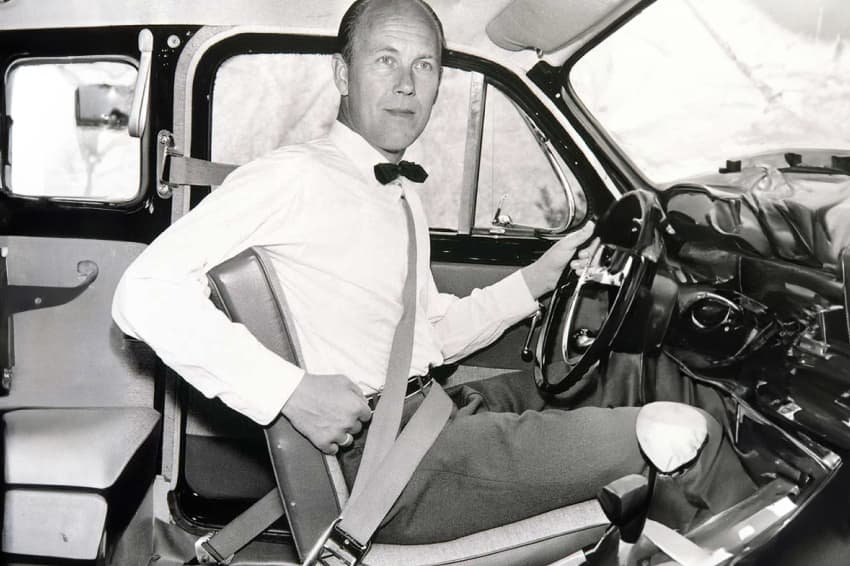
In 1959, Volvo engineer Nils Bohlin patented something deceptively simple: a three-point seatbelt that secured both the upper and lower body with a single continuous strap. Lap belts had existed for decades but offered little protection in high-speed collisions. Bohlin’s V-shaped design distributes crash forces across the chest, pelvis, and shoulders; the three strongest parts of the human body.
Volvo then did something extraordinary: it made Bohlin’s patent available to every car manufacturer in the world, free of charge. The company believed the invention was too important to restrict. Volvo estimates that Bohlin’s seatbelt has saved more than one million lives. It may be the most cost-effective lifesaving device ever invented.
Bohlin, who had previously designed ejection seats for Saab, received little public recognition during his lifetime. He died in 2002 at age 82. His obituary coverage was minimal; a reflection of how little the public knew about the man whose invention rides in every car on earth.
8. Rosalind Franklin; The Scientist Whose Photograph Unlocked DNA
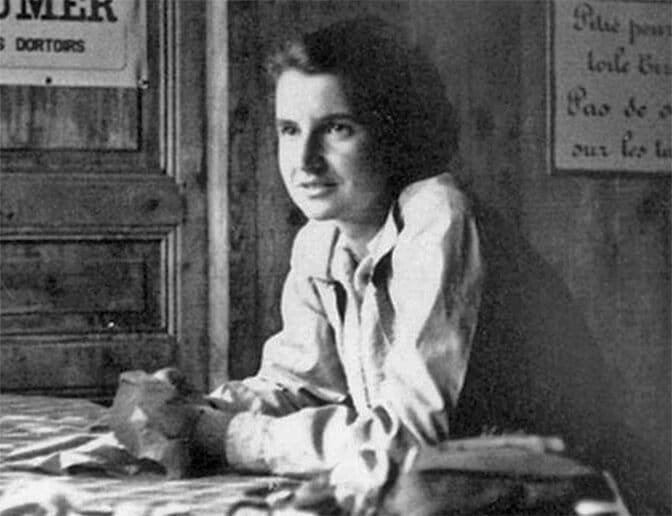
DNA’s double-helix structure is one of the most celebrated discoveries in science. Scientists generally credit James Watson and Francis Crick, who published their model in 1953 and won the Nobel Prize in 1962. Most people do not realize that Watson and Crick relied heavily on unpublished data from a third researcher whose permission they never sought and whose contribution they never acknowledged.
Rosalind Franklin was a British biophysicist who used X-ray crystallography at King’s College London to investigate DNA’s structure. On May 2, 1952, Franklin and her Ph.D. student Raymond Gosling captured an X-ray diffraction image of DNA now regarded as one of the most important photographs in scientific history: Photo 51. The image clearly indicated a helical structure.
Franklin’s colleague Maurice Wilkins showed Photo 51 to Watson without her knowledge. A 2023 reappraisal in Nature argues that Franklin contributed far more to Watson and Crick’s model than previously acknowledged, and that she was independently working toward the same discovery rather than passively supplying data.
Franklin died in 1958 at age 37 of ovarian cancer, likely caused by prolonged exposure to X-ray radiation during her research. She never knew how extensively others had used her work.
The Nobel Prize cannot be awarded posthumously, so Franklin was ineligible when Watson, Crick, and Wilkins received theirs in 1962. Watson portrayed Franklin dismissively in his 1968 memoir The Double Helix, further distorting her legacy for generations.
9. Irena Sendler; The Social Worker Who Smuggled 2,500 Children Out of a Death Trap
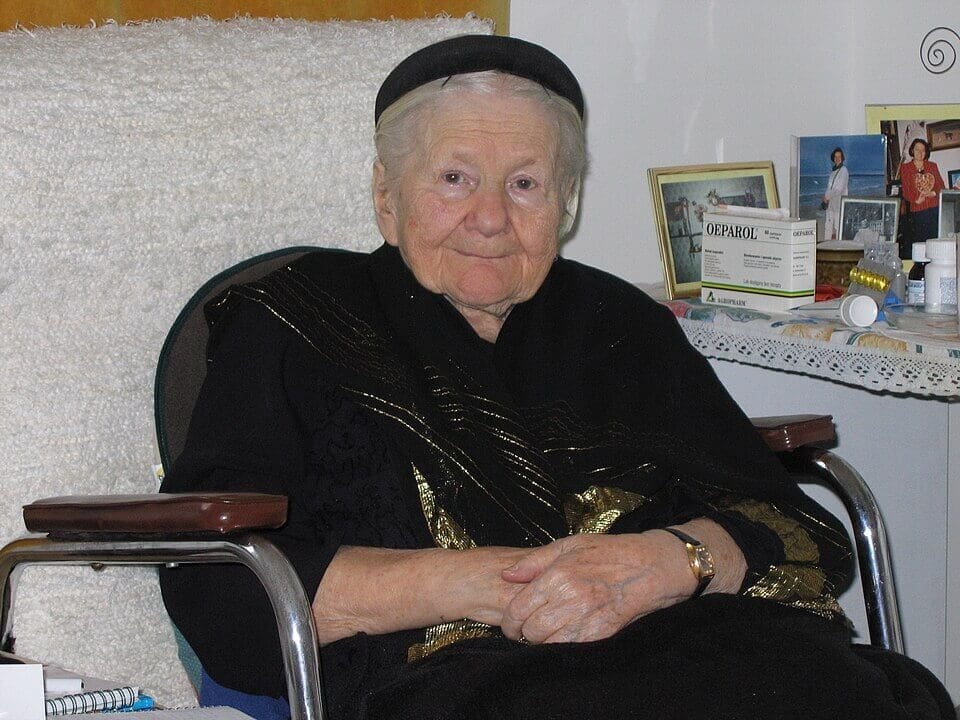
Between 1942 and 1943, Irena Sendler, a Polish Catholic social worker, used her health department ID to enter the Warsaw Ghetto as part of a typhus inspection team. She smuggled approximately 2,500 Jewish children out of the ghetto and placed them with non-Jewish Polish families, convents, and orphanages.
Sendler’s methods were audacious and harrowing. Children were hidden in ambulances, smuggled inside suitcases and toolboxes, and sometimes sedated and placed in body bags to pass through Nazi checkpoints. Sendler recorded each child’s real name and new identity on tissue paper, which she sealed in glass jars and buried beneath a tree in a colleague’s garden. The plan was to reunite the children with their families after the war.
On October 20, 1943, the Gestapo arrested Sendler. Her captors tortured her severely, breaking both her legs and feet. Sendler refused to reveal the identity or location of any child, or the names of anyone in her network. Sendler was sentenced to death, but Żegota, the Polish underground resistance organization, bribed a guard who allowed her to escape during a prison transfer.
Sendler survived the war but lived in relative obscurity until she was nominated for the Nobel Peace Prize in 2007. She lost to Al Gore.
Irena Sendler died on May 12, 2008, at age 98.
10. Witold Pilecki; The Man Who Volunteered for Auschwitz
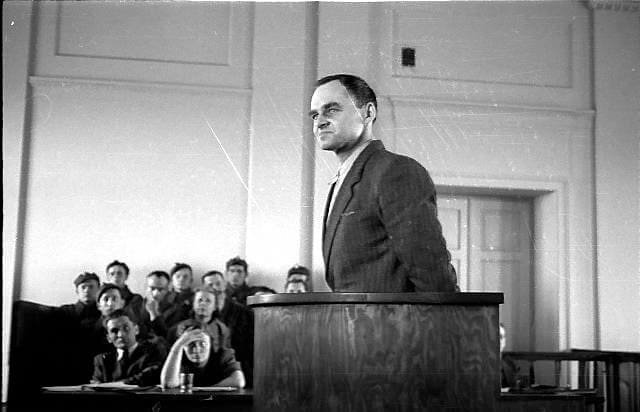
In September 1940, Witold Pilecki, a Polish resistance leader, deliberately walked into a Nazi street roundup in Warsaw. His plan was to get arrested and sent to Auschwitz. Once inside Auschwitz, he planned to organize an internal resistance network and transmit intelligence reports to the Allies.
Pilecki is believed to be the only person who ever voluntarily entered Auschwitz.
For two and a half years, Pilecki; operating under the alias Tomasz Serafiński; endured forced labor, malnutrition, and beatings while building an internal resistance network. Fellow prisoners helped him compile intelligence on conditions inside Auschwitz, which he transmitted to the outside via a radio built from smuggled parts. Historians argue that Pilecki’s reports contained some of the earliest concrete evidence of the mass murder of Jews at Auschwitz, including details about the construction of gas chambers and crematoria. Pilecki repeatedly urged the Allies to bomb Auschwitz, knowing the strikes would likely kill prisoners; including himself.
The Allies chose not to act on Pilecki’s recommendations.
In April 1943, Pilecki escaped Auschwitz with two other prisoners, using an SS-controlled bakery as cover. They traveled for days through occupied Poland. He remained active in the Polish resistance until the Warsaw Uprising in August 1944, when he was captured by the Germans and held as a prisoner of war until Germany’s surrender.
After the war, Poland’s Soviet-backed communist government arrested Pilecki in November 1947 on fabricated espionage charges. He was tortured, subjected to a show trial, and sentenced to death. On May 25, 1948, Pilecki was executed by firing squad at age 47.
As historian Norman Davies wrote: “If ever there was an Allied hero who deserved to be remembered and celebrated, this was a person with few peers.”
11. Chiune Sugihara; The Diplomat Who Chose Thousands of Lives Over His Career
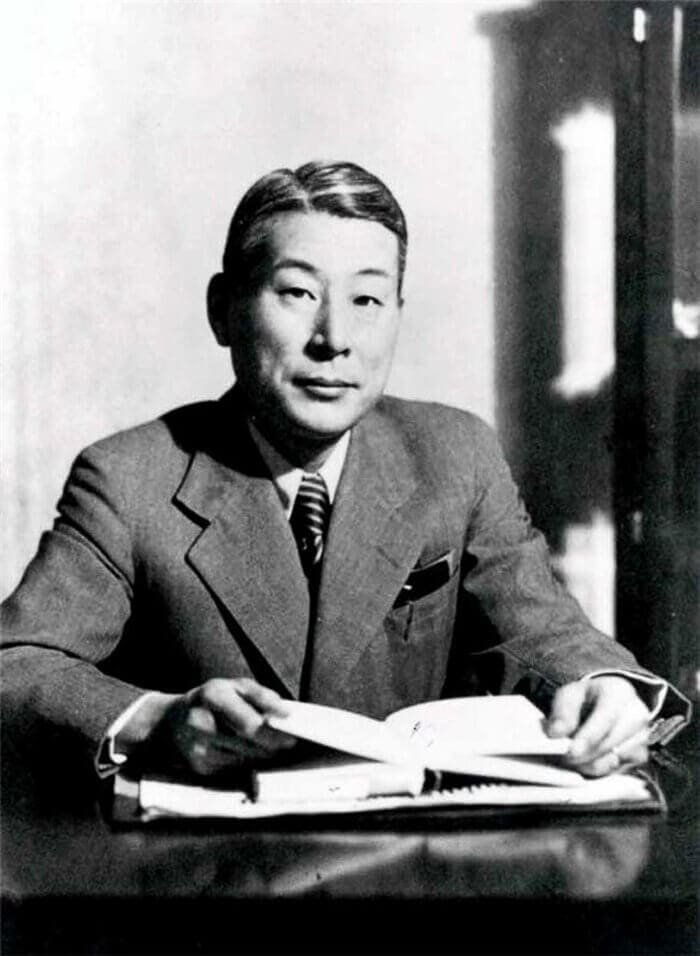
By summer 1940, hundreds of Jewish refugees had gathered outside the Japanese consulate in Kaunas, Lithuania, desperate for transit visas that would allow them to escape through Japan. The Japanese government had ordered its consuls to deny visas unless applicants could prove both a final destination and proper documentation.
Despite this directive, Chiune Sugihara granted the visas. Sugihara reportedly wrote a month’s worth of visas every day for 29 consecutive days, even after he was ordered to close the consulate. He reportedly threw blank signed visa papers out the window of his departing train.
Sugihara’s visas saved an estimated 6,000 people. Their descendants now number close to 100,000.
After the war, Sugihara returned to Japan and lost his diplomatic career. He spent the rest of his working life in obscurity at a trading company. In 1985, Israel’s Yad Vashem Holocaust memorial designated him Righteous Among the Nations. Sugihara died in 1986. His son later said that for decades, the family had no idea of the full scope of what his father had done.
12. Tu Youyou; The Researcher Who Found a Malaria Cure in a 1,600-Year-Old Text
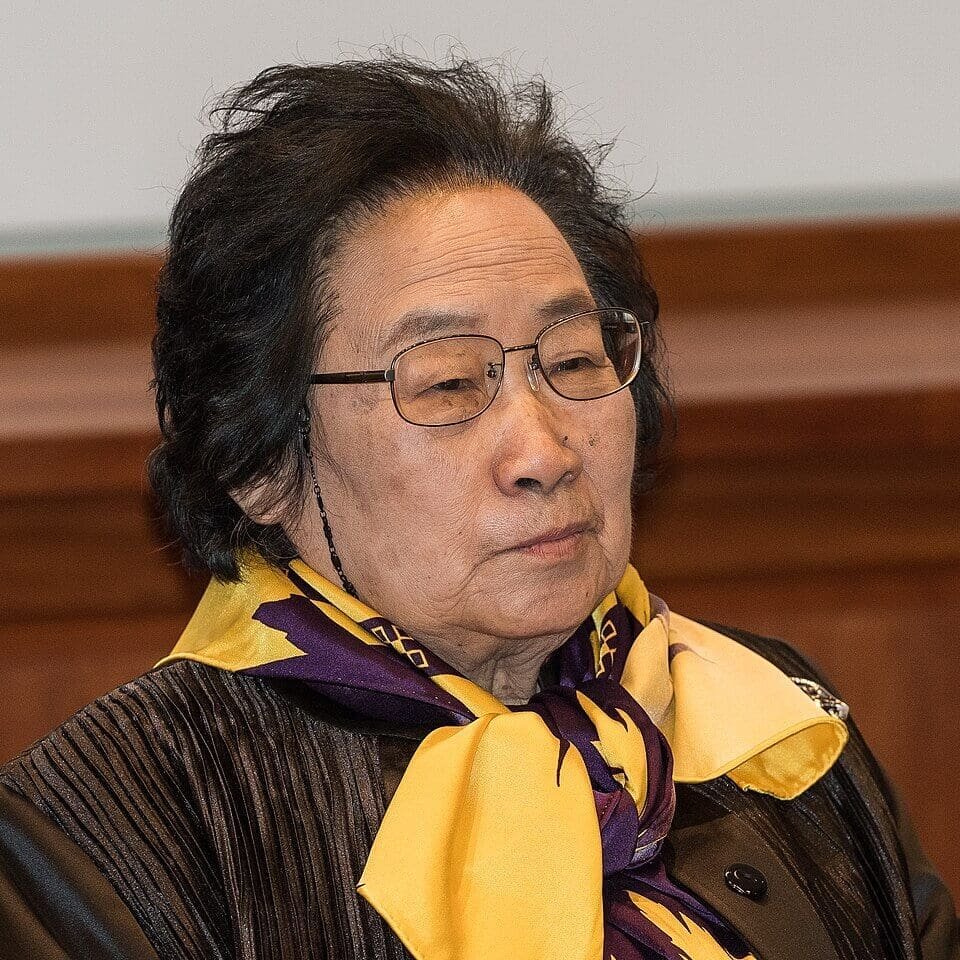
At the height of the Vietnam War, in 1969, China’s Chairman Mao Zedong established a secret military research program called Project 523 to develop a treatment for malaria. Malaria was killing North Vietnamese soldiers faster than American bullets. A pharmaceutical chemist named Tu Youyou led the project. She held no Ph.D. or M.D., and she had never conducted research abroad.
Tu and her staff reviewed more than 2,000 traditional Chinese medicines and tested 380 medicinal herb extracts. All failed, until Tu returned to a 1,600-year-old text by the physician Ge Hong. In the book, Ge Hong discussed using a liquid extract of sweet wormwood (qinghao) soaked in cold water. Previous researchers had used high heat to extract the compound, which destroyed the active ingredient. Using low-temperature ether extraction, Tu isolated artemisinin, a compound that achieved a 100% success rate against malaria parasites in clinical trials.
Since then, the World Health Organization has adopted artemisinin-based combination therapies as the first-line treatment for malaria. The WHO estimates that these treatments have saved millions of lives, particularly in sub-Saharan Africa, where malaria kills hundreds of thousands of children annually.
Tu remained anonymous for nearly four decades. Project 523 was classified. Tu later said that in China at the time, there was little encouragement for scientists to seek individual recognition. Tu was not publicly credited with discovering artemisinin until 2005. In 2015, Tu won the Nobel Prize in Physiology or Medicine, becoming the first Chinese citizen to receive the honor. She was 84.
13. Alice Ball; The 23-Year-Old Chemist Whose Cure Was Stolen
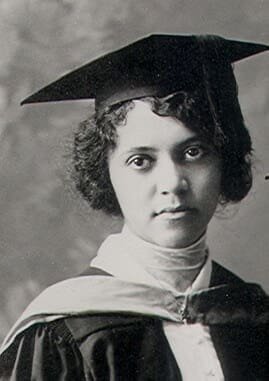
In 1915, a 23-year-old African-American chemist named Alice Ball became the first woman and first African-American to earn a master’s degree in chemistry from the University of Hawaii. Ball developed a method for converting chaulmoogra oil into an injectable form that the human body could absorb. Chaulmoogra oil had long been used as a folk remedy for leprosy. But in its natural form, the oil was thick, foul-smelling, and caused blisters and nausea on contact with skin.
For nearly two decades, Ball’s treatment was the standard therapy for leprosy. It freed countless patients from confinement in leper colonies, including those in the Kalaupapa settlement on the Hawaiian island of Molokai.
Ball never lived to see the impact of her work. Ball died in 1916 at age 24, likely from chlorine gas inhalation during a laboratory demonstration. After her death, Arthur Dean, the chemistry department president at the University of Hawaii, published her work under his own name as the “Dean Method.” He never credited Ball.
It took decades for the historical record to be corrected. In 2000, the University of Hawaii placed a plaque on a campus chaulmoogra tree honoring Ball. The Lieutenant Governor of Hawaii also declared February 29 “Alice Ball Day.”
Ball lived in an era when being a Black woman in science made earning recognition nearly impossible. The man who stole her work suffered no consequences.
14. Frances Perkins; The Woman Behind the Weekend, the Minimum Wage, and Social Security
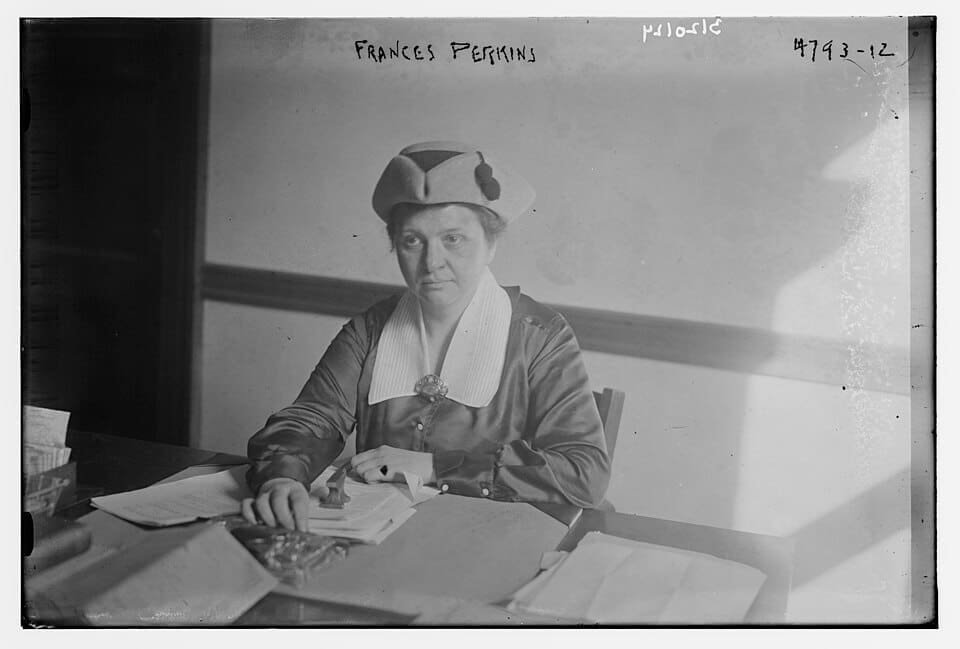
If you have ever earned a minimum wage, worked a 40-hour week, collected unemployment, or expected to collect Social Security, you owe a debt to Frances Perkins.
As the first woman to serve in a U.S. presidential cabinet, appointed Secretary of Labor by President Franklin D. Roosevelt in 1933, Perkins was the driving force behind the labor protections of the New Deal; specifically the Social Security Act, the Fair Labor Standards Act, and the National Labor Relations Act.
Perkins served as Secretary of Labor for twelve years and three months; longer than anyone before her. She did not merely administer these programs; she built them, lobbied members of Congress to pass them, and defended them against fierce opposition.
Before entering government, Perkins witnessed the Triangle Shirtwaist Factory fire in March 1911. In that fire, 146 garment workers; mostly young immigrant women; died because factory owners had locked the exit doors. The experience shaped the rest of Perkins’s career.
Despite her central role in creating these programs, Perkins was largely forgotten after leaving government. FDR received the credit for Social Security, and Perkins’s contributions were eclipsed. She spent years as a professor at Cornell University and faded from public memory until feminist historians brought her achievements back to light in the early 2000s.
Columbia Magazine called Perkins the “architect of Social Security.” The programs she created remain the foundation of America’s social safety net.
15. Noor Inayat Khan; The Spy Princess Who Refused to Break
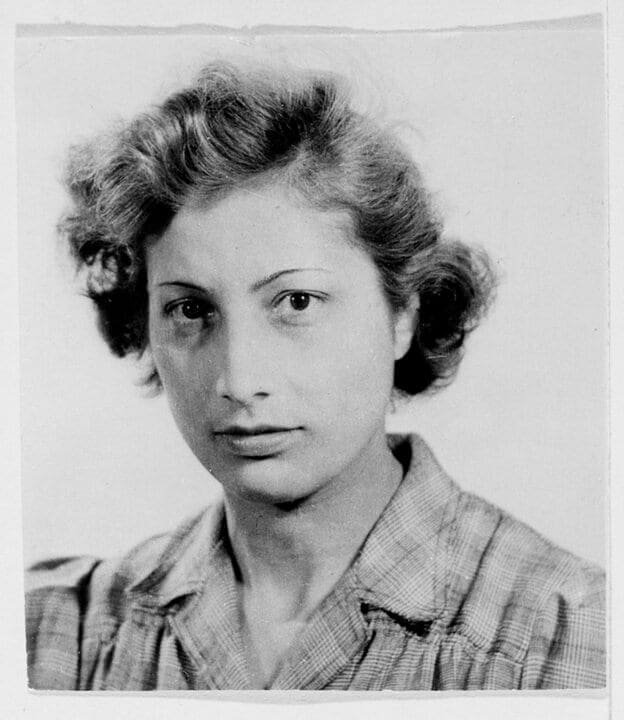
Noor Inayat Khan was born in Moscow, Russia, in 1914 to an Indian Sufi father and an American mother. She grew up in Paris and studied child psychology at the Sorbonne. She wrote children’s books and played the harp and veena (an Indian stringed instrument). By all accounts, Noor was shy and quiet; hardly someone you would expect to become one of Britain’s most important spies.
After France fell to Germany in 1940, Noor and her family fled to England. Noor enlisted in the Women’s Auxiliary Air Force and was recruited by the Special Operations Executive (SOE). In June 1943, Noor was flown into occupied France as a wireless operator; the first female SOE wireless operator sent into enemy territory.
Within weeks of Noor’s arrival, German authorities compromised her entire network. Every other member of her circuit was arrested. SOE ordered Noor to return to England. She refused and continued transmitting alone for three months, providing the only wireless link between the Parisian resistance and London.
Noor constantly changed her appearance and location while maintaining an unbroken transmission link between London and Paris.
In October 1943, a German double agent betrayed Noor. She was captured and imprisoned at Pforzheim, where she was kept in chains for nine months. She attempted to escape twice.
She refused to give anything away during interrogation sessions.
On September 13, 1944, Noor was transferred to Dachau concentration camp, where she was executed by firing squad. According to witnesses, Noor’s last word was “Liberté”; freedom.
Posthumously, Noor received two of the highest honors available: the George Cross from Great Britain and the Croix de Guerre from France. In 2012, a bronze bust was unveiled in London’s Gordon Square; the first memorial in Britain honoring a Muslim or South Asian woman.
The Unrecognized Pattern
The fifteen people profiled above collectively saved or impacted billions of lives. Two of them prevented wars that could have ended civilization. Their discoveries built the foundations of modern medicine; vaccines, handwashing, DNA research, and malaria treatment. Their policies created America’s social safety net. Their courage smuggled thousands of children from certain death.
Yet most people would struggle to name more than one or two of them. That is not a coincidence. There is a pattern: women’s work attributed to male colleagues; minorities denied credit within segregated institutions; Cold War secrets buried for decades; corporate anonymity imposed on pharmaceutical researchers; and the quiet ones who save lives systematically overlooked in favor of those who make noise.
The question is not whether these people deserve recognition. It is what it says about us that we consistently ignore those who saved the most lives.
If you found these untold stories from history compelling, consider how many similar figures remain invisible. History does not simply happen; it is written, and the authors have biases.
Quick Reference: 15 Unsung Heroes Who Saved Millions
| # | Name | Country / Era | Field | Key Achievement | Estimated Impact | Recognition in Lifetime |
|---|---|---|---|---|---|---|
| 1 | Maurice Hilleman | USA, 1919–2005 | Vaccinology | Developed 40+ vaccines including 8 of 14 routine childhood vaccines; averted 1957 flu pandemic | ~8 million lives saved per year | Almost none; corporate anonymity at Merck |
| 2 | Norman Borlaug | USA / Mexico, 1914–2009 | Agricultural Science | Developed high-yield wheat varieties; sparked the Green Revolution | 1+ billion lives saved from starvation | Nobel Peace Prize 1970; low public recognition |
| 3 | Henrietta Lacks | USA, 1920–1951 | Medicine / Cell Biology | Source of immortal HeLa cells used in polio vaccine, cancer research, genome mapping | 2 Nobel Prizes; ~20,000 patents enabled | Zero; cells taken without consent; unmarked grave |
| 4 | Stanislav Petrov | USSR, 1939–2017 | Nuclear Early Warning | Classified 1983 satellite false alarm as error; removed nuclear escalation point | Potentially billions (nuclear war averted) | Reprimanded; story emerged post-Soviet collapse |
| 5 | Vasili Arkhipov | USSR, 1926–1998 | Naval Command | Refused to authorize nuclear torpedo launch during Cuban Missile Crisis | Potentially billions (nuclear war averted) | Zero; role classified until 2002 |
| 6 | Ignaz Semmelweis | Hungary / Austria, 1818–1865 | Obstetrics / Hygiene | Proved handwashing prevents childbed fever; mortality dropped from 10% to under 2% | Millions (foundation of infection control) | Fired, institutionalized, died of sepsis at 47 |
| 7 | Nils Bohlin | Sweden, 1920–2002 | Automotive Engineering | Invented the three-point seatbelt; Volvo released patent for free worldwide | 1+ million lives saved | Minimal; quiet obituary coverage |
| 8 | Rosalind Franklin | UK, 1920–1958 | Biophysics / X-ray Crystallography | Produced Photo 51; critical evidence for DNA double-helix model | Foundational to all genetic science | None; ineligible for posthumous Nobel; dismissed in Watson’s memoir |
| 9 | Irena Sendler | Poland, 1910–2008 | Social Work / Resistance | Smuggled ~2,500 Jewish children out of Warsaw Ghetto during WWII | 2,500 children (est. 10,000+ descendants) | Tortured by Gestapo; Nobel nominee 2007; lost to Al Gore |
| 10 | Witold Pilecki | Poland, 1901–1948 | Military Intelligence / Resistance | Volunteered for Auschwitz; built internal resistance; transmitted early Holocaust evidence | First concrete intelligence of mass genocide | Executed by communist government; exonerated 1990 |
| 11 | Chiune Sugihara | Japan / Lithuania, 1900–1986 | Diplomacy | Issued transit visas saving ~6,000 Jewish refugees against government orders | ~6,000 saved; ~100,000 descendants alive today | Lost diplomatic career; Righteous Among Nations 1985 |
| 12 | Tu Youyou | China, b. 1930 | Pharmacology | Discovered artemisinin from ancient text; first-line malaria treatment worldwide | Millions saved from malaria | Anonymous for 40 years; Nobel Prize 2015 at age 84 |
| 13 | Alice Ball | USA, 1892–1916 | Chemistry | Developed first effective injectable leprosy treatment at age 23 | Tens of thousands freed from leper colonies | Zero; work stolen by Arthur Dean; credit restored 2000 |
| 14 | Frances Perkins | USA, 1880–1965 | Labor Policy / Government | Architect of Social Security, minimum wage, 40-hour work week, unemployment insurance | Hundreds of millions (ongoing U.S. safety net) | Eclipsed by FDR; rediscovered by historians in 2000s |
| 15 | Noor Inayat Khan | UK / France, 1914–1944 | Espionage / SOE | First female SOE wireless operator in occupied France; sole communications link for 3 months | Critical intelligence for Parisian resistance | Executed at Dachau; posthumous George Cross and Croix de Guerre |
Frequently Asked Questions
Who saved the most lives in history?
Norman Borlaug is often cited as having saved over one billion lives through the Green Revolution. Maurice Hilleman is also a strong candidate; his vaccines are estimated to save approximately 8 million lives per year, meaning his cumulative impact over decades may rival Borlaug’s.
Did Stanislav Petrov prevent nuclear war?
Petrov’s decision during the September 26, 1983 satellite false alarm removed a critical escalation point during one of the Cold War’s most dangerous moments. Historians like Pavel Podvig argue that the Soviet chain of command had additional verification layers that might have prevented a launch regardless. The consensus is that Petrov did not single-handedly prevent nuclear war but that his calm judgment during an extraordinarily dangerous moment significantly reduced the risk of catastrophe.
Why wasn’t Rosalind Franklin given the Nobel Prize for DNA?
Franklin died of ovarian cancer in 1958; four years before Watson, Crick, and Wilkins received the Nobel Prize for discovering DNA’s structure in 1962. The Nobel Prize cannot be awarded posthumously. Recent scholarship argues that Franklin was not simply a source of stolen data but an active contributor to the discovery, and that the sexism of 1950s science shaped how her role was minimized.
How did Irena Sendler smuggle children out of the Warsaw Ghetto?
Sendler and her network hid children in ambulances, suitcases, toolboxes, and body bags. Some infants were sedated and concealed beneath hospital stretchers. She entered the ghetto using her typhus-inspection credentials.
What happened to Witold Pilecki after World War II ended?
Pilecki survived both Auschwitz and the Warsaw Uprising. After the war, Poland’s Soviet-installed communist government arrested him in 1947. He was tortured, tried on fabricated espionage charges, and executed by firing squad in 1948. The communist government suppressed his story for more than forty years. Pilecki was not officially exonerated until 1990, after communism collapsed in Poland.
Is Tu Youyou alive today?
As of early 2025, Tu Youyou was reported to be alive at age 94, living in Beijing. She received the Nobel Prize in Physiology or Medicine in 2015 at age 84 for her discovery of artemisinin.
This content is for informational and educational purposes only. Historical accounts reflect the best available evidence as of publication; ongoing scholarship may refine specific details.