



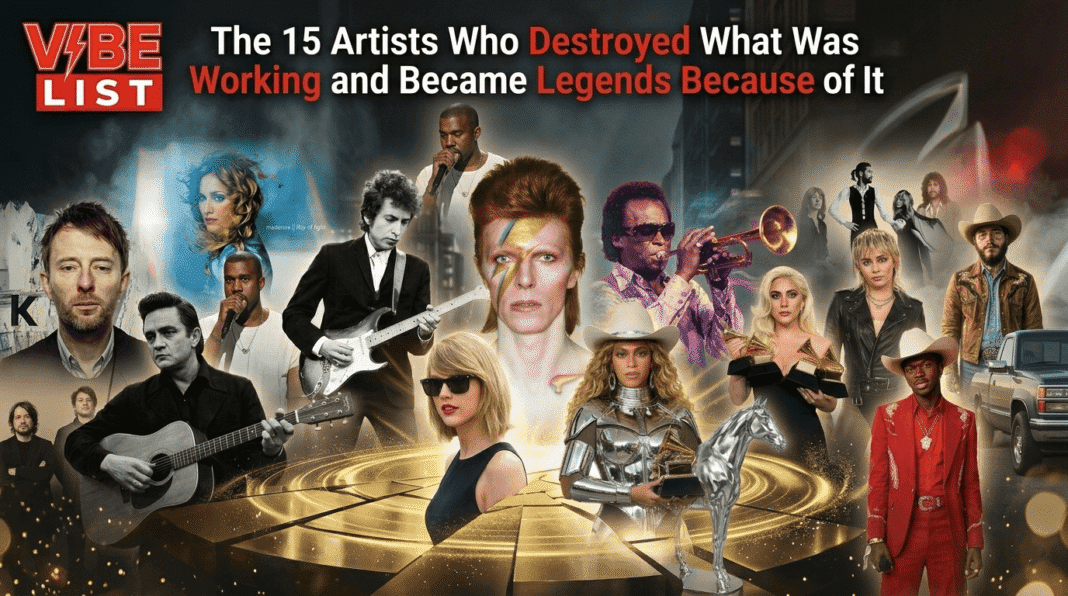
250,000 units put Post Malone’s full-country leap at No. 1. 112 days took Miley Cyrus from comeback experiment to Spotify history. 1.287 million copies turned Taylor Swift’s pop gamble into a first-week earthquake. 407,000 units made Beyoncé the first Black woman to top Top Country Albums. Johnny Cash was 61 when Rick Rubin called. Bob Dylan plugged in a Fender Stratocaster at Newport and got booed for it. None of these artists eased into reinvention or asked for permission. They blew up the version that worked, then made the blast radius their legacy.
The 15 artists who changed their sound, blew up their established successes, and became legendary forever
How we ranked this: Each entry was evaluated across multiple criteria — including commercial performance before and after reinvention, cultural influence of the new direction, artistic audacity relative to what was at stake, and enduring relevance of the reinvented sound — weighted to reflect what matters most when measuring the magnitude of a sonic gamble. The result is a ranking that respects the data but is ultimately shaped by the Vibe List’s editorial judgment. This is our list, built on evidence, driven by perspective.
Why the Best Artists Burn It Down
Reinvention is not a business plan in music. Reinvention is a controlled demolition.
All of the musicians who reinvented themselves on this list had something to offer: a loyal fan base, a formula that worked, a commercially viable sound. And all of them blew it all up. Not because they were tired, and not because they had nothing to lose. Most of them had everything to lose. They did it because they understood that there comes a point when your audience knows exactly what you’re going to do next. And that’s the moment when you’ve stopped being necessary.
The pivots ranked below represent more than surface-level branding changes — these are artists who changed their sound at the deepest level. They represent the career-defining risks taken by artists who completely changed their sound. The artists listed below abandoned the sound that originally brought them success and adopted a sound that their own record labels, co-writers, and fans actively rejected — at least at first. These pivots resulted in some of the largest-selling albums of their respective decades. Some produced large-scale commercial failures that went down as cultural touchstones. All of the pivots have impacted contemporary music in lasting ways.
15. POST MALONE; From Hip-Hop to Country
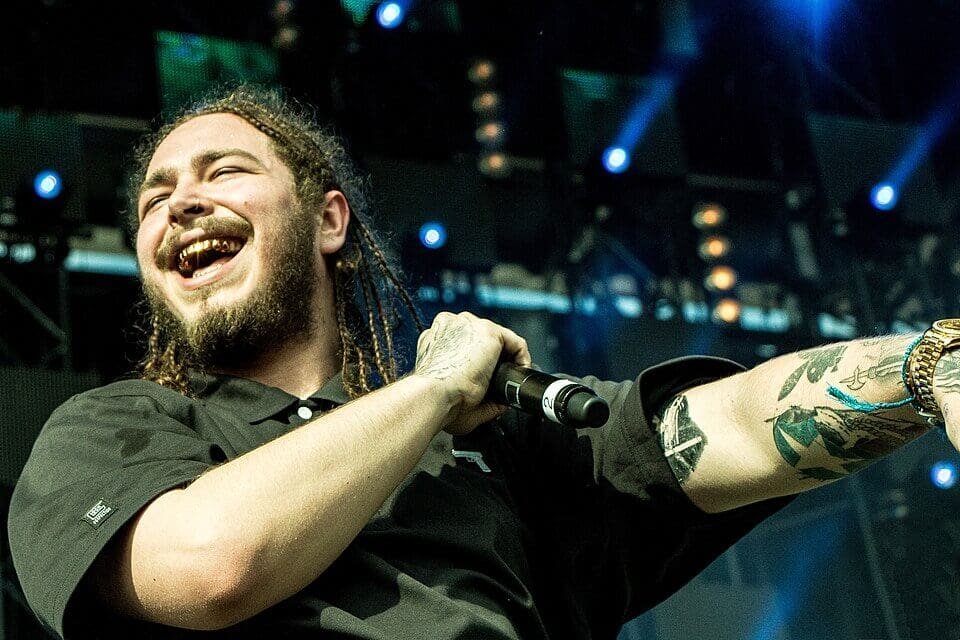
The Gamble: An artist with four consecutive Platinum records and over 50 billion career Spotify streams releases a full country album with Nashville session players, duets with TIM MCGRAW, BLAKE SHELTON, and DOLLY PARTON.
POST MALONE has expressed admiration for country music for several years. He has referenced STURGILL SIMPSON in interviews and performed at country festivals. Yet few people expected him to actually commit. In August 2024, Post Malone released F-1 Trillion. It wasn’t a nod to country music. It was 18 songs of pedal steel, fiddle, and unpretentious Nashville songwriting.
The numbers silenced the skeptics. F-1 Trillion debuted at number one on the Billboard 200 with 250,000 equivalent album units, making it the second-largest sales week for any country album in 2024. While the risk was somewhat mitigated by the massive loyalty he already had from his existing fans, as well as Nashville-based country music fans’ willingness to engage with crossover artists, the scale of the genre shift was genuine.
Therefore, while Post Malone’s country music pivot succeeded commercially, it ranks at 15 simply due to the relatively low risk associated with leveraging his existing fan base.
14. MILEY CYRUS; From Disney Pop Star to Rock Artist

The Gamble: Abandoning your Disney brand; the most lucrative child-star franchise ever; to release explicit dance music and psychedelic rock with the FLAMING LIPS, and eventually stripped-back glam rock, alienating both your old audience and new ones.
MILEY CYRUS‘ reinvention process was like demolishing each personality she had cultivated before transitioning to the next. While her Bangerz-era shock to Disney parents was substantial, she surprised her new fans with her Miley Cyrus & Her Dead Petz collaboration with the Flaming Lips. However, it was not until she released Plastic Hearts in 2020 — a JOAN JETT-inspired rock album — that she finally developed a sound that felt permanent rather than provocative.
Bangerz achieved 8.9 million global equivalent album unit sales. Plastic Hearts received widespread positive reviews and has generated over 4.1 billion streams on Spotify. Then in 2023 came Endless Summer Vacation — an album anchored by “Flowers,” which broke the record for the fastest song to reach one billion Spotify streams, achieving that feat in 112 days.
While Miley Cyrus’ initial reinvention was chaotic and ongoing, the overall body of work demonstrates that she successfully destroyed her Disney framework and created a long-lasting entity out of its ruins.
13. LIL NAS X; Country-Rap Hybrid
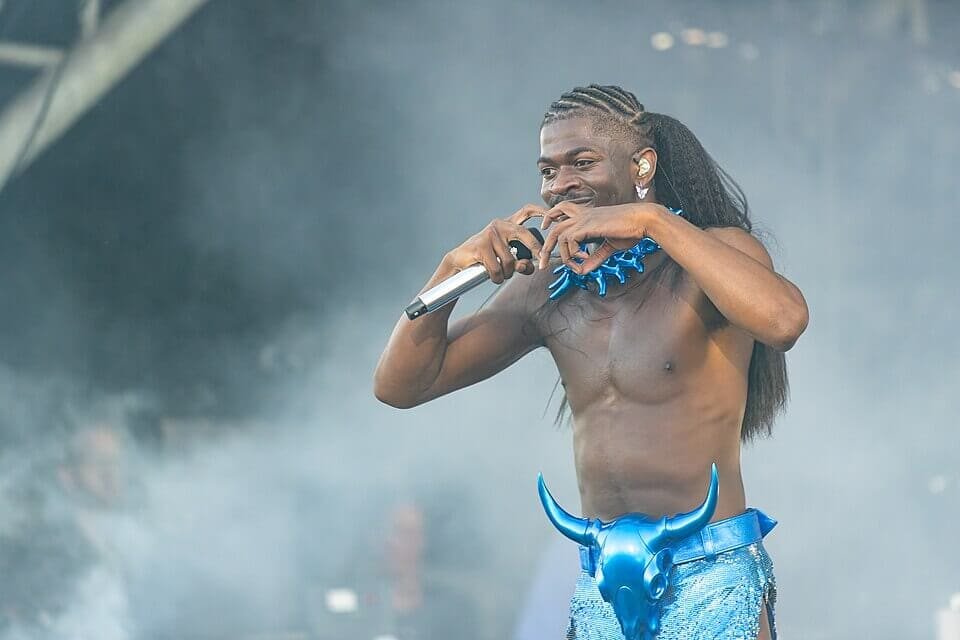
The Gamble: A 19-year-old college dropout spends $30 on a beat, records a country-trap song in his closet, and subsequently battles BILLBOARD over whether it should be considered part of the country charts.
LIL NAS X did not invent a new version of himself; he invented a whole new category of hybrid genre and forced the music industry to confront it. “Old Town Road” was initially listed on Billboard’s Hot Country Songs chart. Then in March 2019, Billboard removed it, citing it did not meet enough elements of today’s country music. The backlash was huge.
A remix featuring BILLY RAY CYRUS arrived a few weeks later. “Old Town Road” obliterated every record on the Billboard Hot 100 chart. It stayed at number one for 19 consecutive weeks, breaking MARIAH CAREY and LUIS FONSI‘s previous records for consecutive weeks atop the chart. Ultimately, it became a cultural phenomenon forcing conversations about genre gatekeeping, race, and how genres are defined.
Because Lil Nas X essentially created a new genre out of thin air without any pre-existing fan base, his reinvention ranks at 13. He didn’t have a proven formula to abandon. But what he lacked in established risk, he made up for in cultural impact.
12. WILCO; From Alt-Country to Experimental Rock
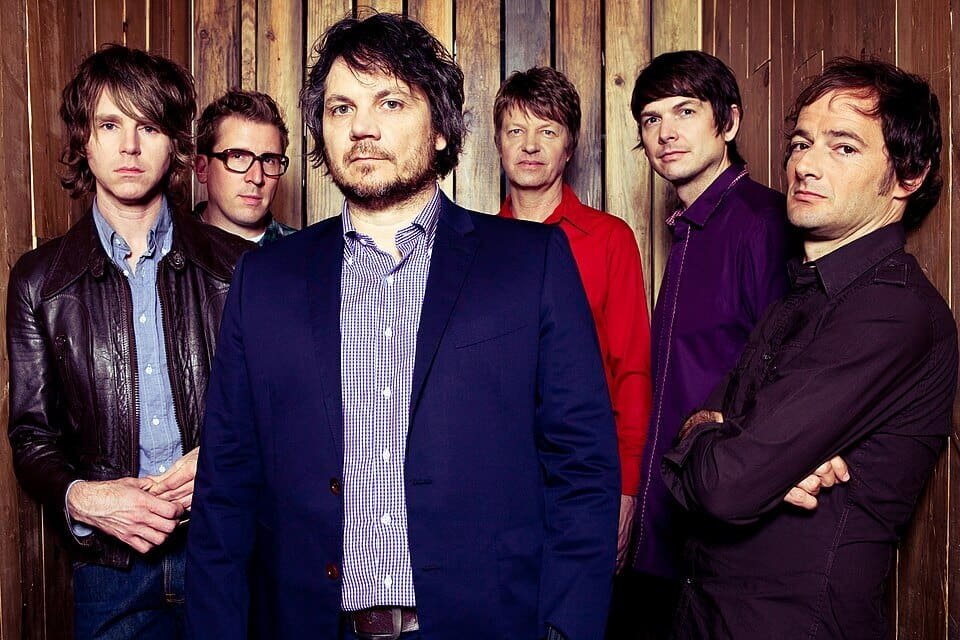
The Gamble: Releasing an experimental album so off-the-wall that your label drops you from their roster, then streaming it for free on your website, resulting in it becoming one of the most celebrated albums of the 21st century.
WILCO had constructed a devout following within alt-country with Being There and Summerteeth. Frontman JEFF TWEEDY started adding noise, loops, dissonant sounds, and ambient textures to their fourth album. REPRISE RECORDS flat-out rejected Yankee Hotel Foxtrot, deeming it commercially non-viable. Wilco was dropped from their roster. Wilco negotiated to reclaim the rights to the album. Reprise initially asked for $50,000, then ultimately let them go for free. Wilco streamed it for free via their website in 2001 — years before streaming became a legitimate means of distribution.
Ultimately, Yankee Hotel Foxtrot was released via NONESUCH RECORDS — ironically, another WARNER BROS. sub-label. Yankee Hotel Foxtrot debuted at number 13 on the Billboard 200 and is now generally regarded as one of the finest albums of the 2000s.
Wilco’s reinvention ranks here because losing their record contract was truly existential; however, the commercial scale remained relatively small compared to higher-ranked entries.
11. LADY GAGA; From Maximalist Pop to Jazz and Americana
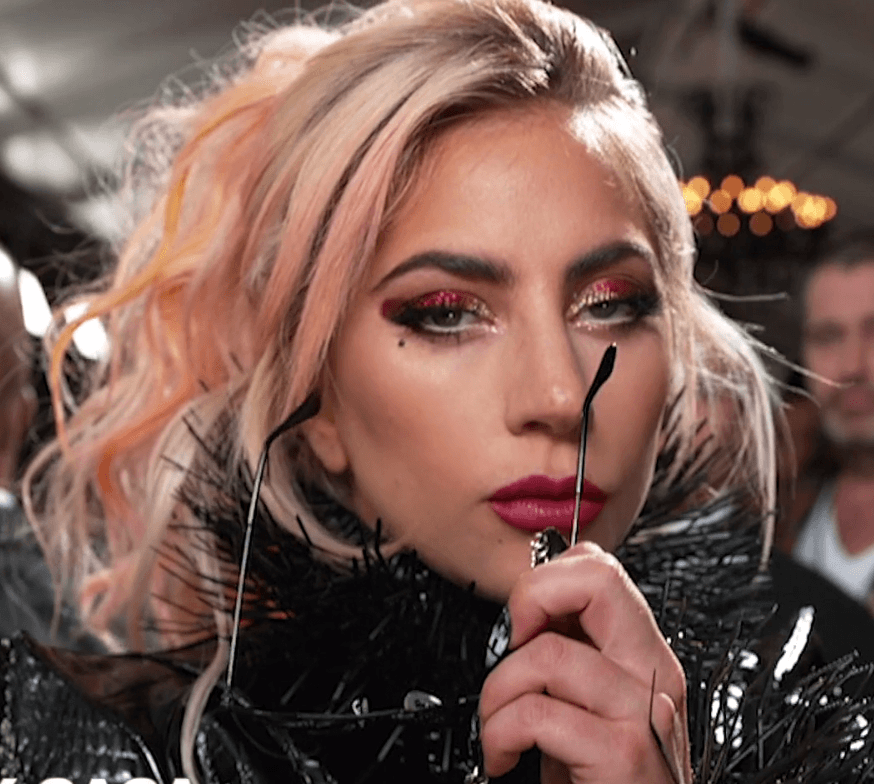
The Gamble: The woman who wore a meat dress and arrived at the Grammys inside an egg releases two full jazz albums with TONY BENNETT, as well as a country-folk album named after her deceased aunt.
From 2008 to 2013, LADY GAGA created one of the most elaborate visual pop experiences in history, generating tens of millions in revenue with The Fame, The Fame Monster, and Born This Way collectively.
Then she pivoted heavily. With Cheek to Cheek (Tony Bennett, 2014), she released an entire jazz standards album which debuted at number one on the Billboard 200 and won the Grammy for Best Traditional Pop Vocal Album. Joanne was her follow-up release in 2016, stripping away theatrical costumes and exploring Americana-infused rock.
What makes Lady Gaga’s reinvention unique is its multi-dimensional nature. She didn’t just change genres; she explored an array of musical styles including electronic pop (Chromatica). She even landed an Oscar nomination for acting (A Star Is Born).
Love for Sale (Tony Bennett, 2021) — Tony Bennett’s last album before he retired due to Alzheimer’s — provided additional emotional depth to a reinvention that many had questioned as merely a marketing ploy.
10. FLEETWOOD MAC; From British Blues to Pop-Rock

The Gamble: Replace your founding guitarist and visionary blues leader with two unknown California folk-rock musicians and abandon your entire genre identity.
FLEETWOOD MAC originated as a British blues band under PETER GREEN — arguably one of the greatest guitarists ever — and struggled to find success after he left the group due to deteriorating mental health. The remaining members cycled through lineups and sounds, failing commercially until MICK FLEETWOOD discovered LINDSEY BUCKINGHAM and STEVIE NICKS in late 1974. Buckingham and Nicks joined Fleetwood Mac after Fleetwood heard their demo tape at a studio.
Fleetwood Mac abandoned its blues sound entirely and formed a pop-rock supergroup. The self-titled Fleetwood Mac (1975) reached number one in the US. Then Rumours (1977); over 40 million copies sold worldwide; won the Grammy for Album of the Year and holds a permanent spot among the greatest-selling albums in history.
Fleetwood Mac’s transition from a niche British blues act to one of the best-selling acts in recorded history is virtually unmatched.
9. MADONNA; From Pop Maximalism to Electronic

The Gamble: The reigning Queen of Pop at her commercial peak decides to abandon mainstream pop and R&B altogether and adopt underground electronic music styles unfamiliar to nearly every American radio programmer.
By 1997, MADONNA had dominated pop music for 15 years. Any other artist at this juncture might have continued making refined pop records. Instead, she partnered with producer WILLIAM ORBIT and crafted Ray of Light (1998) — an album saturated in electronic, trance, and ambient styles with little precedent in mainstream American pop.
Ray of Light debuted at number two on the Billboard 200 and garnered four Grammy Awards, including Best Pop Album. Its title-track video became an MTV staple. Ray of Light has sold over 16 million copies worldwide. Two years later, Madonna collaborated with French producer MIRWAIS AHMADZAÏ on Music (2000), which further explored glitchy electronic styles and also debuted at number one.
Madonna’s electronic pivot ranks at number nine because it fundamentally shifted what mainstream pop could sound like and paved the way for the electronic-pop explosion at the end of the decade.
8. JOHNNY CASH; Nashville Exile to American Recordings
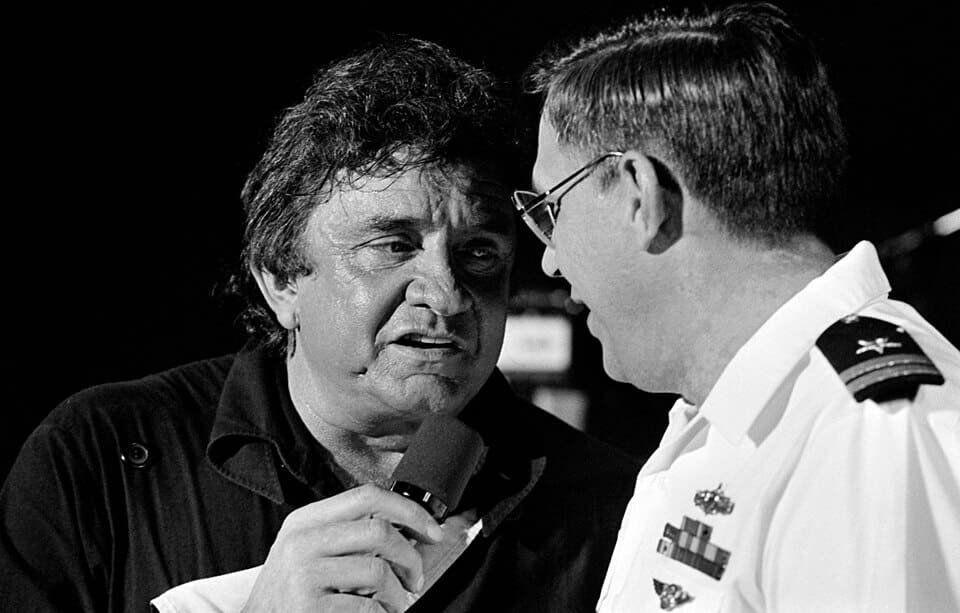
The Gamble: An icon who’d been dropped by his label, stricken with addiction, and nearly ignored by the industry signs with the BEASTIE BOYS‘ producer and records an acoustic guitar solo performance in a living room; stripped down to the bare essentials and nothing else.
JOHNNY CASH was dropped by Columbia Records in 1986 and later by Mercury Nashville. By the time RICK RUBIN called, Cash was 61 years old. Nashville had moved on.
That’s when Rick Rubin called. Rubin, best known for producing RUN-DMC, Beastie Boys, and SLAYER, signed Cash to his American Recordings label. The initial album, American Recordings (1994), consisted solely of Cash and his guitar. Not a single Nashville musician or producer was involved. This was the least amount of support Cash had received in decades. Yet American Recordings earned him the Grammy Award for Best Contemporary Folk Album in 1995. The subsequent five volumes of the American Recordings series earned him six more Grammys, giving him a total of 13 throughout his career. NINE INCH NAILS‘ “Hurt” appeared on American IV: The Man Comes Around; Cash’s cover became one of the most heartbreaking music videos ever produced, earning a Grammy nomination and extensive MTV airplay in 2003.
Cash’s transformation wasn’t a stylistic shift. It was simply stripping back everything to the point where there was only his voice and the truth left. A man once regarded as a fading legend became one of the most relevant artists of his final decade.
7. KANYE WEST; Chipmunk Soul to Autotune Heartbreak
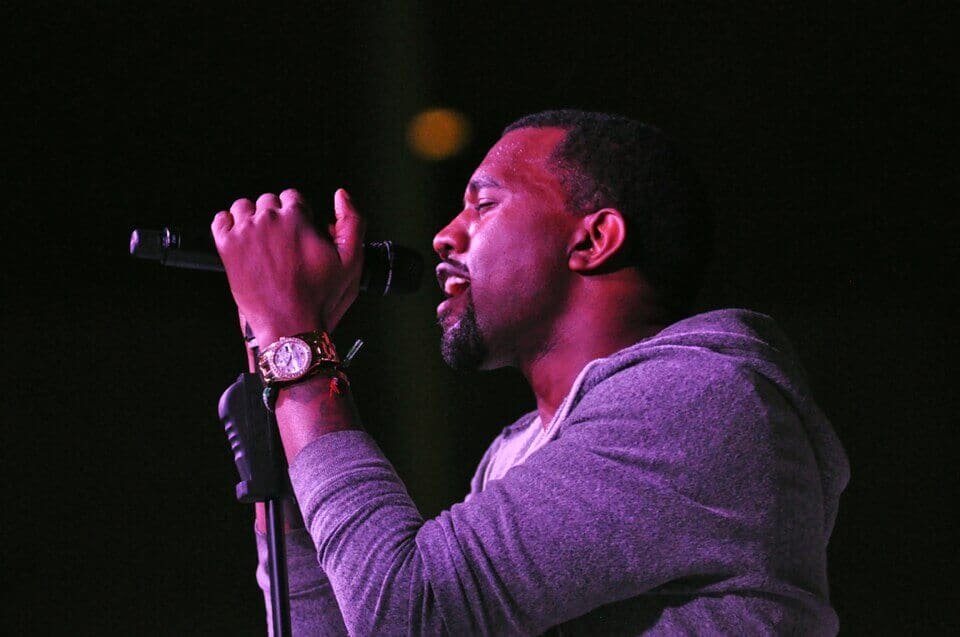
The Gamble: Immediately after creating the biggest album of his career, respond to personal devastation by abandoning rap entirely in favor of a singing-only album built on Auto-Tune and an 808 drum machine.
Graduation (2007) sold 957,000 copies in its first week; the largest opening of any album that year. KANYE WEST was the undisputed commercial king of hip-hop. Then tragedy struck. His mother, DONDA WEST, died from complications following cosmetic surgery in November 2007. Shortly thereafter, his long-term girlfriend ALEXIS PHIFER broke up with him.
Instead of making another version of Graduation, Kanye created 808s & Heartbreak (2008), which completely departed from traditional rapping. It included almost exclusively Auto-Tuned vocals and used only a ROLAND TR-808 drum machine, along with lyrics concerning loss, loneliness, and emotional vulnerability. While some critics praised 808s & Heartbreak, others ripped it apart. Although it opened at number one on the Billboard 200 with 450,000 units — a number that would normally have caused excitement — it still represented a significant drop from Graduation‘s massive opening week. Many fans felt Kanye was abandoning the very style that had brought him such monumental success.
Time, however, has given 808s & Heartbreak far greater recognition than it received at release. Today, it is considered one of the most influential hip-hop records of the 21st century. Its sonic DNA runs through DRAKE‘s entire career, KID CUDI‘s debut, THE WEEKND‘s early mixtapes, and the emo-rap movement that dominates streaming platforms.
6. TAYLOR SWIFT; Country to Pop
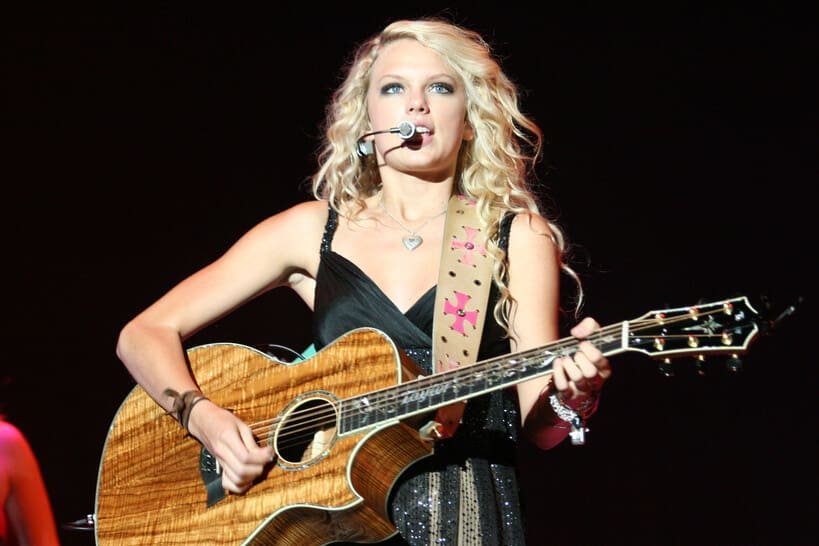
The Gamble: Publicly declare your exit from the genre you’ve established yourself in and bet your entire career on a pop album that your label doesn’t believe in.
TAYLOR SWIFT didn’t quietly slip into pop. She announced it publicly. She made a Yahoo livestream announcement standing atop the EMPIRE STATE BUILDING, declaring that “1989 would be her first documented, official pop album”. She told Billboard: “I followed my gut instinct and tried not to think about how hard it would be to break it to country radio… I didn’t want to break anyone’s heart.”
Taylor Swift’s gamble paid off on a level that changed how we measure the commercial potential of pop albums. 1989 opened with 1.287 million copies sold in its first week; the highest opening-week sales since EMINEM‘s The Eminem Show (2002). 1989 spent 11 weeks at number one on the Billboard 200. It produced three number-one singles on the Billboard Hot 100; “Shake It Off,” “Blank Space,” and “Bad Blood.” It won Album of the Year at the 58th Grammy Awards. It has sold over 10.8 million copies in the US and is certified Diamond by the RIAA.
Swift’s reinvention ranks at six because she already possessed crossover appeal prior to 1989. Her ability to sell pop-leaning albums existed before this release. What makes her reinvention truly remarkable is not necessarily that she left country behind; it was that she made the declaration surrounding the transition as big as the transition itself, transforming a change in genre into a cultural phenomenon.
5. BEYONCÉ; Pop to Visual Art to Dance to Country
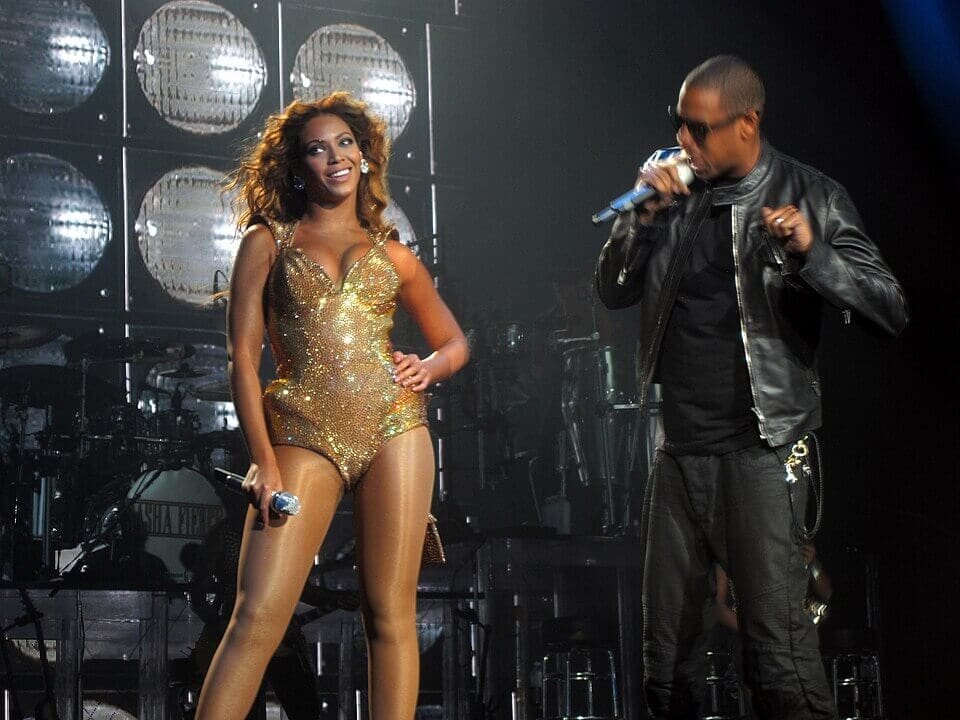
The Gamble: Successively destroy successful formulas; surprise-release a visual album without singles; pivot to politically charged art-pop; make a complete house music record; then release a country album as a Black woman in a genre notorious for excluding Black women.
BEYONCÉ has reinvented herself so many times that reinvention itself has become her brand. In December 2013, she suddenly released her self-titled album with zero advance notice; no singles, no publicity, no warnings. In three days on iTunes alone, she sold 828,773 copies, setting a record for first-week iTunes sales. Lemonade, released in 2016, blended various styles from rock to country to spoken-word poetry, initially appearing as an HBO special before landing on streaming platforms.
In 2022, Renaissance saw Beyoncé fully abandon everything she had built for a full dance-music record based on house, disco, and Afrobeats. It debuted at number one on the Billboard 200 with 332,000 units and won the Grammy for Best Dance/Electronic Music Album. Then Cowboy Carter in 2024 debuted at number one on both the Billboard 200 and Top Country Albums with 407,000 units, making Beyoncé the first Black woman to top the country album chart.
Beyoncé ranks fifth because her sheer quantity and diversity of reinventions are unmatched by any living artist. Each presented substantial commercial risk, and each one succeeded.
4. RADIOHEAD; Guitar Rock to Electronic Experimentation
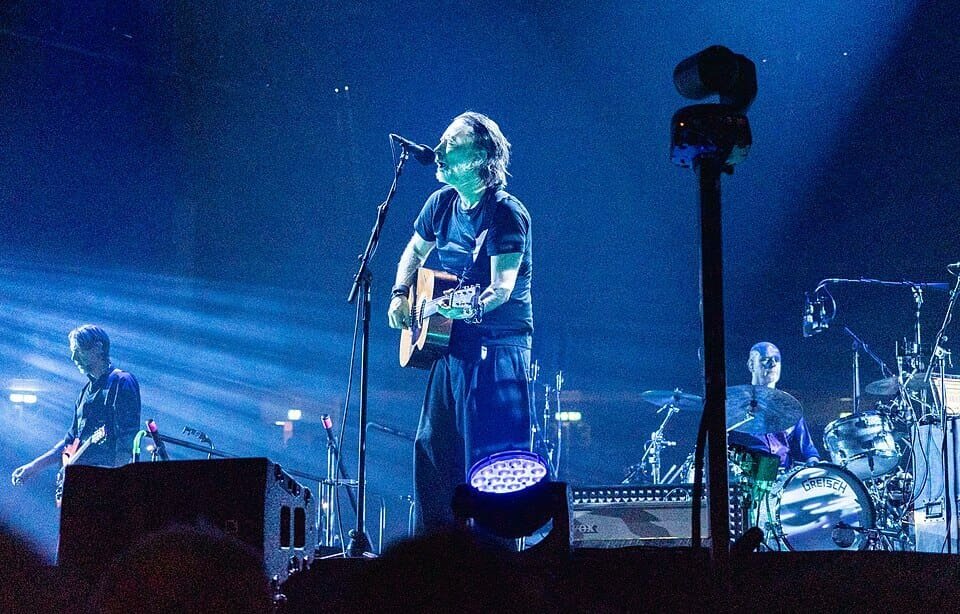
The Gamble: Follow arguably the greatest guitar-rock album of the late 1990s with an album containing virtually no guitars and no singles, and refuse to tour it using conventional methods.
RADIOHEAD‘s OK Computer (1997) sold over 4.5 million copies worldwide and ranks among the greatest albums ever recorded according to ROLLING STONE, PITCHFORK, and numerous other lists. The obvious next step was expanding upon the guitar-rock sound of OK Computer.
However, Kid A (2000) emerged as nearly a complete opposite of anything OK Computer embodied. Built on WARP RECORDS-inspired electronica and Krautrock-style rhythms, and featuring increasingly abstracted vocals from lead singer THOM YORKE, Kid A was an entirely different kind of album. Rather than releasing singles, Radiohead utilized an innovative internet-based marketing campaign, releasing “blips” (short video clips) online months prior to the album’s release.
Kid A became Radiohead’s first number-one album in the United States. It won the Grammy for Best Alternative Music Album. Rolling Stone ranks it among the all-time greatest albums. Pitchfork gave it a perfect 10.0.
Radiohead’s move ranks at four because they not only changed their musical direction; they abandoned the commercial logic of rock music itself and were rewarded for it.
3. MILES DAVIS; From Acoustic Jazz to Electric Fusion
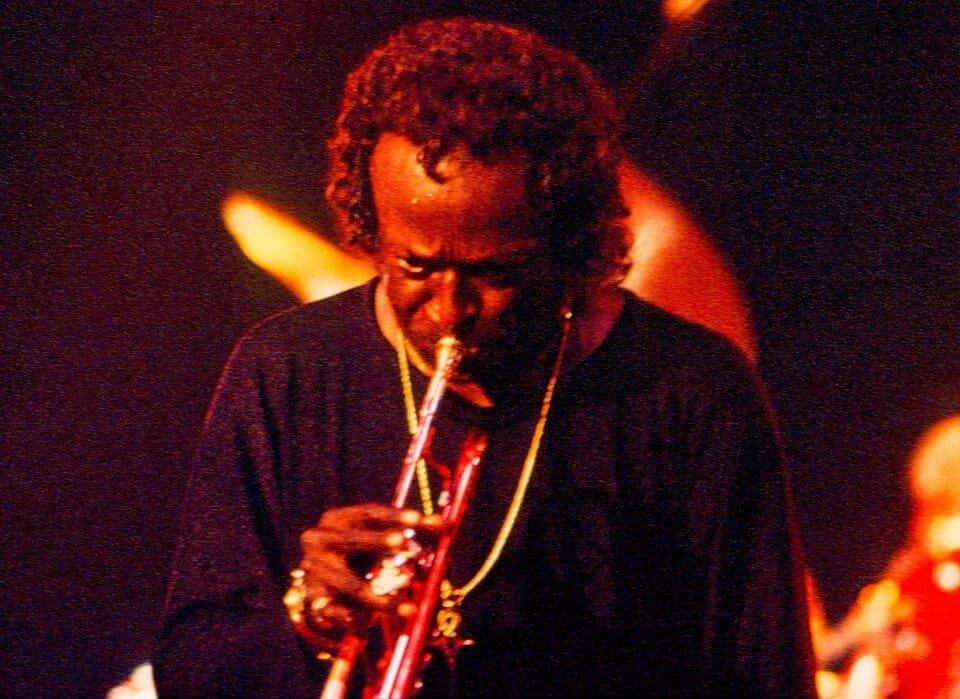
The Gamble: The most respected figure in jazz plugs in electric instruments, hires rock musicians, and records an album so confrontational that jazz purists accuse him of selling out while rock fans have no framework to process what they are hearing.
In the late 1960s, MILES DAVIS had already reinvented jazz multiple times — pioneering cool jazz, modal jazz, and the second great quintet. At 43, Davis was arguably the greatest trumpeter in the world. After listening to JIMI HENDRIX, SLY STONE, and JAMES BROWN, he decided to tear down everything he had built.
Bitches Brew was recorded over three days in August 1969 with an ensemble featuring electric piano, electric bass, electric guitar, and multiple drum kits. Released in March 1970, the result was a volcanic double album that fit no existing genre category. It won the Grammy for Best Large Jazz Ensemble Album in 1971. It became Davis’s first gold-certified record in 1976 and was certified Platinum by the RIAA in 2003 after surpassing one million copies sold; a tremendous feat for any jazz record.
Davis’s reinvention ranks at three because the stakes were the highest of any pivot in jazz history, the backlash was vicious, and his music from the electric period has continued to influence funk, ambient, electronic, and hip-hop producers for more than five decades.
2. DAVID BOWIE; Failed Folk Singer to Ziggy Stardust (and Beyond)
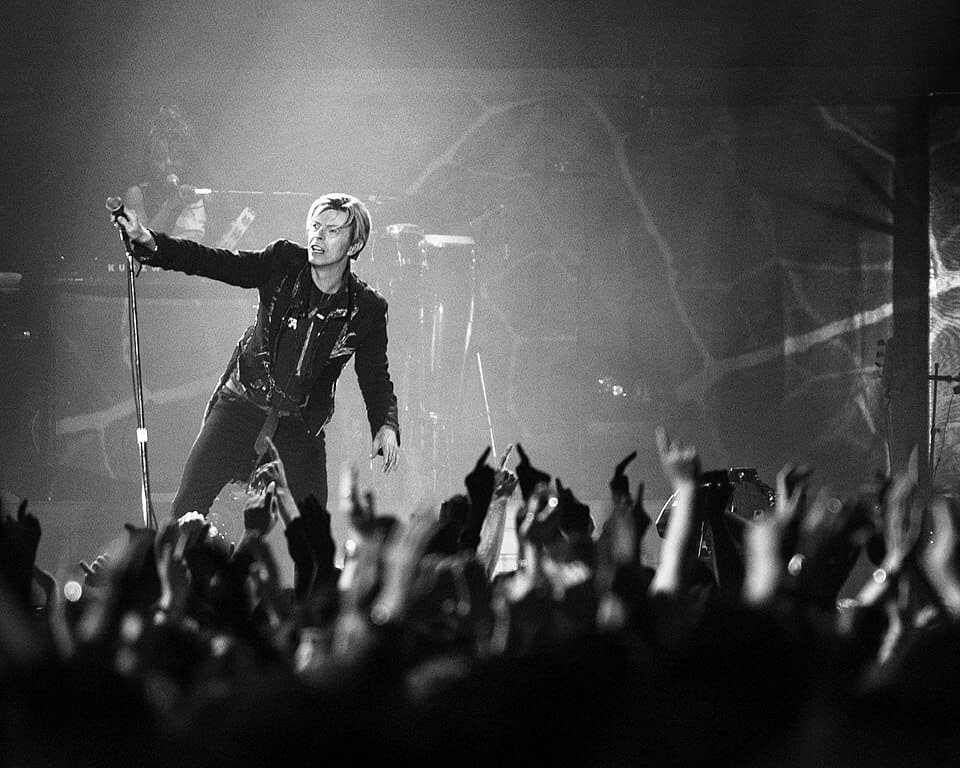
The Gamble: A commercially irrelevant folk-rock singer creates an androgynous alien rock-star persona, kills that persona at the height of its popularity, and then reinvents himself at least five more times across the next four decades.
Before Ziggy Stardust, DAVID BOWIE was a struggling artist. Beyond one novelty hit (“Space Oddity” in 1969), he had several albums that failed to generate commercial success. In 1972, he developed Ziggy Stardust; a flamboyant, androgynous alien rock star; and released The Rise and Fall of Ziggy Stardust and the Spiders from Mars. The album peaked at number five on the UK Albums Chart and transformed Bowie from an unknown folk act into an international icon.
What makes Bowie the second-greatest reinvention in music history is what occurred after Ziggy. He killed the character at the Hammersmith Odeon in July 1973 — at the height of its popularity — and evolved into the Thin White Duke. He then made the Berlin Trilogy (Low, “Heroes,” Lodger) with BRIAN ENO; three albums of experimental art-rock and ambient electronic music now considered among the most important records of the 1970s. He shifted toward commercial pop with Let’s Dance in 1983, selling over 10 million copies. Then he recorded drum and bass. Then industrial rock. Then he disappeared for a decade and returned with Blackstar in 2016; a jazz-influenced art-rock masterpiece released two days before his death.
Bowie ranks second because he did not reinvent himself once. He made reinvention the entire point of being an artist.
1. BOB DYLAN; Folk Acoustic to Electric Rock
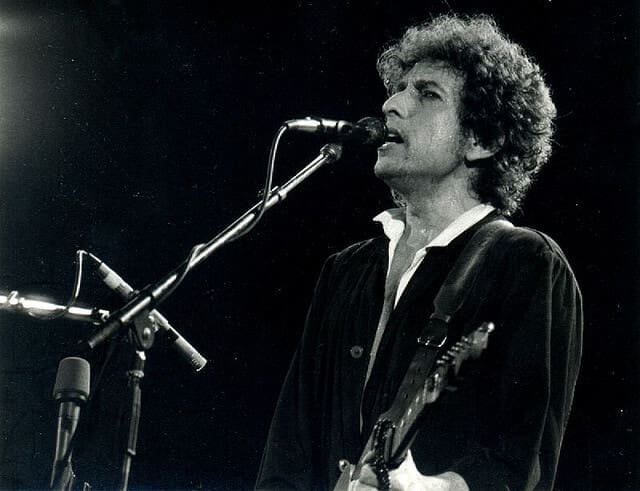
The Gamble: The most important voice of a political generation plugs in an electric guitar at the Newport Folk Festival in 1965 and watches his own audience boo him off the stage.
No reinvention in music history carries greater historical weight than BOB DYLAN going electric. On July 25, 1965, Dylan took the stage at Newport with a FENDER STRATOCASTER and a backing band. The folk community; the audience that had anointed him their spokesman; was outraged. Accounts from the time describe booing and shouting from the crowd, as well as legendary folk musician PETE SEEGER reportedly threatening to cut the power cables with an axe.
Dylan apologized for nothing. He retreated nowhere. He released Highway 61 Revisited in August 1965 — widely considered one of the greatest rock albums ever made — and then Blonde on Blonde in 1966, rock’s first major double album. His subsequent 1966 world tour with THE HAWKS (later The Band) was met with nightly heckling from folk purists. At a concert in Manchester, an audience member shouted “Judas!” Dylan responded by telling his band to “play it f***ing loud.”
Dylan ranks number one because his reinvention did not merely change his own career. It changed music itself. The collision of folk lyricism with electric rock instrumentation created the template for virtually every singer-songwriter tradition that followed, from BRUCE SPRINGSTEEN to JONI MITCHELL to Radiohead. Sixty years later, the Rock & Roll Hall of Fame library says that “the course of popular music was changed forever.”
Quick Reference Summary Table; The 15 Biggest Sound Reinventions in Music History
| Rank | Artist | Sound Before | Reinvention Move | Verified Pivot Proof | Legacy Snapshot |
|---|---|---|---|---|---|
| 15 | POST MALONE | Streaming-era hip-hop and melodic rap hitmaker | Went full country on F-1 Trillion with Nashville players and country-star duets | F-1 Trillion debuted at No. 1 on the Billboard 200 with 250,000 equivalent album units; the second-biggest country week of 2024 | A commercially dominant crossover that proved a mainstream rap star could execute a full-scale country pivot |
| 14 | MILEY CYRUS | Disney-channel pop phenomenon and shock-pop provocateur | Moved through psychedelic detours into durable glam-rock and adult pop-rock on Plastic Hearts and beyond | “Flowers” reached 1 billion Spotify streams in 112 days; a platform record at the time | Turned unstable post-Disney reinvention into a lasting mainstream identity with real catalog durability |
| 13 | LIL NAS X | No established lane; internet-native unknown with no proven formula to protect | Created a country-trap hybrid that forced the industry to argue over genre boundaries in public | “Old Town Road” spent 19 weeks at No. 1 on the Billboard Hot 100 after Billboard removed it from Hot Country Songs | A low-infrastructure breakthrough that changed the genre conversation more than most superstar pivots ever do |
| 12 | WILCO | Critically respected alt-country band with a devoted niche audience | Pushed into noise, loops, dissonance, and experimental rock on Yankee Hotel Foxtrot | Reprise rejected the album, dropped the band, and ultimately let the rights go; Wilco then streamed it free online before release | A near-existential label fallout became one of the defining prestige-album stories of the 2000s |
| 11 | LADY GAGA | Hyper-theatrical maximalist pop superstar | Pivoted into jazz standards, Americana-inflected rock, and later multiple parallel prestige lanes | Cheek to Cheek debuted at No. 1 on the Billboard 200 and won the Grammy for Best Traditional Pop Vocal Album | Expanded reinvention from a single genre switch into a multi-platform proof of artistic range and durability |
| 10 | FLEETWOOD MAC | British blues outfit built around Peter Green | Rebuilt the band around Lindsey Buckingham and Stevie Nicks and abandoned blues for polished pop-rock | Fleetwood Mac hit No. 1 in the U.S.; Rumours sold over 40 million copies worldwide and won Album of the Year | One of the largest stylistic and commercial expansions any rock band has ever completed |
| 9 | MADONNA | Mainstream dance-pop and R&B titan at full commercial power | Turned toward electronic, trance, ambient, and glitch-pop textures with Ray of Light and Music | Ray of Light won four Grammys and sold over 16 million copies worldwide; Music also debuted at No. 1 | Helped reset what late-1990s and early-2000s mainstream pop could sonically absorb |
| 8 | JOHNNY CASH | Country legend pushed out of the industry mainstream | Stripped everything back with Rick Rubin on the American Recordings series | Cash was dropped by Columbia in 1986; by the time Rubin called he was 61; the six-part American Recordings run restored his stature | A late-career purge of polish that turned near-obsolescence into one of music’s great final-act revivals |
| 7 | KANYE WEST | Triumphant chipmunk-soul architect and rap blockbuster auteur | Abandoned conventional rap dominance for Auto-Tuned grief and 808 minimalism on 808s & Heartbreak | Graduation opened with 957,000 first-week copies; 808s & Heartbreak still debuted at No. 1 with 450,000 units despite backlash | Its emotional and sonic blueprint runs through Drake, Kid Cudi, The Weeknd, and the emo-rap era |
| 6 | TAYLOR SWIFT | Country-pop superstar already flirting with crossover | Publicly declared a clean switch into pop with 1989 | 1989 opened with 1.287 million copies, spent 11 weeks at No. 1 on the Billboard 200, and produced three Hot 100 No. 1s | Turned a genre move into a culture-wide event and redefined the ceiling for modern pop blockbuster albums |
| 5 | BEYONCÉ | Traditional pop-stardom playbook built on rollout logic and hitmaking certainty | Repeatedly detonated her own formulas across visual albums, political art-pop, house music, and country | Her self-titled album sold 828,773 iTunes copies in three days; Cowboy Carter opened with 407,000 units and made her the first Black woman to top Top Country Albums | No living artist has normalized high-risk reinvention at this scale, this often, and with this level of commercial control |
| 4 | RADIOHEAD | Canonical late-1990s guitar-rock band after OK Computer | Pivoted into synth-led abstraction and anti-rock marketing with Kid A | Kid A became Radiohead’s first No. 1 album in the United States and was rolled out through internet-era “blips” rather than normal singles | Proved that radical left turns could win commercially without surrendering experimental ambition |
| 3 | MILES DAVIS | The defining acoustic jazz modernist of his era | Plugged in and built electric fusion with rock instrumentation on Bitches Brew | Bitches Brew won the Grammy for Best Large Jazz Ensemble Album and later passed one million copies sold in the U.S. | The highest-stakes sonic break in jazz history; a backlash-heavy move that permanently changed multiple genres |
| 2 | DAVID BOWIE | Commercially inconsistent folk-rock aspirant with one novelty-sized breakthrough | Invented Ziggy Stardust, killed the persona at its peak, then kept mutating through soul, Berlin art-rock, pop, industrial, and beyond | Ziggy Stardust peaked at No. 5 in the UK; Let’s Dance sold over 10 million copies; Blackstar arrived two days before his death | Made reinvention itself the core artistic method rather than a one-time rescue mission |
| 1 | BOB DYLAN | Acoustic folk spokesman for a political generation | Went electric at Newport and fused folk lyricism with full rock force | On July 25, 1965, Dylan played Newport with a Fender Stratocaster, was booed, and later answered the Manchester “Judas!” heckle with “play it fing loud” | The single most historically consequential reinvention here; it changed not just a career but the future vocabulary of popular music |
Frequently Asked Questions
Which artist has reinvented their sound the most times? DAVID BOWIE far exceeds all others with multiple complete sonic reinventions. Over a career spanning 49 years (1967–2016), he moved from folk to glam rock, to soul (“Young Americans”), to experimental art-rock and ambient electronic music (the Berlin Trilogy), to mainstream pop (Let’s Dance), to drum and bass, to industrial rock, and finally to avant-garde jazz-rock (Blackstar). No other artist on this list developed as many distinct stylistic identities.
Was TAYLOR SWIFT supported by her record label when switching from country to pop? Swift has said her label, BIG MACHINE RECORDS, was hesitant. As she told Billboard: “I followed my gut instinct and tried not to think about how hard it would be to break it to country radio… I didn’t want to break anyone’s heart.” Her decision proved correct after 1989 sold 1.287 million copies in its first week.
Why is BOB DYLAN going electric ranked above DAVID BOWIE? While Bowie executed more reinventions and arguably faced personal artistic risk each time, Dylan’s single pivot in 1965 fundamentally altered the trajectory of popular music itself. It created the template that almost every subsequent rock and folk-rock tradition would follow. Bowie changed how artists think about identity; Dylan changed the sonic language of an entire art form.
What was the biggest commercial disappointment among these reinventions? Yankee Hotel Foxtrot by WILCO was completely rejected by its label and resulted in the band being dropped from Reprise Records. American Recordings by JOHNNY CASH also had relatively modest initial sales. However, both have become critically important milestones that redefined the legacy of those artists.
Is KANYE WEST’s 808s & Heartbreak really that influential? The evidence is overwhelming. DRAKE, KID CUDI, THE WEEKND, TRAVIS SCOTT, JUICE WRLD, and virtually the entire emo-rap generation cite this work directly, marking the shift in hip-hop from braggadocio to vulnerability. Kanye told The New York Times that the album “redefined the sound of radio,” marking the shift in hip-hop from braggadocio to vulnerability.
Are there other artists who tried reinventing their sound but failed? Yes. For every successful reinvention, there are dozens that backfire. GARTH BROOKS‘ rock alter ego CHRIS GAINES confused audiences so severely that the album underperformed relative to his country sales. LIL WAYNE‘s rock album Rebirth met with widespread criticism. Not every gamble pays off; which is precisely what makes the ones on this list remarkable.
This content is for informational and entertainment purposes only. Chart data, sales figures, and streaming numbers are sourced from the most authoritative available records as of April 2026 and are subject to change.