


$5.3 billion in recalled phones. $1.75 billion burned in six months on a streaming app nobody remembers. A $400 juicer defeated by bare hands. A luxury music festival that served cheese sandwiches in styrofoam. A window designed to be unbreakable, shattered twice on live television while Elon Musk stood next to it. None of them failed because the companies were stupid; they failed because the companies believed their own story more than they believed their customers.
Every product launch is a gamble. Companies spend tens of millions — sometimes tens of billions — on R&D, marketing, and logistics. Then, it takes the stage, sends out a press release, posts a YouTube video, and waits for the world to applaud. Most of the time, it works. Occasionally, a phone catches fire on a flight. What follows are the 15 worst product launch fails of all time — and some of the funniest product launch disasters ever documented.
The 15 examples listed here are not quiet boardroom embarrassments or unspoken internal missteps. There are many such examples. These examples illustrate failed products and campaigns that shipped, launched, and aired, only to implode publicly before the entire internet, media outlets, and in some instances, the United States Federal Aviation Administration. Financial losses varied enormously; so did career consequences. One example resulted in a man spending six years in a federal prison. All of the examples are now legendary.
These examples share a common thread — not incompetence. Many of these products were developed by the most innovative companies on Earth. What they share is the gap between what each company believed its product represented and what customers actually experienced — whether opening a package, downloading an app, or landing in the Bahamas.
1. Samsung Galaxy Note 7 — The Phone That Caught Fire {#samsung}
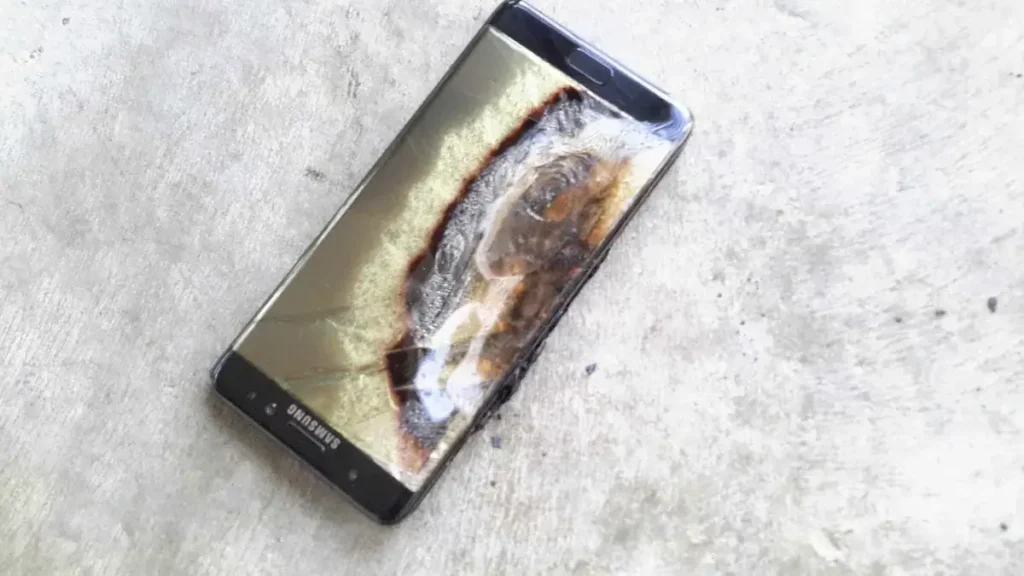
Damage: $5.3 billion minimum direct loss; maximum potential lost sales may exceed $17 billion.
The most visceral consumer product failure in recent memory is a cellphone that explodes in your pocket.
The Samsung Galaxy Note 7 was released globally in August 2016 to positive reviews and large pre-orders. It was positioned as Samsung’s premium alternative to Apple’s iPhone 7, featuring a stunning curved screen, iris scanner, and waterproof construction. About two weeks passed before problems arose.
Then cellphones started burning.
On September 2, 2016, Samsung announced a global recall of approximately 2.5 million Note 7 units due to defective batteries. Thirteen days later, on September 15, the U.S. Consumer Product Safety Commission officially recalled the Note 7. During that same period, Samsung received 92 reports of battery overheating in the United States alone. Twenty-six people suffered burns, and fifty-five others reported property damage from overheating Note 7 batteries.
Replacement Note 7s were provided. Those burned as well.
By October of that year, the situation had grown dire enough that the FAA and all airlines prohibited carry-on Note 7s from all flights. Passengers were warned against turning on, charging, or placing their Note 7s in checked bags during travel. Prior to each flight, flight attendants would announce that the Galaxy Note 7 had been identified as a hazardous material.
On October 11, 2016, Samsung permanently discontinued production of the Note 7. Subsequent investigations revealed that both battery manufacturers had produced defective cells that caused short circuits and thermal runaway.
Direct costs of the global recall exceeded $5.3 billion. Lost revenue may reach $17 billion when accounting for the Note 7’s full projected sales volume.
Vibe List View: While Samsung survived this ordeal — its supply chain and product portfolio were healthy enough to absorb the shock — “Samsung” and “fire” became inseparable in 2016 news coverage. The Galaxy Note 7 remains the definitive symbol of a product launch that went catastrophically, physically wrong.
2. Tesla Cybertruck Armor Glass Demo — The Window That Didn’t Hold {#cybertruck}
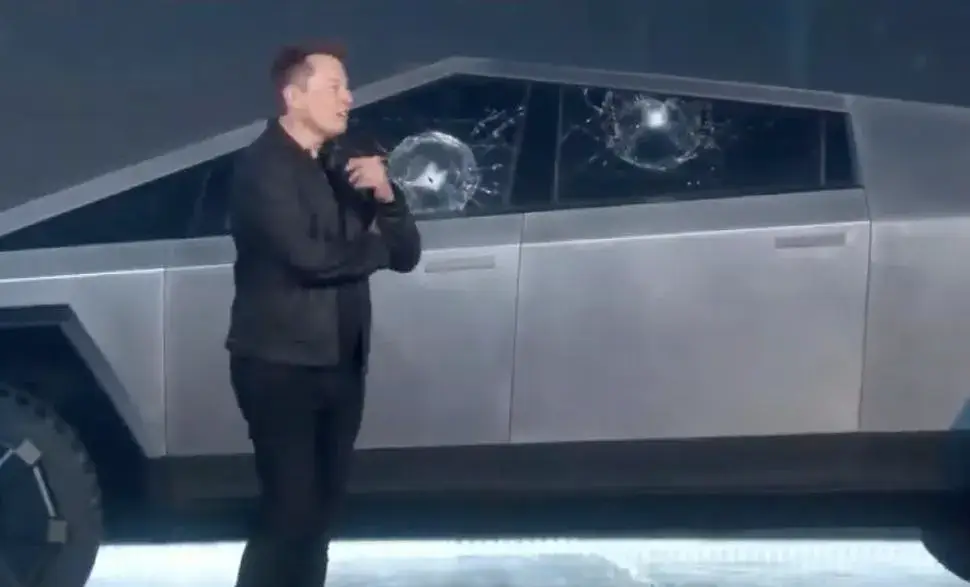
Damage: Humiliation; temporary drop in stock price; months’ worth of memes online; one of the most iconic Cybertruck window fail moments in tech history
Tesla’s Cybertruck was unveiled on November 21, 2019, at Tesla Design Studio in Hawthorne, CA. The futuristic-looking truck featured an angular body with stainless steel construction. From the moment of its unveiling, the Cybertruck’s angular appearance divided opinion.
During a durability demonstration, Tesla chief designer Franz von Holzhausen smashed a sledgehammer into the Cybertruck’s door panels. The panels held fast through each strike — until von Holzhausen threw a metal ball at the driver’s-side window to demonstrate the strength of Tesla’s “Armor Glass.” The ball broke the window.
On stage, Elon Musk stated: “Room for improvement.” Next, he asked von Holzhausen to attempt breaking the rear window with another metal ball. Like the first shot, the second shattered as well. For the rest of the presentation, Musk stood next to the damaged Cybertruck, its broken windows visible to everyone in the room and online.
Musk later addressed the incident on X (then Twitter), attributing the failure to prior stress testing on the glass before the live demo.
Franz von Holzhausen stated in a 2025 interview with Tesla Club Austria that he had thrown the ball at the windows “multiple times right before we went live on the stage” and called it “Murphy’s law.” He added: “The ball didn’t go through the window, so you know, you’re still safe.”
Vibe List Takeaway: Not long after the incident, Tesla began selling $45 Cybertruck t-shirts depicting the broken windshield. Von Holzhausen now describes it as “a great marketing opportunity.” Perhaps correctly so — this became one of the most-watched product demos of the past decade, drawing more attention than any successful glass test ever could. Sometimes the best ad is simply a spectacular failure.
3. Fyre Festival — The Luxury Music Festival That Was Really Just a Cheese Sandwich {#fyre}

Damage: Over $26 million lost from investors and ticket holders; six years federal prison sentence; two documentary films; one photograph of a cheese sandwich — the definitive Fyre Festival disaster
Billy McFarland promised to create a luxury music festival on a remote private island in the Bahamas. Models like Kendall Jenner, Bella Hadid, and Emily Ratajkowski filmed promotional videos on boats and beaches for Fyre. Prices for tickets ranged from about $500 to $12,000+ for VIP packages. Promotional materials depicted luxury villas, gourmet food, headline musicians, and an exclusive experience on an island formerly owned by Pablo Escobar.
When attendees arrived in April 2017, what they found bore no resemblance to what McFarland had promised. Fyre Festival attendees found disaster-relief tents instead of luxurious villas. Instead of gourmet meals, attendees were photographed eating slices of processed cheese in styrofoam containers. Concerts were canceled. Luggage was unloaded from cargo ships under cover of darkness. Chaos ensued among hundreds of festival-goers scrambling for sleeping pads and food.
FBI investigators found that Billy McFarland had presented false financial data to Fyre Media and Fyre Fest investors. McFarland lied about having secured an investment from a VC firm; in truth, that firm had never invested in his company. McFarland also falsely claimed to have obtained concert cancellation insurance for Fyre Fest — he hadn’t.
According to FBI Special Agent Matthew Taylor, McFarland defrauded at least eighty investors out of over twenty-four million dollars.
On October 25, 2018, McFarland pleaded guilty to wire fraud and was sentenced to six years in federal prison. He was ordered to forfeit twenty-six million dollars. Netflix and Hulu simultaneously released competing documentaries detailing how Fyre Fest ended up failing in January 2019.
Vibe List Takeaway: Fyre Fest was not merely a failed product launch; it demonstrated how easily social media fame can replace logistical expertise, planning, and an existing product. The cheese sandwich photograph is probably one of the most frequently shared images online today.
4. Theranos — The Blood Test That Never Worked {#theranos}

Damage: The disappearance of a $9 billion company valuation; 135 months (approximately eleven years and three months) in federal prison for its founder; unquantifiable harm to public health
At nineteen, Elizabeth Holmes dropped out of Stanford to build Theranos — a company promising portable devices that could run hundreds of blood tests from a single finger prick. If successful, Theranos would have revolutionized the seventy-five-billion-dollar annual blood testing industry. By age thirty-one, Holmes had amassed an estimated net worth of approximately $4.5 billion, based upon her 50% ownership stake in Theranos at its peak valuation of $9 billion. Investors included Rupert Murdoch, the Walton family, and DeVos family members. Theranos’s board included two former U.S. Secretaries of State: Henry Kissinger and George Shultz.
Unfortunately for Holmes and Theranos, the technology didn’t perform as advertised.
On October 16, 2015, journalist John Carreyrou published a Wall Street Journal investigation revealing that Theranos ran only a small fraction of its tests on the proprietary Edison machines — the rest were processed on conventional third-party lab equipment. Further evidence showed that patients at Theranos-operated Walgreens clinics had received inaccurate test results.
The U.S. Department of Justice indicted Holmes on wire fraud and conspiracy charges for misleading investors about the Edison’s capabilities.
After three and a half years of legal proceedings, Holmes was convicted on four counts in January 2022. She was sentenced to 135 months (approximately eleven years and three months) imprisonment on November 18, 2022, for deceiving investors.
Vibe List Takeaway: This is potentially the worst example on this list because actual patients received incorrect lab results — errors that could directly affect medical decisions. Most failed product launches result in monetary loss and embarrassment for those responsible. Theranos is the rare case where a product failure may have directly harmed patients.
It also serves as a warning: a captivating founder narrative — Stanford dropout, Steve Jobs-style black turtleneck, promises of disruption — can distract investors from asking basic questions about whether the product actually works.
5. Google Glass — The Future Nobody Wanted to Wear {#googleglass}
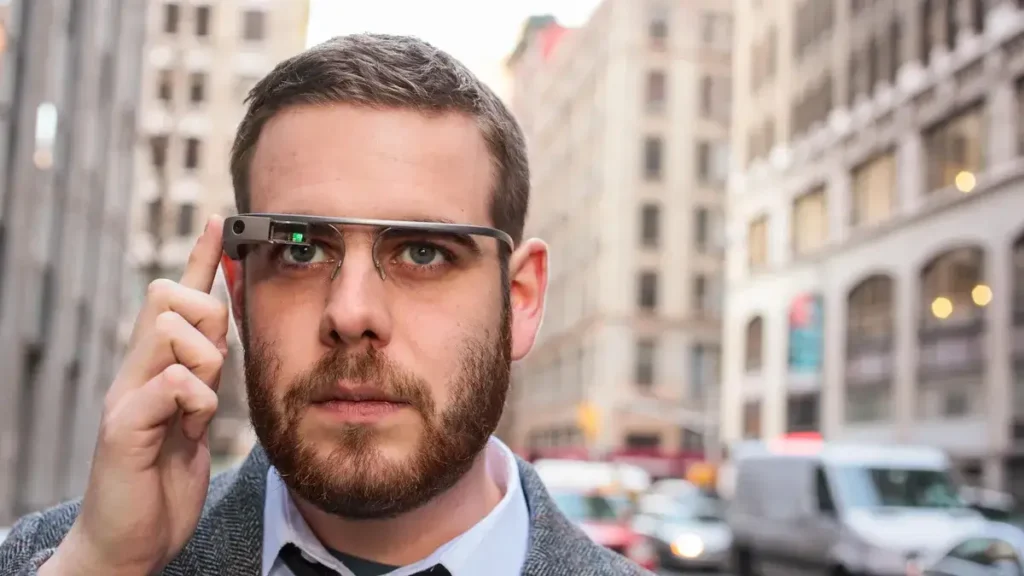
Damage: An expensive product ruined by social stigma; added a new word (“Glasshole”) to the English language; provided an illustrative case study on how to roll out technology before societal readiness
Google announced Glass in June 2012 and sold initial units (Explorer Edition) to selected developers and enthusiasts beginning July 2013, priced at $1,500 apiece. Google envisioned Glass as a prototype version of wearable computing.
The general public reacted very differently than anticipated. People wearing Google Glass in public were ridiculed, hassled, and in some cases physically confronted. At least one San Francisco bar banned Google Glass wearers before the product was even commercially available. Within weeks, “Glassholes” became the go-to insult for anyone spotted wearing Google Glass, spreading quickly through tech press and mainstream media.
It wasn’t that the technology itself didn’t function properly; it was social discomfort that doomed it. People wearing Google Glass — with its camera always potentially recording — made everyone around them uneasy about their privacy. You cannot necessarily tell if someone is taking pictures with their smartphone, but with Google Glass, the camera is constantly there, always observing, always ambiguous.
Variety reported that Google stopped selling Explorer Edition units on January 20, 2015. Shortly thereafter, Google pivoted Glass toward enterprise clients — factory floors, warehouses, logistics — sidestepping the public-facing backlash entirely.
Vibe List Takeaway: Although Google Glass was technologically advanced, socially it was ill-suited for current societal anxiety levels concerning surveillance and privacy. Launching technology requires two kinds of engineering: building something that works, and making sure society is ready for it.
6. Segway — The Device That Was Supposed to Be Bigger Than the Internet {#segway}
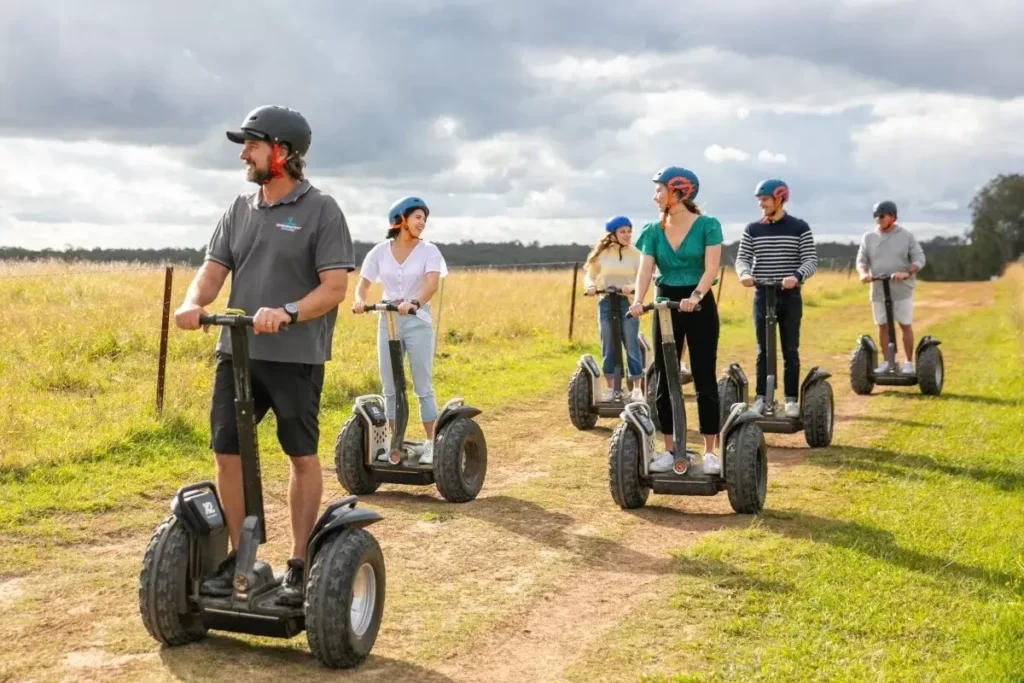
Damage: More than $100 million in research and development investments went toward a product that became a joke; the founder of the company died riding one of them
Segway was the product of probably the most extreme pre-launch hype cycle ever seen in tech. Before it hit the market, investor John Doerr estimated it would generate $1 billion in sales faster than any other startup; inventor Dean Kamen predicted the company would sell 10,000 units per week by the end of 2002. There were rumors that cities would be designed around Segways.
The Segway was unveiled live on Good Morning America in December 2001. It was a self-stabilizing, electric-powered scooter that weighed around 65 pounds and cost roughly $5,000 — the price of a nice used car. Over the course of the next six years, Segway sold fewer than 30,000 devices.
It was an engineering marvel and a complete flop culturally. The thing was too heavy to carry up stairs, too expensive to casually use, too clumsy for walking on sidewalks, and too slow for driving on roads. Riders were ridiculed relentlessly. Early adopter and businessperson Peter Shankman wrote in Wired magazine: “Every time I used it, I just wound up feeling fat. I got called lazy more times than I could count.”
Then there were all the injuries. In 2003, President George W. Bush slipped off a Segway while riding one at his family’s Kennebunkport compound; the incident was photographed by press and shared worldwide. In 2007, British journalist Piers Morgan suffered three broken ribs after he fell off a Segway. Most tragically, in 2010, Jim Heselden, the owner of Segway Inc., died after accidentally riding his scooter over a 30-foot cliff into a river.
Vibe List’s Take: Amazon founder Jeff Bezos, who previewed the Segway before it was released, made a prescient prediction in the book Code Name Ginger by Steve Kemper: “I think this plan is dead on arrival. The USA is too hostile.” Bezos’s prediction turned out to be accurate. Eventually, Segway found new homes in warehouses, police departments, and tour companies — practical applications far removed from the “cities redesigned for it” vision. A product that received over $100 million in R&D investment and became a punchline is, by any measure, a classic misfire.
7. Juicero — The $400 Bag Squeezer {#juicero}

Damage: Raised $120 million in venture money; destroyed its credibility via a single Bloomberg article; shut down within months
Juicero launched in 2016 as a high-end cold-press juicer system. The device was a sleek, Wi-Fi-connected countertop unit that squeezed proprietary juice packs — sealed bags of pre-chopped produce — and extracted fresh juice. Originally listed for sale at $699 (later reduced to $399), the proprietary juice packets themselves cost between $5 and $8 each. The firm raised close to $120 million in investment from backers including Google Ventures, Kleiner Perkins, and Campbell Soup Co.
However, in April 2017, Bloomberg ran an exposé that caused everything to unravel. Bloomberg reporters investigated whether the Juicero machine was actually necessary to squeeze the proprietary juice packs. Bloomberg found that bare hands could compress the bags and produce nearly identical amounts of juice, often faster than the machine. Bloomberg even shot a video comparing both methods.
When news of the exposé spread online, the backlash against Juicero was swift and severe. Online critics called it another example of Silicon Valley excess — spending $400 on something that your bare hands could accomplish for free. CBS News reported that when asked how they planned to explain this situation to their customers, the company replied that most people “would still choose to operate the machine” due to concerns about mess. The reply did little to quell the anger.
After the negative publicity erupted, Juicero closed shop and stopped producing products in late September 2017 — exactly five months after the Bloomberg article surfaced. CEO Jeff Dunn, formerly President of Coca-Cola North America, stepped down. The company issued full refunds to all customers.
Vibe List’s Take: Juicero represents perhaps the purest form of this list — a product that solved a non-existent problem. Cold-pressed juices are fantastic. But squeezing juice from a bag is easy. The difference between those two realities cost investors $120 million and gave the world an enduring meme about venture capital blind spots.
8. Pepsi’s Kendall Jenner Ad — The Commercial That Solved Racism With Soda {#pepsi}
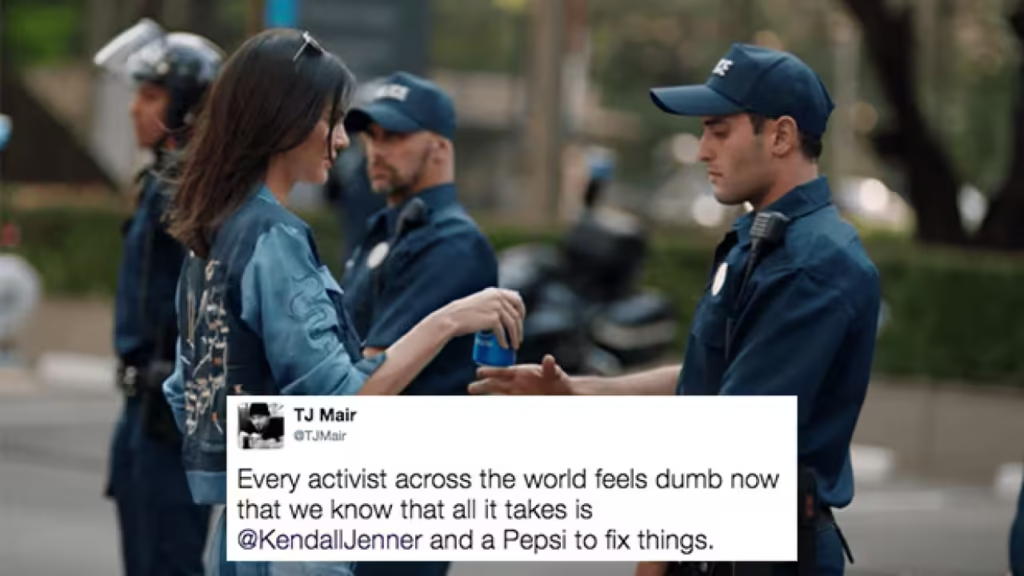
Damage: The ad was pulled within approximately 24 hours; one of the worst-received ads in recent memory; a long-standing example of how corporations can miss the tone — and one of the worst marketing fails in modern advertising history
On April 4, 2017, Pepsi aired a television ad showing supermodel Kendall Jenner leaving a photo shoot to join an ambiguous protest march. In the commercial’s climax, Jenner hands a police officer an actual can of Pepsi, presumably resolving tensions between protesters and police. All parties smile; everybody cheers.
Not everybody cheered.
As soon as it debuted, critics pointed out that Pepsi’s imagery trivialized the Black Lives Matter movement. Many noted its uncanny resemblance to the iconic photograph of demonstrator Ieshia Evans standing unmoved before a line of police officers in Baton Rouge, Louisiana. On social media, Bernice King, daughter of Dr. Martin Luther King Jr., posted an image of her father being confronted by police with the caption: “If only Daddy knew how powerful #Pepsi was.”
According to TIME magazine, Pepsi yanked the ad from circulation approximately twenty-four hours later with a statement reading: “Pepsi was trying to project a global message of unity, peace and understanding. Clearly, we missed the mark, and we apologize.” Additionally, Pepsi stated: “We also apologize for putting Kendall Jenner in this position.”
BBC News confirmed that Pepsi halted distribution of the ad within hours of the backlash wave cresting, following a flood of criticism accusing the company of trivializing real-life protests.
Vibe List’s Take: The Pepsi ad is perhaps the best example of how a corporation attempts to utilize social justice imagery without comprehending what lies behind that imagery. The ad was developed internally by Pepsi’s branded content division, Creators League Studio, rather than by an outside marketing agency. Many in the advertising industry believe this was a major factor in the mistake. Without external creative review before it aired to tens of millions, the ad managed to enrage virtually every audience regardless of politics.
9. Amazon Fire Phone — Jeff Bezos’s $170 Million Pocket Fire {#firephone}
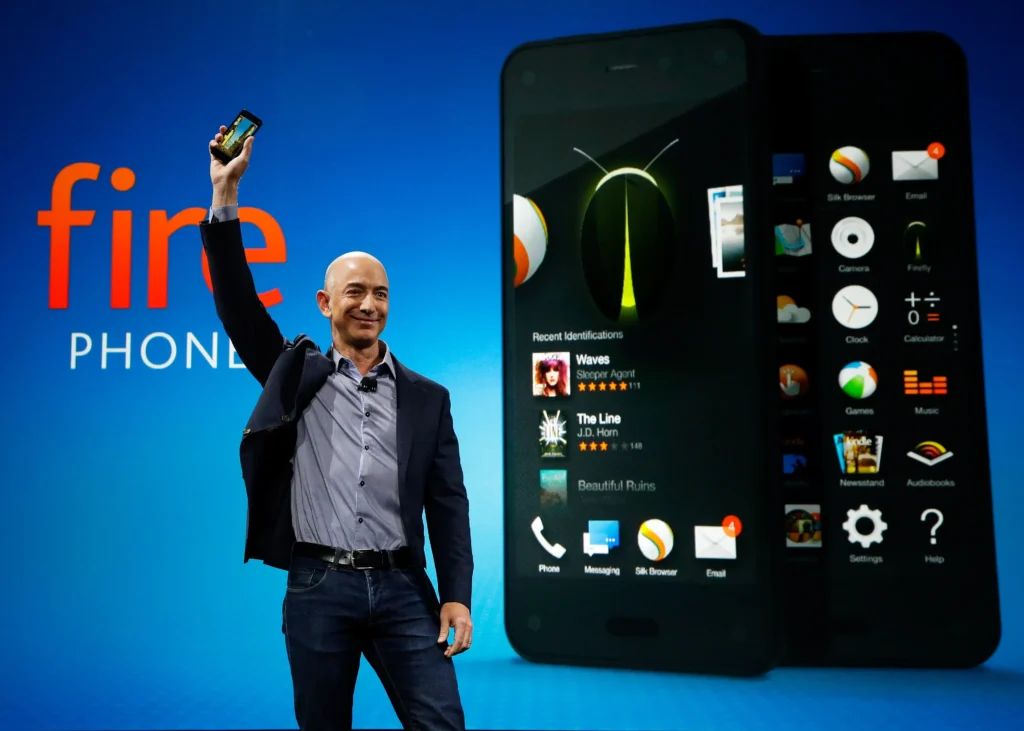
Damage: $170 million write-down on unused inventory; discontinued less than three months after release; one of few major failures in history for one of the world’s biggest companies
In July 2014, Amazon released its Fire Phone with great fanfare. Jeff Bezos spearheaded the Fire Phone’s development over several years under the internal codename “Project Tyto.” The Fire Phone featured “Dynamic Perspective” — a 3D visual effect powered by four front-facing cameras that tracked head movements and shifted on-screen images accordingly. Amazon sold it at $199 with a two-year contract, directly challenging Apple’s iPhone.
The Fire Phone failed completely upon release. Critics panned Dynamic Perspective as a gimmick and complained that Amazon’s app store had far fewer titles than iOS or Android. The overall value proposition was unconvincing. According to Harvard’s D^3 Research Group, Bezos built the Fire Phone by working backward from Amazon’s revenue problem — lost margins on purchases through competitors’ mobile platforms — rather than forward from what consumers wanted in a phone.
By October 2014 — roughly three months after launch — Amazon’s CFO revealed a $170 million write-down on unsold Fire Phone inventory. The same quarter that included that write-down saw Amazon report losses of $437 million.
At December’s Business Insider Ignition Conference, Bezos framed the failure as an educational experience when he said: “I’ve made billions of dollars of failures at Amazon.com. Literally.” He continued: “If you’re going to take bold bets, they’re going to be experiments. And if you know in advance that they’re going to work, they’re not experiments.”
Vibe List’s Take: The Fire Phone may be the least damaging failure on this list — Bezos channeled its lessons into AWS, Alexa, and Prime Video. But it still illustrates that even the world’s most customer-obsessed company can lose sight of what customers actually want.
10. Quibi — The $1.75 Billion Streaming Service That Lasted Six Months {#quibi}

Damage: Lost $1.75 billion in venture money in roughly seven months; the highest monetary loss experienced by any streaming service
Quibi launched on April 6, 2020, as a mobile-only streaming service built around episodes of five to fifteen minutes — “quick bites” of content for on-the-go viewing. Founded by former DreamWorks Animation head Jeffrey Katzenberg and former HP CEO Meg Whitman, Quibi raised $1.75 billion from investors including Disney, NBCUniversal, ViacomCBS, Goldman Sachs, and Google.
Unfortunately for Quibi, it launched at the peak of COVID-19 lockdowns — making its core promise of on-the-go entertainment irrelevant. People were locked at home and watching long-form content on televisions, not mobile phones.
At launch, Quibi logged over 1.7 million free downloads in its first week. After that, downloads plummeted. Only ten days later, Quibi had fallen out of the top seventy free apps on the iOS App Store. By mid-July, according to SensorTower data, Quibi had only around 72,000 paid subscribers.
Speaking to The New York Times in late May 2020, Katzenberg attributed all of Quibi’s problems solely to COVID-19: “I attribute everything that has gone wrong to coronavirus. Everything.”
On October 21, 2020 — roughly six months after Quibi officially launched — Katzenberg and Whitman jointly announced its closure, shuttering operations altogether. In announcing the closure, Katzenberg and Whitman authored an open letter stating: “Our failure was not for lack of trying; we’ve considered and exhausted every option available to us.”
Vibe List’s Take: Although COVID-19 certainly existed, it was not Quibi’s sole problem. Quibi’s content was forgettable; its delivery method restricted users to mobile-only viewing; and its pricing ($4.99–$7.99 per month) put it directly at odds with services offering orders-of-magnitude more content on larger displays.
11. Nintendo Virtual Boy — The Headache Machine {#virtualboy}
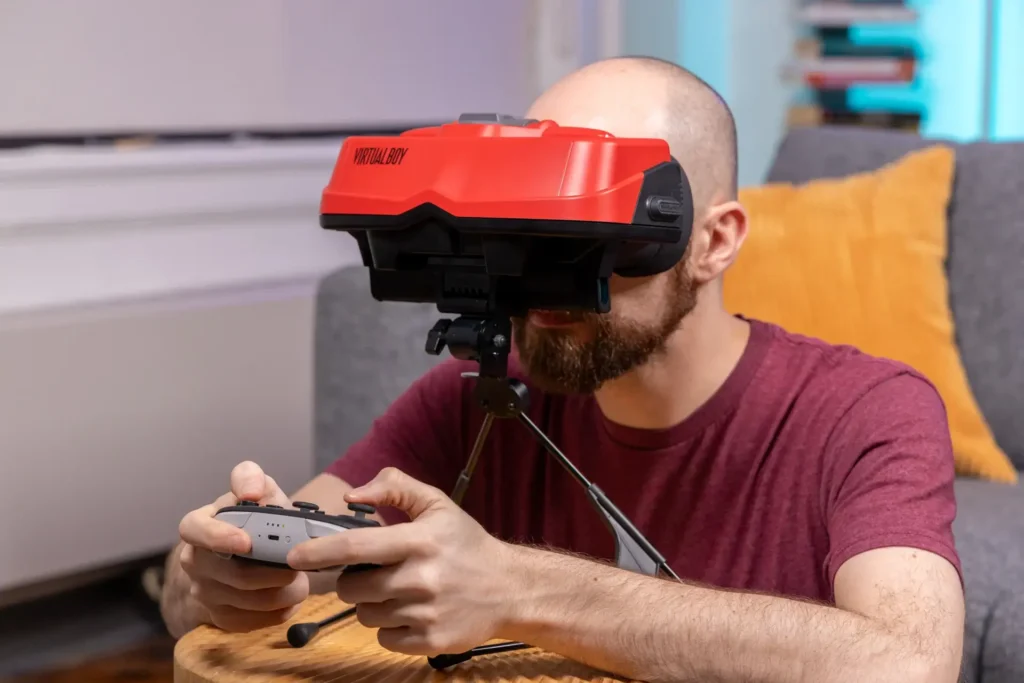
Damage: Only around 770,000 Virtual Boy units sold worldwide. The Virtual Boy was discontinued less than one year after release. This was Nintendo’s worst-selling home video game console.
In 1995, Nintendo released the Virtual Boy, a desktop gaming unit with the capability to deliver stereoscopic 3D graphics. To play, users pressed their faces into a headset mounted on a metal stand and peered into a red-and-black monochromatic screen. The Virtual Boy was not portable — users couldn’t carry it or wear it — and playing meant crouching over the unit at a desk.
On August 14, 1995, the Virtual Boy launched in North America at a price point of $179.95. Reviewers immediately complained that the red monochromatic display caused eye fatigue and headaches. There were only 22 games produced for the platform during its lifespan. The Virtual Boy was marketed as a type of “virtual reality” experience; however, users simply found themselves peering into a monochromatic View-Master from a bleak, dystopian future.
Nintendo sold approximately 770,000 Virtual Boy units worldwide before discontinuing it in 1996. To put this number in perspective, the first-generation Game Boy and Game Boy Pocket combined sales totaled over 118 million units. The Virtual Boy stands as Nintendo’s worst-selling home video game console to date.
Vibe List Takeaway: The Virtual Boy is probably the most forgivable failure on this list, because Nintendo was genuinely trying to break new ground. In hindsight, they did attempt something genuinely unique — immersive 3D gaming experiences. However, their method was flawed. They used a monochromatic display, and instead of allowing gamers to walk around freely with the device, it sat atop a table.
12. HP TouchPad — 49 Days From Launch to Fire Sale {#hptouchpad}
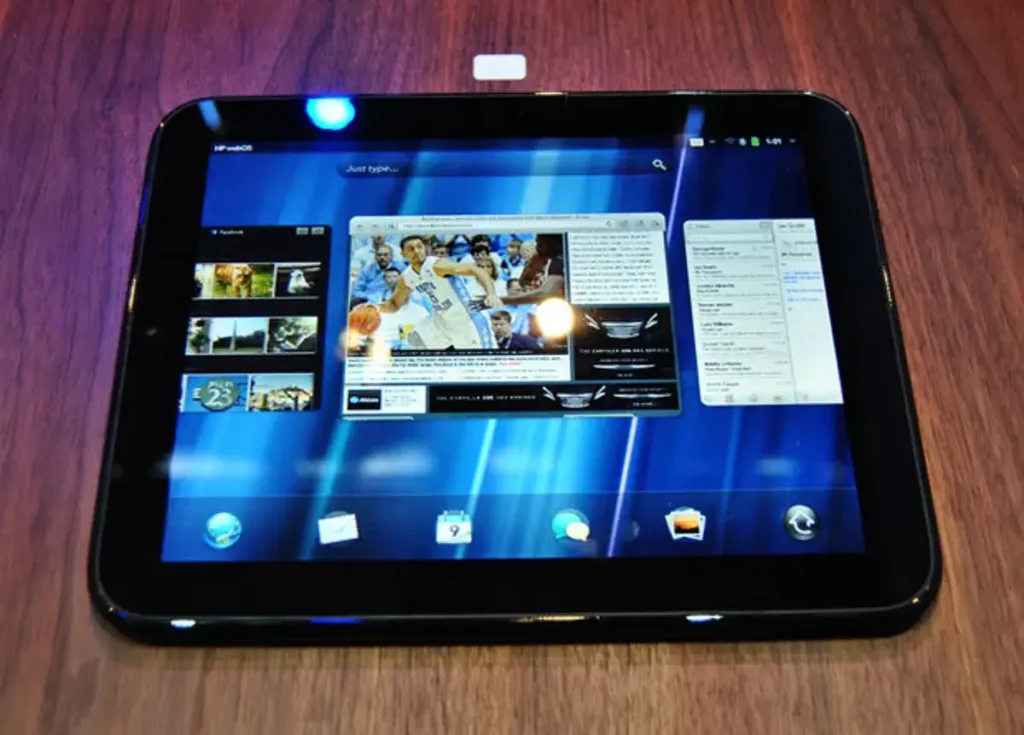
Damage: A high-end tablet discontinued 49 days after launch; a fire sale that sold out all remaining inventory within hours; the end of HP’s entire webOS hardware line.
HP released the TouchPad tablet in July 2011. The TouchPad was priced at $399 for the 16 GB model and $499 for the 32 GB model and was a direct competitor to the iPad 2.
Reviews of the TouchPad were lackluster. According to reports, Best Buy tried to return its entire unsold inventory to HP. Just 49 days after its release, HP announced it would discontinue both the TouchPad and all webOS-based hardware.
That’s when things got interesting. HP decided to liquidate what remained of the TouchPad at the lowest possible price. On Tuesday, August 23, HP started selling the TouchPad for $99 (the 16 GB version). On Wednesday, August 24, The Washington Post reported that retailers began selling out of TouchPads within hours. According to an article published in MIT Technology Review, the irony was hard to miss: no one could buy a Kindle for cheaper, let alone a fully functioning tablet.
Vibe List Takeaway: Clearly, people will purchase nearly anything if it costs $99. What is equally clear is that a $1.2 billion acquisition cannot buy relevance in a market where Apple has had two years to build an ecosystem developers actually want to support. At 49 days from launch to discontinuation, the TouchPad’s lifespan is among the shortest of any major consumer electronic product in recent memory; the fire sale that ensued is widely regarded as one of the greatest liquidation events in tech retail history.
13. MoviePass — The $10 Dream That Burned Through $200 Million {#moviepass}
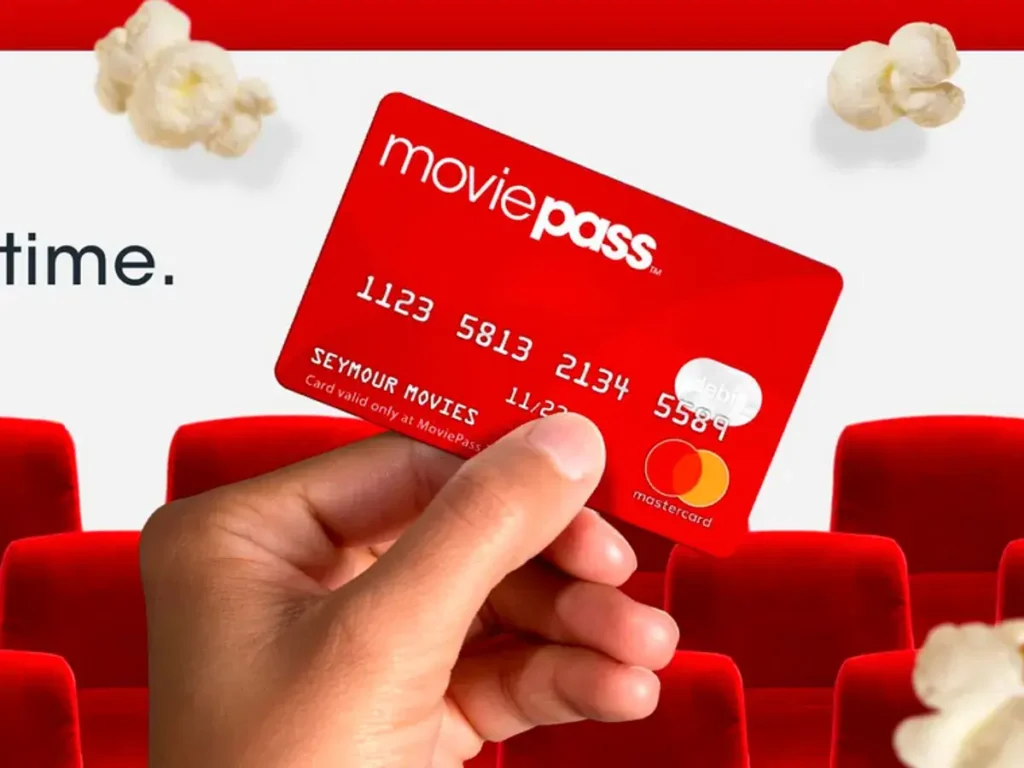
Damage: More than $200 million lost; parent company bankruptcy; former CEO admitted the service’s business model was unsustainable by design
In August 2017, MoviePass cut its monthly subscription fee from $29.95 down to $9.95 per month for one movie per day at any theater — an offer so ridiculously good that even MoviePass’s senior executive team knew it was unsustainable. In virtually every U.S. city, a single movie ticket cost more than MoviePass charged per month — so the company lost money on every single visit.
After cutting prices for subscriptions, users signed up en masse. Midway through 2018, MoviePass had attracted close to three million members. The company was bleeding money at an alarming rate and posted losses of $127 million in one quarter alone. Stockholders panicked as shares plummeted; Helios & Matheson Analytics (the parent company behind MoviePass) saw its stock value fall from over $30 per share to essentially worthless.
MoviePass quickly resorted to desperate measures to slow the bleeding; they limited access to various showtimes, restricted access to popular movies, changed membership rules repeatedly, and generally made a mess of what once seemed like a simple product. The New York Post reported that in early 2020, Helios & Matheson went bankrupt.
Things got worse for MoviePass and its former CEO Mitch Lowe. In later interviews, Lowe admitted the $9.95 plan was designed primarily to harvest subscriber data and use it as leverage in negotiations with theater chains. Since neither strategy worked out as planned, the entire business model imploded.
Vibe List Takeaway: MoviePass was really nothing more than a product launch failure masquerading as a consumer revolution. Consumers certainly enjoyed buying an inexpensive way to watch lots of movies — which is precisely why it was impossible to sustain financially. The company’s real product was not movie tickets; it was a narrative designed to convince investors that there was big enough demand to justify spending $200+ million on user acquisition. Since there wasn’t, the narrative turned into a nightmare.
14. Microsoft Zune — The iPod Killer That Couldn’t {#zune}
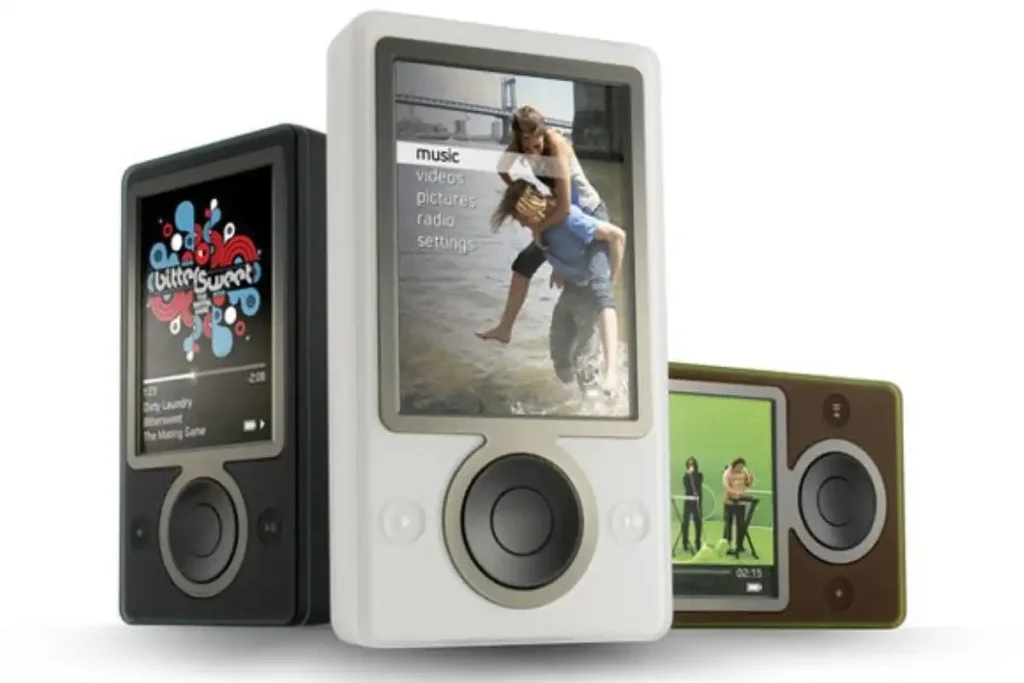
Damage: Entire product line was unable to capture more than 2–3% market share versus iPod; discontinued in 2011 after five years of futile attempts
When Microsoft launched the Zune media player in November 2006, they positioned it as their primary competition for Apple’s iPod family of products. The initial version of Zune included a built-in 30 GB hard drive, a 3-inch color LCD screen, FM radio capabilities, and Wi-Fi connectivity that let users share songs with nearby Zune owners.
At that time, Apple’s iPod family had been available for nearly five years and had secured more than 72.7% market share of U.S.-based MP3 players. Although Microsoft aggressively marketed Zune (and subsequently the Zune HD), they never captured more than 2–3% market share versus Apple’s dominant iPod franchise. Microsoft could not compete with Apple’s iTunes ecosystem, which offered thousands of apps. Nor could it exploit Zune’s most compelling advantage — wireless file sharing — because strict DRM restrictions limited shared songs to just three plays.
Microsoft continued developing Zune through September 2009, but by then Apple’s iPhone had already begun destroying the standalone MP3 player market.
Ultimately, Microsoft discontinued producing Zune hardware in October 2011.
Vibe List Takeaway: While Zune was probably a decent product — particularly when compared to the iPod Nano, with which it directly competed — having a solid product has almost nothing to do with commercial success. Microsoft entered a market where Apple’s five-year head start had created an insurmountable ecosystem advantage, complete with entrenched brand loyalty and momentum. And then Apple introduced the iPhone, which effectively killed the standalone MP3 player market entirely.
15. Peloton’s Holiday Ad — The Gift Nobody Asked For {#peloton}
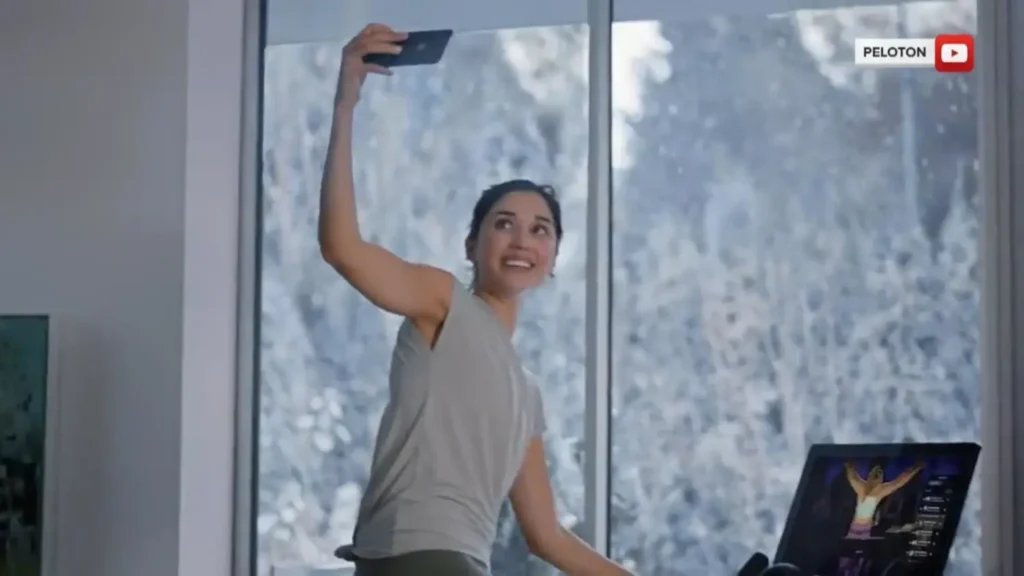
Damage: Peloton’s stock fell by 10.5% over two days; approximately $1.1 billion erased from market capitalization; numerous parody ads generated; a new standard set for tone-deaf advertisements
Peloton released an advertising campaign promoting its Peloton Bike as a gift option for women in time for Christmas in November 2019. The commercial follows a young couple — specifically, a woman who receives a Peloton Bike as a gift from her husband for the holidays. Over the following year, she films herself working out and compiles the clips into a montage she shows her husband on the couch near Christmas decorations. Her opening statement during the montage reads: “A year ago, I didn’t know how much this would change me.”
Consumers interpreted Peloton’s ad far differently than intended. Critics argued the ad implied a husband had bought his wife an exercise bike to lose weight, that the woman looked anxious through most of the montage, and that she’d spent an entire year documenting workouts solely for his approval. Comedian Eva Victor responded with a parody post viewed over three million times.
According to an article written by Elana Gross for Forbes, Peloton’s stock fell by more than ten percent from its closing price on Monday (prior to social media backlash) to Wednesday (following backlash), resulting in losses exceeding $1 billion in market capitalization. A CBS News report states that prior to Wednesday morning (after backlash), market capitalization for Peloton was $10.3 billion; by Wednesday afternoon it had declined to $9.2 billion.
Peloton defended their ad, claiming they were disappointed by how others had misinterpreted it.
Vibe List Takeaway: While Peloton’s stock rebounded within weeks, the ad remains a case study in how easily marketers can misjudge how their message plays outside their own bubble. Quoted customer Stephanie Jacobson told CNN that Peloton has consistently shown “tone deafness” in its marketing. Showcasing the brand’s large, passionate cycling community, she argued, would have been a far better way to demonstrate loyalty than creating what many viewers interpreted as a cautionary tale about exercising for someone else’s approval.
Comparison Table: All 15 Product Launch Fails at a Glance
| # | Company | Product / Campaign | Year | Financial Damage | Time to Failure | Key Lesson |
|---|---|---|---|---|---|---|
| 1 | Samsung | Galaxy Note 7 | 2016 | $5.3B direct; up to $17B total | ~2 months | Skipping battery safety testing to beat a competitor’s launch date can become a literal fire hazard |
| 2 | Tesla | Cybertruck Armor Glass Demo | 2019 | Temporary stock dip; reputational | Instant (live on stage) | Pre-demo stress testing can weaken the very thing you’re trying to showcase |
| 3 | Fyre Festival | Fyre Fest | 2017 | $26M+ lost; $24M investor fraud | 1 weekend | Social media hype cannot substitute for logistics, infrastructure, or an actual product |
| 4 | Theranos | Edison blood-testing device | 2003–2018 | $9B valuation erased | ~15 years (slow-motion collapse) | A founder’s charisma is not a substitute for functional technology |
| 5 | Google Glass | 2013 | Undisclosed; significant R&D loss | ~18 months | Technology must be socially accepted, not just technically functional | |
| 6 | Segway | Segway PT | 2001 | $100M+ R&D investment | ~6 years of poor sales | Pre-launch hype that outpaces real-world utility creates an expectations gap no product can survive |
| 7 | Juicero | Juicero Press | 2016 | $120M in venture funding lost | ~18 months | If bare hands can replace your product, your product shouldn’t exist |
| 8 | Pepsi | Kendall Jenner protest ad | 2017 | Reputational; no direct financial loss reported | ~24 hours | Co-opting social justice imagery without understanding it guarantees backlash |
| 9 | Amazon | Fire Phone | 2014 | $170M write-down | ~3 months | Building a phone around your revenue problems instead of user needs is a recipe for failure |
| 10 | Quibi | Quibi streaming app | 2020 | $1.75B in venture funding lost | ~6 months | $1.75B and Hollywood connections cannot replace understanding how people consume content |
| 11 | Nintendo | Virtual Boy | 1995 | Undisclosed; ~770K units sold (vs. 118M Game Boys) | ~7 months | Pioneering a concept means nothing if the execution causes physical discomfort |
| 12 | HP | TouchPad | 2011 | $1.2B acquisition (Palm) largely wasted | 49 days | Entering a market two years behind the dominant player without a differentiated ecosystem is futile |
| 13 | MoviePass | $9.95/month unlimited plan | 2017 | $200M+ burned | ~2.5 years | A business model that loses money on every transaction cannot be saved by scale |
| 14 | Microsoft | Zune | 2006 | Undisclosed; never exceeded 2–3% market share | 5 years | A five-year ecosystem head start is nearly impossible to overcome with a marginally better device |
| 15 | Peloton | Holiday gift ad | 2019 | ~$1.1B market cap drop (temporary) | ~48 hours | Internal creative teams without external review can develop blind spots about how messaging lands |
What Every Failed Launch Has in Common {#whattheyshaare}
When you strip away the specifics — exploding batteries, cheese sandwiches, shattered windows, deserted tent cities — every failure on this list shares the same root cause: the company believed its own narrative far more than it believed in its customers.
This is why Samsung rushed the Note 7 to market ahead of Apple’s iPhone 7, compressing battery safety tests that could have caught the defects. This is why Theranos raised nearly a billion dollars from investors on nothing but its founder’s vision for something that didn’t yet exist. This is why Fyre Festival convinced thousands of people that social media fantasies were going to become reality. This is why Quibi was built as if $1.75 billion in funding and Hollywood connections would replace actual research into how people really consume short-form video content.
Every product failure lives in the gap between a company’s story and what it has actually built. The larger that gap, the greater the magnitude of the failure. In today’s world of social media, where every cheese sandwich is photographed and every broken window is livestreamed, that gap gets exposed faster than ever.
These are not the only biggest product failures in history, and they certainly won’t be the last. For more corporate catastrophes that defied all common sense, see our companion list: The 15 Most Expensive “What Were They Thinking?” Fails That Cost Companies Billions — featuring some of the most embarrassing brand fails in business history.
Frequently Asked Questions {#faq}
What was the most expensive product launch fail of all time?
The most costly product launch failure in history is the Samsung Galaxy Note 7. Its total loss in recall costs alone was reportedly above $5.3 billion, while total lost revenue was estimated to be nearly $17 billion based on information reported by Reuters. Although the Theranos debacle eliminated a $9 billion valuation entirely, that decline occurred over several years, whereas the Note 7’s losses materialized within a single product launch.
Has any of these failed products ever found success afterward?
While the Segway never caught on as a consumer product, it found steady use in warehouses, police departments, and guided tour operations. Google Glass has been successfully repurposed as a tool for factory and logistics workers. Although there were problems during the Cybertruck window demonstration, the Cybertruck has since gone into production and deliveries began in 2023. And while the Fire Phone flopped, Amazon’s subsequent innovations — AWS, Alexa, Prime Video — have succeeded enormously.
What was the record for the fastest product discontinuation in recent memory?
HP’s TouchPad was discontinued after being available in stores for only 49 days, making it one of the shortest-lived major consumer electronics products. Quibi, which lasted approximately six months before ceasing operations, burned through approximately $1.75 billion in that period. Adjusted for both time and money, Quibi may hold the record for the most expensive per-day existence of any consumer product.
Why did Fyre Festival generate so much public interest?
Fyre Festival captured public attention because it embodied the perfect disparity between Instagram-driven promotional imagery and real-world execution. The company used models, yacht footage, and private-island imagery to manufacture industrial-grade FOMO. When guests found disaster-relief tents and cheese sandwiches instead of villas and gourmet meals, the contrast was so extreme it spawned competing documentaries on Netflix and Hulu.
What does the Pepsi Kendall Jenner ad depict?
The Pepsi Kendall Jenner ad is a commercial released by Pepsi in April 2017 that depicts model Kendall Jenner leaving a photo shoot to join a peaceful protest march. At the end of the commercial, she hands a can of Pepsi to a police officer, seemingly resolving a confrontation between protesters and police. Critics argued that the advertisement was demeaning toward Black Lives Matter protests and that using protest imagery solely to sell soda was deeply inappropriate. Within approximately 24 hours of releasing the commercial, Pepsi removed it from circulation and publicly apologized.
Was Theranos the greatest deception in Silicon Valley history?
While Theranos may not represent the greatest deception in Silicon Valley in terms of absolute scale, its $9 billion peak valuation was certainly among the largest for a company built on technology that didn’t function as claimed. Elizabeth Holmes was sentenced to 135 months (approximately 11 years and 3 months) in federal prison. One of the key differences between most technology failures — which hurt investors and consumers financially — and Theranos is that Theranos put patients’ health at risk by issuing unreliable medical test results. Unlike most product failures, Theranos was genuinely dangerous.


