



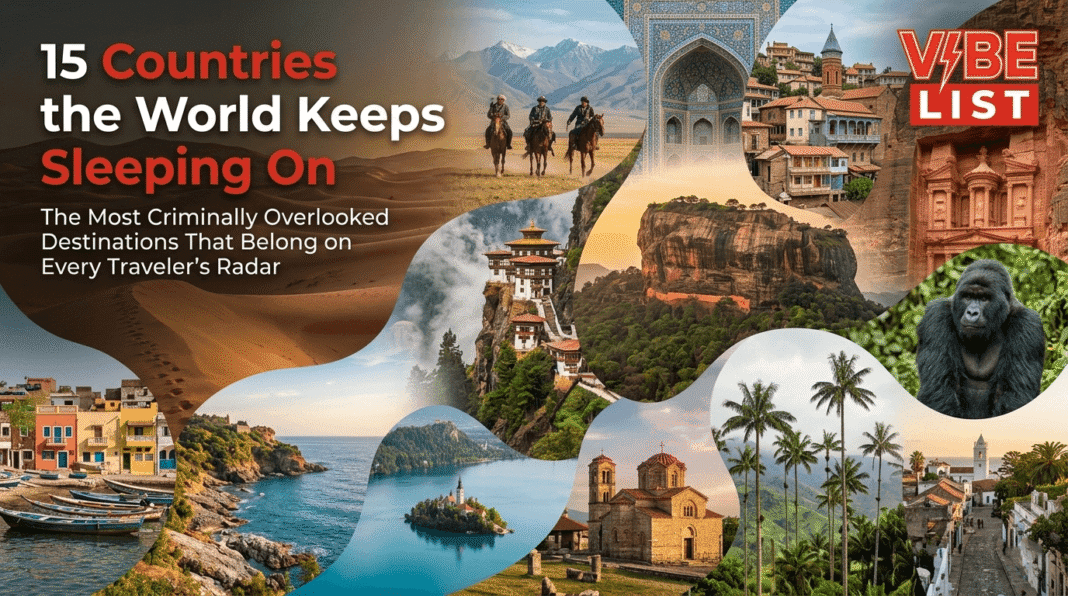
Georgia has been making wine for 8,000 years. Albania welcomed 11.7 million tourists in a single year on a population of 2.8 million. Rwanda’s capital is the cleanest city in Africa; its gorilla permits cost $1,500 each and sell out anyway. Uzbekistan just opened its doors visa-free to Americans for the first time in history; a $5 dinner and a sunset over Registan Square is waiting on the other side. Bhutan charges $100 a night just for the privilege of entering; and only 209,000 travelers a year take them up on it. Sri Lanka fits eight UNESCO World Heritage sites into an island you can cross by car in a day. These 15 countries have been hiding in plain sight while the same old lists recycled the same old names; the world’s most overlooked destinations are done waiting to be discovered.
Every January, the same publications release their “best countries to visit” articles, and every January the same 15–20 locations get featured again. France. Italy. Japan. Thailand. These are incredible countries; we’re not debating that. However, the repetition of the same recommended destinations has created such a large blind spot in the way the travel media covers global destinations that even nations with UNESCO World Heritage sites, developing tourism infrastructures, and histories and cultures that equal those found in Western Europe don’t appear in English language travel media.
This article is designed to help travelers find a different experience than a carefully curated and Instagrammable photo backdrop. The 15 countries listed below aren’t obscure because they’re obscure. Rather, each location has a unique, quantifiable combination of cultural riches, safety, accessibility and natural beauty that should have put it on the mainstream radar years ago. Many are post-conflict countries whose transformations are among the most amazing anywhere. Others are ancient civilizations that have a continuous history stretching back thousands of years that most Western travelers don’t know much about. Some are located so near other extremely popular destinations that their lack of inclusion in most travel coverage seems absurd.
Each of the 15 countries shares one thing: an editorial conviction; if you visit any of these countries before the masses start showing up, you’ll have an experience you won’t be able to get in Paris, Bali or Barcelona today. The evidence supports that. The stories are waiting.
These are the countries that everyone else continues to sleep on.
1. Oman {#oman}
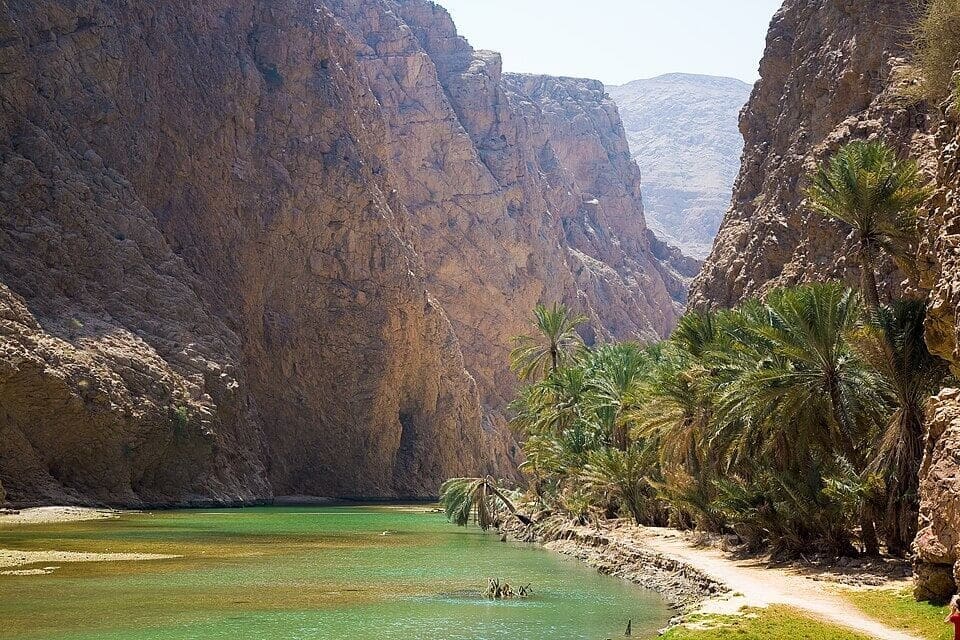
The UAE receives around 20 million visitors annually. Dubai alone is a recognized brand name associated with high-end travel worldwide. And yet, separated by a short drive across the border, sits a country with five UNESCO World Heritage sites, 3,165 kilometers of shoreline, and a hospitality tradition so deeply ingrained in its national identity that leaving a guest’s coffee cup empty is considered a genuine social failing.
Oman isn’t a hidden country; it’s a hidden powerhouse of travel. The numbers are beginning to confirm it. International tourist visits increased 7% over the prior twelve months ending in August 2025, with European arrivals jumping 23% and visitors from the Americas rising nearly 30%. By November 2024, the Sultanate had already welcomed over 3.5 million visitors; close to matching its full-year 2023 totals with a month still to go. Hotel revenue climbed 21.4% on the back of improved occupancy rates throughout the country.
What sets Oman apart from its Gulf neighbor countries is its unwillingness to transform into a theme park. There are no indoor ski slopes built inside shopping malls. Instead, there are the Aflaj Irrigation Systems; ancient waterways built over 1,500 years ago that were designated as UNESCO World Heritage sites in 2006 for their engineering prowess. There is the Land of Frankincense in southern Dhofar Province; where the trees that produced the ancient world’s most valuable trade commodity still grow. There is Bahla Fort; a 13th-century mudbrick fortification that stretches across 12 kilometers of oasis settlement; so vast and so old that UNESCO originally placed it on its endangered list before Oman dedicated itself to restoring it meticulously.
The Wahiba Sands Desert offers overnight Bedouin camping experiences free of the mass-tourism packaging found elsewhere in the region. World-class scuba diving along the Musandam Peninsula draws almost no crowds. And the capital, Muscat, retains a human scale that its neighbors Abu Dhabi and Dubai abandoned long ago; its white-washed buildings cling to the coast beneath craggy mountains, and its Royal Opera House features international performances in an intimate setting rather than grandiose.
2. Georgia {#georgia}
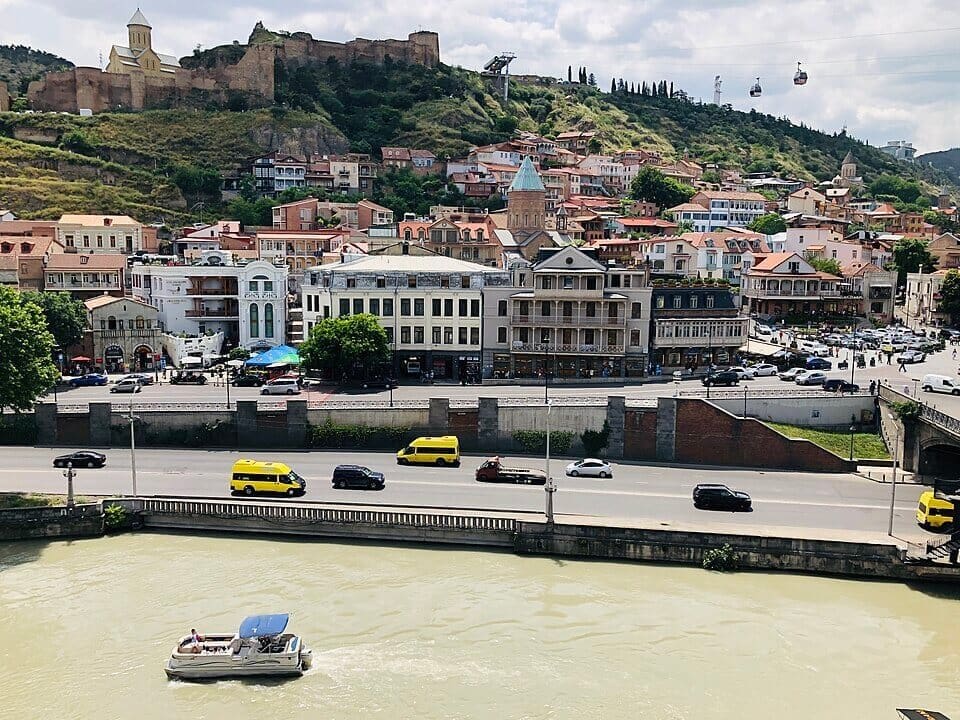
If a food-obsessed traveler were designing a country from scratch, they would inadvertently create Georgia. Located between Turkey, Russia, Armenia and Azerbaijan in the heart of the Caucasus Mountains, Georgia has been producing wine for approximately 8,000 years; a claim backed by archaeological evidence, including residue analysis of Stone Age pottery at the Gadachrili Gora site. Georgia’s method of qvevri winemaking; using large clay vessels buried underground to ferment grape juice; is inscribed on UNESCO’s Intangible Cultural Heritage list, making Georgia the custodian of the oldest continuously practiced winemaking tradition on Earth.
Georgia’s tourism numbers tell a story of explosive discovery. With over 5.5 million tourists in 2025; representing an 8.4% rise from 2024; Georgia received a record number of tourists for any single calendar year. International arrivals totaled 7.8 million; a 6% year-on-year jump. For context, a country of fewer than 3.7 million people is receiving more than double its population in international visitors every year.
Beyond wine, Georgia has four UNESCO World Heritage sites. They are Mtskheta; the ancient capital where Christianity became the official religion in 337 AD; the Gelati Monastery complex; and the medieval tower village complexes of Upper Svaneti. Georgia’s food culture is a universe unto itself; khachapuri (cheese-filled bread), khinkali (dumplings filled with soup), and pkhali (walnut-vegetable paste) are just the entry points into a culinary tradition that Georgians discuss with the same reverence and specificity the French reserve for wine.
Tbilisi is an architectural fever dream where Art Nouveau facades lean against Soviet-era apartment blocks, which sit next to medieval churches, which sit next to futuristic glass-and-steel bridges. Sulfur baths in Tbilisi’s Abanotubani district date back to the 13th century. Additionally, prices for travel here are shockingly low; it’s not uncommon to spend $20 or less per person for a complete Georgian supra (feast) with wine.
3. Albania {#albania}
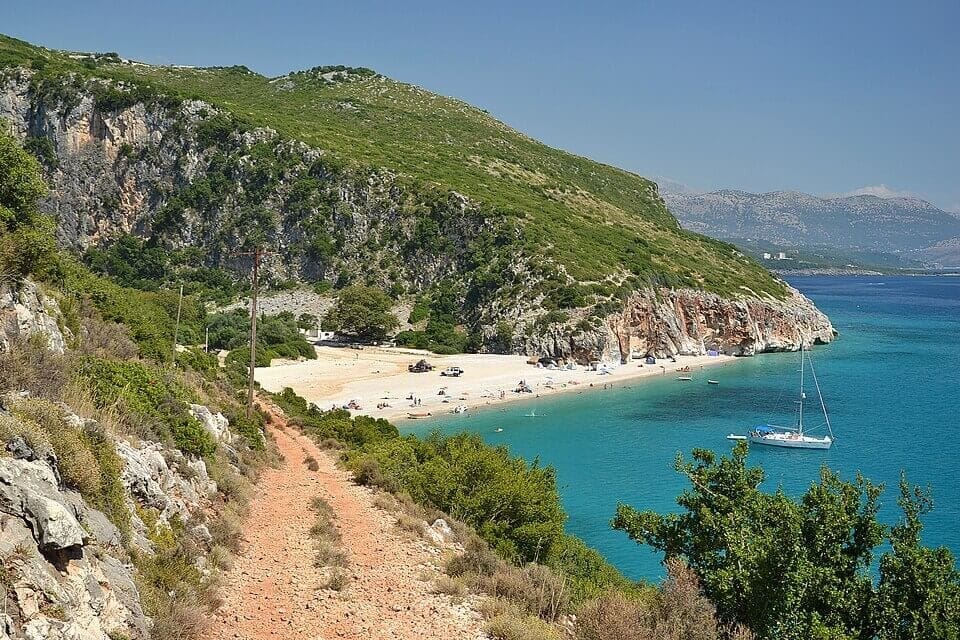
Three years ago, mentioning Albania as a travel destination drew puzzled looks. Today Albania is one of the fastest growing tourism markets in Europe, and the data is staggering. Foreigners visited Albania in excess of 11.7 million times in 2024; an increase of 15.2% versus the previous year; generating €3.8 billion in revenue. Considering Albania’s population is approximately 2.8 million people, those numbers are truly impressive. Nonetheless, most North American and Asian travelers continue to view Albania as a secondary choice to Croatia, Greece or Montenegro for their Mediterranean holiday.
The Albanian Riviera is the open secret that Southern European travel insiders have been hoarding. Ksamil, Dhermi, and Himara provide turquoise waters and white sand beaches rivalling any Amalfi Coast beach at a fraction of the cost. However, Albania’s depth extends far beyond beaches. The country boasts four UNESCO World Heritage sites; two Ottoman-era towns; Berat and Gjirokastër; so well-preserved that Berat has earned the moniker City of a Thousand Windows. In addition, Albania’s Butrint; a Greek colony converted into a Roman town then eventually into a Byzantine basilica; packs approximately 2,500 years of history into one lakeside archaeological park.
While growth did slow slightly in early 2025; with visitor arrivals through mid-2025 increasing 5 percent to 4.76 million; that moderation may actually benefit travelers planning a 2026 visit; the infrastructure is catching up, and crowds have yet to reach unsustainable levels. Furthermore, the government has been investing heavily into road construction, airport expansion, and heritage site preservation.
Albania is presently one of the few remaining places in Europe where you can enjoy a seafood dinner overlooking the Ionian Sea for less than €10 and feel like you’ve discovered something genuinely new.
4. Colombia {#colombia}
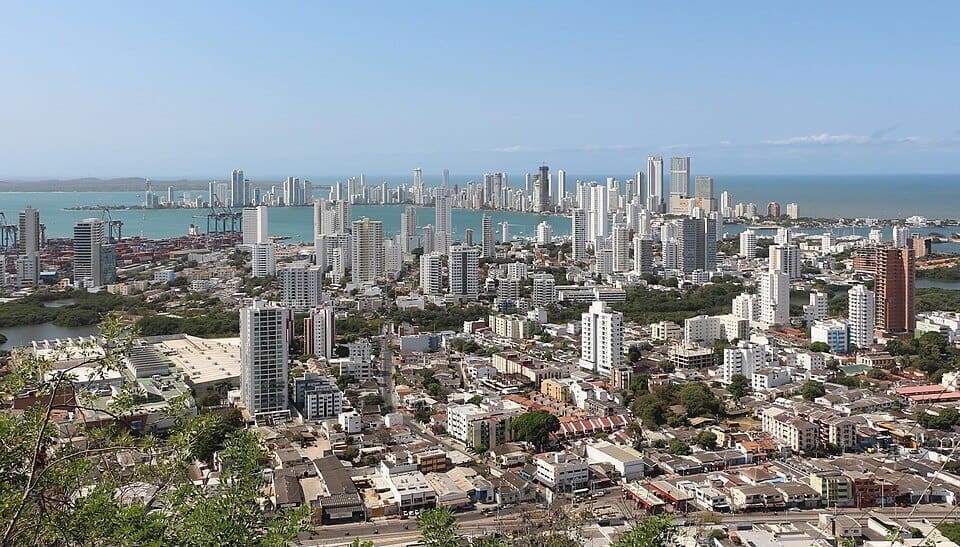
The gap between Colombia’s reputation and its reality is arguably the widest of any country on this list. For decades, the international perception lagged behind the transformation happening on the ground; a transformation so thorough that Colombia surpassed pre-pandemic visitor levels by attracting over seven million non-resident visitors in 2024, according to the World Economic Forum. Colombia attracted over 9.6 million international visitors from its top 25 source markets alone in 2025.
What most travelers don’t realize is that Colombia is the second-most biologically diverse country on Earth. According to the Convention on Biological Diversity, Colombia is one of the world’s “megadiverse” nations; hosting close to 10% of the planet’s total biodiversity. Colombia ranks highest globally in bird and orchid species and contains nine UNESCO World Heritage sites spanning from Cartagena’s walled colonial city to the Coffee Cultural Landscape of the Zona Cafetera to Chiribiquete National Park, which houses ancient rock art so remote and extensive that researchers assume certain areas have never been visited by modern humans.
Medellín’s transformation from one of the world’s most dangerous cities to a global model for innovative urban planning has been documented extensively, although still undervalued. Bogotá’s food scene rivals Lima’s. Colombia’s Pacific Coast remains largely untouristed despite being one of the most biologically diverse marine corridors on the planet.
The country’s commitment to what the WEF calls “tourism with purpose” means that community-based tourism, conservation-linked travel, and indigenous cultural experiences are not niche add-ons but central to the national tourism strategy.
5. Uzbekistan {#uzbekistan}
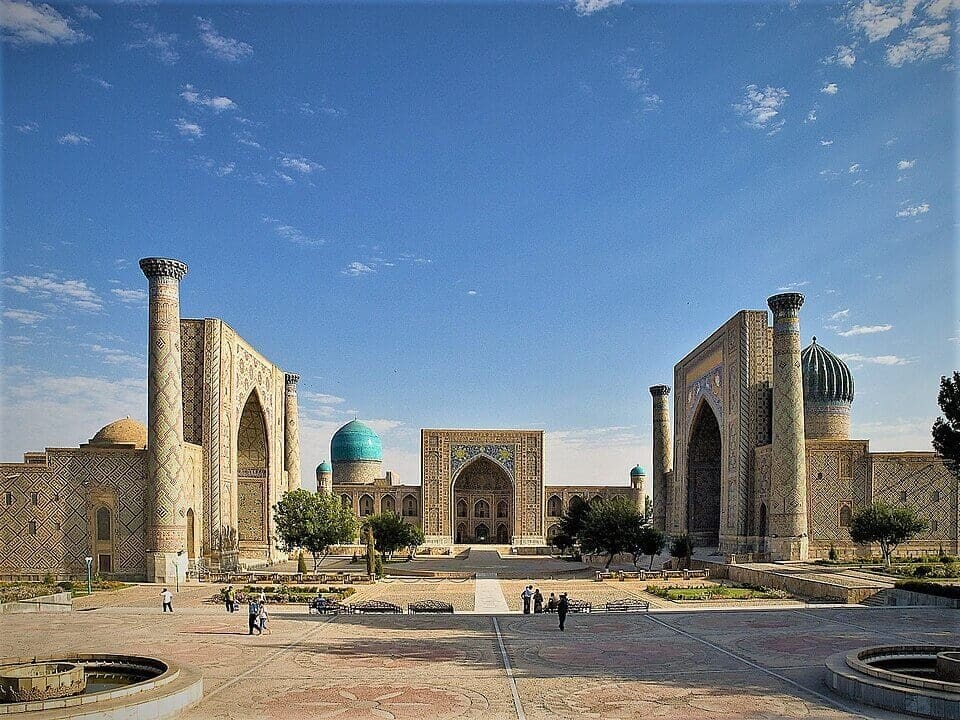
If there is a single country on this list with the most dramatic “before and after” accessibility story, it is Uzbekistan. As of January 1, 2026, all U.S. citizens can enter Uzbekistan visa-free for up to 30 days; a policy change that erased the bureaucratic barrier that had kept most American travelers away for decades. The U.S. State Department lists Uzbekistan at Level 1: Exercise Normal Precautions; the lowest possible advisory level, equivalent to visiting Canada or the Netherlands.
Behind Uzbekistan’s newly opened doors await some of the most visually stunning travel experiences on Earth. Samarkand; the ancient Silk Road capital; contains Registan Square featuring three enormous madrasahs adorned in turquoise tilework so detailed and so perfectly preserved that standing in the plaza at sunset produces a physical reaction that few buildings on Earth can match.
Bukhara layers 2,000 years of trading history into a walkable old city where the Kalon Minaret; so beautiful that Genghis Khan allegedly spared it when he burned the rest of the city in 1220; still towers over the skyline. Khiva’s Itchan Kala interior city is essentially an outdoor museum encircled by centuries-old mud-brick walls constructed in the tenth century.
Lonely Planet calls Uzbekistan “Central Asia’s biggest draw” and “the region’s cradle of culture for more than two thousand years.” Condé Nast Traveler placed it on its 2026 best-of list, citing the opening of a new Centre for Contemporary Art in Tashkent. Costs associated with traveling in Uzbekistan remain surprisingly low; restaurant meals average $5 apiece and train tickets connecting all major Silk Road cities range from $20–$100.
Marta Marinelli, Senior Adventure Expansion Manager at Much Better Adventures, told Forbes that for American travelers, Uzbekistan “strikes a rare balance between feeling distinctive and adventurous while still being manageable, particularly when traveling on well-established routes with experienced local hosts who understand conditions on the ground.”
6. Rwanda {#rwanda}
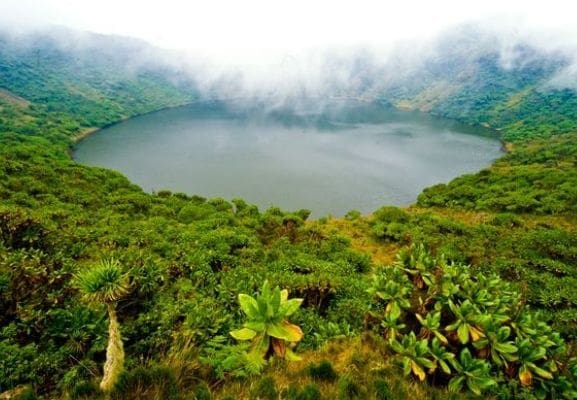
Tell someone you’re planning a trip to Rwanda and watch the confusion cross their face. For the majority of Westerners, the name evokes one of the darkest chapters in human history. What it should evoke is one of the most extraordinary national reinventions of the 21st century.
Start in Kigali, the capital. Kigali is widely regarded as one of the cleanest cities in Africa; a reputation earned through a country-wide ban on single-use plastics, mandatory community cleaning days called umuganda, and urban planning that prioritizes green space and pedestrian-friendly infrastructure. Travelers who expect chaos find order. Travelers who expect poverty find a tech-forward economy earning the moniker “the Singapore of Africa.”
Rwanda’s tourism industry earned $647 million in revenue in 2024, with the government targeting over $700 million in 2025. Mountain gorilla trekking in Volcanoes National Park is the centerpiece of the country’s tourism economy. Only three countries in the world offer the experience: Rwanda, Uganda and the Democratic Republic of Congo. Permits cost $1,500 per person; a price point that is deliberately high. Rwanda’s tourism philosophy prioritizes high-value, low-volume visitation to protect both wildlife and local communities. Approximately 60% of total tourism revenue is linked to the gorilla trekking experience.
Beyond the gorillas, Nyungwe Forest National Park contains one of the oldest montane rainforests in Africa. Lake Kivu, shared with the Democratic Republic of Congo, offers kayaking, cycling, and lakeside relaxation in a setting that feels like Switzerland transplanted to the equator. Rwanda’s cultural tourism infrastructure; including the Kigali Genocide Memorial, which is simultaneously one of the most devastating and most hopeful museum experiences anywhere; gives the country an emotional depth that pure beach-and-safari destinations cannot match.
7. Slovenia {#slovenia}
Slovenia covers less than 22,000 km²; slightly larger than New Jersey. The country packs more natural and cultural diversity per km² than perhaps any other country in Europe. Slovenia is bordered by Italy, Austria, Hungary and Croatia. Despite being surrounded by so many popular tourist destinations, Slovenia receives a fraction of the attention lavished on any of those four neighbors.
That gap is narrowing fast. In 2025, Slovenia welcomed a record 7 million tourists generating nearly 18 million overnight stays. Foreign tourist arrivals grew 9% versus the same period in 2024. Ljubljana, the capital, continues to receive the most visitors. The city banned vehicles from its center in 2007 and subsequently won the European Green Capital award.
Sustainability is not just a phrase to describe Slovenia’s tourism efforts; it is a fundamental element of the country’s infrastructure. Slovenia established the Green Scheme of Slovenian Tourism, a comprehensive certification system aligned with Green Destinations standards. Eight Slovenian destinations appear in the Green Destinations Top 100 Stories 2025, confirming Slovenia’s position as a global leader in sustainable tourism.
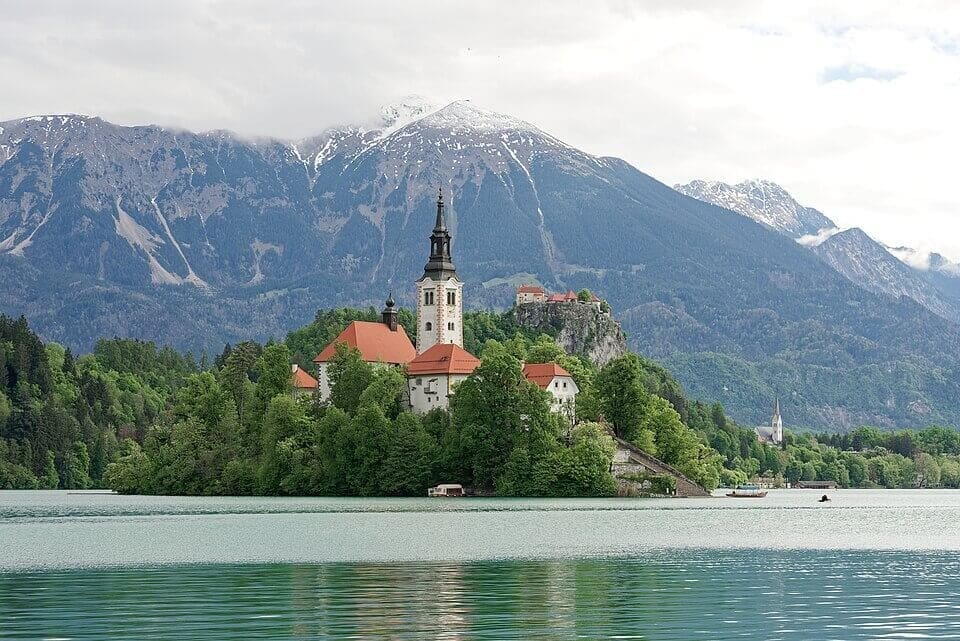
The headline attractions need no embellishment. Lake Bled has a church on a tiny island and a medieval castle on a cliff above it; it looks like a location that shouldn’t exist outside a fantasy novel. The Škocjan Caves are a UNESCO World Heritage site featuring one of the largest subterranean canyons in the world. The Julian Alps offer hiking, skiing and paragliding. The Karst region produces wines and cured meats that rival anything across the Italian border. The Soča River is an almost impossibly emerald waterway perfect for kayaking and fly fishing.
All of this exists within a country so compact that a traveler can swim in the Adriatic in the morning, hike in the Alps in the afternoon, and dine in a vineyard by evening; all without crossing a single border.
8. Jordan {#jordan}
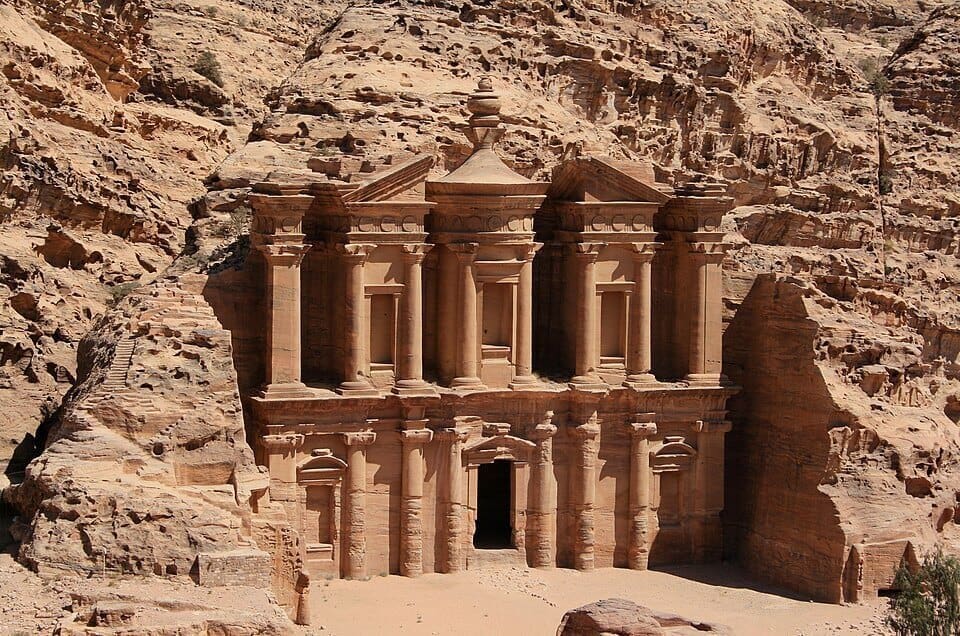
Jordan is certainly not unknown. Petra; the 2,000-year-old city carved out of red sandstone cliffs by the ancient Nabataeans; is one of the New Seven Wonders of the World and a UNESCO World Heritage site. It has appeared on thousands of magazine covers. The problem is not that people don’t know about Jordan. The problem is that they stopped going.
Tourism decreased to around 6.1 million visitors in 2024, down 3.9 percent due to regional instability that had nothing to do with Jordan itself. Petra’s visitor numbers plummeted with declines exceeding 60 percent at their worst. The town of Wadi Musa; Petra’s gateway; opened to deserted streets. Many guides who had spent their entire careers working the Treasury trail lost their livelihoods.
But the recovery is real and gaining speed. Petra recorded 582,550 visitors in 2025; a substantial increase from the previous year. Visitor numbers rose by 100 percent in just two months late in 2025. Jordan has six UNESCO World Heritage sites including Wadi Rum; the Martian-red desert landscape used as the filming location for The Martian, Dune, and Lawrence of Arabia.
Visiting Jordan in 2026 is not only a travel decision; it is an act of economic solidarity with a country that depends on tourism and whose people are among the most hospitable in the Middle East. The 675-kilometer Jordan Trail; highlighted by Time Out as an underrated experience; winds through pine forests, Bedouin communities, and landscapes unchanged for centuries.
9. Taiwan {#taiwan}
Taiwan occupies a peculiar position in global travel. A country boasting Michelin-starred restaurants, night markets comparable to Bangkok’s, and mountain scenery that competes with Japan’s rarely finds its way onto most Western travelers’ shortlists. Part of this lies with geopolitical complexity, and part lies with sheer oversight.
International visitor numbers continue to rise. Foreign arrivals reached 8.57 million in 2025; an approximate 9% increase from the prior year; according to Taiwan’s Tourism Administration. That recovery follows a pandemic-era low of under 900,000 international visitors in 2022, compared to 11.8 million in 2019. The gap between 2025’s figure and the pre-pandemic peak represents both a challenge and an opportunity; Taiwan is rebuilding its tourism economy, which means 2026 visitors will encounter a destination investing heavily in new experiences while still operating below its maximum capacity.
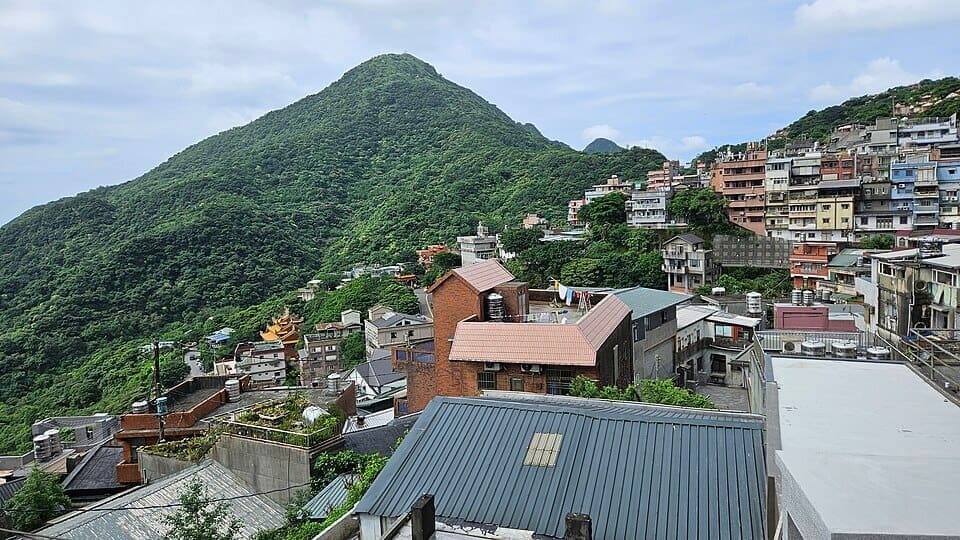
Taipei is one of Asia’s most underrated capitals; a city where a single MRT ride can take you from a futuristic skyscraper district to a hiking trail in a subtropical forest. Jiufen; a hillside gold mining village reportedly inspiring Hayao Miyazaki’s Spirited Away; is ideal when visited on weekdays before the day trippers arrive. Taroko Gorge; a marble-walled canyon in Hualien County; features hiking trails that traverse geologic formations millions of years old.
Food is Taiwan’s true knockout punch. Night markets serving stinky tofu, oyster omelets, beef noodle soup and bubble tea (which Taiwan invented) sit side-by-side with Michelin-rated street vendors.
Okinawa gets credit for longevity; Taiwanese cuisine deserves equal credit for pure, unfiltered joy.
10. Sri Lanka {#sri-lanka}
Sri Lanka’s travel story resembles a screenplay with too many plot twists to be believable. A brutal civil war concluded in 2009. Terrorist attacks struck in 2019. An economic crisis in 2022 made international headlines. Through each episode; this island nation; roughly the size of West Virginia; continued to produce one of the most concentrated travel experiences anywhere on Earth; eight UNESCO World Heritage sites contained within a country you can drive across in a day.
The comeback numbers speak for themselves. Sri Lanka attracted approximately 2.1 million tourists in 2024; an increase of nearly 38% compared to 2023. Through November 2025; cumulative arrivals reached 2.1 million; representing a 17% annual increase. Reports project arrivals could hit 2.4 million for the full year; approaching historic highs.
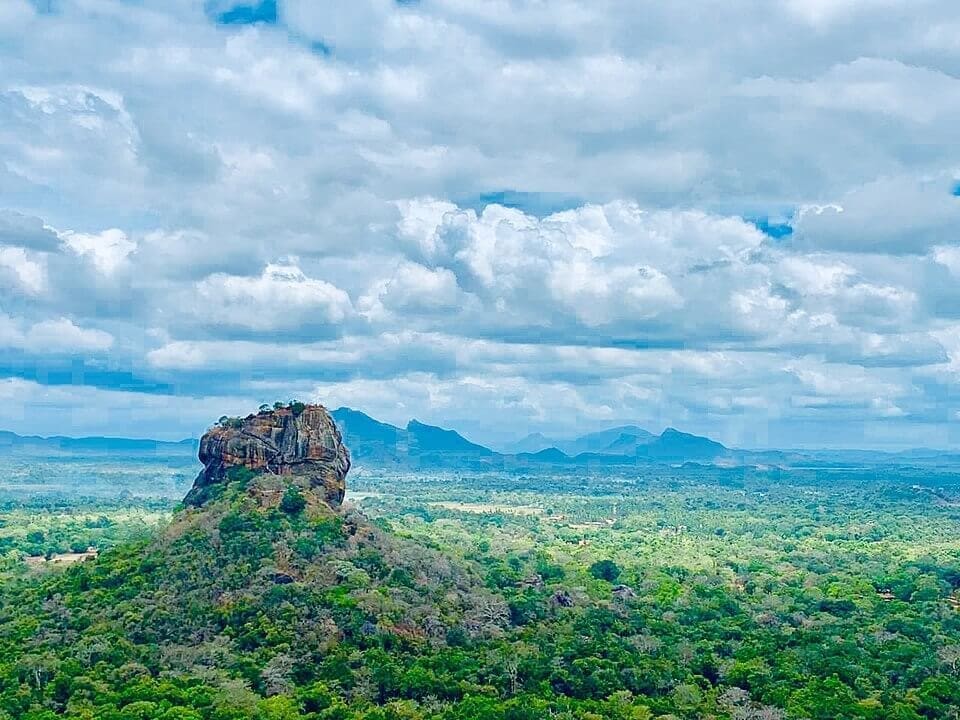
Each UNESCO site merits a two-week visit on its own. Sigiriya; a 5th-century fortress built atop a volcanic rock formation nearly 200 meters tall; is one of Asia’s most dramatic archaeological sites. Anuradhapura; the Sacred City; was a thriving Buddhist metropolis for over 1,000 years. The Old Town of Galle; a fortified colonial town on the southwestern coast; preserves remnants of Dutch colonial presence and currently houses boutique hotels, art galleries, and even cricket matches played against the backdrop of the Indian Ocean.
Then there is the legendary train ride from Ella to Kandy; a journey through tea plantations, cloud forests, and mountain tunnels that regularly appears on lists of the world’s most scenic rail journeys. Surfing along the southern coast around Weligama is world-class. Sri Lanka’s culinary scene draws from Sinhalese, Tamil, Malay, and Dutch influences, creating complex flavors that a country this small has no business possessing.
11. Uruguay {#uruguay}
Uruguay remains South America’s best-kept secret primarily because it is wedged between two countries; Argentina and Brazil; which are so prominent in size, fame, and cultural influence that they absorb virtually all of the continent’s tourism attention. Uruguay responded to this lack of attention by doing something characteristically understated; it focused on building one of the safest, most progressive, and most livable countries in the Western Hemisphere; and waited patiently for the rest of the world to notice.
Uruguay ranked 48th globally on the 2025 Global Peace Index, making it consistently one of South America’s most peaceful nations alongside Argentina. Its homicide rate sits at just 3.5 per 100,000; remarkably low for the region.
Tourism is surging: Uruguay kicked off 2025 with over 3.2 million visitors; numbers not seen in years.
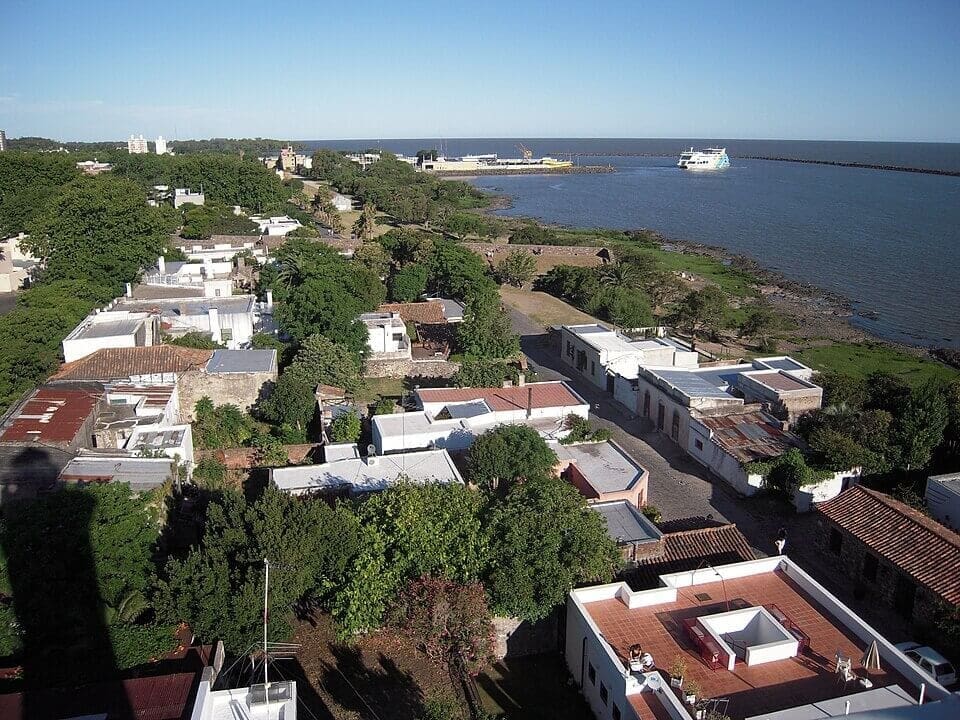
Montevideo’s Ciudad Vieja (Old City) is a walkable grid of Art Deco architecture, tango bars, and seafood restaurants facing Río de la Plata; one of the widest rivers on Earth. Across the river lies Colonia del Sacramento; a UNESCO World Heritage site preserving Portuguese and Spanish colonial architecture dating to the 17th century. And then there is Punta del Este; the “St. Tropez of South America”; where the continent’s elite vacation alongside surfers, whale watchers, and wine enthusiasts.
Uruguay was also the first country in the world to legalize recreational cannabis, one of the earliest to legalize same-sex marriage in South America, and generates approximately 98% of its electricity from renewable sources; essentially 20 years ahead of its neighbors and 10 years ahead of much of the world; yet it garners almost no attention from mainstream travel publications outside of South America.
12. Bhutan {#bhutan}
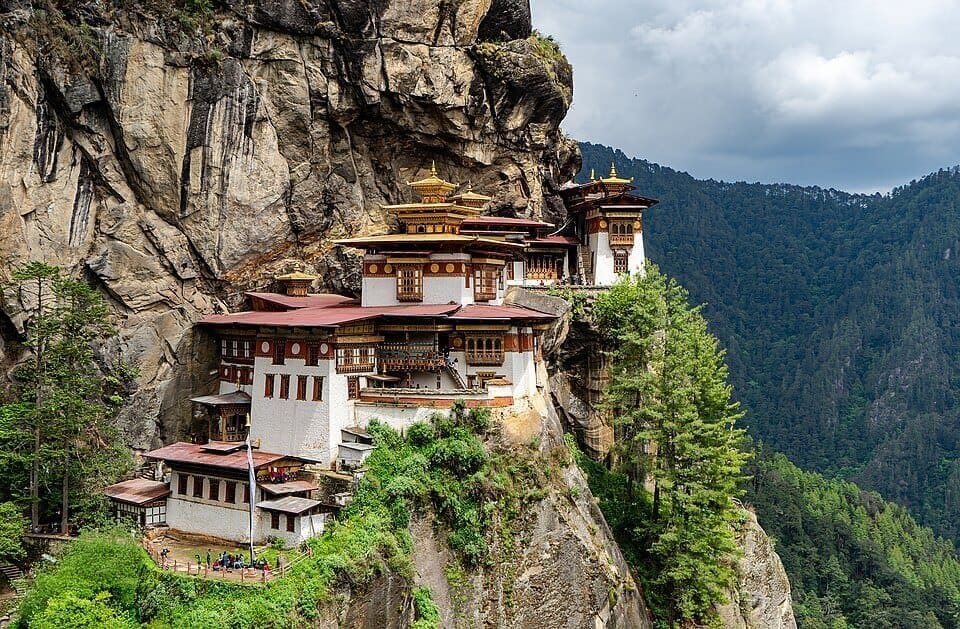
Every country on this list is underrated. Bhutan is underrated on purpose.
The Kingdom of Bhutan, tucked into the Eastern Himalayas between China and India, is the only country in the world that measures its success by Gross National Happiness rather than GDP. Its tourism policy is a direct extension of that philosophy. Visitors pay a Sustainable Development Fee of $100 per person, per night; a daily levy that funds healthcare, education, environmental protection, and cultural preservation. Children aged 5 and under are exempt. Children aged 6 through 12 receive a 50% discount. The fee remains at $100 through August 31, 2027.
The SDF ensures that Bhutan’s tourism stays low-volume and high-value. Only 209,376 tourists visited in a recent year; a figure that would represent a slow Tuesday in Bangkok. That intentional scarcity means that visiting Bhutan feels less like tourism and more like an invitation.
The Tiger’s Nest Monastery (Paro Taktsang), clinging to a cliff face 3,120 meters above sea level, is one of the most photographed spiritual sites in Asia. It is also one of the most physically demanding to reach; a four-to-five-hour round-trip hike through pine forests and prayer flag-draped staircases. The Punakha Dzong, built in the 17th century, is considered the most beautiful dzong in the country and sits at the confluence of two rivers. The Bumthang Valley; Bhutan’s spiritual heartland; contains temples dating to the 7th century.
Bhutan is the world’s only carbon-negative country, absorbing more CO2 than it produces. Over 70% of the country remains forested by constitutional mandate. If you want to visit somewhere that challenges the very definition of what tourism should be; Bhutan is not just a destination; it is an argument.
13. North Macedonia {#north-macedonia}
North Macedonia exists in one of the most peculiar blind spots in European travel. It shares a peninsula with Greece, borders Albania and Bulgaria, and sits at the crossroads of Ottoman, Byzantine, and Slavic civilizations. Yet most travelers who spend two weeks island-hopping in Greece never think to head north and discover a country where an espresso costs less than one euro and the lakeside scenery is world-class.
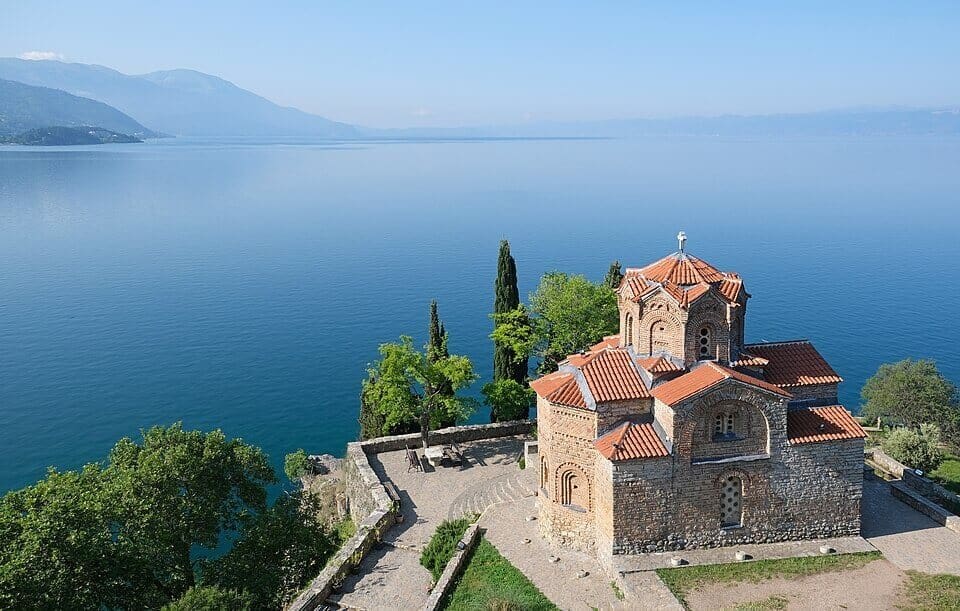
Lake Ohrid is North Macedonia’s crown jewel; a UNESCO World Heritage site designated for both natural and cultural significance. It is one of Europe’s oldest lakes, believed to be between one and four million years old, and serves as a refuge for numerous endemic species of freshwater fauna and flora dating from the Tertiary period. Located on its shores is the town of Ohrid; one of the oldest continuously inhabited settlements in Europe. With over 365 churches and monasteries, Ohrid earned the historical title “Jerusalem of the Balkans.”
Forbes highlighted North Macedonia as an underrated destination for 2026, noting that it offers “the opportunity to explore the Balkans, but with far fewer people, along with stunning countryside and sublime Ottoman history.” Skopje, the capital, is one of Europe’s most polarizing cities. It features Ottoman bazaars, brutalist communist architecture, and a controversial 2010s urban renewal project that lined the city center with neoclassical statues and monuments.
The Matka Canyon, a 15-minute drive from Skopje, contains medieval monasteries, cave systems, and kayaking waters that feel completely removed from the 21st century. Ohrid’s Old Town; with its red-roofed houses cascading toward the lakeshore; is the kind of setting that Dubrovnik offered 20 years ago, before the cruise ships arrived.
14. Senegal {#senegal}
West Africa does not regularly appear on traveler bucket lists, and that is the travel industry’s failure, not the region’s. Senegal should be correcting that blind spot.
In 2024, Senegal welcomed nearly 2.26 million visitors, according to the Ministry of Tourism and Handicrafts. The majority came from other African nations, but the country’s tourism infrastructure is increasingly geared toward international travelers from Europe and North America.
Dakar, the capital, is a city of relentless energy; a cultural capital where live music spills out of bars nightly, the contemporary art scene is exploding, and French colonial technique blends with West African ingredients to produce something uniquely Senegalese.
Music culture alone is worth the trip. Senegal produced Youssou N’Dour; the singer, songwriter, and cultural icon who helped develop the mbalax genre and later served as Senegal’s Minister of Culture and Tourism. Mbalax is not museum music; it is the living soundtrack of Dakar’s nightlife, spilling from car radios and club stages every weekend.
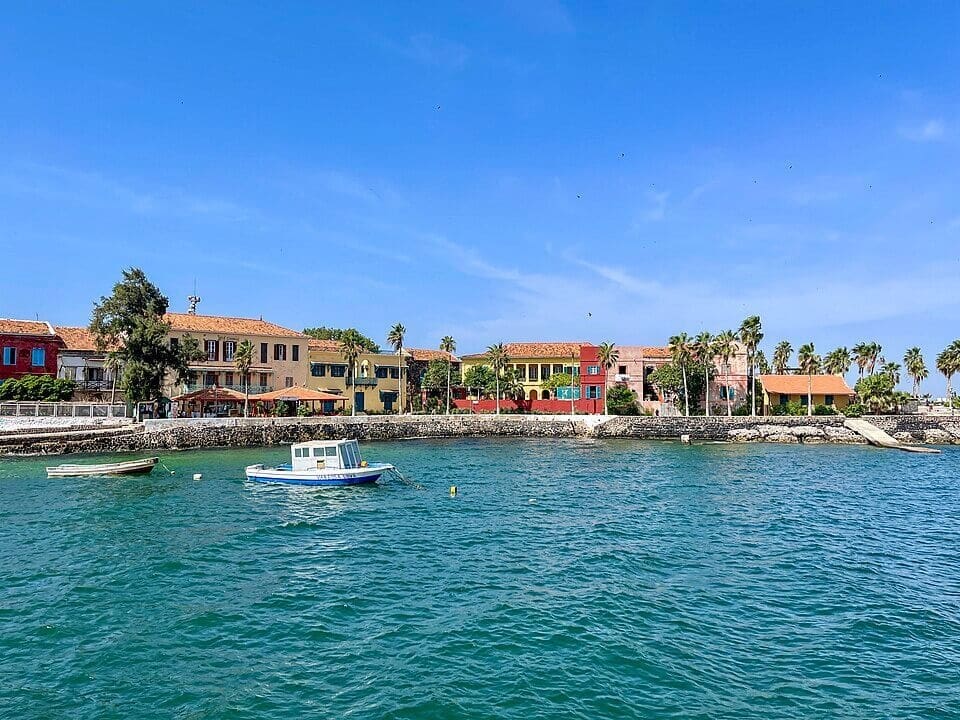
Beyond Dakar, the Casamance region in southern Senegal offers mangrove forests, traditional villages, and some of the least-visited beaches in West Africa. The Île de Gorée; a UNESCO World Heritage site off the coast of Dakar; preserves the history of the transatlantic slave trade in a setting of devastating beauty. Saint-Louis; the former colonial capital at the mouth of the Senegal River; is another UNESCO site featuring crumbling French colonial architecture and jazz festivals.
Senegal is one of Africa’s most stable democracies; French-speaking; and increasingly accessible with direct flights from Paris, Brussels, and several other European hubs. For travelers who have “done” East Africa and Southern Africa, it offers something completely different.
15. Kyrgyzstan {#kyrgyzstan}
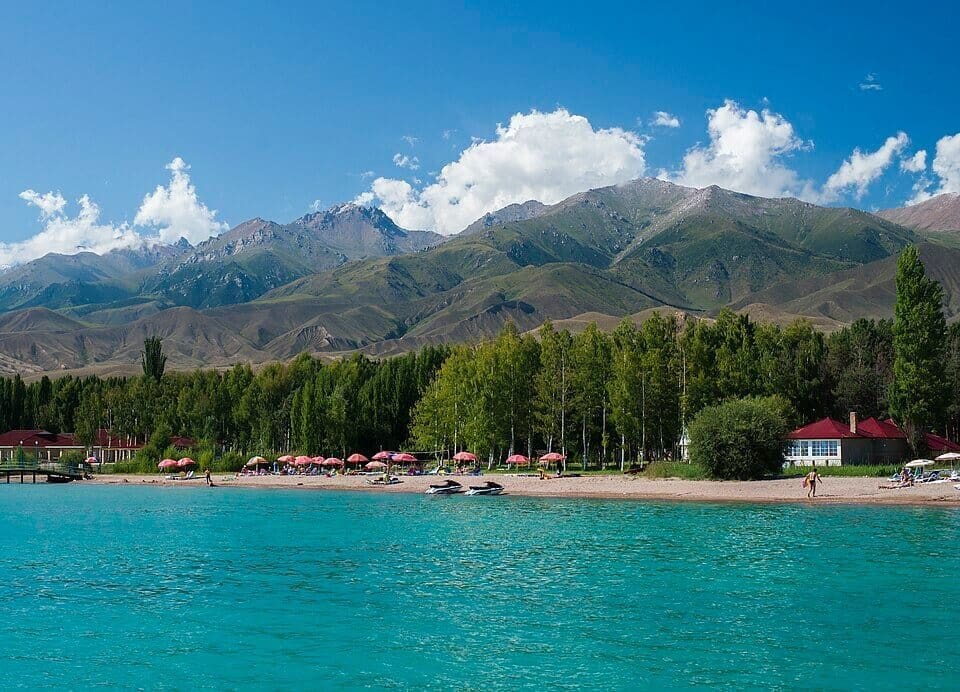
Kyrgyzstan is the kind of country that makes you wonder whether the entire travel industry has been looking at the wrong map. It contains some of the most spectacular mountain scenery in Central Asia; the Tien Shan range cuts across the country like a jagged spine; along with a nomadic cultural heritage that remains not just preserved but actively practiced. Families still migrate with their livestock to high-altitude jailoos (summer pastures) each year, living in yurts and producing fermented mare’s milk (kumis) using methods that haven’t changed in centuries.
And in 2026, Kyrgyzstan has its biggest moment yet. The World Nomad Games return to the country from August 31 to September 6, 2026, with the opening ceremony in Bishkek and competitions on the shores of Lake Issyk-Kul. Organizers expect delegations from more than 89 countries. The event features horseback games including kok boru (a polo-like competition played with a goat carcass), eagle hunting demonstrations, traditional wrestling, archery, and competitions with Taigan hunting dogs. It is, without exaggeration, one of the most visually extraordinary sporting events on Earth; and it draws a fraction of the attention of any mid-tier European football match.
Outside the Games, the Alay Mountains offer world-class trekking. The walnut forests of Arslanbob (one of the largest natural walnut groves in the world) and the surreal red-rock landscapes of Jeti-Ögüz are the kind of natural wonders that would anchor an entire tourism economy if they existed in a more conventionally marketed country. Lake Issyk-Kul itself is the second-largest alpine lake in the world; a body of water so large that the Kyrgyz call it “the pearl of the Tien Shan.”
Kyrgyzstan is affordable, adventurous, culturally rich, and in September 2026, it will host one of the most unique international events you’ve likely never heard of. Go.
How We Chose These Countries {#how-we-chose}
This list was built using a multi-factor editorial framework designed to identify countries that meet all of the following criteria simultaneously. No country was included on vibes alone.
Confirmed underrepresentation: Each country receives significantly less coverage than warranted by its tourism offerings within leading English-language publications (Condé Nast Traveler, Travel + Leisure, Lonely Planet and National Geographic Traveler).
Tourism data trajectory: We prioritized countries with verifiable growth in international arrivals, indicating that early adopters are already validating the destination but mass tourism has not yet arrived.
Cultural and natural depth: Every country on this list holds either UNESCO World Heritage sites or UNESCO Intangible Cultural Heritage inscriptions, or possesses natural assets of global significance. Nice beaches alone did not qualify without deeper substance.
Safety and accessibility: We cross-referenced travel advisories from the U.S. State Department and the Global Peace Index and excluded any country where the predominant tourism zones carry significant safety risks for international visitors.
2026 timeliness: Preference was given to countries with specific 2026 developments; new visa policies, major events, infrastructure openings, or recovery milestones; that make this year a particularly advantageous time to visit.
Geographic diversity: We ensured representation across six continents and rejected the common bias toward Europe-only or “safe” Anglo-friendly destinations.
Comparison Table: 15 Underrated Countries at a Glance {#comparison-table}
| Country | Region | UNESCO Sites | Annual Visitors | Safety | Best For | Budget |
|---|---|---|---|---|---|---|
| Oman | Middle East | 5 | 3.5M+ (2024) | Safe | Culture, desert, diving | $ |
| Georgia | Caucasus | 4 + intangible | 5.5M (2025) | Safe | Food, wine, history | $ |
| Albania | Europe | 4 | 11.7M (2024) | Safe | Beaches, ruins, budget | $ |
| Colombia | South America | 9 | 7M+ (2024) | Moderate | Biodiversity, food, cities | $$ |
| Uzbekistan | Central Asia | Multiple | Growing | Level 1 (US) | Architecture, Silk Road | $ |
| Rwanda | East Africa | Varied | ~209K tourists | Safe | Gorillas, culture, cities | |
| Slovenia | Europe | Multiple | 7M (2025) | Very Safe | Nature, sustainability | $$ |
| Jordan | Middle East | 6 | 6.1M (2024) | Safe | Archaeology, desert, hiking | $$ |
| Taiwan | East Asia | Varied | 8.57M (2025) | Safe | Food, nature, cities | $$ |
| Sri Lanka | South Asia | 8 | 2.1M (2024) | Safe | Heritage, beaches, trains | $ |
| Uruguay | South America | 1 | 3.2M+ (2025) | Very Safe | Safety, wine, beaches | $$ |
| Bhutan | South Asia | Varied | ~209K | Very Safe | Spirituality, trekking | |
| North Macedonia | Europe | 1 (dual) | Moderate | Safe | Lakes, history, budget | $ |
| Senegal | West Africa | 2+ | 2.26M (2024) | Moderate | Music, culture, beaches | $ |
| Kyrgyzstan | Central Asia | Varied | Growing | Safe | Mountains, nomadic culture | $ |
Frequently Asked Questions {#faqs}
Which of these 15 countries is the safest for solo travelers?
Uruguay and Slovenia consistently rank among the safest countries in their respective regions, with low crime rates, strong infrastructure, and welcoming attitudes toward independent travelers. Both are excellent choices for first-time solo travelers exploring beyond mainstream destinations.
What is the most budget-friendly country on this list?
Georgia and Albania offer the lowest day-to-day costs, with complete meals for $5–$10 per person, accommodation starting at $20–$30 per night, and domestic transport that is remarkably affordable by European standards. Uzbekistan is similarly inexpensive, with restaurant meals averaging around $5.
Do I need a visa to visit Uzbekistan as a U.S. citizen in 2026?
No. As of January 1, 2026, U.S. citizens can enter Uzbekistan visa-free for up to 30 days. The U.S. State Department assigns Uzbekistan a Level 1 travel advisory; the lowest possible level.
How much does it cost to go gorilla trekking in Rwanda?
A gorilla trekking permit costs $1,500 per person. This deliberately high price point funds mountain gorilla conservation while limiting group sizes. The experience typically lasts several hours in Volcanoes National Park.
What is Bhutan’s Sustainable Development Fee?
International visitors are charged a Sustainable Development Fee of $100 per person, per night to fund healthcare, education, and environmental programs. The SDF remains at $100 through August 31, 2027. Indian, Bangladeshi, and Maldivian citizens pay a reduced rate.
When are the World Nomad Games in Kyrgyzstan?
The World Nomad Games run from August 31 to September 6, 2026, with the opening ceremony in Bishkek and main competitions on the shores of Lake Issyk-Kul. Delegations from more than 89 countries are expected.
Is it safe to visit Jordan in 2026?
Jordan itself is safe for tourists, particularly in the main tourism zones of Amman, Petra, Wadi Rum, and the Dead Sea. The tourism decline in 2024 was caused by regional instability in neighboring areas, not domestic security issues. The recovery in visitor numbers through 2025 indicates renewed confidence among international travelers.
Which country has the most UNESCO World Heritage sites on this list?
Colombia leads with nine, followed by Sri Lanka with eight and Jordan with six. Georgia adds unique value with its qvevri winemaking tradition on the Intangible Cultural Heritage list.
Can I combine multiple countries from this list into one trip?
Absolutely. Several natural pairings exist. Georgia and Armenia share a border and complementary cultures. Albania and North Macedonia are adjacent and connected by Lake Ohrid. Uzbekistan and Kyrgyzstan can be combined into a two-to-three-week Silk Road and mountains itinerary. Jordan pairs well with Oman for a Middle Eastern circuit.