



There is a type of corporate decision that seems rational in a boardroom and disastrous in a history textbook. Saying “thank you” (and walking away) from a startup. Deciding to put your prototype on a shelf. Betting on the status quo.
These decisions rarely announce themselves as catastrophes. Everyone leaves the meeting calmly. Coffee gets poured. Someone emails follow-up material. Ten years pass. A $50 million “no” becomes a $200 billion regret.
Below are 15 examples of the costliest corporate mistakes, lost deals and strategic miscalculations in modern history; some of the biggest business fails of all time. All figures come from actual sources. Each quote is authentic. Each of the 15 companies listed below either had the ability to shape the future or had an opportunity to accept the future on a silver platter; and decided not to take it.
1. Blockbuster Rejects Netflix {#Blockbuster}
The Cost: A $394 billion company given away to a competitor for free
In fall of 2000, three top executives of Netflix traveled aboard a private charter plane from Santa Barbara to Dallas. The company was hemorrhaging money. The dot-com bubble had burst. These executives wanted a lifeline and saw Blockbuster as a natural option; a large corporation with thousands of retail locations, tens of thousands of employees, and approximately 20 million active customers.
Marc Randolph, co-founder of Netflix, wrote about this meeting in his memoir That Will Never Work published in 2019. Randolph also wrote a 2022 article for Built In, describing how Netflix asked Blockbuster to purchase the company for $50 million and Blockbuster CEO John Antioco refused to consider the acquisition. As Randolph later recalled, Antioco laughed quietly while listening to him and Reed Hastings describe the potential of Netflix.
After the meeting, the three executives returned to California in almost total silence. Randolph later wrote that on the return trip he raised an empty champagne glass and toasted “Blockbuster doesn’t want us. So it’s obvious what we have to do now. It looks like now we’re going to kick their ass.”
As of March 2026, Netflix’s market cap is approximately $394 billion. Today, only one Blockbuster store exists, located in Bend, Oregon. Now functioning mostly as a tourist destination, the store still sells DVDs and occasionally offers special promotions. If you’re looking for something to watch instead, here are the most binge-worthy Netflix series streaming right now.
2. Excite Passes on Buying Google for $750,000 {#excite}

The cost: Missing the opportunity to own a company worth over $3.3 trillion
Larry Page and Sergey Brin developed a search algorithm they believed was far superior to anything else available. At the end of 1999, Page and Brin reached out to Excite.com, which was one of the largest portals on the web at the time, and offered to sell their search algorithm for $1 million.
George Bell, CEO of Excite.com, rejected the offer. Venture capitalist Vinod Khosla negotiated on behalf of Page and Brin. Khosla negotiated the price downward to $750,000. Even at that lower price, Bell said no. According to the Internet History Podcast, Bell was worried that Google’s search function was “too efficient,” sending users off of the Excite.com site too fast, thereby reducing ad revenue for Excite.com.
The CEO of a search engine rejected a better search engine for being too effective.
Excite.com was eventually acquired by Ask Jeeves and faded into oblivion. Google’s parent company, Alphabet, now has a market cap exceeding $3.3 trillion as of March 2026.
3. Kodak Buried Its Own Digital Camera Technology {#kodak}
The cost: Destroying a 131-year-old company with its own invention
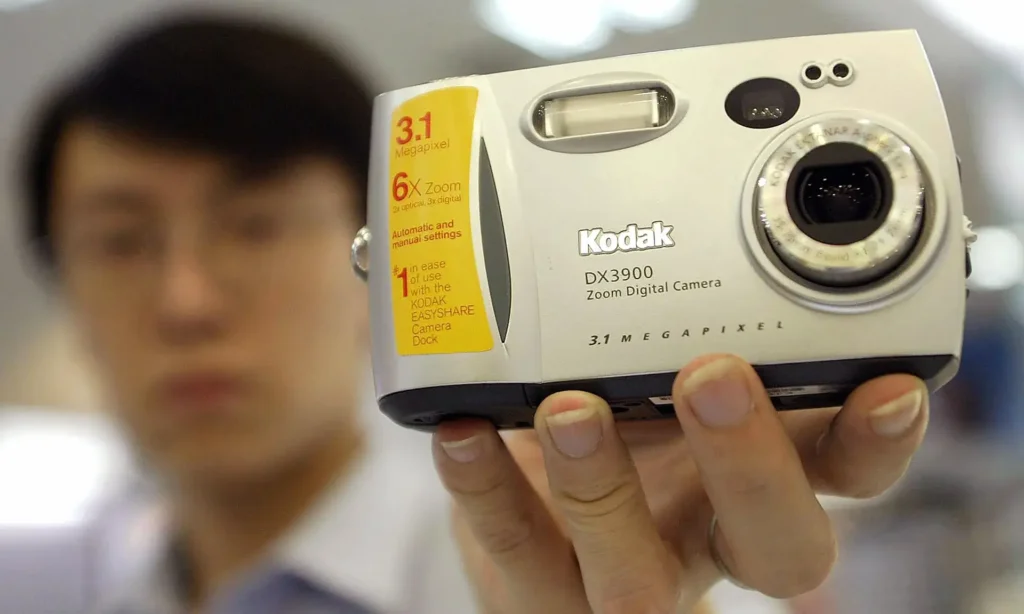
In 1975, Kodak engineer Steve Sasson built the first digital camera. This camera weighed in at eight pounds and produced black-and-white images with a resolution of 0.01 megapixels, while taking 23 seconds to save a single image to a cassette tape.
Sasson demonstrated the digital camera technology to Kodak management. Management told Sasson his creation was “cute,” then instructed him to keep it secret.
At the time, Kodak controlled more than 80 percent of the U.S. film market and was earning enormous profits from film, photochemicals, and photo paper. Developing a filmless camera threatened all of these revenue streams. So Kodak shelved the technology.
Seven years later in 1981, an internal report by Vince Barabba, head of market intelligence for Kodak, confirmed that digital photography could replace the entire film business; however, Kodak would need roughly ten years to transition from film to digital.
Ten years later… Kodak did nothing. By 1996 Kodak had invested over half-a-billion dollars into developing its Advantix Preview system; essentially an analog camera using film. The Advantix Preview was a dismal failure.
Meanwhile, Sony, Canon, and Nikon were charging into digital photography. Instagram launched in 2010. On January 19, 2012, Kodak declared bankruptcy under Chapter 11 protection.
A company that invented digital photography was destroyed by its own creation; the technology it ignored for thirty-seven years.
4. Ronald Wayne Sells His 10 Percent Stake in Apple for $800 {#apple}

The cost: Approximately $400 billion in today’s value
Everybody knows that Apple was founded by Steve Jobs and Steve Wozniak. Very few people are aware that there was also a third co-founder; Ronald Wayne. Ronald Wayne owned a 10 percent stake in Apple Computer when Apple was officially established on April 1, 1976. Only twelve days later he sold his 10% interest back to Jobs and Wozniak for $800.
Ronald Wayne was forty-one years old at the time and had already lost money on a previous business venture. He feared that if Apple defaulted on any loans, he would personally lose everything he had worked for. He later accepted an additional $1,500 to give up all claim to Apple permanently.
So, Ronald Wayne gave up ownership rights to 10 percent of Apple for $2,300.
According to Fortune magazine in January 2026; that same 10 percent stake is worth approximately $400 billion today, factoring in stock splits and Apple’s rise as the most valuable publicly traded company in history. Ronald Wayne is now in his nineties and has repeatedly stated in interviews that he has no regrets, believing the immense financial pressure would have overwhelmed him. He might not have become one of the celebrity billionaires who turned fame into fortunes, but he sleeps well at night.
Whether Ronald Wayne is one of the most prudent individuals alive or simply one of the least fortunate, his story is a reminder that timing, risk tolerance, and temperament matter just as much as talent and vision.
5. Decca Records Told The Beatles to Get Back in Line {#decca}
The cost: Not signing the best-selling music act in recorded history
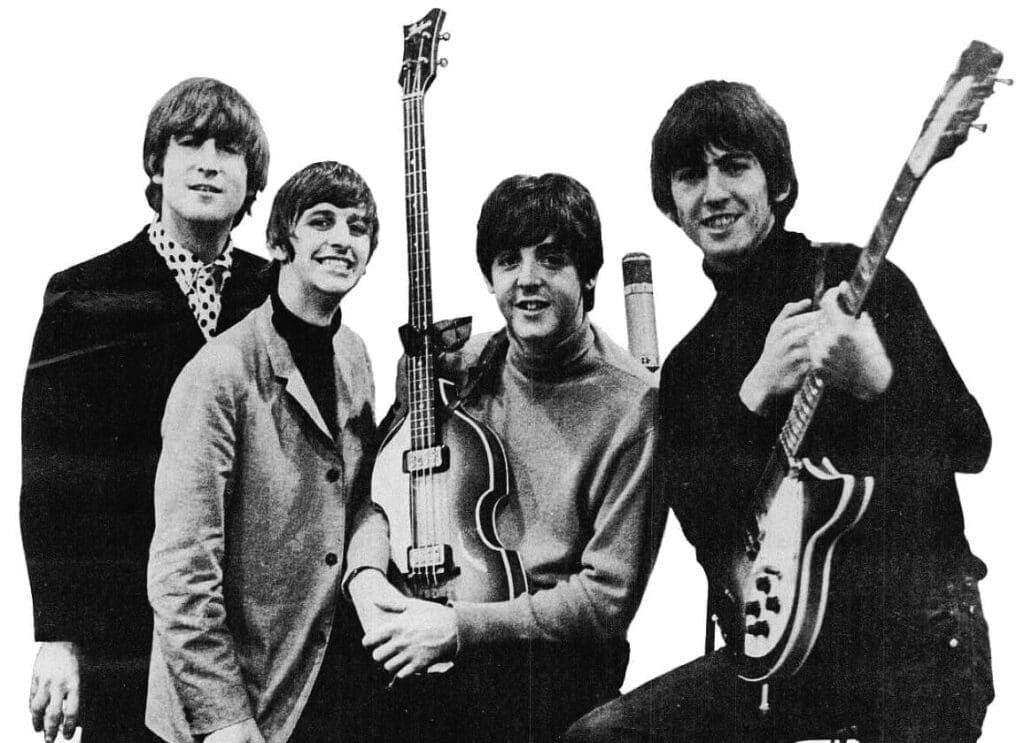
On January 1, 1962, The Beatles auditioned for Decca Records A&R representative Mike Smith at Decca’s London studios. During the auditions The Beatles performed fifteen different songs. However, The Beatles were not at their best during the audition; they were nervous and lacked their usual energy, rattled by the formality of a professional recording studio.
Decca Records passed on signing The Beatles. Decca allegedly told The Beatles’ manager Brian Epstein “Guitar groups are on the way out,” and “The Beatles have no future in show business.”
The Beatles were The Beatles. After signing with EMI’s Parlophone label under George Martin‘s production, The Beatles went on to become the best-selling music act in recorded history, having sold over 183 million albums and singles in the U.S. alone.
Decca did sign The Rolling Stones shortly thereafter, supposedly at George Harrison’s suggestion.
6. Yahoo Continues to Miss Opportunities {#yahoo}
The cost: Approximately $2 trillion in lost value
Since its inception, Yahoo has consistently failed to capitalize on the opportunities in front of it. Yahoo’s list of missed acquisitions reads like a who’s-who of modern internet giants.
In 2002 Yahoo had the chance to acquire Google for $3 billion. Yahoo walked away when Google countered at $5 billion. In 2006 Yahoo attempted to buy Facebook for $1 billion. Mark Zuckerberg verbally agreed to the deal. However, once Yahoo’s stock dropped ever so slightly, Yahoo lowered its offer to $850 million; at which point Zuckerberg walked away.
Facebook’s parent company Meta currently has a market cap of approximately $1.36 trillion as of March 2026.
Then came Yahoo’s greatest mistake yet. In February 2008, Microsoft offered Yahoo $44.6 billion to be acquired by Microsoft. The Yahoo board rejected the offer, claiming it undervalued the company. Jerry Yang led the charge, insisting that Microsoft’s offer substantially undervalued Yahoo.
Of course more never came, and by 2017 Verizon paid $4.48 billion for Yahoo; roughly one-tenth of what Microsoft had originally offered; after multiple devastating security breaches diminished its value. In the era of addictive internet trends, Yahoo became the cautionary tale everyone else learned from.
7. New Coke Creates 79 Days of Public Humiliation {#newcoke}
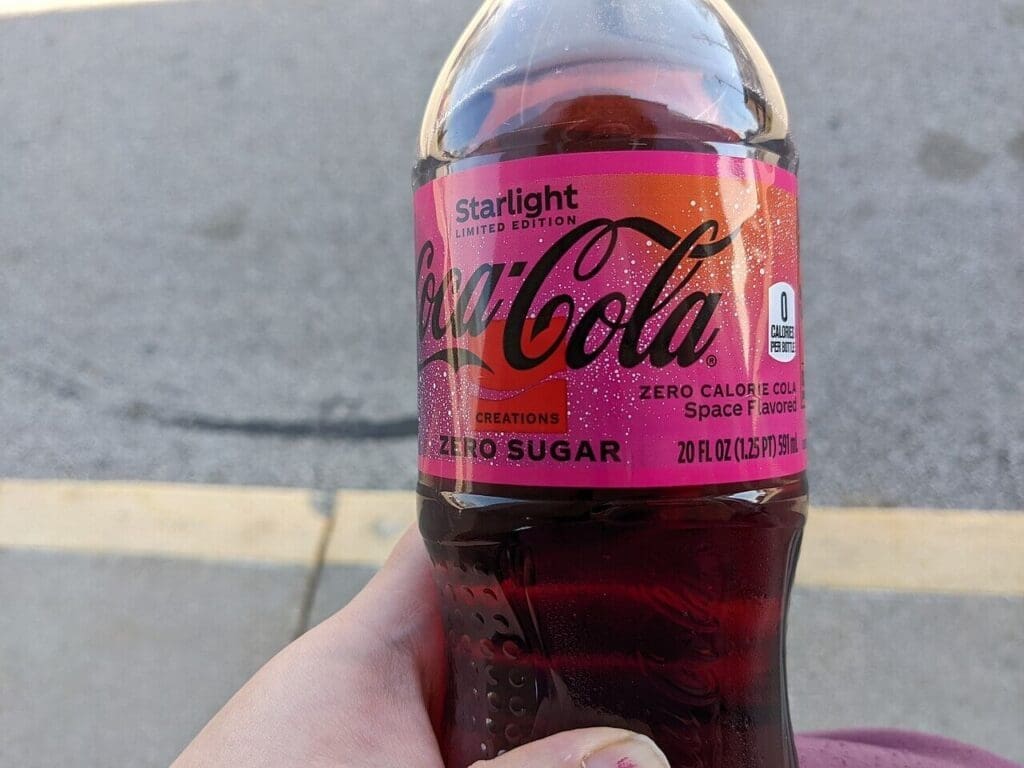
The cost: 79 days of shameful humiliation; unquantifiable damage to brand reputation; valuable lesson learned
On April 23, 1985, The Coca-Cola Company announced it would alter its formula for the first time in ninety-nine years. The formula change was prompted by Coca-Cola losing market share to PepsiCo for fifteen straight years and believing a new recipe would help reclaim it.
Public backlash was immediate: consumers flooded the company’s phone lines, which normally received only four hundred calls a day. By mid-June, Coca-Cola’s consumer service department was logging over fifteen hundred calls a day. Protest groups formed across America, including one calling itself the Society for the Preservation of the Real Thing.
One San Antonio man purchased $1,000 worth of classic Coke from a nearby bottling plant as protest against New Coke.
CEO Roberto Goizueta would later say he was particularly stung by one letter addressed not to the Chief Executive Officer but to the “Chief Dodo, The Coca-Cola Company.”
Seventy-nine days after introducing New Coke, on July 11, 1985, The Coca-Cola Company reversed course and brought back the original formula as “Coca-Cola Classic.” It’s the kind of boardroom disaster that makes those relatable moments everyone pretends don’t happen look tame by comparison.
The reversal made headlines across virtually every major newspaper in the country.
New Coke is now perhaps the most frequently cited case study in marketing textbooks globally; illustrating what taste tests fail to account for: consumers’ emotional connection with their favorite brands; connections so deep that any attempt to alter a beloved brand feels like a personal betrayal.
8. Mars Refuses to Partner with E.T. {#Mars}
The cost: Letting a competitor win the most successful product placement in movie history
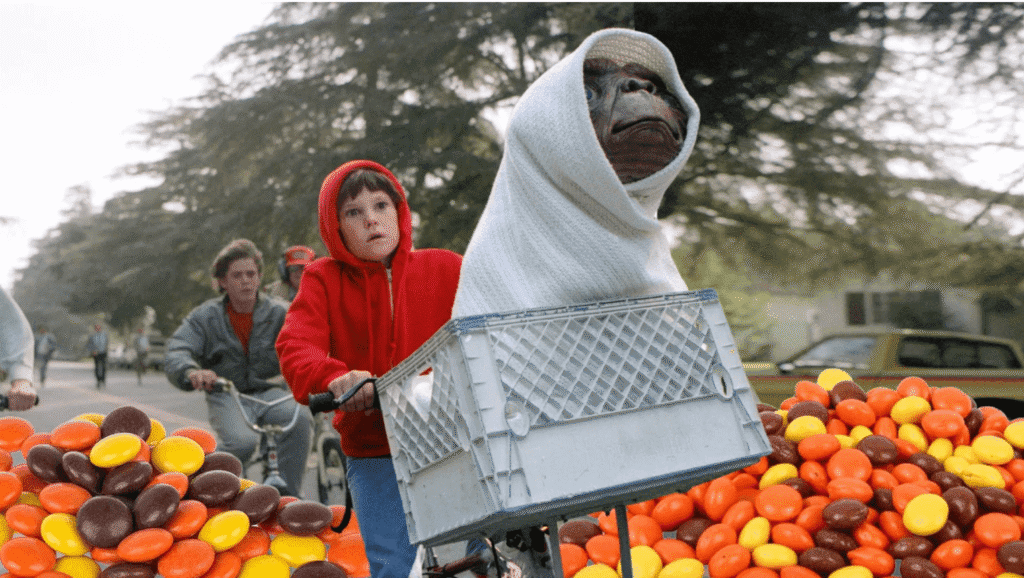
During pre-production on Steven Spielberg‘s E.T. the Extra-Terrestrial (1982), Spielberg’s staff asked Mars Corporation for permission to feature M&M’s as the candy Elliot uses to lure E.T. out of hiding. Mars said no, reportedly because they didn’t want their candy associated with an alien.
Spielberg’s team contacted Hershey’s next, asking if Reese’s Pieces could be featured prominently throughout the film. Hershey’s agreed, asking only that Reese’s Pieces be included in the film’s promotional campaigns.
Reese’s Pieces had struggled until E.T. debuted; just two weeks after opening night in June 1982, sales jumped 65 percent according to TIME, with some regional suppliers reporting that sales tripled.
E.T. became one of Hollywood’s earliest and most notable product placement triumphs; and remains a cautionary tale for any executive who turns down a deal without seeing the bigger picture.
9. Quaker Oats Kills Snapple in 27 Months {#snapple}
Cost: $1.4 billion in total losses; $1.6 million per day
Quaker Oats purchased Snapple in 1994 for $1.7 billion. The logic seemed sound at the time: if Quaker Oats had successfully transformed Gatorade into a national powerhouse, why couldn’t they do the same with Snapple? They didn’t. Snapple had developed a unique identity with its quirky personality, oddball bottle caps, enthusiastic Gen-X fan base, and a decentralized network of independent distributors. In response, Quaker immediately tried to force Snapple through its centralized grocery distribution system and stripped away everything that made the brand special.
Snapple’s sales plummeted. Only 27 months after acquiring Snapple, Quaker sold the company to Triarc Companies, Inc. for $300 million; a $1.4 billion loss. According to the Museum of Failure, this translates to around $1.6 million per day lost for each day Quaker Oats owned the brand. The Harvard Business Review published a case study on the disaster, and Quaker Oats’ chairman and president both lost their jobs.
10. The AOL–Time Warner Merger: $99 Billion Lost {#AOL}
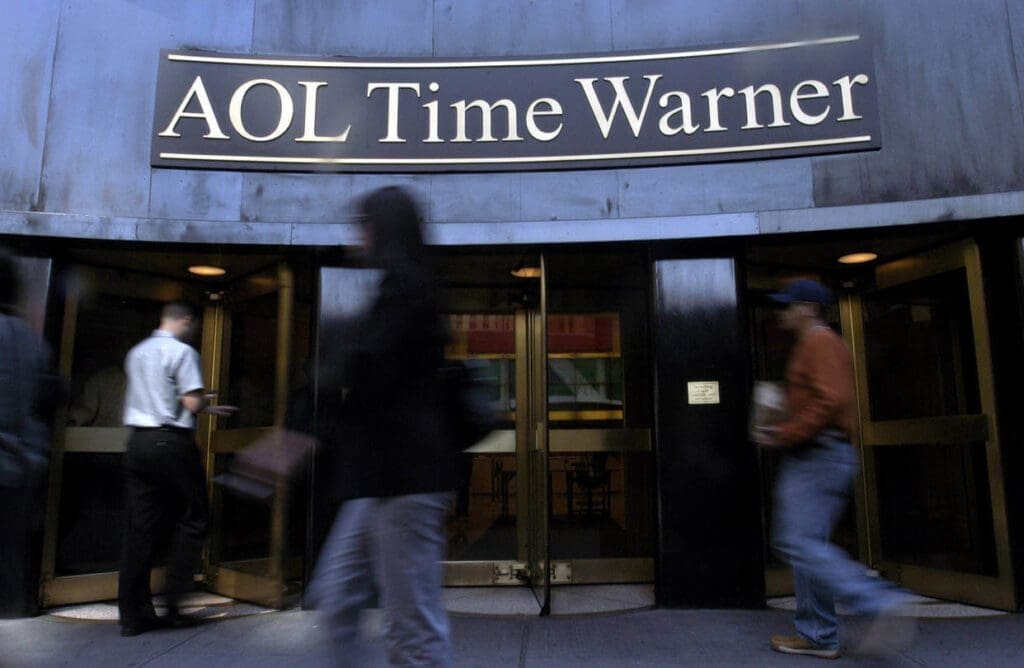
Cost: $99 billion (a goodwill write-down in shareholder value) lost; generally regarded as the worst merger in history
At the height of the dot-com bubble, AOL announced in January 2000 that it intended to purchase Time Warner in a $165 billion deal. At the time, it represented the largest corporate merger in history. On paper, the potential deal was almost impossible to resist. Combining AOL’s 30-million+ subscriber base with Time Warner’s vast media conglomerate (CNN, HBO, Warner Brothers, etc.) and cable TV operations would create an unbeatable force.
However, in practice, the results were catastrophic. AOL operated with a fast-paced, digital-first mentality, whereas Time Warner functioned as a deliberate, traditional media company. The boardroom battles quickly turned into territorial wars. According to NPR’s Planet Money, executives from both sides battled constantly, each with competing visions of media’s future.
When the dot-com bubble burst shortly thereafter, AOL’s stock price plummeted. The combined company lost $99 billion in shareholder value within two years. Fortune later described it as the worst deal in business history.
Time Warner dropped ‘AOL’ from its name in 2003 and formally spun off the internet division in 2009; erasing virtually all traces that the merger had ever existed.
11. Motorola Spends $5 Billion Developing Satellites That No One Wants {#Motorola}
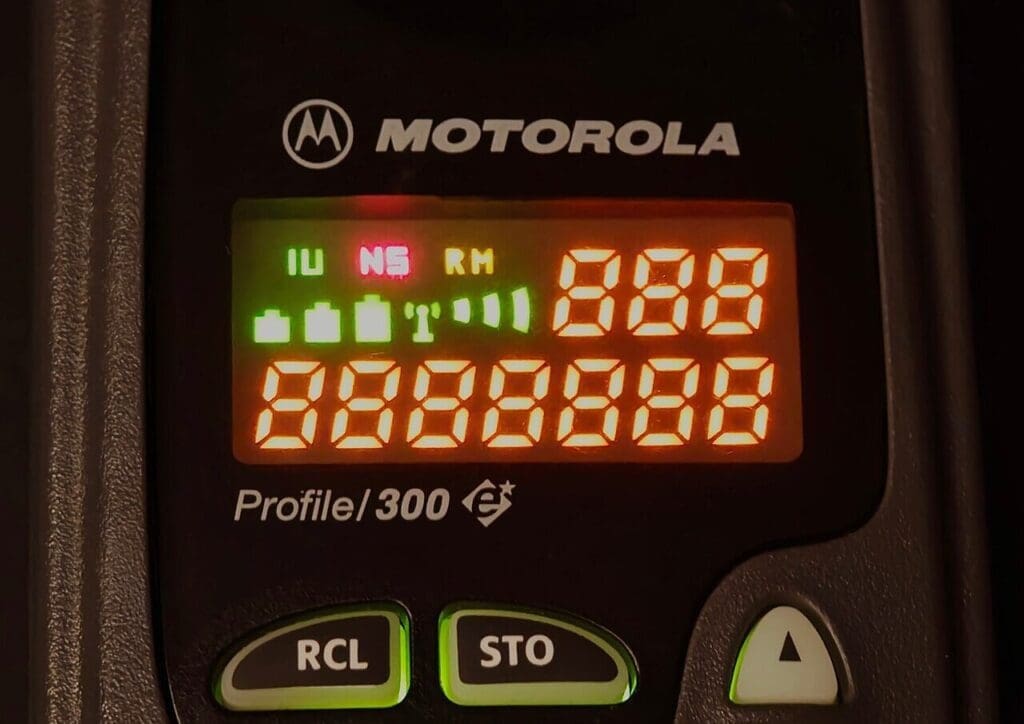
Cost: $5 billion in research and satellite deployment; one of the shortest bankruptcies in tech history
Late in the 1980s, Motorola conceived an ambitious idea: a constellation of 66 low-Earth-orbit satellites that would enable phone calls from anywhere on Earth. The project was called Iridium and took over five billion dollars to develop and deploy.
The handsets cost $3,000. Calls ran $3 to $7 per minute. And the signal only worked outdoors in wide-open spaces with a clear view of the sky. By the time the system launched commercially in November 1998, the global cellular network had expanded dramatically, offering far cheaper and more compact alternatives that worked everywhere people actually lived and worked.
As many analysts expected, Iridium attracted around 10,000 subscribers; a tiny fraction of the 500,000 to 600,000 needed to break even. On August 13, 1999, less than a year after Iridium began offering services, it filed for Chapter 11 bankruptcy protection as it defaulted on $1.5 billion in loans; one of the top 20 largest bankruptcies in U.S. history.
Motorola spent $5 billion trying to answer a question nobody asked; do people actually want to make phone calls from the middle of the desert? Iridium was later purchased out of bankruptcy for roughly $25 million and relaunched as a niche service. As of early 2026, it has more than 2.5 million billable subscribers and generates annual revenue exceeding $870 million.
12. Nokia Neglects Smartphones {#nokia}
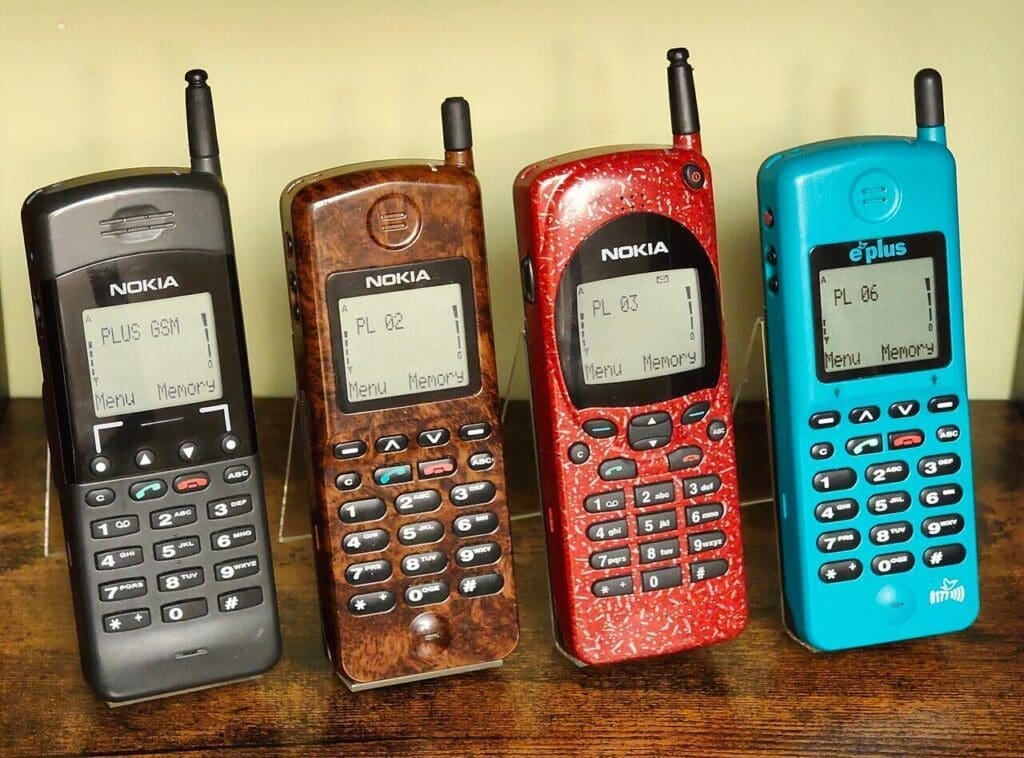
Cost: Nokia’s market share collapses from 49.4 percent to three percent in six years
In 2007, Nokia controlled 49.4 percent of the global smartphone market. Nokia was the leading provider of mobile phones on Earth, and Symbian was the de facto standard operating system for smartphones. Then Apple released the iPhone and Google launched Android.
Nokia’s leaders rejected Android, since adopting it would put them in direct competition with Samsung, which was already dominating the Android ecosystem.
As a result, Nokia clung to Symbian, which was quickly becoming obsolete, and then partnered with Microsoft’s Windows Phone operating system in a desperate attempt to regain relevance.
By June 2013, Nokia’s smartphone market share fell to below three percent. A study by INSEAD (Vuori & Huy, 2016) later determined that Nokia’s collapse was not caused solely by outside forces; it was primarily driven by an internal culture of fear that stifled honest communication and paralyzed the organization in the face of bad news.
Microsoft bought Nokia’s mobile phone business for $7.2 billion; the deal was announced in September 2013 and closed in April 2014. However, Microsoft subsequently wrote down more than 100% of this amount and has since sold the remainder of Nokia’s mobile phone business to HMD Global; a Finnish company backed by Foxconn. In an era of rapid disruption; just look at the AI tools reshaping every industry in 2026; Nokia’s story remains a warning about what happens when a market leader refuses to adapt.
13. Western Union Dismisses Telephony as “an Electric Toy” {#westernunion}

Cost: Western Union gave up control of the telecommunications industry.
In 1876, Alexander Graham Bell approached Western Union; at the time North America’s dominant telecommunications carrier; and offered to sell his telephone patent for $100,000. Western Union’s president William Orton allegedly dismissed the telephone as “an electric toy,” claiming it lacked commercial viability.
Two years later Orton publicly said that if he could have acquired Bell’s telephone patent for twenty-five million dollars ($25 million), it would have been a steal.
Bell went ahead and founded Bell Telephone Co., which would eventually become AT&T; one of North America’s most highly-valued corporations.
The irony here is that Western Union was in fact a communications company. The telephone was not a radical departure from Western Union’s business but a natural extension of it. Orton simply could not see beyond his telegraph.
14. Borders Allows Amazon to Run Its Own E-Commerce Platform {#borders}
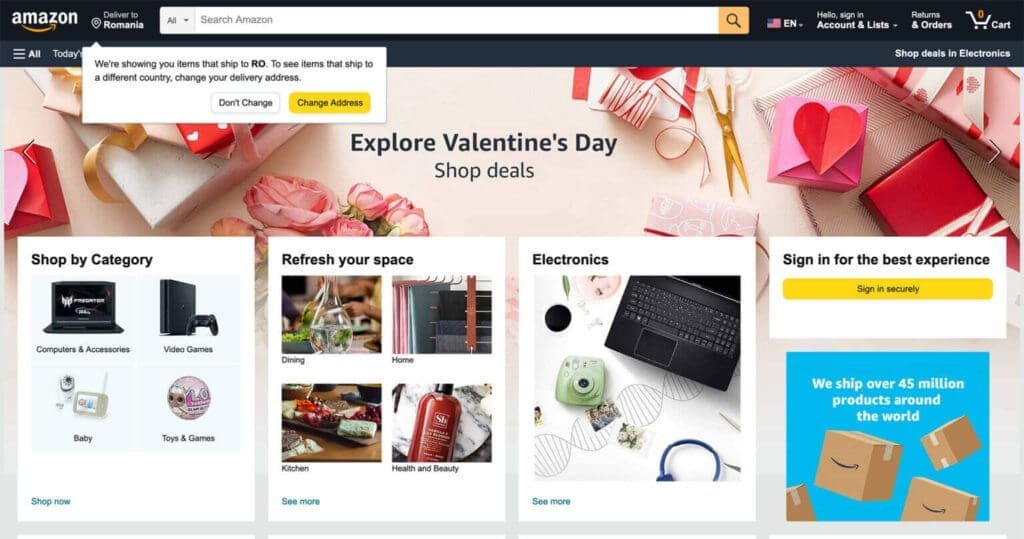
Cost: Total liquidation and closure of all stores.
In the early 2000s, Borders Books & Music was one of the two largest bookstore chains in the United States, with over 1,000 locations across North America. Internet commerce was growing rapidly as an alternative retail channel; however, instead of building its own online bookstore, Borders outsourced its entire e-commerce operation to Amazon.com from 2001 to 2008.
This decision was baffling on multiple levels. Borders essentially handed Amazon its entire customer database: purchasing history, buying patterns, and behavioral data. Amazon used that data to refine its recommendation engine and expand its online book business.
Meanwhile, Borders doubled down on in-store music and DVD sales, precisely as digital downloads began eating into both markets.
When Borders finally broke off the partnership in May 2008 and launched its own website, it was seven years behind. In February 2011, Borders filed for Chapter 11 bankruptcy protection and closed more than 600 Borders superstores. By September 2011, all remaining locations had been liquidated.
Amazon, which had received an early boost from Borders itself, grew into one of the world’s largest retailers.
15. Sears Has Amazon-Type E-Commerce Prior to Arrival of Amazon {#sears}
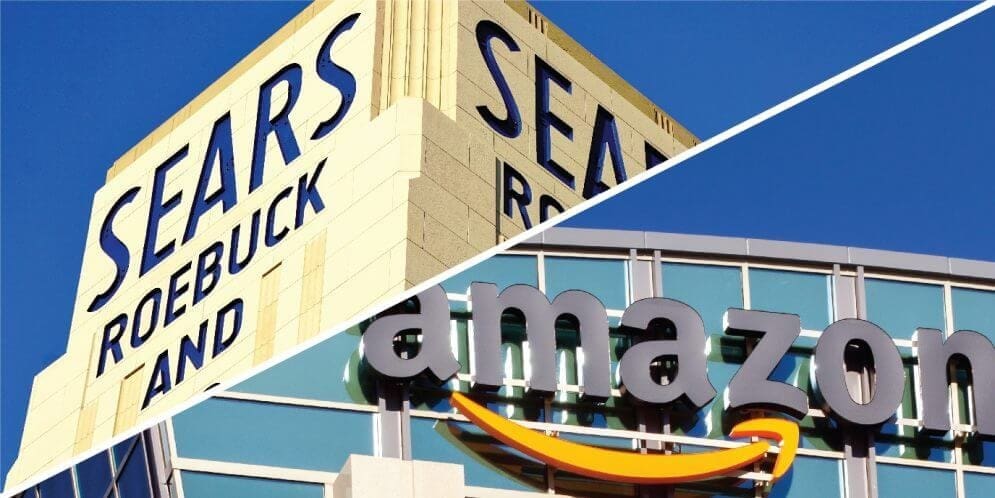
Cost: From being the largest retailer globally to a mere shadow of its former self
For over a hundred years before Jeff Bezos launched Amazon.com in 1994, the Sears, Roebuck & Co. print catalog; dating to 1888; was essentially the equivalent of today’s online shopping experience. Customers could buy virtually anything from Sears; clothing, tools, appliances, bikes, or even an entire home delivered piece by piece; through either a local storefront or the mail-order catalog that landed in millions of households.
Sears had a massive customer database, nationwide delivery infrastructure, and a powerful brand. The company was once the largest retailer in the United States and built the Sears Tower; then the tallest building in the world; as its headquarters.
Yet Sears failed to capitalize on any of these advantages as e-commerce emerged and Amazon built its digital retail empire.
In 2005 Sears merged with Kmart (another faltering retailer). The combined company invested virtually nothing in digital infrastructure while Amazon was expanding its warehouse network, building cloud services, and optimizing its logistics systems. Sears also failed to maintain its physical stores, watched customer satisfaction plummet, and ultimately filed for Chapter 11 bankruptcy protection on October 15, 2018. As of early 2026, the brand has been reduced to running just five physical storefronts across the United States.
What All Fifteen Failures Share in Common
All fifteen failures share a common cause. None were caused by incompetence; the senior executives involved were, by most accounts, intelligent and capable. All fifteen failures were due to one factor: an unwillingness on the part of those executives to recognize that the very things driving their current success would eventually prevent them from adapting to what came next.
Kodak earned too much from film to take digital seriously. Blockbuster earned too much from late fees to see streaming as a legitimate threat. Nokia was too dominant to worry about newcomers. Yahoo was too confident in its own valuation to accept what Microsoft was offering.
Each scenario illustrates the same truth: companies built on a single model cannot imagine an alternative. The habits that build empires ultimately blind them.
The 15 Costliest Corporate Mistakes in Modern History at a Glance
The 15 Most Expensive “What Were They Thinking?” Fails; At a Glance
| # | Company / Decision | Year | The Cost | What Happened |
|---|---|---|---|---|
| 1 | Blockbuster Rejects Netflix | 2000 | A $394 billion company given away to a competitor for free | Netflix offered to sell itself to Blockbuster for $50 million. Blockbuster CEO John Antioco refused. Netflix’s market cap is now approximately $394 billion. Only one Blockbuster store remains, in Bend, Oregon. |
| 2 | Excite Passes on Buying Google for $750,000 | 1999 | Missing the opportunity to own a company worth over $3.3 trillion | Larry Page and Sergey Brin offered their search algorithm to Excite for $1 million, then $750,000. CEO George Bell rejected both offers, worried Google’s search was “too efficient.” Alphabet’s market cap now exceeds $3.3 trillion. |
| 3 | Kodak Buried Its Own Digital Camera Technology | 1975–2012 | Destroying a 131-year-old company with its own invention | Kodak engineer Steve Sasson built the first digital camera in 1975. Management suppressed the technology to protect its film business. Kodak declared bankruptcy on January 19, 2012, thirty-seven years later. |
| 4 | Ronald Wayne Sells His 10% Stake in Apple for $800 | 1976 | Approximately $400 billion in today’s value | Apple’s third co-founder sold his 10% stake for $800 just twelve days after the company was founded, then accepted $1,500 to give up all future claims. That stake is now worth approximately $400 billion. |
| 5 | Decca Records Told The Beatles to Get Back in Line | 1962 | Not signing the best-selling music act in recorded history | Decca Records passed on signing The Beatles after an audition on January 1, 1962, allegedly saying “Guitar groups are on the way out.” The Beatles went on to sell over 183 million albums and singles in the U.S. alone. |
| 6 | Yahoo Continues to Miss Opportunities | 2002–2017 | Approximately $2 trillion in lost value | Yahoo passed on acquiring Google for $5 billion, lost Facebook over a $150 million price reduction, and rejected Microsoft’s $44.6 billion bid. Verizon later bought Yahoo for $4.48 billion; roughly one-tenth of Microsoft’s offer. |
| 7 | New Coke Creates 79 Days of Public Humiliation | 1985 | 79 days of shameful humiliation; unquantifiable brand damage; valuable lesson learned | Coca-Cola changed its formula for the first time in 99 years. Public backlash was immediate and furious. After 79 days, Coca-Cola reversed course and brought back the original formula as “Coca-Cola Classic.” |
| 8 | Mars Refuses to Partner with E.T. | 1982 | Letting a competitor win the most successful product placement in movie history | Mars declined to let M&M’s appear in E.T. the Extra-Terrestrial. Hershey’s stepped in with Reese’s Pieces. Sales jumped 65% within two weeks of the film’s opening, with some regions reporting sales tripled. |
| 9 | Quaker Oats Kills Snapple in 27 Months | 1994–1997 | $1.4 billion in total losses; $1.6 million per day | Quaker Oats purchased Snapple for $1.7 billion, stripped away its unique brand identity and distribution network, then sold it 27 months later for $300 million; a $1.4 billion loss. |
| 10 | The AOL–Time Warner Merger: $99 Billion Lost | 2000 | $99 billion goodwill write-down in shareholder value; generally regarded as the worst merger in history | AOL purchased Time Warner for $165 billion at the height of the dot-com bubble. Cultural clashes and the market crash destroyed value. The combined company lost $99 billion in shareholder value within two years. |
| 11 | Motorola Spends $5 Billion Developing Satellites That No One Wants | 1988–1999 | $5 billion in research and satellite deployment; one of the shortest bankruptcies in tech history | Motorola spent $5 billion to build Iridium, a 66-satellite phone network. Handsets cost $3,000 and calls ran $3–$7 per minute. The system attracted only 10,000 subscribers and filed for bankruptcy in less than a year. |
| 12 | Nokia Neglects Smartphones | 2007–2013 | Market share collapses from 49.4% to below 3% in six years | Nokia controlled 49.4% of the global smartphone market in 2007. It rejected Android, clung to Symbian, and partnered with Windows Phone. By 2013, its share was below 3%. Microsoft bought the mobile business for $7.2 billion, then wrote off more than 100% of the purchase. |
| 13 | Western Union Dismisses Telephony as “an Electric Toy” | 1876 | Gave up control of the telecommunications industry | Alexander Graham Bell offered his telephone patent to Western Union for $100,000. President William Orton dismissed it as “an electric toy.” Bell founded Bell Telephone Co., which eventually became AT&T. |
| 14 | Borders Allows Amazon to Run Its Own E-Commerce Platform | 2001–2011 | Total liquidation and closure of all stores | Borders outsourced its online book-selling to Amazon from 2001 to 2008, handing over its entire customer database. When Borders finally launched its own website, it was seven years behind. Borders filed for bankruptcy in February 2011 and liquidated all locations by September 2011. |
| 15 | Sears Has Amazon-Type E-Commerce Prior to Arrival of Amazon | 1888–2018 | From being the largest retailer globally to a mere shadow of its former self | Sears had a massive customer database, nationwide delivery infrastructure, and a mail-order catalog dating to 1888. It failed to invest in e-commerce, merged with faltering Kmart in 2005, and filed for Chapter 11 bankruptcy on October 15, 2018. As of early 2026, only five stores remain. |
Frequently Asked Questions
What is the largest corporate failure ever?
Generally accepted as the largest corporate failure ever is the AOL–Time Warner merger in January 2000. The deal totaled $165 billion and resulted in approximately $99 billion in lost shareholder value for Time Warner within two years. Business educators worldwide teach it as a case study in cultural clash, deal timing, and acquisition overpricing.
Why did Blockbuster not buy Netflix?
According to Netflix co-founder Marc Randolph in his memoir, Blockbuster CEO John Antioco dismissed Netflix as “niche” during a meeting in 2000. He believed the dot-com era was dead and that Blockbuster’s store-based model would continue to reign regardless of changes in digital media. Randolph states Netflix asked for $50 million.
Did Kodak invent digital cameras?
Yes, Kodak engineer Steve Sasson built the first digital camera in 1975. Kodak management suppressed the technology, fearing it would cannibalize the company’s lucrative film business. Kodak filed for bankruptcy protection in January 2012; thirty-seven years after Sasson built the first digital camera.
How much did Yahoo lose when rejecting Microsoft?
Microsoft offered Yahoo $44.6 billion for full acquisition in February 2008; however, Yahoo rejected the bid. Nine years later, Verizon Communications purchased Yahoo’s main internet assets for $4.48 billion; approximately ninety percent less than what Microsoft had originally offered.
Which was the most expensive product placement failure?
Mars, Inc. turning down the chance to feature M&M’s inside E.T. the Extra-Terrestrial is one of the most frequently cited product-placement failures in advertising history. Hershey’s landed the Reese’s Pieces placement in E.T., and sales jumped 65 percent within two weeks of the film’s opening, with some reports indicating they tripled in certain regions.
Every figure in this article was verified against at least two independent sources as of March 2026. Market capitalizations are as of the publication date and change daily. All financial data is hyperlinked to its source.