



Four million tons of pasta produced in Italy per year. More than 42 billion servings of instant noodles consumed in a single country. Spice exports exceeding $4.72 billion. A street cook over eighty years old with a Michelin star. She fries crab omelets on a charcoal grill in a Bangkok alley. The world’s most important food never needed a fancy restaurant; it just needed someone who refused to let a recipe die.
The most influential food in the world never required a white tablecloth.
At some point, someone concluded that the finest food in the world could only exist within the confines of three-Michelin-star dining rooms with leather-bound wine lists and tasting menus that cost as much as domestic airline tickets. This notion was always half-baked. The world’s most frequently consumed foods did not gain their popularity because of luxury. They gained their popularity through flavor, tradition, adaptation and the relentless efforts of billions of people who wanted to preserve their grandmothers’ recipes. Anthony Bourdain (chef, author, host of No Reservations and Parts Unknown) said: “Food is everything we are. It’s an extension of nationalist feeling, ethnic feeling, your personal history, your province, your region, your tribe, your grandma. It’s inseparable from those from the get-go.”
Bangkok street vendors. Bologna family kitchens. Taco trucks traveling along dirt roads outside of Mexico City. These are the world’s true food engines.
The following is not simply a list of “the best foods” ranked in order. It is a look at sixteen cuisines that are profoundly shaping menus, grocery stores, farm-based economies, and our understanding of flavor itself; all supported by data. Some entries will seem obvious. Others may surprise you. All sixteen cuisines deserve your attention.
1. Italian Cuisine, The Supreme Food Champion
You can walk into almost any city in the world and find a pizzeria. That is evidence enough of the influence of Italian food. However, that fact alone does not capture the breadth, sophistication and extreme regionalism that exists within Italian cuisine.
Italian cuisine regained its title as the number one cuisine in the world, scoring 4.61 out of 5 according to the TasteAtlas 2025/2026 awards at the time of the December 2025 announcement (TasteAtlas scores are dynamic). In 2019, YouGov surveyed more than 25,000 people across 24 countries and found that Italian food was the favorite type of cuisine among respondents, with an average favorability rating of 84%. On December 10, 2025, Italian food became the first national culinary system in its entirety to be officially listed as part of UNESCO’s Intangible Cultural Heritage of Humanity, placing Italian cuisine on par with other intangibles such as flamenco dancing and Chinese calligraphy.
The key to the success of Italian food lies in its restraint. Carbonara requires only five ingredients: pecorino romano, guanciale, eggs, black pepper and pasta. A margherita pizza has fewer than a handful of toppings: tomatoes, mozzarella cheese, basil leaves and olive oil arranged on top of a thin layer of dough. Italian food is about removing everything until only the essential remains.
From the outside, Italian food appears to be a single entity; however, it is actually composed of 20 separate regional traditions. Each region has been preserved for generations by home cooks and safeguarded by law. Italy has over 300 geographic identifiers for food products (and nearly 900 total including wine and spirits) registered under the DOP, IGP and STG designations; more than any other country in the E.U. Massimo Bottura (Chef, Osteria Francescana, Modena; #1 World’s 50 Best Restaurants 2016 & 2018) said in a TikTok interview with Alexandra Gorsche: “Culture is the most important ingredient for the chef of the future.”
Parmigiano-Reggiano can only be made in certain areas in Emilia-Romagna. Prosciutto di San Daniele can only be produced in the area of Friuli. These are not marketing gimmicks; these are legally binding certifications guaranteeing that the ingredients were grown, processed and packaged in a specific location and according to a specific method.
The economic engine driving this industry is massive. Italy produces over 4 million metric tons of pasta each year and accounts for 69% of the EU’s total pasta production, according to Eurostat data from October 2025. The country is one of the top two wine-producing countries in the world, frequently alternating the top position with France, and produces an estimated 10 to 15% of the world’s olive oil, depending on the harvest. Italian food is not only a cultural tradition but also a large-scale industrial food system.
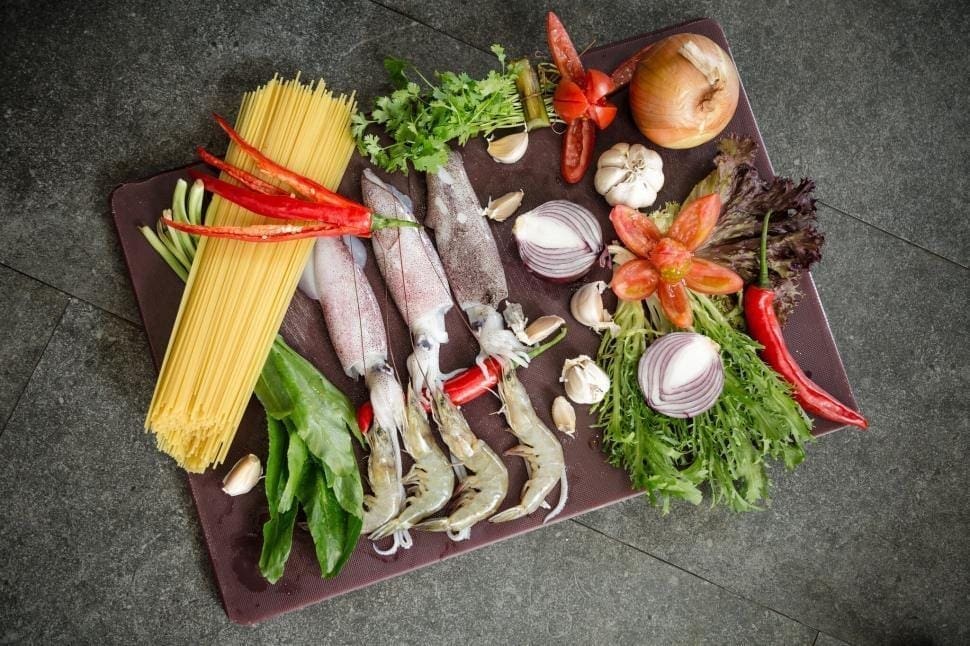
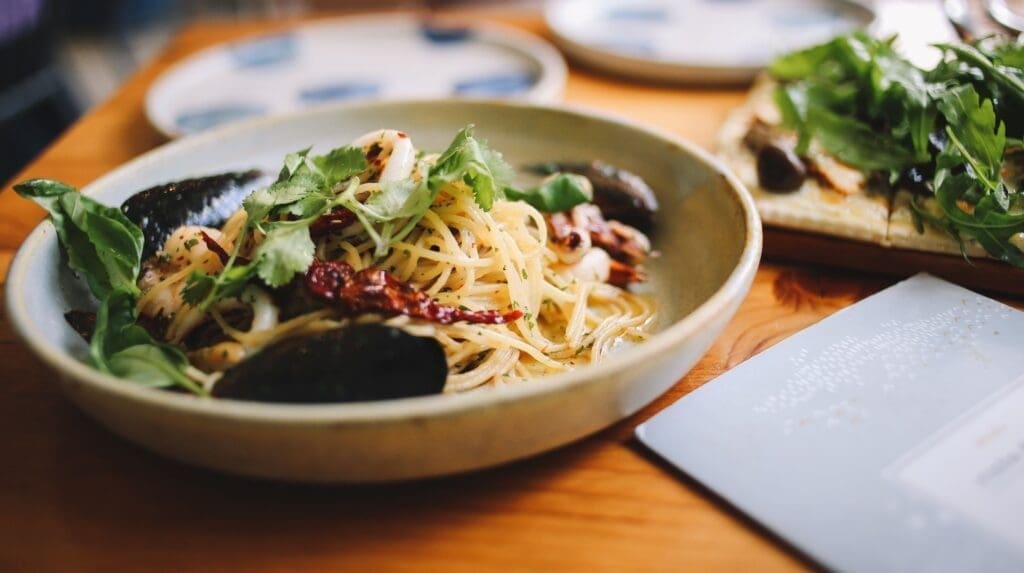
Note for your next Italian meal: do not get Alfredo. The cream-based sauce is primarily an American creation and is rarely available on menus in Italy. Instead, order the Aglio e Olio: spaghetti, garlic, olive oil, red pepper flakes and a small amount of pasta water. It will take you 12 minutes to eat and it will forever alter your perspective of simplicity.
2. Chinese Cuisine, the World’s Most Diverse Kitchen
Going to a Chinese restaurant and ordering “Chinese food” is similar to going to a European restaurant and ordering “European food”. The term completely eliminates an enormous body of culinary knowledge that includes at least eight primary regional cuisines in China: Cantonese, Sichuan, Shandong, Jiangsu, Zhejiang, Fujian, Hunan and Anhui. Each of these cuisines has their own method of preparation, ingredients and flavor combinations.
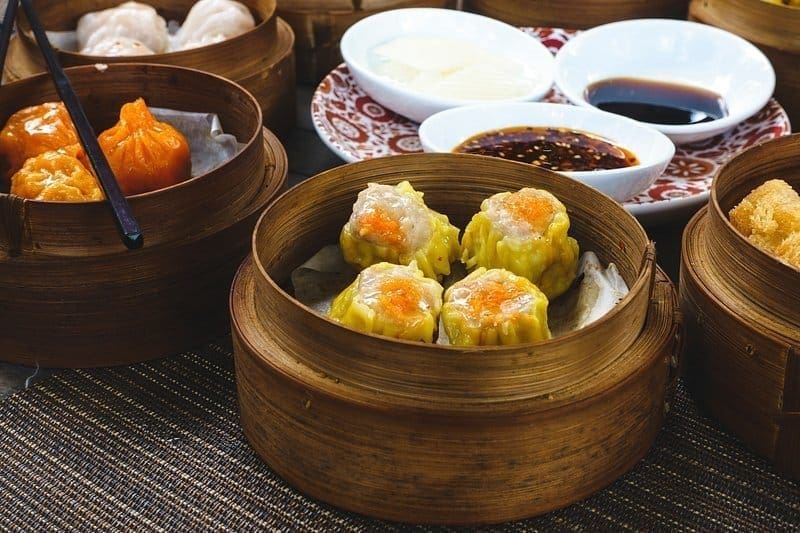
Guangdong-style dim sum is an exercise in precision. Delicate dumplings are carefully folded into intricate pleats and then steamed until translucent. Sichuan cooking combines the intense heat of dried chilies with the numbing sensation of the Sichuan peppercorn, creating a sensation referred to as málà. This sensation is a combination of taste and physical nerve stimulation. Xiang cuisine, which is native to the province of Hunan, creates an intense mouth burn with raw, unprocessed chilies, smoked chilies or chopped chili paste (duò jiāo). Vinegar, garlic and shallots brighten the meal, providing contrast throughout. Chairman Mao’s Red Braised Pork, Steamed Fish Head with Chopped Chili, and Stir-Fried Smoked Pork with Dried Tofu are representative examples of Hunan dishes that illustrate this philosophy of intensity with intention.
Shandong cuisine is believed to be the oldest of the eight traditions. The region was the first to develop the techniques of braising and stock-making that have influenced the majority of cooking in North China. Zhejiang cuisine is characterized by mild flavors and attention to detail in preparation. Fujian cuisine has an extensive array of soups and broths and utilizes a wide range of mountain and ocean-based ingredients.
The complexity of Chinese cooking is frequently misunderstood. Wok hei, or “wok breath,” refers to the unique flavor produced when food is cooked at extremely high temperatures of at least 572 degrees Fahrenheit (300 degrees Celsius) and often significantly hotter. This results in a rapid caramelization and Maillard reaction. Producing wok hei requires a great deal of experience, and professional Cantonese kitchens use burners that generate heat impossible to replicate in a residential setting.
China is also the birthplace of tofu, soy sauce and tea; three ingredients that have become staples of many cuisines throughout Asia and the world. The preservation of food in China is also widespread; thousand-year eggs, fermented black beans, Sichuan preserved vegetables (zhàcài), and Shaoxing rice wine are common ingredients in countless Chinese households.
China consumes more instant noodles than any other country. The World Instant Noodles Association reported that China and Hong Kong consumed over 42.2 billion servings of instant noodles in 2023; a greater quantity than any other country, out of a global total of roughly 118 to 121 billion servings.
When a cuisine can present a $3 plate of fried rice to sustain a shift worker and a $400 Peking duck ceremony to amaze diplomats, it has a form of adaptability that few food traditions possess. Next time you visit a Chinese restaurant, pass on the orange chicken. Ask for the Mapo Tofu with the Sichuan peppercorn level turned high and be prepared for your palate to be dramatically altered.
3. Japanese Cuisine, Precision as Philosophy
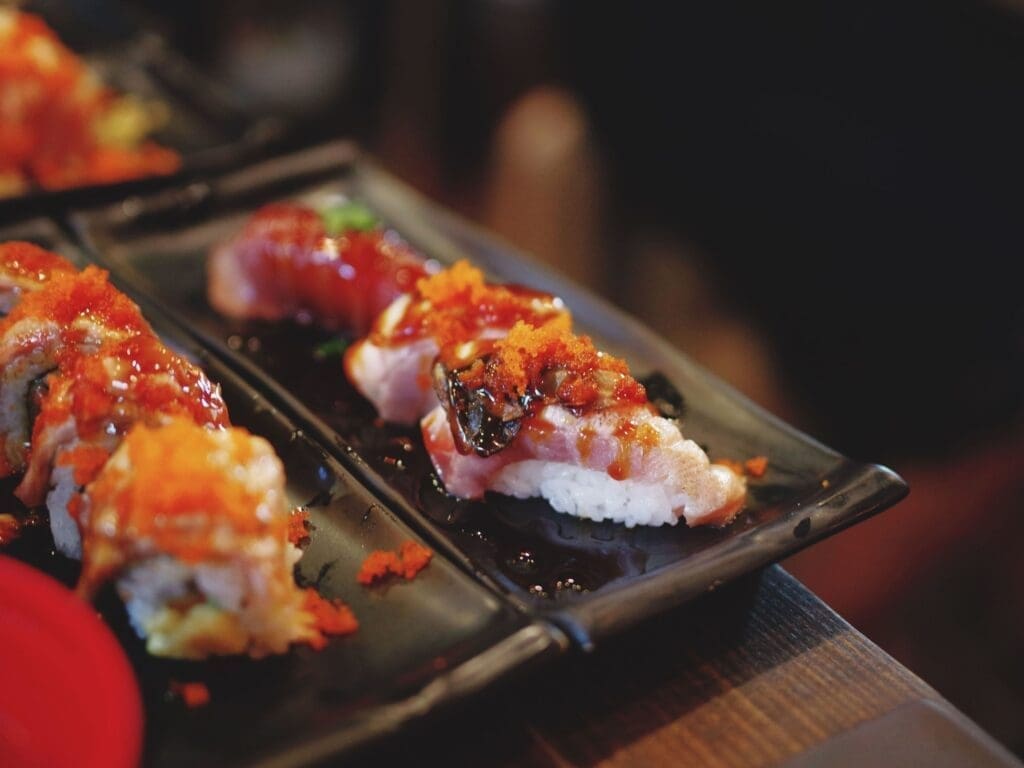
Japan has a culinary term, shun, that means preparing ingredients at their absolute peak of seasonal flavor. A sushi chef in Tokyo does not choose his fish based on availability. He chooses based on which fish is at its most flavorful that week. Tuna in winter. Bonito in late spring. Sanma in fall. The art of timing is as important to Japanese cooking as the art of the knife cut.
UNESCO recognized Washoku, Japan’s traditional dietary culture, as an Intangible Cultural Heritage in 2013. The designation recognized not only specific dishes, but the overall philosophy; an attitude toward food that views every dish as a composed artistic experience. Color, season and the angle of a knife cut all contribute to the final composition.
Japanese cuisine has changed the way people eat around the world. Prior to sushi becoming popular, the thought of consuming raw fish in a city like Kansas City or Manchester would have seemed ridiculous. Now, it is a typical Tuesday lunch. Japanese fermentation techniques; used to make miso, soy sauce, mirin and rice vinegar; have become integral to kitchens around the world. Japanese chemist Kikunae Ikeda identified umami in 1908. Ikeda isolated glutamic acid from kombu seaweed and suggested that it should be viewed as a fifth basic taste. Since then, umami has become a foundational element of flavor theory taught in culinary schools around the world.
Kaiseki, the multiple-course dinner tradition, exemplifies the ultimate discipline of seasonal cooking. Each course is designed to capture the essence of the time of year. From the garnishes to the ceramics upon which the food is served, kaiseki is the ultimate example of dinner as meditation.
Food critic Masuhiro Yamamoto said of Jiro’s sushi in the documentary: “You must dedicate your life to mastering your skill. That’s the secret of success and is the key to being regarded honourably.”
Beyond the formal dining experiences, Japan’s convenience store culture, known as konbini, has become a food tourism phenomenon. Visitors to Tokyo are discovering that a $3 egg salad sandwich from a 7-Eleven can rival meals at sit-down restaurants. The care invested at every level of Japan’s food culture; from a Michelin-starred sushi counter to a train station bento box; is what sets the food apart.
The global market for sushi is estimated to grow from approximately $9.61 billion in 2024 to over $14 billion by 2032. To test whether a Japanese kitchen is worthy, order the Tamago. A seemingly simple egg omelet, the Tamago requires precise control of the heat, consistent folding technique, and the proper ratio of dashi, mirin, and sugar. If the Tamago is delivered smooth, slightly sweet and with even layers, you can trust the remainder of the menu.
4. Mexican Cuisine, Among the First Food Traditions Recognized by UNESCO
In 2010, Mexican cuisine became the first food tradition to be included in UNESCO’s Intangible Cultural Heritage program. UNESCO specifically recognized the culinary traditions of Michoacán. Mexico set the precedent that would later be followed by French, Japanese, Korean and ultimately Italian cuisine. Several factors contributed to this achievement.
The history of Mexican cuisine is ancient. Corn, beans and chile peppers have formed the basis of the Mexican diet for thousands of years. Nixtamalization; the process of soaking dried corn in an alkaline solution of water and lime to increase the nutritional content of the corn and to make it easier to grind; was developed in Mesoamerica approximately 3,500 years ago. Without nixtamalization, corn would be low in nutrients. With nixtamalization, corn becomes the base of tortillas, tamales and the grain-based food systems that support much of Latin America.
Chocolate, vanilla, avocado, tomato and squash are all ingredients that originated in Mexico and are now common in kitchens around the world.
Regional variation is immense. Oaxaca is known as the “land of seven moles,” and each mole is prepared with a different combination of dried chiles, spices, nuts, seeds and chocolate. The cuisine of the Yucatan Peninsula is influenced by the Maya and uses achiote, sour oranges and habanero chiles to create flavors unlike those found in northern Mexico. The Baja Peninsula has its own seafood identity, and fish tacos from Ensenada are now widely available in the U.S. Mole sauces can consist of more than thirty individual components. Tamales are made communally and therefore connect food to family and ritual.
Enrique Olvera (Chef, Pujol, Mexico City; creator of the Mole Madre) said: “In any good mole, all the ingredients renounce their individuality and become one thing. It reminds me of classical music, where a lot of the time, you don’t really hear the individual cellos or the violins. You hear the result of the instruments coming together.”
Mexico’s economic impact is significant. According to Forbes, Mexico produced 495.8 million liters of tequila in 2024. Of that total, 402.1 million liters were exported. Spirits made from agave are one of Mexico’s most significant cultural and economic exports.
The global Mexican food market is expected to grow from $23.2 billion in 2026 to $39.7 billion by 2034, according to Fortune Business Insights. Mexican cuisine has long demonstrated that the distinction between “street food” and “fine dining” is arbitrary. A well-prepared al pastor taco from a street vendor in Mexico City can rival any fine dining experience in flavor and technique.
Recommendation: the next time you order Mexican, request the salsa verde. Many Mexican chefs will tell you that the true depth of their food resides in the green.
5. Indian Cuisine, a Spice Superpower
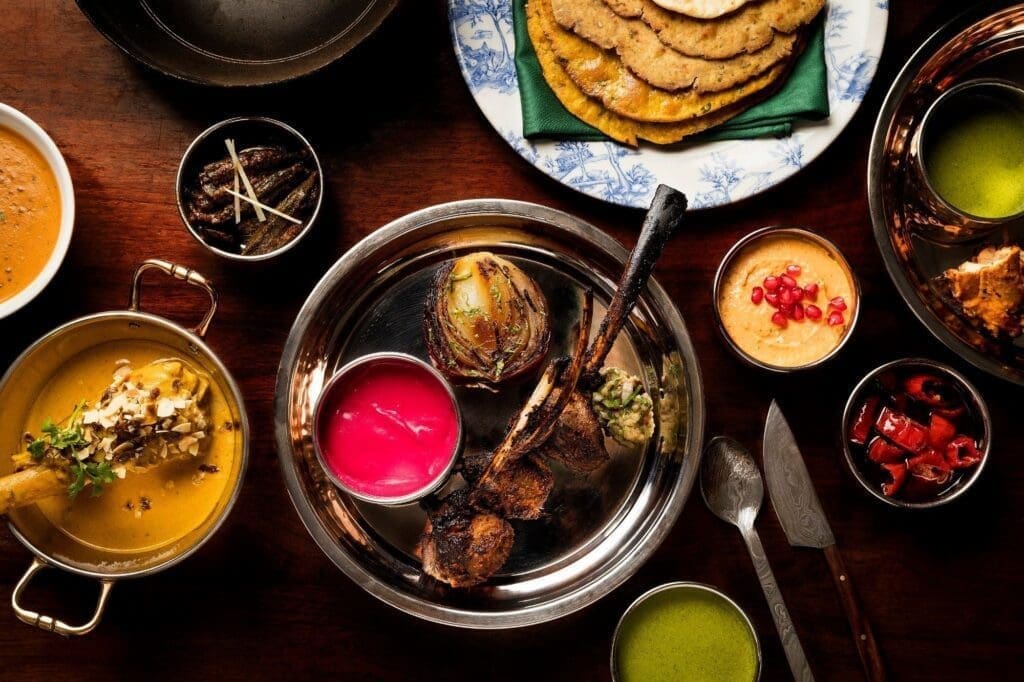
India is home to about 75 of the 109 spice varieties identified by the International Organization for Standardization, and in FY 2024–25, India’s spice exports were valued at US$4.72 billion, a 6% increase over FY 2023–24 (6% refers to value growth, but volume growth was ~17%). India is literally the world’s spice cabinet.
However, the sheer magnitude of India’s spice output is only a part of the story. The level of technical sophistication of Indian cooking is unparalleled. Consider the tadka process. Tadka is a cooking technique where whole spices are heated in oil or ghee (clarified butter) until they crack and release their aromatic compounds. Grinding spices does not release the same aromatic compounds that heating whole spices does. Dum pukht is another example; a slow cooking method that originated in the royal kitchens of Lucknow in the time of the Nawab of Awadh. Food sealed in pots with dough to trap steam is essentially a centuries-old pressure cooker designed to extract maximum flavor. Then there is the tandoor; a cylindrical clay oven that heats up to around 480°C (900°F). The char found on naan and tandoori chicken is impossible to replicate in a conventional oven.
Gaggan Anand (Chef, Gaggan, Bangkok; Asia’s 50 Best Restaurants #1 five times) said: “Indian cuisine is all about spices, about taste, and mixing things from so many different directions.” And according to Food & Wine Gazette, July 2016, he said: “When the comfort food is so good, it is very difficult to change people’s perception. And that is why Indian chefs have not excelled. They never wanted to.”
India is not a single culinary tradition with regional variations. There are dozens of full-fledged, independent culinary traditions operating under a single national banner. Kathi rolls of Kolkata, chole bhature of Delhi, biryani vendors of Hyderabad, dhaba roadside cooking of Punjab, coconut-based curries of Kerala, and the tangy tamarind-driven dishes of Tamil Nadu; each constitutes its own culinary universe with a different vocabulary, ingredients and techniques.
Street food is its own ecosystem. Millions of people eat pani puri, bhel puri and vada pav every day from Mumbai’s chaat stalls, many for less than a dollar. The size and variety of Indian street food alone could fill an encyclopedia.
The vegetarian tradition in Indian cuisine is arguably the most developed in the world. Paneer tikka, chana masala, dosa; these are not meat substitutes. These are full-fledged culinary ideas that do not require meat and therefore hold special significance in an age of growing global interest in plant-based eating.
6. Thai Cuisine, Balance as Architecture
Thai cuisine achieves a sweet, sour, salty, bitter and spicy balance in a single dish. Sweetness comes from palm sugar. Sourness from tamarind and lime. Saltiness from fish sauce. Each flavor has its own source, and the combinations are vast. This balance is not a marketing term. It is an architectural principle in the composition of Thai dishes.
The complexity of Thai cooking begins with the curry paste. Traditionally, Thai cooks use a granite mortar and pestle called a krok to pound the curry paste. The order of pounding is important. Harder ingredients, such as coriander root and galangal, are pounded first. Then the softer aromatics, such as lemongrass, kaffir lime peel, shrimp paste and fresh green chilies are pounded. The pounding process can take more than an hour. According to Thai cooks, the mortar releases oils and aromatic compounds that a blender simply crushes. The pounding technique is what makes the paste.
Bangkok’s street food culture is legendary. In the 2026 Michelin Guide, Thailand is home to 43 Michelin-starred restaurants, including street-side cook Jay Fai, now over 80 years old. She works in ski goggles over burning charcoal and prepares crab omelets that have held a Michelin star since 2018. That a street-side cook in a narrow alleyway receives the same recognition as a $300-per-plate Parisian restaurant means that the definition of fine dining has been forever altered.
Thai cuisine is closely tied to Thailand’s agricultural base. Jasmine rice from the Isan region of northeastern Thailand is considered one of the best varieties of rice in the world and has received the World’s Best Rice award several times at the Rice Trader World Rice Conference. Thailand is consistently among the top two or three rice-exporting countries in the world, along with India and Vietnam, and is also a major exporter of seafood and tropical fruits. The raw materials behind Thai cuisine are not imported luxuries; they are local crops grown in the same earth that has supported Thai cuisine for centuries.
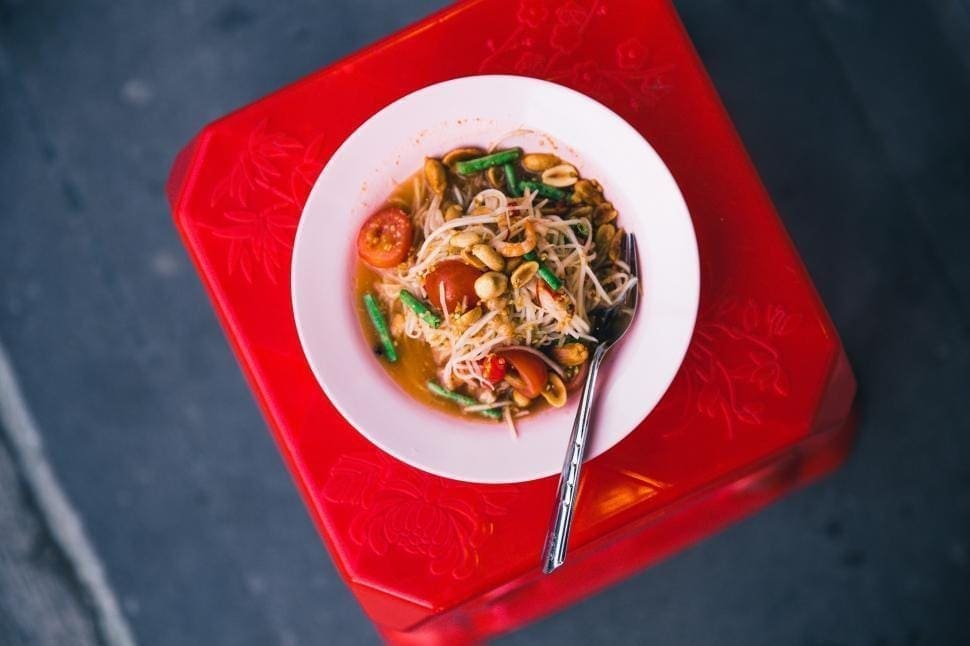
To judge any Thai kitchen, order the Som Tam. Green papaya salad. If the lime juice, fish sauce, chili, and palm sugar arrive in balance, then the rest of the menu will follow.
7. French Cuisine, the Blueprint Everyone Else Inherited
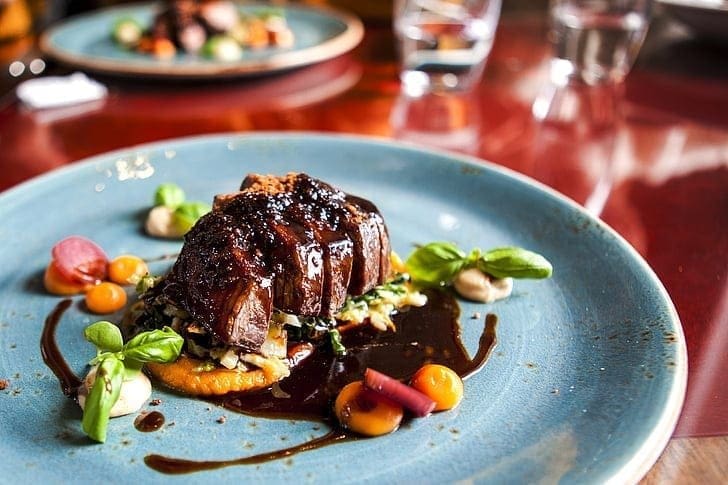
If you have never had a single French meal, French cuisine probably influenced the kitchen that cooked your last meal. That is not hyperbole. That is a statement of the degree to which French culinary systems have become embedded in the global food economy (French cuisine was also inscribed in the same 2010 UNESCO session as Mexican cuisine).
France has more Michelin-starred restaurants than any other country; 668 as of the 2026 guide. All culinary schools teach the French mother sauces, knife cuts and brigade system. French cuisine did not only create delicious food. It created the systems by which all professional cooking is currently conducted. Mise en place; preparation and organization of all ingredients prior to cooking; is the universal standard in commercial kitchens. The five mother sauces (bechamel, veloute, espagnole, hollandaise, and tomato), codified by Auguste Escoffier, are the basis for hundreds of secondary sauces. The brigade system, which organizes a kitchen into specialized stations (saucier, poissonier, pâtissier, rôtisseur), was originally modeled after the French military and has been adopted by most high-volume restaurants.
Auguste Escoffier (father of modern French cuisine) said: “The greatest dishes are very simple.” and: “Good food is the foundation of genuine happiness.” (Original French: “La bonne cuisine est la base du véritable bonheur.”)
The term “restaurant” is French. The original Parisian restaurants of the eighteenth century served “restorative” broths to weary customers. Escoffier later turned these restaurants into the modern, hierarchical establishments that we recognize today.
The Gastronomic Meal of the French was recognized by UNESCO as an Intangible Cultural Heritage in 2010. French influence extends into law and regulation. The AOC (Appellation d’Origine Contrôlée) system, which protects the geographic origins and production methods of wines, cheeses and agricultural products, was formalized in the nineteen thirties. Similar systems were later implemented throughout Europe, including the EU’s PDO and PGI systems, adopted by Italy, Spain, Portugal and others. Only wine from Champagne may be labeled Champagne. Roquefort cheese must be aged in the caves of Roquefort-sur-Soulzon. These are not simply traditions; they are legally enforceable standards that France invented.
French cuisine is the invisible infrastructure behind the way restaurants operate, food is protected and culinary careers are built globally.
8. Spanish Cuisine, the Tapas Revolution and Beyond
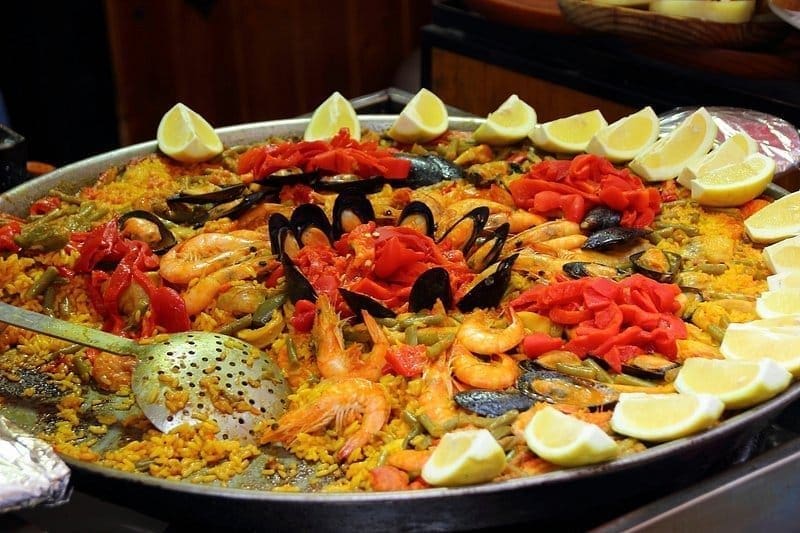
Not only has Spain changed what the world eats; it has also changed how it eats. The concept of tapas; small plates to share rather than a single large main course; has spread to virtually every type of dining establishment in the world, from cocktail bars in New York to fast-casual restaurants in Singapore. Tapas bars now exist in nearly every major city on the planet.
Spanish cuisine however, is much more than just small plates.
The geographical diversity of Spain produces some of the most highly prized individual ingredients in the world. Jamón ibérico de bellota is made from Iberian pigs raised in oak forests, fed only on acorns during the montanera season and aged for two to four years. The price of jamón ibérico de bellota can exceed $100 per pound. Saffron, the most expensive spice in the world by weight, is cultivated by hand in the La Mancha region. Spain is the world’s largest producer of olive oil, accounting for approximately 45% of total world production, exceeding both Italy and Greece. Pimentón de la vera, a smoked paprika produced in the Extremadura region of Spain by drying the pepper pods with oak fire smoke, imparts a characteristic smoky flavor to Spanish chorizos and patatas bravas.
In addition to influencing how we eat, Spain also contributed to the development of molecular gastronomy. Ferran Adrià’s elBulli, which closed in 2011, introduced the world to techniques such as spherification, gelification and foam creation that are now standard in experimental kitchens from Copenhagen to Lima. However, Spanish innovation has not stopped at elBulli. The Basque region of northern Spain is now one of the premier food destinations in the world. San Sebastian has one of the highest concentrations of Michelin-starred restaurants per capita in the world, and restaurants such as Arzak, Mugaritz and Asador Etxebarri continue to innovate while remaining true to their Basque heritage.
Jacques Maximin (French chef) told Ferran Adrià: “Creativity means not copying.” Adrià later recalled: “This simple sentence changed my life.”
The aroma of saffron-infused rice wafting out of a Valencian paella pan. The smooth, nutty sweetness of a perfect slice of ibérico ham melting in the mouth. The cool, sharp taste of gazpacho on a hot summer day in Andalusia. Spanish food is sensory before it is intellectual; that is the idea.
Tapas encourages social interaction and experimentation; a social innovation disguised as dinner.
9. Peruvian Cuisine, the Emerging Force
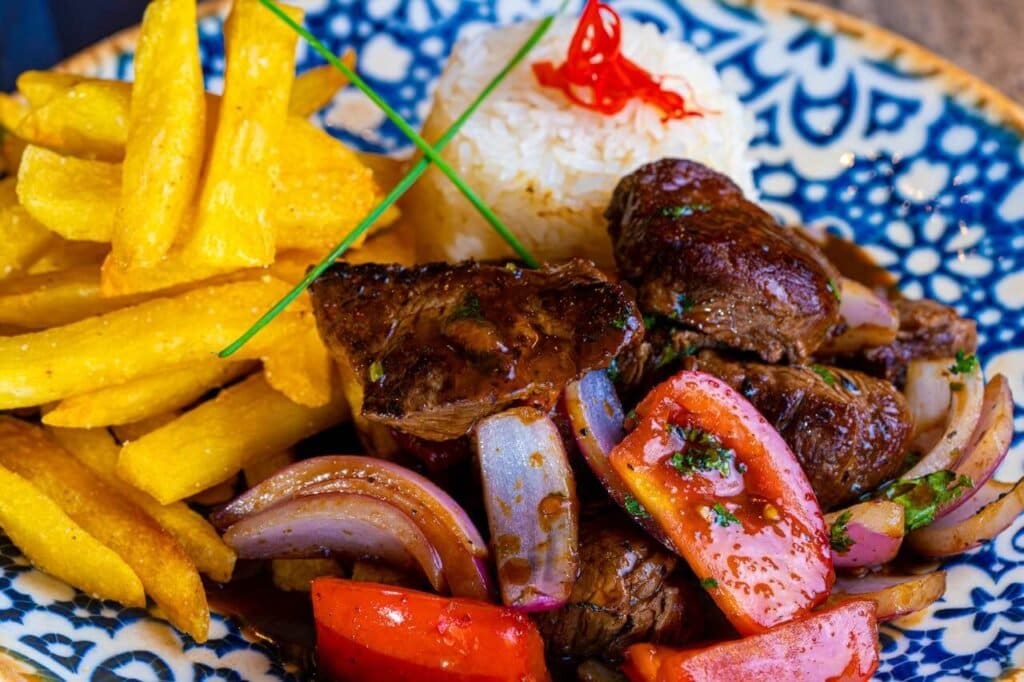
Peru ranked third in the TasteAtlas 2025/2026 world cuisine awards, after Italy and Greece. This ranking reflects what food professionals have understood for years; Peruvian cuisine is one of the most innovative and rapidly expanding culinary forces in the world.
The foundation of Peruvian cuisine is biodiversity. Peru comprises 84 of the world’s 117 recognized life zones, and this biodiversity is reflected in Peruvian cuisine. Peru grows over 3,000 varieties of potatoes (with some estimates exceeding 4,000) and over 50 varieties of corn. Other ingredients include the aji amarillo, a bright, fruity chili pepper; lucuma, a subtropical fruit used in desserts and ice cream; and purple corn, used to make the traditional drink chicha morada. None of these ingredients are found in this combination elsewhere.
Virgilio Martínez (Chef, Central, Lima) said: “We never think something coming from one altitude is always going to be there on the menu.”
What distinguishes Peruvian cuisine is the layers of influence. At its base are indigenous Quechua and Aymara traditions. Spanish colonialism shaped the cuisine over centuries. African communities contributed essential ingredients and techniques. Waves of Chinese immigrants gave birth to the chifa culinary style, and Japanese immigrants created the Nikkei fusion tradition. Ceviche, raw fish marinated in citrus juice with aji peppers, red onions and cilantro, is Peru’s national dish and exemplifies how acidity, spiciness and freshness can substitute for heat in cooking.
Lima is now widely regarded as one of the top food cities in the world. The concentration of world-class restaurants in Lima, from Virgilio Martínez’s Central, which uses altitude-based tasting menus to explore Peru’s ecosystems, to Gastón Acurio’s Astrid & Gastón, has positioned the city as a culinary destination equal to Tokyo, Paris and Mexico City.
Gastón Acurio (Chef, Astrid & Gastón; godfather of Peruvian cuisine’s global rise) said: “Peru has proved to the world that we can use our cuisine as a weapon for change.”
Peruvian cuisine is ancient, complex and becoming increasingly difficult to ignore.
10. Greek Cuisine, the Mediterranean Standard-Bearer
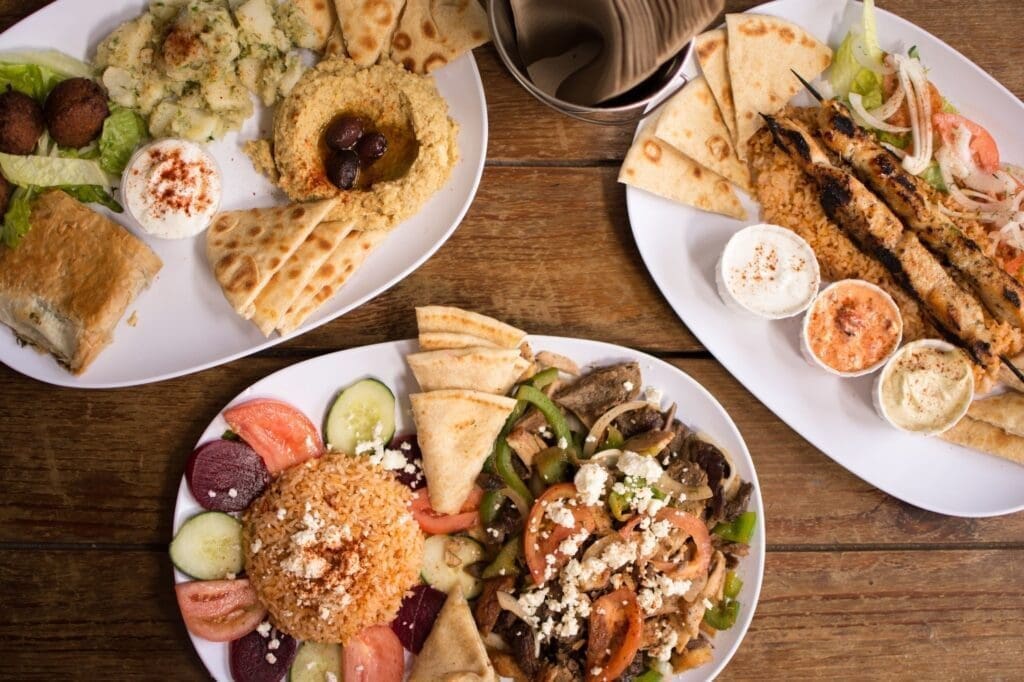
Greek cuisine has had the highest rating on TasteAtlas for 2024–25 and was then ranked second in 2025–26. This back-and-forth indicates that Greek cuisine is now in the elite ranks of international recognition.
Compared to other Mediterranean traditions, the difference lies in the simplicity of Greek cuisine’s core elements. A Horiatiki (Greek salad) is composed of six basic ingredients: tomatoes, cucumbers, onions, green peppers, Kalamata olives, and feta cheese. There is nothing else. Only olive oil and oregano are added as seasoning. Not even lettuce is included. And there is no vinaigrette. The quality of each element affects the final taste of the dish. For example, a Horiatiki made with the best, freshest products available in peak season and using a true PDO sheep’s-milk feta cheese from Greece tastes entirely different from one prepared with year-round supermarket ingredients and generic white cheese. This is a truth that Greeks understand instinctively, and it is why selecting the finest ingredients is as important as the technique employed to assemble the dish.
The Mediterranean diet has been studied extensively in clinical trials related to cardiovascular health. Essentially, Greek cuisine embodies this diet but makes it appealing without trying to be “dietary.” Olive oil is liberally applied to all dishes. Fresh fish is grilled daily. Lamb, fresh vegetables, wild herbs foraged from hillsides surrounding the Aegean Sea, the wines of Santorini, the mastiha liqueur of Chios; it is a food identity inextricably linked with the location, the social group, and the customs of the people.
Tavernas, which serve food family-style down the length of tables with wine flowing freely, have defined social life in Greece for generations. All Easter celebrations revolve around a spit-roasted lamb cooked for hours outside and shared with the entire extended family and community. Similarly, weddings, name-days, and religious festivals all include specific food traditions that unite contemporary Greeks to practices dating back to the Byzantine Empire and ancient times.
Greek cuisine does not follow trends. It is foundational.
11. Korean Cuisine, the Hallyu Flavor Bomb
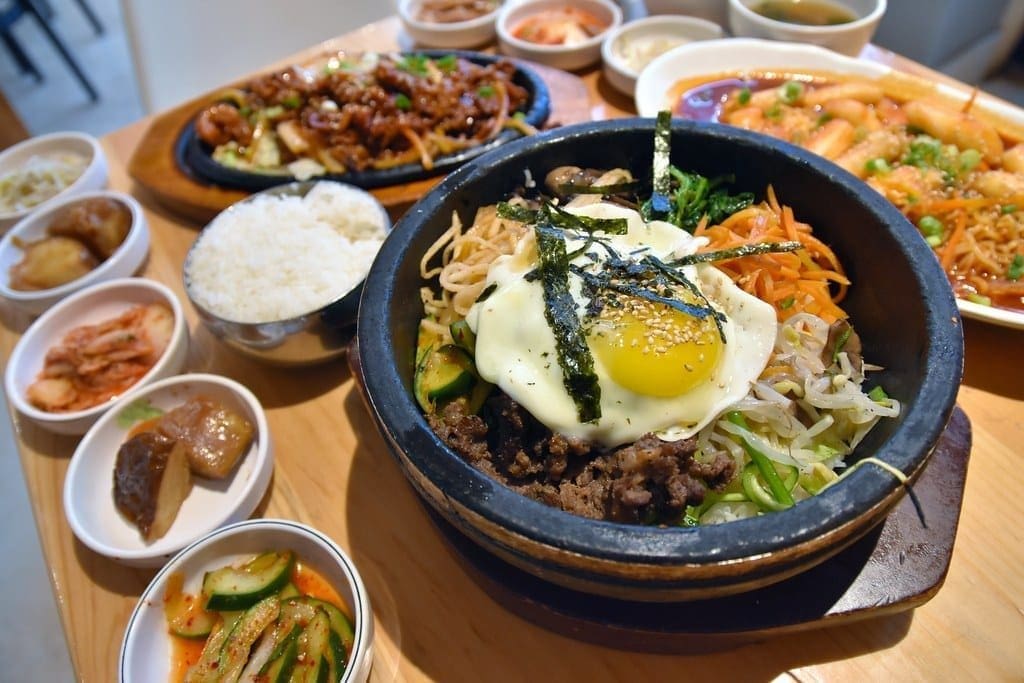
Korean food has wielded soft power more successfully than any other cuisine since the beginning of the 21st century. As reported by the Korea Foundation in 2024, the number of fans of the Hallyu wave (Korea Wave) globally increased to 225 million people, with fan communities across 119 countries as of Dec. 2023; an increase of 24 times from the 9.26 million Hallyu fans identified in the first survey conducted in 2012. Food is one of the main factors driving that growth. Characters in K-dramas appear on-screen eating; weeks later, the same dishes trend on TikTok and Google globally. Coincidence? No. Cultural export. And it works.
Anthony Bourdain (on Korean food, from his Facebook page / social media, widely quoted) said: “I have, for some time, believed that the chefs doing the most interesting work in America are Korean.”
Fermentation is not a recent development in Korean cooking. It is the basis. There are over 200 documented types of kimchi, from the standard napa cabbage baechu kimchi to kkakdugi (radish cubes), yeolmu kimchi (greens of young radish), and mul kimchi (a cold, brothy variety served as a palate cleanser). Doenjang (fermented soybean paste), ganjang (soy sauce), and gochujang (fermented chili paste) comprise the holy trinity of flavors that underlie virtually every Korean dish. Traditional preparation of these condiments, referred to as jang, involves naturally fermenting them in onggi (earthenware vessels) placed outdoors and exposed to the sun and the seasons’ changing temperatures for several months.
Kimjang, the communal process of making and sharing kimchi among families and neighbors in the fall, was designated as an Intangible Cultural Heritage by UNESCO in 2013. The designation not only acknowledged the food itself but also the social structure of the community that gathers annually in the fall to prepare kimchi for the coming winter.
More recently, UNESCO also designated Korea’s traditional jang-making culture as an Intangible Cultural Heritage.
Another defining feature of Korean cuisine is the banchan system. Virtually every restaurant meal in Korea comes with a variety of small side dishes served free of additional charge. Typically, three to a dozen plates; differently seasoned spinach, pickled radish, stir-fried anchovies, glass noodles (japchae), and soybean sprouts (kongnamul); accompany every order of grilled meat or a bowl of jjigae (stew). The underlying principle of Korean cuisine; that every meal should contain a harmonious blend of flavors, colors, textures, and nutrients; is not some modern nutritional directive. Rather, it is a principle embedded in Korean cuisine for centuries.
Try making a batch of gochujang-based sauce. Store it in your refrigerator. Apply it to your eggs, rice bowls, grilled meats, roasted vegetables, etc. You won’t regret it!
12. Vietnamese Cuisine, the Quiet Conqueror
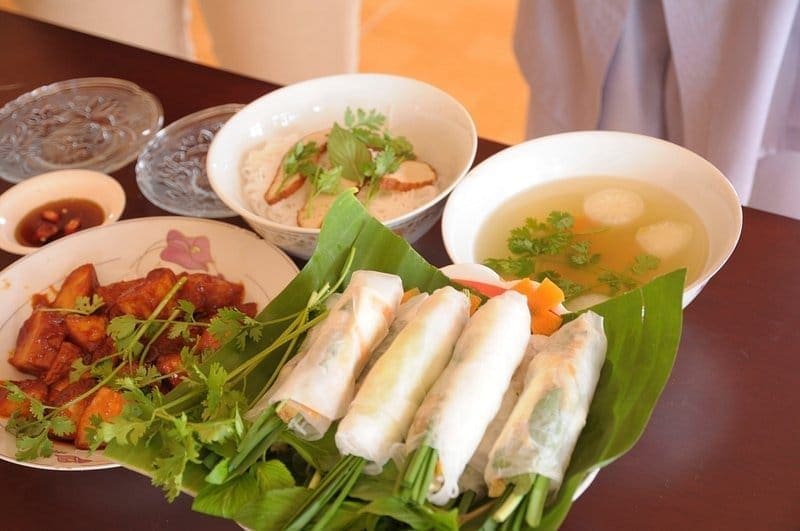
Vietnamese cuisine has become so successful that it has quietly conquered the globe. No other cuisine can equal the aromatic impact of a well-made bowl of pho. Star anise, charred ginger, cinnamon, and the deep, rich flavor of bones that have simmered for twelve hours or more make up the bouquet of a properly made bowl of pho. Pho broth is always transparent. In Vietnamese culinary tradition, a cloudy pho broth is a technical failure. The amount of time and effort invested in a $5 bowl of pho on the streets of Hanoi tells you everything you need to know about the values that define this cuisine.
Anthony Bourdain said: “A good bowl of pho will always make me happy, take me to that special place where everything is beautiful and nothing hurts.”
Pho, banh mi, and spring rolls have become global phenomena. The number of Vietnamese restaurants in the U.S. continues to grow. Fish sauce, lime juice, chili, fresh mint leaves, and rice noodles have become part of the larger culinary lexicon.
Vietnam is much more geographically and culturally diverse than most outsiders recognize. Northern Vietnamese cuisine is characterized as more subtle and restrained. Bun cha (grilled pork with rice noodles and herbs) and pho with a clear, delicate broth are the norm. Central Vietnamese cuisine, especially that from the imperial city of Huế, is spicier and more elaborate. Bún bò Huế, a spicy beef noodle soup made with lemongrass and shrimp paste, is as far removed from Hanoi-style pho as Sichuan food is from Cantonese. Southern Vietnamese cuisine, based in Ho Chi Minh City, utilizes sweeter flavors, coconut milk, and tropical herbs.
On Bún bò Huế, Bourdain specifically said: “In my way of thinking, in the hierarchy of delicious, slurpy stuff in a bowl, bun bo hue is at the very top.”
Banh mi is perhaps the most perfect edible metaphor for Vietnam’s history. The French baguette tradition has been merged with Vietnamese fillings. Pickled daikon and carrot, cilantro, jalapeño, pâté and pork fill the bread. It is a unique Vietnamese creation, despite its colonial origins.
Traditionally, a pho broth is prepared by grilling beef or chicken bones over an open flame with ginger and onion, then allowing the mixture to simmer for eight to 24 hours while adding whole spices such as star anise, cinnamon, cloves, coriander seeds, and occasionally fennel seeds. The broth is constantly skimmed until it is crystal-clear.
Vietnam has been producing bowls of pho that are simultaneously comforting and light for centuries; long before clean eating dominated food media. Vietnamese food is probably the healthiest widely eaten cuisine on the planet.
13. Brazilian Cuisine, a Carnival on a Plate
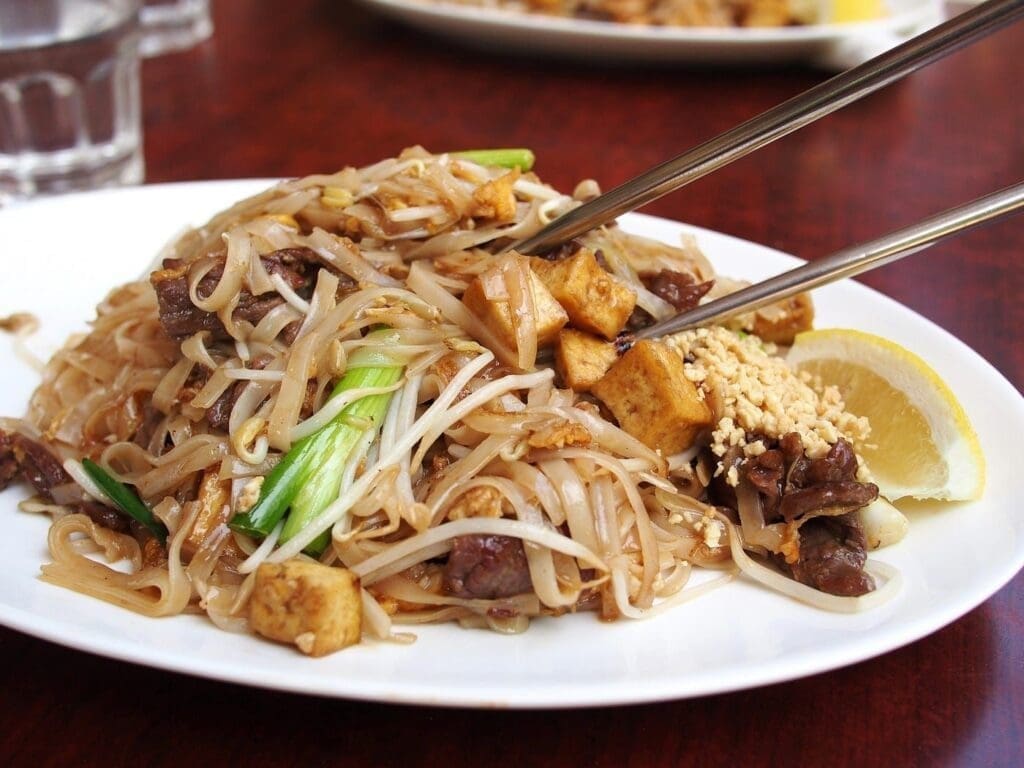
Brazilian cuisine is a carnival on a plate. Most people associate Brazilian food with the churrascaria, the steakhouse where servers continuously cut slices of meat from large skewers. While the churrascaria is an exciting dining format, it only scratches the surface of Brazilian cuisine.
Brazil’s culinary identity is a hybrid unlike any other. Ingredients and traditions were brought to Brazil from the Amazon, Portugal and Africa. The Portuguese brought their culinary traditions to Brazil during the colonial period. Enslaved Africans brought with them ingredients and techniques that would eventually define Brazilian cuisine. Palm oil (dendê), coconut milk, okra, and black-eyed peas are essential components of Bahian cooking. Located in the northeast of Brazil, the state of Bahia is generally regarded as the heart of Brazilian cuisine. Acarajé, the fried bean fritter that is one of Brazil’s most famous street foods, directly originates from the Nigerian and Beninese Yoruba akara. The craft of making acarajé was officially recognized by IPHAN (Brazil’s National Institute for Historic and Artistic Heritage) in 2005 as an intangible cultural heritage of Brazil, due to its African roots and cultural importance. Moqueca Baiana, the fish stew with dendê oil and coconut milk, is undoubtedly an Afro-Brazilian dish.
Brazil is home to incredible biodiversity. Many of the ingredients found in the Amazon rainforest are not available anywhere else. These ingredients include açaí, tucupi (fermented cassava broth), and jambu (a numbing herb used in tacacá soup). In southern Brazil, specifically in the states of Rio Grande do Sul and Paraná, immigrants from Germany, Italy and Eastern Europe created the churrasco culture and the yerba mate drinking custom known as chimarrão. In the central west, the Pantanal and Cerrado biomes offer freshwater fish, pequi fruit, and baru nuts that characterize a regional cuisine distinct from the coastal regions. Pão de queijo, the cheese bread made from tapioca flour and cheese, was created in the 18th century in the mining state of Minas Gerais. Today it is enjoyed throughout Brazil and exported commercially around the world.
Brazilian food represents a huge challenge to the Eurocentric way in which we commonly view and rank cuisines. Feijoada, the black bean and pork stew, is as complex and historically layered as French cassoulet. The conversation is overdue to reflect this.
14. American Cuisine, the World’s Largest Remix
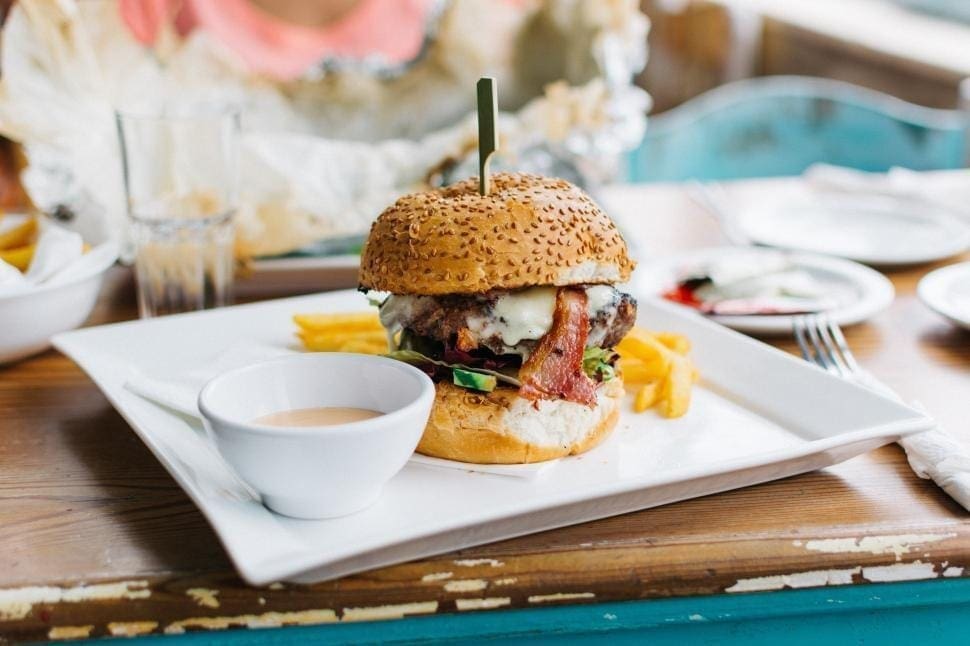
Yes, America has a cuisine. No, it is not simply hamburgers and hot dogs, although both are legitimate culinary creations. American cuisine is the world’s largest remix culture. It includes Cajun and Creole from Louisiana, Tex-Mex from the border states, New England clam chowder, Southern barbecue with its fiercely competitive regional variations, soul food, Hawaiian poke, and the entire realm of diner food that fuels late-night appetites in America.
Many underestimate the scope of American regional cooking and attribute it solely to fast food. However, the four main styles of barbecue create their own culinary universes. Texas brisket is smoked low and slow over post oak. Pulled pork in the Carolinas is sauced with a vinegar-based sauce. Dry-rubbed ribs in Memphis. Sweet and thick tomato-based sauce in Kansas City. Each has its own preferred woods, its own rubs, sauces, and competitions. Advocates for their respective styles defend their chosen style’s superiority as if they were debating theology.
The James Beard Foundation, often called the “Oscars of food,” awards and validates American culinary achievement and has, in the last two decades, accomplished more than any other organization to prove that American cuisine is real, varied, and deserving of serious study. Chefs, working in uniquely American idioms, have contributed significantly to redefining American cuisine. Sean Brock’s Southern revivalism is an example. So too are immigrant-inspired tasting menus in Queens, NY.
American food is not a single tradition. It is the dynamic, evolving result of immigration, adaptation, and innovation. The smoky char of the bark of a Texas brisket. The sharpness of a New Orleans gumbo. The crunch of a New York deli pickle. The warmth of Hatch green chile stew in New Mexico. These are not imitations of foreign culinary traditions. They are their own traditions, developed in specific American locations by distinct local communities.
15. Lebanese Cuisine, The Levant’s Most Successful Export
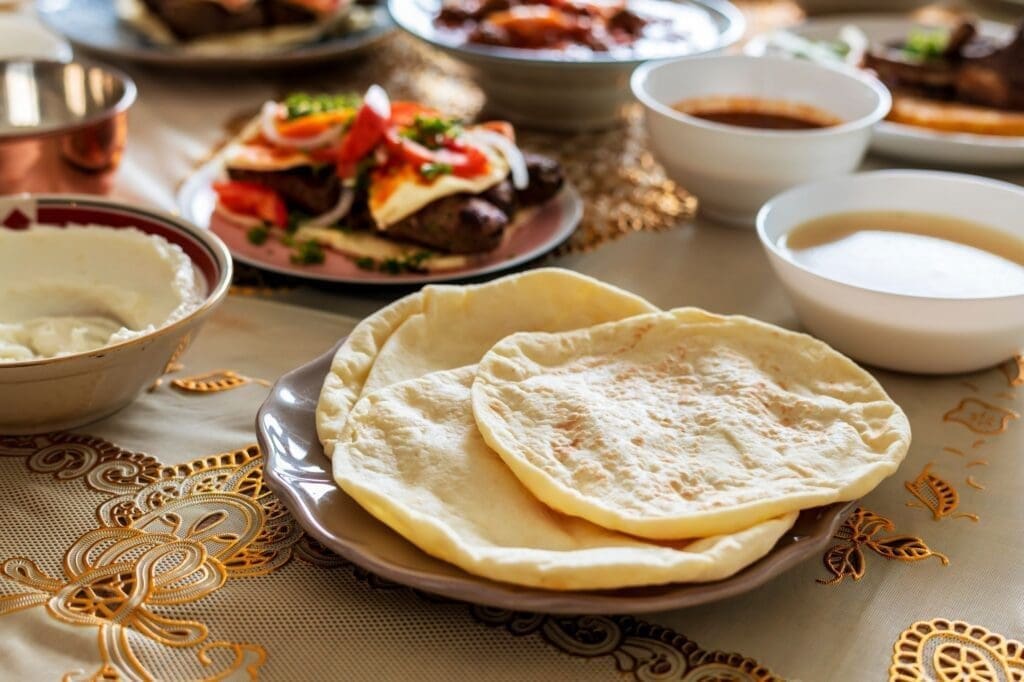
Garlic is being pounded into a smooth, white paste. Lamb fat sizzles as it drips onto charcoal. The warm, yeasty aroma of freshly baked Man’Ouche drifts from a wood-fired oven at 6 AM. Lebanese food greets you before you see it.
According to TasteAtlas 2025/2026 Global Ranking, Lebanese cuisine is the #1 ranked Arab cuisine in the world, ranked 20th overall, and was ranked higher than Palestinian, Egyptian, Tunisian and Syrian food. This may seem like a lot coming from a country of approximately six million people. However, considering the diaspora, this makes more sense. There are estimates of the global Lebanese diaspora ranging from four million to fourteen million people. These estimates come from organizations such as the Lebanese Government and from several academic studies. Brazil alone is estimated to be home to seven to ten million people of Lebanese descent. Lebanon has sent its kitchens to Argentina, Australia, West Africa, the Gulf States, France, Canada and everywhere else Lebanese people settled, and the food has taken root.
Yotam Ottolenghi (Israeli-British chef, on Middle Eastern cuisine) said: “Middle Eastern cuisine has the same depth of ingredients and processes as other cuisines. They just haven’t had as much exposure.”
Lebanese cuisine is the product of extraordinary historical depth. Many dishes date back thousands of years, shaped under Phoenician, Persian, Roman, Arab and Ottoman rule. Kibbeh, widely accepted as the national dish of Lebanon, is a mixture of finely ground bulgur wheat, ground lamb and spices. Kibbeh can be served raw, baked in layers, or formed into torpedo shaped croquettes and fried with toasted pine nuts. The name kibbeh is derived from the Arabic word for “to form into a ball,” and food historians have linked early versions of the dish to ancient Mesopotamian grain and meat preparations. During over 400 years of Ottoman rule, lamb became the dominant source of protein in Lebanese cooking, stuffed vegetables and grape leaves became popular preparations, and strong, dark Turkish coffee became part of everyday life.
It is in the Mezze tradition where Lebanese cooking best illustrates its philosophy. A full Lebanese Mezze is not a course; it is an event. Dozens of small dishes arrive either simultaneously or in waves; hummus (the creamy chickpea and tahini dip that originated in the Levant, although the exact origin is disputed and Lebanon claims it with great fervor), baba ghanoush (smoked roasted eggplant blended with tahini and lemon), tabouli (a parsley-forward salad with bulgur, tomato, mint and a sharp lemon-olive oil dressing), fattoush (a bread salad with sumac vinaigrette), labneh (strained yogurt drizzled with olive oil), and warak enab (stuffed grape leaves). Each dish is small. Collectively, the Mezze table is one of the most generous and communal eating experiences in any culinary tradition. The Mezze table is designed for sharing, for conversation, for lingering; meals in Lebanon are measured in hours, not minutes.
In 2023, UNESCO inscribed Al-Man’Ouche on its Representative List of the Intangible Cultural Heritage of Humanity. The listing recognized the flatbread as an emblematic Lebanese culinary practice. Man’Ouche; a round of dough sprinkled with za’atar (a blend of dried thyme, sumac and sesame seeds) mixed with olive oil, then baked until fragrant and lightly crispy; is Lebanon’s quintessential breakfast food. It is consumed daily across all social classes. Man’Ouche is sold from bakeries and street vendors for the equivalent of a dollar or two. The UNESCO listing recognized not only the bread itself but also the social rituals and community ties that have developed around its preparation and consumption.
There is another aspect of Lebanese cuisine deserving of recognition: Lebanese extra-virgin olive oil. Lebanon is a relatively minor player in the world of olive oil producers, with about 70% of its olives going towards producing oil, according to a national market study conducted by Fair Trade Lebanon. Compared to Mediterranean giants such as Spain and Italy, Lebanon produces a minuscule amount of olive oil. However, Lebanese EVOO is highly valued for its quality. According to the Observatory of Economic Complexity, in 2024, Lebanon was the 12th largest exporter of pure olive oil by trade value.
What separates Lebanese food from its nearby Levantine neighbors with whom it shares many dishes and ingredients is a focus on brightness. The liberal use of lemon juice, fresh herbs (flat-leaf parsley and mint, primarily), garlic and olive oil gives Lebanese food a vibrancy that distinguishes it from the food of Syria, Palestine and Jordan, regardless of similar ingredients. Toum, Lebanon’s version of aioli, a violent aromatic emulsion of raw garlic, lemon juice, oil and salt that is pounded until it becomes impossibly white and fluffy, is the type of condiment that converts people to a cuisine after just one taste. Toum received the highest individual rating (4.7) of any Lebanese dish on TasteAtlas.
The impact of Lebanese food on global culinary culture is often difficult to detect because it has been absorbed so thoroughly. Hummus is now found on supermarket shelves in dozens of countries. Tabbouleh is found on menus from São Paulo to Sydney. Shawarma, as popularized by the Lebanese in its modern form (although the technique of grilling thinly sliced meat has its roots in Turkey and the broader Middle East), is street food in Berlin, London, Lagos, and Mexico City. The Lebanese diaspora not only exported recipes but also established restaurants, bakeries and grocery stores on every populated continent, subtly weaving Levantine flavors into the fabric of how the world eats.
Lebanese food requires nothing of the diner and gives back everything. A plate of hummus, a basket of warm pita, a handful of olives and a glass of Arak, and you have a complete experience. The genius lies in turning something as simple as that into something so abundant.
Ethiopian Cuisine, the Communal Table (Honorable Mention)
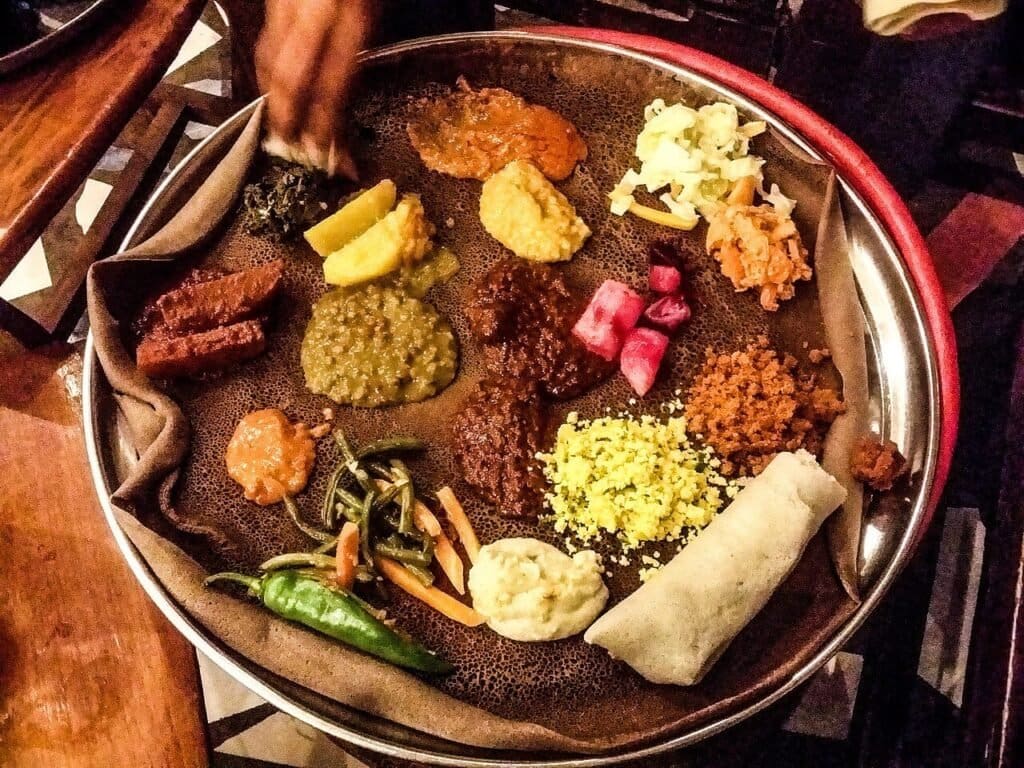
Ethiopian food tells you to eat with your hands. This is not a compromise; it is a philosophy. The communal act of tearing into injera; a spongy, tangy, teff-flour flatbread that is both your plate and your utensils; to scoop up stews, legumes, and spiced meats is dramatically different from the individualistic method of eating prevalent in the west. In Ethiopia, the food is literally shared, directly from a single platter.
The cuisine is built upon the berbere spice blend, a complex combination of chili peppers, fenugreek, coriander, cardamom, black pepper, and many other spices that changes from house to house and from region to region.
Marcus Samuelsson (Ethiopian-born Swedish-American chef, Red Rooster Harlem) said from his memoir Yes, Chef: “For me, my mother is berbere, an Ethiopian spice mixture. You use it on everything, from lamb to chicken to roasted peanuts. It’s our salt and pepper.”
Doro Wot, a slow-cooked chicken stew that uses berbere and nit’r qibe (spiced clarified butter), is the ceremonial centerpiece of Ethiopian cooking and is typically served on holidays and special occasions. Kitfo (Ethiopian steak tartare seasoned with mitmita spice and nit’r qibe) and tibs (sautéed meat and vegetables) provide completely different flavor profiles. Ethiopian Orthodox Christianity’s fasting practices, which restrict the consumption of animal products on Wednesdays, Fridays and during prolonged fasting periods, have created a remarkable variety of vegan dishes including misir wot (red lentil stew), shiro (ground chickpea stew) and gomen (collard greens).
Ethiopian coffee culture is foundational. Ethiopia is commonly regarded as the birthplace of coffee, and the traditional coffee ceremony; in which green coffee beans are roasted, ground, and brewed in a clay jebena over charcoal, then served three times consecutively; is a social ritual that can take longer than an hour. It is a representation of hospitality through caffeine.
Marcus Samuelsson also said: “In Ethiopia, food is often looked at through a strong spiritual lens, stronger than anywhere else I know.”
Ethiopian restaurants have proliferated in cities with large diaspora communities; Washington DC, London, Tel Aviv and beyond. The emphasis on bold spicing, communal eating and plant-based options will continue to propel the cuisine forward globally.
The Pattern Nobody Is Talking About
Sixteen cuisines. Thousands of years of culinary knowledge. Billions of meals served daily.
What connects Italian restraint with Sichuan complexity? What unites a Japanese sushi counter with a Mexican taco stand? What joins Ethiopian Injera with French Bechamel? These are not similarities in flavor but similarities in purpose. All of these traditions represent a community’s response to the same basic question: How do I sustain my body with food that brings me together with my family and helps me preserve a sense of who I am?
The responses are vast and diverse. A bowl of Pho takes twelve hours of patience. A plate of Cacio e Pepe takes twelve minutes. Both require the same level of commitment to get one thing correct.
The most important cuisines are not the ones with the highest prices or the most elaborate presentation. The most important cuisines are the ones that people refuse to allow to disappear; the ones passed down from a grandmother to her granddaughter in a kitchen that smells like home in a language that cannot be translated by a cookbook.
Global Cuisine Snapshot: 16 Culinary Traditions at a Glance
| Cuisine | TasteAtlas 25/26 Rank | UNESCO Heritage | Signature Dish | Key Economic Stat | Defining Characteristic |
|---|---|---|---|---|---|
| Italian | #1 (4.61/5) | Italian Cooking (2025) | Cacio e Pepe, Carbonara and Margherita | 4M+ tons pasta/yr (69% of EU) | Restraint & ingredient purity |
| Chinese | Top 10 | — | Mapo Tofu / Peking Duck | 42.2B instant noodle servings (2023) | Eight regional cuisines; wok hei mastery |
| Japanese | Top 10 | Washoku (2013) | Sushi / Kaiseki | Sushi market ~$9.6B → $14B by 2032 | Seasonal precision (shun); umami |
| Mexican | Top 10 | Michoacán Cuisine (2010) | Mole / Al Pastor Taco | 495.8M liters tequila produced (2024) | 3,500-yr nixtamalization; corn foundation |
| Indian | Top 15 | — | Biryani / Dosa | $4.72B spice exports (FY 2024–25) | 75 of 109 ISO spice varieties; tadka & dum pukht |
| Thai | Top 15 | — | Green Curry / Som Tam | 43 Michelin-starred restaurants (2026) | Five-flavor balance; krok mortar technique |
| French | Top 10 | Gastronomic Meal (2010) | Coq au Vin / Croissant | 668 Michelin-starred restaurants | Brigade system; mother sauces; AOC law |
| Spanish | #5 | — | Paella / Jamón Ibérico | ≈45% of world olive oil production | Tapas culture; molecular gastronomy (elBulli) |
| Peruvian | #3 | — | Ceviche / Lomo Saltado | 3,000+ potato varieties (some estimates exceeding 4,000); 84 of 117 life zones | Chifa & Nikkei fusion; biodiversity |
| Greek | #2 | Mediterranean Diet (studied) | Horiatiki / Moussaka | #1 on TasteAtlas in 2024–25 | Extreme simplicity; ingredient-first philosophy |
| Korean | Top 15 | Kimjang (2013); Jang-Making | Kimchi / Korean BBQ | 225M Hallyu fans across 119 countries | Fermentation; banchan system; soft power |
| Vietnamese | Top 20 | — | Pho / Banh Mi | Vietnamese restaurants growing steadily in U.S. | Freshness; 8–24 hr broth clarity standard |
| Brazilian | Top 20 | Acarajé (IPHAN, 2005) | Feijoada / Acarajé | Amazon-exclusive ingredients (açaí, tucupi) | Indigenous + Portuguese + African fusion |
| American | Top 25 | — | Texas Brisket / Gumbo | James Beard Foundation validates culinary scene | Remix culture; 4 regional BBQ styles |
| Ethiopian | Top 50 | — | Doro Wot / Injera | Birthplace of coffee; growing diaspora presence | Communal eating; berbere spice; vegan tradition |
| Lebanese | #20 (#1 Arab) | Al-Man’Ouche (2023) | Kibbeh / Hummus | 12th largest olive oil exporter by value (2024) | Mezze tradition; diaspora of 4–14M worldwide |
Frequently Asked Questions
What is the most popular cuisine in the world?
Italian food was named the world’s most popular by a 2019 YouGov survey of 24 countries, with an average approval rate of 84%, and received a 4.61 out of 5 score to lead the TasteAtlas 2025/2026 Awards as the number one rated cuisine in the world.
Which cuisines are listed by UNESCO as Intangible Cultural Heritage?
Many national food traditions have UNESCO Intangible Cultural Heritage status. These include Mexican cuisine (2010), the Gastronomic Meal of the French (2010), Washoku/Japanese Dietary Culture (2013), Korean Kimjang and Jang-Making Traditions (2013 and 2024), Turkish Coffee Culture (2013) and Italian Cooking (2025), among others.
What is the difference between the world’s “most popular” and “best” cuisines?
Popularity is measured by global recognition, the number of restaurants, and the number of consumers who have sampled and approved a particular cuisine. “Best” is a subjective term that depends on the criteria; flavor, technical skill, quality of ingredients, cultural importance. TasteAtlas lists cuisines based on the number of ratings given by users and expert reviews. Surveys such as YouGov measure the number of people who have tasted and liked a particular cuisine. None of these metrics capture the whole story.
Why is Peruvian Cuisine Rising Rapidly in Global Rankings?
The high biodiversity of Peru (over 3,000 varieties of potatoes, with some estimates exceeding 4,000, 50+ varieties of corn, etc.), the fusion of indigenous, Spanish, African, Chinese and Japanese culinary traditions, and the global success of Lima’s restaurant scene have propelled Peruvian cuisine to third place in the TasteAtlas 2025/2026 rankings.
What are the Eight Great Cuisines of China?
China’s eight main regional culinary traditions are Cantonese, Sichuan, Shandong, Jiangsu, Zhejiang, Fujian, Hunan, and Anhui. Each of these traditions has unique flavor profiles, techniques, and preferred ingredients. Some researchers identify dozens of other sub-regional cuisines.
Does the Mediterranean Diet come from a specific cuisine?
The Mediterranean diet is based on the traditional diets of countries surrounding the Mediterranean Sea. Greek, Italian, and Spanish cuisines are commonly cited as the primary examples. The PREDIMED clinical trial demonstrated significant cardiovascular health improvements related to this dietary pattern.